Delaware fits inside a postage stamp compared to most states, yet somehow manages to hide places that even decades-long residents have never visited. Beyond the familiar beaches and historic downtown districts are nature preserves packed with rare birds, a cypress swamp that looks borrowed from Louisiana, a museum dedicated entirely to military airlift history, and a lavender farm with roots going back to a William Penn land grant.
Some of these spots sit right inside city limits, quietly existing while the world rushes past on the highway. Others require a short detour off the coastal route, rewarding anyone patient enough to take the turn.
Each place on this list offers something genuinely surprising, and a few of them might make you question how you ever missed them in the first place.
1. Ashland Nature Center, Hockessin, Delaware
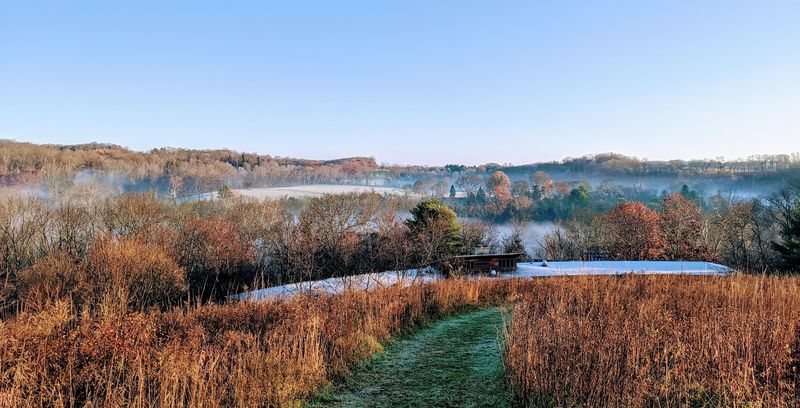
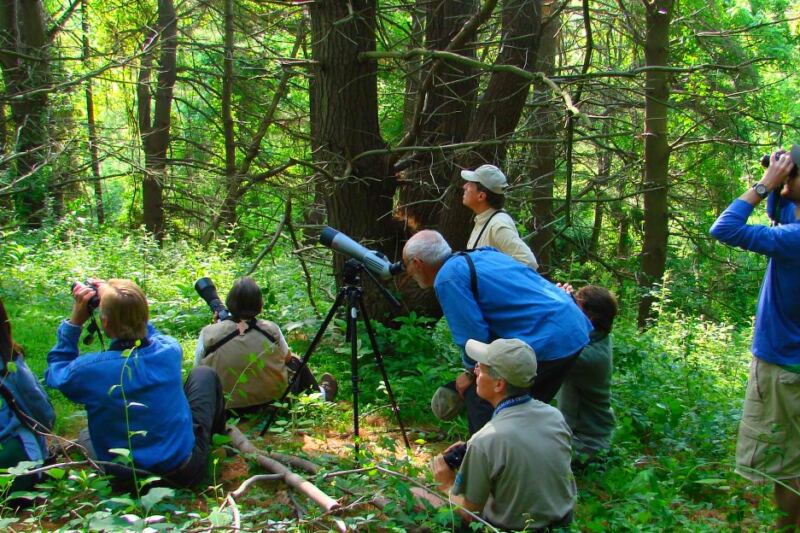
Headquartered in the Red Clay Valley, Ashland Nature Center serves as home base for the Delaware Nature Society and packs more ecological variety into its roughly 242 acres than most people expect from northern Delaware.
Four miles of trails wind through restored meadows, old-growth forest, pine groves, and floodplains along Red Clay Creek. The Covered Bridge Loop Trail crosses the historic Ashland Covered Bridge, adding a charming historical layer to an otherwise nature-focused outing.
Birders have been counting fall raptor migrations from Hawk Watch Hill since 2007, and the grounds also support a Purple Martin colony, a butterfly house, and a dedicated Hummingbird Haven. An active bird feeding station near the visitor center keeps things lively year-round.
Trails are open daily from sunrise to sunset, making it an easy stop for an early morning walk before the rest of the day fills up.
2. Hale-Byrnes House, Newark, Delaware
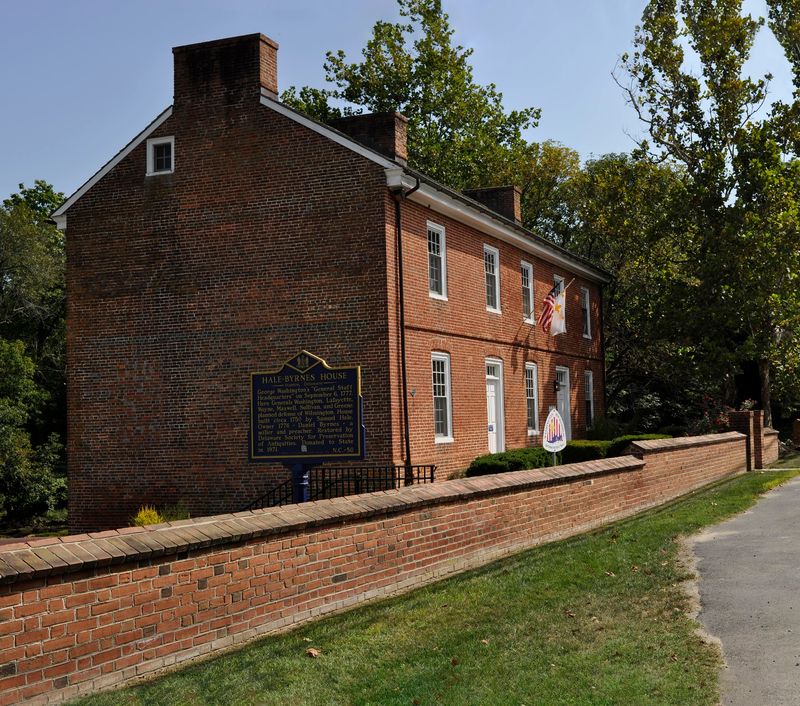
George Washington held a war council here on September 6, 1777, just three days after the Battle of Cooch’s Bridge and only days before the Battle of Brandywine, making this modest house one of the most strategically significant sites in Delaware’s Revolutionary history.
Built around 1750 by Samuel Hale and later owned by Quaker miller and preacher Daniel Byrnes, the property is listed on the National Register of Historic Places and forms part of the Washington-Rochambeau National Historic Trail. Among the generals present at that 1777 council were Lafayette, Wayne, Sullivan, and Greene.
Coincidentally, it was also Lafayette’s 20th birthday.
A nearly 300-year-old American sycamore known as the George Washington Witness Tree still stands on the property. A painting titled “Prelude to Brandywine,” commissioned in 2022, hangs in the front room and depicts that historic council.
The downstairs can be rented for small gatherings of up to 25 people.
3. Auburn Valley State Park, Hockessin, Delaware
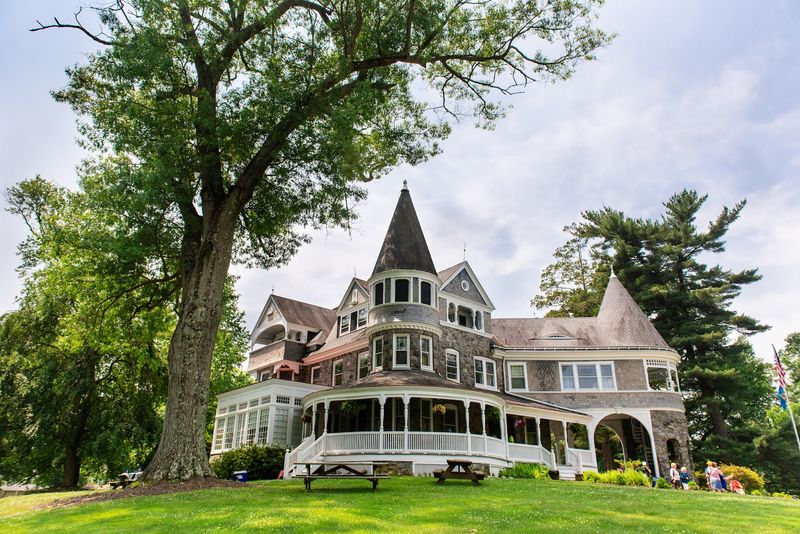
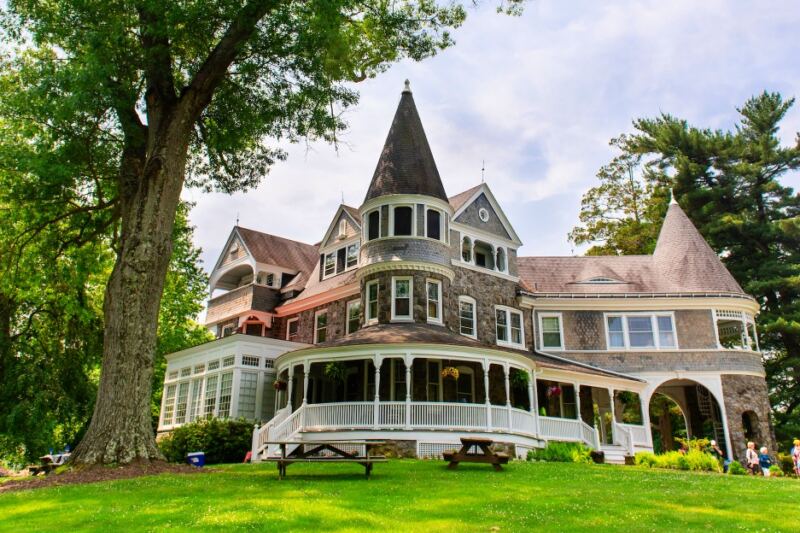
Most state parks offer trails and maybe a picnic table, but Auburn Valley brings a Queen Anne mansion, a working paper mill, and a fleet of vintage Stanley steam cars to the table.
The park grew from land donated by the Marshall family, whose industrial legacy shaped the Red Clay Valley for generations. Their historic home, furnished with antiques, opens for public tours on select dates, and behind-the-scenes tours of the Marshall Brothers Paper Mill are available for those who want a closer look at 19th-century manufacturing.
Inside the Marshall Steam Museum, 15 Stanley steam cars and a 1/8-scale steam locomotive called the Auburn Valley Railroad make up one of the largest operational collections of its kind in the country. Trails connect meadows, wetlands, and a paved path along Red Clay Creek that runs all the way to the Pennsylvania state line.
4. Abbott’s Mill Nature Center of Delaware Nature Society, Milford, Delaware
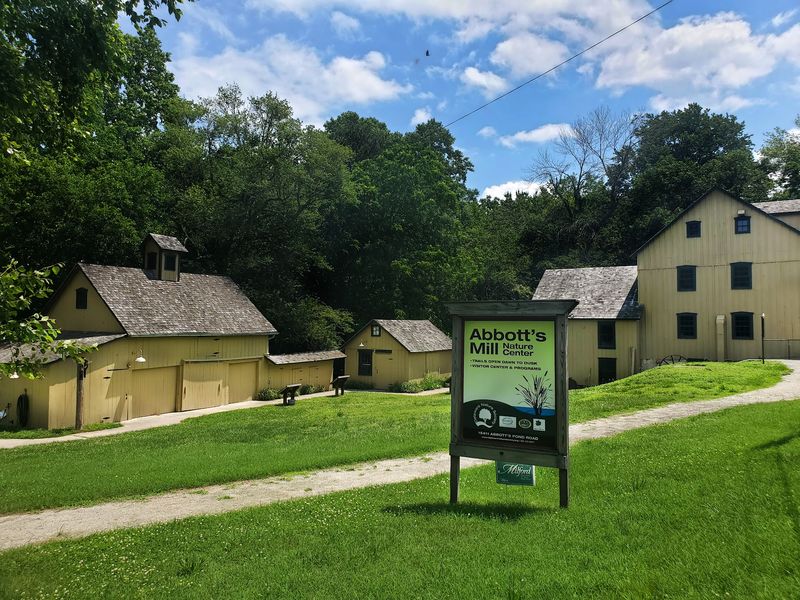
A working gristmill from the late 18th century, a 20-acre pond, six miles of trails, and a wheelchair-accessible boardwalk make Abbott’s Mill one of the most content-rich nature stops in central Delaware.
The mill site dates to 1795, when Nathaniel Whiley built a sawmill here that later converted to grinding grain. Ainsworth Abbott purchased the property in 1919, and the current two-and-a-half-story building sits on the original foundation.
The milling system spans four floors and includes a water turbine, Archimedes’ screw, grist stones, and roller mills, with a miniature working model on the second floor for easier understanding.
The mill operated until 1960 and has been on the National Register of Historic Places since 1972. Tours of the historic gristmill typically run on the third Saturday of each month from March to November.
Paddling, fishing, and birdwatching are all available in the surrounding 376-acre Milford Millponds Nature Preserve.
5. Bombay Hook National Wildlife Refuge, Smyrna, Delaware
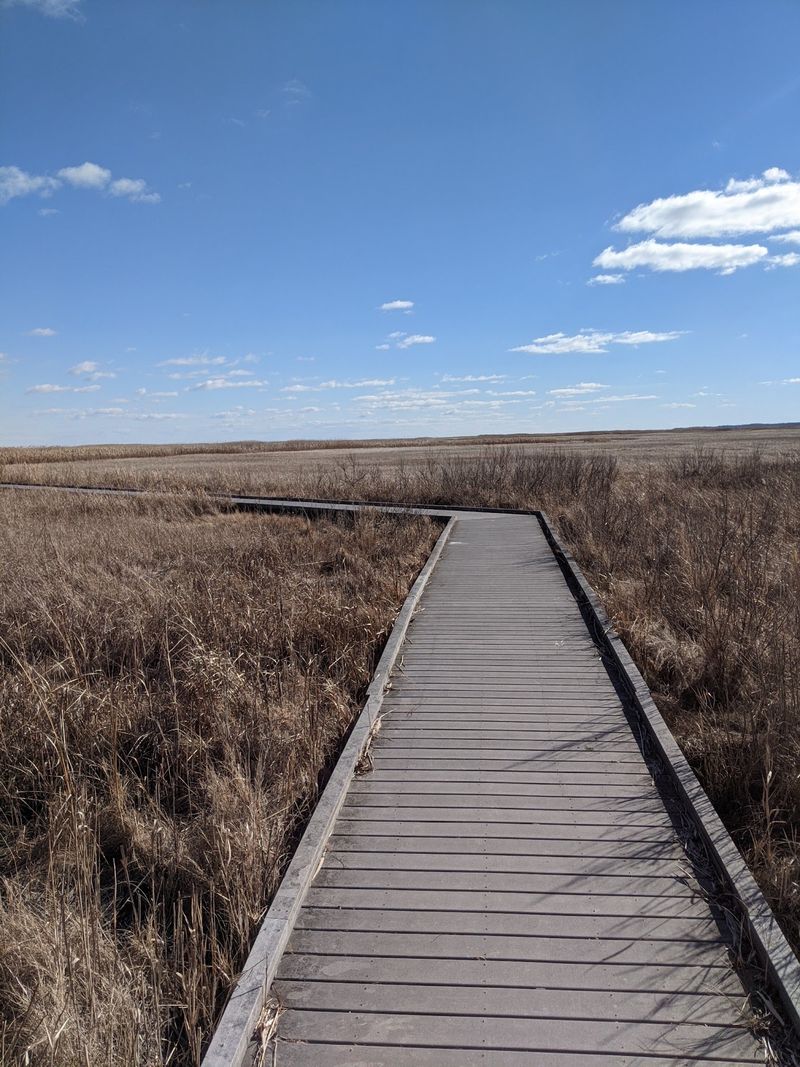
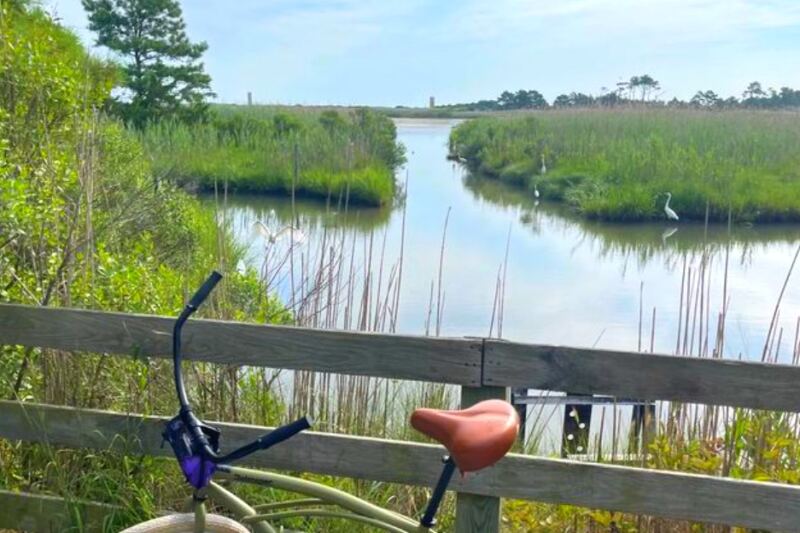
Established in 1937, Bombay Hook covers 16,251 acres along the Delaware Bay and ranks among the most ecologically important wetlands on the entire East Coast.
Four-fifths of the refuge is tidal salt marsh, including cordgrass meadows, mud flats, tidal pools, rivers, and creeks. The remaining upland sections add freshwater impoundments, forested areas, and brushy swamps to the mix.
Over 270 species of migratory birds use the refuge as part of the Atlantic Flyway, and ducks, geese, shorebirds, and wading birds are visible throughout the year.
A 12-mile Wildlife Drive allows visitors to explore by car, bicycle, or on foot, with five walking trails branching off along the route. Three observation towers provide elevated views across the marshes.
Foxes, beavers, and muskrats are frequently spotted, particularly in the early morning. The wildlife drive operates daily from half an hour before sunrise to half an hour after sunset, year-round.
6. Prime Hook National Wildlife Refuge, Milton, Delaware
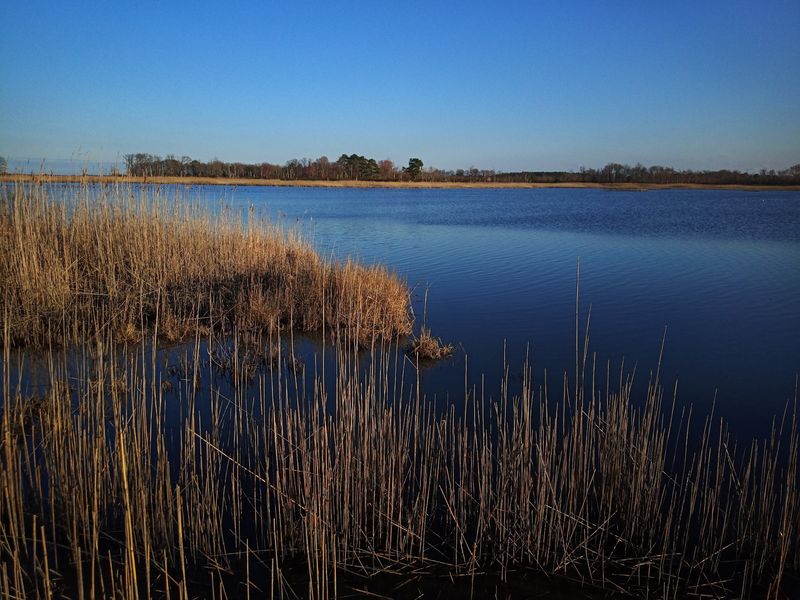
Travelers heading toward Rehoboth or Lewes tend to blow right past the Prime Hook turnoff, which suits the refuge’s regular visitors just fine.
Established in 1963, Prime Hook protects over 10,000 acres of habitat along the western Delaware Bay, with roughly 80% comprising a mix of fresh and saltwater wetlands. During peak fall migration, counts can reach 100,000 snow geese and 80,000 ducks, numbers that are hard to picture until you actually see them.
Seven and a half miles of hiking trails offer several entry points into the refuge, including two ADA-accessible routes along the Boardwalk Trail and Dike Trail. Over 15 miles of creeks and marsh are suitable for paddling, and a designated 7-mile canoe trail runs through a red maple swamp along Prime Hook Creek.
Fishing, crabbing, and regulated hunting are also permitted. The refuge is open daily year-round from half an hour before sunrise to sunset.
7. Lavender Fields at Warrington Manor LLC, Milton, Delaware
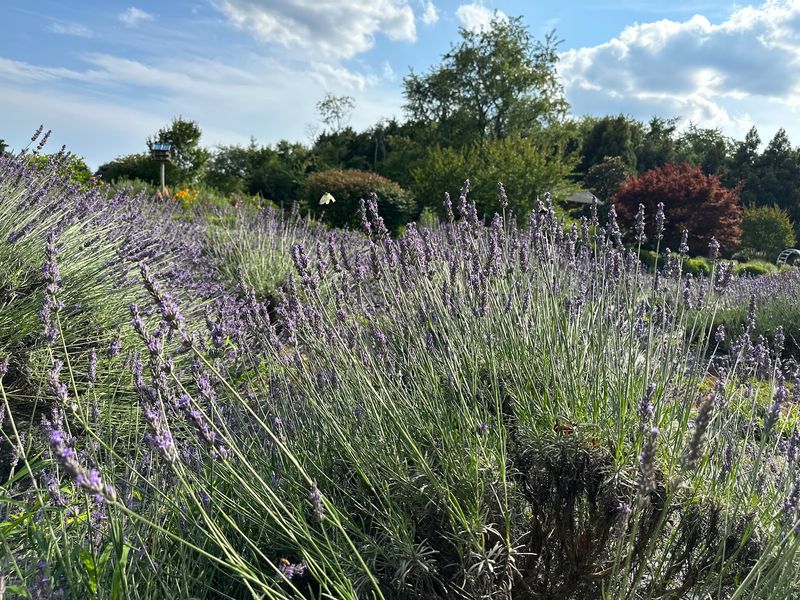
This five-acre property in Sussex County traces its origins to a 1,000-acre land patent granted by William Penn in 1684, which gives its lavender rows a historical backstory that most farm visits cannot match.
The Warrington family held the land from 1770 to 1946, farming peaches, apples, pears, grain, and sugarcane during the property’s agricultural peak. Lavender cultivation began in 1994, and the farm officially opened as Lavender Fields in 2005.
Every step of the operation, from planting and harvesting to drying and crafting products, is done by hand.
A labyrinth on the grounds provides a quiet space for relaxation or small events, and several beehives produce lavender honey available in the cottage store. A nature trail designed for children adds a family-friendly element to the visit.
Delaware’s tourism office lists the property among its recommended off-the-beaten-path destinations, and it is easy to see why.
8. Delaware Botanic Gardens at Pepper Creek, Dagsboro, Delaware
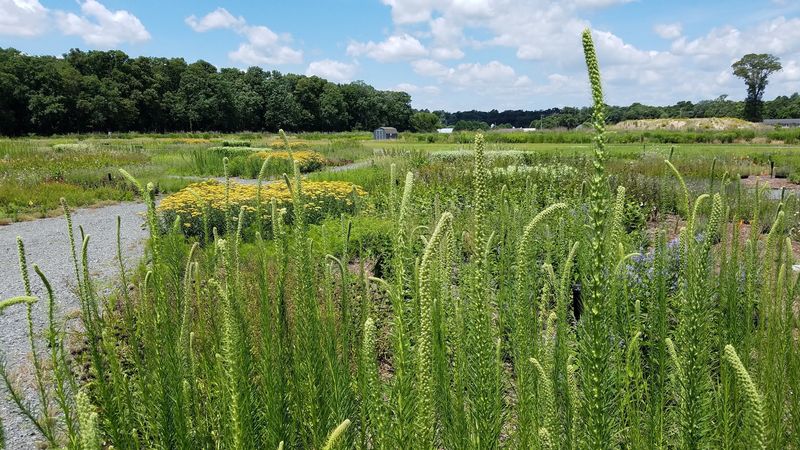
A group of Sussex County gardening enthusiasts founded these gardens in 2012, and when they opened to the public in 2019, southern Delaware suddenly had a world-class horticultural destination just a short drive from the beach towns.
The 37-acre property along Pepper Creek divides into three distinct zones: a 25-acre uplands plateau, a sloped woodland with freshwater wetlands, and 1,000 feet of waterfront on Pepper Creek with tidal wetlands. The centerpiece is the two-acre Piet Oudolf Meadow, designed by the Dutch landscape architect known for Chicago’s Millennium Park and New York’s High Line.
The meadow blooms from spring through late fall with alliums, coneflowers, grasses, milkweeds, and phloxes arranged in flowing drifts. Paths throughout the gardens are ADA compliant.
Admission is $15 for adults, with free entry for children 16 and under. The gardens are open Thursday through Sunday from 9:00 AM to 4:00 PM.
9. James Farm Ecological Preserve, Ocean View, Delaware
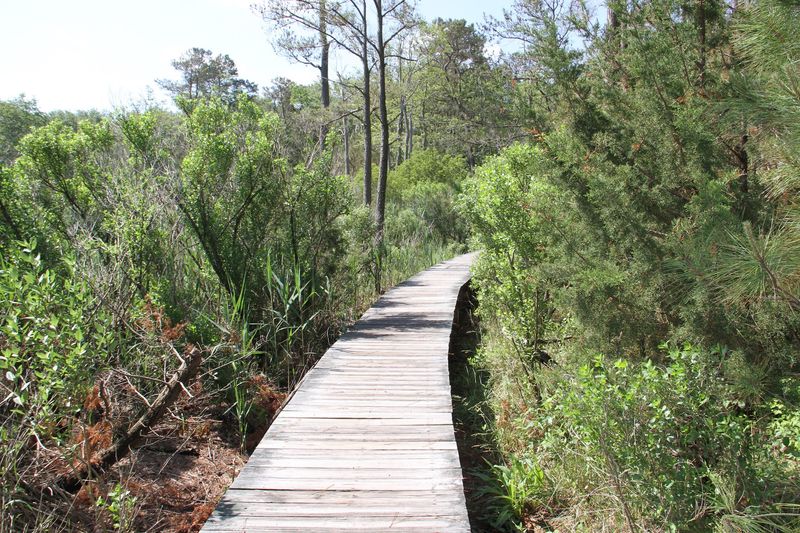
Mary Lighthipe, a descendant of the original James family, donated this 150-acre property to Sussex County in 1992, and it has been managed for outdoor education and biodiversity ever since.
The preserve sits on the southeast shore of Indian River Bay, only a short drive from Bethany Beach, and features seven distinct habitat types: low marsh, high marsh, maritime forest, hardwood forest, meadows, woodland, and coastal areas. Over three miles of marked trails connect these zones, passing three observation platforms and a boardwalk that crosses to a secluded beach on the bay.
More than 4,000 trees have been planted as part of ongoing reforestation efforts, and the preserve supports deer, foxes, ospreys, Eastern box turtles, and horseshoe crabs. Kayak rentals are available at the beach.
Admission is free year-round, the preserve is wheelchair-accessible, and the trails make it one of the most accessible natural areas behind Delaware’s busy coastal corridor.
10. Trap Pond State Park, Laurel, Delaware
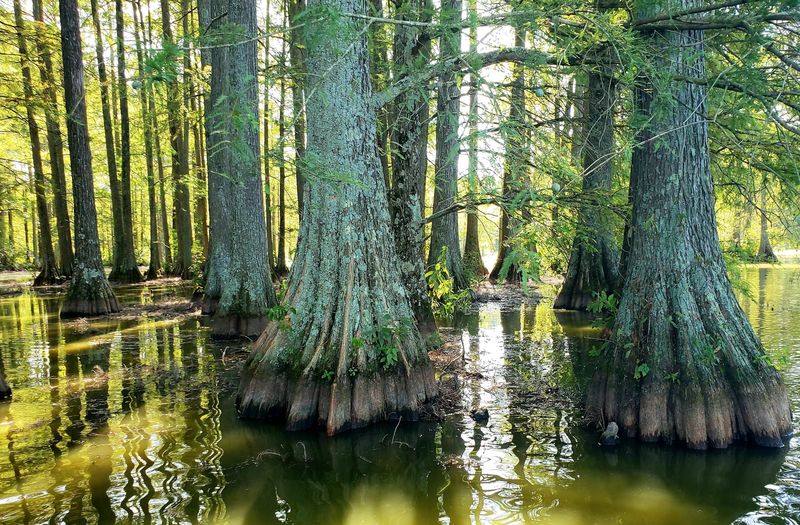
Trap Pond holds a distinction that surprises most first-time visitors: it contains the northernmost naturally occurring stand of bald cypress trees in the United States.
These ancient trees rise directly from a dark, still freshwater millpond, their distinctive root structures, called knees, poking up from below the surface and creating an environment that looks far more like a Southern bayou than anything typically associated with Delaware. Paddling among them is the main draw, and canoes, kayaks, and pedalboats are available to rent on-site.
Designated water trails, including the Terrapin Branch Water Trail and Raccoon Pond route, guide paddlers into the densest sections of the swamp, which are inaccessible by land. For visitors who prefer dry ground, the 4.6-mile Loblolly Trail loops through the park with options for both hiking and biking.
Pontoon tours with ecological and historical commentary are also available, and the park includes a Nature Center and campground.
11. Nanticoke Indian Museum, Millsboro, Delaware
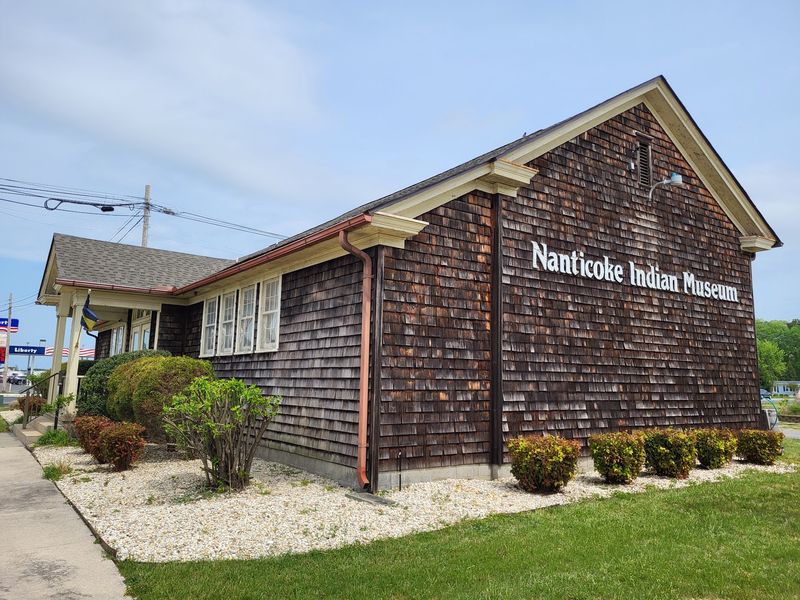
The Nanticoke people have lived on the Delmarva Peninsula for over 14,000 years, and this small museum in Millsboro is the only institution in Delaware dedicated to preserving and sharing that history.
Operated by the Nanticoke Indian Tribe, the museum holds the distinction of being a National Historic Landmark and one of only 13 Nanticoke sites nationally recognized in that category. It opened in 1984 inside a converted two-room schoolhouse built on land donated by Isaac Harmon, which originally served as a school for Native children in the area.
Collections include thousands of artifacts, some dating to 9000 B.C.E., alongside pottery, arrow points, traditional beaded deerskin clothing on mannequins, a necklace made from rattlesnake vertebrae, and a life-size diorama with taxidermy animals. Outside, a full-size dugout canoe and the 1881 Nanticoke Indian flag are on display.
Admission is $5, with free entry for children under five. Hours vary by season.
12. Zwaanendael Museum, Lewes, Delaware
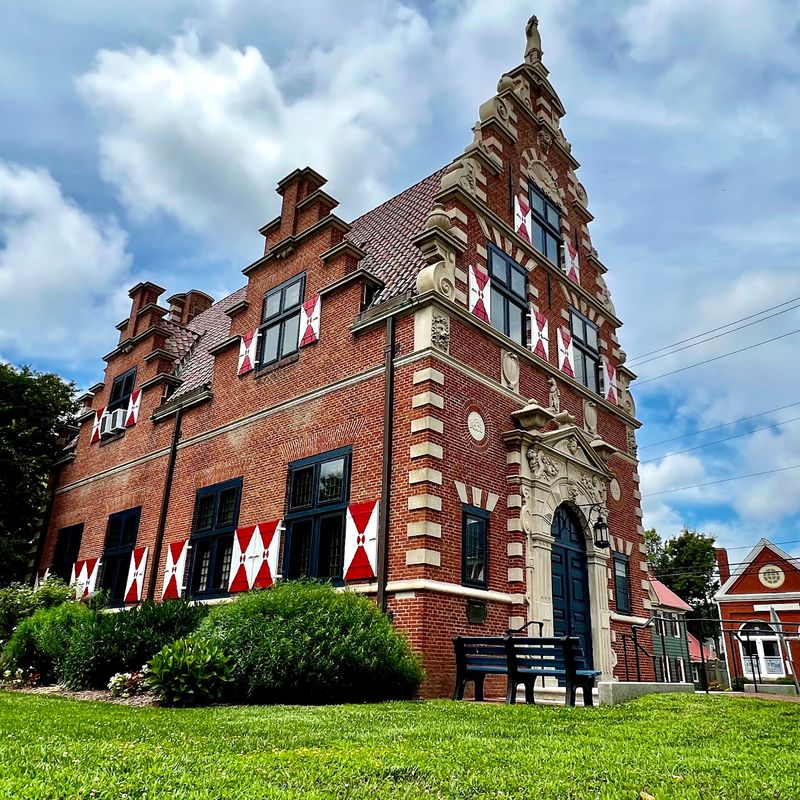
No other building in Delaware looks quite like the Zwaanendael Museum, and that is entirely by design: its stepped gables and carved stone facade are a deliberate architectural tribute to the town hall in Hoorn, the Netherlands.
Constructed in 1931 and designed by E. William Martin, the building commemorates Swanendael, Delaware’s first European colony.
That Dutch settlement was founded in 1631 near present-day Lewes as a whale hunting and agricultural station and lasted approximately one year before conflict with local Native people ended the settlement.
Current exhibits cover a broad range of Lewes-area history, including the 1798 sinking of His Majesty’s Sloop of War DeBraak off the Delaware coast, the history of Delaware’s railroads, and the story of segregated beaches during the Jim Crow era. A papier-mache merman figure derived from Japanese folklore has been part of the collection for years and tends to catch visitors off guard.
Admission is free.
13. Air Mobility Command Museum, Dover, Delaware

Over 35 aircraft, free flight simulators, and admission that costs absolutely nothing make the Air Mobility Command Museum one of the most underrated days out in the entire state.
Located on the grounds of Dover Air Force Base and housed in the historic World War II-era Hangar 1301, the museum is the only institution in the United States dedicated to airlift and air-refueling history. The hangar itself is listed on the National Register of Historic Places and was once involved in top-secret rocket development before later housing fighter squadrons through the 1970s.
The collection spans World War II propeller planes through large four-engine jet transports, with specific aircraft including the B-17G Flying Fortress, C-5A Galaxy, C-141B Starlifter, and a UH-1H Iroquois. Visitors can board some aircraft, and on the third Saturday of each month from April to October, selected larger planes open for guided tours.
The museum is open Wednesday through Sunday from 9:00 AM to 4:00 PM.
Share this story