Delaware’s famous beaches may get most of the attention, but some of the state’s most rewarding escapes are hiding just beyond the coast. Quiet forests, cypress-lined ponds, historic fortresses, peaceful gardens, and scenic trails offer plenty of ways to leave the summer crowds behind.
These 13 destinations reveal a quieter side of the First State, often just a short drive from the busy resort towns. Each offers fresh scenery, fascinating history, and a memorable reason to explore beyond the boardwalk.
1. Trap Pond State Park, Laurel, Delaware
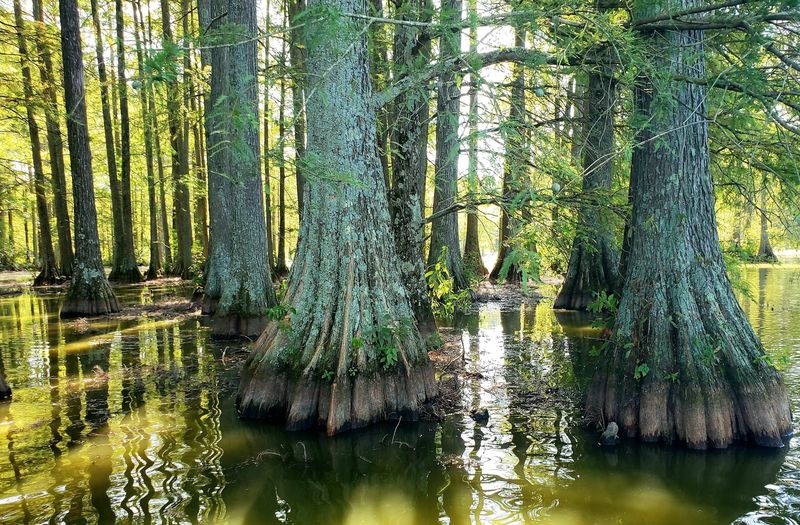
Bald cypress trees that can live for centuries make Trap Pond one of Delaware’s most genuinely unusual natural settings. This park in Laurel is home to the northernmost natural stand of bald cypress in North America, and seeing those ancient trunks rise straight out of the water is a sight that sticks with you.
Visitors can rent a canoe or kayak and paddle through the cypress forest on more than nine miles of water trails. A guided pontoon boat tour is also available for those who prefer to let someone else do the paddling while they focus on the scenery.
On land, the Bob Trail offers 4.6 miles of hiking and biking through the surrounding woods. Disc golf, picnic areas, and a nature center round out the options.
Campgrounds, cabins, and yurts make it easy to stay overnight if one day does not feel like enough.
2. Bombay Hook National Wildlife Refuge, Smyrna, Delaware
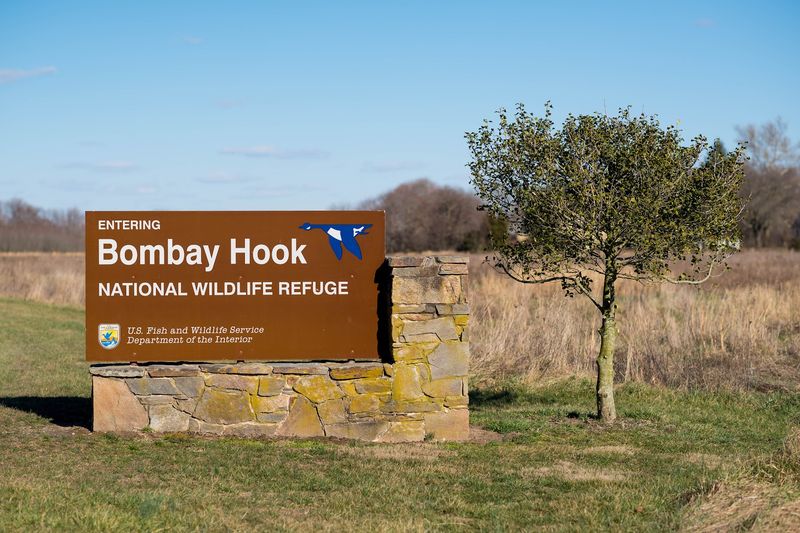
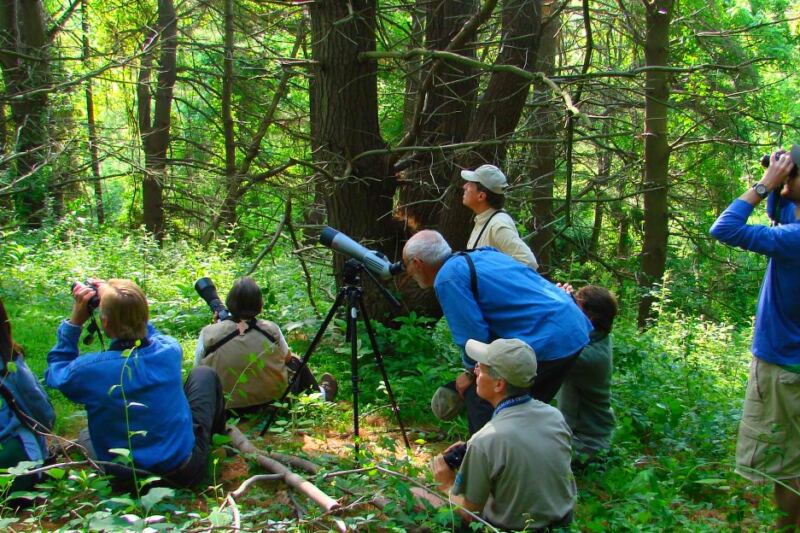
More than 16,000 acres of tidal marsh, freshwater pools, forest, and open fields make Bombay Hook feel genuinely vast by Delaware standards. Established in 1937, the refuge protects critical habitat along the Atlantic Flyway and draws migrating birds in numbers that can be hard to believe until you see them firsthand.
A 12-mile wildlife drive winds through the refuge’s diverse landscapes, with seven walking trails and three observation towers positioned along the route. Bald eagles, herons, shorebirds, and tens of thousands of snow geese all make appearances depending on the season.
A new nature center opened in late 2023, featuring sustainable design and educational displays that help visitors understand the ecology of the marsh. Cyclists are also welcome on the wildlife drive, giving another option for exploring the open wetland terrain at a comfortable pace.
Binoculars are strongly recommended.
3. Prime Hook National Wildlife Refuge, Milton, Delaware
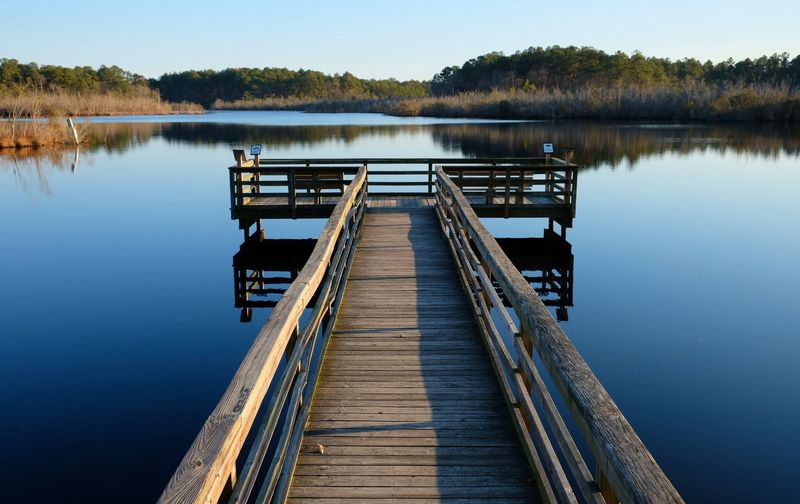
Remarkably close to Delaware’s busiest beach towns, Prime Hook offers a landscape that feels completely removed from the resort strip. The refuge covers more than 10,000 acres of fresh and saltwater wetlands along the western Delaware Bay, providing shelter for over 245 recorded bird species throughout the year.
Hiking options include 7.5 miles of trails, with accessible routes like the Boardwalk Trail and Dike Trail making the preserve reachable for visitors of all mobility levels. Paddlers can tackle the seven-mile Canoe Trail, which runs through a red maple swamp and cattail marsh along Prime Hook Creek.
During peak migration periods, up to 100,000 snow geese and 80,000 ducks have been counted in the refuge at once. Fishing is available at Fleetwood Ponds and Slaughter Creek.
The visitor center includes educational displays and a small gift shop, giving the visit a little extra context before heading out on the trails.
4. Delaware Botanic Gardens at Pepper Creek, Dagsboro, Delaware
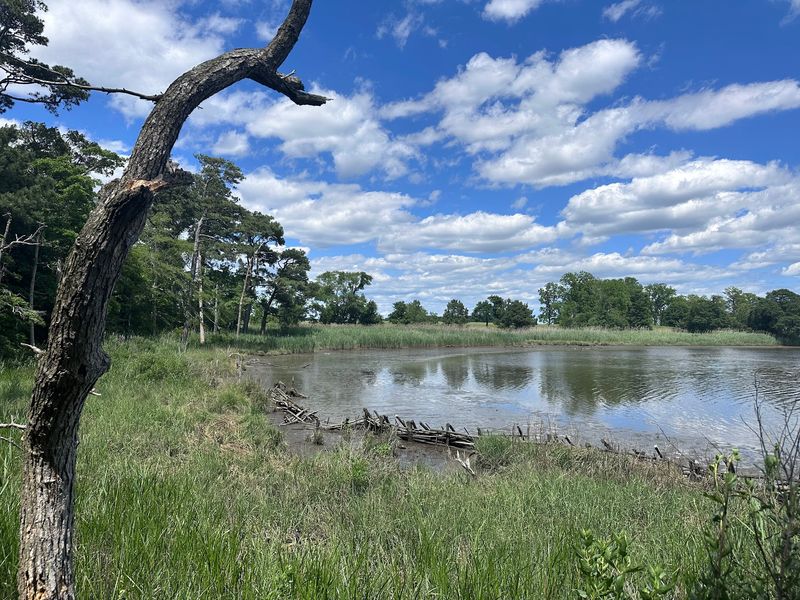
Opened in 2019, the Delaware Botanic Gardens at Pepper Creek quickly earned the Best Attraction award from Southern Delaware Tourism in 2022, which is a fast rise for a property that only recently introduced itself to the region. The 37-acre site combines designed gardens with a natural tidal waterfront along Pepper Creek.
World-renowned plantsman Piet Oudolf designed the signature meadow on the upland plateau, planting thousands of native trees, shrubs, and perennials across a landscape shaped by the coastal plain environment. Distinct areas include the Folly Garden with its reflecting pond, the Rhyne Garden focused on stormwater management, and the woodland section filled with ferns and rare plant species.
An observation deck near the creek provides broad views of surrounding wildlife. The gardens also host yoga sessions, art exhibits, guided walking tours, and forest bathing programs throughout the season, making this more than a simple stroll through flower beds for most visitors.
5. James Farm Ecological Preserve, Ocean View, Delaware
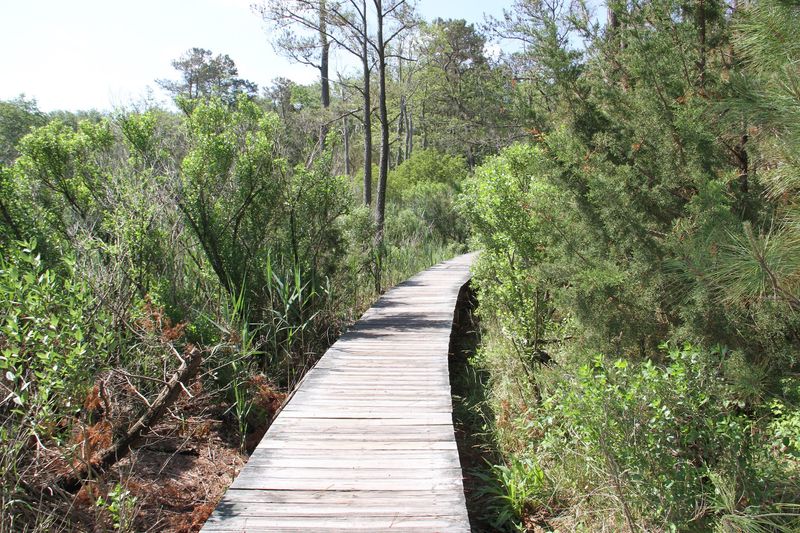
Only a short drive from the resort corridor, James Farm Ecological Preserve manages to feel genuinely removed from the commercial energy of coastal Delaware. The 150-acre property sits on the Indian River Bay in Ocean View and is managed by the Delaware Center for the Inland Bays with a focus on environmental education and conservation.
Over three miles of marked trails wind through seven distinct habitats, moving from salty low marshes through maritime and hardwood forests before reaching the bay. Three observation platforms and a boardwalk crossing give visitors elevated views and direct access to a quiet bayside beach.
Birdwatching is productive here year-round, particularly during spring and fall migration. A freshwater wetland area near the trails attracts deer, ducks, reptiles, and amphibians.
Kayaking and paddleboarding are popular on the bay. Admission is free and the preserve is open daily from sunrise to sundown, making it one of the easiest detours in Sussex County.
6. Redden State Forest, Georgetown, Delaware

Delaware’s largest state forest stretches across more than 14,000 acres in central Sussex County, and it has a completely different personality from the flat coastal landscape most visitors associate with the state. Redden is a working forest managed for timber production, wildlife habitat, and public recreation, with loblolly pine, mixed hardwoods, oaks, maple, and gum trees making up most of the canopy.
More than 44 miles of trails welcome hikers, mountain bikers, horseback riders, and birders. The most popular route is a four-mile loop around the Headquarters Tract, passing through dense woods, across bridges, and through swamp and meadow sections.
Birders look for Summer Tanagers, Worm-eating Warblers, and the occasionally spotted Red-headed Woodpecker.
History adds an interesting layer here. The Redden Lodge, originally built in 1903 as a hunting retreat for Pennsylvania Railroad executives, still stands on the property and now serves as a venue for gatherings.
Primitive camping and catch-and-release fishing are also available.
7. Abbott’s Mill Nature Center of Delaware Nature Society, Milford, Delaware
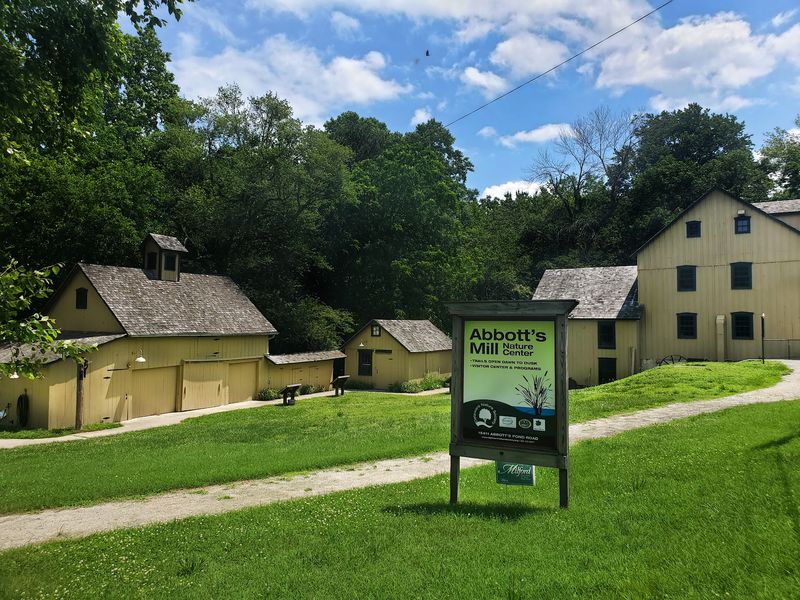
Dating back to 1795, Abbott’s Mill is Delaware’s only preserved, working gristmill, and that alone makes it worth a visit. The mill sits at the center of the Milford Millponds Nature Preserve, which covers more than 300 acres of upland forest, restored meadows, Atlantic white cedar swamps, bogs, and wetlands near Milford.
Visitors can explore the mill’s four floors to learn about its water-powered machinery and the innovations introduced by Delaware inventor Oliver Evans. Outside, miles of pet-friendly trails and a wheelchair-accessible boardwalk pass through diverse habitats, with excellent opportunities for wildlife watching and birdwatching along the way.
Abbott’s Pond, a 20-acre freshwater pond on the property, is open for paddling and fishing. The nature center building features live native animals and hands-on exhibits that work well for families with younger children.
Seasonal programs including scavenger hunts, workshops, and guided walks add variety to what is already a well-rounded outdoor stop.
8. White Clay Creek State Park, Newark, Delaware
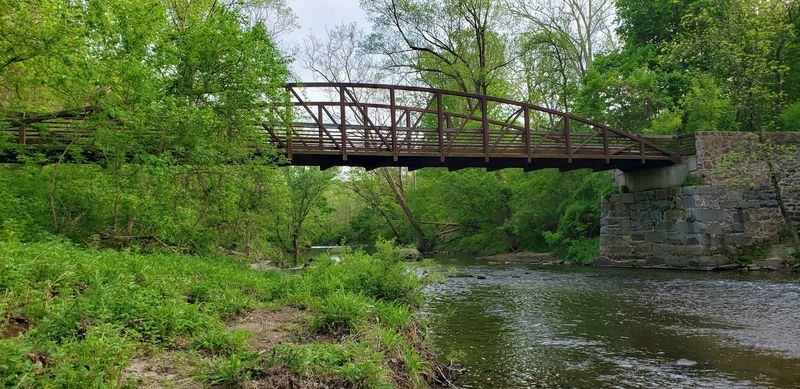
Northern Delaware rarely makes it onto beach-focused itineraries, and that oversight works entirely in White Clay Creek State Park’s favor. The park covers more than 3,600 acres of Piedmont landscape near Newark, with rolling hills, forested valleys, and a creek that holds federal designation as a National Wild and Scenic River.
Trail options span between 37 and 41 miles, ranging from easy paved routes to more technical mountain bike single-tracks with varied terrain. History fans can find monuments related to the Mason-Dixon Line and old farmstead ruins scattered along the trail system, which adds a layer of interest beyond the natural scenery.
White Clay Creek is stocked heavily for fishing, and Smith Mill Pond has accessible docks for those who prefer a stationary afternoon. An 18-hole disc golf course at the Carpenter Recreation Area gives another reason to linger.
In winter, sledding and cross-country skiing turn the park into a genuinely year-round destination for northern Delaware residents.
9. Bellevue State Park, Wilmington, Delaware
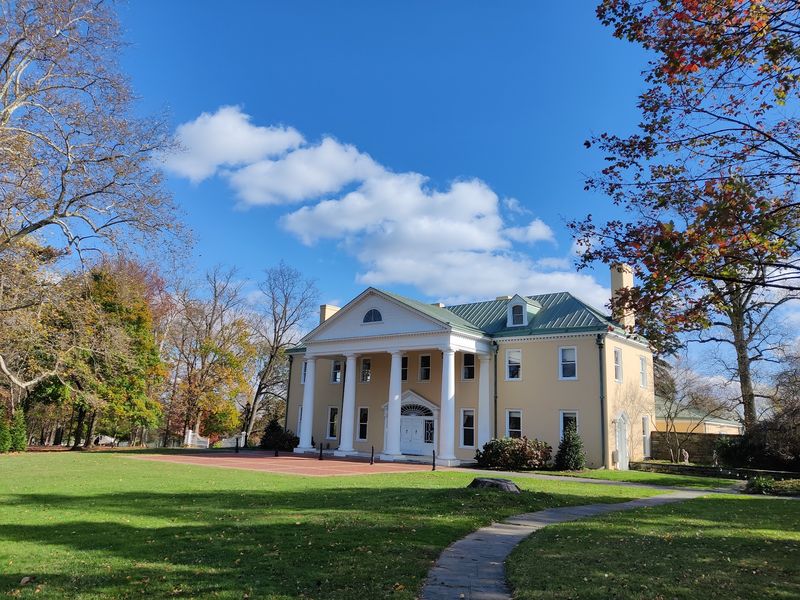
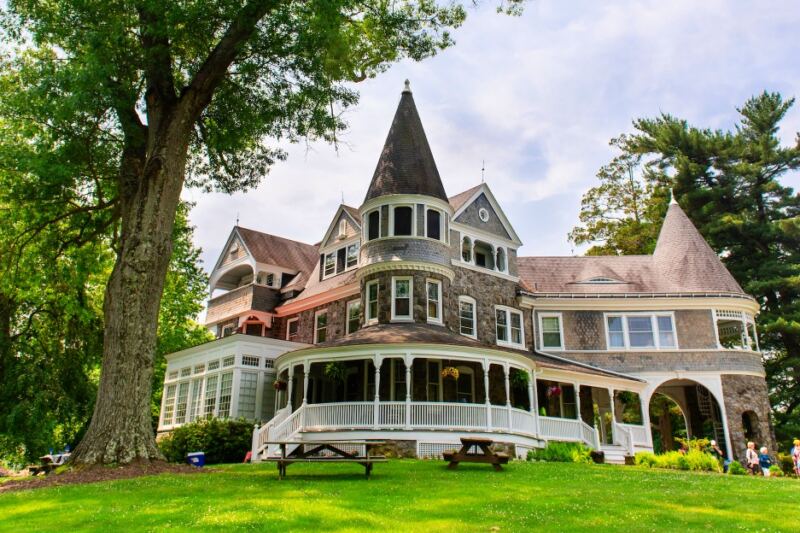
Once the country estate of William du Pont Jr., Bellevue State Park carries a sense of old-money refinement that makes it unlike most public parks in Delaware. The 328-acre property in Wilmington centers on Bellevue Hall, a mansion remodeled to resemble James Madison’s Montpelier, set amid broad lawns and mature trees that give the grounds an unhurried, polished atmosphere.
The park’s former horse track has been paved into a 1.125-mile fitness loop complete with 20 exercise stations, which is a creative reuse of a genuinely historic structure. Multi-use trails connect to the Northern Delaware Greenway Trail, and equestrian paths run through designated sections of the property.
An 18-hole disc golf course, tennis courts, and a catch-and-release fishing pond round out the recreational options.
Seasonal programming adds consistent reasons to return, including summer concerts in the bandshell, fall hayrides, and outdoor ice skating in winter. Historic structures like the Percheron Barn and the Mount Pleasant Meeting House give architecture enthusiasts plenty to examine between activities.
10. First State Heritage Park, Dover, Delaware

Not every escape from the beach requires a forest or a wildlife refuge. First State Heritage Park connects historic and cultural landmarks across downtown Dover, the state capital since 1777, into a walkable network that tells Delaware’s story from the colonial era forward.
Costumed historical interpreters lead thematic walking tours through the park’s connected sites, covering stories of revolutionaries, suffragists, and everyday residents across three centuries of history. Key stops include The Green, Legislative Hall, the John Bell House interpretive center, and the Old State House, Delaware’s first permanent capitol building.
Partner institutions within the park’s network include the Johnson Victrola Museum, the Biggs Museum of American Art, and the Delaware Public Archives, giving visitors a range of ways to engage with the state’s past beyond guided tours. Special events like First Saturdays in the First State and seasonal lantern-lit walks keep the programming fresh and give repeat visitors new reasons to come back to Dover.
11. Fort Delaware State Park, Delaware City, Delaware
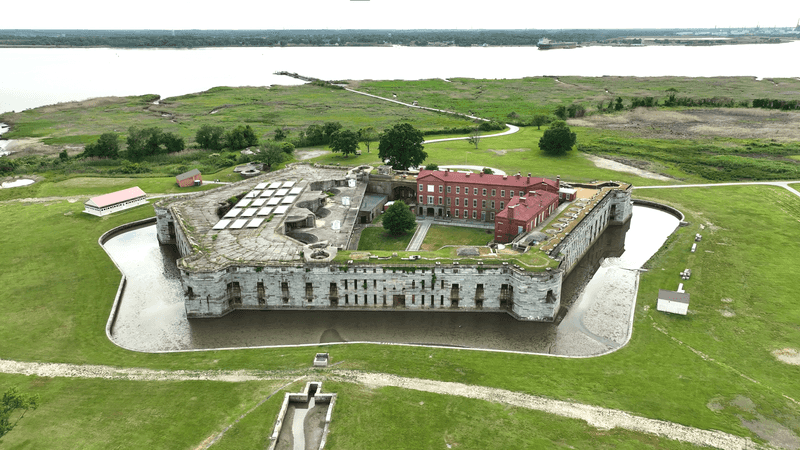
Getting to Fort Delaware already feels like an adventure before you even reach the fort itself. The park sits on Pea Patch Island in the middle of the Delaware River, accessible only by ferry from Delaware City, which makes the half-mile crossing part of the experience rather than just a means of transport.
The imposing granite and brick fortress was built in the mid-1800s to protect the ports of Wilmington and Philadelphia, and it later served as a Union prison camp during the Civil War. Costumed interpreters recreate life in 1864 throughout the site, and an 8-inch Columbiad cannon firing demonstration tends to get people’s attention quickly.
Beyond the military history, Pea Patch Island supports one of the largest heronries north of Florida, with herons, egrets, and ibises nesting on the island. Hiking trails and an observation platform allow for wildlife viewing alongside the history.
Fall brings paranormal tours for visitors who prefer their history with a slightly spookier edge.
12. Fork Branch Nature Preserve, Dover, Delaware
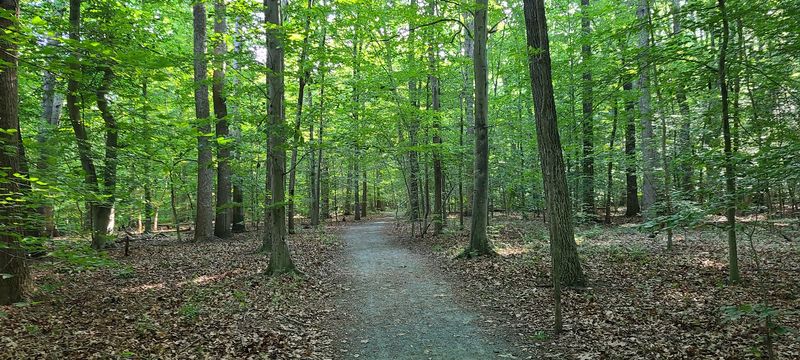
Right inside the city limits of Dover, Fork Branch Nature Preserve protects a stretch of old-growth American beech forest that most people would never guess exists this close to a state capital. The Anne McClements Woods Tract within the preserve contains beech trees over 150 years old, a distinction that earned the site a place in the Old Growth Forest Network.
The main trail is a one-mile gravel loop through mature upland forest and floodplain woodland, suitable for families, strollers, and casual walkers. The dense canopy overhead keeps the trail shaded and comfortable on warm days, which is a practical advantage that not every preserve can claim.
Birders regularly spot barred owls, red-shouldered hawks, prothonotary warblers, scarlet tanagers, and pileated woodpeckers within the preserve. Rare beetle species have also been documented here, pointing to the high ecological quality of the forest.
Some visitors have even turned up old bottles and farm equipment remnants during their walks, which adds an unexpected layer of curiosity to a simple afternoon stroll.
13. Great Marsh Preserve, Lewes, Delaware
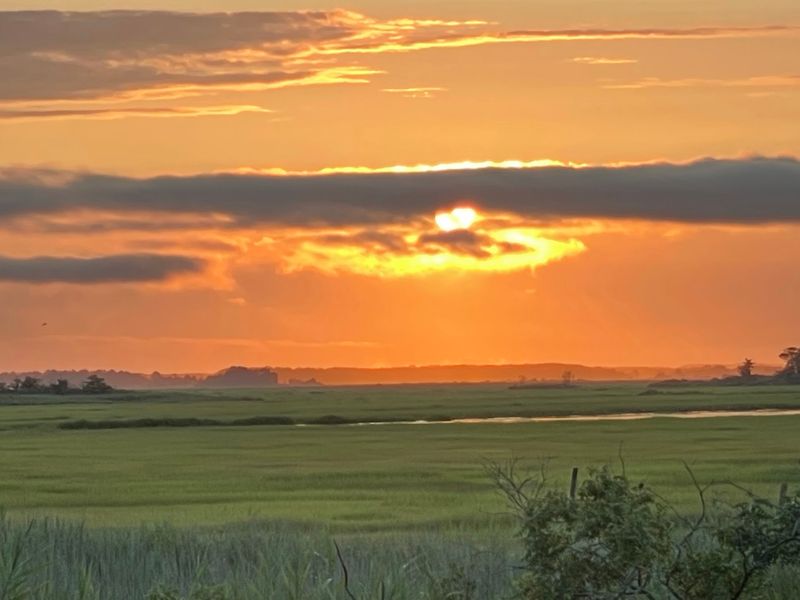
Lewes is one of Delaware’s most popular coastal towns, but Great Marsh Preserve proves that quiet, open landscapes still exist within easy reach of its busiest corners. The preserve protects an expansive stretch of coastal wetland along the Delaware Bay north of Lewes, extending toward Slaughter Beach and covering one of the state’s most significant remaining salt marsh systems.
Rustic trails wind through the preserve and lead to the edge of the Indian River Bay, where a small sandy beach provides a low-key waterfront spot without the umbrella competition. Birdwatching here turns up red-winged blackbirds, wading birds, hawks, falcons, kingfishers, and eagles, particularly active during summer migration periods.
The marsh also carries historical weight, having supported farming, shipbuilding, and fishing communities over the centuries. Kayaking and fishing are possible through the network of waterways and inlets.
A 66-acre Great Marsh Park section within Lewes city limits is also being developed with additional walking trails and educational resources, making future visits even more rewarding.
Share this story