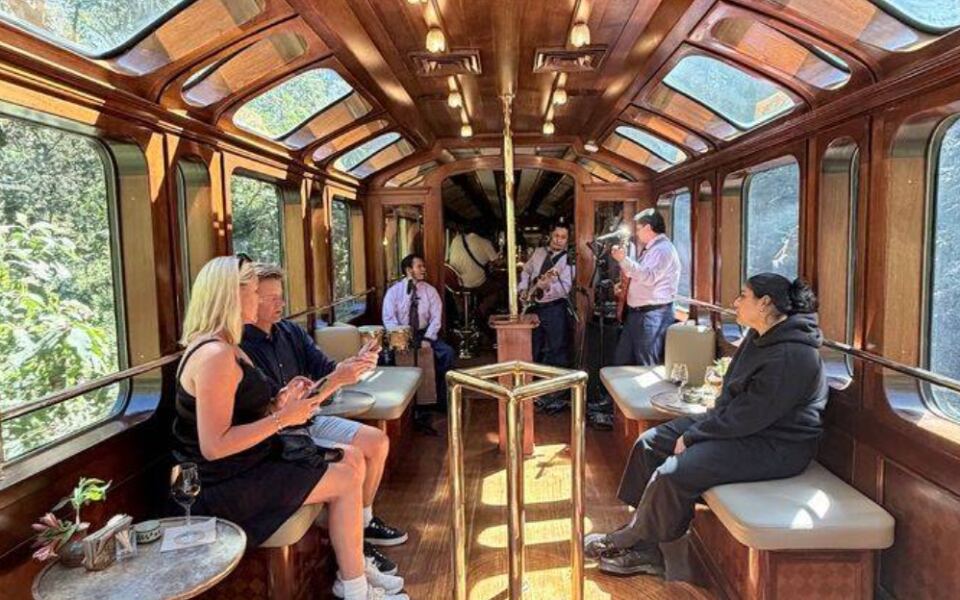
South America has railways that cross high mountain passes, thick forests, and sunny coastlines. Some trains carry visitors to famous ruins, while others follow old freight routes or run for pure sightseeing.
Riding the rails gives travelers time to look out the window and enjoy the view. This list covers 13 journeys in Argentina, Peru, Brazil, Colombia, Chile, Ecuador, and Bolivia.
1. Tren a las Nubes – Salta, Argentina
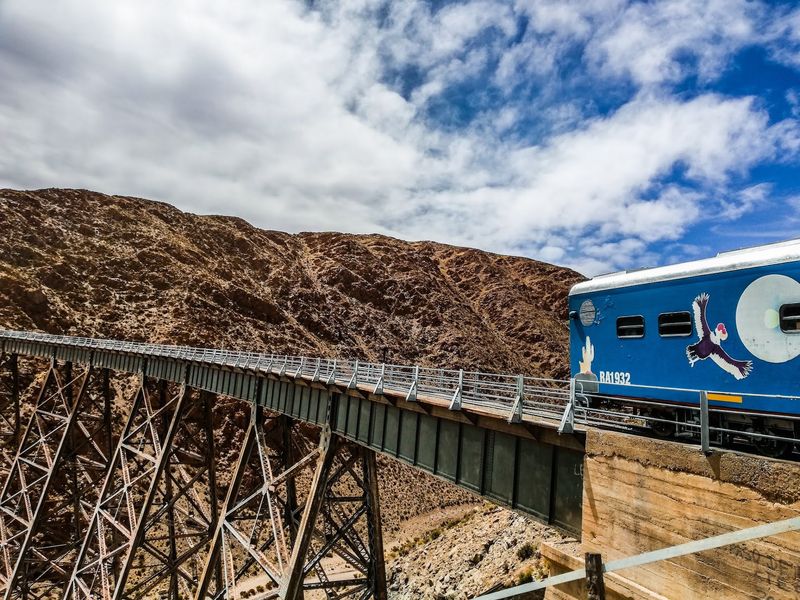
Few railways climb as high as this one. The Train to the Clouds rises to about 4,200 meters above sea level, which is higher than many airplanes fly on short hops.
Passengers pass through tunnels, zigzags, and dry canyons in the Andes of northwest Argentina.
The star of the ride is the Polvorilla Viaduct, a steel bridge that arches across a wide desert valley. The train often stops there so riders can step out and take photos.
Hills nearby glow in red, brown, and gold.
Because of the altitude, some people feel dizzy or tired. Staff on board carry oxygen and share simple tips, like drinking water and moving slowly.
Wear layers, since mornings are cool and the sun is strong later. Book ahead, as service schedules can change with the season and track conditions, and check the current operating status before planning your trip.
2. Hiram Bingham Train – Cusco Region, Peru
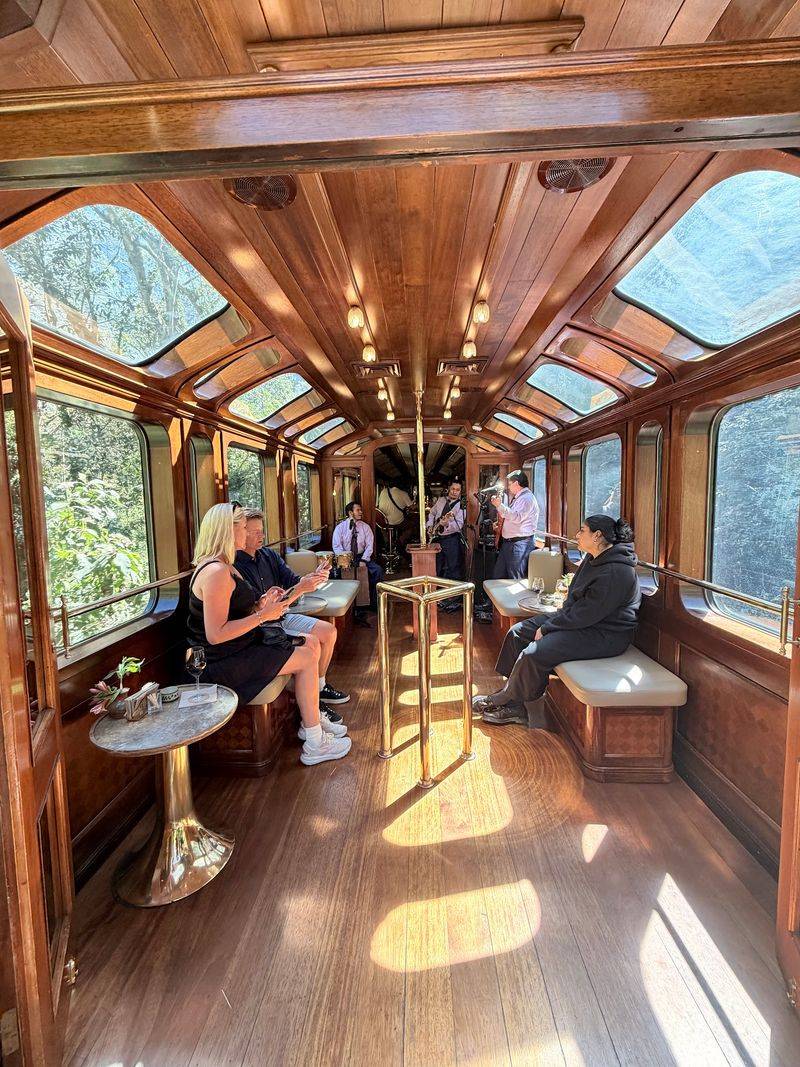
Picture sipping tea in a polished dining car while green mountains slide past the window. The Hiram Bingham is the most luxurious way to reach Machu Picchu.
It is named for the explorer who brought the site to world attention in 1911.
The journey includes brunch on the way up and a multi-course dinner with live music on the way back. Cars feature wood paneling, a bar car, and an open-air observation platform at the back.
Guests also receive a guided visit to the ruins.
Prices are much higher than other Peru trains, so it suits special trips like honeymoons or milestone birthdays. Reserve early in the high season from May to September.
Dress codes are smart casual, so pack a nice jacket for the evening return.
3. PeruRail Vistadome – Cusco to Machu Picchu, Peru
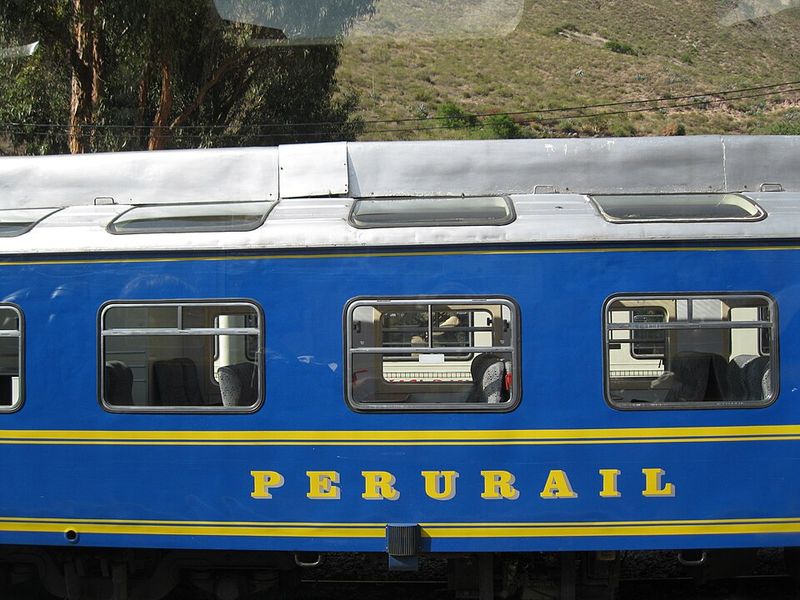
Windows that curve up into the roof make this train feel like a moving observation deck. The Vistadome gives wide views of snowy peaks, farm terraces, and the roaring Urubamba River.
Even the sky is part of the show.
Services run on routes linked to Cusco, Poroy, and the Sacred Valley, ending at Aguas Calientes, the town below Machu Picchu. Seats are comfortable, and staff serve snacks and drinks.
Some trips include light entertainment, such as music or a short dance show.
Fun fact: no road leads to Aguas Calientes, so trains or long hikes are the only ways in. Buy tickets well ahead, since seats sell out in busy months.
Bring a small bag, as luggage limits apply on the train, and keep your passport handy for ticket checks.
4. Inca Rail First Class – Ollantaytambo to Machu Picchu, Peru
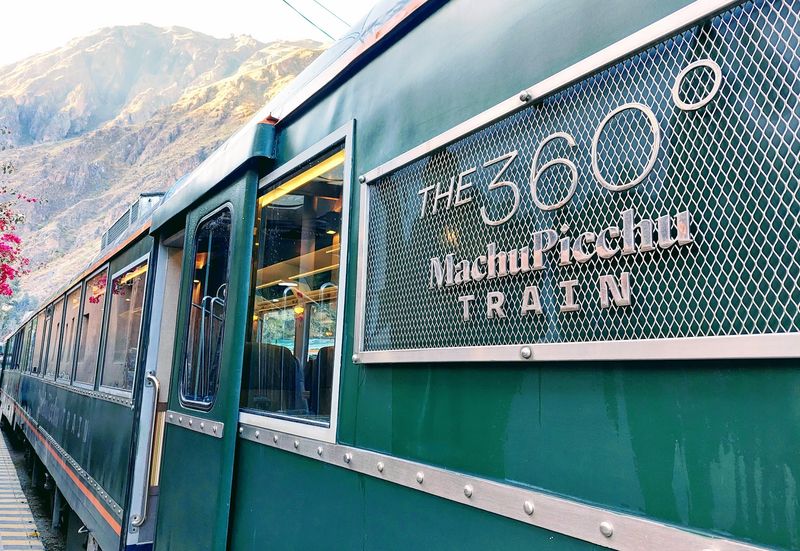
Ollantaytambo is a living Inca town, and the train ride from there is short, scenic, and smooth. Inca Rail’s first class service, often called The 360, adds bigger windows and a more relaxed feel.
The trip lasts around an hour and a half.
The carriage has leather seats, a few skylight panels, and an open-air viewing area on some trains. Riders get a snack and a drink, and the staff are friendly and helpful.
The river runs close to the tracks, so you often hear it rushing below.
Many travelers choose this route because Ollantaytambo is a good place to explore before the ruins. Walk its stone streets and old terraces in the morning, then catch a midday train.
Arrive early at the station, since boarding is organized by ticket time.
5. Tren de la Costa – Buenos Aires Province, Argentina
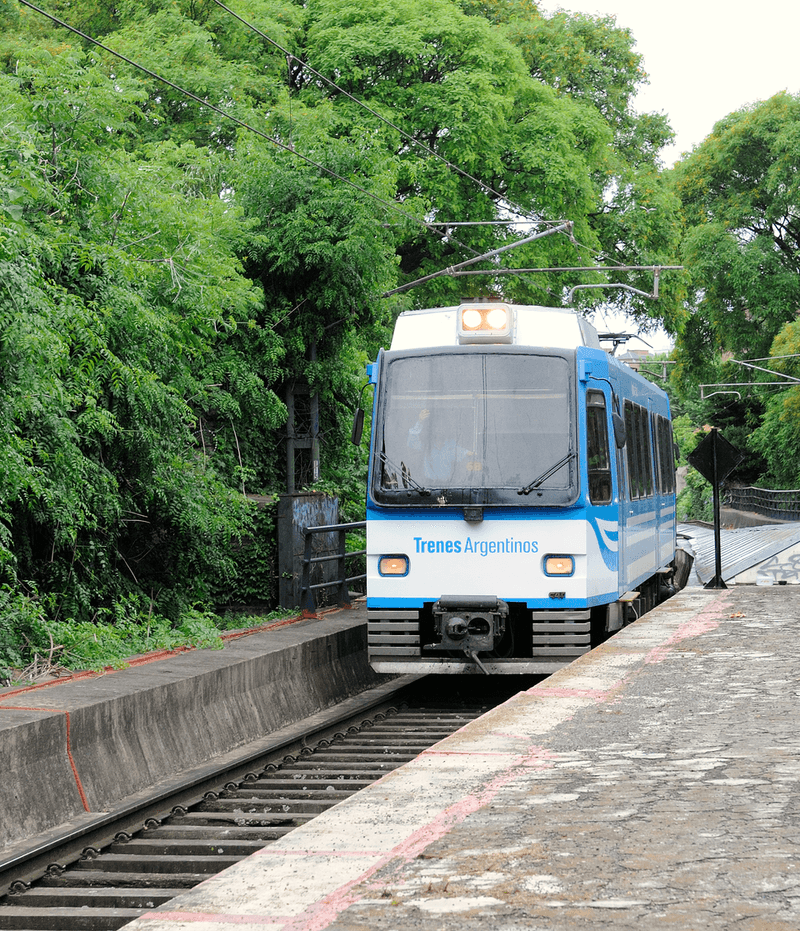
Not every great train ride needs mountains. The Tren de la Costa is a light rail line that hugs the Rio de la Plata north of Buenos Aires.
It opened in the 1990s on an old railway route, and the ride feels like a gentle countryside break.
Stations along the way, such as San Isidro and Tigre, have cafes, parks, and old mansions nearby. In San Isidro, cobbled streets and a grand cathedral make for an easy walking tour.
Tigre is the gateway to the Parana Delta, where boats glide through quiet channels.
Plan a full day to make the most of it. Start in Olivos, stop for lunch in San Isidro, then finish with a river cruise in Tigre.
Weekends can be busy with local families, so go on a weekday for a calmer trip.
6. Tren del Fin del Mundo – Ushuaia, Argentina
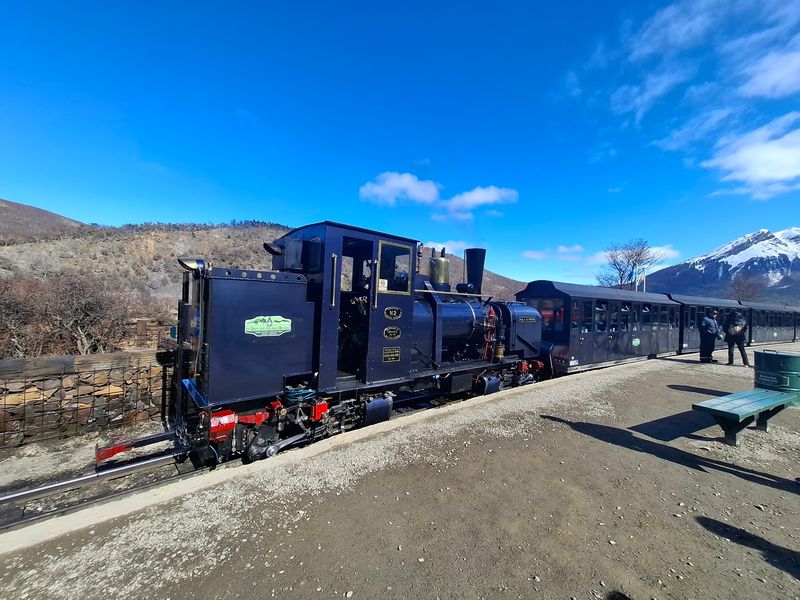
Riding the southernmost railway in the world sounds like a trivia answer, yet it is a real trip. The End of the World Train runs near Ushuaia in Tierra del Fuego, a land of forests, peat bogs, and snow-dusted peaks.
The little narrow gauge line once carried prisoners to cut wood.
Today the train takes visitors into Tierra del Fuego National Park. Audio guides explain the history in several languages.
Along the way, you pass the Pipo River and the Macarena Waterfall.
The ride is short, about an hour, and most people combine it with a bus tour of the park. Weather can change fast, so bring a warm hat and a windproof jacket, even in summer.
Seats on the left side often get the best river views, depending on direction.
7. Serra Verde Express – Curitiba to Morretes, Brazil
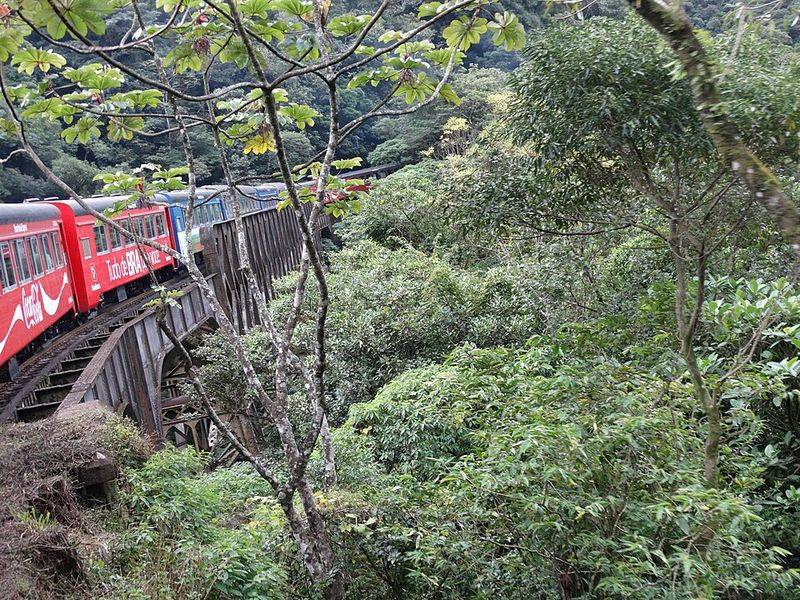
Mist often hangs in the valleys on this trip, which gives the green mountains a dreamy look. The Serra Verde Express links Curitiba with the colonial town of Morretes.
It runs through Atlantic Forest in the state of Parana.
The railway, finished in the 1880s, is a marvel of engineering. The train crosses tall bridges, slips through tunnels, and edges along steep cliffs.
Waterfalls appear on rainy days, and the sections near Marumbi Peak are especially striking.
Morretes is known for barreado, a slow-cooked beef stew served in local restaurants. Many visitors take the train down in the morning, eat lunch, and return by bus or car.
Sit on the left side going down for wider views, and bring a light rain jacket just in case.
8. Estrada de Ferro Vitória a Minas – Espírito Santo and Minas Gerais, Brazil

Here is a train that still runs like a lifeline. The Vitória to Minas Railway stretches about 664 kilometers between the port of Vitória and Belo Horizonte, linking coast and highlands.
Local people use it for school, work, and visits to family.
Passengers ride in simple but comfortable cars, with seats by the windows. Over the course of the day, the scenery shifts from coastal lowlands to rolling hills, rivers, and small towns.
Stops at stations are short, and vendors sometimes offer snacks.
This is a long journey, so pack water, food, and something to read. The trip is best for travelers who enjoy slow, everyday travel rather than a tourist show.
Check the schedule in advance, since departures are limited, and keep your ticket and ID handy.
9. Trem do Corcovado – Rio de Janeiro, Brazil
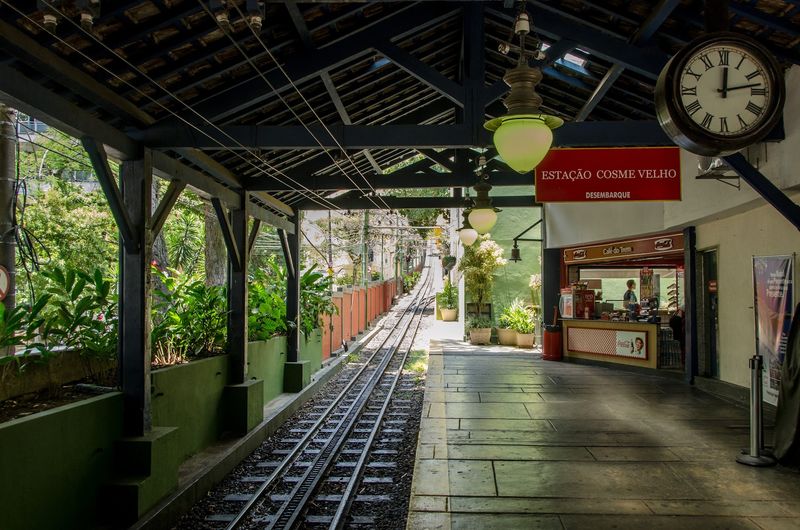
Climbing to Christ the Redeemer by rail feels like entering a jungle on a tiny red elevator. The Corcovado Train has been carrying visitors since 1884, which makes it one of the oldest cog railways in Brazil.
Today it runs on electric power.
The 20-minute ride crosses Tijuca Forest, one of the largest urban rainforests on Earth. You may spot monkeys or colorful birds among the trees.
Near the top, escalators and elevators lead to the statue’s viewing platform.
Go early in the morning if you can, since clouds often drift in during the afternoon and block the view. Buy tickets online to skip the longest lines.
Sit on the right side going up for wide glimpses of Rio, and keep a camera strap around your wrist.
10. Tren de la Sabana – Bogotá and surrounding towns, Colombia
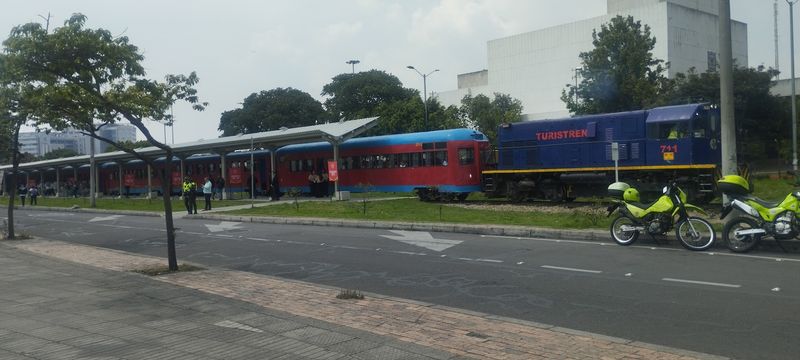
On weekends, a bit of Colombian rail history rolls out of Bogota. The Tren de la Sabana uses restored carriages, sometimes pulled by a steam locomotive.
It crosses the high plateau around the capital, where cattle graze and flower farms spread out in bright rows.
Popular trips head to Zipaquira, home of the famous underground Salt Cathedral, or to Cajica and Briceno. Musicians often perform on board, and guides share local stories.
Snacks and drinks are available, and many trips feel like a rolling party.
Services are mostly on Saturdays, Sundays, and holidays. Reserve a seat ahead, because tickets sell quickly.
Bogota sits at about 2,600 meters, so mornings can be chilly. Bring a jacket, sunscreen, and a bit of cash for small purchases at the stops.
11. Tren del Recuerdo – Santiago to San Antonio, Chile
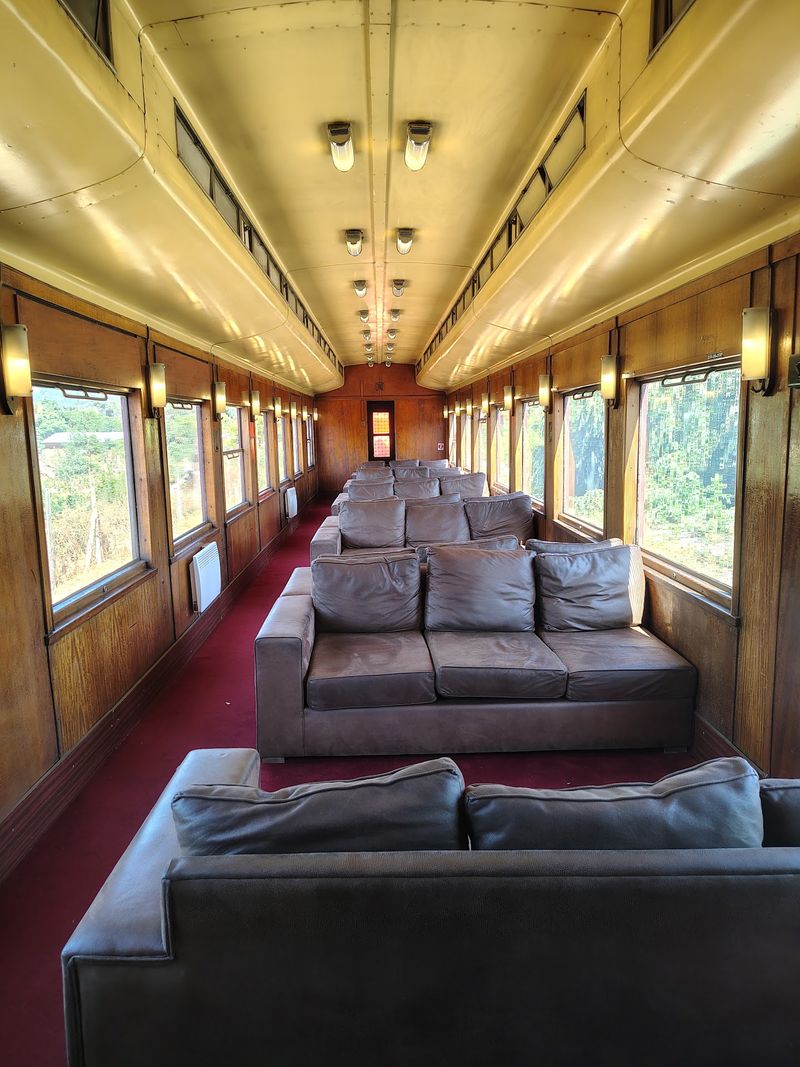
Santiago residents have a favorite escape: a nostalgic ride to the sea. The Tren del Recuerdo, or Train of Memories, travels from the capital toward San Antonio on the Pacific coast.
It often runs during summer and holiday periods.
The route passes farmland, small towns, and gentle hills before reaching the coast. Vintage carriages and period-style details give the trip a charming feel.
Staff and performers may add music and costumes for extra flavor.
Arriving in San Antonio, visitors can stroll the port, eat fresh seafood, and visit nearby beach towns. Because this service is seasonal, always confirm dates with the operator, the Chilean state railway company, before planning.
Bring a sun hat and a light sweater, since coastal breezes can be cool even on a bright day.
12. Tren Crucero – Ecuador
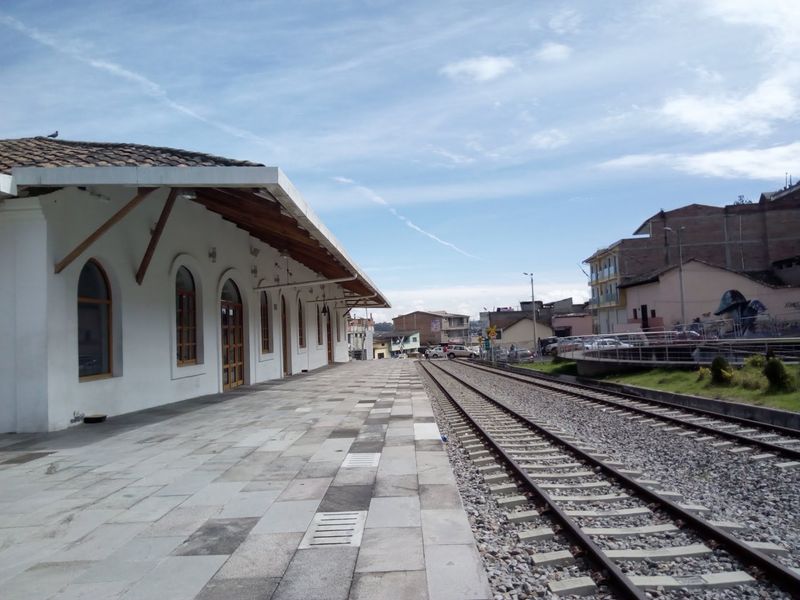
Ecuador packs volcanoes, cloud forests, and coastal plains into one rail adventure. Tren Crucero, which means cruise train, has been the country’s flagship tourist route in recent years.
It traditionally linked Quito with Guayaquil over several days.
The journey includes stops at Cotopaxi National Park, the Avenue of the Volcanoes, and the famed Devil’s Nose switchback. That section drops steeply in a zigzag, and it is one of the most daring railway builds in the Andes.
Guests also visit towns, markets, and haciendas.
Services and routes have changed over time because of maintenance and repair work. Check with Ferrocarriles del Ecuador for current departures.
Altitude varies a lot, so pack layers for cold mountain mornings and warm coastal afternoons, and take time to adjust in Quito.
13. Ferrocarril de Antofagasta a Bolivia – Chile and Bolivia
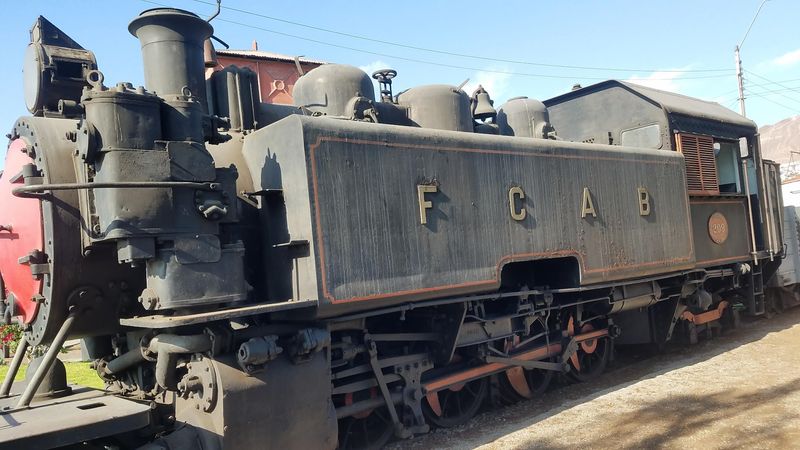
Some railways were built for minerals, not tourists, and this one still shows it. The Antofagasta to Bolivia Railway opened in the 1880s to haul silver and nitrate from the Andes to the Pacific coast.
It crosses the Atacama Desert, one of the driest places on Earth.
Today it mainly moves freight, though the line has shaped towns such as Calama and Ollague. Rail fans visit stations and old equipment, and some tour operators include sections of the route in trips to Bolivia and Uyuni.
Landscapes include salt flats, volcanoes, and wide empty plains.
Passenger service is limited, so plan carefully and check current options. Many travelers follow the corridor by road to see historic stops.
Pack water, sun protection, and warm clothes, as desert nights drop to chilly temperatures.
Share this story