Naples has a pastry shop dating back to 1785, Rome has a century-old bakery famous for cream-filled buns, and Sicily has chocolate cakes with seven distinct layers. These are the kinds of Italian desserts I’d happily plan a trip around.
Some have recipes that began in convent kitchens centuries ago. Others are tied to local celebrations, including Venice’s Carnival and Naples’ Feast of St. Joseph.
A few are available only during certain seasons.
I’ve picked 13 Italian sweets and the bakeries known for making them, from flaky sfogliatelle and ricotta-filled cannoli to traditional panettone and rum-soaked babà. Here’s where to find them, what makes each one special, and which treats deserve a place on your next Italian itinerary.
1. Maritozzo con la Panna at Regoli Pasticceria, Rome, Lazio
Here is a pastry with a love story baked right in. The name maritozzo comes from marito, the Italian word for husband, and in the 1800s young Roman men gave these buns to their future brides, sometimes with a ring tucked inside.
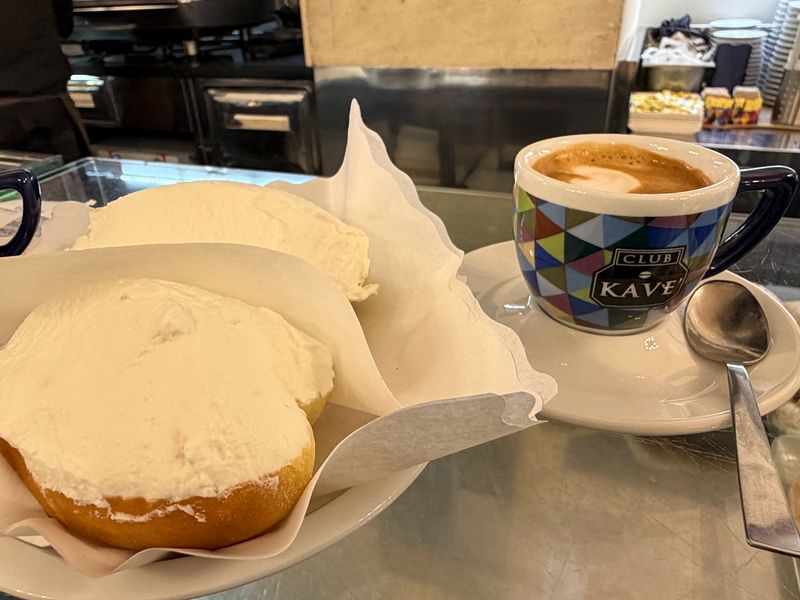
Today the ring is gone, but the whipped cream is very much present. A soft, lightly sweet bun flavored with orange zest gets sliced open and filled until it looks ready to burst.
Regoli Pasticceria on Via dello Statuto in the Esquilino neighborhood has been making them since 1916. Umberto and Narcisa Regoli started the business, and Carlo and Laura Regoli run it now.
Staff add the cream just before serving, so it stays firm. During Lent, look for the maritozzo quaresimale, an older version with raisins and pine nuts.
Pair one with a cappuccino for a true Roman breakfast. Plan around the schedule, because the shop opens at 7 a.m. and closes on Tuesdays.
2. Sfogliatella Frolla at Sfogliate e Sfogliatelle, Naples, Campania
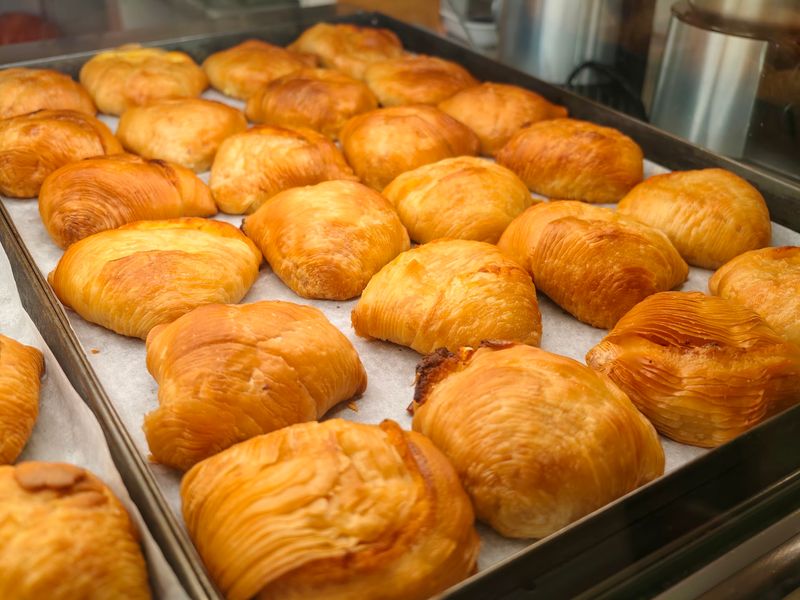
Not everyone wants pastry flakes all over their shirt, and Naples has a solution for that. Sfogliatella frolla uses a smooth shortcrust dough instead of the curly layers, making it the tidier sibling of the riccia.
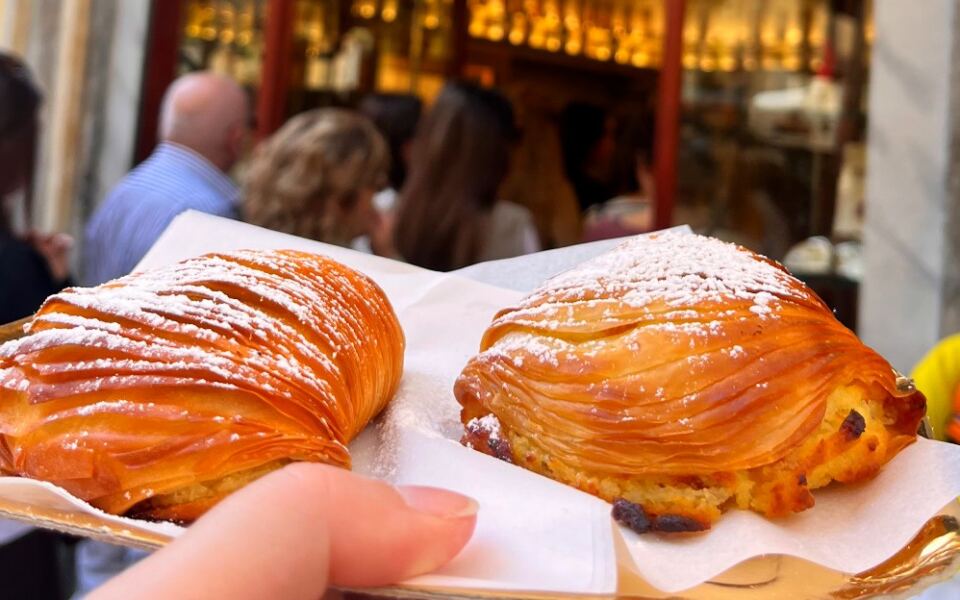
The filling stays almost identical. Sweet ricotta, cooked semolina, eggs, candied citrus, cinnamon, and vanilla all go inside, and a dusting of powdered sugar finishes the job.
Sfogliate e Sfogliatelle sells both styles, so ordering one of each is a fun way to pick a personal favorite. Staff often share the history of the pastry while you wait, and there is even a lactose-free filling option.
The location adds a bonus. Via San Gregorio Armeno is famous worldwide as the street of nativity scenes, lined with workshops selling handmade figurines all year.
Many figurines show everyday Neapolitan life, and some even feature politicians and soccer players. Snack first, then browse, because shopping for tiny football stars on an empty stomach is never wise.
3. Cannolo Siciliano at Pasticceria Alfa, Palermo, Sicily
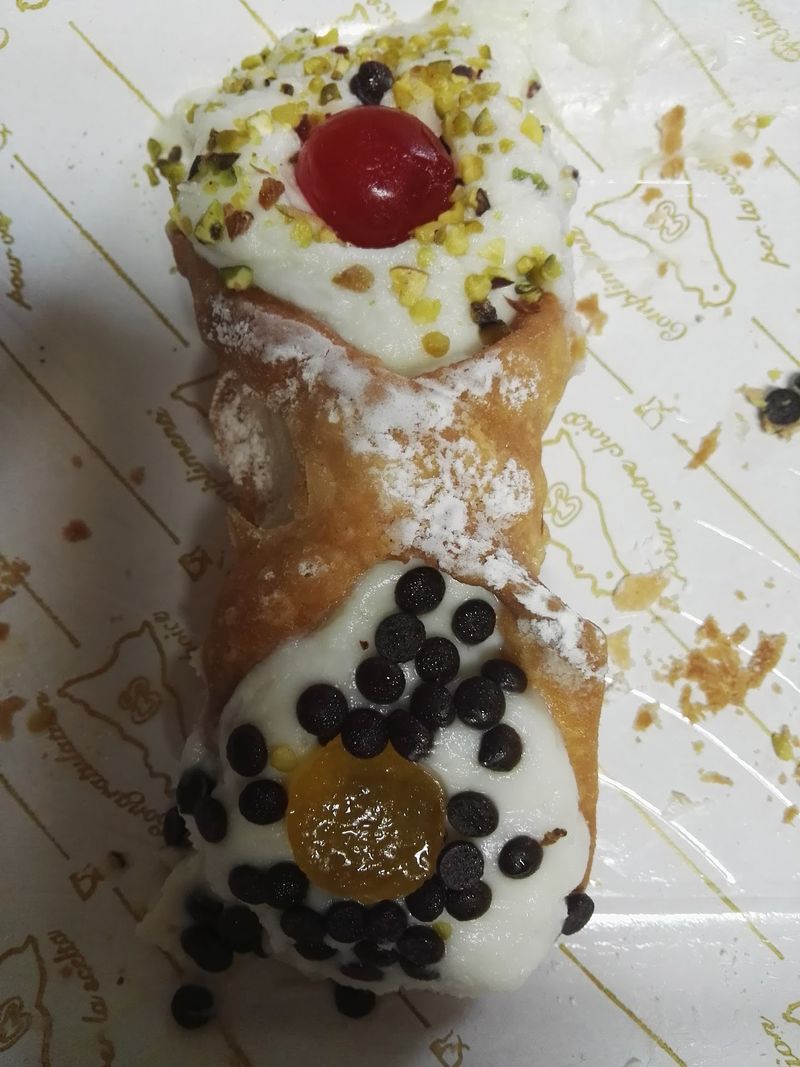
Sicilians take their cannoli rules seriously, and rule number one is simple. The shell gets filled right before serving, never hours ahead, so it stays crisp.
Pasticceria Alfa in Palermo follows that rule, and locals treat the shop as a point of reference for traditional sweets. Reviewers keep praising the ricotta, which is the true star of any good cannolo.
Authentic versions use sheep’s milk ricotta, which is drier and richer than the cow’s milk kind. Bakers strain it overnight, sieve it, and sweeten it with sugar, vanilla, cinnamon, or candied orange.
In Palermo, the ends are often dipped in chopped Bronte pistachios. Over in Catania, chocolate chips are the more common topping, which gives Sicilians something friendly to debate.
The dessert’s roots go back to the 9th century, when Arab rulers brought sugar cane and candied fruit to the island. Monasteries later turned it from a Carnival treat into a year-round favorite.
4. Pastiera Napoletana at Scaturchio, Naples, Campania
Seven strips of pastry cross the top of every proper pastiera, and that number is no accident. Legend says the mermaid Partenope received seven gifts from the people of Naples, and those gifts became the tart’s ingredients.
The real recipe was shaped by Benedictine nuns at the Convent of San Gregorio Armeno. They added orange blossom water and the famous lattice top.
Inside the shortcrust shell sits a filling of cooked wheat berries, ricotta, eggs, sugar, candied fruit, and citrus zest. Bakers usually make it a day or two ahead, since the flavors improve with rest.
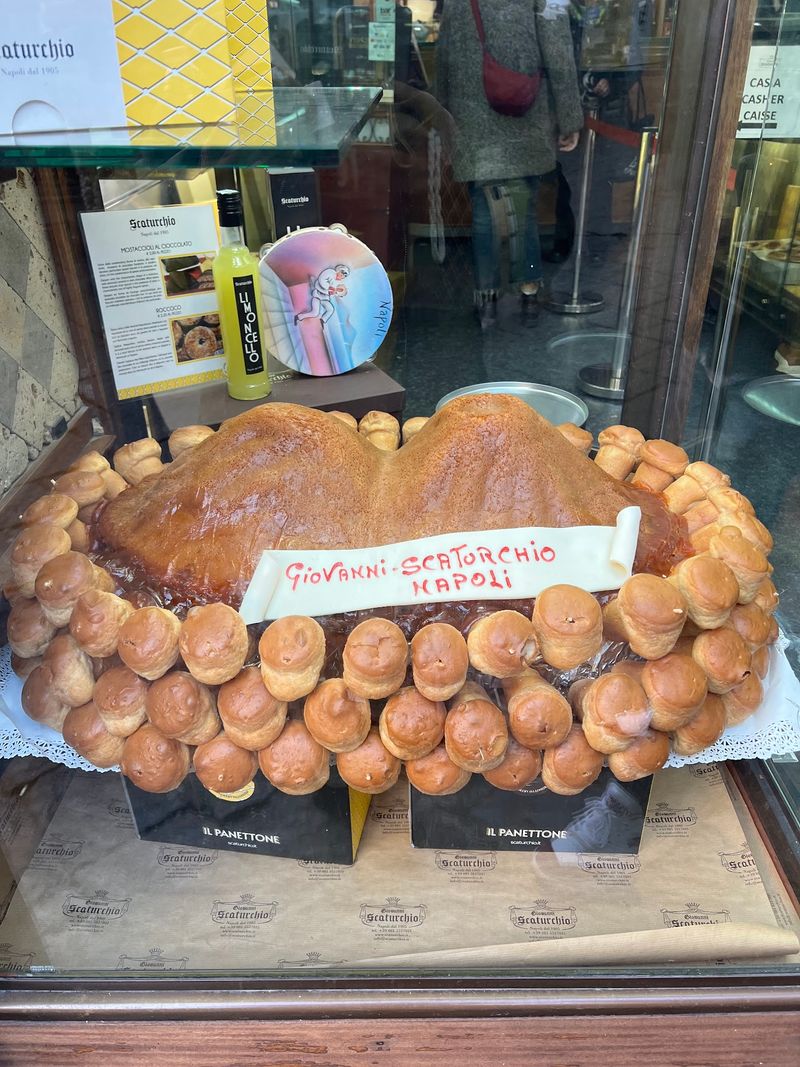
Scaturchio, on Piazza San Domenico Maggiore, has used a century-old recipe since opening in 1905. Food writers call its pastiera a modern benchmark.
Easter is peak pastiera season, but the shop sells it year-round. While you are there, ask about the Ministeriale, a dark chocolate disk created in 1919 that has its own loyal following.
5. Panettone at Marchesi 1824, Milan, Lombardy
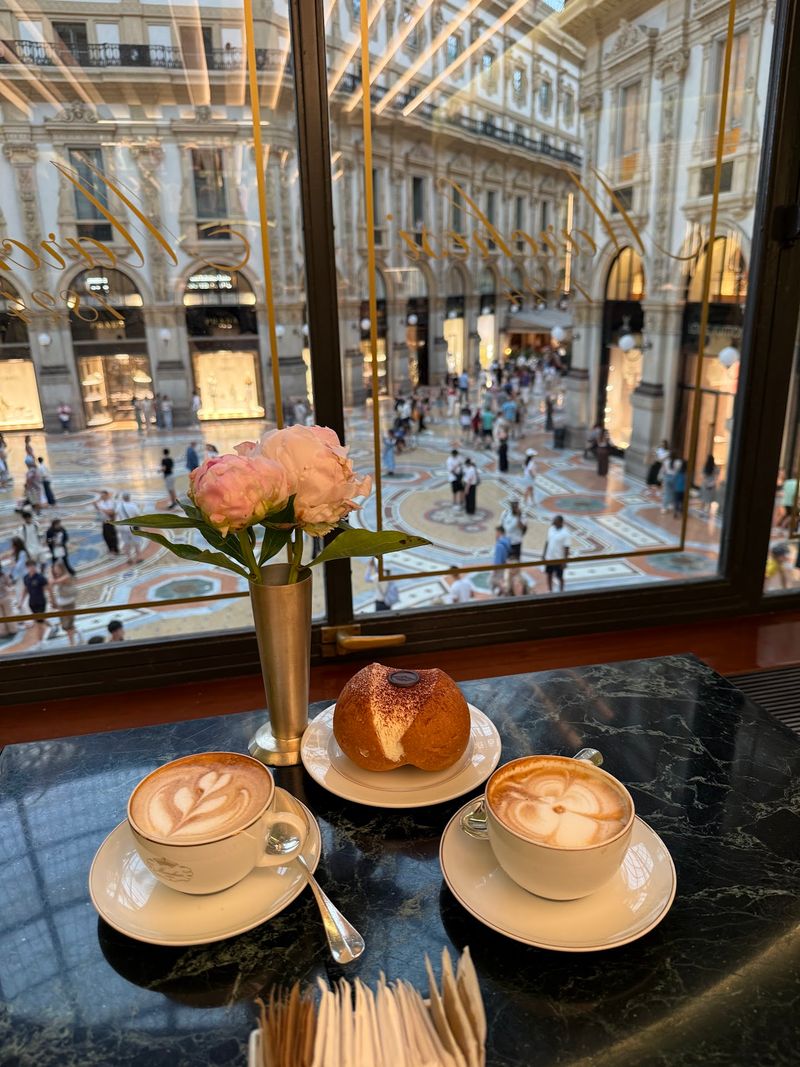
Two hundred years is a long time to perfect one bread, and Marchesi 1824 celebrated that milestone in 2024. The Marchesi family founded the shop in Milan, and the Prada Group bought it in 2014 while keeping its old-school spirit.
Panettone is tall, dome-shaped, and dotted with raisins and candied citrus. Marchesi uses a historic sourdough starter and a slow, natural rise, which takes far more patience than most home bakers have.
The classic version includes six-crown raisins, candied orange and citron, Madagascar vanilla, Italian honey, and free-range egg yolks. Seasonal flavors have included pear with cinnamon and ginger.
Legends about its origin are plentiful. One story credits a nobleman who invented it to impress a baker’s daughter.
Head to the flagship on Via Santa Maria alla Porta for early 20th-century furnishings and coffered ceilings. The Via Monte Napoleone shop is the pastel green one, and Christmas is the most festive time to visit.
6. Frittelle Veneziane at Pasticceria Rizzardini, Venice, Veneto
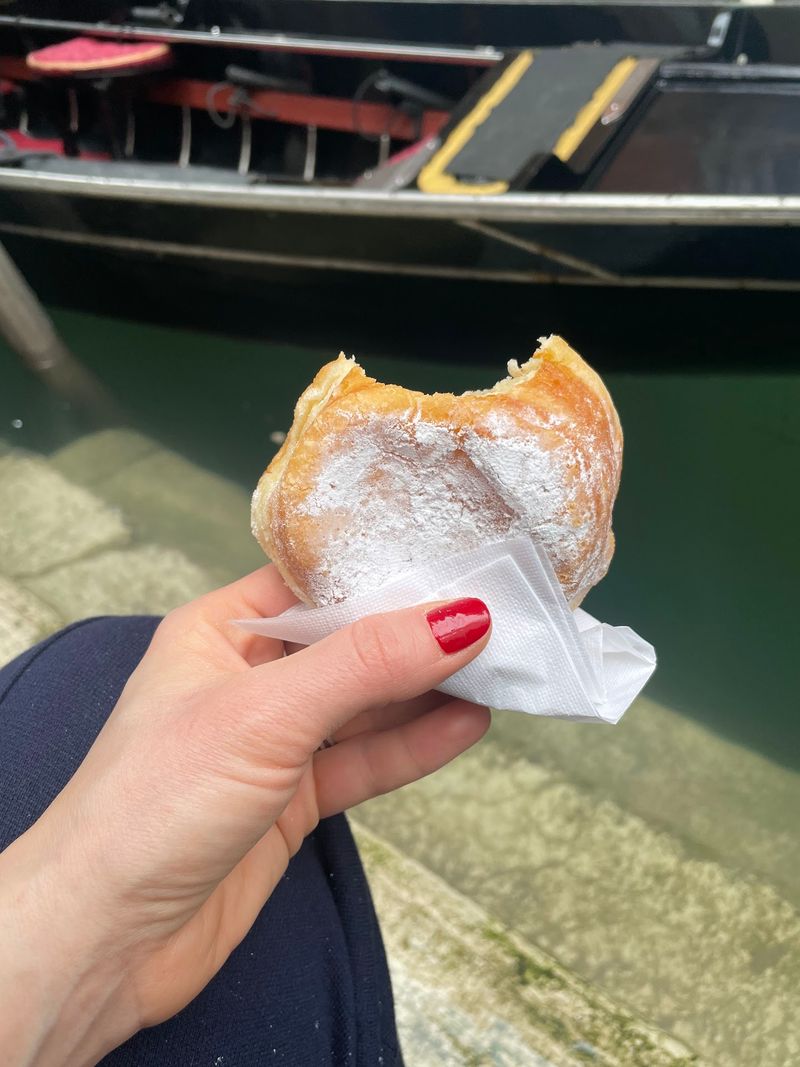
Venice once had professional fritter makers. Called frittelleri, they sold their goods from wooden stalls and even formed their own guild in the 17th century.
Frittelle were considered the national dessert of the old Venetian Republic, and they remain the top treat of Carnival season. The round fried dough balls can hold raisins and pine nuts or be filled with cream, then get a coat of sugar.
Pasticceria Rizzardini opened in 1742, which makes it one of the oldest pastry shops in the city. It sits on Campiello Meloni, a tiny square near Campo San Polo.
Expect vintage decor, an old-fashioned counter, and a crowd. Most customers eat standing at the bar, which is normal in Italy and keeps the line moving.
Visit in the weeks before Lent for the full frittelle lineup. Outside Carnival, the shop still offers cantucci biscuits and a chocolate and coconut cake, so nobody leaves empty-handed.
7. Setteveli Cake at Pasticceria Cappello, Palermo, Sicily
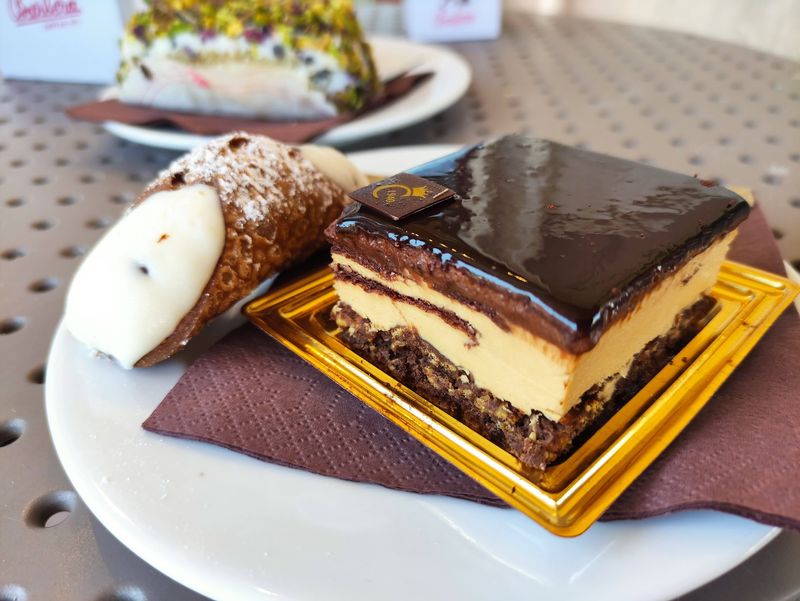
Birthday parties in Palermo often end with a slice of seven-veil cake. Setteveli stacks chocolate sponge, a crunchy praline layer, hazelnut Bavarian cream, and dark chocolate mousse under a shiny mirror glaze.
Its origin story comes with a friendly rivalry. Three Italian pastry chefs created a version for the 1997 Pastry World Cup in France, but Palermo also credits its own hometown hero, Salvatore Cappello.
Pasticceria Cappello on Via Colonna Rotta started out as a dairy in the 1940s. Over the decades it grew into a city institution, and Setteveli became its signature.
The name is said to come from the dance of the seven veils. Counting the layers on your plate is a fun test of whether the bakers kept their promise.
Buy a single slice if you are sightseeing all day. The shop also sells cannoli, cassatine, and marzipan fruits called frutta di Martorana, which make lovely edible souvenirs.
8. Budino di Riso at Pasticceria Buonamici, Florence, Tuscany
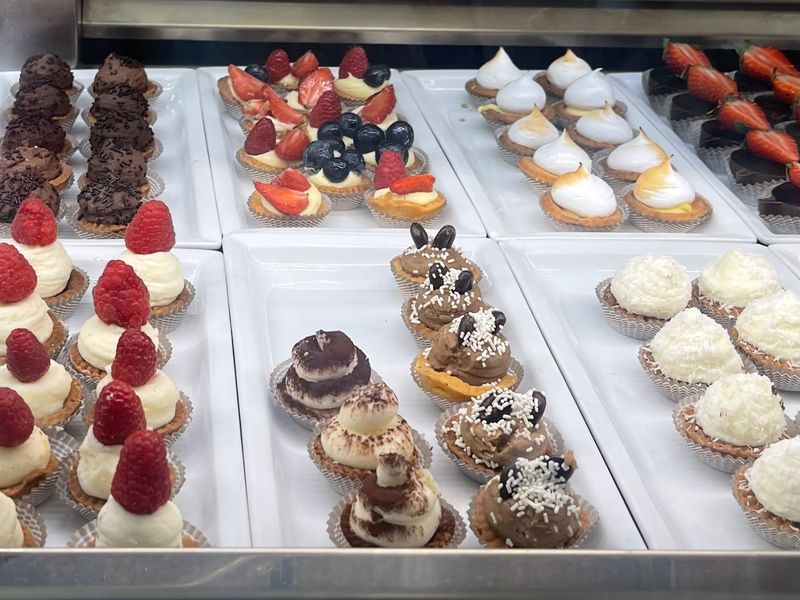
Rice pudding in a pastry cup may sound like a modest breakfast, yet Florentines line up for it every morning. Budino di riso is a small shortcrust tart filled with short-grain rice cooked slowly in milk, then mixed with eggs, sugar, butter, and lemon and orange zest.
Siena gets partial credit. Its older budinone was a crustless rice sweet, and Florence later added the pastry shell.
Pasticceria Buonamici, on Via dell’Orto in the San Frediano neighborhood, has made these since 1949. Bruno Buonamici founded the bakery, and his son Roberto and daughters Rossella and Patrizia keep it going.
The family skips semi-finished ingredients and makes everything from scratch. The shop even bounced back after serious damage during the 1966 Florence flood.
Locals stop in for coffee and a budino before work. Do the same with a cappuccino, then explore the Oltrarno side of the river, which tends to be calmer than the crowded center.
9. Sfogliatella Riccia at Pasticceria Pintauro 1785, Naples, Campania
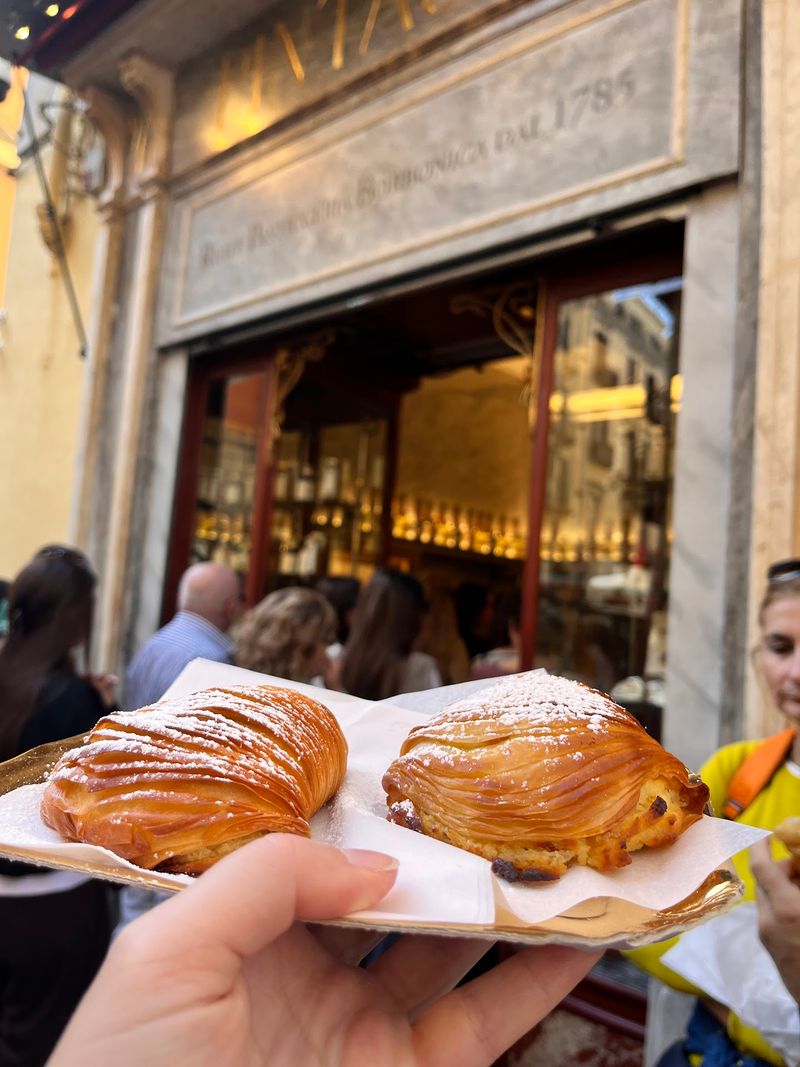
Back in the 1600s, a nun in the Santa Rosa monastery on the Amalfi Coast reportedly invented a pastry shaped like a seashell. Nearly two centuries later, a Naples pastry chef named Pasquale Pintauro got hold of the recipe and started selling it from his shop.
That shop still stands on Via Toledo, and locals call it the historic cradle of the sfogliatella.
Riccia means curly, which describes the dozens of thin pastry layers fanning out around the filling. Inside, you get ricotta, semolina, sugar, and candied orange and citron peel, sometimes with a hint of cinnamon.
Making it at home is rare because rolling and folding the dough takes serious time and skill. The bakers here work in a lab right beneath the shop, using local ingredients and old recipes.
The business recently reopened under Francesco Bernardo, who runs it with his wife Simona and partner Davide. Order your sfogliatella warm, since that is how Neapolitans insist it should be eaten, and grab a napkin for the flakes.
10. Zeppola di San Giuseppe at Carraturo, Naples, Campania
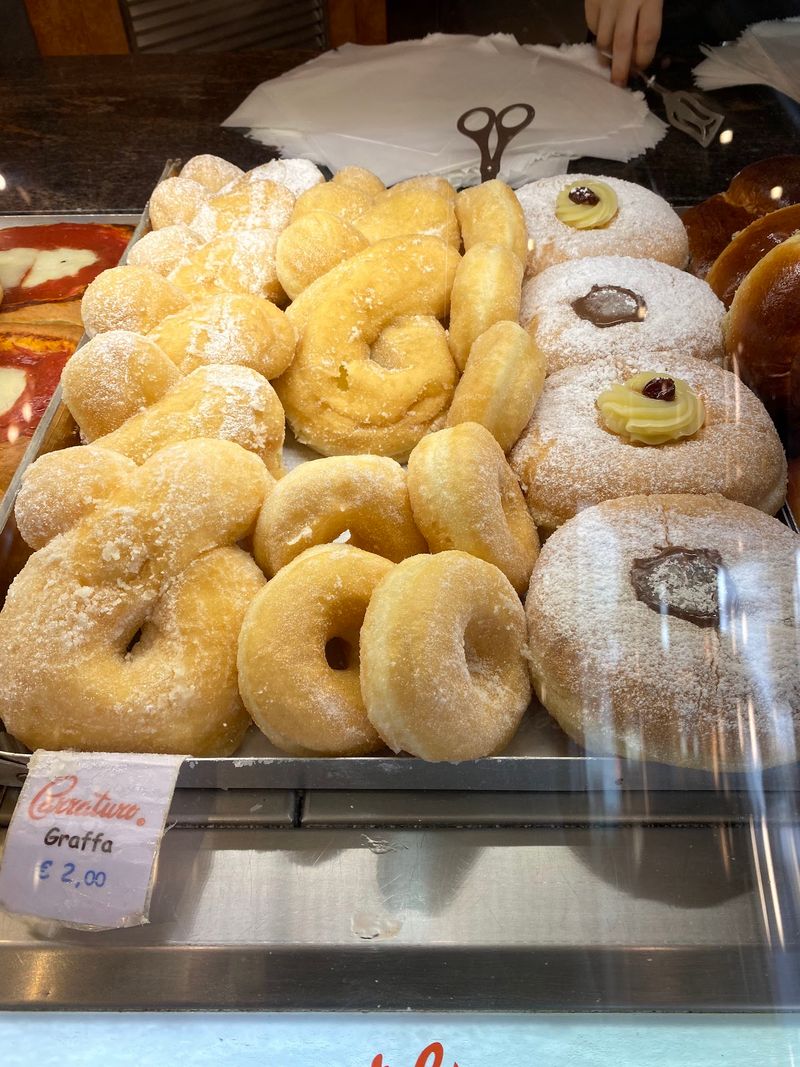
March 19 is a double holiday in Italy. It marks the Feast of St. Joseph and also Father’s Day, and Naples celebrates both with zeppole.
The pastry is a ring of choux dough topped with thick pastry cream, a dark amarena cherry, and powdered sugar. Bakers fry or bake it, and many Neapolitans say fried is the traditional way.
Antica Pasticceria Carraturo makes both versions, so you can settle the debate yourself. Pietro Carraturo founded the shop in 1837 on Via Casanova, near Porta Capuana, and the family has run it for five generations.
Here is a fun coincidence for history fans. The first written recipe for zeppole appeared in a cookbook from that same year, 1837, and Pasquale Pintauro helped make them popular a few years later.
Timing matters here. Zeppole usually appear in March and vanish by Easter, so check before you go.
The shop opens daily at 7 a.m., except Wednesdays.
11. Cassata Siciliana at Pasticceria Verona & Bonvegna, Catania, Sicily
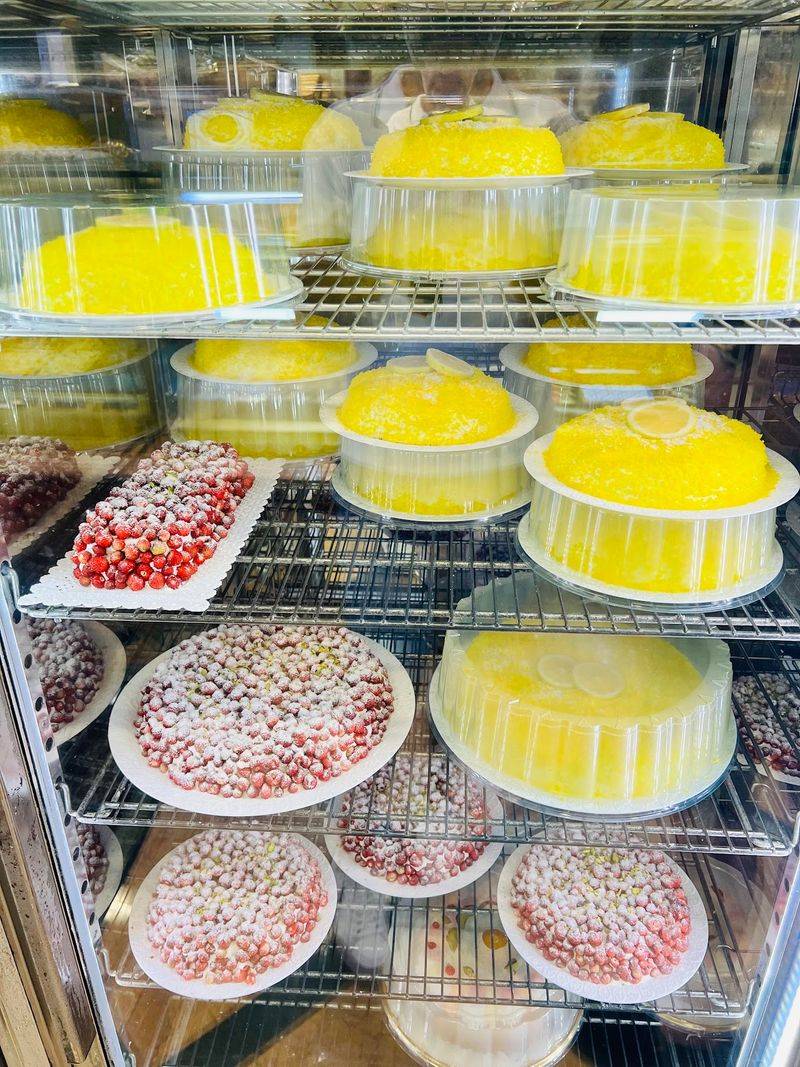
Few desserts dress up quite like a cassata. A round sponge cake holds sweet sheep’s milk ricotta with chocolate chips, then gets wrapped in green marzipan, covered in white icing, and topped with bright candied fruit.
Sicilians call it the queen of their pastry. The name likely comes from the Arabic word qas’at, meaning bowl, a reminder of the Arab rule that brought sugar cane and almonds to the island.
Nuns in Palermo refined the recipe, and a pastry chef named Salvatore Gulì gave it its modern decorated look around 1873.
For a Catania version, head to Pasticceria Verona & Bonvegna on Via Asiago. Concetto Bonvegna and Nunzio Verona opened it in 1970, and their children continue the work.
The lab is visible from the counter, so you can watch pastry chefs at work. Try the mini cassatine if a whole cake feels like too much for one traveler.
Easter and Christmas are both classic cassata seasons.
12. Cornetto alla Crema at Pasticceria Barberini, Rome, Lazio
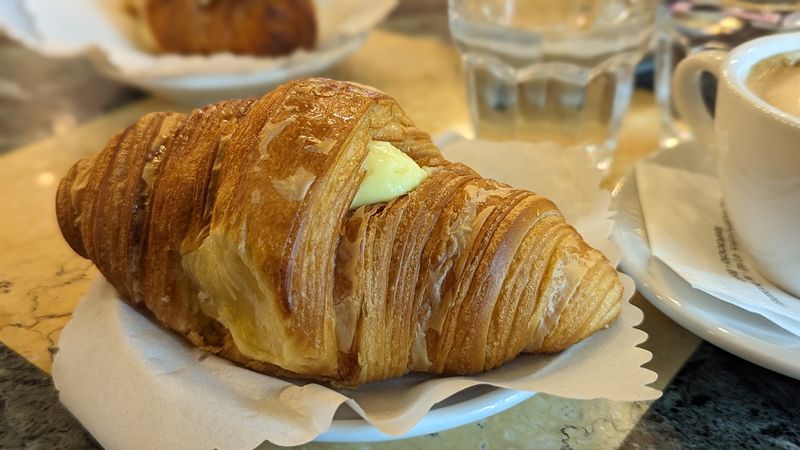
Ask an Italian for a croissant and you may get a polite correction. The cornetto, or little horn, is softer and sweeter than its French cousin, with a dough closer to brioche.
Its ancestor is the Austrian kipferl, which became popular in Italy in the late 1600s. Italians made it their own, and a cornetto with coffee is now the most common breakfast in the country.
Pasticceria Barberini, on Via Marmorata in Testaccio, has been around since 1925. It began as a milk bar and ice cream shop before becoming a breakfast favorite.
Everything is handmade in the shop’s own lab with butter and a natural starter. The slow-rising dough is worth the wait.
Order alla crema for a pastry cream filling, or try chocolate, jam, or pistachio. Staff are quick, so know your order before you reach the counter.
Doors open at 6 a.m., which suits early risers perfectly.
13. Babà al Rum at Armando Scaturchio, Naples, Campania
A Polish king, French chefs, and Neapolitan bakers all had a hand in this final treat. The story starts in 18th-century Poland at the court of King Stanislaus Leszczyński, then moves to Paris, and finally lands in Naples in the early 1800s.
Neapolitan pastry chefs made it smaller and perfected the syrup. Today the babà is a symbol of the city.
The cake is a light yeast dough baked in a tall, mushroom-like shape, then soaked in sweet syrup. Some bakers brush it with apricot jam for shine or add a spoon of cream on the side.
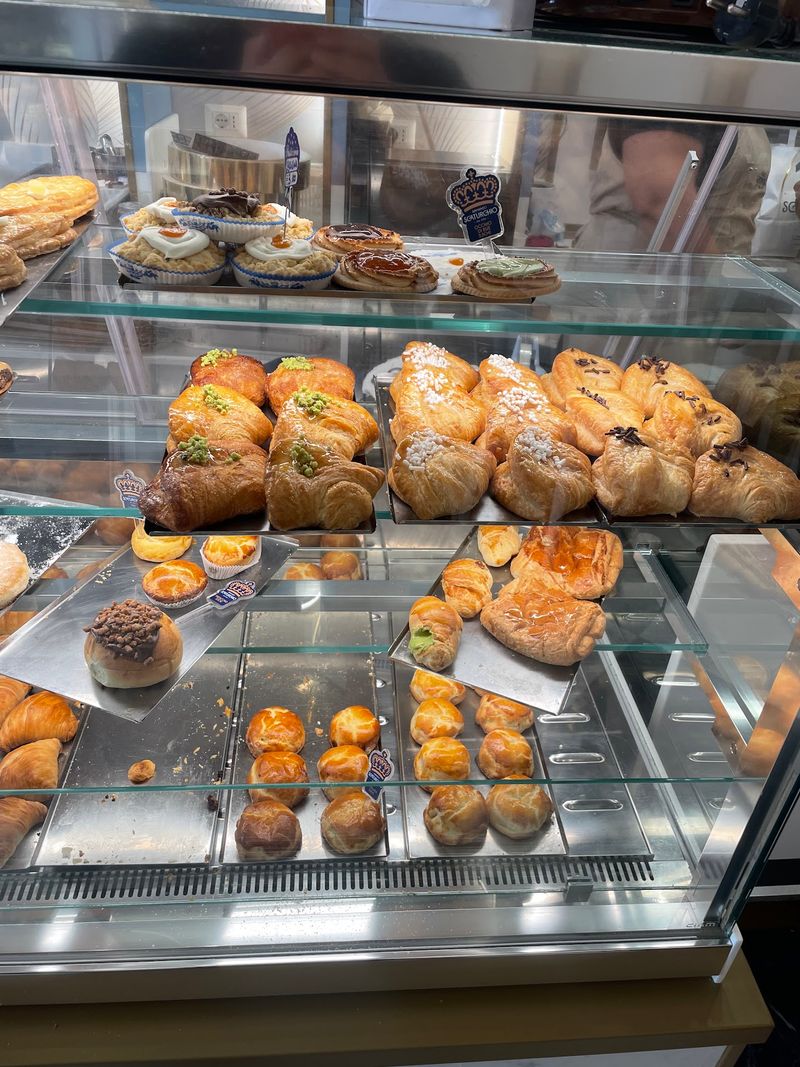
Armando Scaturchio, on Via Portamedina, carries on a family pastry tradition of more than 120 years. Reviewers often mention the friendly staff and excellent coffee.
For something unusual, ask for the tupella. This cone-shaped dessert combines babà with sfogliatella riccia and is a playful nod to Mount Vesuvius, making it a fitting last stop on any pastry tour.
Share this story