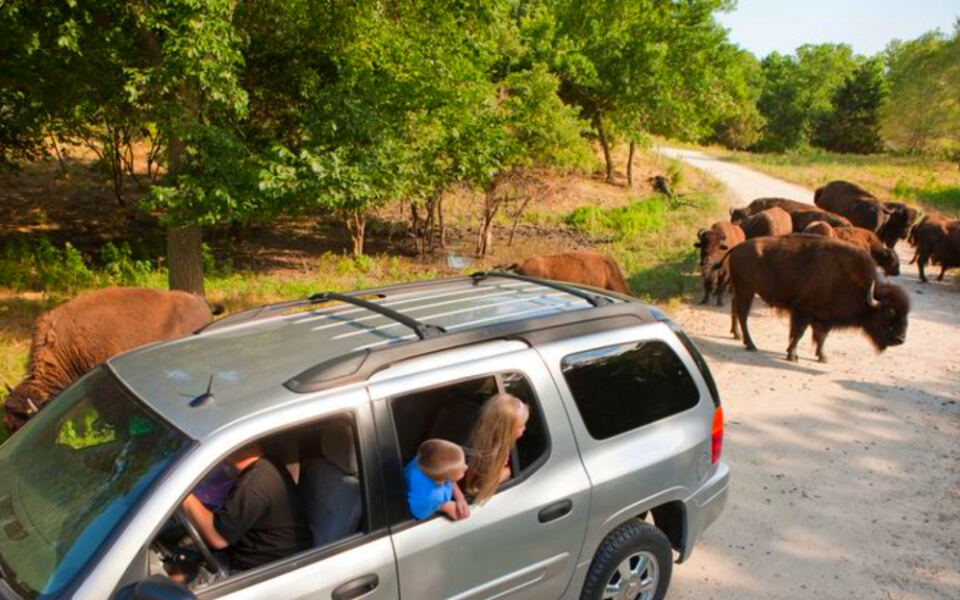
Nebraska is home to an astonishing variety of wild creatures, and the good news is that you do not need to be a seasoned outdoors expert to find them. The state sits at a natural crossroads where prairies, wetlands, river valleys, Sandhills, and pine-covered ridges create ideal conditions for hundreds of species to thrive.
From massive bison herds to enormous flocks of sandhill cranes, the wildlife here has a way of stopping you in your tracks. Several parks, refuges, and nature centers across the state have made wildlife viewing genuinely easy, with driving routes, boardwalks, overlooks, and short trails that put you right in the action.
Whether you are a dedicated birder, a curious family, or just someone who enjoys a good animal sighting, Nebraska delivers in a big way. Here are 13 spots worth putting on your list, each one offering a rewarding and accessible wildlife experience.
1. Crane Trust Nature & Visitor Center, Wood River, Nebraska
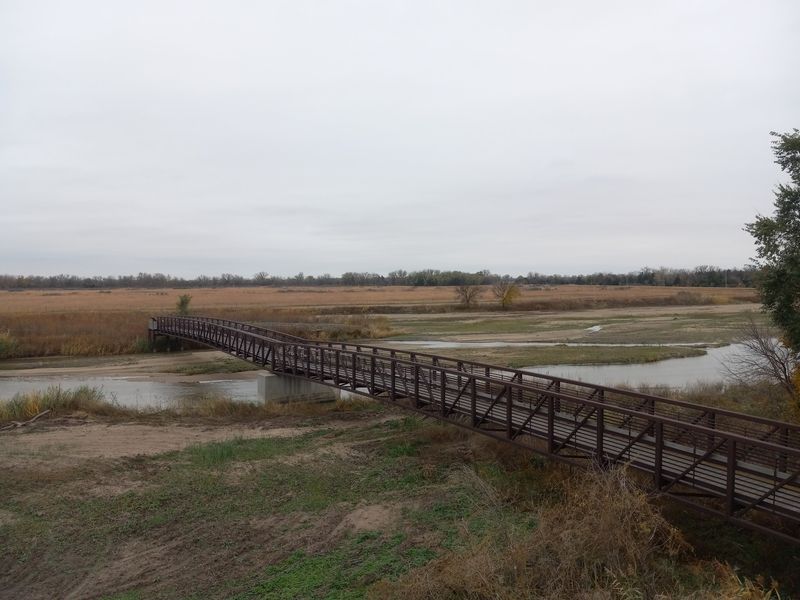
Every spring, the Platte River near Wood River becomes one of the most extraordinary wildlife spectacles in North America, and the Crane Trust Nature and Visitor Center puts visitors right at the center of it. Hundreds of thousands of sandhill cranes stop here during their migration along the Central Flyway, creating a scene that is difficult to describe without sounding like you are exaggerating.
Guided blind experiences allow small groups to observe roosting cranes at very close range during dawn and dusk, a format that keeps disturbance low while maximizing the quality of the encounter. Reservations are typically required for blind tours, so planning ahead is a smart move.
Outside of crane season, the surrounding prairie and river habitat remain productive for raptors, grassland birds, deer, and coyotes. The visitor center itself provides helpful exhibits that put the migration into its broader ecological context.
2. Rowe Sanctuary, Gibbon, Nebraska
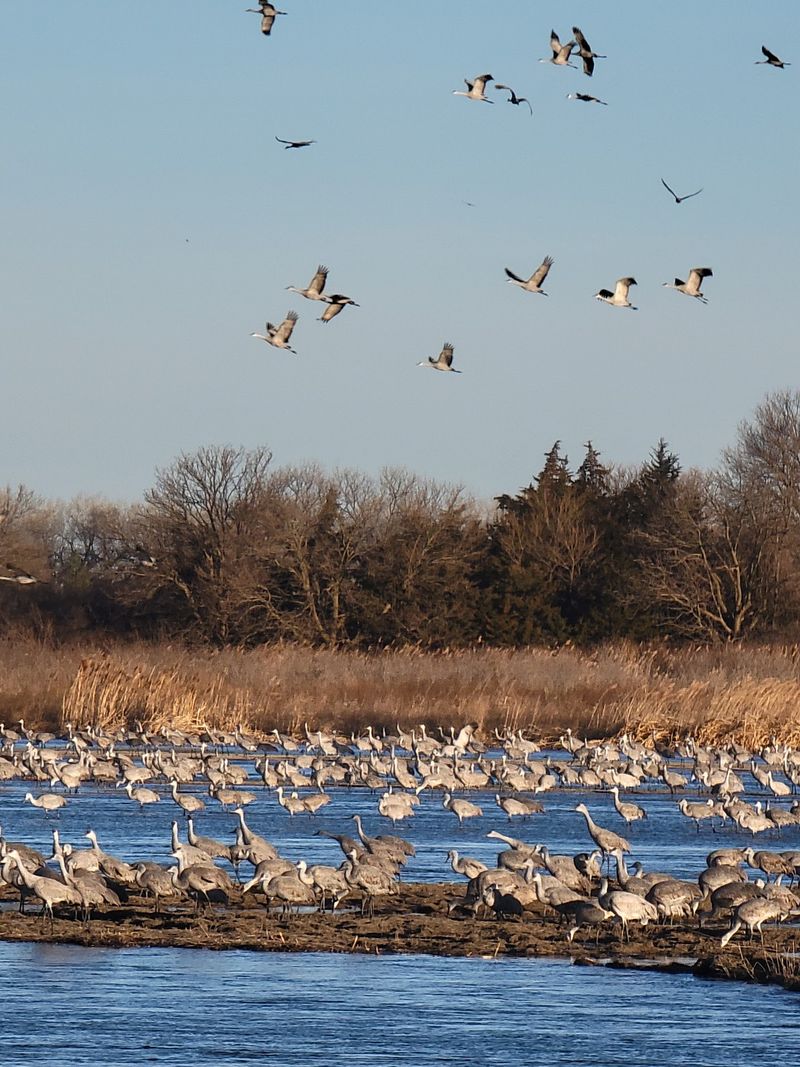
The numbers alone are staggering. During peak migration at Rowe Sanctuary, the Platte River can hold close to half a million sandhill cranes on a single evening, turning the river into a living, moving carpet of grey and russet feathers.
Few wildlife experiences anywhere on the continent match it for sheer scale.
The sanctuary’s guided blind tours are the gold standard for viewing, placing small groups within meters of active roost sites at the moments when cranes are most concentrated. Some tours involve a modest walk to reach the blinds, and advance reservations are strongly recommended since availability fills quickly during peak weeks.
Staff and volunteers bring genuine enthusiasm and solid knowledge to each outing, adding context that makes the experience more meaningful. Even a visit outside the main migration window reveals a productive habitat for waterfowl, raptors, and prairie wildlife along this critical stretch of river.
3. Fort Niobrara National Wildlife Refuge, Valentine, Nebraska
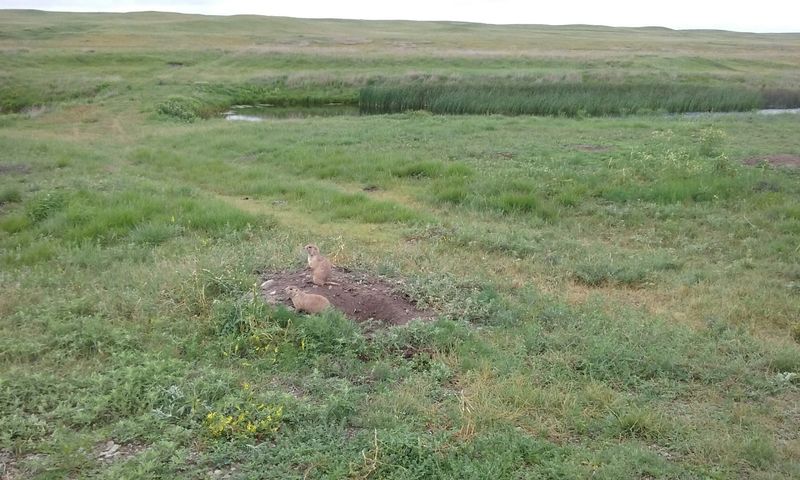
Bison sightings from a paved road sound like something out of a history book, but at Fort Niobrara National Wildlife Refuge, it is a regular occurrence. The refuge maintains a bison herd that visitors can often spot directly from their vehicles while cruising the well-maintained road network, no hiking boots required.
Elk are also present on the refuge, offering another impressive large mammal encounter for patient observers. White-tailed deer and a broad selection of grassland birds round out the wildlife roster, keeping a slow drive interesting throughout the year.
The refuge’s official guidance recommends staying in your vehicle around bison, which turns out to be excellent advice for wildlife photographers as well, since the animals often approach roads closely and show little concern for parked cars. The Niobrara National Scenic River flows through the property, adding riparian species to the mix and giving the landscape an extra layer of visual appeal.
4. Wildcat Hills State Recreation Area, Gering, Nebraska
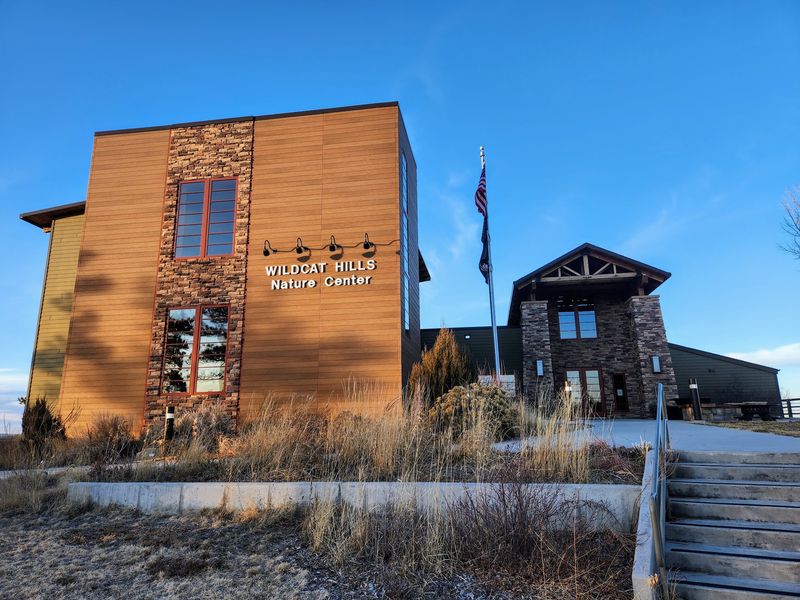
Not every great wildlife experience requires venturing far from a comfortable chair. The nature center at Wildcat Hills State Recreation Area features a large viewing area that looks directly onto a series of well-stocked bird feeders, making it possible to observe a rotating cast of species without any effort at all.
Pine siskins, dark-eyed juncos, chickadees, and nuthatches are regulars at the feeders, and the surrounding Ponderosa pine habitat adds species you simply will not find in Nebraska’s eastern lowlands. The pine-covered ridges rising above the North Platte River Valley give this part of the state a look that surprises first-time visitors expecting flat farmland.
Exploring the recreation area’s roads and trails can add bluebirds, various raptors, wild turkeys, mule deer, and bighorn sheep to a day’s tally. The combination of indoor viewing comfort and outdoor exploration options makes this one of the state’s most versatile wildlife stops.
5. Wildlife Safari Park, Ashland, Nebraska
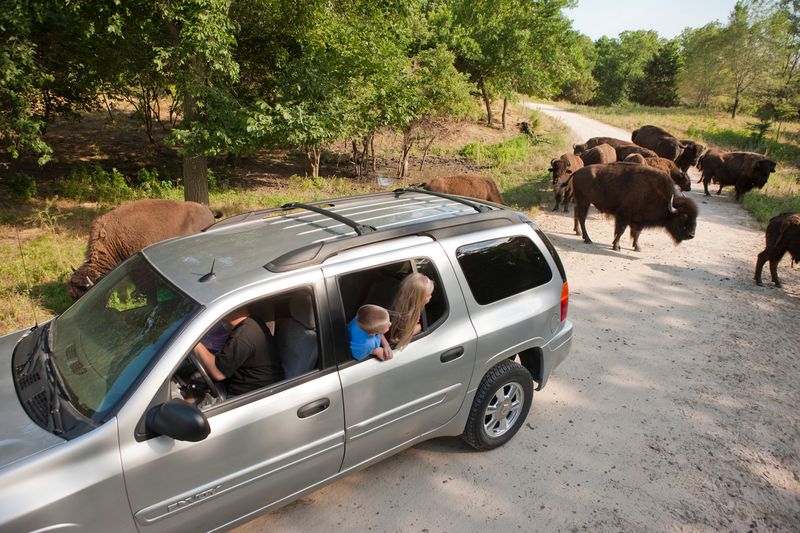
Your car becomes the best seat in the house at Wildlife Safari Park, where native North American wildlife roams freely across spacious habitats you can explore without ever stepping outside. Bison, elk, and deer move through open landscapes that closely resemble their natural homes, giving every drive a genuine sense of discovery.
The route is carefully designed so animals appear at regular intervals, keeping passengers of all ages engaged from start to finish. Families with young children find this format especially practical, since there is no pressure to keep pace on a trail or manage strollers on uneven ground.
Walk-through exhibit areas offer additional species for those who want a bit more variety after the main loop. The park balances accessibility with authenticity, making it one of the most convenient places in Nebraska to watch large wildlife up close.
6. Lake McConaughy State Recreation Area And Wildlife Management Area, Ogallala, Nebraska
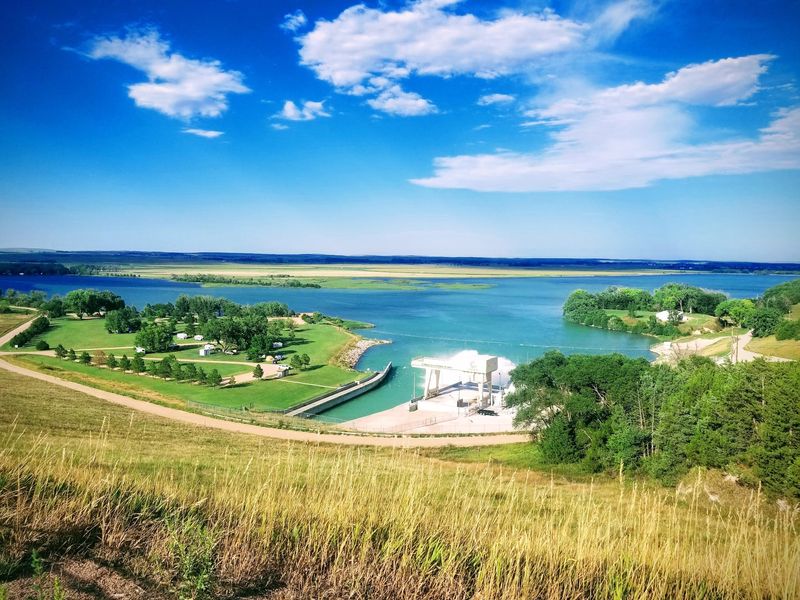
Nebraska’s largest reservoir earns its nickname “Big Mac” not just for its size but for the remarkable variety it serves up to wildlife watchers. Roughly 340 bird species have been recorded around the lake, a figure that puts it among the most productive birding destinations anywhere in the Great Plains region.
Waterfowl, gulls, grebes, white pelicans, and shorebirds appear in numbers that shift dramatically with the seasons, keeping repeat visits genuinely interesting. Winter, however, is when Lake McConaughy earns special attention, as bald eagles gather to take advantage of the open water and abundant fish.
A pull-off near the south end of the dam provides a sweeping view of the lake and is a reliable spot for scanning the water and shoreline. A dedicated eagle-viewing building below the spillway offers sheltered, heated viewing during cold weather, making winter birding here both comfortable and productive.
7. Lake Ogallala State Recreation Area, Ogallala, Nebraska
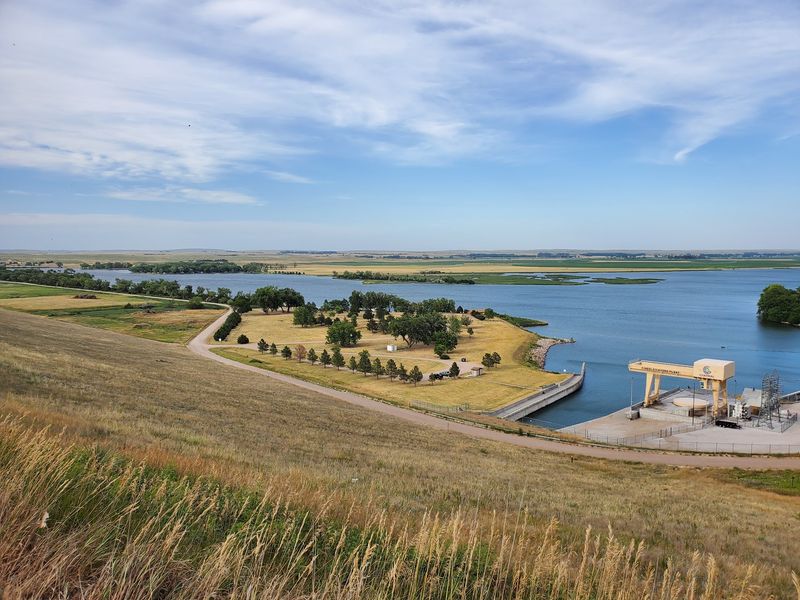
Right below Kingsley Dam, Lake Ogallala carves out its own reputation as one of Nebraska’s most reliable winter wildlife destinations. The lake’s open water tends to remain unfrozen longer than surrounding areas, drawing bald eagles in numbers that can genuinely surprise first-time winter visitors to western Nebraska.
Watching multiple eagles hunt and interact over a relatively compact stretch of water is a different experience from scanning a vast reservoir, and the smaller scale of Lake Ogallala means birds are often quite close to accessible viewing areas along the shoreline. Convenient pull-offs make it easy to stop, observe, and move on without committing to a long walk.
Various waterfowl and hardy winter bird species also use the lake regularly, keeping binoculars busy beyond just the eagle count. Pairing a visit here with a stop at Lake McConaughy nearby creates a productive half-day birding circuit that covers two distinct but complementary habitats.
8. Ponca State Park, Ponca, Nebraska
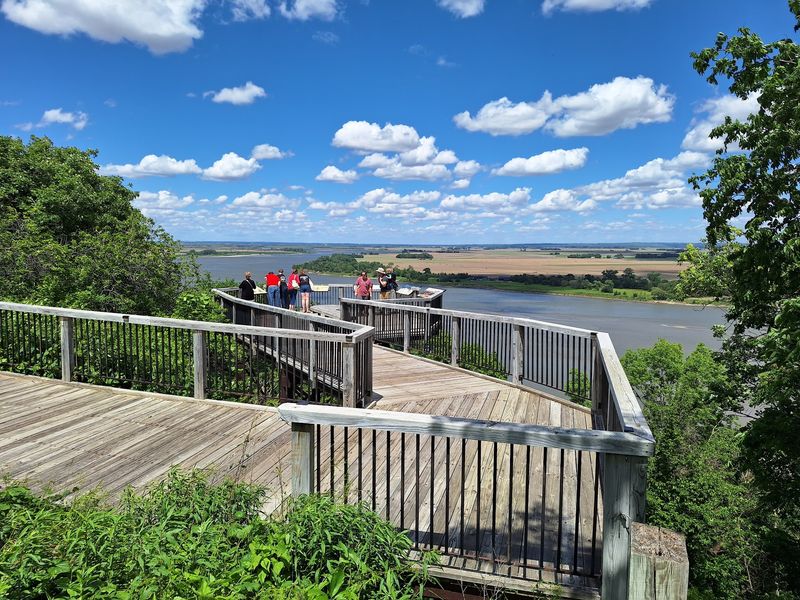
Wooded bluffs overlooking the Missouri River give Ponca State Park a character that stands apart from most of Nebraska’s landscape. The dense forest and dramatic river views create a layered habitat where wildlife encounters can happen at almost any elevation, from the water’s edge to the ridge tops above.
Spring migration brings a variety of songbirds and waterfowl to the park’s wetland areas, rewarding early-season visitors with active and colorful sightings. White-tailed deer are common throughout the forested sections, and wild turkeys are a regular sight strutting through clearings and along park roads.
Winter adds another compelling reason to visit. Bald eagles gather along the Missouri River during colder months, often perching in large trees along the bluffs where they are visible from several park overlooks.
The combination of scenic drives, accessible observation points, and year-round wildlife activity makes Ponca a strong choice for any season.
9. Pioneers Park Nature Center, Lincoln, Nebraska
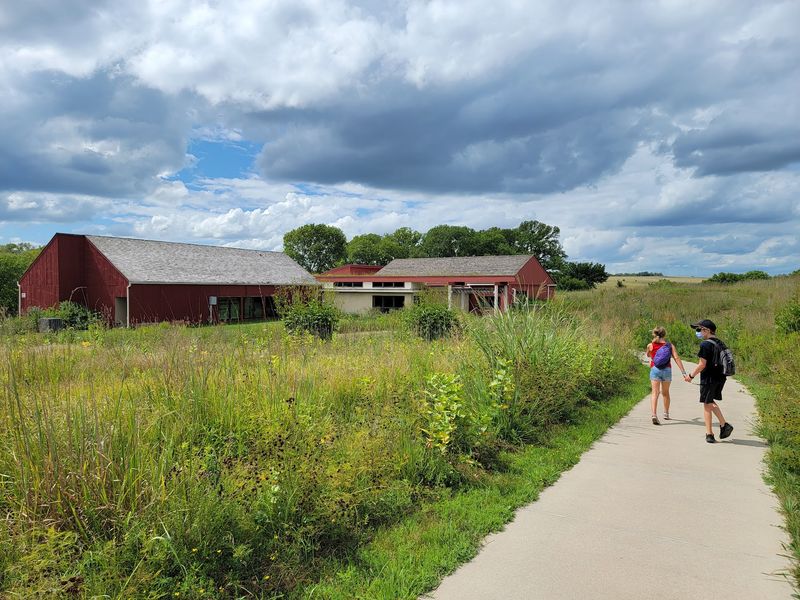
City limits do not have to mean the end of good wildlife watching, and Pioneers Park Nature Center in Lincoln makes that point convincingly. The center manages a mix of native prairie, woodland, and wetland habitat right within the city, offering residents and visitors a genuinely wild experience without the need for a lengthy drive.
Well-maintained trails wind through grassland areas where meadowlarks, various sparrows, and other prairie birds are regularly spotted. Deer and coyotes are common sightings, especially during early morning or late afternoon visits when animal activity tends to peak.
Indoor exhibits at the nature center provide solid background on Nebraska’s ecosystems, making this a particularly good first stop for families or anyone new to the state’s wildlife. The accessible trail surfaces and manageable distances make the park a practical choice for visitors of all fitness levels, and the proximity to Lincoln means it fits easily into almost any itinerary.
10. Fontenelle Forest, Bellevue, Nebraska
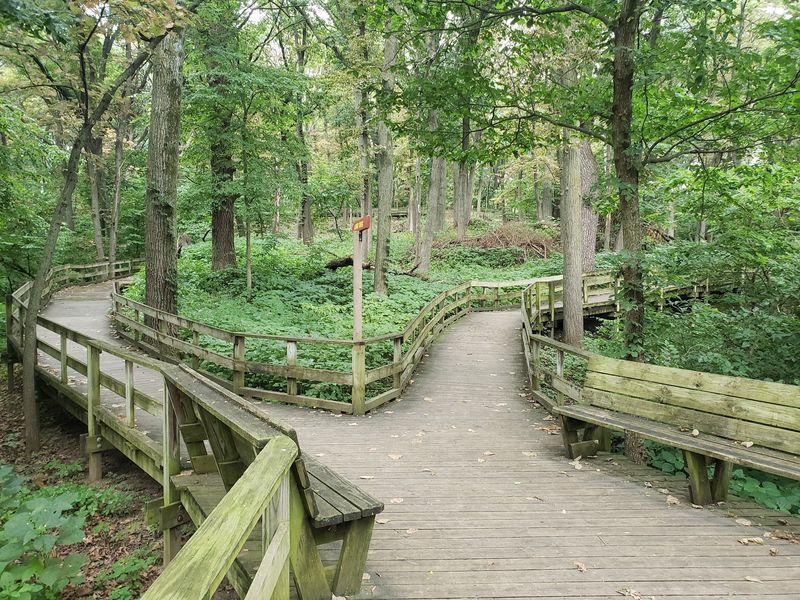
Tucked into the bluffs along the Missouri River just south of Omaha, Fontenelle Forest manages to feel surprisingly remote for a nature area surrounded by a major metropolitan region. The mature forest canopy and extensive wetland sections create a habitat profile that is genuinely different from anything else easily accessible in this part of Nebraska.
Woodland bird species thrive here, including woodpeckers, owls, warblers during migration, and a variety of resident songbirds that fill the forest throughout the year. White-tailed deer, foxes, and various small mammals are also regular residents, and the wetland boardwalk trails provide reliable sightings of frogs, turtles, and aquatic birds.
The trail network is well-developed and includes sections designed for easier access, making the forest navigable for a broad range of visitors. For anyone based in or passing through the Omaha area, Fontenelle Forest offers a quick but genuinely rewarding wildlife experience that punches well above its urban location.
11. Spring Creek Prairie Audubon Center, Denton, Nebraska
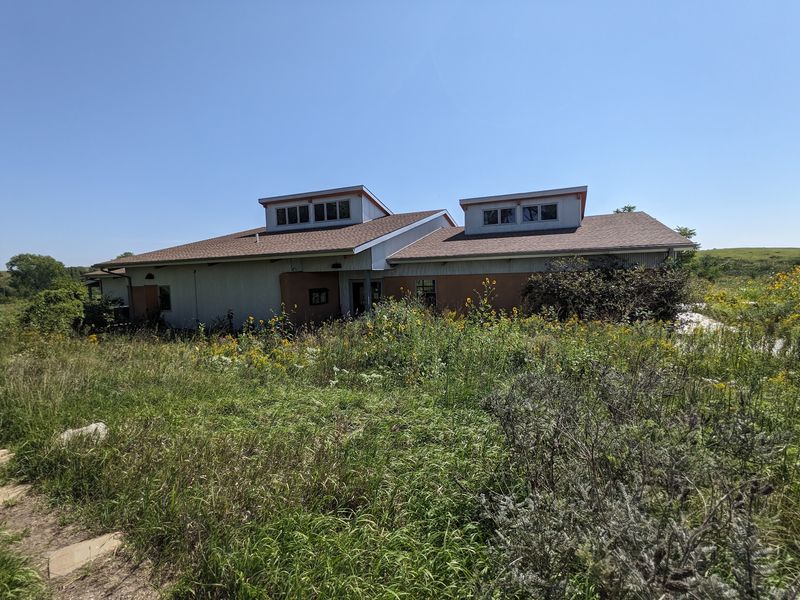
Tallgrass prairie once covered an enormous portion of the central United States, and Spring Creek Prairie Audubon Center near Denton preserves one of the most accessible surviving examples within easy reach of Lincoln. The rolling native grassland here is managed specifically to support the plants and animals that depend on this increasingly rare ecosystem.
Prairie bird specialists are the main attraction for many visitors, with grasshopper sparrows, dickcissels, bobolinks, and western meadowlarks all present during the warmer months. Coyotes, deer, and various small mammals move through the property regularly, and the insect community here supports a food web that keeps the entire system running.
The maintained trail network allows visitors to explore at their own pace without any pressure to rush. The relatively flat terrain and clear path markings make this a comfortable outing for casual walkers, and the wide-open sky above the prairie provides a sense of scale that is genuinely hard to find close to a major city.
12. Niobrara State Park, Niobrara, Nebraska
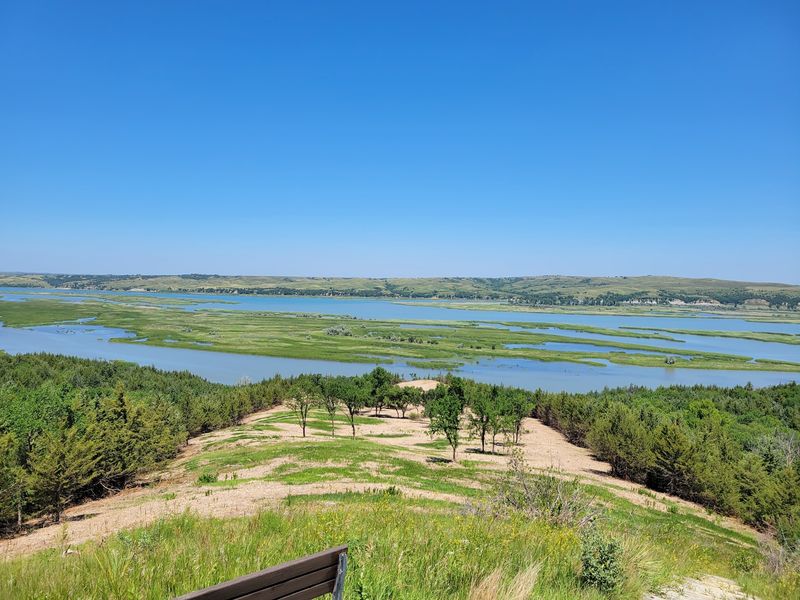
Few places in Nebraska offer a more dramatic setting for wildlife watching than the bluffs above the confluence of the Niobrara and Missouri rivers at Niobrara State Park. The meeting of two river systems creates a diverse habitat that draws an impressive variety of species to a relatively compact area.
Nebraska Game and Parks specifically highlights the park as a top bald eagle viewing location, particularly during winter when the raptors concentrate along the rivers. Seeing these large birds working the water from a park overlook is a memorable experience that requires very little effort to arrange.
White-tailed deer and wild turkeys are common throughout the park’s wooded sections, and patient observers along the riverbanks may also spot beaver, muskrat, or mink. Scenic roads and developed overlooks mean that most of the park’s best wildlife vantage points are accessible by car or a short, easy walk from a parking area.
13. Fort Robinson State Park, Crawford, Nebraska
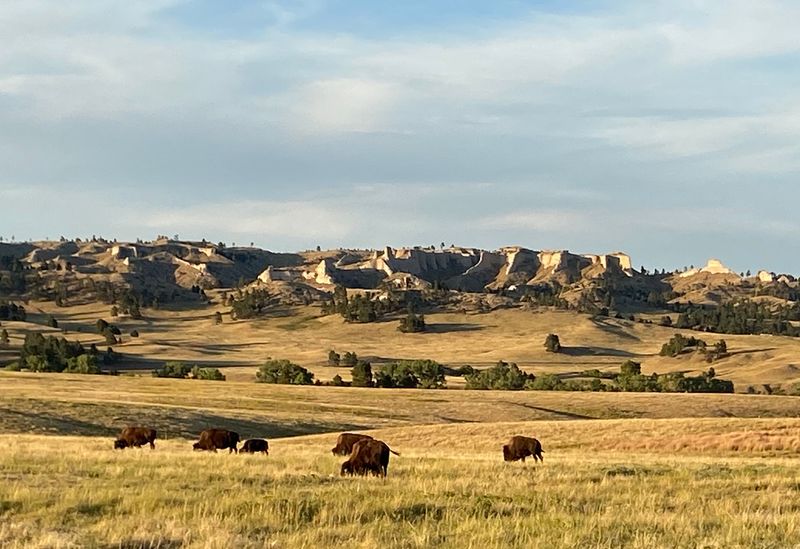
Over 22,000 acres of Pine Ridge country make Fort Robinson State Park one of the largest and most wildlife-rich parks in Nebraska, and the developed road network means you can cover a lot of ground without ever lacing up a hiking boot. Bison and elk roam in managed herds across the park’s open landscapes, and sightings from driving routes are a realistic expectation rather than a lucky bonus.
Pronghorn antelope, among the fastest land animals in North America, can also be spotted across the open panhandle terrain surrounding the park. The diverse habitat mix of Ponderosa pine forest, grassland, and rocky escarpments supports western bird species including golden eagles and prairie falcons that are rarely seen in eastern Nebraska.
Nebraska’s official state park guide specifically calls out abundant wildlife viewing as one of Fort Robinson’s premier activities. The combination of large mammals, distinctive western birds, and dramatic scenery in an easily accessible format makes this a compelling final destination on any Nebraska wildlife itinerary.
Share this story