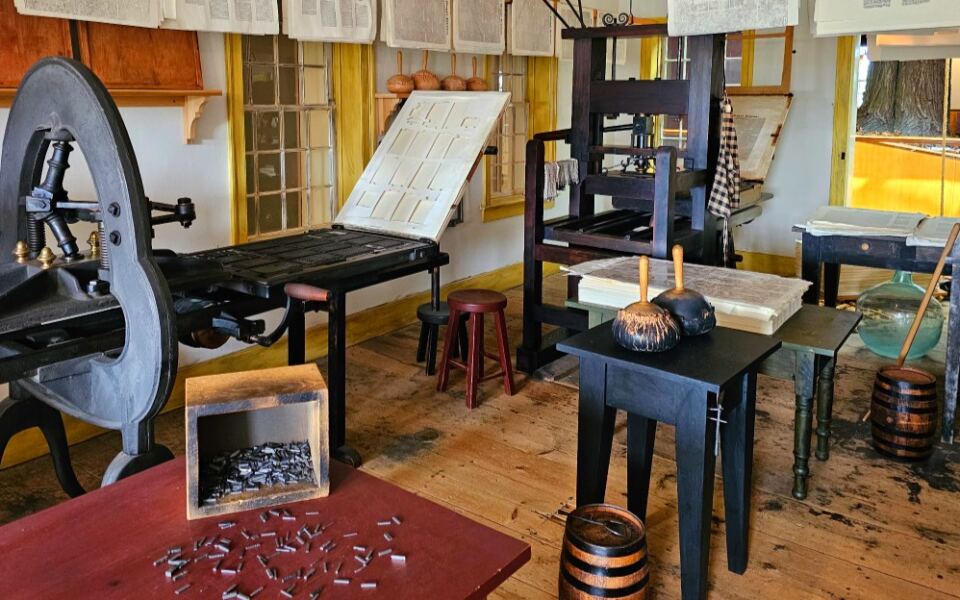
Long before anyone scrolled through headlines on a phone, every word in a newspaper had to be set by hand, one tiny metal letter at a time. Printers spent hours lining up type backwards, inking it, and pulling heavy levers to press it onto paper.
That slow, careful work spread news, sparked revolutions, and put books into ordinary hands. The good news is that some of these old machines never retired.
Across the country, a handful of print shops and museums still crank up presses that are over a century old. Some make concert posters for famous musicians.
Others show how a single newspaper page came together in colonial times. In the list ahead, you will find working shops, quirky collections, and a few surprising stars of the internet.
Keep reading to discover where you can watch history roll off the press, and maybe even take home a print of your own.
1. Hatch Show Print, Nashville, Tennessee
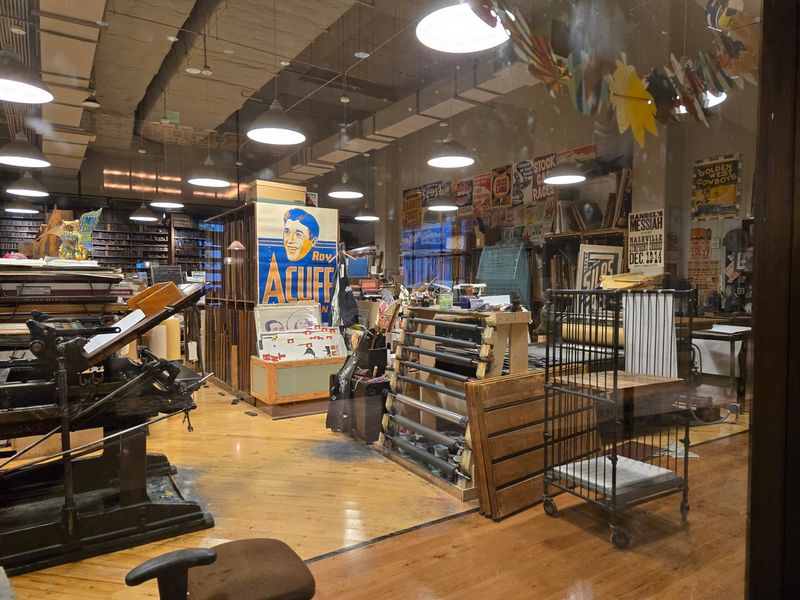
Country music stars have been showing up on Hatch Show Print posters since 1879. That makes this shop older than the Grand Ole Opry itself.
Brothers Charles and Herbert Hatch started the business, and it quickly became the go-to printer for circuses, vaudeville acts, and later, musicians. The bold letters and hand-carved pictures became so famous that people can spot a Hatch poster from across the room.
Today, the shop still prints posters for real concerts using traditional letterpress methods. Its huge collection of wood type and carved image blocks gets used every week, not just looked at.
Guided tours take visitors behind the counter to watch the presses at work. You even get to print a small keepsake yourself, which beats any souvenir keychain.
The shop sits inside the Country Music Hall of Fame building downtown. Book your tour ahead of time, since spots fill up fast on weekends and holidays.
2. Franklin Court Printing Office, Philadelphia, Pennsylvania
Benjamin Franklin liked to sign his name as “B. Franklin, Printer,” even after becoming famous for science and politics.
Printing was the job he was proudest of.
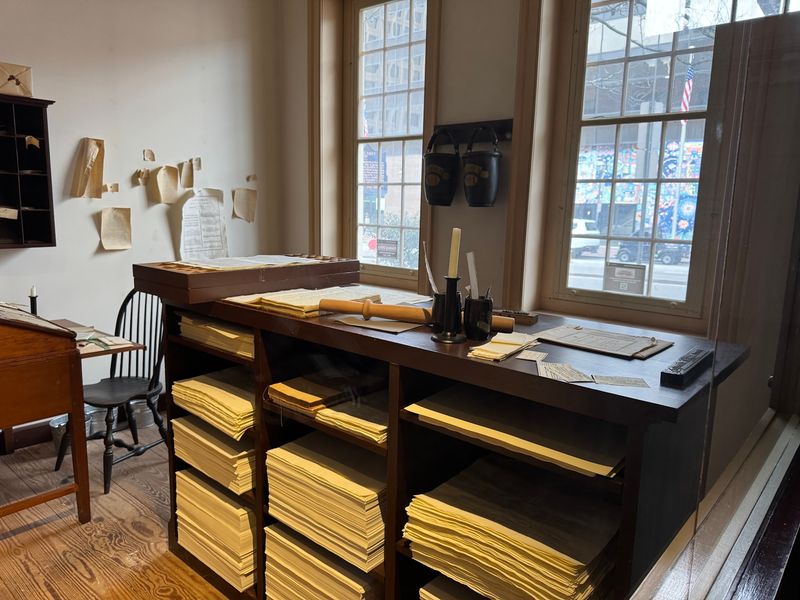
At Franklin Court, part of Independence National Historical Park, a recreated printing office brings his trade back into view. Park staff run demonstrations on reproduction 18th-century presses, showing how each page was inked and pressed by hand.
Visitors learn how newspapers and pamphlets helped spread ideas during the American Revolution. Without printers, many colonists might never have heard the arguments for independence.
Next door, exhibits cover the newspaper work of Franklin’s grandson, Benjamin Franklin Bache. He ran a lively paper called the Aurora, which often clashed with powerful leaders of the day.
The site is free to visit and sits just a short walk from the Liberty Bell. Check the park schedule before you go, because demonstration times can change by season.
3. Hamilton Wood Type & Printing Museum, Two Rivers, Wisconsin
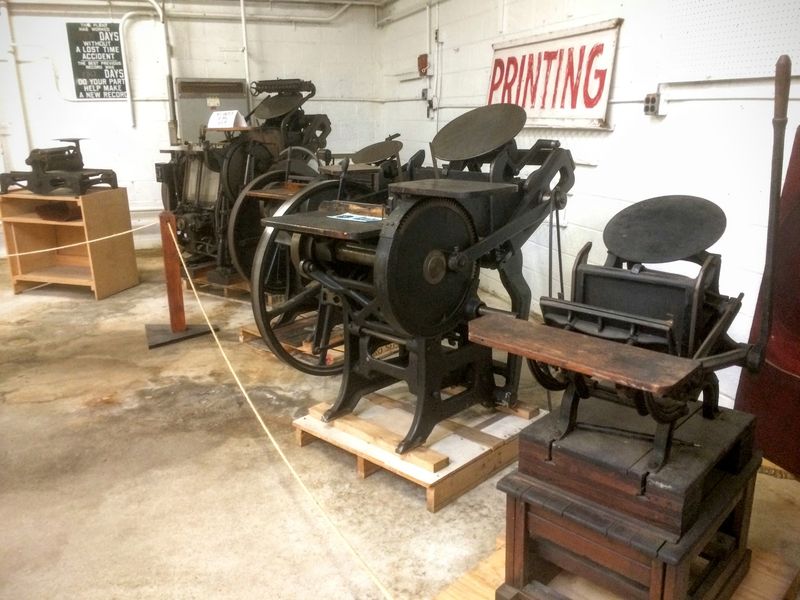
Some letters here are taller than your hand is long. The Hamilton Wood Type & Printing Museum holds one of the biggest collections of wooden printing type anywhere.
For decades, the Hamilton Manufacturing Company made wood type used on circus posters, store ads, and wanted signs across America. The museum now fills more than 40,000 square feet with that history.
Visitors can see the machines that cut and shaped the wooden letters. Then they can head to working pressrooms where letterpress printing still happens every day.
Designers and artists travel from all over to study the fonts stored here. Many styles cannot be found anywhere else, so it is a bit of a type treasure chest.
Workshops let beginners try setting letters into a design of their own. Classes range from short sessions to multi-day programs, so check the calendar and pick one that fits your schedule and skill level.
4. International Printing Museum, Carson, California
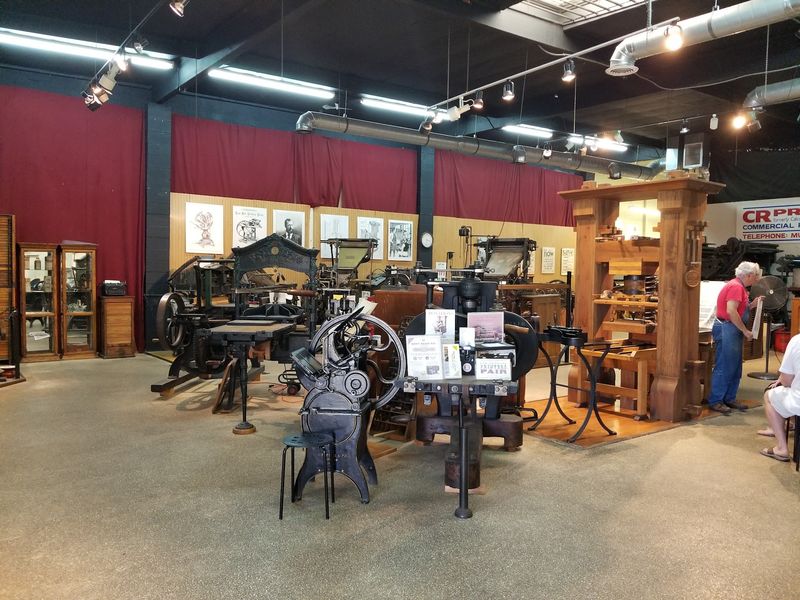
History class gets a lot more fun when you can pull the lever yourself. That is the whole idea at the International Printing Museum in Carson.
The collection covers centuries of printing, with machines from the early days of bookmaking right up to the era of mass newspapers. Many pieces are rare, and several still run.
Guides explain the clever engineering behind each press. You learn how gears, rollers, and levers worked together long before computers handled the job.
School groups visit often, and actors sometimes play historic figures like Benjamin Franklin or Johannes Gutenberg. Kids tend to remember a lesson better when Gutenberg himself explains it.
Fans of typography, old machines, or newspaper history will find plenty to explore. Special events, such as printing fairs and holiday programs, offer the most hands-on time.
Public hours are limited, so check the website before driving over. Planning ahead means you will not miss the best demonstrations.
5. Museum of Printing, Haverhill, Massachusetts
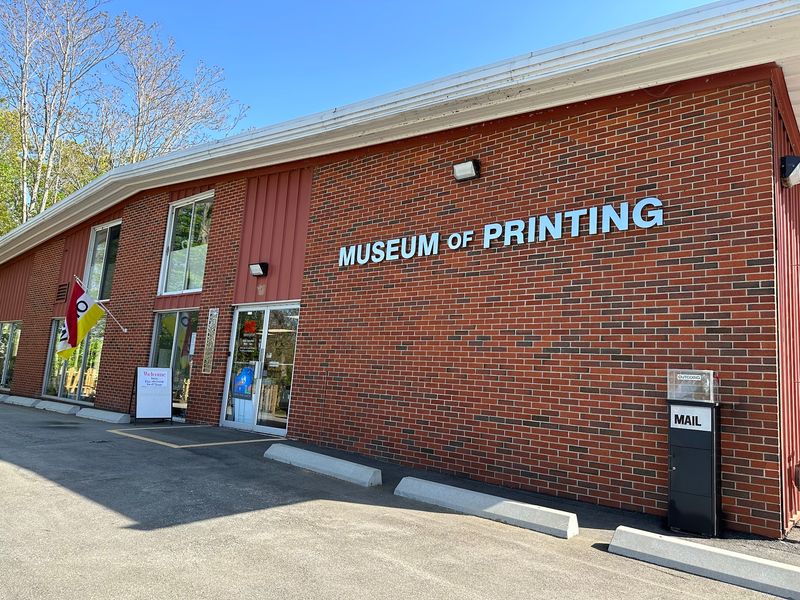
Picture a machine with about 90 keys that turns typed words into solid lines of metal. That machine, the Linotype, is a big star at the Museum of Printing.
Before the Linotype arrived in the 1880s, workers set every letter by hand. The new invention sped things up so much that newspapers could print more pages, more often.
The Haverhill museum shows that shift clearly. Its collection includes hand-set type, letterpress equipment, and several Linotype machines that once filled busy newsrooms.
Exhibits also cover phototypesetting and early computer typesetting. It is a neat way to see how we got from metal letters to fonts on a screen.
Workshops and demonstrations bring the older equipment back into action. Some events let visitors watch operators cast real lines of type while explaining each step.
The museum is run with plenty of help from volunteers, so hours can vary. A quick look at the event calendar helps you plan the best day to visit.
6. Sacramento History Museum, Sacramento, California
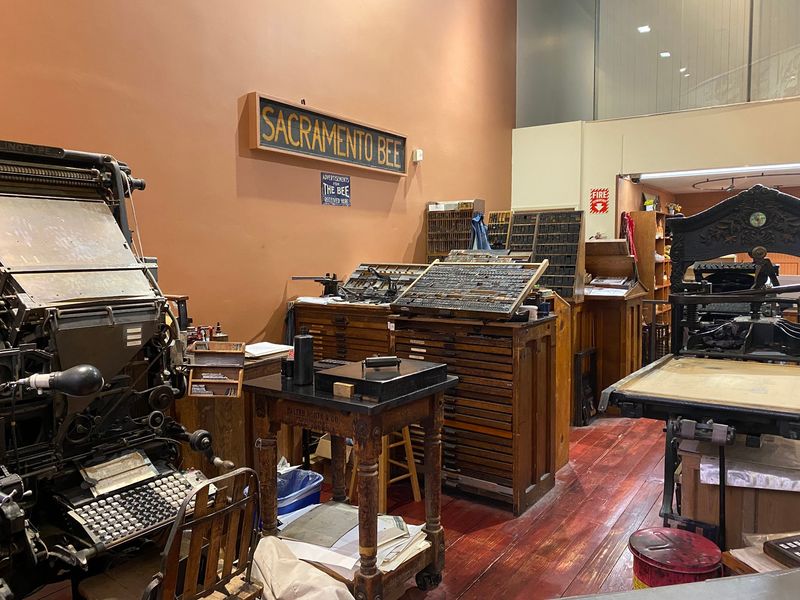
Who knew an antique press could go viral? At the Sacramento History Museum, an old print shop became an online hit.
Much of the credit goes to Howard the Printer, a volunteer who explains each machine while printing pages in short videos. Millions of viewers have watched him calmly set type and run the presses.
The shop sits inside the museum in Old Sacramento, a historic district full of Gold Rush era buildings. Visitors can see the equipment up close and watch live letterpress demonstrations.
Watching the process in person shows how much physical effort went into even a simple newspaper. Every page needed careful setup, inking, and pressing.
The museum also covers the city’s role in the Gold Rush and the transcontinental railroad. It is easy to spend an afternoon here.
Demonstration times change, so check before you go. If you are lucky, you might catch a famous printer at work.
7. Colonial Williamsburg Printer, Williamsburg, Virginia
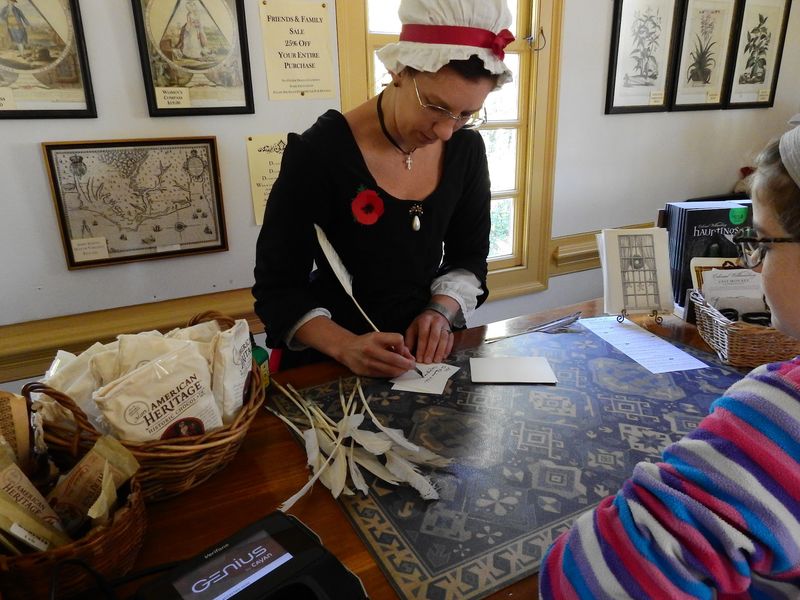
In colonial Virginia, the printer was basically the town’s news channel. Colonial Williamsburg shows exactly how that job worked.
Inside a reconstructed print office on Duke of Gloucester Street, historical interpreters dress in 18th-century clothing. They set type by hand, ink it with leather balls, and pull pages from a wooden press.
Each step is explained in plain terms. Visitors see why one page could take a long time to finish, and why mistakes were costly.
The printer here also handled government notices, ads for goods, and the Virginia Gazette. These papers kept far-flung communities informed long before telegraphs or radios.
Right next door, the bindery shows how printed sheets became finished books. Together, the two shops give a full picture of colonial publishing.
A ticket to Colonial Williamsburg covers the trade shops. Ask the interpreters questions, since they know a surprising amount and love sharing it.
8. Crandall Printing Museum, Alpine, Utah
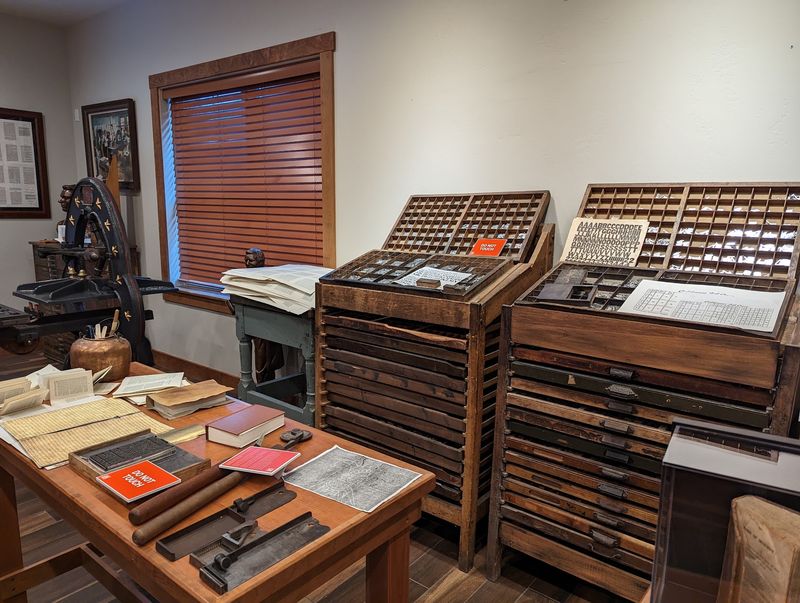
Few small museums manage to cover about 500 years of history in one tour. The Crandall Printing Museum pulls it off with style.
Visits often begin with a reproduction of Johannes Gutenberg’s workshop. Guides demonstrate how movable type changed the world in the 1400s by making books faster and cheaper to produce.
From there, the tour moves to Benjamin Franklin’s printing career. Guests learn how colonial printers shaped public opinion in early America.
The final stop focuses on how the first edition of the Book of Mormon was produced with 19th-century methods. Working reproduction presses help show each stage clearly.
Guides often wear period costumes and stay in character. That makes the history feel more like a story than a lecture.
Here is the key tip: tours must be booked in advance. Walk-ins usually are not possible, so schedule your visit early, especially for family groups.
9. Cincinnati Type & Print Museum, Cincinnati, Ohio
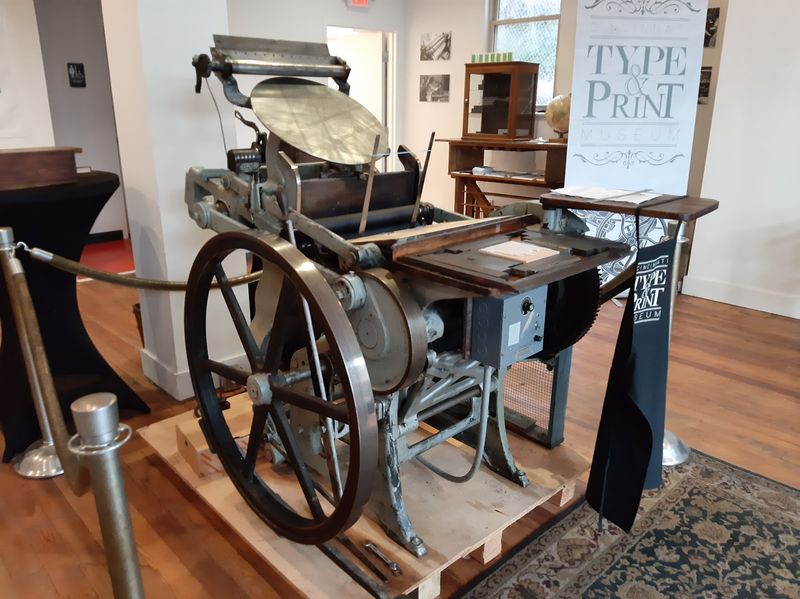
Cincinnati was once one of America’s busiest printing towns. The Cincinnati Type & Print Museum keeps that legacy running, quite literally.
Its collection includes iron hand presses, Chandler & Price platen presses, and machines used to cast and arrange metal type. Many of these pieces are in working condition.
Instead of roping everything off, the museum focuses on hands-on learning. Volunteers teach the practical skills needed to keep old presses in good shape.
That approach matters more than you might think. Fewer people know how to repair and operate these machines each year, so passing down the know-how keeps the craft alive.
Visitors can watch demonstrations and sometimes join classes on typesetting or printing small projects. It is a fun spot for artists, students, and curious tinkerers alike.
The museum is small and run by dedicated volunteers. Contact them before visiting to confirm open hours or arrange a group tour.
10. Grandin Printshop: Book of Mormon Publication Site, Palmyra, New York
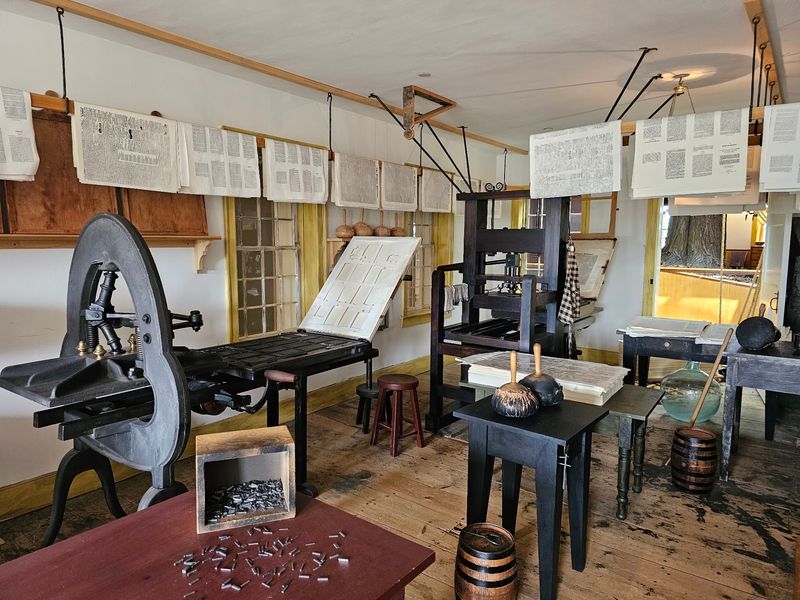
In 1830, a small shop in upstate New York printed 5,000 copies of a book that would become known around the world. That shop still stands on Main Street in Palmyra.
The restored Grandin building preserves the space where the first edition of the Book of Mormon was published. Printer Egbert B.
Grandin took on the large job using early 19th-century tools.
Exhibits walk visitors through typesetting, printing, and binding. You can see how workers set type by hand and folded giant printed sheets into pages.
The building also shows what a small-town business looked like at the time. Rooms include the press area and a bindery, each arranged with period equipment.
Tours are free and led by guides who explain the process step by step. It is an unusual stop for book lovers curious about life before factory printing took over.
11. Heritage Hill State Historical Park, Green Bay, Wisconsin
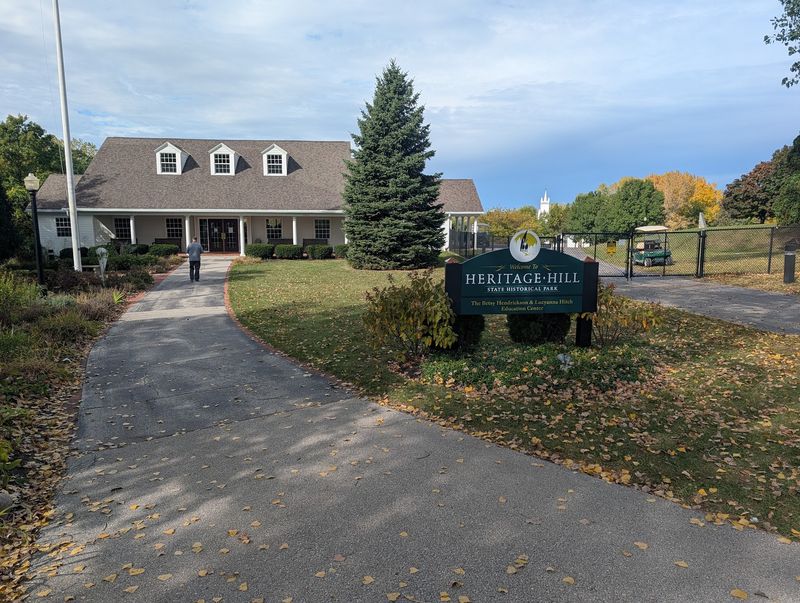
Here is a fun twist: the building looks old, but it was actually built in 1976. The printing equipment inside, however, dates back to the late 1800s.
This print shop at Heritage Hill State Historical Park is inspired by the De Pere News, a local paper founded in 1871. It shows how small-town news reached readers in early Wisconsin.
During scheduled living-history days, interpreters set metal type and run the mechanical presses. Visitors learn how local stories, ads, and notices became printed pages.
The shop is just one piece of the park. Heritage Hill includes dozens of historic buildings, such as a fur trade cabin, a school, and a blacksmith shop.
Families can easily spend half a day here. Kids especially enjoy moving from building to building and seeing different trades in action.
The park keeps seasonal hours. Check the events page so your visit lines up with a printing demonstration.
12. The Conestoga Press, Ephrata, Pennsylvania
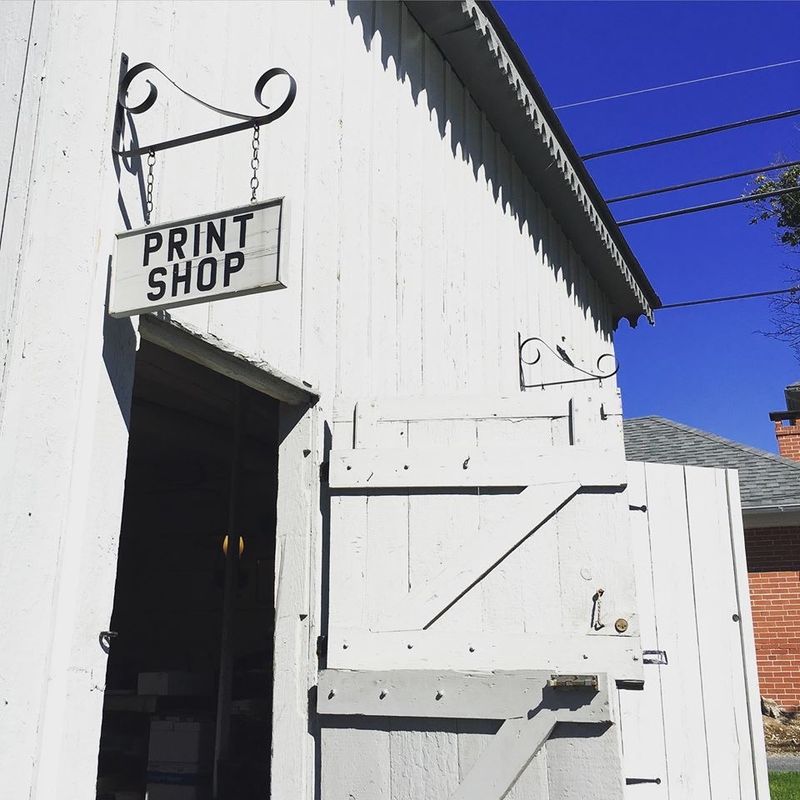
Lancaster County printers were busy long before the area became famous for farm stands and quilts. The Conestoga Press keeps that early printing spirit going.
This volunteer-run letterpress workshop sits at the Historical Society of the Cocalico Valley. Its shop holds traditional equipment once used for everyday jobs like tickets, notices, and business cards.
Ephrata itself has deep printing roots. In the 1700s, the nearby Ephrata Cloister ran one of colonial America’s largest print shops.
Volunteers demonstrate how type was set and printed during scheduled events. They often create small local pieces that visitors can take home.
The atmosphere is relaxed and friendly, so it is easy to ask questions. Many volunteers are lifelong printers happy to explain how each press works.
Hours are limited and tied to special events. Contact the historical society first, then pair your trip with a stop at the Ephrata Cloister down the road.
13. Columbia Booksellers & Stationers, Columbia, California
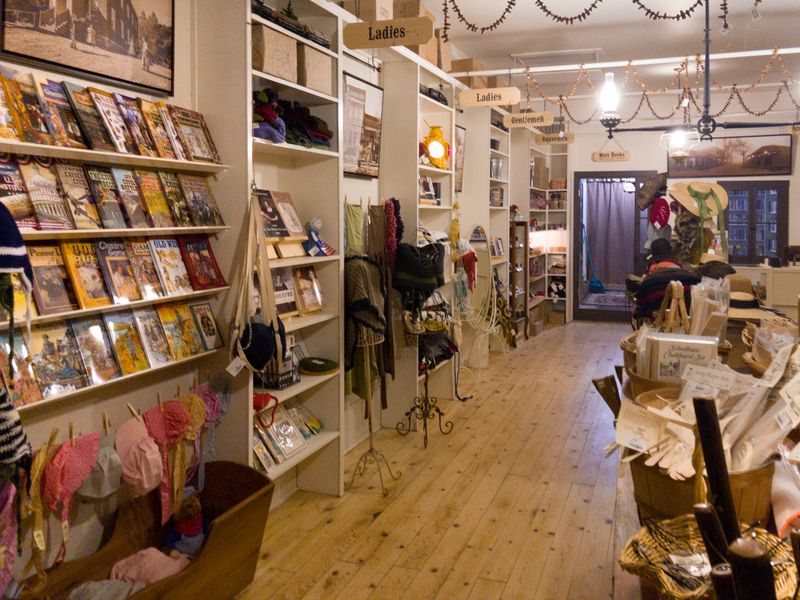
Gold miners wanted two things from town: supplies and news. In Columbia, California, the local Gazette delivered the news part.
The town is now Columbia State Historic Park, one of the best preserved Gold Rush towns in the state. Its streets are lined with 1850s buildings, wooden sidewalks, and working shops.
Columbia Booksellers & Stationers occupies the old newspaper-office setting. Shelves hold books, journals, pens, and items tied to the region’s history.
The Gazette once carried mining reports, ads, and community notices. For people living far from big cities, it was a key link to the wider world.
Regular operation of an antique press is not confirmed here, so set your expectations accordingly. Still, the storefront offers a strong sense of early newspaper culture.
Make it part of a bigger day in town. Gold panning, stagecoach rides, and candy shops are all nearby, which keeps every age group happy.
Share this story