Volcanoes cover more of Earth’s surface than most people realize, and some of the most unforgettable travel experiences on the planet involve getting close to one. Whether you are crossing a hardened lava field, climbing toward a crater rim, or hiking through a landscape shaped by ancient eruptions, walking on a volcano puts geology directly under your feet in a way that no museum exhibit ever could.
These are not extreme adventures reserved for professional climbers. Many of these destinations welcome everyday travelers, families, and curious hikers who simply want to experience something genuinely different.
From Hawaii to Japan, New Zealand to France, this list covers 13 real places where you can lace up your boots and walk across volcanic terrain. Each one offers something distinct, and a few of them will genuinely surprise you.
Kilauea, Hawaii, USA
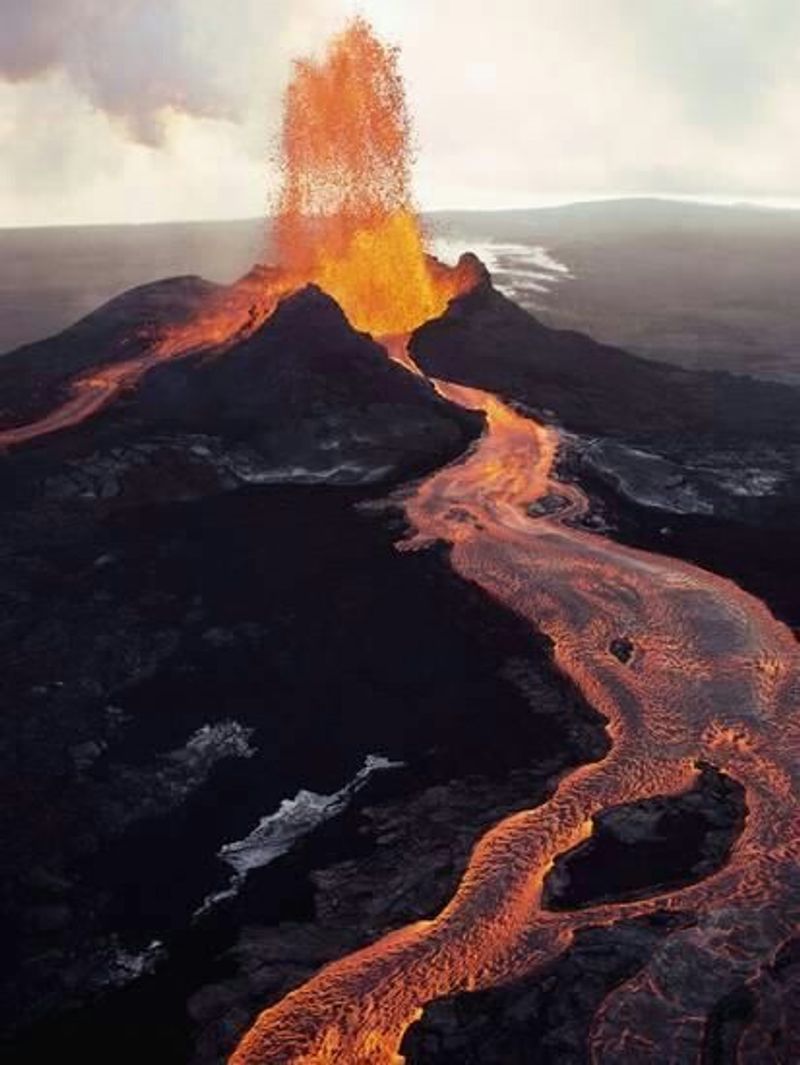
Earth does not feel abstract at Kilauea. It feels immediate, restless, and genuinely alive beneath your feet.
Located inside Hawaii Volcanoes National Park on the Big Island, Kilauea is one of the most continuously active volcanoes on the planet, and the park is open 24 hours a day to visitors who want to explore its extraordinary terrain.
The Kilauea Iki Trail is one of the most rewarding hikes in the park. It drops through lush rainforest before opening onto the floor of a volcanic crater created by the dramatic 1959 eruption.
Walking across that hardened lava lake, with steam vents still releasing vapor nearby, is a completely different experience from any other hike you will find in the United States.
Hazardous areas around Halemaumau are restricted whenever conditions require it, but the park maintains numerous open trails and viewpoints throughout the year. This is active geology you can actually walk through.
Mount Vesuvius, Italy
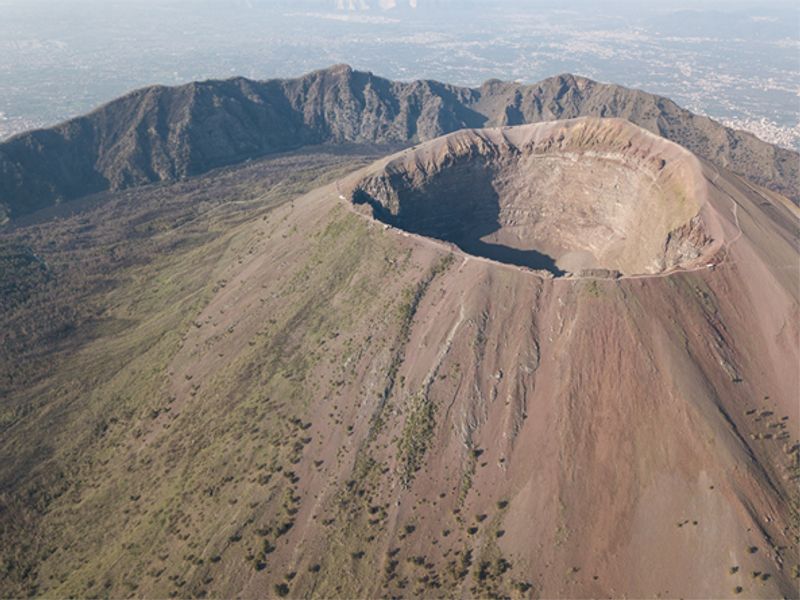
Every visitor to Naples knows what Mount Vesuvius did in AD 79. Its eruption buried Pompeii and Herculaneum so completely that parts of those Roman cities survived nearly two thousand years underground before being excavated.
That history follows you the entire way up the slope.
The Gran Cono del Vesuvio route climbs toward the crater rim through loose volcanic gravel and a steady incline that can feel more demanding than it looks at the start. Vesuvius National Park operates a timed ticketing system for the Gran Cono route, with visitors admitted at controlled intervals for both safety and environmental management.
When you reach the rim and look down into the enormous crater, the scale of what you are standing on becomes real. The views across the Bay of Naples are wide and impressive, but it is the crater itself that stays with you.
Few places in Europe carry this kind of historical weight combined with genuine geological presence.
Mount Fuji, Japan
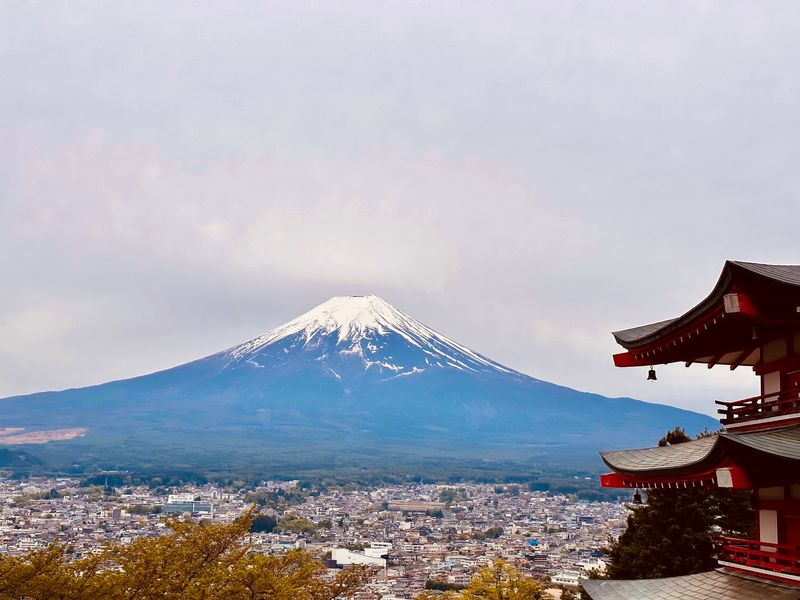
Japan’s most iconic mountain looks serene from a distance, but Mount Fuji is a volcano, and climbing it means spending hours on increasingly barren, rocky, and unmistakably volcanic terrain. Four main routes lead toward the summit: the Yoshida, Subashiri, Gotemba, and Fujinomiya trails.
Each one passes through the treeline before entering the stark upper mountain where the volcanic character of Fuji becomes obvious.
The official climbing season runs during the summer months, with precise opening dates varying slightly by trail and seasonal conditions. For 2026, access controls and registration requirements remain in place to reduce dangerous overnight climbing and manage overcrowding that has become a serious concern in recent years.
Reaching the summit gives you the opportunity to walk around parts of Fuji’s enormous crater, weather and trail conditions permitting. That crater walk is something most visitors do not expect, and it is one of the most quietly impressive things you can do at the top of Japan’s tallest peak.
Mount Etna, Sicily, Italy
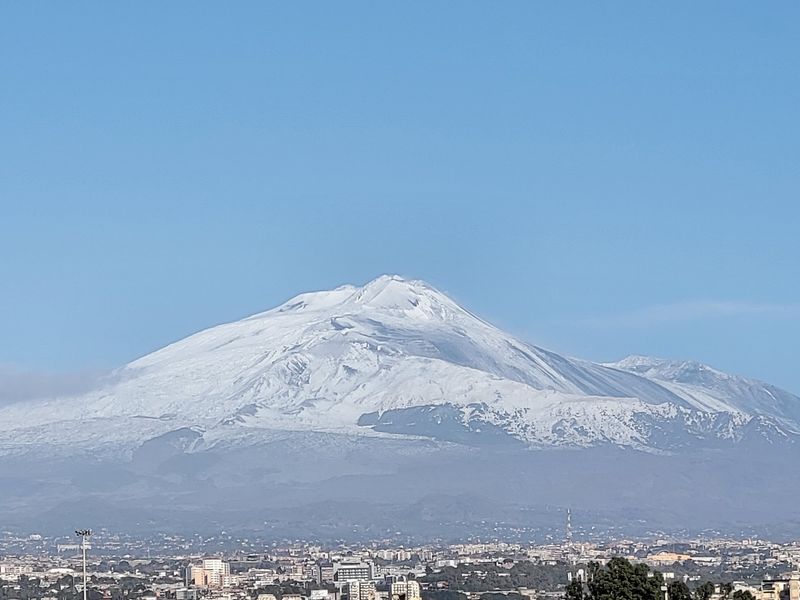
Europe’s largest active volcano does not let you forget what it is. Mount Etna towers over eastern Sicily and erupts regularly enough that access conditions can change without much warning.
Its slopes are covered with lava fields, extinct craters, volcanic caves, and vast stretches of dark volcanic material that give the landscape a raw, unfiltered quality.
Lower areas around Rifugio Sapienza, including the Silvestri Craters, offer relatively accessible walking for visitors who want to experience Etna’s volcanic terrain without venturing into restricted zones. Higher excursions require authorized volcanic guides, and access to upper areas is tightly controlled based on current volcanic activity.
That unpredictability is actually part of what makes Etna so compelling. A route that is open one morning may be restricted by afternoon if activity increases.
Checking current conditions with Etna’s official park management before any visit is not just recommended, it is genuinely necessary. Etna rewards prepared travelers and keeps everyone else honest.
Mount Teide, Tenerife, Spain
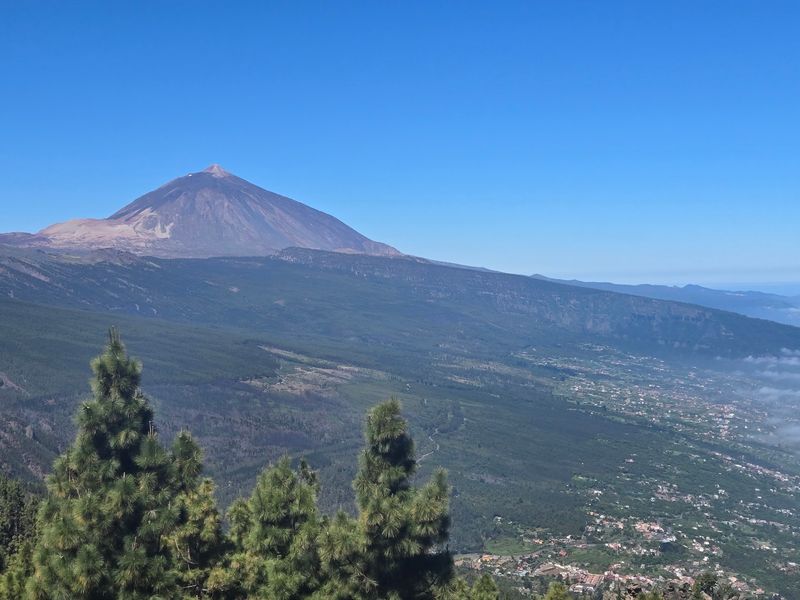
Standing at 3,718 meters, Mount Teide is the highest point in Spain and the centerpiece of Teide National Park, a UNESCO World Heritage Site. The landscape surrounding it looks like something assembled from several different planets.
Ancient lava flows, volcanic cones, enormous rock formations, and wide fields of hardened volcanic material stretch across the national park in every direction.
Visitors wanting to reach Teide’s summit can follow the Telesforo Bravo Trail from La Rambleta toward the top, but a permit is required for the final summit section. Access can also be suspended due to wildfire danger, severe weather, or other safety concerns, so checking current permit availability before planning your trip is essential.
Even without reaching the summit, walking through Teide National Park puts you directly inside one of Europe’s most spectacular volcanic environments. The lava formations alone are worth the visit.
This is a place where the ground itself tells a story that stretches back hundreds of thousands of years.
Mount Bromo, East Java, Indonesia
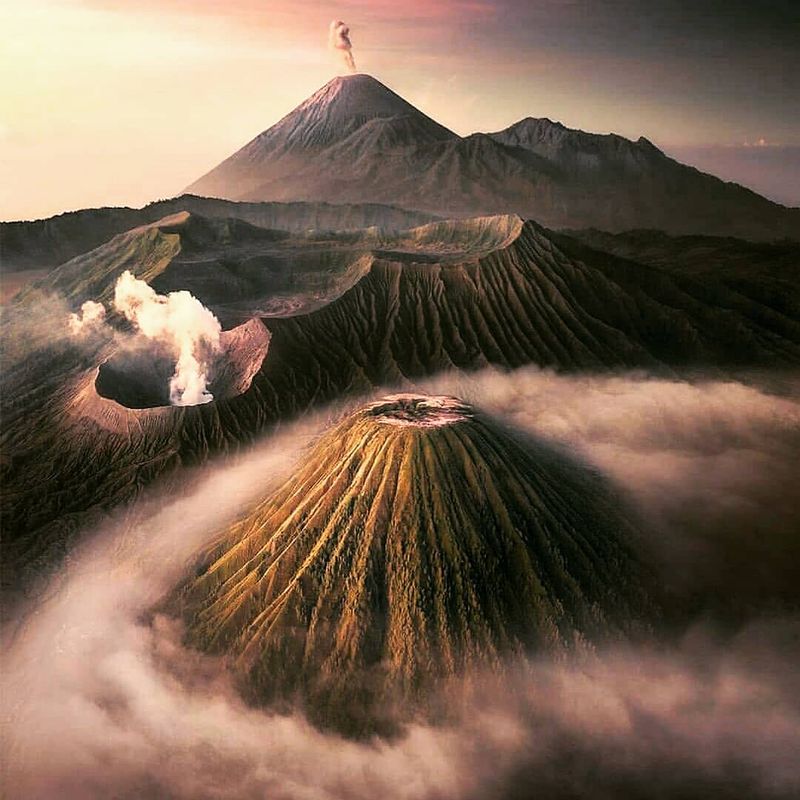
The approach to Mount Bromo is unlike anything else on this list. Before you even begin climbing, you cross an enormous volcanic plain called the Sea of Sand, a wide, flat caldera floor surrounded by towering volcanic peaks.
Bromo rises from the middle of this landscape alongside its larger neighbors, and the visual effect is genuinely dramatic even before you reach the volcano itself.
After crossing the caldera, visitors climb a staircase toward Bromo’s crater rim, where the steaming interior of the active volcano becomes visible below. Bromo Tengger Semeru National Park operates an official visitor registration system, although temporary closures occur during Tengger religious ceremonies, conservation periods, and safety reviews.
Those closures deserve respect. Bromo is culturally sacred to the Tengger people, who have lived in the surrounding highlands for centuries and continue to hold traditional ceremonies at the volcano.
This is not just a geological attraction. It is a living cultural landscape, and visiting with that awareness makes the experience richer.
Haleakala, Maui, Hawaii, USA
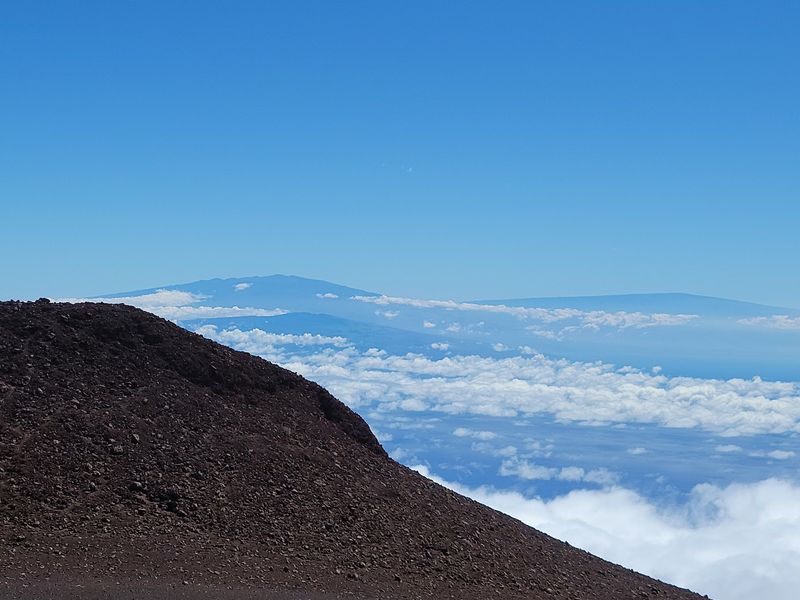
Arriving at Haleakala’s summit for the first time, many visitors stop and simply stare. The landscape inside the volcanic depression is filled with red, orange, brown, and black cinder cones rising from a barren terrain that looks nothing like the tropical island just a few thousand feet below.
It is one of the most visually striking environments in the entire United States National Park system.
Haleakala National Park’s Summit District contains more than 30 miles of hiking trails. The Sliding Sands Trail takes hikers directly into the volcanic landscape, descending past colorful cinder cones and lava formations into a wilderness that feels genuinely remote despite being accessible from the park road above.
Elevation is the main challenge here. Much of the hiking takes place well above 9,000 feet, and climbing back out of the crater after a long descent is significantly harder than the way down.
Bringing layers, water, and sun protection is not optional at this altitude. The views make every step worth it.
Tongariro Alpine Crossing, North Island, New Zealand
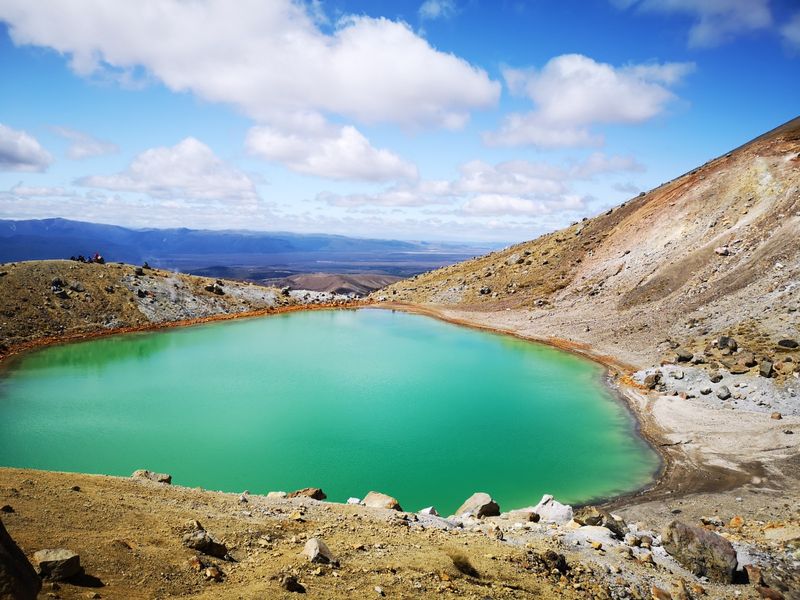
The Tongariro Alpine Crossing consistently ranks among the world’s great single-day hikes, and the volcanic terrain is the reason why. The route passes directly through a landscape of craters, ancient lava formations, and strikingly colored lakes that are impossible to mistake for anything but volcanic in origin.
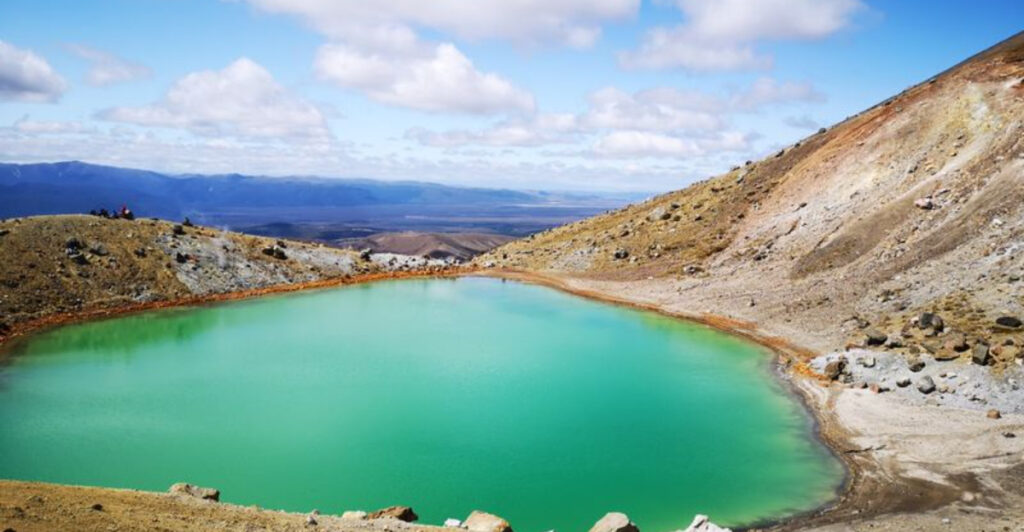
Red Crater sits at approximately 1,886 meters and marks the highest point on the crossing. The descent from Red Crater toward the famous Emerald Lakes offers one of the most photographed views in New Zealand, with vivid turquoise water sitting against dark volcanic rock in a way that looks almost unreal in person.
The New Zealand Department of Conservation monitors the crossing and provides current safety advice, which should always be checked before starting. Winter conditions can bring snow, ice, and avalanche hazards, and the track passes through volcanic hazard zones throughout.
This is a full-day commitment through exposed terrain, and proper preparation makes the difference between a great experience and a difficult one.
Arenal Volcano, Costa Rica
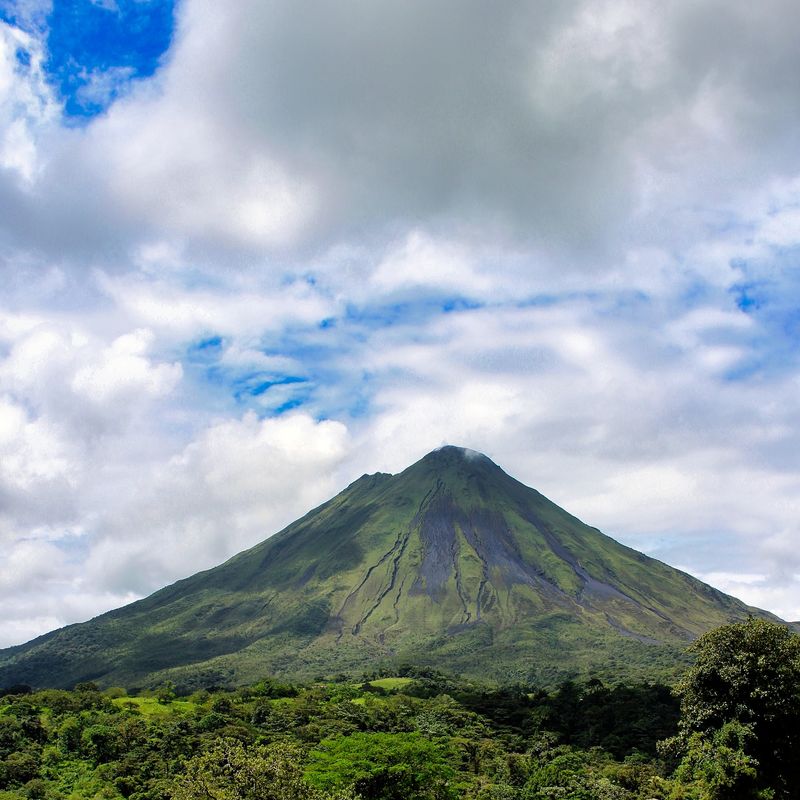
Arenal Volcano is one of Costa Rica’s most recognizable landmarks, but the rules here are clear and worth understanding before you arrive. Climbing to the summit or entering restricted zones near the top is prohibited.
What the park does offer is a network of official trails on the lower slopes that take you directly across volcanic terrain left by previous eruptions.
Arenal Volcano National Park maintains several marked trails, including Heliconias, Coladas, Tucanes, and Los Miradores. The Coladas Trail is particularly popular because it passes through hardened lava from past eruptions while offering views of the volcanic cone, Lake Arenal, and the surrounding rainforest landscape.
What makes Arenal a useful example for volcano travelers is exactly this balance. You get real volcanic terrain, real geological evidence of past activity, and genuine views of an active volcano without entering areas that pose serious risk.
Rainforest suddenly meeting rugged lava fields is a contrast that stays with you long after the hike ends.
Mount St. Helens, Washington, USA
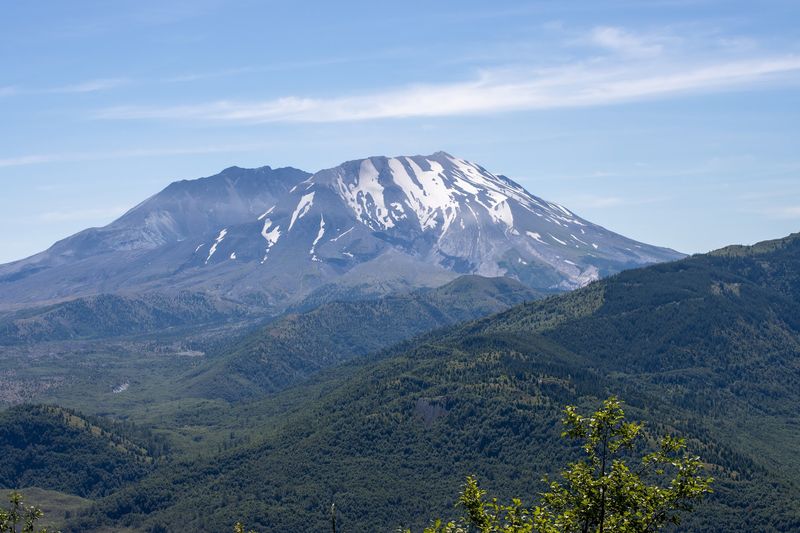
On May 18, 1980, Mount St. Helens changed shape in a matter of seconds. The eruption that day removed a significant portion of the summit and created the horseshoe-shaped crater that defines the mountain’s profile today.
It remains one of the most significant volcanic events in modern American history, and the landscape still carries evidence of that morning everywhere you look.
The U.S. Forest Service permits climbers to ascend Mount St. Helens and reach the crater rim, though entering the crater itself is strictly prohibited.
Permits are required and limited by daily quotas during the main climbing season, so securing one in advance is essential if you are planning a summer visit.
The standard climb is strenuous rather than technical. Expect hours of work over boulders, volcanic rock, pumice, and loose ash before reaching the rim.
The reward at the top is a view into a crater formed within living memory, which gives this climb a historical dimension that most volcano hikes simply cannot match.
Nea Kameni, Santorini, Greece
Most visitors arrive in Santorini focused on the postcard version of the island. Blue domes, whitewashed buildings, and famous sunsets are what fill the photos.
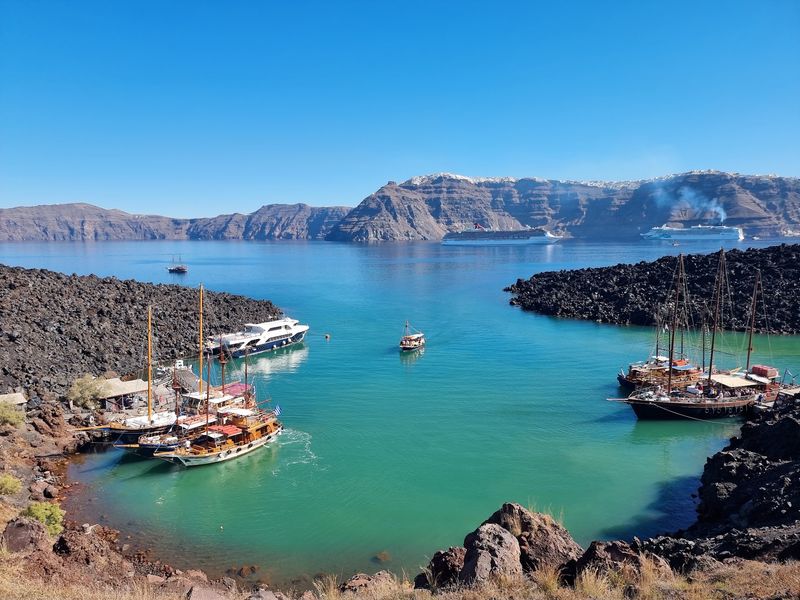
But sitting in the middle of Santorini’s caldera is a volcanic island made almost entirely of dark, rough lava rock, and you can take a boat there and walk across it.
Nea Kameni was formed by eruptions within the Santorini caldera and continues to be geologically active. Boat excursions from Santorini ferry visitors to the island, where a hiking route leads toward the volcanic craters at the center.
The terrain is stark and fascinating, with sulfuric formations and volcanic features that make it clear you are walking on something still very much alive.
After hiking Nea Kameni, many caldera boat tours continue to nearby Palea Kameni, where thermal waters offer another volcanic experience. Seeing Santorini’s famous cliffs from the water, then stepping onto the volcanic island at the caldera’s heart, gives you a completely different perspective on this well-traveled destination.
Puy de Dome, Auvergne, France
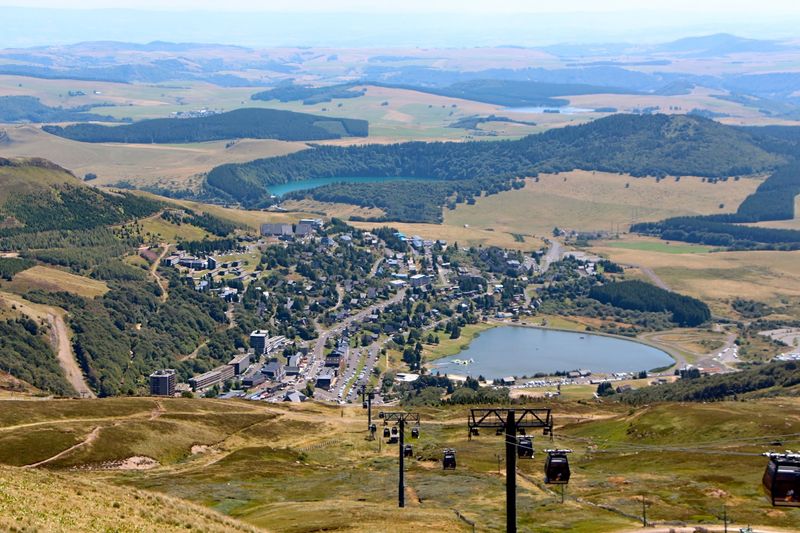
France is not the first country most people associate with volcano hiking, which makes the Chaine des Puys in Auvergne such a genuine surprise. This chain of ancient volcanic formations in central France stretches across the horizon in a series of rounded peaks that reveal their origins clearly once you know what you are looking at.
Puy de Dome is the most prominent peak in the chain, and hikers can reach the summit via the Chemin des Muletiers trail starting from the Col de Ceyssat. The route involves a steady uphill climb with increasingly wide views across the surrounding countryside.
Visitors who prefer not to hike can use the Panoramique des Domes rack railway, but the trail gives you a far better sense of the volcano’s scale and shape.
From the summit, dozens of rounded volcanic cones stretch across the landscape in every direction. It is the kind of view that reframes the entire region.
You are not just standing on one volcano. You are looking across an entire ancient volcanic field that few international travelers know exists.
Cinder Cone, Lassen Volcanic National Park, California, USA
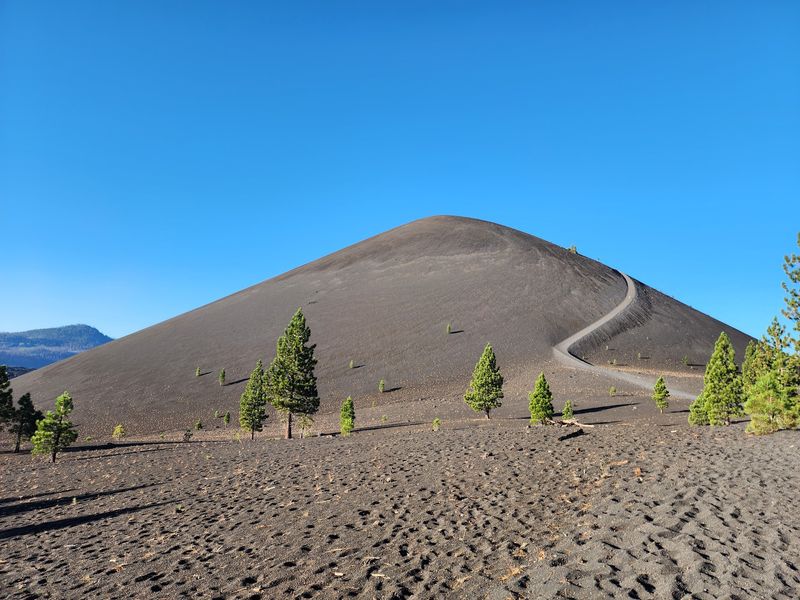
Lassen Volcanic National Park sits quietly in Northern California without drawing the crowds that head to Yellowstone or Yosemite, and that relative obscurity makes its volcanic landscapes all the more striking when you actually arrive. Among the park’s many geological features, Cinder Cone stands out as something almost textbook in its appearance and deeply satisfying to climb.
The trail approaches a nearly perfectly shaped cinder cone before ascending steeply up its loose volcanic surface. Every step on the way up shifts slightly beneath your feet because of the volcanic material underfoot, which makes the climb tiring but also memorable in a very physical way.
The view from the top looks down onto the Fantastic Lava Beds, a wide expanse of basaltic lava flows associated with eruptions from Cinder Cone itself.
The National Park Service maintains hiking access in the Butte Lake area, though seasonal conditions and wildfire impacts can affect trail availability. This is geology you experience through your legs as much as your eyes, and that makes Cinder Cone one of the most honest volcano hikes on this entire list.
Share this story