Argentina is a country so large and varied that Buenos Aires barely scratches the surface of what is here. From roaring waterfalls in the subtropical northeast to ancient glaciers grinding through Patagonia, the landscapes shift in ways that feel almost impossible for one country to contain.
Colorful Andean valleys, fossil-rich deserts, wildlife-packed wetlands, and wine regions framed by snowcapped peaks all wait beyond the capital. These 13 destinations prove that Argentina’s real story is written across its entire geography.
Quebrada de Humahuaca, Jujuy
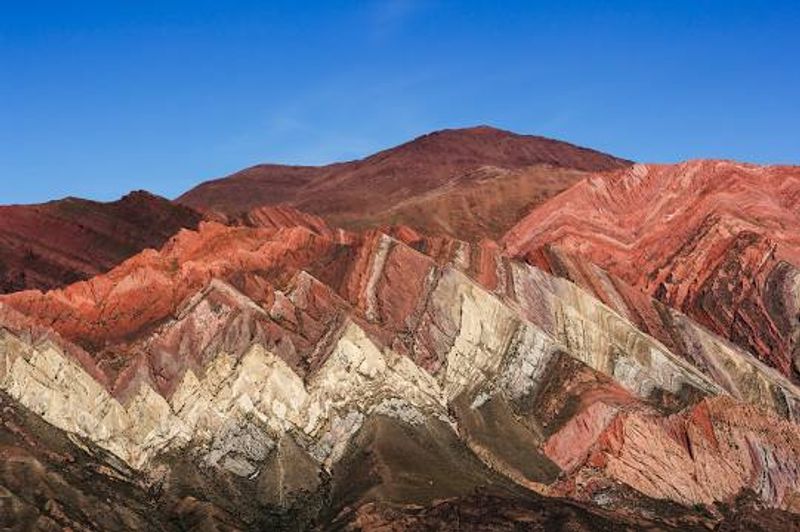
The mountains here look like someone painted them with every color in the box and forgot to stop. Quebrada de Humahuaca is a long Andean valley in northwestern Jujuy Province, framed by rock faces striped in red, purple, yellow, and green.
UNESCO recognized the cultural landscape in 2003, honoring a corridor that humans have traveled for trade, migration, and survival for thousands of years.
Towns like Purmamarca, Tilcara, and Humahuaca preserve a layered identity built from Indigenous traditions and Spanish colonial influence. Pre-Columbian ruins, adobe churches, and handicraft markets all share the same compact streets.
Nearby Salinas Grandes offers a blinding white salt flat that makes a striking contrast to all those vivid mountain colors.
National Route 9 connects the valley from San Salvador de Jujuy northward, making it easy to stop at multiple towns along the way. Altitude matters here since most of the valley sits above 2,000 meters.
Carry water, go slow on your first day, and let the scenery do the heavy lifting.
Cafayate, Salta
At 1,683 meters above sea level, the air in Cafayate is thinner, the sun is stronger, and the wine is genuinely unlike anything you will find at lower altitudes. This small town in the Calchaqui Valleys sits inside one of Argentina’s most distinctive wine regions, known especially for Torrontés, a floral white grape that thrives in the high desert climate.
Boutique wineries line the roads just outside town.
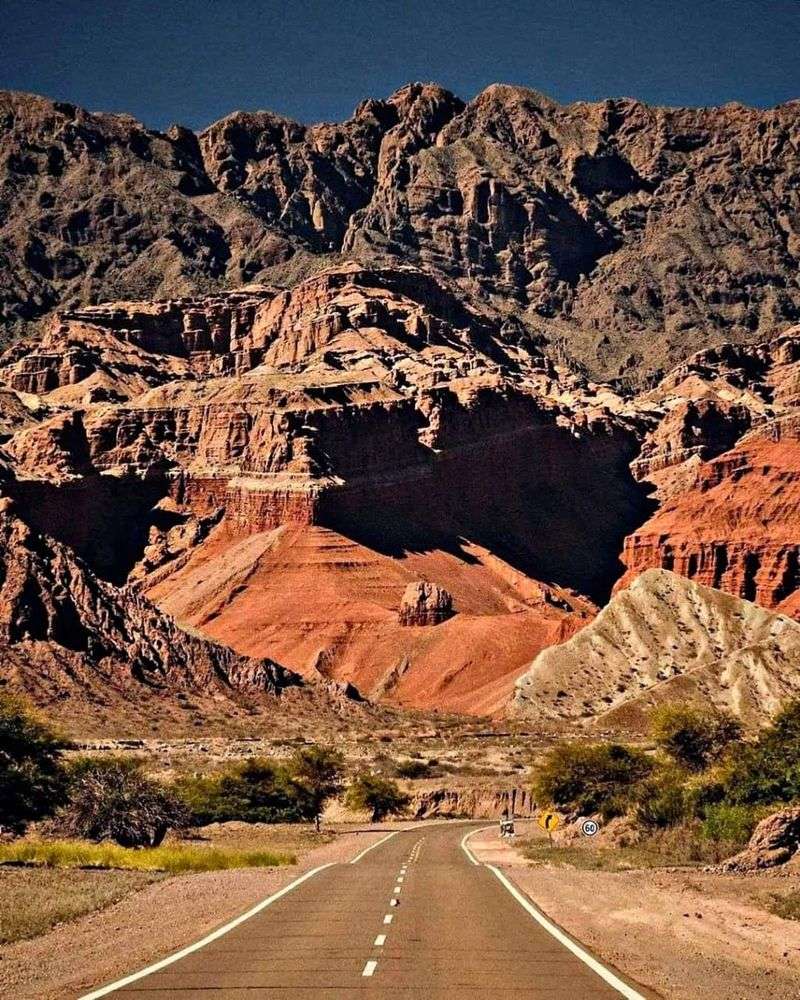
Before or after the tastings, the Quebrada de las Conchas deserves serious attention. This canyon road between Cafayate and Salta city passes rock formations carved by wind and water into shapes that have earned names like the Amphitheater and the Frog.
The drive alone is worth the trip.
Cafayate sits about 183 kilometers from Salta city via National Route 68. The town itself is small enough to walk everywhere, with a central plaza, the Museum of Grapevine and Wine, and several restaurants serving locro and tamales alongside the local bottles.
Weekend evenings often bring live folk music to the square, which adds a warm social energy to the whole experience.
Mendoza and the Uco Valley
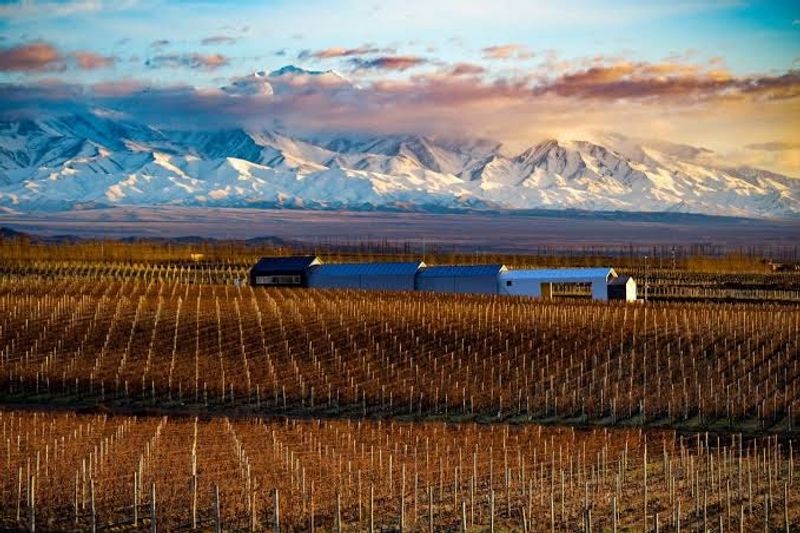
Mendoza has a convincing argument for being one of the world’s great wine destinations, and the Andes looming behind every vineyard make the scenery part of the experience. The province produces more wine than any other region in Argentina and has built its international reputation largely on Malbec, a grape that found its best expression here after arriving from France in the 19th century.
Four official wine routes connect the main vineyard zones, with the Uco Valley drawing growing attention for its high-elevation plots and ambitious new wineries. Some producers sit close enough to the mountains that snowmelt irrigation channels run right beside the vine rows.
Pairing a long winery lunch with views of Aconcagua in the distance is a very specific kind of afternoon well spent.
Beyond the wine, Mendoza offers rafting on the Mendoza River, climbing near Aconcagua, and the annual National Grape Harvest Festival held each March. The city itself has wide, tree-lined streets and excellent restaurants.
Mendoza works as a full destination rather than just a stopover, especially if you give yourself three or four days to explore both the urban center and the outlying valleys.
Iguazu Falls, Misiones
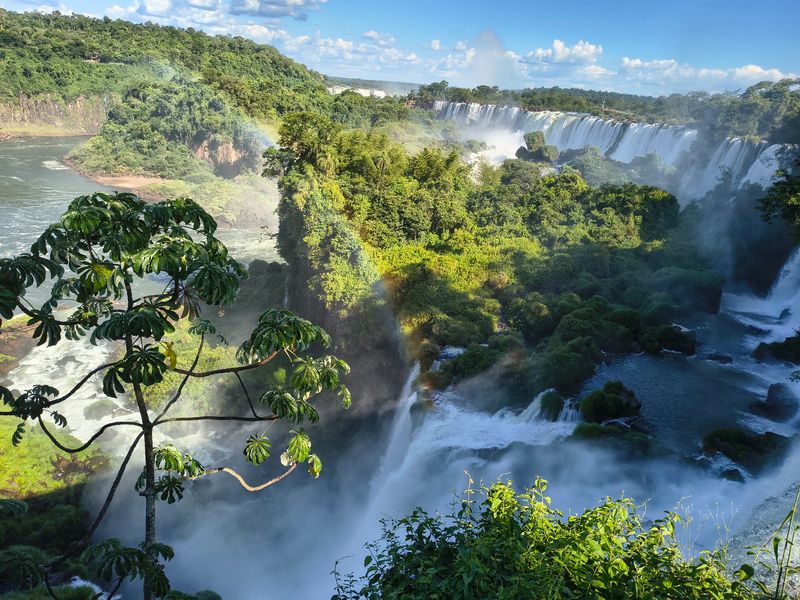
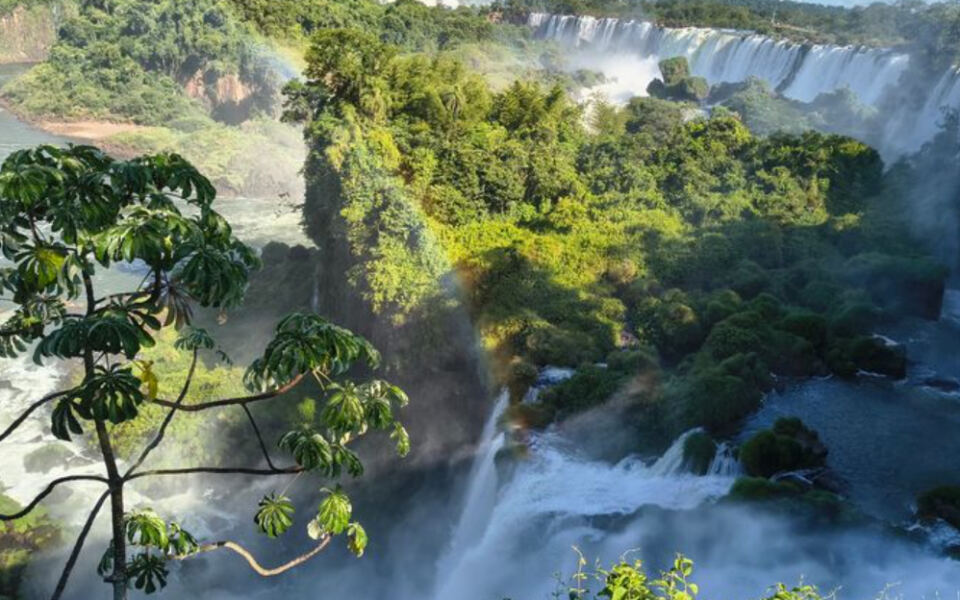
Nothing prepares you for the moment Iguazu Falls comes into earshot before it even comes into view. Roughly 275 individual waterfalls stretch across nearly 3 kilometers of the Iguazu River, with some drops reaching about 80 meters high.
The Argentine side sits inside a UNESCO World Heritage national park that has protected this corner of Misiones Province since 1984.
Elevated walkways snake through the subtropical forest and bring visitors close enough to feel the spray on their faces. The highlight is Devil’s Throat, a horseshoe-shaped chasm where water crashes down with enough force to generate its own permanent cloud of mist.
Coatis, toucans, and butterflies are regular trail companions.
Puerto Iguazu, about 17 kilometers away, serves as the main base for visiting. The park opens early, so arriving at dawn means fewer crowds and better light for photos.
Boat rides that go directly under the falls are available for those who do not mind getting completely soaked from head to toe.
Cordoba and the Jesuit Estancias
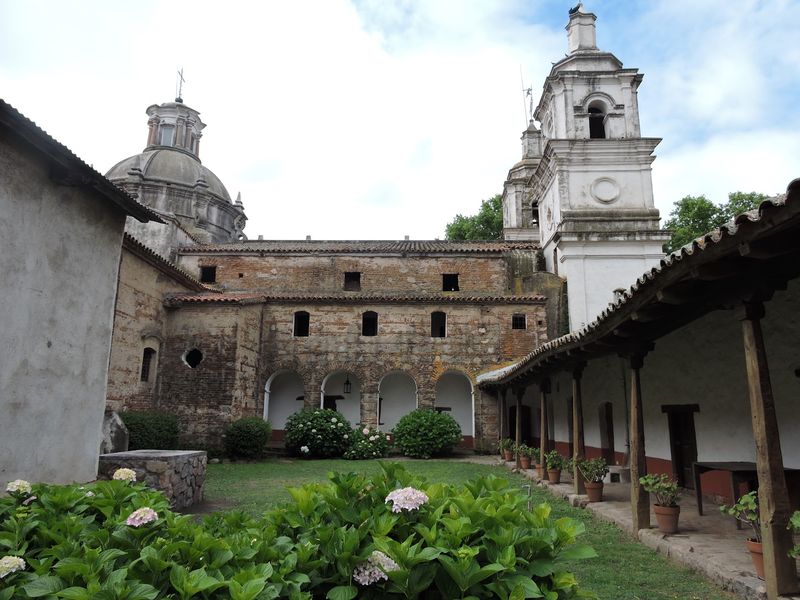
Cordoba holds a chapter of South American history that most travelers outside Argentina do not know nearly enough about. The city’s Jesuit Block, along with five rural estancias spread across the surrounding region, earned UNESCO World Heritage status for documenting roughly 150 years of Jesuit activity during the 17th and 18th centuries.
The central complex includes a church, a university, and the Colegio de Monserrat, all packed into a few city blocks.
Outside the city, the estancias at Alta Gracia, Jesus Maria, Santa Catalina, Caroya, and La Candelaria preserve churches, agricultural buildings, water systems, and living quarters in varying states of restoration. Each site tells a slightly different story about how the Jesuits organized labor, education, and farming across central Argentina before their expulsion in 1767.
Cordoba is also Argentina’s second-largest city, with a lively university culture, strong food scene, and its own regional dialect and humor. The Sierras de Cordoba nearby offer hiking and small resort towns like Villa General Belgrano, which hosts an Oktoberfest.
Combining the colonial heritage sites with the mountain scenery makes Cordoba Province one of Argentina’s most rewarding inland destinations.
Talampaya National Park, La Rioja
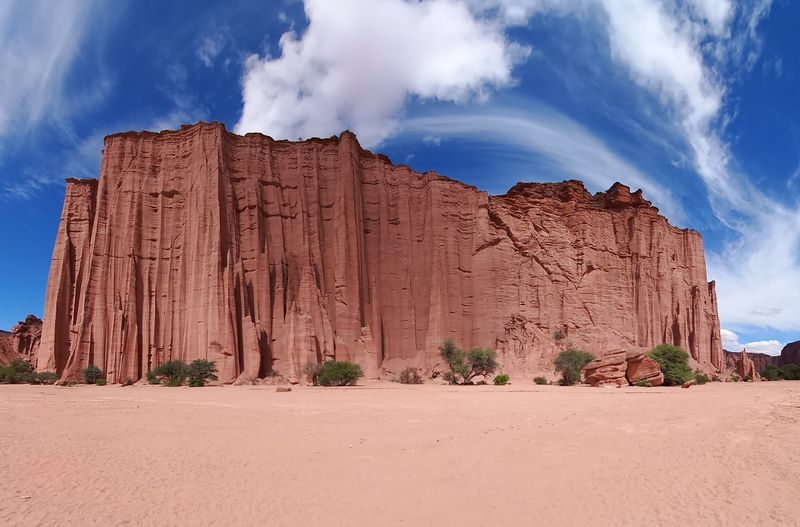
Walking into Talampaya Canyon feels a bit like stepping onto another planet where everything is red, ancient, and enormous. The national park covers about 215,000 hectares in La Rioja Province and shares a UNESCO World Heritage designation with neighboring Ischigualasto in San Juan.
Together they preserve one of the most complete continental fossil records from the Triassic Period found anywhere on Earth.
The canyon walls rise dramatically above the valley floor, shaped by millions of years of wind and water erosion into towers, alcoves, and narrow passages. Ancient petroglyphs left by Indigenous cultures appear on rock surfaces throughout the park.
Condors sometimes circle overhead, which adds a sense of scale to an already massive landscape.
Because the environment is fragile and navigation can be confusing, most of the park is accessed through authorized guided excursions departing from the visitor center. Tours run in 4×4 vehicles and on foot, covering different sections at different lengths.
The closest city is Chilecito, though many visitors combine Talampaya with Ischigualasto on a two-park day trip. Bring plenty of sun protection because shade is essentially a myth out here.
Ibera Wetlands, Corrientes
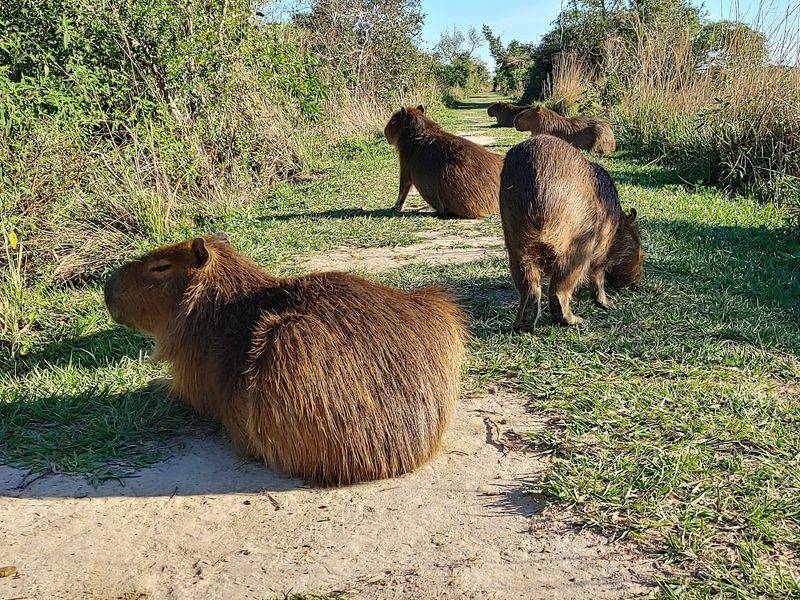
Capybaras here have absolutely no fear of people, and watching a group of the world’s largest rodents lounge beside a lagoon like they own the place is genuinely one of Argentina’s more unexpected wildlife moments. The Ibera Natural Reserve covers roughly 1.3 million hectares of lagoons, marshes, palm groves, and grasslands in Corrientes Province.
It functions as one of South America’s most significant freshwater ecosystems.
Marsh deer, caimans, howler monkeys, and hundreds of bird species share the waterways with the capybaras. Conservation efforts have also reintroduced species including giant anteaters, pampas deer, collared peccaries, and jaguars in certain areas of the reserve.
Colonia Carlos Pellegrini is the main gateway town and serves as the base for boat tours and wildlife safaris.
Ibera offers a completely different Argentina from the mountain and glacier destinations most international travelers picture. The landscape is flat, watery, and subtropical, with broad horizons interrupted only by palm trees and waterbirds.
Sunrise boat trips are particularly atmospheric when mist sits low over the lagoons. This is slow travel at its best, where the reward is patience and the payoff is watching wildlife go about its day.
Bariloche and Nahuel Huapi
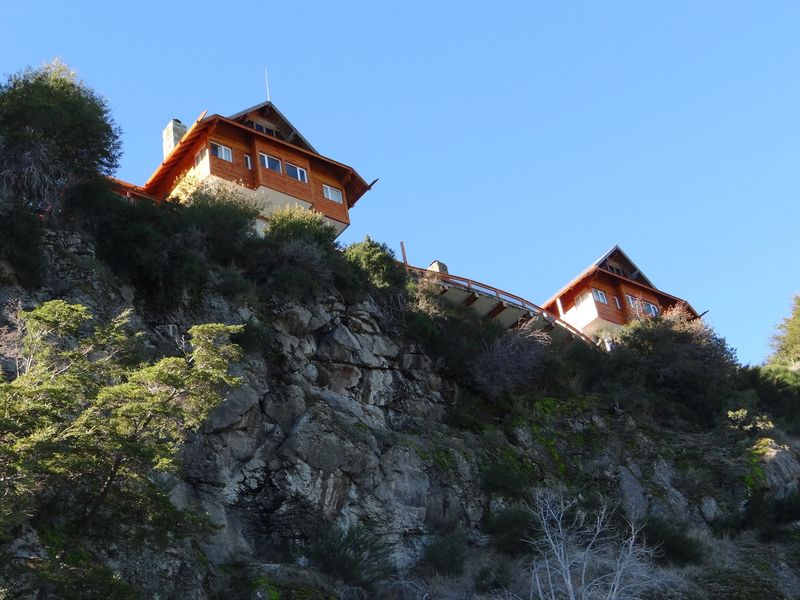
Bariloche has the rare quality of being genuinely beautiful in every season, which is not something most mountain towns can honestly claim. San Carlos de Bariloche sits on the southern shore of Nahuel Huapi Lake in northern Patagonia, surrounded by peaks, rivers, and the forests of Nahuel Huapi National Park.
The combination of scenery and outdoor activities has made it one of Argentina’s most visited destinations for decades.
In winter, Cerro Catedral operates as one of South America’s largest ski resorts. When the snow melts, the same mountains become a playground for hikers, mountain bikers, kayakers, and climbers.
The Circuito Chico drive is a classic short route that loops past lakes, viewpoints, and a small historic hotel with an incredible panoramic terrace.
Bariloche also has an unusually strong chocolate culture, a legacy of Swiss, German, and Austrian immigrants who settled the region in the early 20th century. The main street is lined with chocolate shops, and the local craft beer scene has grown considerably in recent years.
At roughly 893 meters elevation, the climate is cool and fresh even in summer, which makes exploring on foot thoroughly enjoyable rather than exhausting.
Los Alerces National Park, Chubut
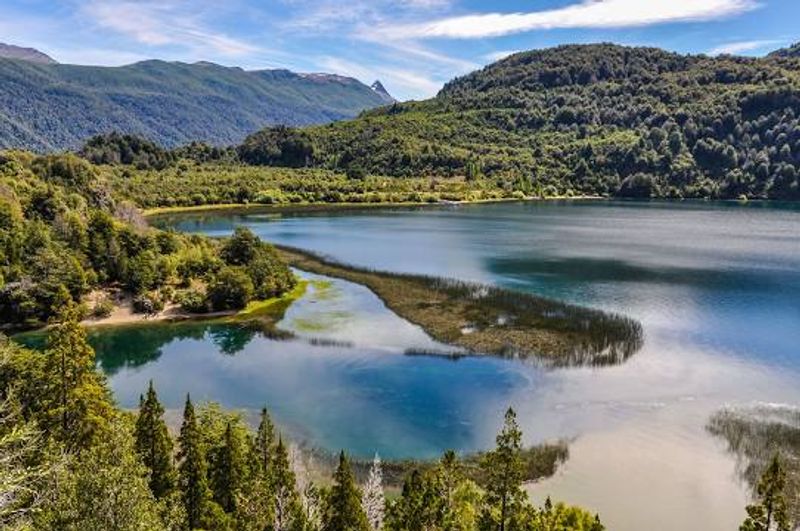
Some of the trees growing in Los Alerces National Park were already old when the Roman Empire collapsed, and they are still standing. The park covers approximately 259,570 hectares in Chubut Province and contains alerce trees estimated at up to 2,600 years old, with some reaching nearly 60 meters in height.
UNESCO added Los Alerces to its World Heritage list in 2017, recognizing the exceptional value of its temperate forests.
The park’s landscape is defined by interconnected lakes, Andean peaks, and Valdivian rainforest that gets enough rainfall to feel genuinely lush compared to the drier Patagonian steppe just to the east. Huemul deer, pudus, and kodkods inhabit the forest alongside torrent ducks and the Austral parakeet.
Boat trips across Lago Futalaufquen and Lago Verde are a popular way to reach the oldest alerce groves.
Esquel and the Welsh settlement town of Trevelin serve as the main access points. The park is quieter and less crowded than Bariloche or El Calafate, which makes it appealing for travelers who prefer their Patagonia without the tour-bus traffic.
Hiking trails range from easy lakeside walks to more demanding mountain routes with serious elevation gain.
Peninsula Valdes, Chubut
Southern right whales are so reliably present off Peninsula Valdes between June and October that whale watching here feels less like luck and more like a scheduled appointment. The roughly 4,000-square-kilometer peninsula juts into the South Atlantic and holds UNESCO World Heritage status for its extraordinary marine ecosystems.
Few places on Earth concentrate so much large wildlife in such an accessible location.
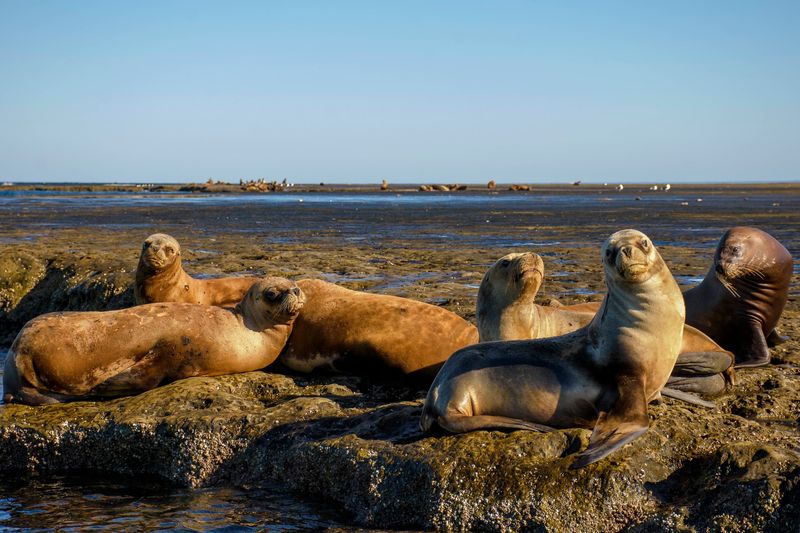
Elephant seals haul out on Punta Norte and Caleta Valdes in enormous colonies, while sea lions occupy several rocky beaches year-round. Orcas visit Punta Norte seasonally to hunt sea lion pups in a dramatic behavior that has been documented by wildlife filmmakers for decades.
Magellanic penguins nest at Punta Tombo nearby, one of the largest penguin colonies in South America.
Puerto Madryn is the main city serving the region, while Puerto Piramides inside the peninsula is the base for whale-watching boat trips. The steppe interior looks barren at first glance but supports guanacos, Darwin’s rheas, maras, and armadillos.
A full visit benefits from at least two or three days to cover the main wildlife sites without rushing. The Atlantic light out here in the afternoon is genuinely spectacular.
El Calafate and Perito Moreno Glacier
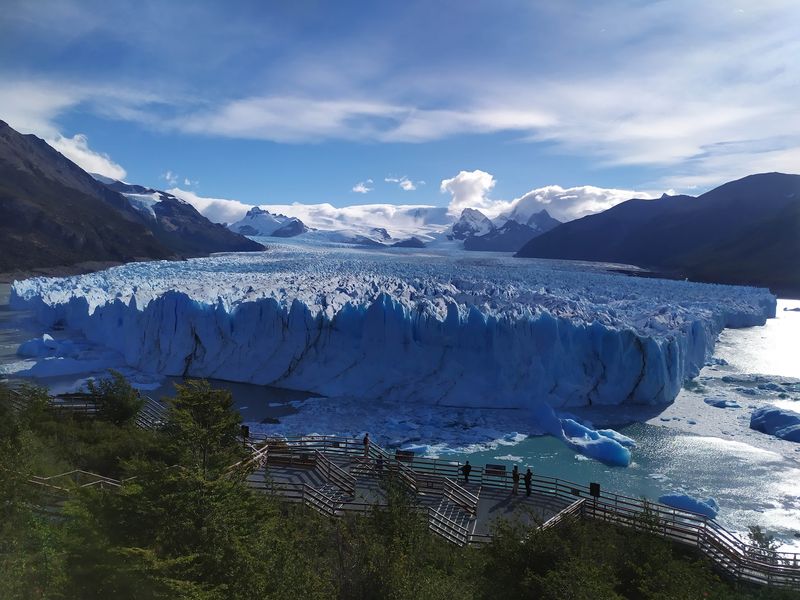
Perito Moreno is one of those rare natural wonders that actually looks better in person than in photographs, which is saying quite a lot given how dramatic the photos already are. The glacier sits about 80 kilometers from El Calafate inside Los Glaciares National Park, which has held UNESCO World Heritage status since 1981.
Its ice front stretches roughly 5 kilometers wide and rises up to 74 meters above the lake surface.
What makes Perito Moreno unusual among the world’s glaciers is that it remains largely stable while many others retreat. Calving events, where massive blocks of ice break away and crash into Lake Argentino, happen frequently enough that visitors who spend a few hours on the viewing walkways almost always witness at least one.
The sound arrives a second after the visual, like thunder from a clear sky.
Boat excursions approach the glacier face from the water, and mini-trekking options allow visitors to actually walk on the ice with crampons. El Calafate itself has grown into a well-equipped tourist town with good hotels and restaurants.
The surrounding Patagonian steppe, dotted with flamingos on shallow lakes, makes even the drive from town scenic.
El Chalten and Mount Fitz Roy
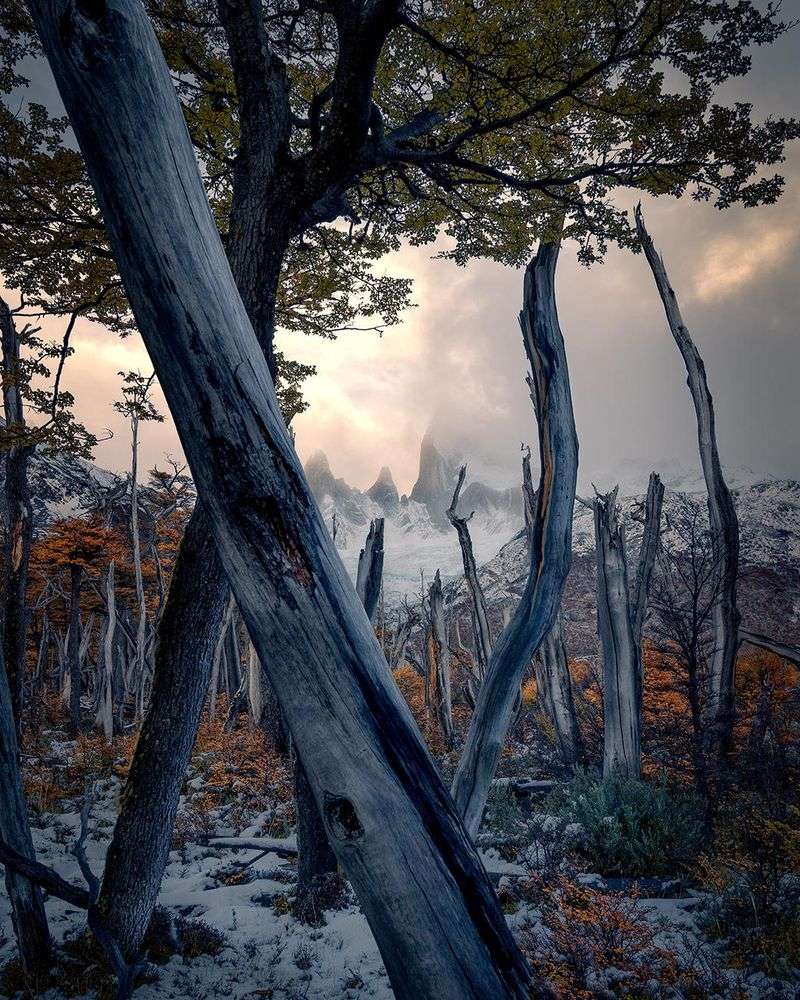
Hikers who arrive in El Chalten sometimes stand at the end of the main street, look up at the jagged granite skyline, and immediately start recalculating how many extra days they can stay. Mount Fitz Roy rises to 3,359 meters and Cerro Torre adds another impossibly sharp silhouette beside it, creating one of the most photographed mountain horizons in South America.
Both peaks sit inside Los Glaciares National Park.
Trails leave directly from town without requiring any transport or guided tours, which is genuinely rare for destinations of this caliber. The route to Laguna de los Tres is the most popular, gaining significant elevation through lenga beech forest before opening onto a high lake with Fitz Roy reflected in the water on calm mornings.
Laguna Torre offers a different angle on Cerro Torre with a glacier visible at the base.
El Chalten is about 210 kilometers north of El Calafate by road, making a combined trip straightforward. The town has grown steadily but retains a relaxed, hiking-focused character with a strong craft beer scene and several good restaurants.
Weather changes fast in southern Patagonia, so packing layers and rain gear is non-negotiable regardless of the season you visit.
Ushuaia and Tierra del Fuego
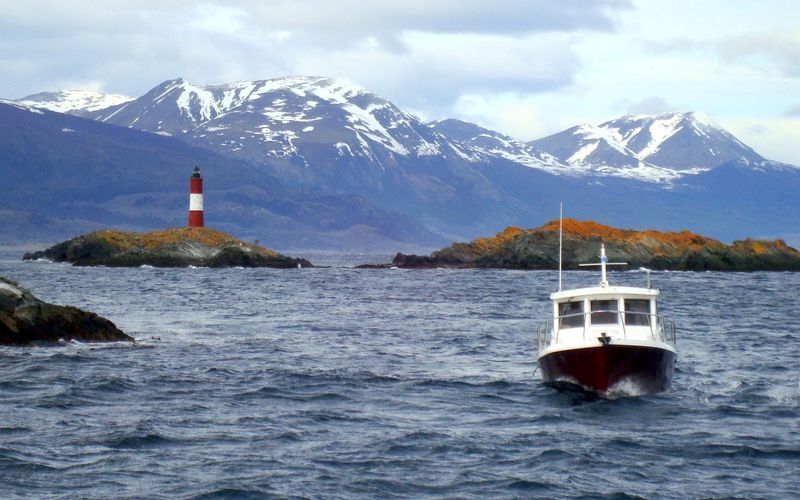
Ushuaia wears its “end of the world” label with a mix of pride and mild self-awareness, because the city knows the phrase sells tickets but also knows the actual experience delivers something far more interesting than a geographic footnote. Wedged between the Beagle Channel and steep Fuegian mountains, it is the capital of Tierra del Fuego Province and one of the southernmost cities on Earth.
The setting is dramatic from every angle.
Tierra del Fuego National Park begins practically at the edge of town, offering trails through subantarctic lenga forest, beaver-dammed streams, and coastal paths along the Beagle Channel. Boat trips through the channel pass sea lion colonies, penguin rookeries, and the occasional albatross.
In winter, Cerro Castor operates as Argentina’s southernmost ski resort with a loyal local following.
The broader island of Tierra del Fuego includes Tolhuin on Lago Fagnano, Río Grande with its legendary sea-run brown trout fishing, and vast open estancia country that feels remote in the best possible way. The light at this latitude does strange and beautiful things, especially in summer when the sun barely sets.
Ushuaia rewards slow exploration more than any checklist approach.
Share this story