River deltas are among the most fascinating landforms on Earth. They form where major rivers slow down and spread out before meeting a larger body of water, dropping sediment that builds up into a sprawling network of channels, islands, wetlands, and plains.
These landscapes support incredible wildlife, ancient cultures, and millions of people who depend on the water and land around them. From the jungles of South America to the rice fields of Europe, the world’s great deltas each have their own personality, and every one of them is worth knowing about.
Okavango Delta, Botswana
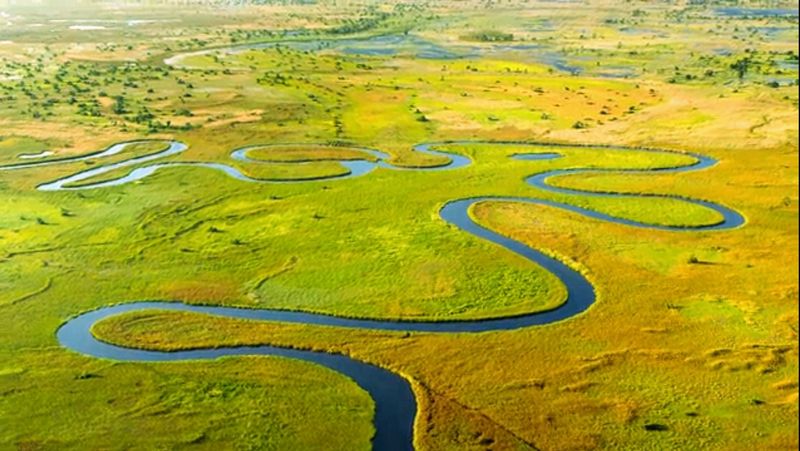
One of the strangest rivers on Earth never reaches the ocean. The Okavango flows into northern Botswana and simply fans out across the Kalahari Basin, creating an enormous inland wetland that fills and drains with the seasons rather than connecting to any sea.
UNESCO recognizes the Okavango Delta as one of the few major inland delta systems in the world without an ocean outlet. The result is a remarkable patchwork of channels, lagoons, floodplains, and grassy islands that shift shape depending on the time of year.
Botswana Tourism promotes mokoro canoe trips, boat excursions, game drives, and birdwatching throughout the region. Elephants, hippos, crocodiles, lions, and lechwe all share this watery wilderness alongside hundreds of bird species.
Few places on the continent combine such dramatic wildlife density with such an unusual and visually striking water landscape.
Danube Delta, Romania
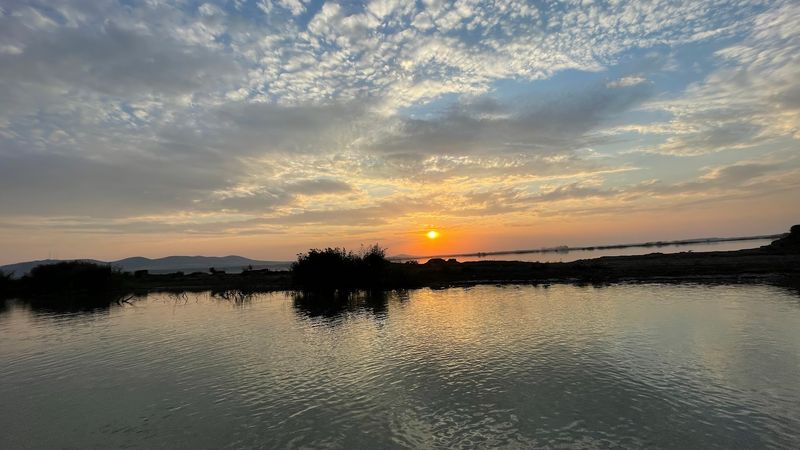
After traveling roughly 2,860 kilometers across Europe, the Danube does not simply end. It breaks apart into a sprawling web of channels, lakes, reed beds, and marshes before finally reaching the Black Sea along Romania’s eastern coast.
UNESCO describes the Danube Delta Biosphere Reserve as the largest wetland and reed bed complex in Europe. The landscape is genuinely labyrinthine, with waterways cutting through floating vegetation, forested islands, and communities where boats are still a primary way of getting around.
More than 300 important bird species have been recorded within the biosphere reserve, making it a major destination for birdwatchers from across the continent. Boat trips are one of the most practical ways to explore the inner channels, where the quieter passages feel remarkably removed from the modern world.
The delta sits at the corner of Romania, Ukraine, and the Black Sea, which adds to its sense of geographic drama.
Mekong Delta, Vietnam
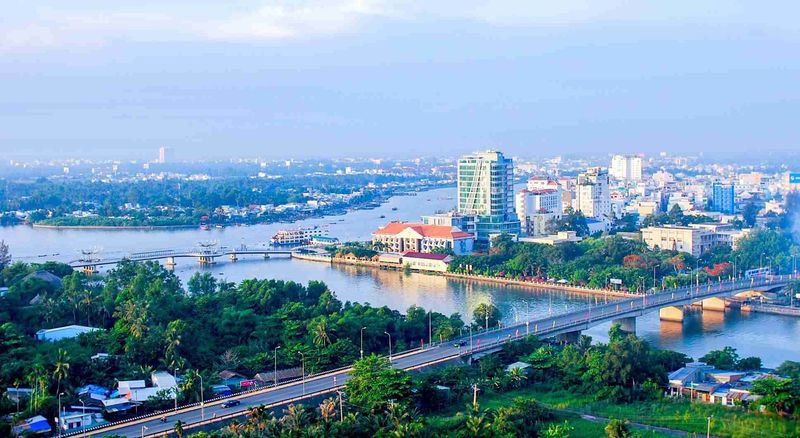
Southern Vietnam transforms into something almost impossible to map as the Mekong approaches the South China Sea. The river fragments into a wide network of waterways, canals, and distributaries that weave through coconut groves, rice paddies, orchards, and busy riverside communities.
Vietnam’s official tourism resources actively promote the Mekong Delta for boat excursions, cycling trips, homestay experiences, and longer river cruises. Cities like Can Tho, Ben Tre, and Chau Doc serve as practical jumping-off points for exploring different parts of the region.
Travelers can move through narrow palm-lined canals by small boat, pedal between villages and fruit orchards, and watch wooden cargo boats navigating the wider branches of the river. The delta is not just a natural landscape.
It is a working, living place where water shapes nearly every aspect of daily life, which makes it one of the most culturally rich delta destinations anywhere in Southeast Asia.
Ganges-Brahmaputra Delta and Sundarbans, India and Bangladesh
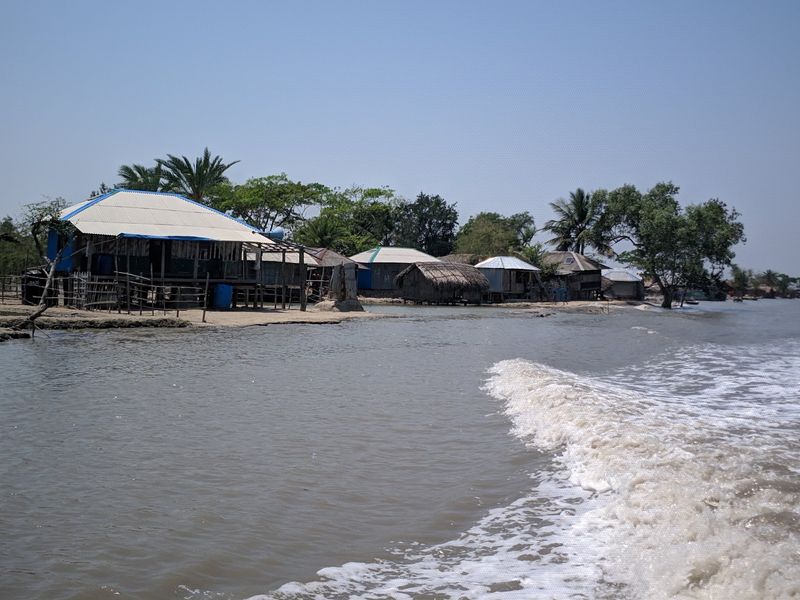
Where the Ganges, Brahmaputra, and Meghna rivers converge before reaching the Bay of Bengal, they create one of the largest and most complex river delta systems on Earth. The southern edge of this enormous formation contains the Sundarbans, a vast tidal forest shared between India and Bangladesh.
West Bengal’s government tourism materials describe the Sundarbans as a network of semi-submerged mangroves and tidal channels within the world’s largest river delta. The forest is home to estuarine crocodiles, waterbirds, reptiles, and the Bengal tiger, though tiger sightings during guided visits are uncommon.
Most of the visitor experience centers on guided boat journeys through the tidal waterways rather than overland hiking, which is limited by the terrain. The combination of dense mangrove forest, shifting mudbanks, and tidal influence creates a landscape that feels genuinely wild.
Few river deltas carry the same sense of ecological depth as this one.
Mississippi River Delta, Louisiana
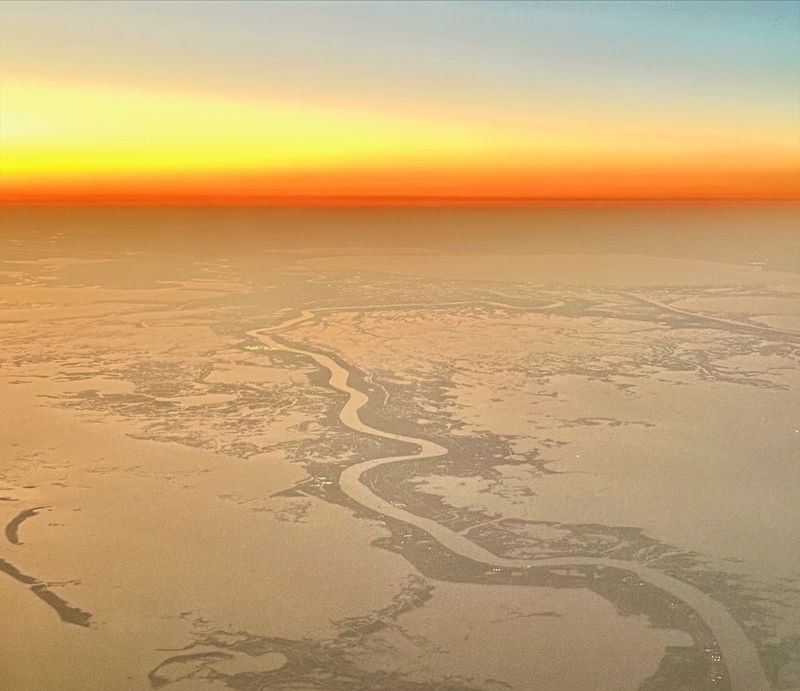
Louisiana’s southern tip reveals just how complex a large river delta can become over thousands of years. The Mississippi has shifted course repeatedly, building a series of delta lobes, bayous, marshes, distributaries, and coastal islands along the Gulf of Mexico over a long geological timeline.
The National Park Service notes that the modern bird’s-foot delta sits below New Orleans, where the river separates into distinct passes before entering the Gulf. The distinctive shape of those final passes is visible from satellite images and has become one of the most recognizable river delta forms in the world.
Travelers do not need to reach the river’s final mouth to experience the delta landscape. Jean Lafitte National Historical Park and Preserve protects swamps, marshes, waterways, and bottomland forest in the broader region, offering trails and natural experiences within easy reach of New Orleans.
The combination of ecology, history, and accessibility makes this delta unusually approachable for visitors.
Ebro Delta, Spain
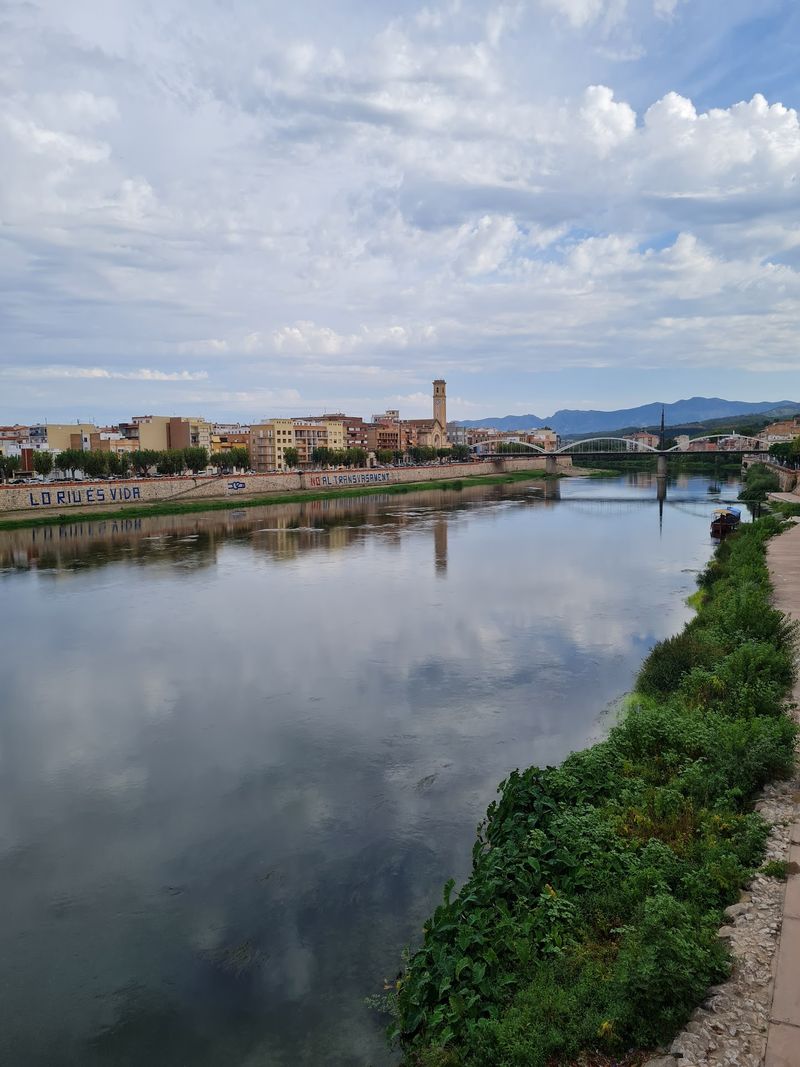
Spain’s Ebro Delta pushes out into the Mediterranean along the Catalan coast in a way that feels almost out of place. The surrounding coastline is hilly and rocky, but the delta is completely flat, covered with rice paddies, shallow lagoons, sandbars, and wetland areas that extend to the sea.
Catalonia’s park service identifies the Ebro Delta as the largest wetland in the region, covering roughly 320 square kilometers. Agriculture has reshaped significant portions of the delta, but natural areas within Delta de l’Ebre Natural Park remain protected and accessible to visitors.
Cycling and birdwatching are among the most popular activities, with designated itineraries and observation points spread across the park. Flamingos appear regularly in the lagoons, adding a striking visual element to an already unusual landscape.
The contrast between orderly rice fields and wild coastal wetlands gives the Ebro Delta a character that is genuinely different from other Mediterranean natural areas in Spain.
Rhone Delta and Camargue, France
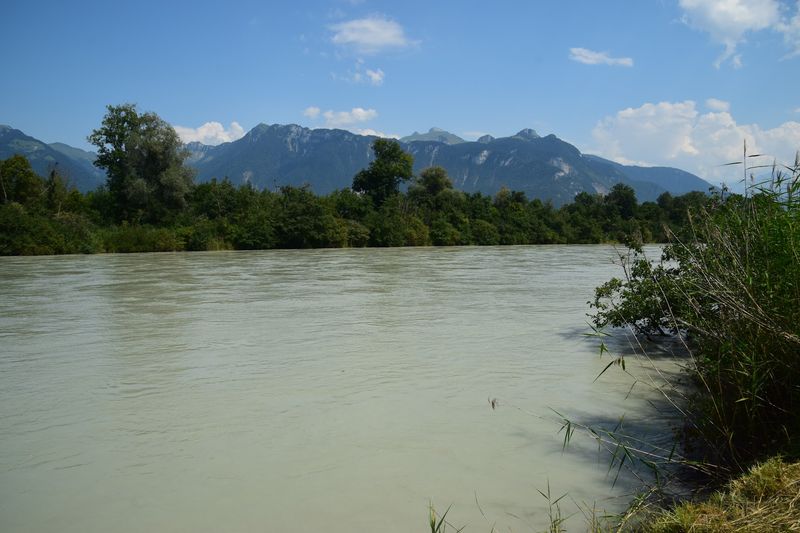
At the southern end of France, the Rhone splits before entering the Mediterranean and creates one of Europe’s most distinctive natural landscapes. The Camargue, the wetland region between the two main branches of the river, is a broad mix of marshes, salt flats, sandy beaches, and open grazing land.
The regional nature park describes the Camargue as a destination of wide-open spaces, wildlife habitats, and cultural traditions unlike anywhere else in France. Greater flamingos are among its most recognizable residents, appearing in the shallow lagoons in numbers large enough to turn stretches of water pink.
White Camargue horses and semi-wild black cattle have become equally symbolic of the region, representing a ranching tradition that has continued for centuries alongside the wildlife. Visitors can explore by walking, cycling, driving, or horseback, with park itineraries covering everything from northern vineyards to southern beaches and salt marshes.
The Camargue rewards slow exploration more than quick stops.
Po Delta, Italy
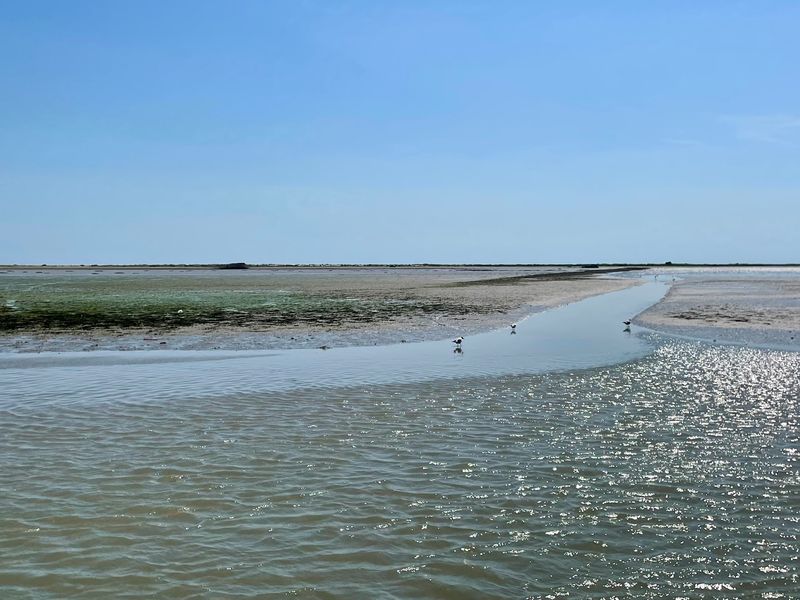
Italy’s longest river ends in a landscape that surprises most people who expect the country’s scenery to be all hills and vineyards. The Po Delta along the Adriatic coast is flat, watery, and wild in ways that feel more like the Netherlands than northern Italy.
UNESCO describes the Po Delta Biosphere Reserve as Italy’s only true river delta, with a remarkable range of habitats packed into a relatively compact area. More than 360 bird species have been recorded in the reserve, including herons, spoonbills, glossy ibises, and flamingos that appear with increasing regularity.
Boat excursions are one of the best ways to understand the geography, particularly around the lagoons and river mouths where channels shift between open water and dense reed beds. The Po Delta park operates visitor centers across the area, with updated facility information available for the 2026 season.
For travelers who enjoy quiet, nature-driven destinations, this delta offers a genuinely rewarding experience.
Parana River Delta, Argentina
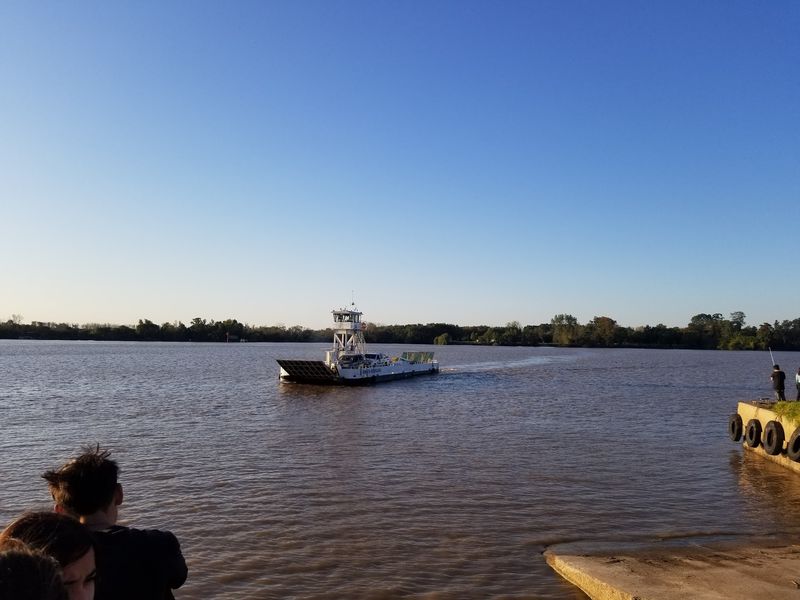
Just a short distance from Buenos Aires, one of South America’s largest cities, the landscape shifts completely. The Parana River splits into hundreds of channels as it approaches the Rio de la Plata, forming a sprawling delta of forested islands, quiet streams, and waterways that can feel surprisingly remote.
Argentina’s official tourism agency recommends Tigre as the main gateway to the delta. From the Tigre waterfront, passenger boats and water taxis travel among islands covered with dense vegetation, weekend homes, small lodges, and peaceful channels that see very little traffic.
Farther upstream, the delta opens into more extensive wetlands that support rich birdlife and a quieter, less developed environment. Visitors can explore by rented kayak, take a guided boat tour, or stay overnight on one of the islands.
The contrast between the urban energy of Buenos Aires and the calm of the nearby delta is part of what makes this destination genuinely interesting.
Amazon Delta and Marajo Island, Brazil
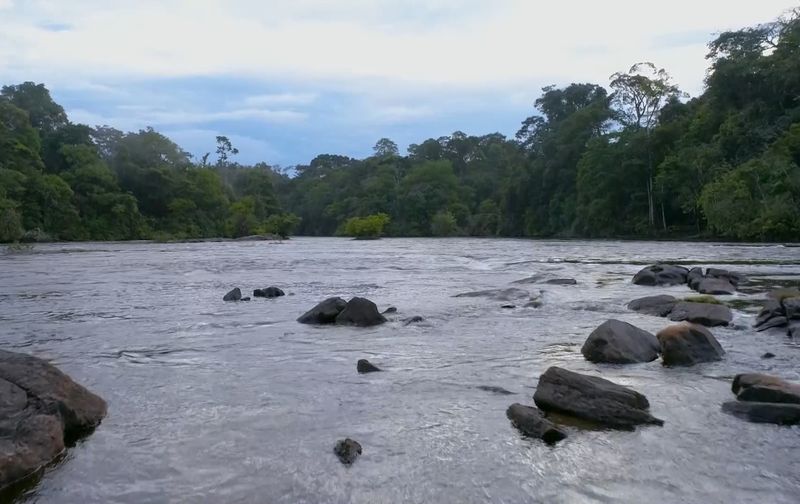
The Amazon’s encounter with the Atlantic Ocean is so vast that calling it a river mouth feels like an understatement. The volume of freshwater pushing into the ocean here is larger than the next seven biggest rivers on Earth combined, and the landscape around it reflects that scale.
Marajó Island sits within this enormous system, surrounded by the Amazon, the Para River, and the Atlantic. Brazil’s official tourism resources describe Marajó as a roughly 49,000-square-kilometer island featuring forests, open plains, freshwater and saltwater beaches, and one of the most diverse wildlife environments in the lower Amazon.
Scarlet ibises are among the most memorable wildlife encounters on the island, appearing in large flocks that are difficult to forget. The landscape also includes ranching areas and tidal beaches that contrast sharply with the dense forest nearby.
Few places on the continent offer such a concentrated mix of river, ocean, wildlife, and open land in one accessible location.
Saloum Delta, Senegal
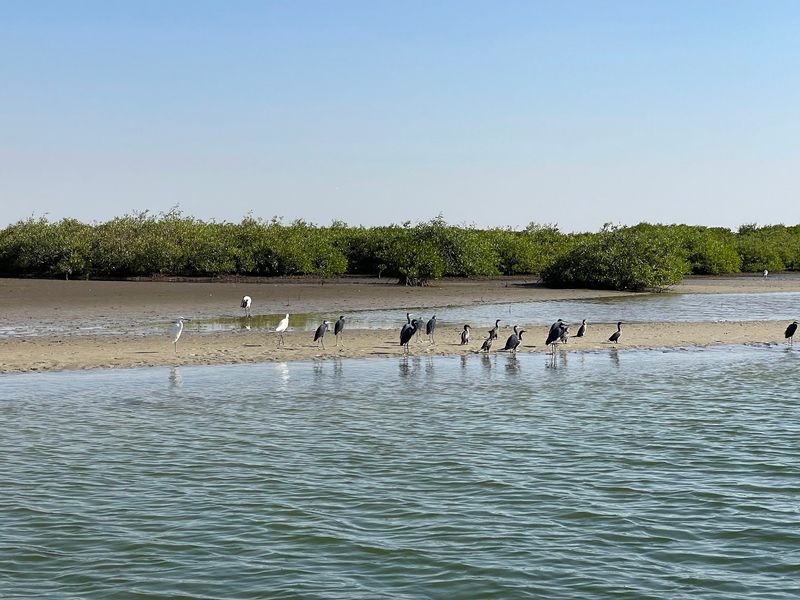
Senegal’s Saloum Delta is the kind of place where natural geography and human history are so thoroughly mixed that separating them feels impossible. River channels, Atlantic waters, mangrove forests, and hundreds of small islands create a landscape that has supported fishing communities for centuries.
The UNESCO World Heritage property covers approximately 5,000 square kilometers and contains more than 200 islands and islets connected by a network of brackish tidal channels. One of its most unusual features is a series of more than 200 shellfish mounds built up through generations of shellfish gathering.
Some of these mounds grew large enough to become artificial islands, and several contain ancient burial sites that add a layer of archaeological significance to the landscape. Travelers typically explore the delta by traditional wooden pirogue, moving through mangrove channels and visiting island communities where fishing remains the foundation of daily life.
The Saloum Delta is one of West Africa’s most layered and underappreciated travel destinations.
Nile Delta, Egypt
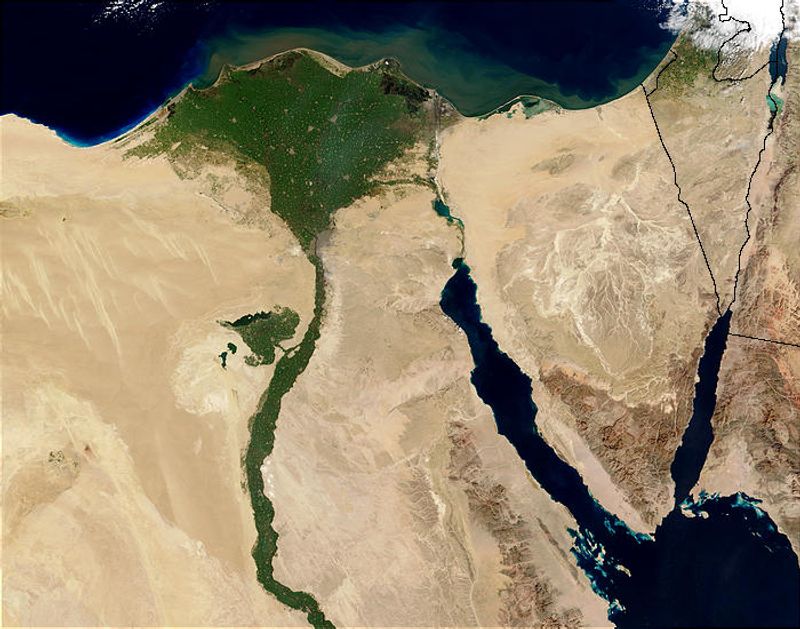
Most river deltas on this list are celebrated for their wildness. The Nile Delta is extraordinary for the opposite reason.
By the time the river reaches northern Egypt, it spreads across one of the most densely farmed and continuously inhabited landscapes in human history.
Thousands of years of sediment deposits built up a broad triangular plain that Egyptian civilization used to grow food, build cities, and develop one of the ancient world’s most enduring cultures. Today the delta is covered with farms, irrigation channels, lagoons, villages, and major urban centers.
Rosetta, also known as Rashid, offers one of the most interesting access points for travelers approaching the western delta. Egypt’s official tourism site highlights the city’s well-preserved Ottoman-era architecture and its direct connection to the Rosetta Stone, the artifact that helped scholars decode ancient Egyptian hieroglyphics.
The Nile Delta may not look wild from above, but its story is one of the most remarkable on this entire list.
Sacramento-San Joaquin Delta, California
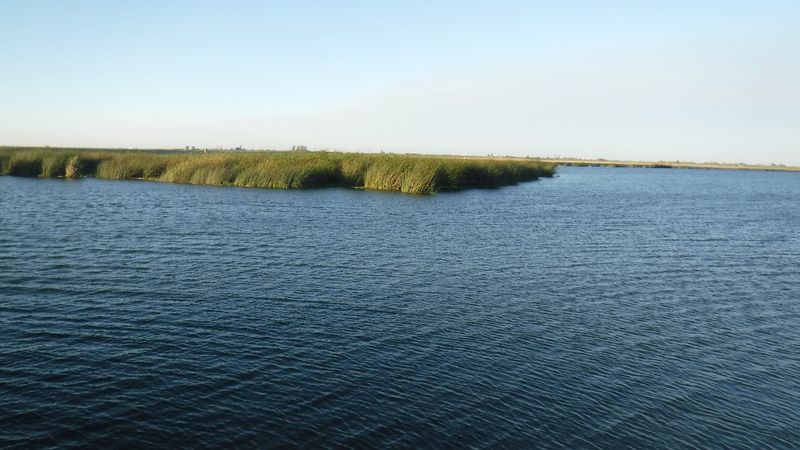
California has a river delta, and most people driving across the state on Interstate 5 have no idea they are passing near it. The Sacramento and San Joaquin rivers converge east of San Francisco Bay in a wide, low-lying landscape of waterways, farmed islands, levees, marshes, and historic small towns.
The Delta Conservancy describes the area as a natural, agricultural, and cultural resource supporting more than 750 species of plants and wildlife. The combination of working farmland, open water, and protected natural areas gives the delta a character that is hard to find anywhere else in the state.
Boating, fishing, paddling, and wildlife watching are all accessible ways to spend time here. California State Parks lists dozens of public boating facilities throughout the delta, and Delta Meadows State Park preserves a stretch of landscape that offers a glimpse of what the region looked like before large-scale agricultural reclamation.
For a California experience that feels genuinely off the beaten path, this delta delivers.
Share this story