Big city life does not have to mean giving up trees, trails, and open sky. Some American cities have tucked huge parks, lakes, and greenways right into their busy streets.
You can grab dinner, go to work, visit a museum, and still be a short trip from nature. Here are 13 places where city fun and fresh air live side by side.
Washington, D.C.
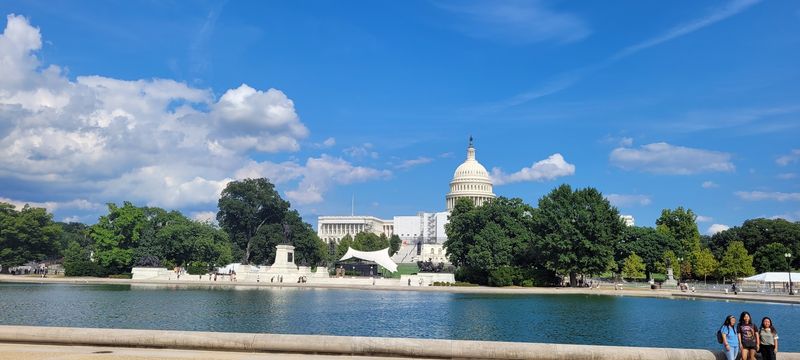
Rank matters, and Washington has the crown. It sits at No. 1 in the 2026 ParkScore Index for the sixth year in a row.
About 99 percent of residents live near a park, and more than one-fifth of the city’s land is set aside for them.
The star of the show is Rock Creek Park, a 1,754-acre wooded valley created in 1890. The National Park Service maintains more than 30 miles of hiking trails inside the main park.
Parts of Beach Drive are closed to cars for good, so walkers and cyclists get the pavement all to themselves.
Picture this. You spend the morning in a museum, then grab lunch near a government office building.
By afternoon, you are crunching leaves on a forest path with creek water babbling nearby.
That mix feels a little surprising in a capital city full of marble and meetings. Bring comfortable shoes, a water bottle, and a trail map.
Weekends often bring the biggest crowds of bikers, so early mornings can feel peaceful. Fall is a favorite season, when the tree canopy turns gold and red and the whole valley glows.
Few capitals anywhere keep a real forest this close to the action.
Irvine, California
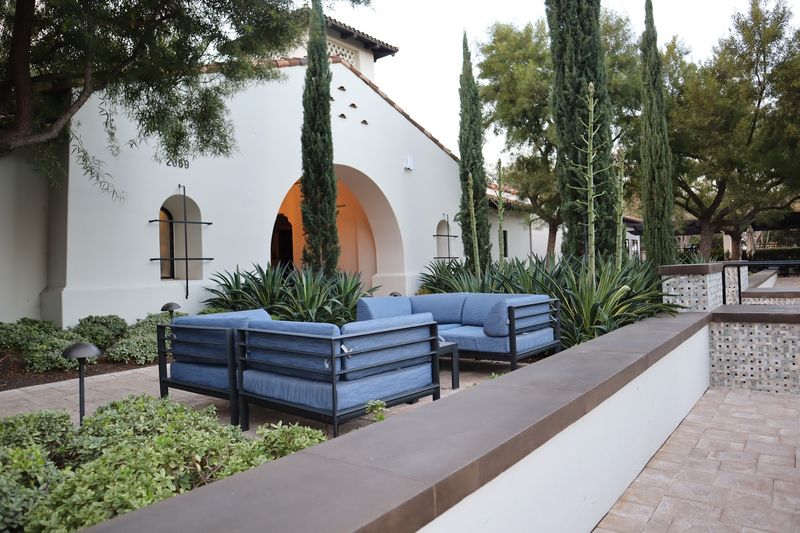
Here is a twist: Irvine is better known for tidy neighborhoods and tech offices, yet it ranks second in the 2026 ParkScore rankings. Green space was built into the plan from day one.
Nothing here was an afterthought.
The city reports 18 community parks, 37 neighborhood parks, and 5,250 acres of permanently preserved open space. Greenbelts and a large bicycle network tie them together.
When sports fields and dedicated open land are all counted, the total tops 16,000 acres.
That means a morning bike ride can start at your front door and roll past playgrounds, ball fields, and quiet hills. Many residents commute, shop, and exercise without ever dealing with a crowded freeway.
Looking for a weekend plan? Pack a snack, grab a helmet, and follow a greenbelt wherever it leads.
Spring brings green hills and wildflowers, which makes Southern California look a bit like a postcard.
Irvine proves that a young city can get parks right when planners think ahead. It is calm, clean, and full of room to roam, all within easy reach of busy jobs and homes.
Minneapolis, Minnesota
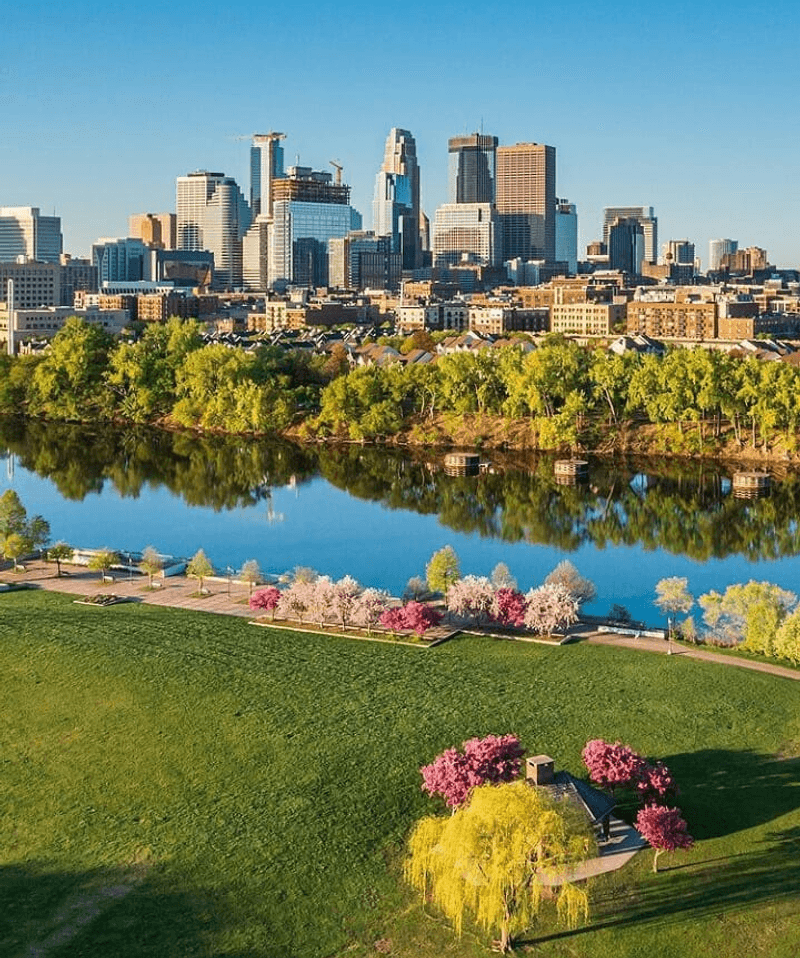
Count the lakes: Minneapolis has 22 of them inside city limits. No wonder it ranks third in the latest ParkScore assessment.
Water is part of daily life here.
The Minneapolis Park and Recreation Board manages 7,059 acres of parkland and water. That includes 185 park properties and 102 miles of Grand Rounds paths for walking and biking.
The Chain of Lakes links Brownie Lake, Cedar Lake, Lake of the Isles, Bde Maka Ska, and Lake Harriet with roughly 15 miles of trails.
What makes it special is how normal it all feels. Neighbors paddle canoes after work.
Families spread blankets for summer concerts. Commuters pedal past sparkling water on the way to the office.
Winter does not shut the fun down. Frozen lakes and snowy trails bring skaters, skiers, and brave walkers outdoors, often with a warm drink in hand.
Visitors often say they cannot believe a big city can feel this relaxed. Rent a bike, pick a lake, and loop around it.
Then try the next one. You will quickly see why locals brag.
St. Paul, Minnesota
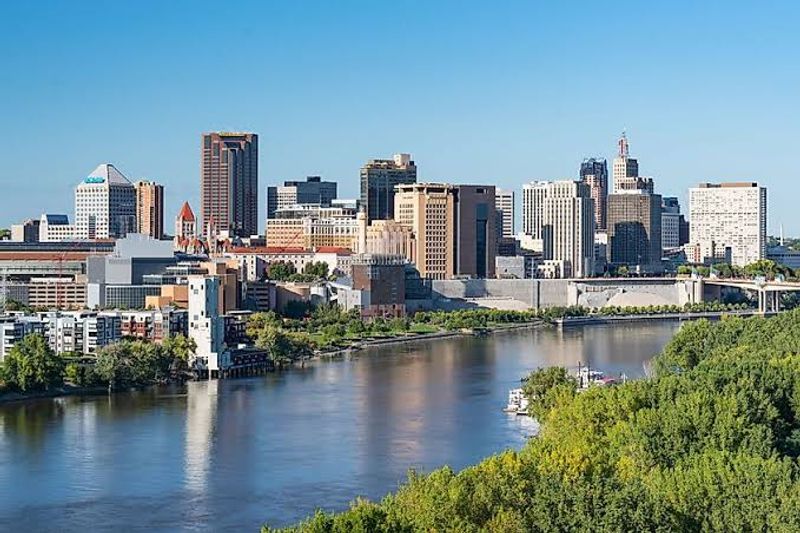
Ranked fourth in ParkScore, St. Paul gives the Twin Cities a double dose of greenery. The city’s parks hold about 2,300 acres of natural areas.
That is on top of its regular neighborhood and regional parks.
Those wild spaces range from Mississippi River landscapes and lakes to prairie remnants, woodland, and nature sanctuaries. The Mississippi acts like a green spine running through the whole metro area.
Then there are the favorites. Como Park mixes water, gardens, and cultural spots in one big outing.
Phalen Park adds a lake setting with paths and picnic space.
Plan a day around a single park and you might be surprised how much it offers. You could stroll a garden, watch ducks, and find a quiet bench by the water within a couple of hours.
As a state capital, St. Paul has the usual perks of a larger city, including old neighborhoods, restaurants, and cultural stops. Yet nature never feels far.
A short walk or bike ride often lands you on a river bluff or a wooded trail, and the change of scene is instant.
Cincinnati, Ohio
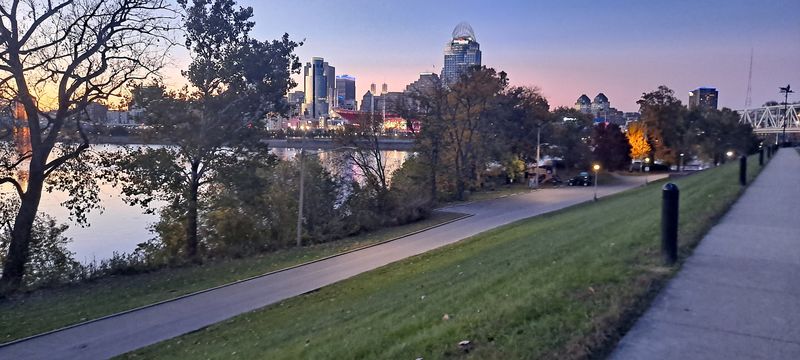
Hills do the heavy lifting in Cincinnati. Their steep slopes create overlooks above the Ohio River that most flat cities simply cannot offer.
It is no surprise the city climbed to fifth place in the 2026 ParkScore ranking.
City figures show more than 5,000 acres of greenspace. That includes regional parks, neighborhood parks, and 34 natural areas.
Nearly 17 percent of the city’s land is used for parks and recreation.
A Trust for Public Land study found that 88 percent of residents live within a 10-minute walk of a park. The system also holds roughly 65 miles of hiking trails.
Want a plan? Pick a trail, climb to a lookout, and take a photo of the river bending below.
Then head back downtown for a bite, since the walk is never far.
Fall is especially lovely when hillsides blaze orange and red. Pack sturdy shoes, because those hills can make your legs work.
The reward is a view that feels far from city traffic, even though you are only minutes from it.
San Francisco, California
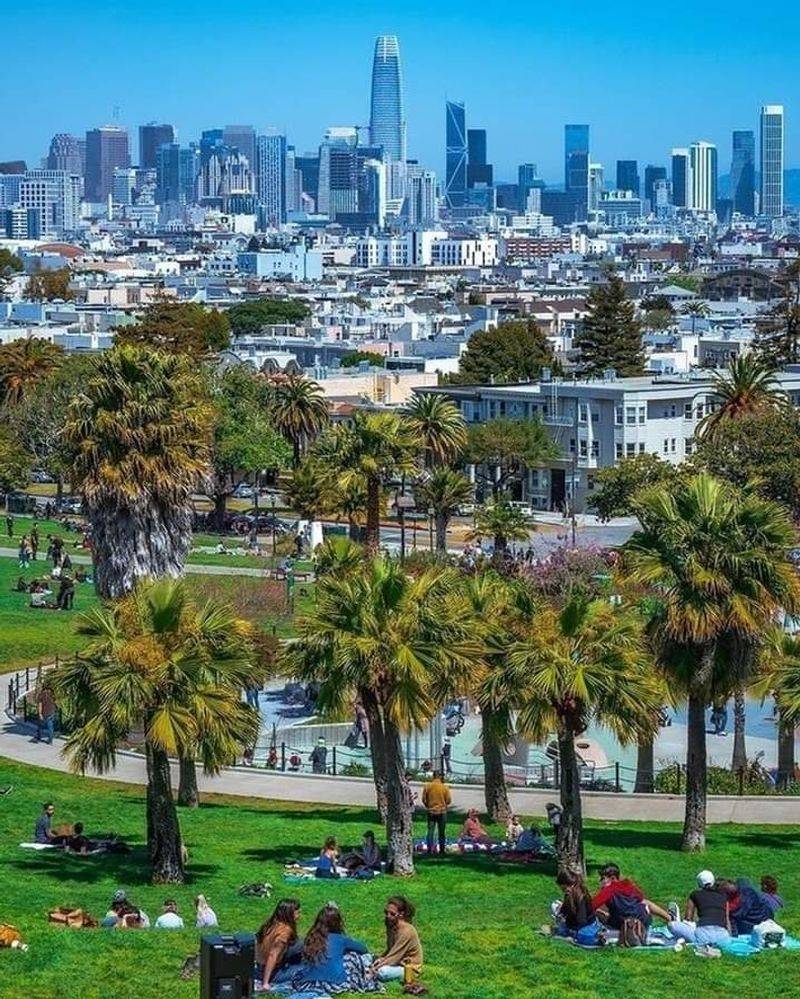
Twenty-four million visits a year? That is the estimated crowd at Golden Gate Park, and it is easy to see why.
San Francisco ranks sixth in the 2026 ParkScore Index, proof that a crowded city can still make room for big landscapes.
The park spans 1,017 acres and stretches three miles from the Haight-Ashbury area toward Ocean Beach. Inside are gardens, museums, meadows, lakes, sports areas, wooded paths, and car-free routes.
The green does not stop there. Coastal headlands, steep hills, and open spaces around the Presidio and shoreline add even more room to breathe.
Try this on a free day. Start at a museum, wander through a garden, then walk until you hear the ocean.
That is a lot of variety in a single outing.
Bring a jacket, since fog can roll in fast. Few American cities let you shift so quickly from busy streets and major cultural spots to Pacific beaches and natural viewpoints.
In San Francisco, a short walk can change the whole mood of your day.
Seattle, Washington
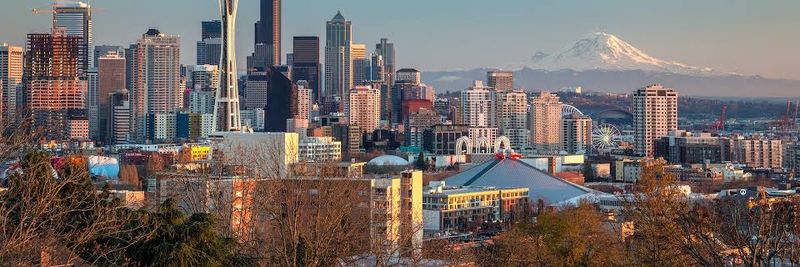
Mountains on one side, water on the other: Seattle makes it hard to ignore nature. The city ranks eighth in ParkScore, helped by a landscape that keeps greenery in view.
Discovery Park is the biggest park, covering 560 acres on Magnolia Bluff. It has two miles of protected tidal beaches, plus meadows, sea cliffs, dunes, forest, and streams.
On clear days, you can see both the Olympic and Cascade ranges.
Seattle also keeps one of the largest municipal trail systems in the country. The Burke-Gilman and Alki trails add even more ways to get outside.
Locals blend a busy tech economy with kayaking, running, beach walks, and woodland strolls. Lake Washington and Puget Sound sit close to dense neighborhoods, so a paddle after work is a real option.
Visitors should pack layers and a rain jacket, because the weather likes surprises. A walk along the beach at Discovery Park can feel like a trip far from town.
Yet downtown is just a short drive away, which is part of the charm.
Portland, Oregon
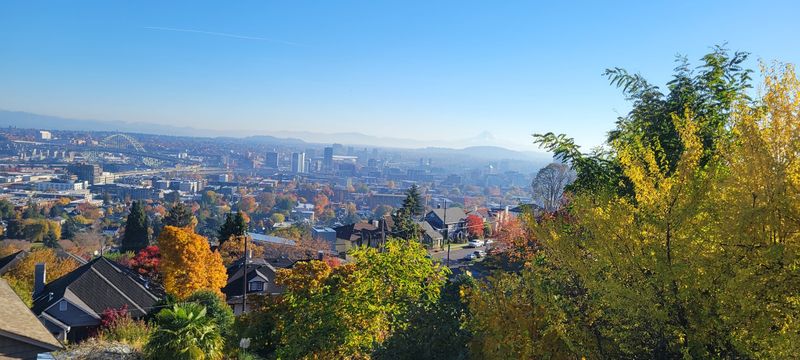
Douglas firs tower over a hiking trail, and downtown Portland is nearby. That is Forest Park, one of the largest forested parks inside any American city.
It covers about 5,200 acres in the West Hills.
More than 80 miles of trails wind through it, including the 30-mile Wildwood Trail. Western red cedars, streams, and wildlife habitat make the woods feel wild.
Yet restaurants, neighborhoods, and transit sit close by.
Portland ranks ninth in the 2026 ParkScore Index. The city also offers riverfront paths, Washington Park, neighborhood parks, and regional cycling routes.
That mix ties daily transportation to recreation in a way few cities manage. You can bike to work, then hike a forest trail before dinner.
Tip for first-timers: start with a short section of the Wildwood Trail and see how it feels. Wear waterproof shoes, since the ground can stay muddy after rain.
Mornings are quiet and misty, and the forest smells fresh and earthy. Portland’s love for the outdoors shows in how easily nature slips into everyday life.
Chicago, Illinois
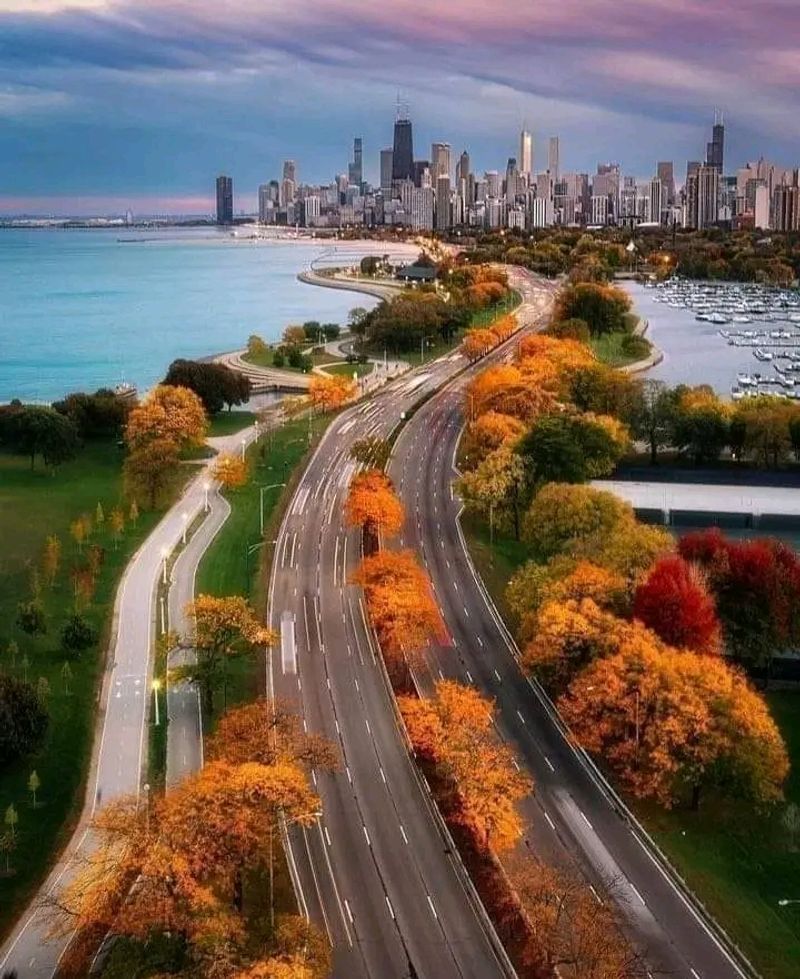
Chicago has a shoreline that feels more like an ocean than a lake. Lake Michigan is the city’s greatest outdoor asset, and it is free to enjoy.
Chicago returned to the ParkScore top 10 in 2026, edging ahead of Denver.
The Chicago Park District manages 26 miles of open lakefront, including beaches and major parks. An 18-mile bicycle trail and a roughly 18.5-mile pedestrian trail run along the shore.
Commuters use it too, not just weekend riders.
Beyond the water, Grant Park, Lincoln Park, Jackson Park, lagoons, and neighborhood playgrounds add more green. Residents get easy access to open space even with a dense downtown nearby.
Plan a lakefront day by renting a bike and pedaling north or south. Stop for a beach break whenever the view calls.
Summer brings swimmers and volleyball games, while autumn brings quiet walks with big skies.
The skyline makes a great backdrop, and the breeze can be a welcome treat on hot days. Chicago shows that green space can work at a truly massive scale.
Denver, Colorado
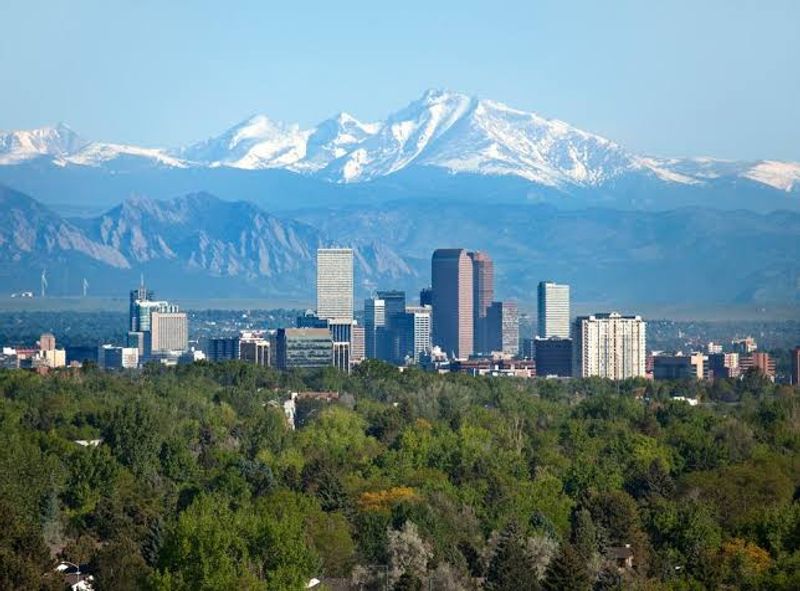
Denver owns mountains, and not in a small way. Its parks department oversees nearly 20,000 acres of urban and mountain parkland.
The city ranks 11th in the 2026 ParkScore standings, and the mountain holdings make the total more impressive.
Roughly 14,000 acres are mountain parks and conservation lands beyond the urban core. Inside town, trails along Cherry Creek and the South Platte River link downtown with neighborhoods and parks.
The system also includes natural areas and 30 recreation centers.
That gives residents a smart mix. They can enjoy a busy center for culture and jobs, then reach real Rocky Mountain scenery with a short drive.
A good starter plan is a creekside bike ride in the morning, followed by a mountain park picnic. Bring sunscreen, since the sun is strong at high elevation.
Drink plenty of water too, because the thin air can surprise newcomers.
Winter brings crisp, sunny days that are great for walks. In Denver, the outdoors is not a special trip.
It is simply part of the routine.
Boston, Massachusetts
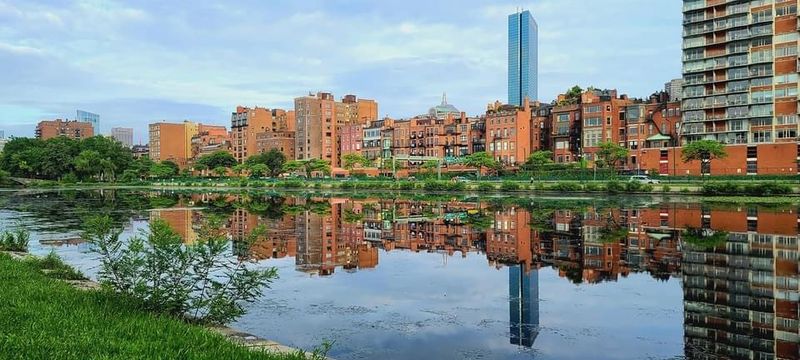
Walk a few blocks in Boston and history and gardens blend together. The city ranks 12th in ParkScore, and its green spaces are tied closely to its past.
Boston Common and the Public Garden are famous starting points.
The big showpiece is Frederick Law Olmsted’s 1,100-acre Emerald Necklace. It is a chain of nine parks linked by waterways and parkways for roughly seven miles, heading from the central city toward Franklin Park.
Boston’s Parks and Recreation Department manages more than 2,200 acres of protected open space overall. That includes urban wilds, playing fields, and neighborhood parks.
Students from nearby universities and longtime locals use these spaces every day. A walk can pass ponds, gardens, meadows, and wooded stretches, all linked on purpose.
For a fun outing, stroll through the Public Garden in spring when tulips pop. Then follow the chain farther out to see how the landscape changes.
Wear good walking shoes, because it is easy to keep going. Few cities let you step from old brick streets into such a carefully planned natural path.
Austin, Texas
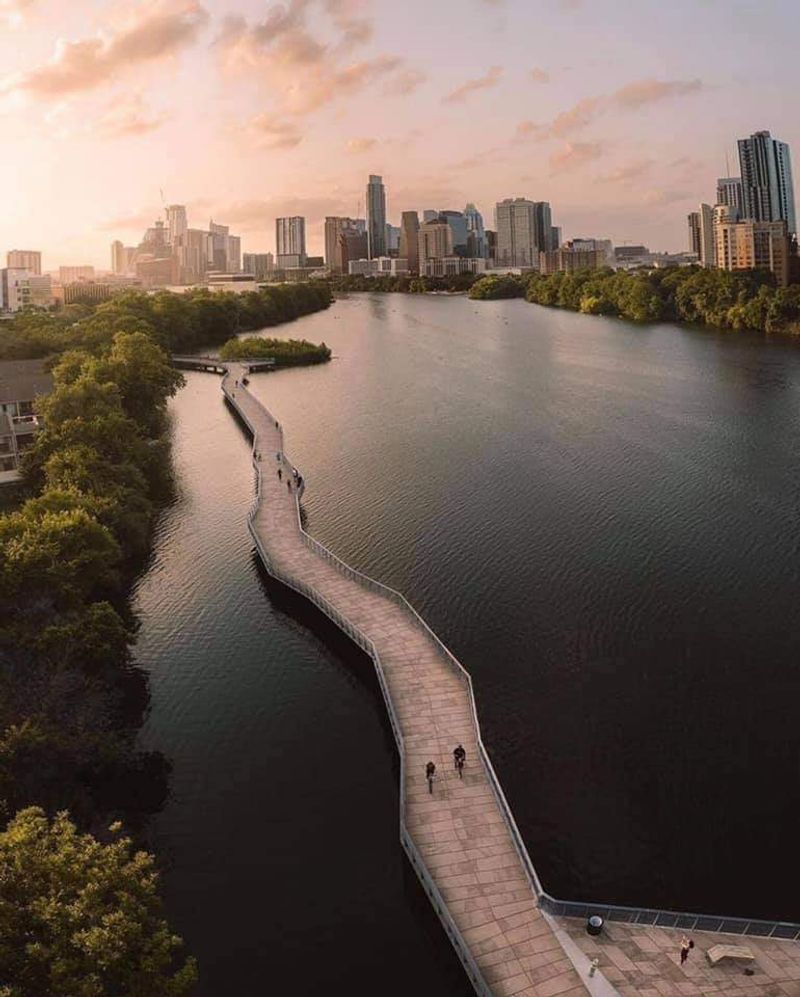
Cannonball! Austin’s limestone swimming holes are famous for a reason.
The city has no single giant central park, but its strength comes from a wide network of greenbelts, preserves, and riverfront spaces.
The Parks and Recreation Department lists 382 parks, not counting cemeteries, and more than 18,000 acres of dedicated parkland. Barton Creek Greenbelt alone covers more than 800 acres.
Next door, Barton Creek Wilderness Park tops 1,100 acres.
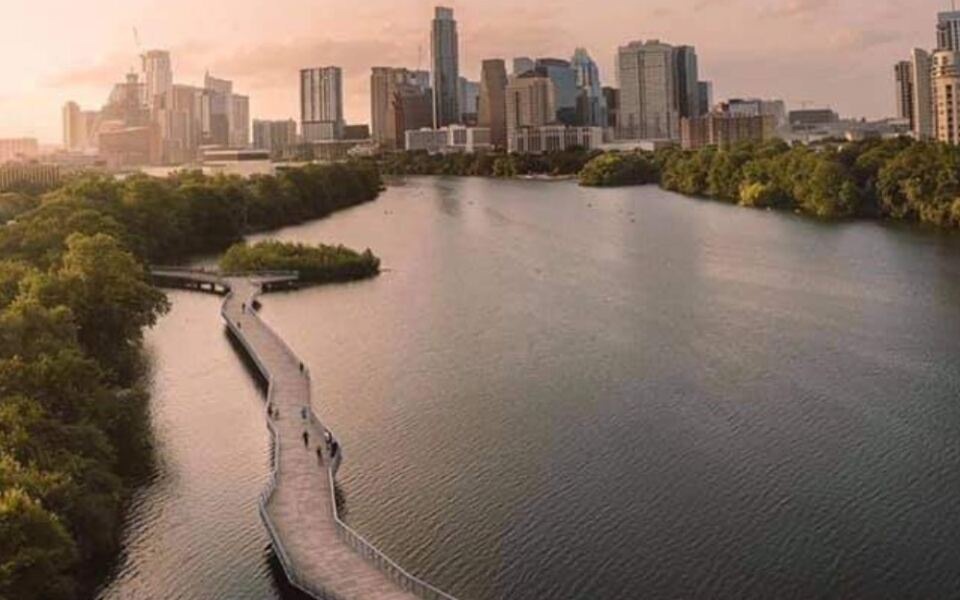
Trails, creekside cliffs, and Lady Bird Lake give locals loads of ways to get outside. Many spots begin only minutes from dense neighborhoods.
That is handy in a city known for tech jobs, universities, live music, and great food. After a taco lunch, you can hike a trail or paddle a board across calm water.
Go early on hot days and bring plenty of water. Creek levels change, so check conditions before planning a swim.
Austin proves a city can grow fast and still keep a wild streak woven through it.
Atlanta, Georgia
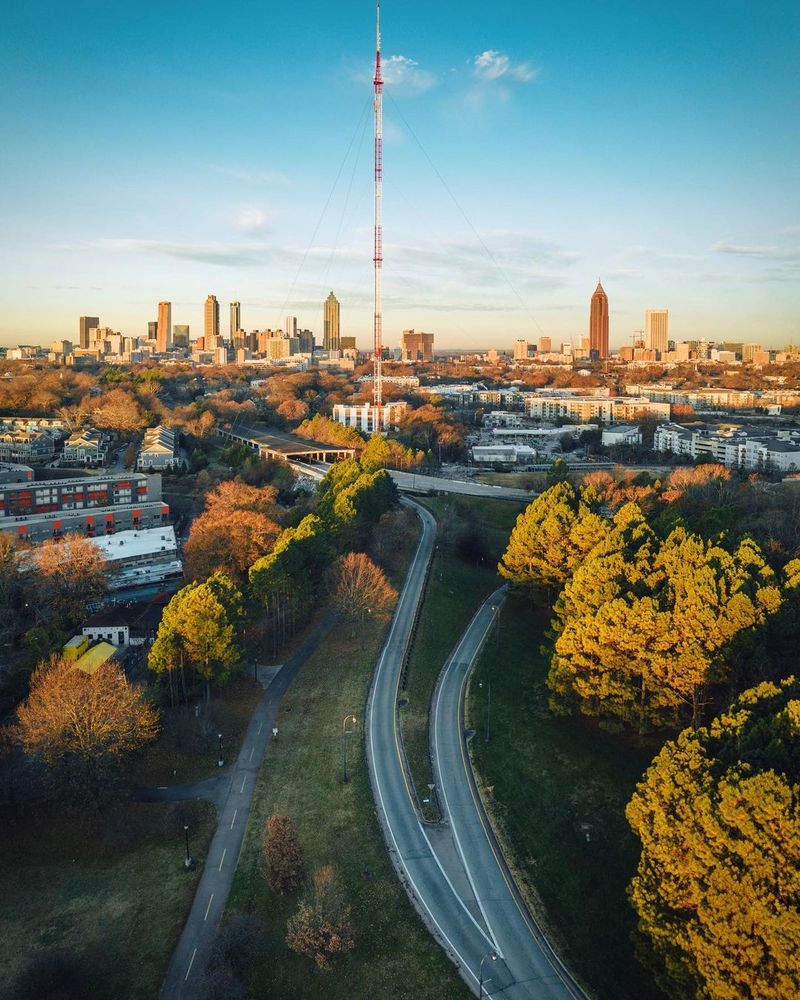
Old railroad tracks are getting a leafy second life in Atlanta. The Atlanta BeltLine is turning a historic 22-mile rail corridor into a network of trails, parks, transit, housing, and neighborhood links.
It is one of the boldest green projects in the country.
Nearly 17 miles of mainline trail and another 12 miles of connector trails are already open. Parks and an arboretum sit along the route.
Historic Fourth Ward Park shows how well the idea can work. It turned 17 underused acres into welcoming public green space.
The BeltLine offers something beyond a traditional park. It is a continuous outdoor path linking restaurants, apartments, public art, and older neighborhoods.
People use it to walk the dog, bike to dinner, or simply stroll.
Try going on a weekend afternoon, when street art and local energy are in full swing. Bring a friend and plan a snack stop partway along.
Greenery here is not a separate trip. It is part of how people move through the city every day.
Share this story