Most travel lists focus on buildings, skylines, or scenic overlooks. But some of the most jaw-dropping places in America are interesting because of what is literally under your feet.
From ancient volcanic lava fields to shimmering salt crusts that stretch for miles, the ground itself tells a story that no museum exhibit can fully capture. These 13 destinations are worth visiting because of the remarkable geology, minerals, and earth science happening right where you stand.
Bonneville Salt Flats, Wendover, Utah
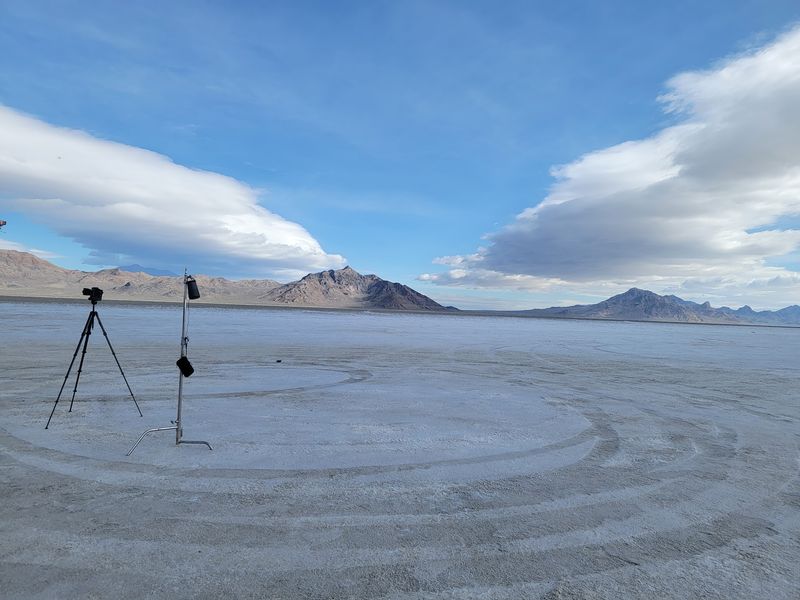
Standing on the Bonneville Salt Flats feels like stepping onto a different planet. The surface is hard, white, and almost perfectly flat, covering roughly 30,000 acres at the western edge of Utah’s Great Salt Lake Basin.
From a distance, the crust can look like fresh snow, but it is pure salt.
This ancient landscape is a remnant of Lake Bonneville, a massive prehistoric lake that once covered a large portion of modern-day Utah. When the lake dried up thousands of years ago, it left behind this extraordinary salt deposit.
Photographers love the flats for the mirror-like reflections that appear when a thin layer of water sits on the surface after seasonal flooding.
The Bureau of Land Management keeps the area open for recreation, though vehicle access can be limited when the surface is wet or during scheduled racing events. No admission fee is required to visit.
White Sands National Park, Alamogordo, New Mexico
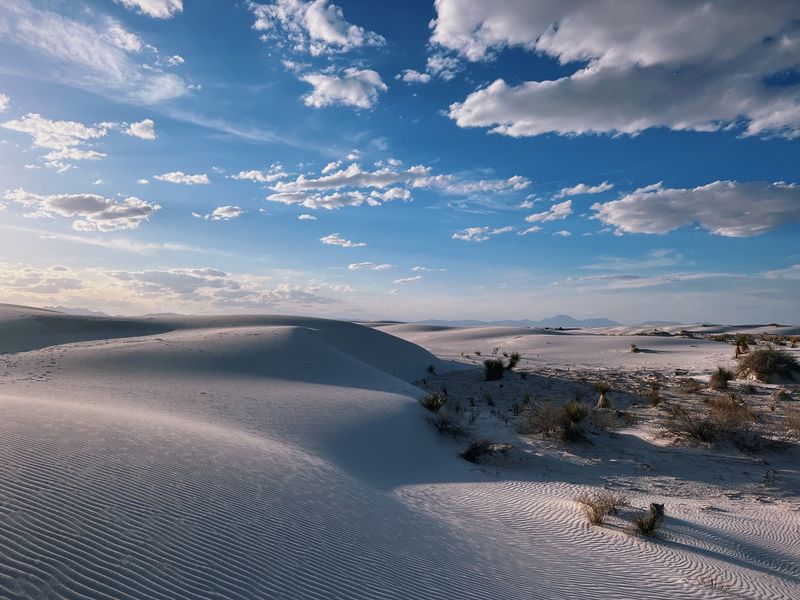
The dunes at White Sands are not made of ordinary sand. Every grain is gypsum, a soft white mineral that does not absorb heat the way quartz sand does, which means the dunes stay cool even on warm days.
That is one of those details that surprises almost every first-time visitor.
Wind constantly reshapes the dunefield, creating wave after wave of pale ridges across southern New Mexico. Visitors can walk directly into the landscape, follow marked trails, or bring a plastic sled and ride down the steeper slopes.
The park covers about 275 square miles, making it the largest gypsum dunefield in the world.
White Sands stays open throughout the year, though daily hours change seasonally and the park closes for brief periods during certain national holidays. Checking the park’s schedule before visiting is a smart move, especially during peak summer months when crowds can be significant.
Craters of the Moon National Monument, Arco, Idaho
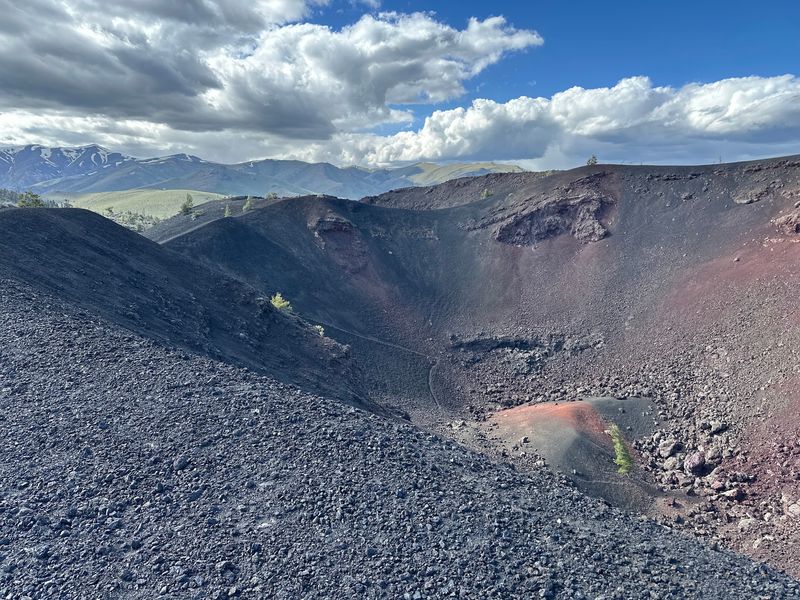
The name says it all. Craters of the Moon looks like a surface that has been scorched, twisted, and left to cool over thousands of years, which is essentially exactly what happened.
The monument protects vast fields of black basalt, cinder cones, volcanic fissures, and hardened lava flows in central Idaho.
The main lava field contains dozens of distinct flows produced by eruptions over the last 15,000 years. Visitors can walk trails across the volcanic terrain, peer into craters, and explore lava tube caves when conditions and permits allow.
The contrast between the dark rock and the surrounding sagebrush landscape is striking at any time of day.
The monument is open 24 hours a day throughout the year, which makes early morning or late evening visits especially atmospheric. The Loop Road has seasonal vehicle access, so checking ahead before a winter or early spring trip is a good idea.
Painted Hills, Mitchell, Oregon
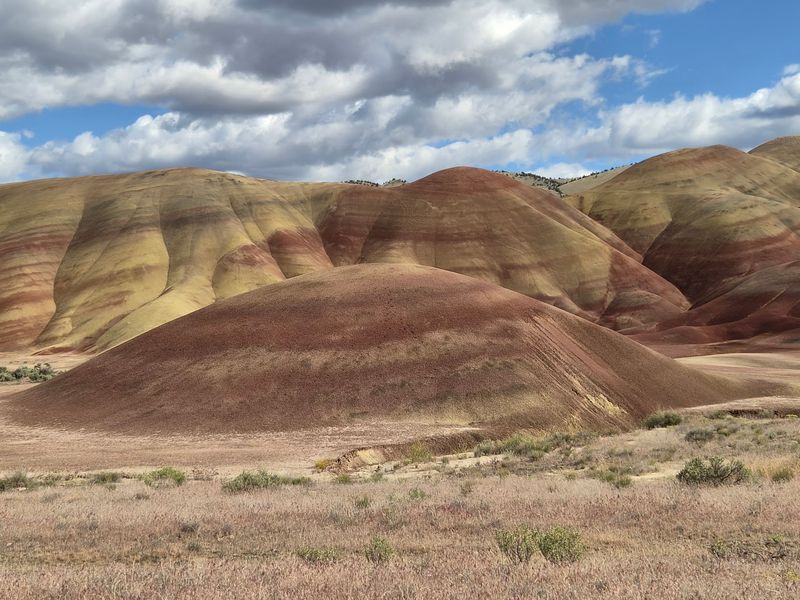
No painter created the colors at Painted Hills, but it is easy to see why the name stuck. Vivid bands of red, gold, black, and tan curve across gently rounded hills in one of the three units of John Day Fossil Beds National Monument in north-central Oregon.
The effect is bold enough to stop visitors in their tracks.
The colors formed from ancient soils that developed under dramatically different climate conditions millions of years ago. Each distinct layer represents a different era in the region’s geological history, essentially making the hillsides a visual timeline of prehistoric climate change.
Short trails and overlooks let visitors get close without damaging the fragile surface.
The Painted Cove Trail is a particular standout, with a boardwalk that passes close to intensely colored formations. The National Park Service currently lists the monument’s outdoor areas, trails, and overlooks as open following wildfire recovery work completed in 2026.
Great Sand Dunes National Park, Mosca, Colorado
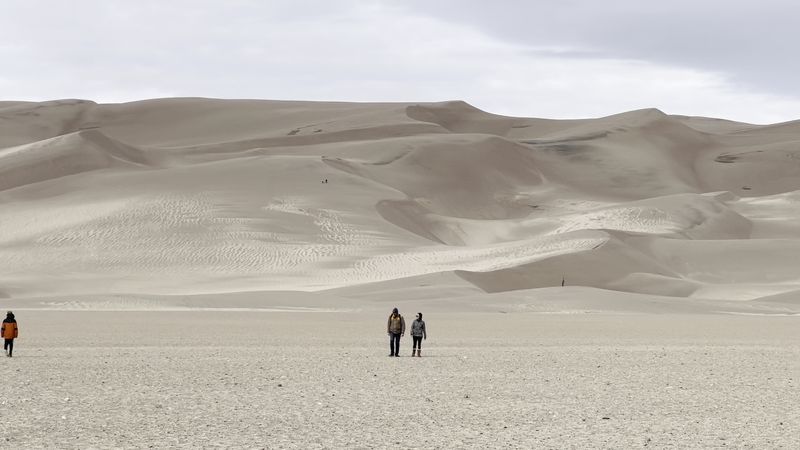
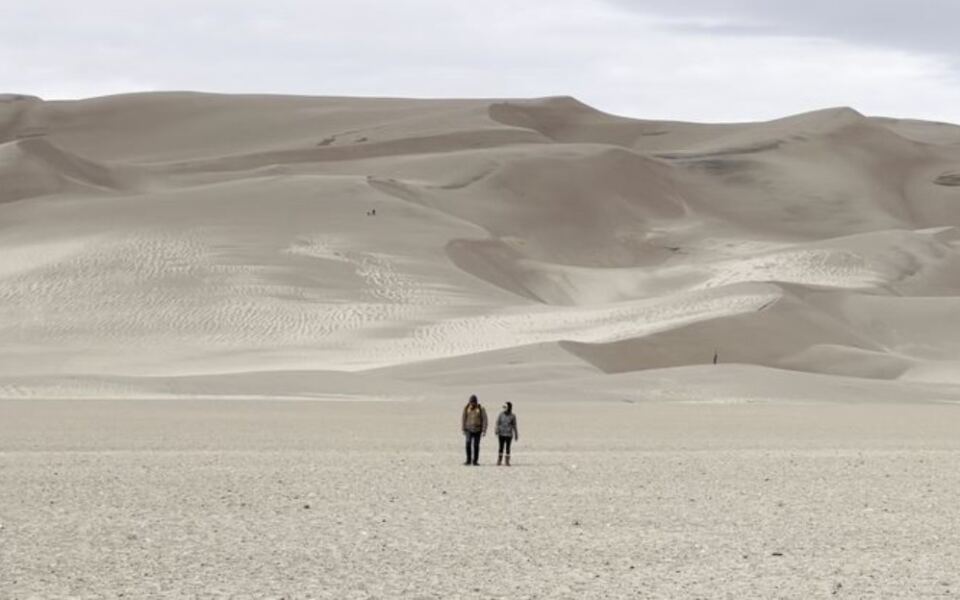
Colorado is known for mountains, but the state is also home to the tallest sand dunes in North America. Great Sand Dunes rise dramatically from the flat floor of the San Luis Valley, with some dunes reaching over 700 feet high.
The contrast between the towering sandy peaks and the surrounding grasslands is genuinely unexpected.
Unlike many protected landscapes where visitors must stay on established paths, the dunefield at Great Sand Dunes invites open exploration. People hike up steep ridges, climb to the highest points for sweeping valley views, and ride sandboards or sleds back down.
Wind continually reshapes the surface, so the landscape looks slightly different with each visit.
Medano Creek flows along the base of the dunes seasonally, creating a shallow wading area that is especially popular with families during late spring and early summer. The park is open 24 hours a day, seven days a week, throughout the year, with no reservations required for general entry.
Badlands National Park, Interior, South Dakota
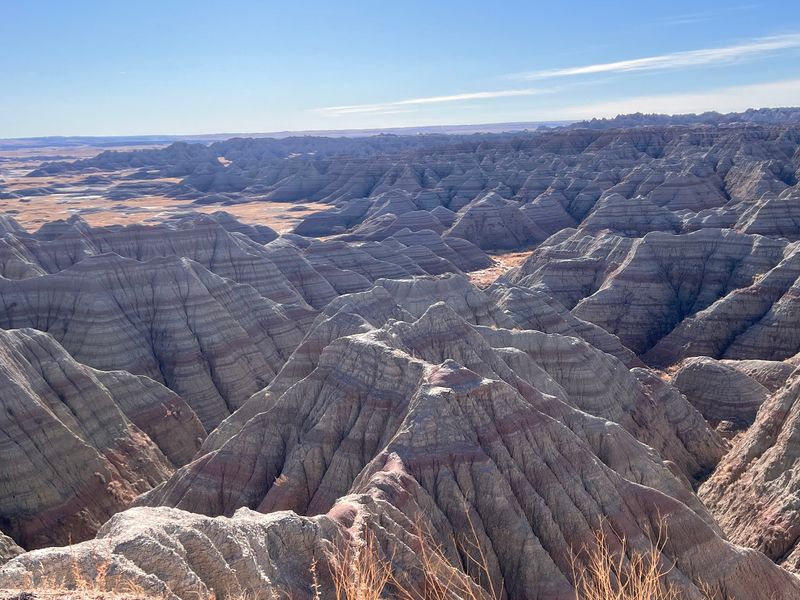
Erosion has been working on the Badlands for millions of years, and the results are extraordinary. Layers of sediment deposited by ancient seas, rivers, and floodplains have been carved into sharp ridges, gullies, pinnacles, and strangely colored formations that shift in appearance depending on the light and time of day.
The geological exposure here is remarkable. Visitors can see distinct bands of sediment that represent different periods in the region’s history, and the park contains one of the world’s richest fossil records from the Oligocene epoch.
Paleontologists have recovered fossils of ancient horses, rhinoceroses, and saber-toothed cats from the formations.
Scenic overlooks along the Badlands Loop Road provide sweeping views, while trails like the Notch Trail and the Castle Trail bring visitors directly into the eroded landscape. The park is open 24 hours a day throughout the year, though severe weather can occasionally close roads without much advance notice.
Salt Plains National Wildlife Refuge, Jet, Oklahoma
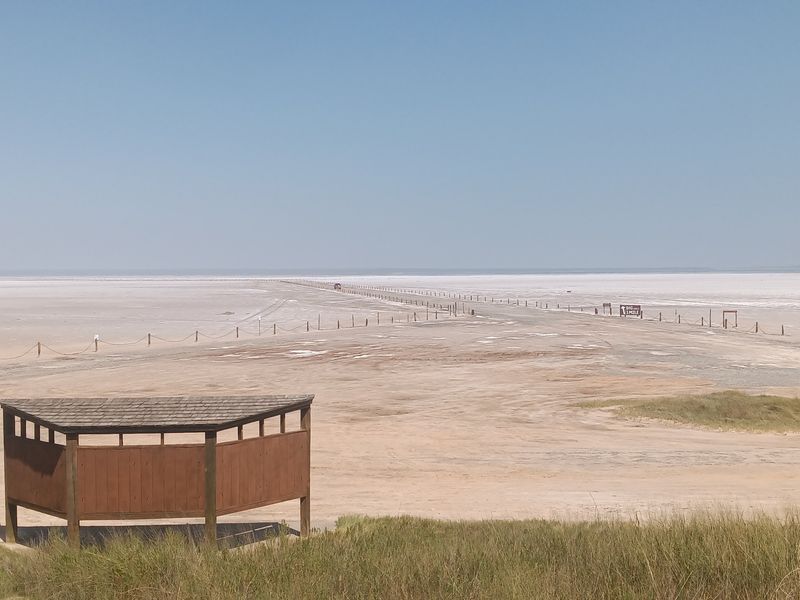
Few American natural areas let visitors actually dig into the ground and take something home. At Salt Plains National Wildlife Refuge in northwestern Oklahoma, a designated area allows visitors to search for hourglass-shaped selenite crystals buried just below the surface.
These crystals form naturally as groundwater moves through gypsum-rich layers beneath the salt flat.
The crystals get their distinctive hourglass shape from sand and clay trapped inside the mineral as it grows. Each one is unique, and finding them requires only a small shovel or garden trowel and a little patience.
The white salt surface stretching around the digging area is itself a remnant of an ancient inland sea.
For 2026, the crystal digging area is open from sunrise to sunset between April 1 and October 15. Visitors are allowed to collect up to three pounds of crystals per person per day within the designated zone.
Admission to the refuge is free.
Lava Beds National Monument, Tulelake, California
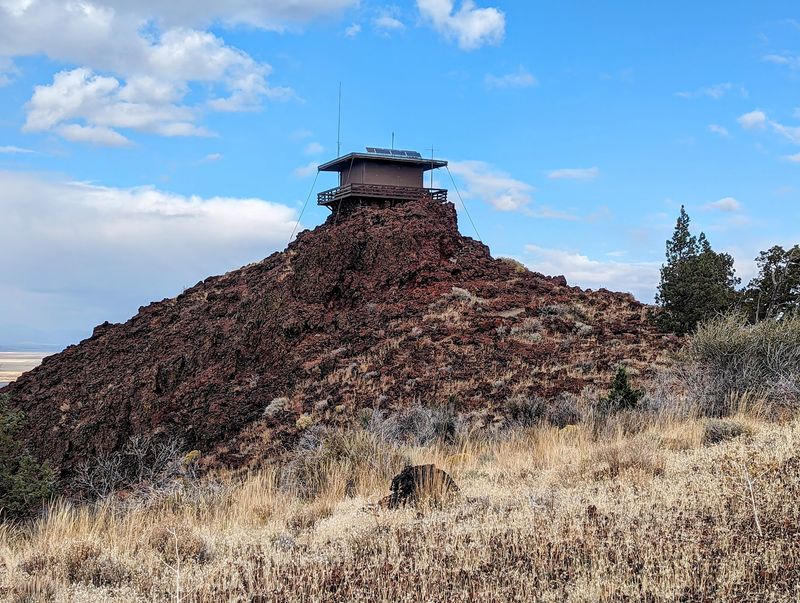
The surface of Lava Beds National Monument tells one story, but what lies beneath it tells another. Repeated volcanic eruptions built up thick layers of hardened basalt across this corner of northern California, and when the exterior of those flows cooled while molten material kept moving underneath, it left behind a network of lava tube caves.
More than 800 caves have been documented within the monument, making it one of the most significant lava tube systems in the country. Some are easy walks with minimal equipment needed, while others require helmets and lights for safe exploration.
The monument provides basic caving gear for rental at the visitor center.
Trails also cross cinder cones, spatter cones, and hardened lava fields above ground. Lava Beds is open year round, though individual caves may close temporarily for wildlife protection or safety reasons.
Checking current cave availability before visiting is recommended, especially if specific caves are on your list.
Blue Mesa, Petrified Forest National Park, Arizona
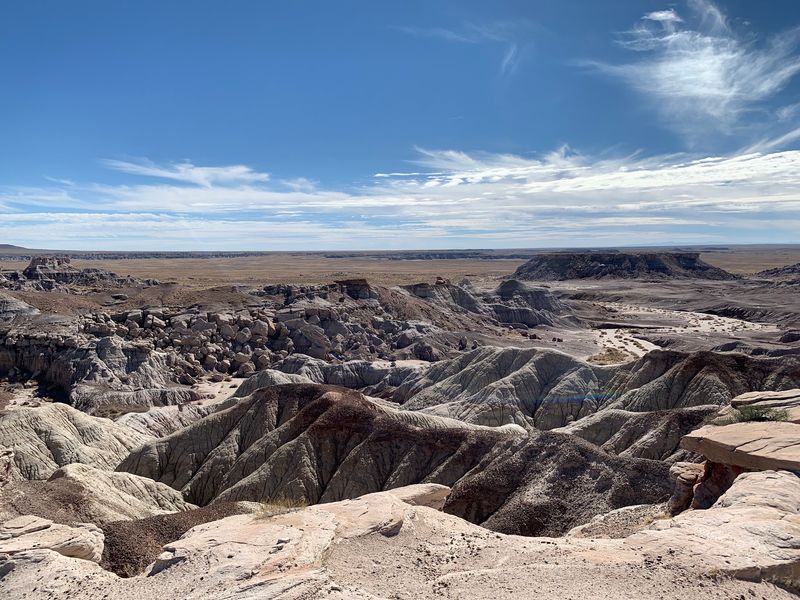
Blue Mesa sits inside Petrified Forest National Park and combines two of the park’s most unusual geological features in one place. The terrain is made up of brilliantly colored bentonite clay in shades of blue, purple, gray, and white, giving the landscape a distinctly otherworldly quality that photographs struggle to fully capture.
Scattered across this colorful terrain are enormous pieces of petrified wood, logs from ancient trees that fell millions of years ago and were gradually replaced by colorful quartz while retaining their original shapes. Some logs measure several feet in diameter and display vivid reds, oranges, and yellows within their cross sections.
A short trail descends from the rim into the mesa, placing visitors directly among the clay formations for a much more immersive experience than roadside overlooks alone can offer. Petrified Forest National Park is open year round except on Thanksgiving and Christmas, with current park road hours running from 8 a.m. to 5 p.m.
Mammoth Hot Springs Terraces, Yellowstone National Park, Wyoming
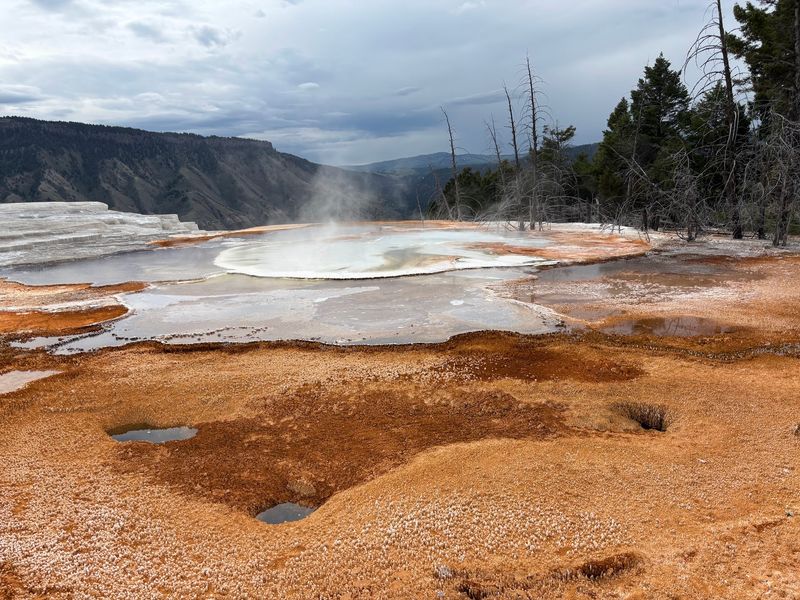
Yellowstone is famous for its geysers, but Mammoth Hot Springs offers something completely different. Hot water rises through limestone beneath the surface, dissolving calcium carbonate and carrying it upward before depositing it above ground as travertine.
Over time, those mineral deposits build into pale terraces that resemble enormous frozen waterfalls or layered mineral staircases.
Thermophilic microorganisms living in the warm water add streaks of orange, brown, yellow, and other colors to active areas, creating a landscape that looks almost artificially painted. Because underground water constantly finds new routes, the terraces change continuously.
Features that were active and colorful during one visit may be dry and pale on a return trip.
Boardwalks wind through both the Lower and Upper Terrace areas, allowing close access without disturbing the formations. Mammoth remains one of Yellowstone’s major developed areas, with facilities including lodging, dining, and a visitor center operating year round in the surrounding community.
Kasha-Katuwe Tent Rocks National Monument, Cochiti Pueblo, New Mexico
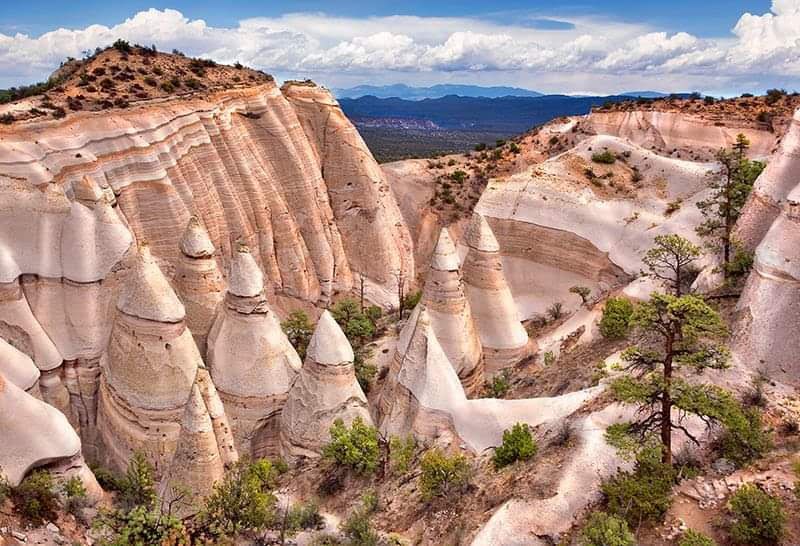
The tent rock formations at Kasha-Katuwe look like something a sculptor spent years carving. Volcanic eruptions millions of years ago deposited thick layers of ash, pumice, and tuff across this area of north-central New Mexico.
Erosion gradually worked through those deposits, leaving behind cone-shaped spires that can reach impressive heights while resting on narrower bases.
Hiking through the monument puts visitors directly inside the geology rather than above it. The canyon trail passes through a slot canyon so narrow in places that hikers must turn sideways to pass through, then opens up onto a mesa with wide views of the surrounding landscape.
The combination of tight passages and open vistas makes the route genuinely varied.
After a period of seasonal closure, the monument reopened in February 2026. Visitation is currently reservation only, with a limited number of daily tickets available in advance through the recreation permit system.
Planning ahead is essential, especially on weekends.
Bisti Badlands, Farmington, New Mexico
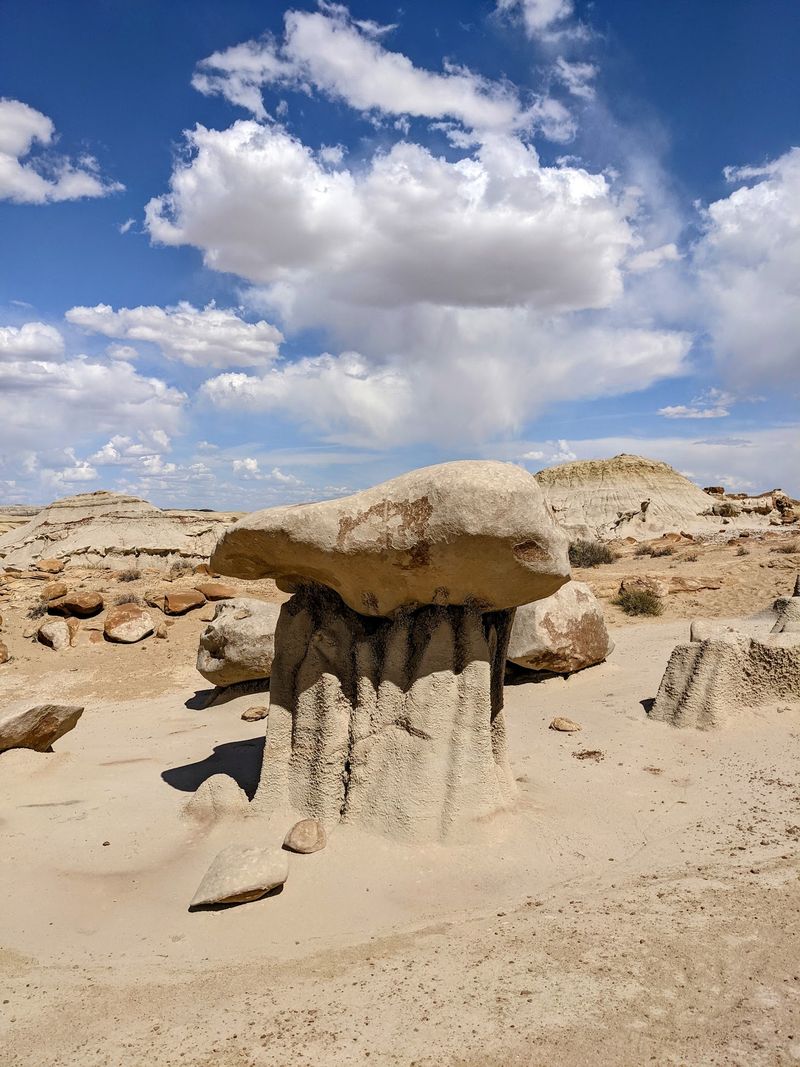
The Bisti Badlands earn their reputation as one of the strangest erosion landscapes in the American Southwest. Sandstone, shale, mudstone, coal, and silt have weathered over millions of years into hoodoos, balanced formations, cracked surfaces, and oddly shaped stone towers that seem to defy basic logic about how rock is supposed to behave.
Petrified wood and fossils also appear throughout the wilderness, adding another geological dimension to what is already a remarkable landscape. Because there are few developed trails, visiting feels more like genuine exploration than a conventional park experience.
Navigation by map or GPS is recommended, since the terrain can look similar in multiple directions.
The Bureau of Land Management lists Bisti/De-Na-Zin Wilderness as open year round, but unpaved access roads can become impassable after significant rain or snow. Visiting during dry weather and wearing sturdy footwear are both practical considerations.
Admission is free, and no permit is currently required for day use.
Goblin Valley State Park, Green River, Utah
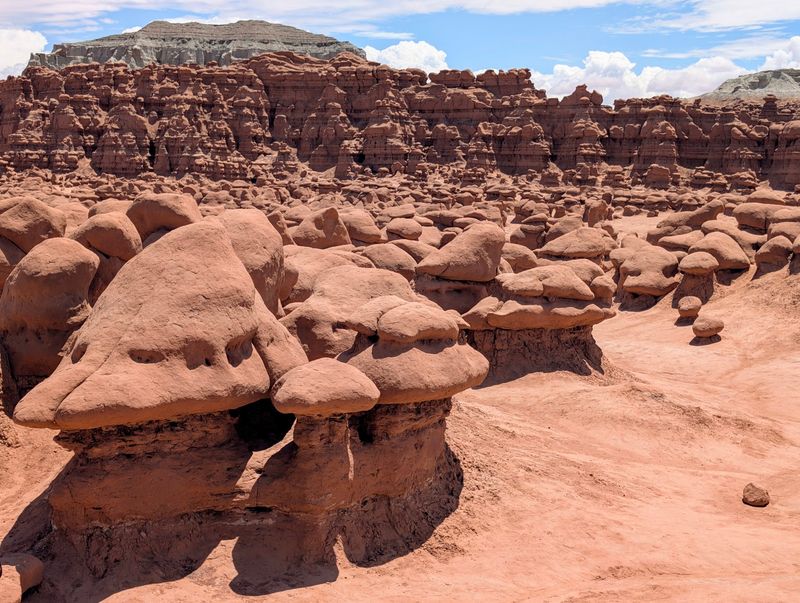
Goblin Valley gets its name from thousands of squat sandstone formations scattered across the desert floor, many of which resemble mushrooms, creatures, or small stone figures. The effect is genuinely playful, like wandering through a landscape designed by someone with a very specific sense of humor.
The formations developed as softer layers of sandstone eroded away around harder caps, gradually leaving behind the rounded, stem-like shapes that fill the valley. Unlike many fragile geological areas where visitors must stay on established paths, portions of Goblin Valley allow open wandering directly among the formations.
That freedom to roam makes the terrain itself the experience rather than a distant view of it.
Utah State Parks currently lists the Valley of the Goblins and hiking trails as open, with the park operating daily from 6 a.m. to 10 p.m. Stargazing here is also exceptional due to the remote location and minimal light pollution, making an evening visit well worth considering.
Share this story