Petra and Machu Picchu get all the fame, but the ancient world is packed with wonders that few travelers ever see. Some sit on windy plateaus, others hide in deserts, forests, and farm fields.
You will meet abandoned capitals, pyramid fields, and temples carved straight out of cliffs. Ready to add some fresh names to your travel wish list?
Ani, Türkiye
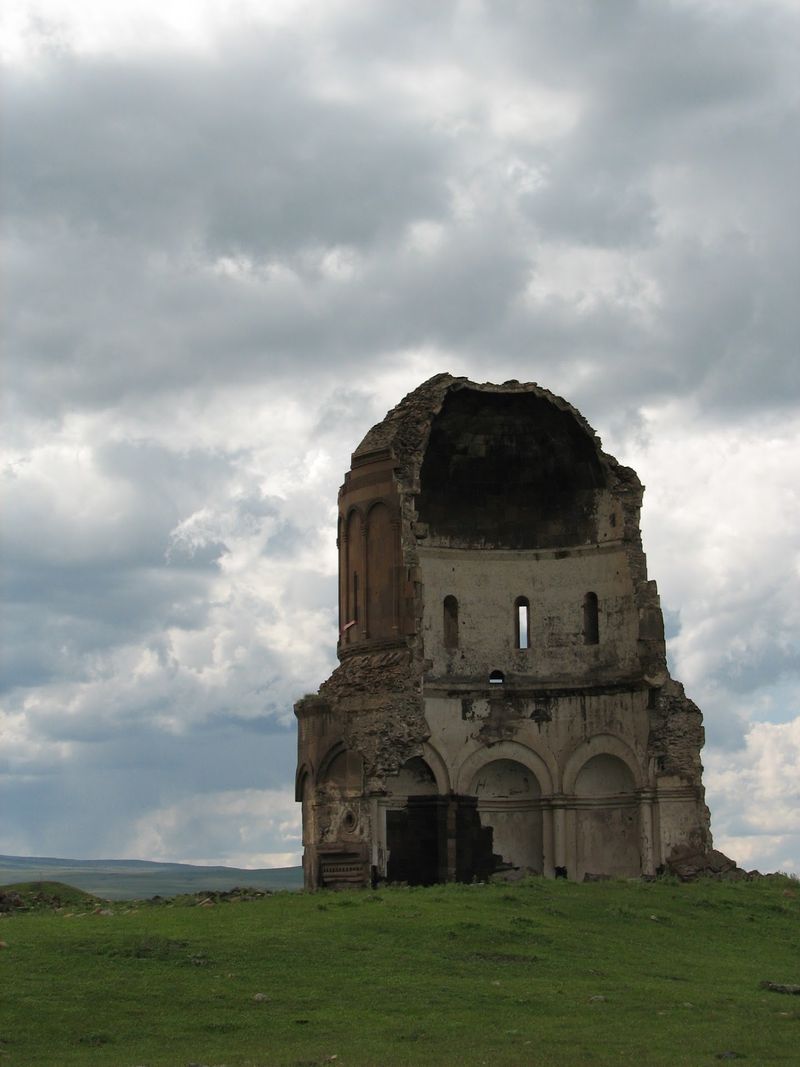
Silence is the first thing you notice at Ani. Wind sweeps across a grassy plateau in northeastern Türkiye, and stone churches stand alone like forgotten chess pieces.
The city lived for about 2,500 years, but its best days came in the 10th and 11th centuries. As capital of the Armenian Bagratid kingdom, it grew rich from a branch of the Silk Roads.
Walk the site today and you will find churches, fortifications, palaces, a cathedral, a mosque, and the remains of a bridge. Armenian, Byzantine, Seljuk, Georgian, and Islamic styles overlap here, so each wall seems to tell a different story.
Hard times arrived in waves. Mongol attacks, changing trade routes, and a powerful earthquake in 1319 all took a toll.
By the 18th century, Ani was mostly empty.
Bring a hat and plenty of water, because shade is rare. The ravine edge also marks the border with Armenia, so you can gaze across to another country while standing in a ghost capital.
Visit in the early morning for soft light and the best chance of having entire streets to yourself.
Hegra, Saudi Arabia
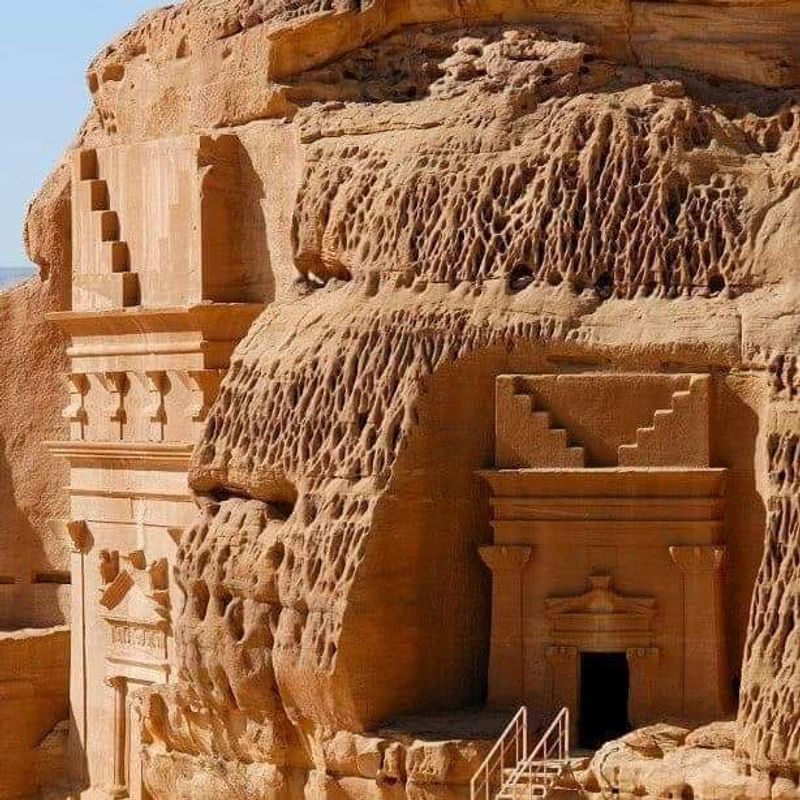
Picture Petra’s quieter cousin, set free in the open desert. Hegra was built by the same Nabataean people, yet far fewer visitors know its name.
It was the first site in Saudi Arabia to join UNESCO’s World Heritage List. Its landscape holds 111 monumental tombs, and 94 of them have decorated fronts.
Most date from the first century B.C. to the first century A.D.
Some tombs rise from the sand as giant carved faces on lonely rock. Qasr al-Farid is the star, standing apart like a stage set with no audience.
Look closely at the wells and water works too. They show how clever the builders were at finding and saving water in a very dry land.
Hegra was the largest Nabataean site south of Petra. Caravans carrying incense and other goods passed through northwestern Arabia, and this town helped keep that trade moving.
Plan to see it with a guide, since access is organized through official tours.
Ancient Merv, Turkmenistan
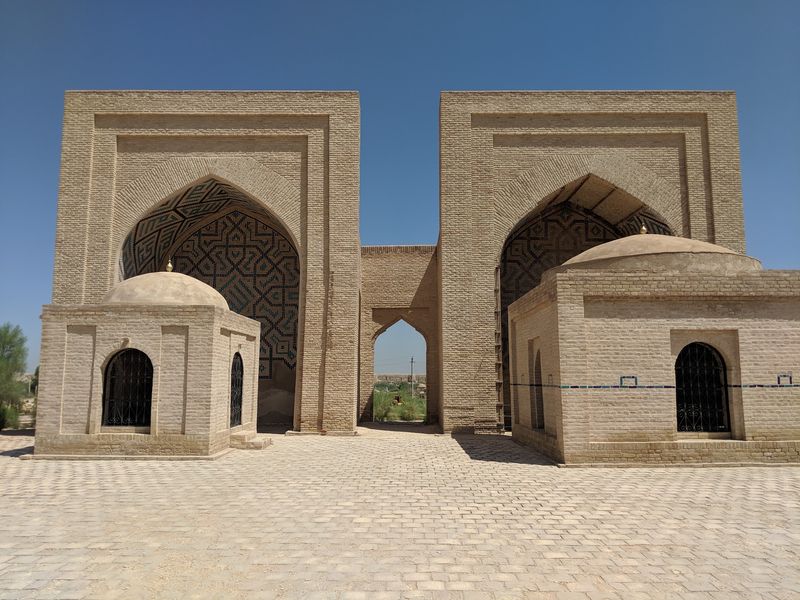
Here is a quirky fact: Merv is not one city but several, built side by side. As rulers and river channels shifted, people simply started a new town next door.
UNESCO calls it the oldest and most complete group of oasis cities on the Central Asian Silk Roads. Settlement here goes back to the third millennium B.C.
The biggest chapters came later. In the early ninth century, Merv became a capital of the Arab Caliphate.
In the 11th and 12th centuries, it served as a capital of the Great Seljuk Empire.
Today the site is a huge archaeological park near the modern city of Mary. Giant walls, mausoleums, fortresses, and mounds spread across the plain.
Instead of one tidy reconstructed town, you get layers of history laid out like pages in a very dusty book. Allow plenty of time, since distances are big and the terrain is open.
A car or a guide makes getting around much easier.
Takht-e Soleyman, Iran
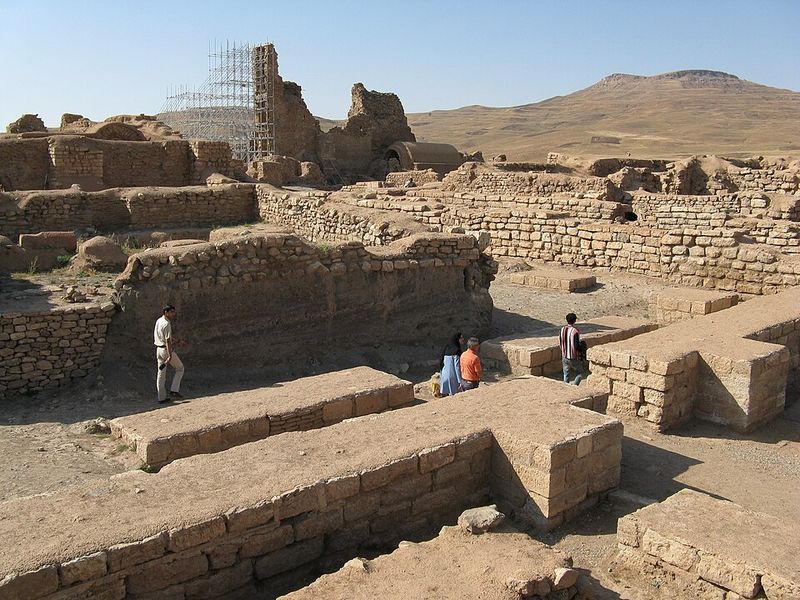
A turquoise lake sits on top of a volcanic plain, and an ancient sanctuary wraps around it. That unusual setting made Takht-e Soleyman holy for about 2,500 years.
Water, fire, mountains, and volcanic rock all blended into religious life here. It is easy to see why people felt something sacred in the place.
During the Sasanian period, it became the main sanctuary of Zoroastrianism. The site holds a royal complex, a major fire temple, and a temple linked to Anahita, a divinity of water.
The fortified oval platform rises about 60 meters above the plain. It measures roughly 350 by 550 meters, which is big enough to feel like a small mountain city.
In the 13th century, the Ilkhanid Mongols rebuilt parts of it. UNESCO notes that its design ideas later influenced Islamic religious buildings.
Pack layers, because the high plateau can turn chilly even in summer.
Meroe, Sudan
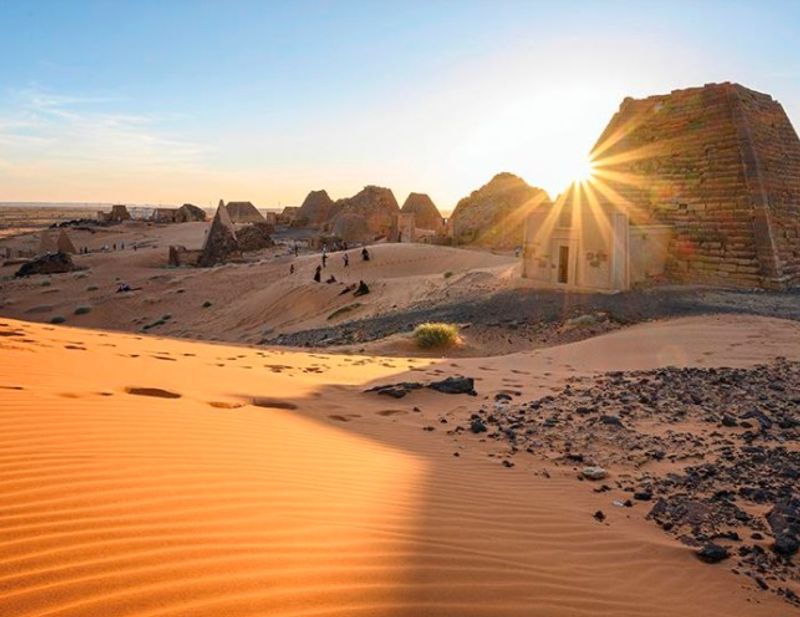
Forget Egypt for a moment. Hundreds of kilometers to the south stands another pyramid landscape, built by a different African civilization.
Meroe was the heart of the Kingdom of Kush. This powerful state thrived from about the eighth century B.C. to the fourth century A.D.
The UNESCO property includes the royal city and burial grounds at Meroe. It also covers the religious centers of Naqa and Musawwarat es-Sufra.
Pyramids, temples, palaces, workshops, and water systems show a society that linked sub-Saharan Africa with Egypt, the Mediterranean, and the Middle East. Kushite rulers even controlled Egypt for close to a century.
The pyramids here are slimmer and steeper than Egypt’s, and they stand in clusters on the sand. Sudan’s ongoing conflict has created serious travel and heritage concerns.
UNESCO has supported emergency protection for Meroe in recent years, so check current conditions and advice before ever planning a trip.
Butrint, Albania
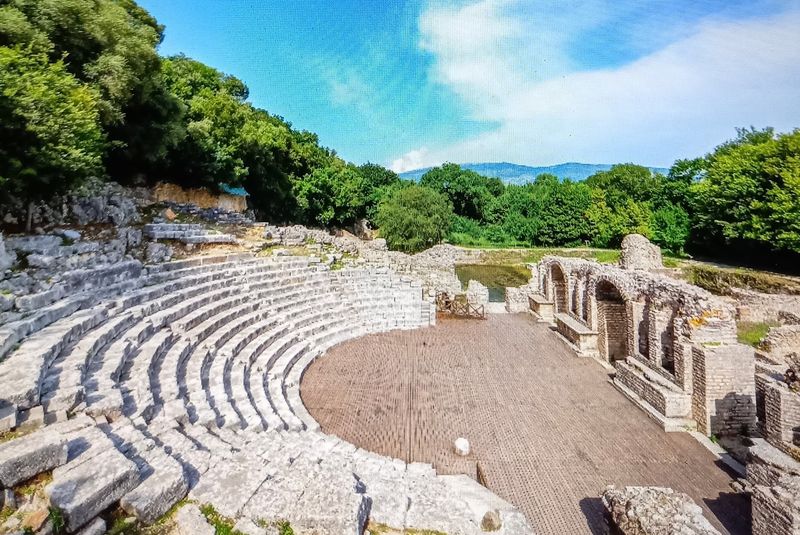
Tangled in green forest and calm wetlands, Butrint feels like a secret the Mediterranean forgot to tell anyone. Yet this small spot in southern Albania holds a remarkable stack of history.
People lived here from prehistoric times. Later it became a Greek settlement, then a Roman city, and then a Christian bishopric.
You can spot a Greek theater, Roman buildings, early Christian structures, fortifications, and later Venetian remains. Water and woodland frame them all, so every photo looks like a postcard.
Butrint did well under Byzantine rule. Then environmental changes created marshes around the town, and it faded.
By the late Middle Ages, it was mostly abandoned.
UNESCO points out that the site’s isolation protected it from the heavy development that changed many other Mediterranean places. Wear comfortable shoes, since paths wind through uneven ground.
A shady walk here is a pleasant change from crowded ruins elsewhere.
Volubilis, Morocco
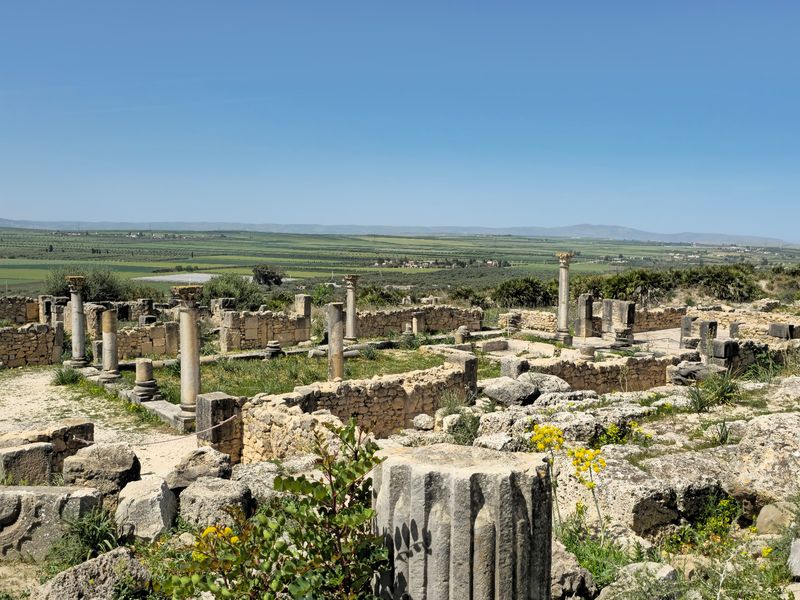
Roman columns poking out of wheat fields is not a sight you see every day. Volubilis sits in open farmland below Jebel Zerhoun, not inside a busy modern city.
It began as a Mauritanian center by the third century B.C. Later it became an important Roman outpost in North Africa.
The ruins cover about 42 hectares. You will find mosaics, monumental gateways, houses, public buildings, inscriptions, and streets that show both Roman city life and local North African culture.
After Roman authority faded, people kept living here. Volubilis even became linked with Idris I, founder of Morocco’s Idrisid dynasty.
UNESCO notes that the site then stayed unoccupied for nearly a thousand years. That long quiet helped keep its remains authentic.
Look down as you walk, because the mosaic floors still hold bright scenes. Spring is a lovely time to visit, when the surrounding fields turn green.
Timgad, Algeria
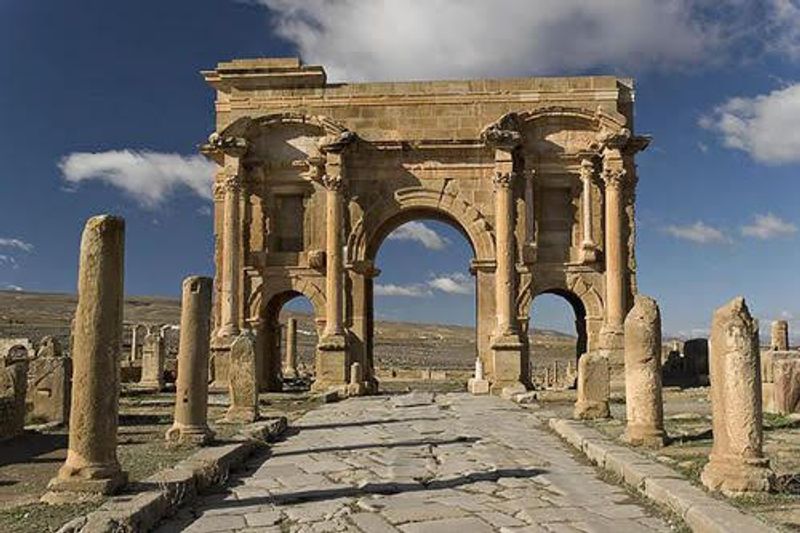
Timgad was designed with a ruler and a plan, and it shows. Few places in North Africa display Roman city planning this clearly.
Emperor Trajan founded it around A.D. 100 as a military colony. It sits on the northern slopes of Algeria’s Aurès Mountains.
The original town followed a tidy grid inside a roughly square outline. Two main streets, the cardo and the decumanus, crossed at its heart.
Temples, baths, houses, markets, and public buildings fit around them.
As Timgad grew rich, it spilled past its first walls. New neighborhoods sprouted outside the neat square.
Today you can still see the paving, columns, theater, triumphal arch, and long streets. Standing at ground level, you can grasp the layout almost at once.
UNESCO calls it an excellent example of Roman urban planning. Walk the main street toward the arch for the best view, and bring a map to track the grid.
Great Zimbabwe, Zimbabwe
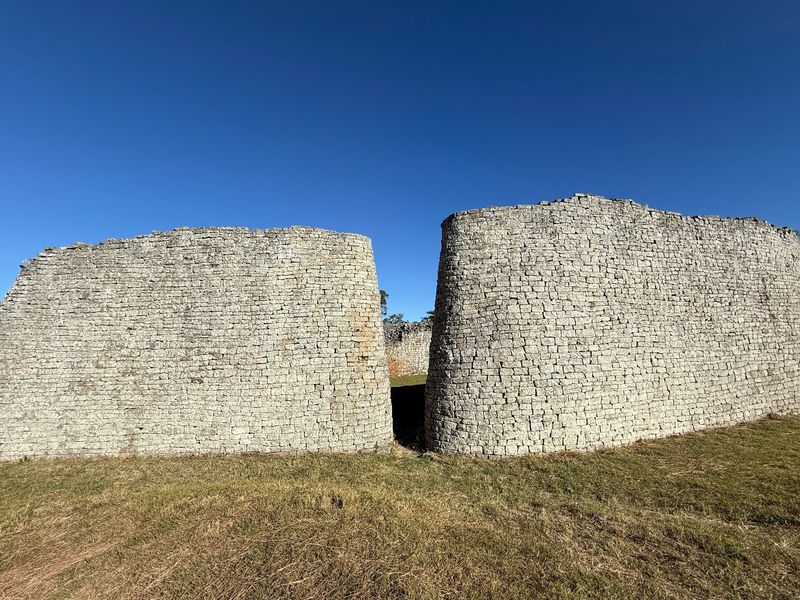
Not a single drop of mortar holds these giant walls together. Great Zimbabwe’s builders stacked granite blocks so skillfully that many walls still stand.
UNESCO dates its major flourishing to roughly the 11th through 15th centuries. It was a key political and trading center tied to the ancestors of the Shona people.
The ruins cover close to 80 hectares. The Great Enclosure holds some of the finest masonry, while the Hill Complex sits on a granite rise above the land.
Evidence links the city to trade networks reaching toward the Indian Ocean. Wealth flowed in from far away, and the stone walls reflect that power.
The scale of the site also overturns old colonial-era claims that local societies could not have built such complex stone architecture. They clearly did.
Climb the hill early for cooler air, then stroll down to the enclosure as the light changes on the stone.
Khami, Zimbabwe
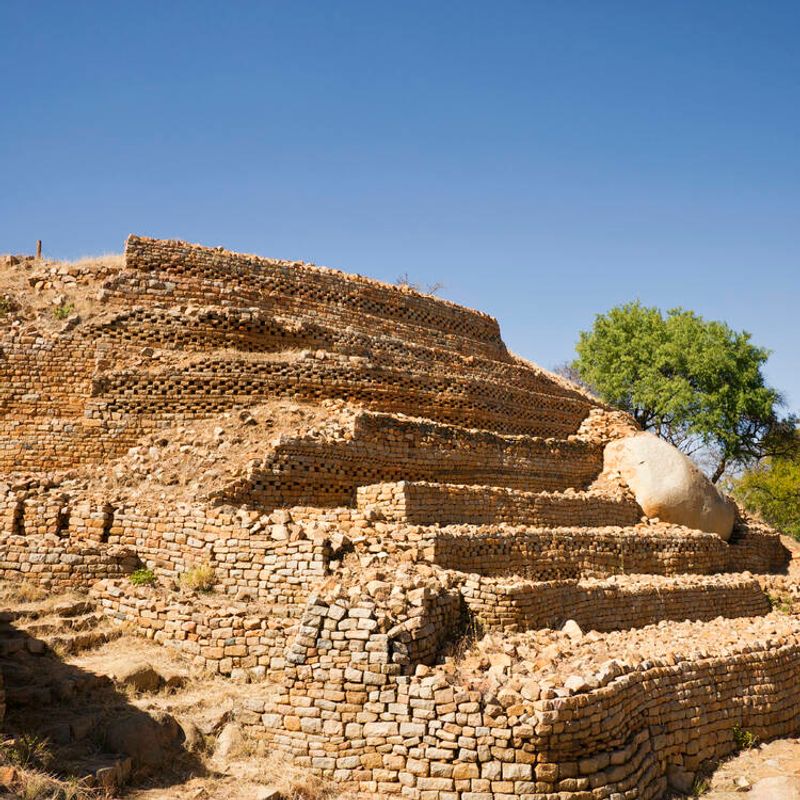
If Great Zimbabwe is the famous big sibling, Khami is the quiet one with a secret talent: patterned walls.
It rose after Great Zimbabwe’s political decline and became the capital of the Torwa state in the 15th century. UNESCO describes stone-walled platforms and terraces where houses once stood.
The ruins lie near Bulawayo, but they draw far fewer international visitors. That means more room to wander and look closely at the stonework.
The standout feature is dry-stone walling decorated with neat geometric designs. Each pattern was carefully arranged, giving the terraces a handmade, almost stitched look.
Khami stayed politically important for centuries and kept taking part in long-distance trade. Conservation teams have worked to steady walls and improve drainage, since erosion keeps threatening the terraces.
A visit here adds another chapter to Zimbabwe’s story before colonial times. Pair it with a local guide to hear the names and stories behind each platform.
Ellora Caves, India
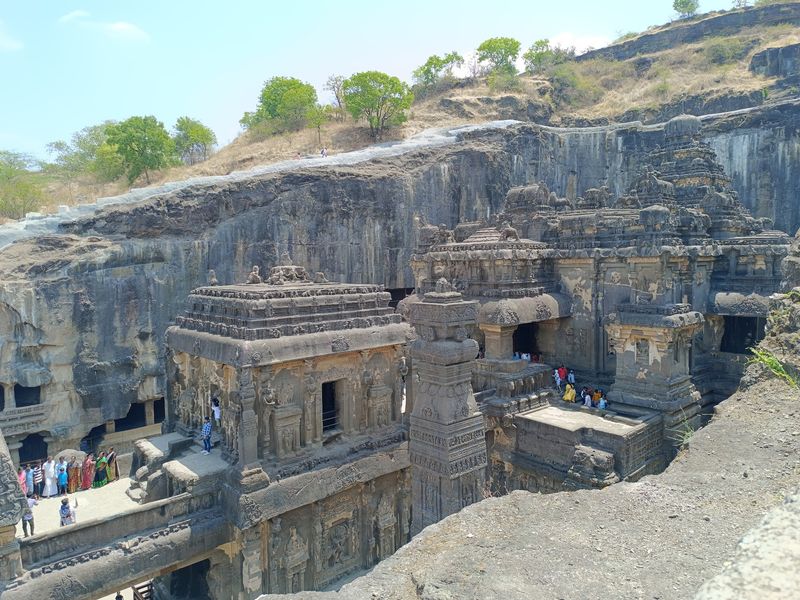
Imagine carving a temple by taking away the mountain around it. That is exactly what the builders of Cave 16 did at Ellora.
The cliff stretches more than two kilometers. Its 34 major monasteries and temples were cut into basalt between about A.D. 600 and 1000, with more work later.
Buddhist, Hindu, and Jain sanctuaries share the same rock. Few places show three faiths living side by side so clearly.
The Kailasa Temple is the showstopper. Workers removed enormous amounts of stone from the top down until a freestanding temple complex appeared from one mass of rock.
UNESCO calls it an extraordinary technological achievement.
Inside, you will find sculptures, halls, shrines, and surviving paintings. You can move from one tradition to another with just a short walk.
Start with the Buddhist caves, then end at Kailasa for a grand finish. Go early to beat the heat and the crowds.
Rock-Hewn Churches of Lalibela, Ethiopia
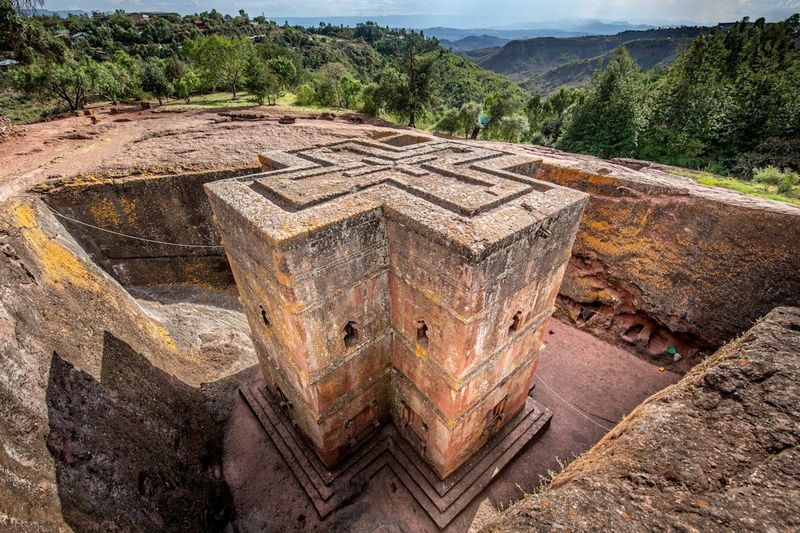
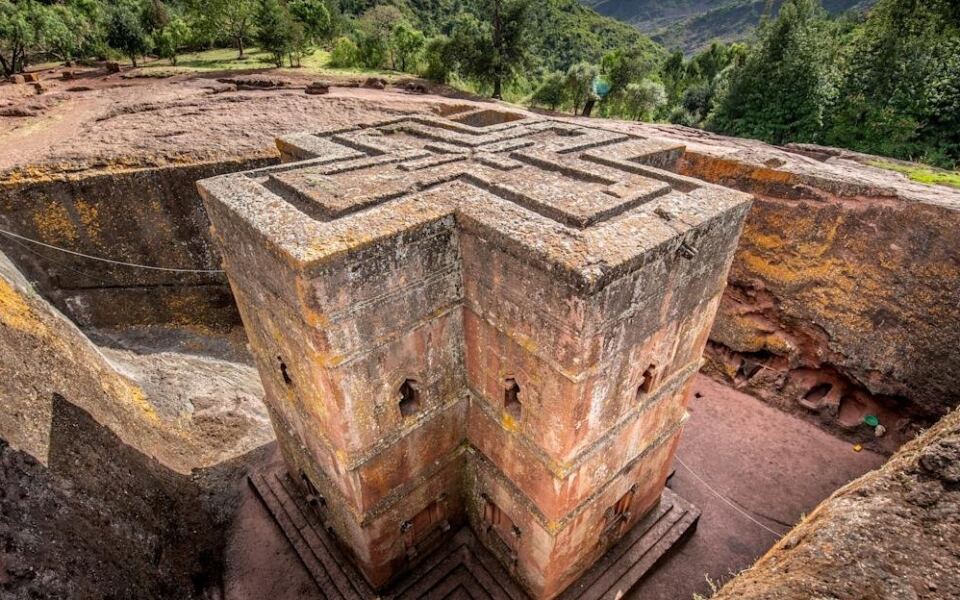
Down, not up. Lalibela’s builders carved their churches into the ground, freeing each one from solid volcanic rock.
UNESCO credits the group of 11 rock-hewn churches mostly to King Lalibela of the Zagwe dynasty. He ruled in the late 12th and early 13th centuries.
Trenches, tunnels, passageways, hermit caves, and catacombs link the churches together. Moving between them feels like exploring a sacred maze just below the surface.
Bet Giyorgis is the easiest to recognize. Seen from above, it forms a perfect cross sunk into its pit.
Other churches hold basilica-style interiors, carved figures, paintings, and spaces for worship. Unlike many ancient sites, Lalibela is not a museum.
It is still a living pilgrimage center, so prayers and chants echo inside the stone.
Dress modestly, expect to remove your shoes, and move quietly. The best times to visit are during major religious festivals, though lodging fills up fast.
Anuradhapura, Sri Lanka
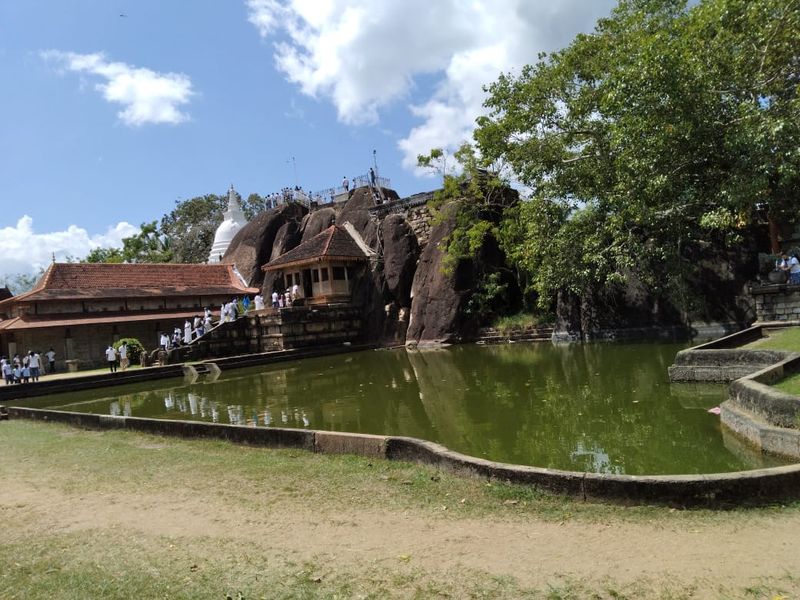
It all started with a tree cutting. According to Buddhist tradition, a branch of the Bodhi tree linked to the Buddha’s enlightenment arrived in Sri Lanka in the third century B.C., and a sacred city grew around it.
Anuradhapura flourished for roughly 1,300 years. It collected monasteries, palaces, reservoirs, enormous brick stupas, and ceremonial complexes along the way.
An invasion in A.D. 993 helped end its political dominance. Over time, the abandoned city was reclaimed by vegetation.
Today the monumental stupas and wide ruins spread across a broad landscape. Some of the domes are so large they look like hills made by hand.
The city is still one of Sri Lanka’s most important Buddhist pilgrimage centers. Visitors often see people in white carrying flowers to the shrines.
Rent a bicycle to cover the distances, wear clothes that cover shoulders and knees, and take off your shoes at sacred spots.
Share this story