Cities are growing faster than ever, and some have ballooned into colossal urban regions that are almost impossible to wrap your head around. The United Nations released its World Urbanization Prospects 2025, using a smarter, more consistent method to measure cities across the globe.
Under this new system, the rankings look surprisingly different from older lists, with Jakarta now claiming the top spot and Asian megacities dominating the chart. These 13 urban giants represent the biggest, boldest, and most breathtaking concentrations of human life on Earth today.
Dhaka, Bangladesh
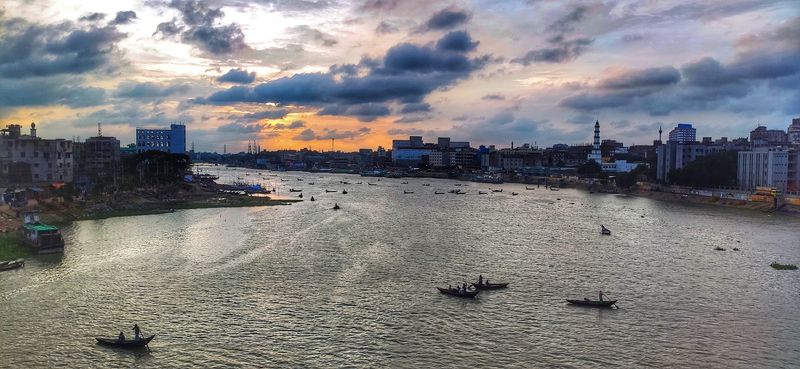
Dhaka might be the most dramatic growth story in modern urban history. The UN estimates it held around 17.4 million residents in 2000, and by 2025 that number had ballooned to approximately 36.6 million.
That means Dhaka more than doubled its population in just 25 years, a pace that is genuinely hard to picture.
Sitting along the Buriganga River, Dhaka serves as Bangladesh’s political, commercial, and manufacturing heartbeat. Workers pour into the city from rural areas seeking jobs, opportunity, and a better shot at a stable life.
Development has pushed outward in every direction from the historic core, creating a sprawling urban network of neighborhoods, factories, and markets.
The UN’s projections for Dhaka’s future are jaw-dropping. By 2050, it is expected to reach approximately 52.1 million people, potentially claiming the title of the world’s largest city.
Few places on the planet better illustrate how quickly Asian cities are reshaping global urban geography. Dhaka is not just growing; it is redefining what growth looks like.
Tokyo, Japan
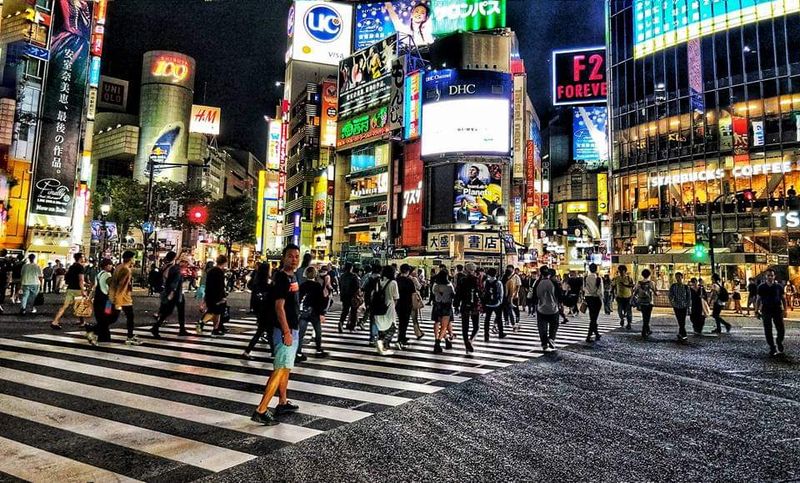
For decades, Tokyo wore the crown as the world’s most populous city without anyone seriously challenging it. Under the UN’s updated 2025 methodology, it now ranks third with approximately 33.4 million inhabitants.
Losing the top spot does not make Tokyo any less extraordinary; the numbers alone are still enough to leave most people speechless.
The urban region fans out far beyond central Tokyo, connecting through an extraordinary railway network to communities around Tokyo Bay and neighboring prefectures. Millions of people commute daily across this web of trains with clockwork precision.
The system is so reliable that delays of even a few minutes trigger public apologies from rail operators.
What makes Tokyo especially fascinating compared to other cities on this list is its trajectory. The UN projects its population will dip to about 30.7 million by 2050, sliding to seventh place globally.
Tokyo and Seoul are the only cities in the 2025 global top 10 expected to shrink by mid-century. It is a rare case of a megacity choosing quality of life over endless expansion.
New Delhi, India
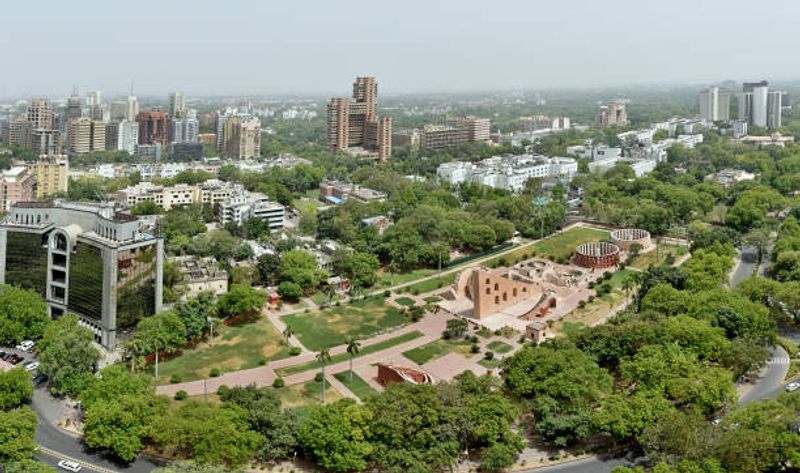
History and hypergrowth collide spectacularly in New Delhi, where Mughal-era monuments share space with one of the planet’s largest modern metropolises. The wider urban area reached an estimated 30.2 million people in 2025, placing it fourth in the UN’s global ranking.
That is a city bigger than most countries, packed into a region that keeps expanding outward year after year.
Delhi’s story stretches back centuries. Mughal emperor Shah Jahan established the walled city of Shahjahanabad in the 17th century, and the British announced their decision to shift India’s colonial capital from Calcutta to Delhi in 1911.
Layer upon layer of history has been absorbed into today’s enormous metropolitan region, creating a city where the ancient and the ultramodern exist side by side.
Delhi Tourism highlights three UNESCO World Heritage monuments within the capital: Qutb Minar, Humayun’s Tomb, and the Red Fort. Tourists can visit a 12th-century minaret in the morning and explore a glass-and-steel shopping mall by afternoon.
New Delhi is essentially a living museum that somehow also functions as a roaring 21st-century megacity.
Shanghai, China
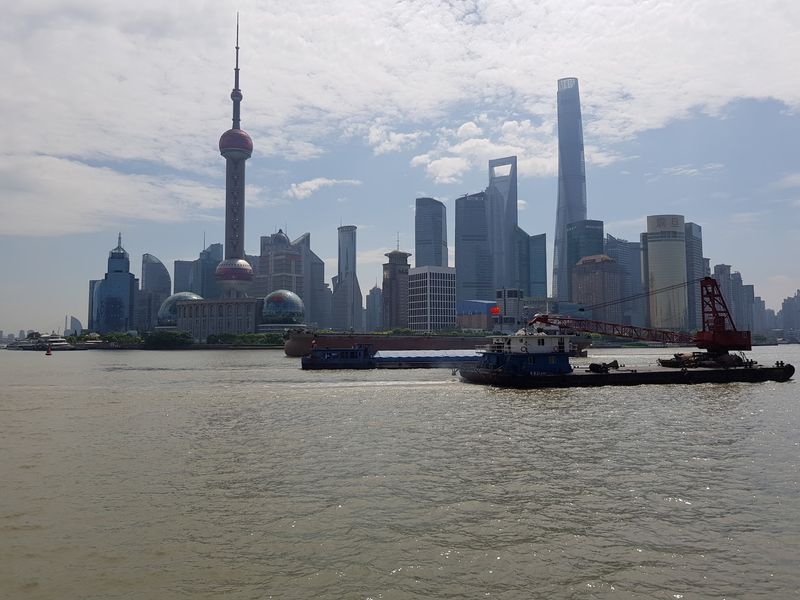
Stand on the historic Bund and look across the Huangpu River at Pudong, and you get a front-row seat to one of the most visually striking transformations any city has ever pulled off. Shanghai ranks fifth globally with approximately 29.6 million residents in 2025, more than double the roughly 14 million estimated for the city back in 2000.
That pace of growth is remarkable even by China’s standards.
Shanghai’s rise reflects its central role as one of China’s most important commercial, financial, manufacturing, and port hubs. Goods flow through its port in volumes that stagger the imagination, and its financial district handles transactions connecting markets across the globe.
The city essentially serves as China’s window to the world economy.
Among the current global top 10, the UN expects Shanghai to show some of the strongest continued growth over the coming decades. Its population is projected to climb to approximately 34.9 million by 2050, lifting it from fifth to third place worldwide.
Shanghai is not just keeping pace with the future; it is actively building it, one skyscraper and shipping container at a time.
Jakarta, Indonesia
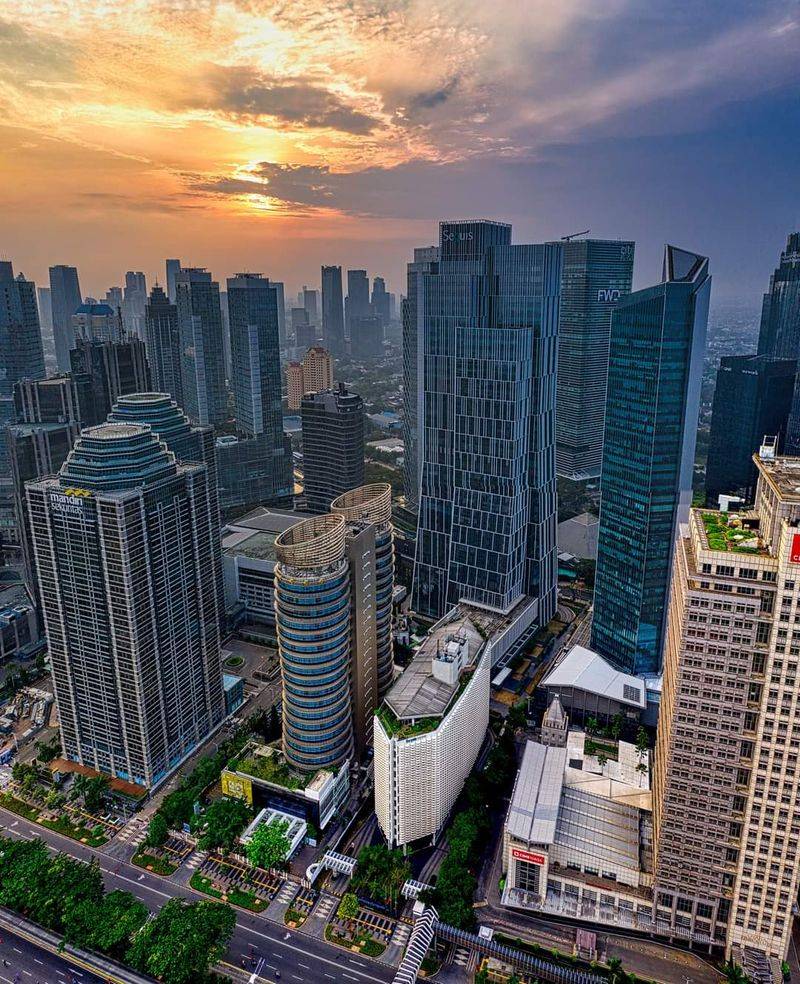
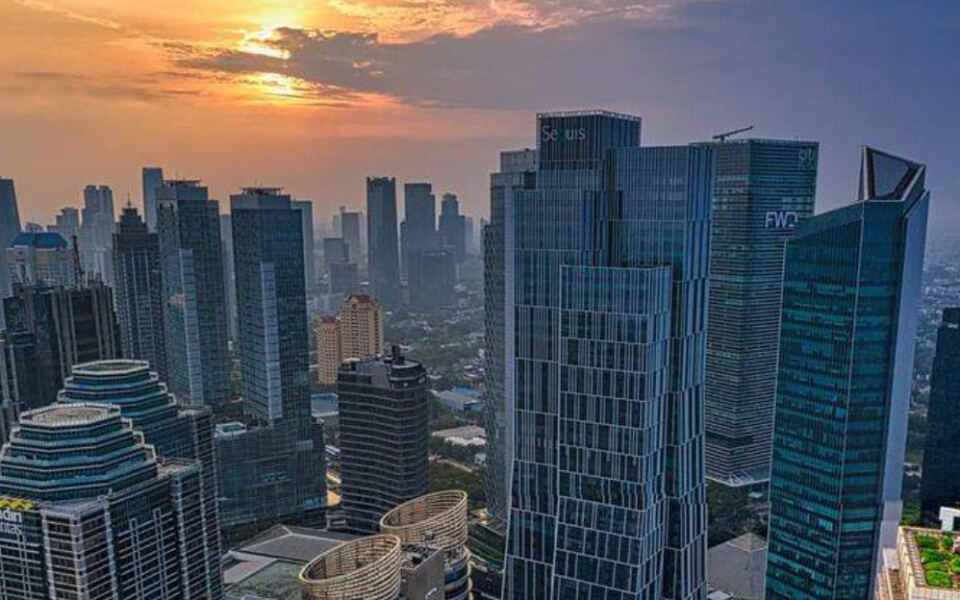
No city on Earth holds more people under one continuous urban roof than Jakarta, which the UN’s 2025 ranking places firmly at number one with a staggering 41.9 million residents. That figure blew past older estimates, which had projected only around 12 million for the same year.
The difference comes from the UN’s new method, which counts dense built-up communities stretching well beyond Jakarta’s official city limits.
Jakarta’s enormous urban region spreads across western Java, pulling in surrounding municipalities that are physically and economically tied to the capital. Think of it less like a single city and more like a massive urban organism constantly absorbing what surrounds it.
Markets, highways, railways, and millions of daily commuters stitch the whole region together.
By 2050, the UN projects Jakarta could reach roughly 51.8 million people, though Dhaka is expected to eventually overtake it. Right now, no other city comes close to matching Jakarta’s sheer scale.
It is a place that rewrites your understanding of what a city can actually be.
Guangzhou, China
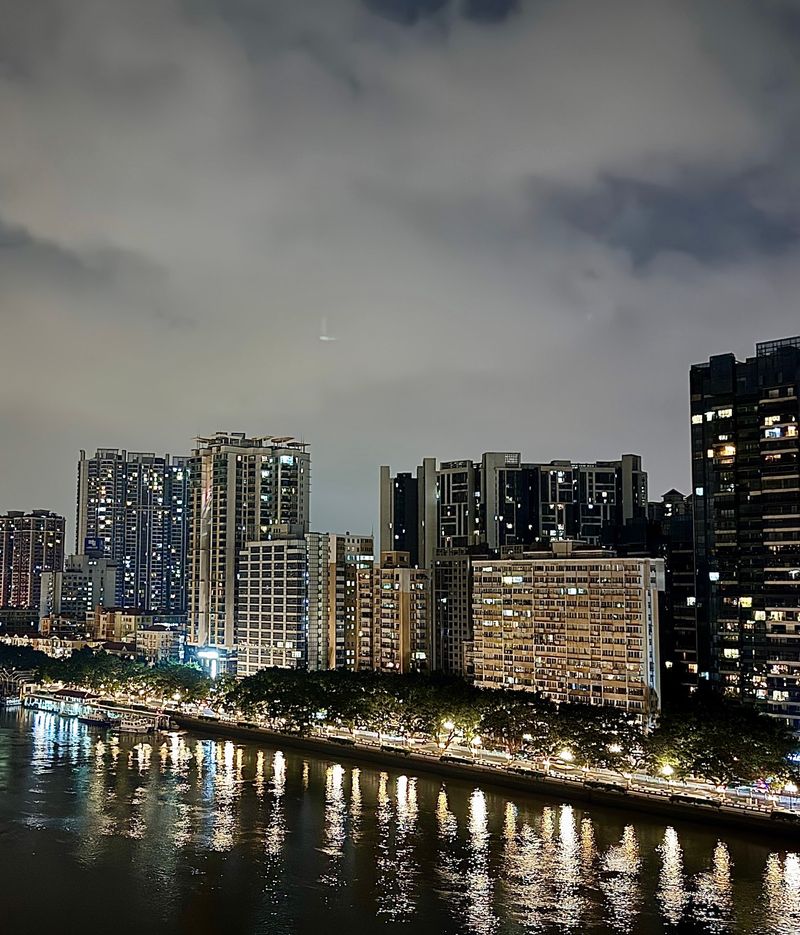
Guangzhou’s jump up the global rankings is one of the biggest surprises in the UN’s 2025 report. Under the older country-specific system used in the 2018 revision, Guangzhou ranked only 20th worldwide, with a projected population of roughly 15 million for 2025.
The new standardized approach nearly doubles that figure, placing the city sixth globally with an estimated 27.6 million inhabitants.
The reason for that dramatic shift is geography. Guangzhou sits within the Pearl River Delta, one of the world’s most intensely urbanized and industrialized regions.
Dense development flows continuously between Guangzhou and neighboring cities, creating an urban fabric so interconnected that old administrative boundaries simply fail to capture its true scale.
Factories, ports, trade fairs, and technology firms have made the Pearl River Delta a global manufacturing powerhouse, and Guangzhou sits at its heart. The city has hosted the Canton Fair, one of the world’s largest trade expos, twice a year for decades.
The UN projects continued growth, with Guangzhou expected to reach approximately 29.2 million residents by 2050. It is a city the world has been underestimating for years.
Cairo, Egypt
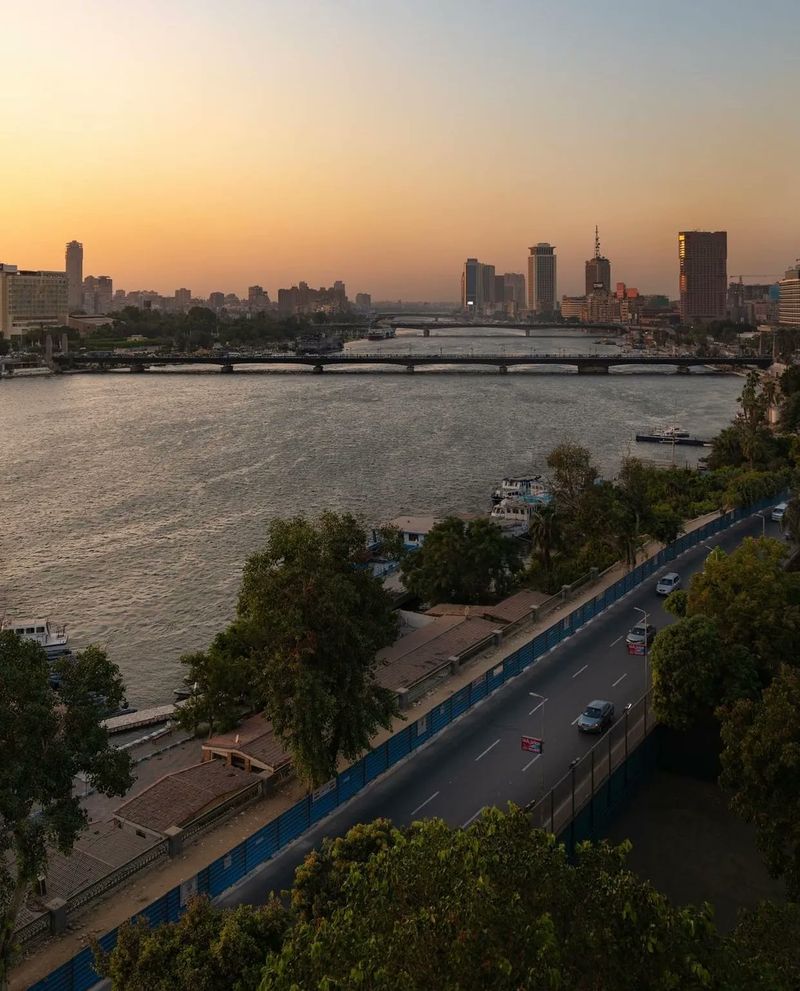
Cairo earns a unique distinction on this list: it is the only city outside Asia to crack the global top 10 under the UN’s 2025 ranking. With approximately 25.6 million residents, it stands as Africa’s undisputed urban giant and a city where ancient civilization and modern chaos coexist in genuinely spectacular fashion.
Few places on Earth carry that kind of historical weight while still expanding at this speed.
The urban area stretches along the Nile and pushes deep into surrounding desert, creating a metropolitan region far larger than the historic city center alone. Cairo had an estimated 15.7 million residents in 2000, meaning it has added roughly 10 million people in just 25 years.
That growth has transformed neighborhoods on the city’s fringes from sandy outskirts into busy urban communities.
Perhaps the most surreal detail about Cairo’s scale is this: the Giza pyramid complex, one of humanity’s oldest and most famous monuments, now sits directly on the edge of this vast contemporary city. You can see the pyramids from apartment windows and traffic-clogged overpasses.
The UN projects Cairo could reach approximately 32.4 million residents by 2050, placing it sixth globally.
Manila, Philippines
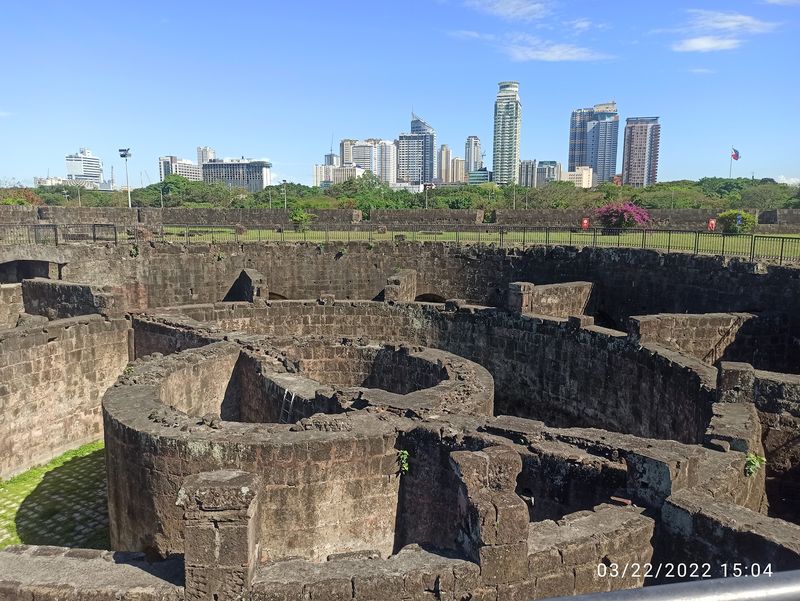
Density is Manila’s defining characteristic, and the numbers back that up completely. The continuously built-up urban area around Manila holds an estimated 24.7 million people, earning it eighth place in the UN’s 2025 global ranking.
Anyone who has ever tried to drive across Metro Manila during rush hour already has a very personal understanding of what those numbers feel like on the ground.
The city extends well beyond the comparatively small administrative City of Manila, incorporating dozens of densely populated communities across Metro Manila and adjoining urban zones. This is exactly why population figures for Manila vary so wildly between different sources.
The UN’s standardized approach is specifically designed to cut through that confusion and provide a more accurate comparison across countries.
Manila already held nearly 17.8 million residents back in 2000, and continued growth is expected, though at a slower pace than some South Asian megacities on this list. The 2050 projection sits at approximately 27.1 million.
Despite the traffic, the crowding, and the challenges that come with rapid urbanization, Manila pulses with energy, creativity, and a resilience that makes it one of Southeast Asia’s most captivating urban experiences.
Kolkata, India
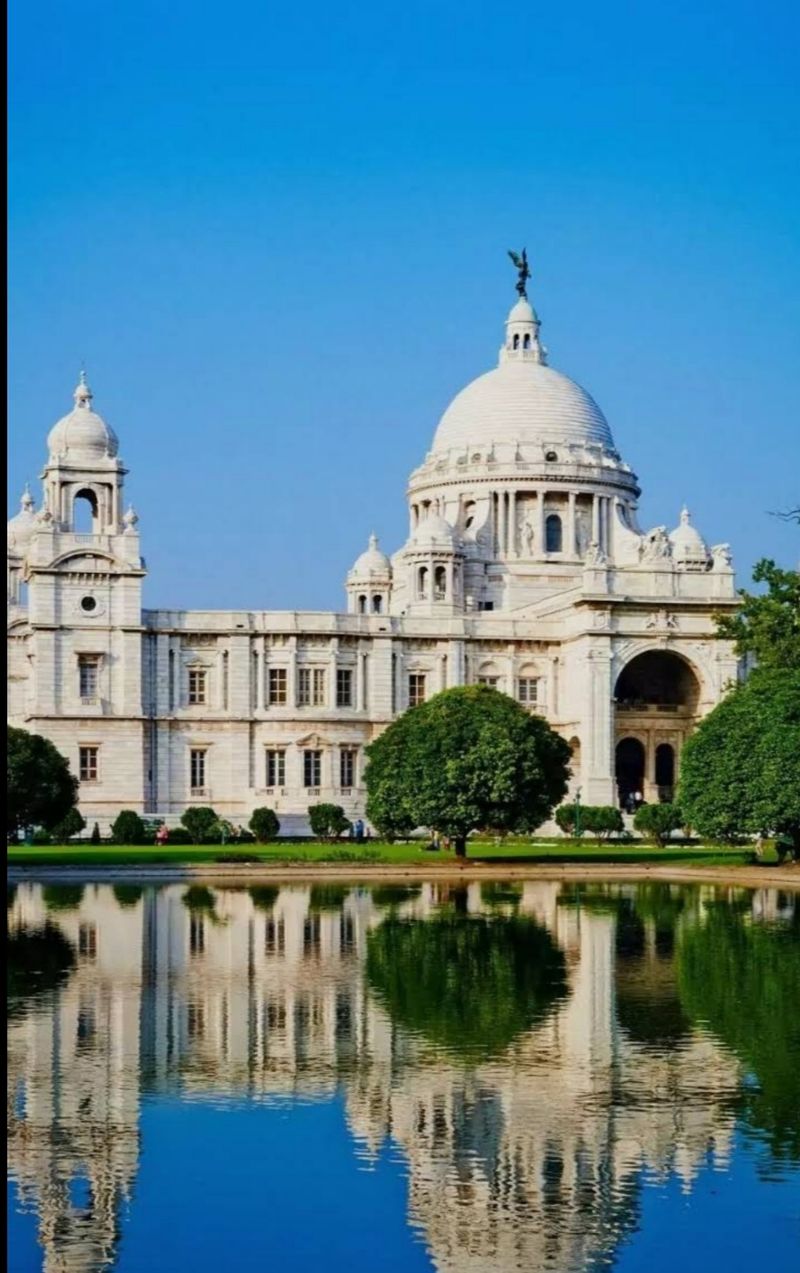
Kolkata carries the weight of history more visibly than almost any other city on this list. Built around the Hooghly River, it became one of the principal centers of British colonial rule in South Asia and served as the capital of British India until the government announced its move to Delhi in 1911.
That shift marked the beginning of Kolkata’s long transition from imperial capital to modern megacity.
Today, Kolkata ranks ninth globally with approximately 22.6 million residents in 2025. The modern city extends far beyond its historic center, spreading into a broad, densely populated metropolitan corridor that bears little resemblance to the colonial-era settlement along the riverbank.
Trams, ferries, and one of India’s oldest metro systems all move people through this layered urban landscape.
Kolkata’s relative global position has actually slipped even as its population keeps growing, a reminder of just how fast other cities are expanding. In 2000, it ranked fifth worldwide with about 18.4 million residents.
The UN expects slower growth ahead, projecting approximately 23.8 million people by 2050 and a tenth-place global ranking. Kolkata is growing steadily; the rest of the world is just growing faster.
Seoul, South Korea
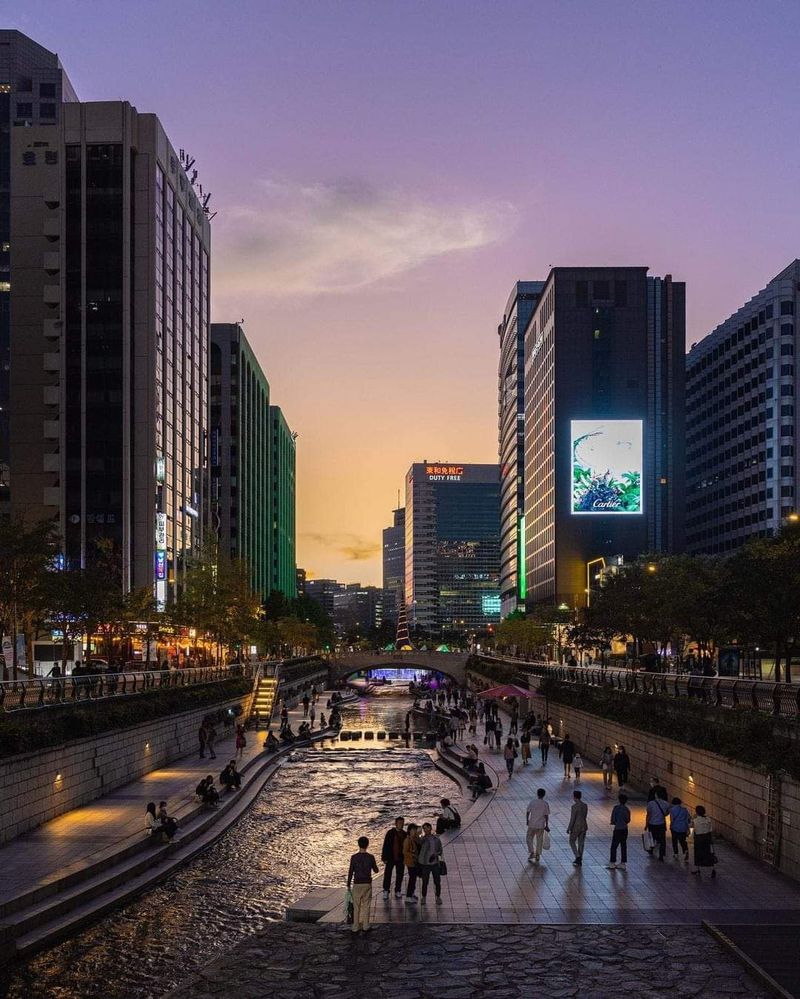
Seoul packs a remarkable amount of city into a relatively compact geography, hemmed in by mountains and threaded through by the Han River. The UN estimates its broader urban population at roughly 22.5 million in 2025, placing it tenth globally and just narrowly behind Kolkata.
That figure captures the continuous urban area rather than Seoul’s municipal boundaries alone, an important distinction in a region where dense development bleeds seamlessly into neighboring cities.
Looking back, Seoul was actually the world’s fourth-largest city in the UN’s reconstructed 2000 estimates, with roughly 19 million inhabitants. Its growth since then has been modest compared to South Asian and Southeast Asian megacities, which explains the slide down the rankings.
South Korea’s rapidly aging population and declining birth rate are the main forces shaping that trajectory.
Seoul’s future outlook is one of the most unusual on this list. The UN expects its population to decline to around 21.2 million by 2050, sliding it to 12th place as faster-growing cities move ahead.
Seoul and Tokyo are the only two cities in today’s global top 10 projected to shrink by mid-century. Smaller, yes, but Seoul shows no signs of losing its reputation as one of Asia’s most dynamic and innovative cities.
Karachi, Pakistan
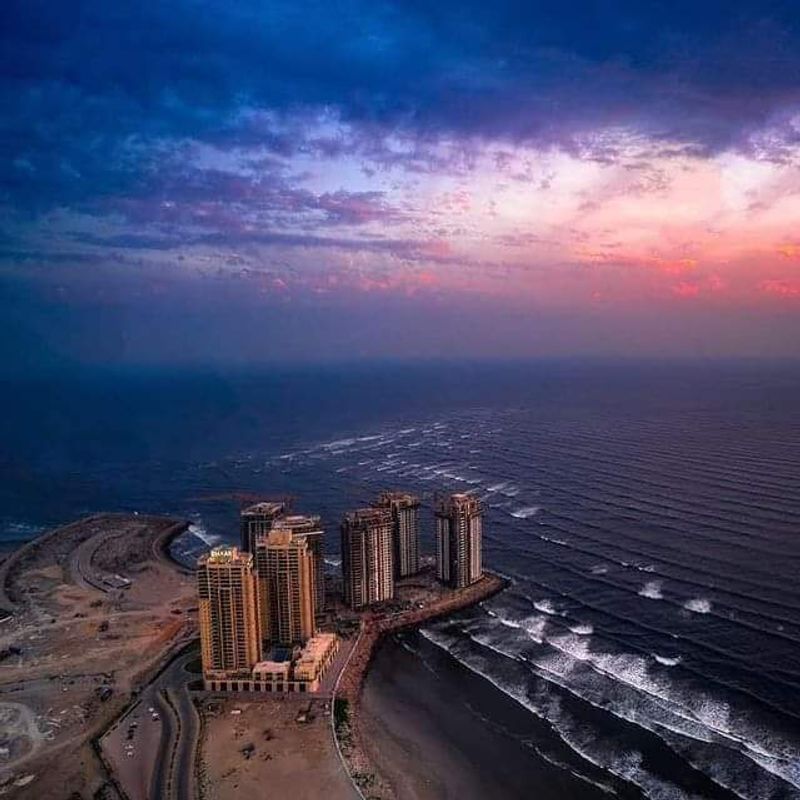
Karachi is quietly one of the most explosive growth stories on this entire list. The UN estimates the city had approximately 10.8 million residents in 2000, and by 2025 that number had roughly doubled to 21.4 million.
Few cities of this size have expanded so rapidly in such a short window of time, and the forces driving that growth show no signs of slowing down.
Its location on the Arabian Sea established Karachi as Pakistan’s principal port and dominant commercial center long ago. Migration from across the country, combined with natural population growth, has fueled enormous outward expansion into surrounding areas.
The city’s economy attracts workers from nearly every province in Pakistan, creating a remarkably diverse and bustling urban population.
The UN’s projections for Karachi’s future are genuinely striking. By 2050, the city is expected to reach approximately 32.6 million residents, which would move it from 11th to fifth place globally.
That is one of the largest ranking jumps projected for any city currently on this list. Karachi is a city that the world will need to pay much closer attention to over the coming decades.
Mumbai, India
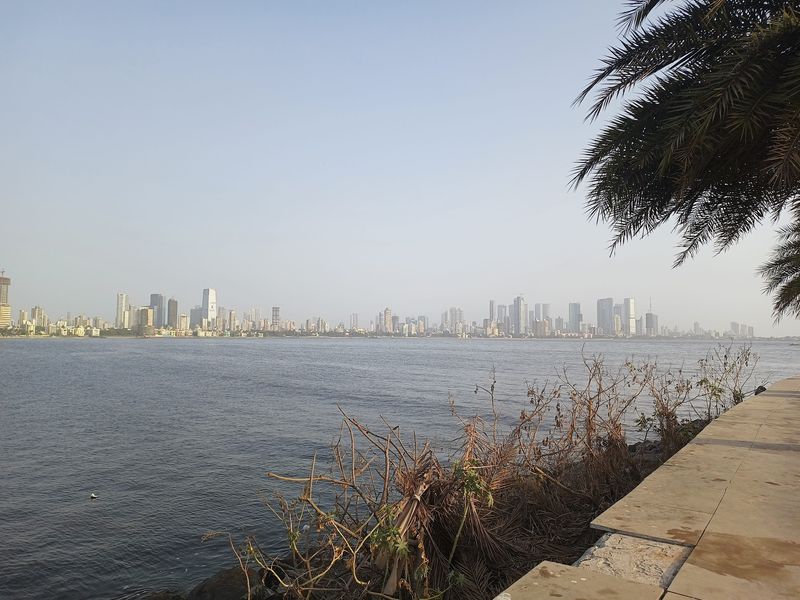
Geography has always been Mumbai’s greatest challenge and its most defining feature. The city grew from a cluster of islands along India’s western coastline into one of the world’s most densely packed urban landscapes, shaped by the Arabian Sea on three sides.
That physical squeeze forced Mumbai to build upward and outward simultaneously, creating a skyline unlike anything else in South Asia.
The UN places Mumbai 12th globally in 2025 with approximately 20.2 million residents under its new harmonized definition. The city functions as India’s financial capital, entertainment industry hub, and one of its most important port and industrial centers.
Bollywood alone generates a cultural output that reaches audiences across the globe, giving Mumbai a soft power that extends far beyond its geographic footprint.
Mumbai ranked 11th globally in 2000 with roughly 16 million residents, meaning it has continued growing steadily even as faster-expanding cities have leapfrogged it up the rankings. The UN expects Mumbai to reach approximately 23.1 million inhabitants by 2050, holding steady around 11th place globally.
It is a city that does not need to be the biggest to be one of the most important on Earth.
São Paulo, Brazil
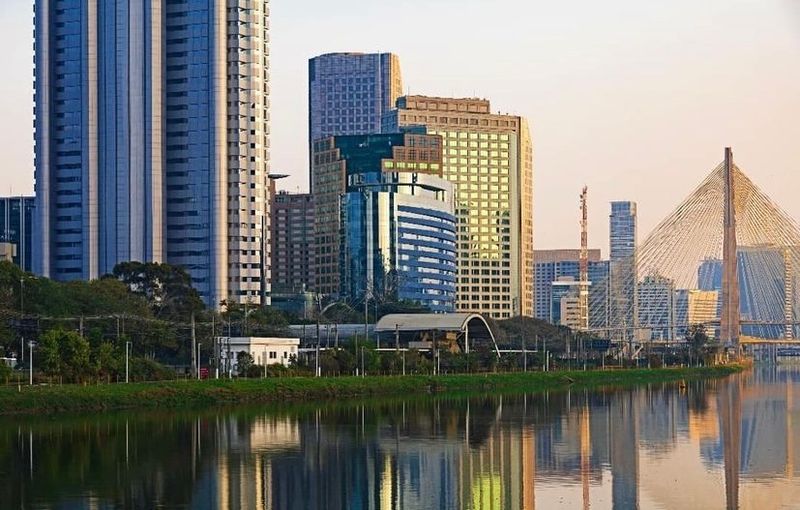
São Paulo holds a title that no other city in the Americas can claim: the highest-ranked city in the Western Hemisphere under the UN’s 2025 methodology. Coming in 13th globally with approximately 19 million inhabitants, it is a reminder that South America’s urban story is every bit as significant as the ones unfolding across Asia.
Brazil’s largest city grew through decades of industrialization and migration that transformed it from a modest 19th-century coffee trading town into a concrete colossus.
The metropolitan landscape stretches far beyond the central municipality into a sprawling patchwork of neighborhoods, industrial zones, and suburban communities. In 2000, São Paulo ranked 10th globally with about 16.7 million people, meaning it has grown steadily even while other cities have outpaced it.
The sheer economic weight of the city keeps it relevant on the world stage regardless of where it sits in population rankings.
The UN expects São Paulo’s population to remain comparatively stable and eventually edge slightly downward, reaching around 18.2 million by 2050. Faster growth elsewhere is projected to push it to 16th place globally.
Even so, São Paulo remains a powerhouse: a city that proves you do not need to be the fastest-growing to be among the world’s most consequential.
Share this story