Throughout history, some of the world’s most dangerous and powerful men have had women standing loyally by their sides. These relationships have puzzled historians, psychologists, and everyday people alike.
Some of these women were victims of circumstance, while others actively chose to support men responsible for tremendous suffering. Understanding these relationships helps us learn more about power, loyalty, and the complicated nature of love.
1. Eva Braun and Adolf Hitler
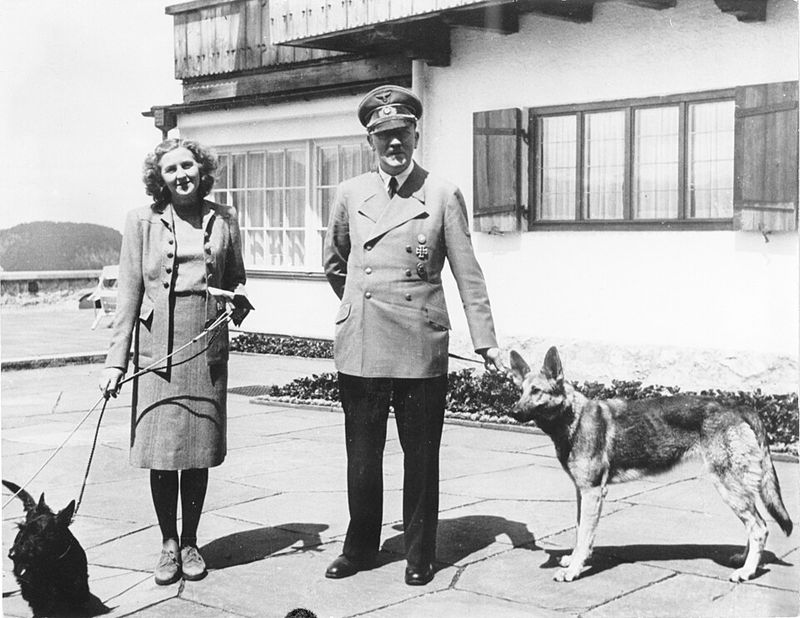
Eva Braun was just 17 years old when she first met Adolf Hitler through his personal photographer in 1929. She was a cheerful, ordinary young woman who loved photography, movies, and sports, which made her connection to one of history’s most destructive leaders all the more startling.
Their relationship was kept almost entirely secret from the German public for years. Hitler rarely appeared with her in official settings, and many in his inner circle resented her presence.
Yet she remained fiercely devoted to him throughout the war.
Eva refused to leave Berlin even as Allied forces closed in. She married Hitler just one day before they both died in April 1945.
Historians continue to debate how much she truly understood about the horrors carried out under his leadership.
2. Nadezhda Alliluyeva and Joseph Stalin
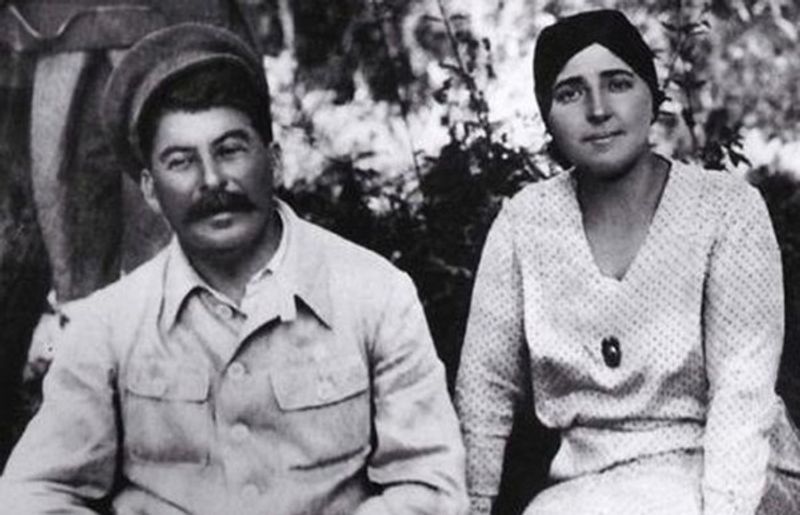
Nadezhda Alliluyeva was the daughter of a close revolutionary ally of Stalin, and she married him in 1919 when she was just 18 years old. Unlike many women in Soviet political circles, Nadezhda was outspoken and refused to simply look the other way when she disagreed with her husband.
She enrolled in university to study industrial management, which was unusual for a leader’s wife at the time. She reportedly confronted Stalin directly about the suffering of Soviet citizens under his brutal policies, arguments that grew increasingly bitter over the years.
In November 1932, Nadezhda died from a gunshot wound. The official story called it suicide, though rumors of foul play have never fully disappeared.
Stalin reportedly showed little public grief, and her death remains one of the more mysterious chapters in Soviet history.
3. Jiang Qing and Mao Zedong
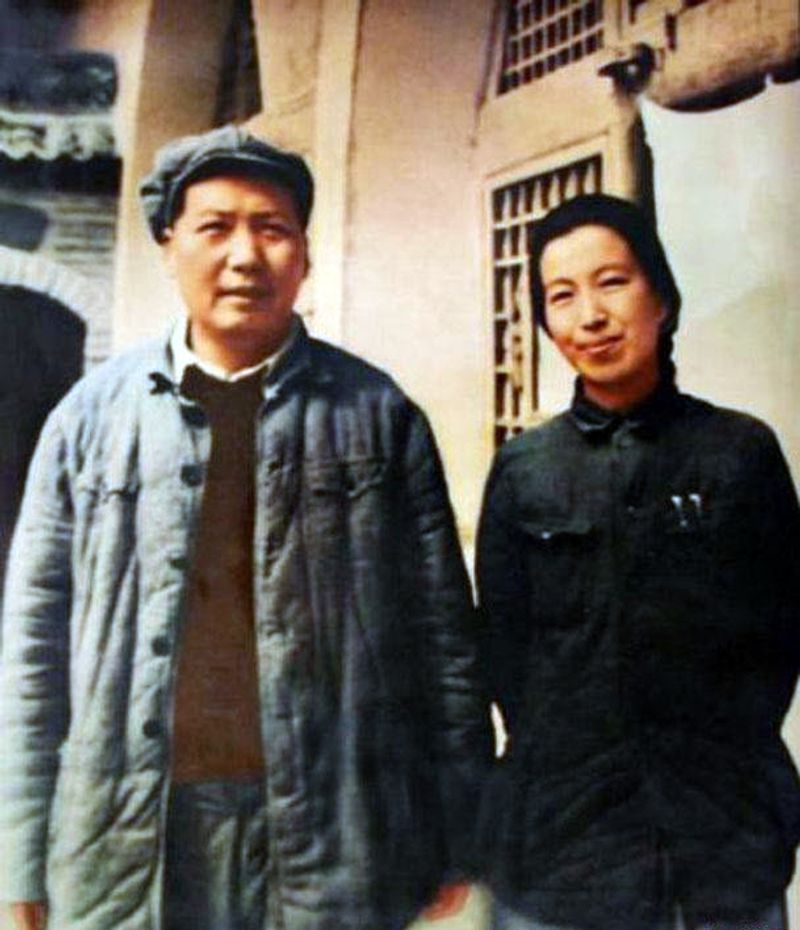
Before becoming one of the most powerful women in Chinese political history, Jiang Qing was a Shanghai actress with a turbulent personal life. She met Mao Zedong in the late 1930s and became his fourth wife, a marriage that Communist Party leaders initially resisted because of her colorful past.
During the Cultural Revolution of the 1960s and 70s, Jiang Qing became a central political figure, using her position to reshape Chinese art, theater, and culture according to strict Maoist ideology. She was known for being ruthless toward anyone she considered a political enemy.
After Mao died in 1976, she was arrested as part of the so-called Gang of Four and put on trial. She was convicted of crimes against the state and sentenced to death, later commuted to life in prison.
She died in 1991.
4. Carole Ann Boone and Ted Bundy

Carole Ann Boone first met Ted Bundy when they were both working at the Washington State Department of Emergency Services in the early 1970s. She consistently believed in his innocence, even as evidence of his crimes mounted and public opinion turned firmly against him.
During his 1980 murder trial in Florida, Bundy represented himself and used a legal loophole to propose marriage to Boone while she was on the witness stand. She accepted, making their union legally binding under Florida law at the time.
She later gave birth to a daughter while Bundy was on death row.
Boone eventually moved with her daughter to Florida to be closer to him. However, she quietly cut off contact with Bundy sometime before his execution in 1989.
The full reasons behind her change of heart have never been publicly confirmed.
5. Doreen Lioy and Richard Ramirez
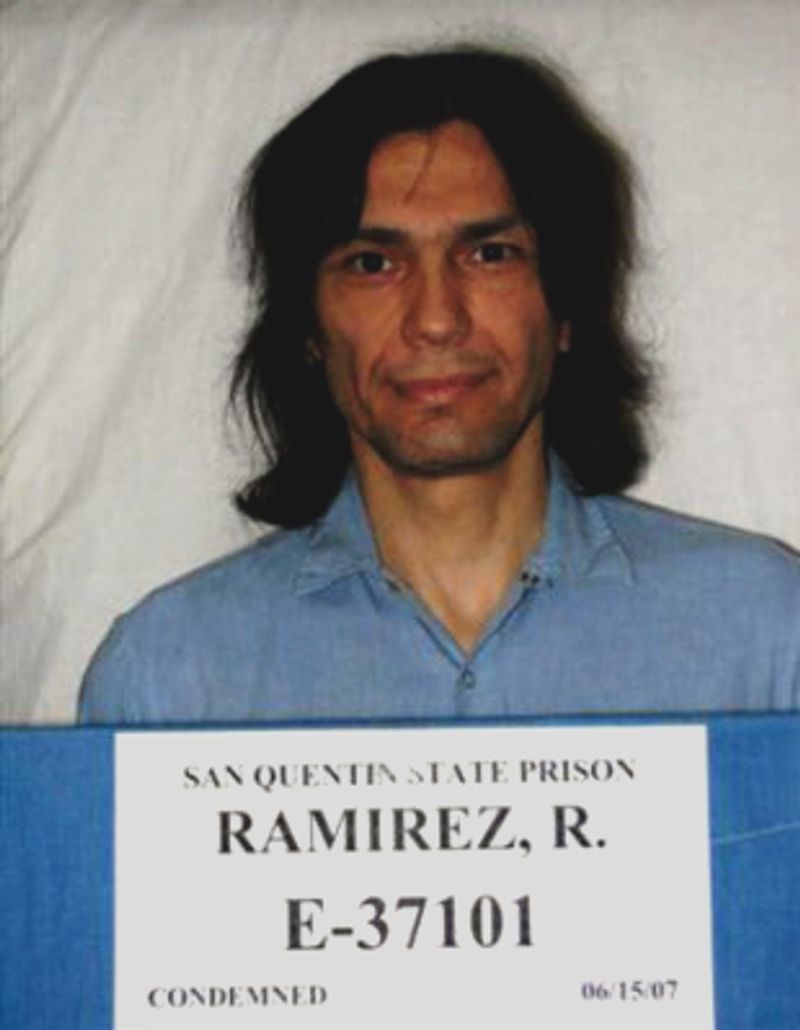
Richard Ramirez, known as the Night Stalker, terrorized California in the mid-1980s with a string of brutal murders and assaults. Despite his horrifying crimes, he received hundreds of fan letters from women while awaiting trial, and one of them, Doreen Lioy, became his most devoted admirer.
Lioy was a magazine editor in her 40s when she began writing to Ramirez. She visited him regularly in prison and maintained that he was a kind and misunderstood person.
Their decade-long correspondence eventually led to a prison wedding in 1996, attended by a small group of supporters.
Psychologists who studied the case pointed to the phenomenon known as hybristophilia, where some individuals feel romantic attraction to people who have committed serious crimes. Lioy reportedly distanced herself from Ramirez before he died of cancer in 2013 while still on death row.
6. Mary von Wiegand and Charles Sobhraj

Charles Sobhraj was a French-Vietnamese con artist and serial killer who preyed on Western tourists across Asia during the 1970s. Known as the Bikini Killer, he used charm, disguise, and manipulation to drug and rob his victims, several of whom died.
His ability to attract devoted women was a key part of how he operated.
Mary von Wiegand was a Canadian woman who became deeply entangled with Sobhraj during his criminal years. She was drawn in by his magnetic personality and apparent sophistication, not fully grasping the danger she was in until much later.
Her story mirrors those of several other women who fell under his spell.
Sobhraj’s life has been dramatized in books, documentaries, and the popular Netflix series The Serpent. His relationships with women revealed how calculated charm can completely override common sense and self-preservation instincts.
7. Victoria DiGiorgio and John Gotti
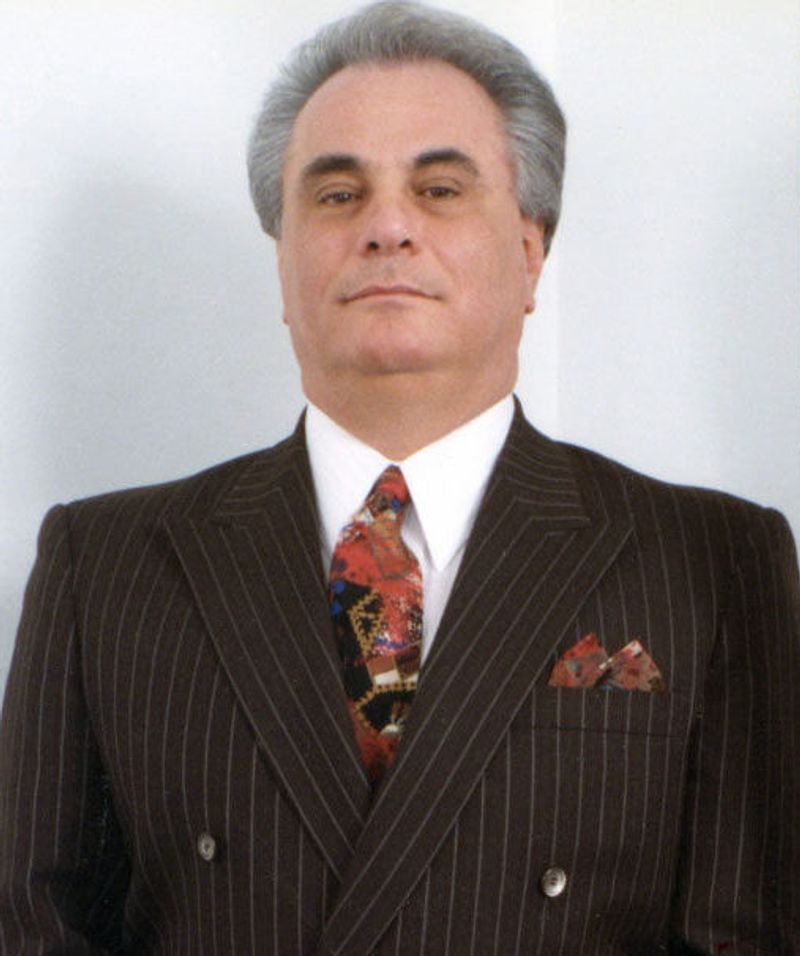
John Gotti rose to become one of the most flamboyant and feared mob bosses in American history, earning the nickname the Dapper Don for his expensive suits and public persona. Through it all, his wife Victoria DiGiorgio remained a steady, largely private presence in his very public life.
Victoria married Gotti in 1962, and together they raised five children in Howard Beach, Queens. She was known in the neighborhood as a devoted mother and kept a deliberately low profile, staying far from the cameras that seemed to follow her husband everywhere during his peak years of notoriety.
When Gotti was finally convicted in 1992 and sentenced to life in prison, Victoria stood by him until his death in 2002. She has rarely spoken publicly about their marriage, though her son John Gotti Jr. has said she was the true backbone of the family.
8. Emma Coronel Aispuro and Joaquin El Chapo Guzman

Emma Coronel Aispuro was just 18 years old when she married Joaquin El Chapo Guzman, the head of the powerful Sinaloa drug cartel, in 2007. She had reportedly caught his attention at a local festival, and their relationship quickly became one of the most talked-about unions in Mexican organized crime history.
Emma became a visible and glamorous public figure, attending her husband’s high-profile U.S. federal trial in New York in 2019. She sat in the courtroom daily, dressed stylishly, and the media closely tracked her every appearance.
El Chapo was ultimately convicted and sentenced to life in prison.
In 2021, Emma was arrested at Dulles International Airport and later pleaded guilty to drug trafficking charges. She was sentenced to three years in federal prison.
Her case highlighted how deeply embedded family members can become in large-scale criminal operations.
9. Asma al-Assad and Bashar al-Assad
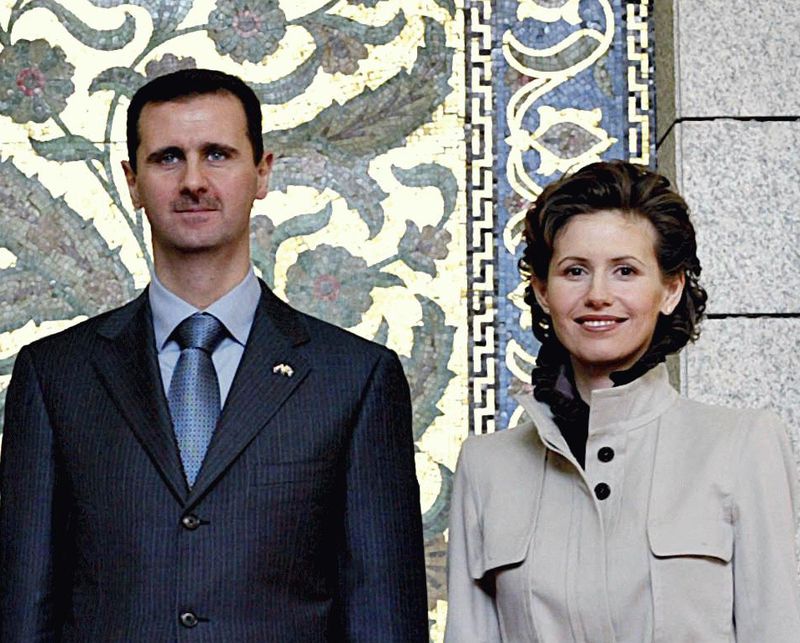
Asma al-Assad was born and raised in London, England, and worked as an investment banker before marrying Syrian president Bashar al-Assad in 2000. Early in their marriage, Western media often portrayed her as a modernizing force in Syria, a stylish and educated first lady who might help reform the country.
That image collapsed when the Syrian civil war began in 2011. As her husband’s government was accused of mass atrocities against Syrian civilians, including chemical weapons attacks, Asma remained publicly supportive of him.
She appeared in state media and gave interviews defending the government’s actions.
She was diagnosed with breast cancer in 2018 and leukemia in 2024, battles she faced while remaining at her husband’s side. After Assad was ousted in late 2024, the couple fled to Russia.
Asma’s story raises serious questions about complicity and the choices made by those closest to power.
10. Leila Ben Ali and Zine El Abidine Ben Ali
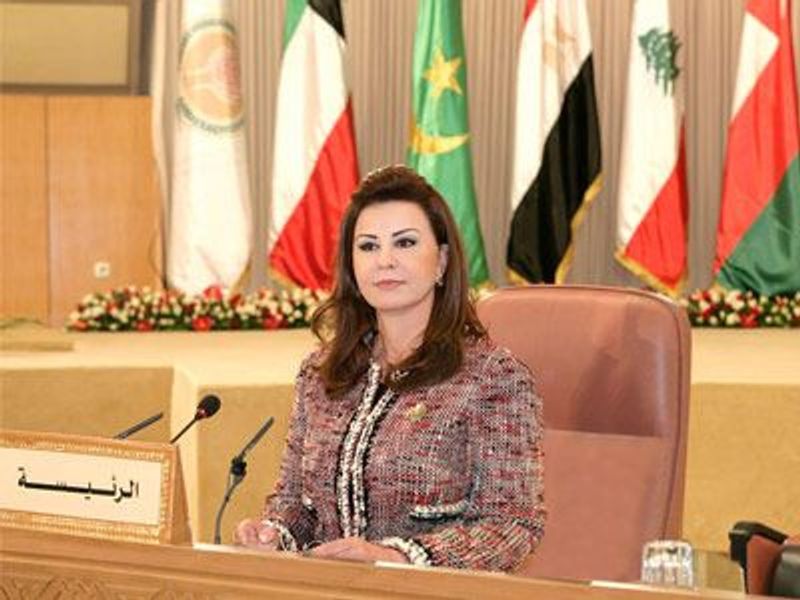
Leila Ben Ali, born Leila Trabelsi, was a hairdresser when she caught the attention of Tunisian president Zine El Abidine Ben Ali, who was still married to his first wife at the time. After their marriage in 1992, Leila quickly became one of the most powerful and controversial figures in Tunisia.
Critics and journalists accused her of using her position to enrich her family and expand their influence across Tunisian business and society. The Trabelsi family became synonymous with corruption, accumulating vast wealth while ordinary Tunisians struggled under poverty and political repression.
When the Arab Spring swept through Tunisia in January 2011, public anger toward the Ben Ali family was intense. The couple fled to Saudi Arabia within days.
Leaked diplomatic cables from the U.S. Embassy had already described the family as extraordinarily corrupt years before the uprising toppled the regime.
11. Grace Mugabe and Robert Mugabe

Grace Mugabe first worked as a secretary in Robert Mugabe’s office before their relationship began while he was still married to his first wife, Sally. The affair was an open secret in Zimbabwe for years, and the couple married in 1996 after Sally’s death, in a lavish ceremony attended by thousands.
As Robert Mugabe aged and his grip on Zimbabwe weakened, Grace became increasingly ambitious. She was known for her extravagant spending habits, earning the nickname Gucci Grace for her love of luxury shopping.
She reportedly spent tens of thousands of dollars on foreign shopping trips while Zimbabwe’s economy collapsed.
Grace made a bold push for political power, positioning herself as a potential successor to her husband. That move backfired dramatically in November 2017, when the military staged a coup.
Robert Mugabe was forced to resign, ending nearly four decades of rule, and Grace fled the country.
12. Marie-Christine de Villepin and Carlos the Jackal
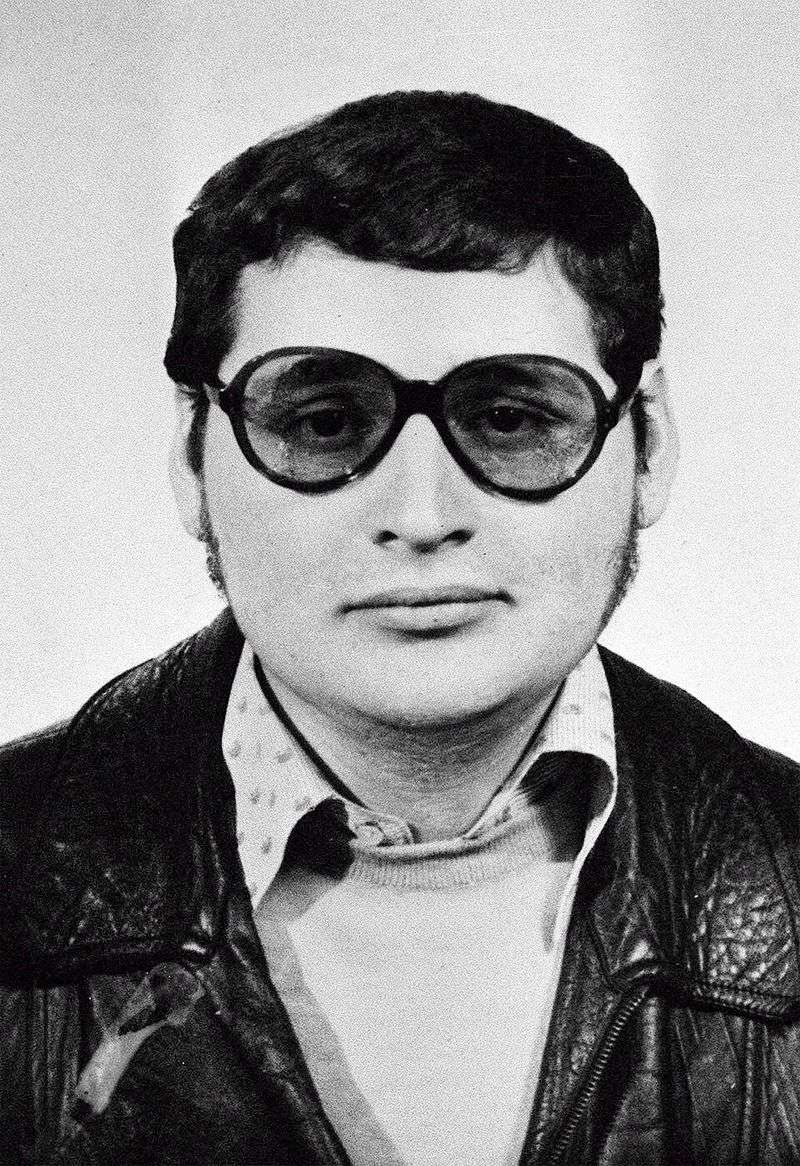
Ilich Ramirez Sanchez, better known as Carlos the Jackal, was one of the most wanted international terrorists of the 1970s and 80s. Responsible for bombings, assassinations, and hostage takings across Europe and the Middle East, he evaded capture for decades while living under various aliases.
Marie-Christine de Villepin, a French lawyer, became his legal representative after he was captured in Sudan in 1994 and extradited to France. What began as a professional relationship evolved into something far more personal.
The two eventually married while he remained imprisoned, a decision that drew significant public attention and controversy.
Carlos was convicted multiple times for his crimes and is serving life sentences in France. Their marriage highlighted the complicated ethical questions that arise when legal advocates form personal bonds with clients convicted of terrorism.
Marie-Christine has consistently defended his legal rights throughout his imprisonment.
13. Mirjana Markovic and Slobodan Milosevic

Mirjana Markovic was not just the wife of Serbian president Slobodan Milosevic but a powerful political figure in her own right. A university professor and committed communist, she founded her own political party and wielded considerable influence behind the scenes throughout the Balkan conflicts of the 1990s.
The couple had been together since they were teenagers, sharing a bond shaped by personal tragedy. Both of Mirjana’s parents were partisan fighters, and her mother was executed during World War II.
She and Milosevic reportedly leaned on each other through decades of political upheaval and personal loss.
When Milosevic was arrested in 2001 and transferred to the International Criminal Tribunal for the former Yugoslavia at The Hague, Mirjana fled to Russia to avoid her own arrest warrant. Milosevic died in his cell in 2006 before a verdict was reached.
Mirjana remained in Russia for years afterward.
Share this story