Asia is packed with incredible destinations where your money stretches much further than you might expect. From ancient temple cities to tropical coastlines and mountain towns buzzing with local life, the continent offers an almost unfair amount of variety for budget-conscious travelers.
Whether you are planning your first big trip or your tenth, these 14 places prove that memorable travel does not have to cost a fortune.
Da Nang, Vietnam
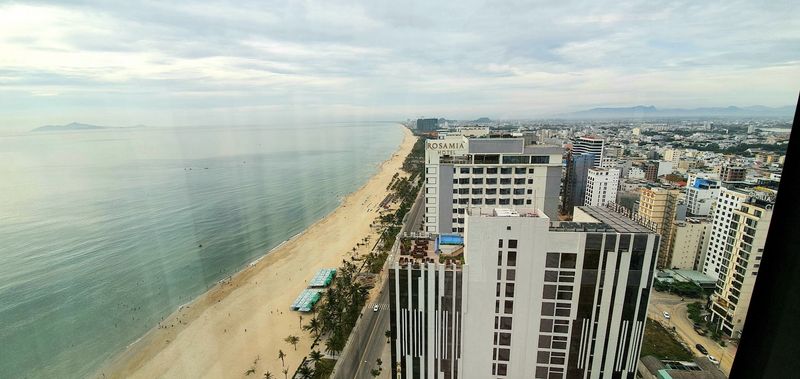
Stretching along one of Southeast Asia’s most beautiful coastlines, Da Nang manages to be a proper city and a beach destination all at once. Long sandy shores sit right beside Vietnamese neighborhoods filled with pho shops, banh mi stalls, and coffee spots that charge less than a dollar per cup.
You can rent a motorbike for a few dollars a day and explore the whole area on your own schedule.
Numbeo’s mid-2026 Cost of Living Index gives Da Nang a score of just 27.2, placing it among the least expensive cities in Asia for international travelers. Restaurant meals at local spots routinely cost under two dollars, and guesthouses near the beach can be surprisingly comfortable without draining your budget.
The gap between what you spend and what you experience here is genuinely hard to beat.
Day trips from Da Nang add serious sightseeing value at low cost. Hoi An’s lantern-lit streets, the Marble Mountains, Son Tra Peninsula, and the scenic Hai Van Pass are all within easy reach.
Pack light, eat local, and you will quickly understand why so many travelers end up extending their stay here.
Hanoi, Vietnam
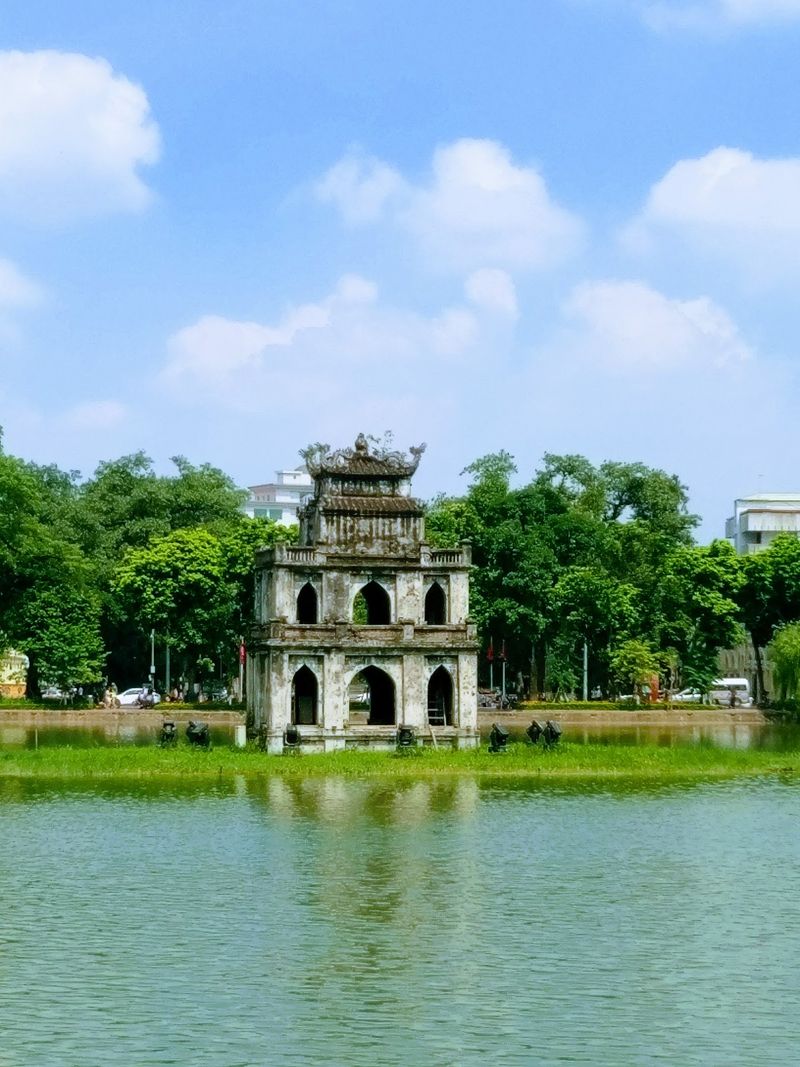
Few cities in the world pack as much daily drama into their streets as Hanoi. The Old Quarter’s 36 ancient trade streets overflow with vendors, motorbikes, street food carts, and locals going about their morning routines in a way that feels completely unscripted.
Sitting on a tiny plastic stool eating bun cha for breakfast while the city wakes up around you is one of travel’s genuinely free pleasures.
Numbeo places Hanoi at 28.3 on its mid-2026 Cost of Living Index, well below Bangkok, Kuala Lumpur, Seoul, and Tokyo. Local meals at neighborhood restaurants regularly cost between one and three dollars.
Accommodation options range from sociable hostels in the Old Quarter to clean budget guesthouses a short walk from Hoan Kiem Lake.
The city’s sightseeing highlights include the Temple of Literature, Ho Chi Minh Mausoleum, the Vietnam Museum of Ethnology, and countless pagodas, many of which charge little or no admission. Hanoi also serves as the natural jumping-off point for Ha Long Bay, Sapa, and Ninh Binh.
Budget Your Trip consistently highlights Vietnam as one of the continent’s best-value countries for daily traveler spending, and Hanoi is one of the clearest reasons why.
Siem Reap, Cambodia
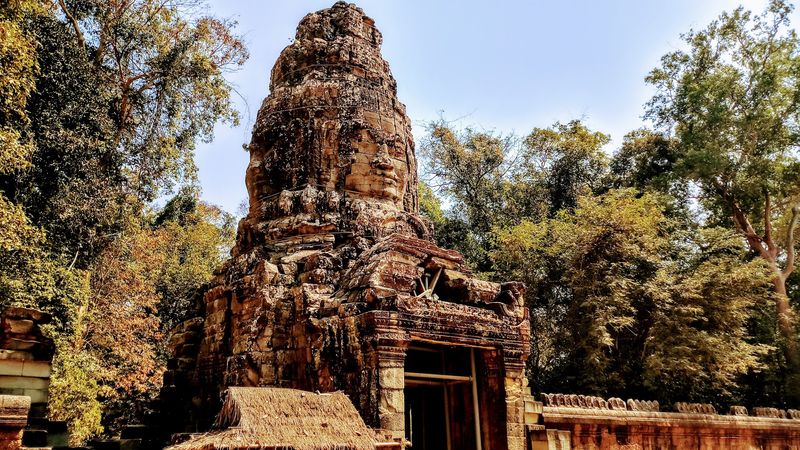
Not many budget destinations can claim a UNESCO World Heritage Site as their main attraction, but Siem Reap pulls it off with style. Angkor Archaeological Park is one of the ancient world’s most jaw-dropping achievements, and exploring it on a rented bicycle while monks chant in the background is the kind of experience that sticks with you for years.
The scale of the temple complex genuinely has to be seen to be believed.
Temple passes represent the most significant daily expense, but once you are outside the park, Siem Reap’s costs drop considerably. Numbeo’s mid-2026 figures place the city at 31.0 for cost of living and a remarkably low 7.6 for rent.
Local restaurants, tuk-tuk rides, and street food stalls make everyday spending very manageable for independent travelers.
Beyond Angkor, the city offers floating villages on the Tonle Sap lake, Cambodian cooking classes, vibrant night markets, and a growing cafe scene that caters equally to backpackers and slow travelers. Siem Reap has improved its infrastructure significantly in recent years without losing the approachable, low-key character that budget travelers appreciate.
It remains one of Southeast Asia’s most rewarding stops for the money spent.
Chiang Mai, Thailand
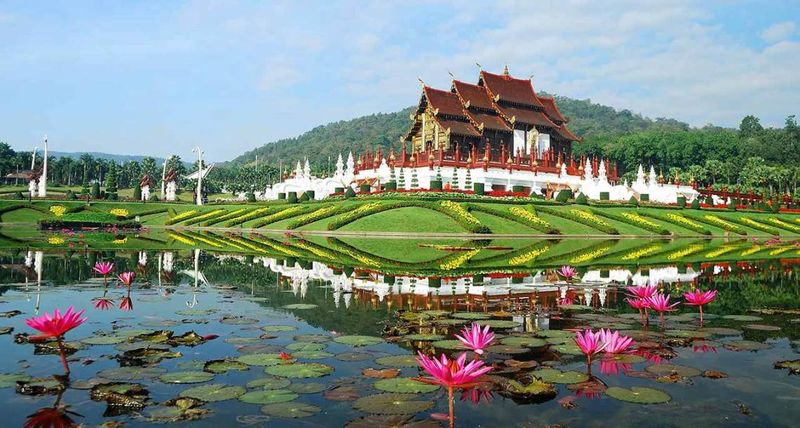
Northern Thailand’s cultural capital has a habit of turning two-week visitors into two-month residents. Chiang Mai’s combination of ancient temples, buzzing night markets, mountain scenery, and outstanding northern Thai food creates a rhythm that is very easy to settle into.
Pad see ew from a street cart, fresh mango sticky rice at the market, and a cold Chang beer at a rooftop bar can all happen in one evening for well under ten dollars.
Numbeo’s mid-2026 Cost of Living Index gives Chiang Mai a score of 32.4, noticeably lower than Phuket’s 40.7. That difference matters a lot when you are staying for more than a few days.
Bicycle rentals, museum admissions, and temple visits are either free or modestly priced, and the city’s cafe culture means you can spend hours working or reading without feeling pressured to keep spending.
The surrounding mountains offer elephant sanctuaries, zip-lining, waterfall hikes, and hill tribe villages, most of which can be arranged through affordable local tour operators. Chiang Mai rewards slow travel.
The longer you stay, the more you find, and the less it all seems to cost per day.
Kathmandu, Nepal
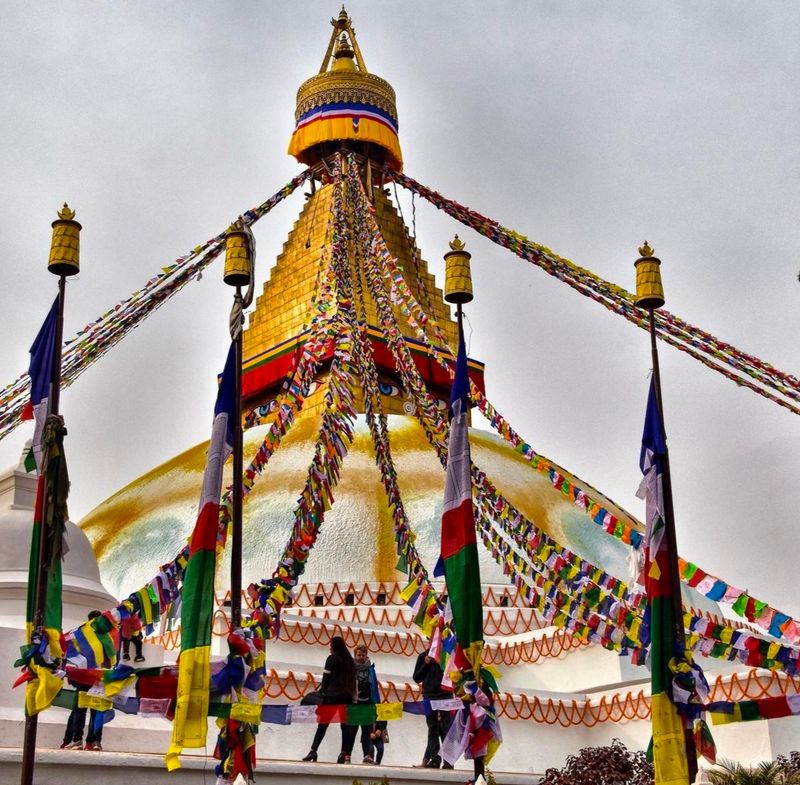
Kathmandu hits you with incense, prayer flags, bells, and the smell of butter tea before you even leave the airport taxi. The city’s ancient squares and temple courtyards in Thamel, Patan, and Bhaktapur feel genuinely timeless, and wandering through them costs nothing at all beyond a small heritage zone fee.
It is one of those rare places where the free stuff is often the most memorable.
Numbeo places Kathmandu at just 23.8 on its mid-2026 Cost of Living Index and only 4.3 on its Rent Index, making it one of the least expensive major cities in the entire Asian dataset. Guesthouses in the popular Thamel district can be found for just a few dollars a night, and dal bhat, Nepal’s hearty national meal, is both filling and incredibly cheap at local eateries.
The city serves as the main gateway for Himalayan trekking, which can add significant costs through permits, guides, and gear rentals. But days spent exploring Kathmandu itself, visiting Swayambhunath, Pashupatinath, and Boudhanath, shopping for trekking supplies, or simply watching life unfold in a busy chai shop, remain remarkably affordable.
Nepal delivers extraordinary cultural depth at a price point that few countries can match.
Yogyakarta and Central Java, Indonesia
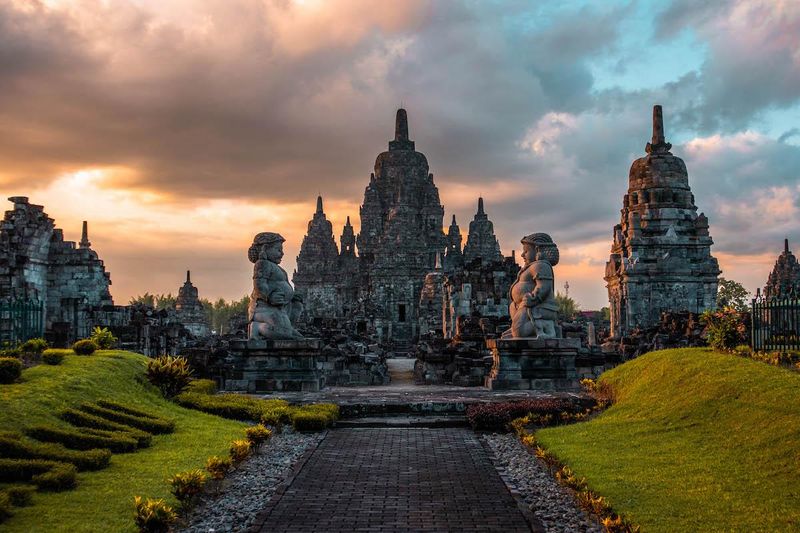
Yogyakarta is the kind of place that makes you feel like you have discovered something that the rest of the world somehow missed. The city sits at the cultural heart of Java, surrounded by royal kraton palaces, batik workshops, wayang puppet theaters, and the kind of street food scene that rewards anyone willing to wander off the main tourist drag.
Gudeg, a sweet jackfruit stew served with rice and tempeh, is a local specialty worth seeking out for breakfast.
Two of Southeast Asia’s greatest temple complexes sit within easy day-trip distance. Borobudur, the world’s largest Buddhist monument, and Prambanan, a spectacular collection of Hindu towers, are both accessible by local bus or organized tour at reasonable cost.
Indonesia’s everyday prices remain well below those of Singapore, Tokyo, and most Middle Eastern destinations in Numbeo’s 2026 comparisons.
Accommodation in Yogyakarta ranges from basic guesthouses to mid-range hotels with pools, and budget travelers can eat extremely well on local food without spending more than a few dollars per meal. Mount Merapi, one of Indonesia’s most active volcanoes, looms over the city and adds a dramatic backdrop to what is already a visually striking destination.
Central Java genuinely over-delivers at every price point.
Penang, Malaysia
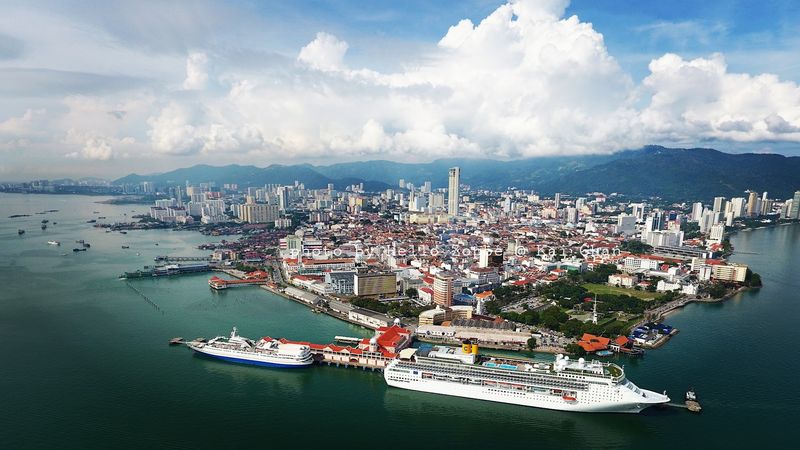
Penang’s food reputation is so fierce that Malaysians from Kuala Lumpur regularly make the four-hour drive north just to eat. George Town’s streets serve up char kway teow, asam laksa, nasi kandar, and cendol from hawker stalls that have been perfecting the same recipes for generations.
Eating your way through a morning here on a modest budget is one of Southeast Asia’s great simple pleasures.
Numbeo’s mid-2026 Cost of Living Index puts Penang at 33.6, with a Restaurant Price Index of just 23.3 and a Rent Index of 7.9. Those numbers make it significantly more affordable than Singapore and cheaper than many well-known Asian city destinations.
The UNESCO-listed streets of George Town add sightseeing value that requires no admission fee whatsoever.
Beyond the food and the murals, Penang offers Hindu temples, mosques, clan jetties, colonial-era mansions, and forested hills with walking trails. The island’s infrastructure is strong, with reliable buses, affordable taxis, and a well-organized ferry connection to the mainland.
Travelers who want Southeast Asian charm without sacrificing too much comfort consistently find Penang hits a sweet spot between value and quality that is hard to replicate elsewhere in the region.
Jaipur, India
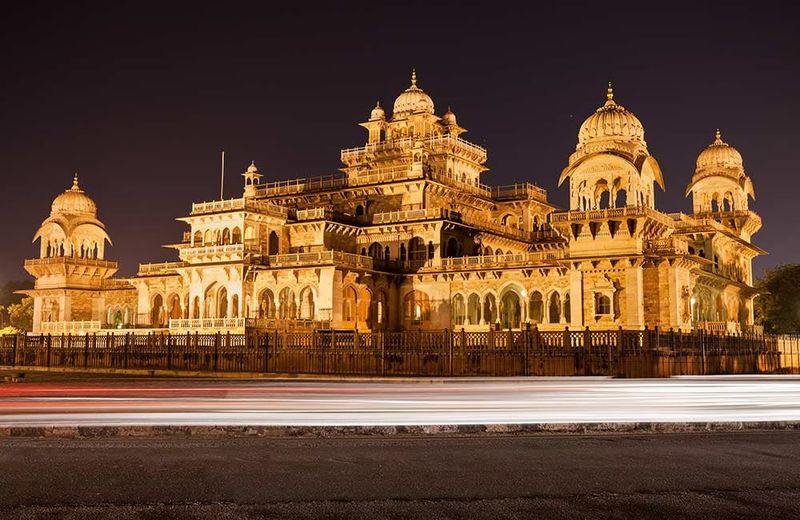
The Pink City earns its nickname immediately. Jaipur’s old walled city is painted in shades of terracotta and rose, and the streets inside are packed with bazaars selling textiles, spices, jewelry, and handicrafts at prices that will make you rethink everything you know about shopping.
Bargaining is expected, enthusiastic, and genuinely fun once you get into the spirit of it.
Numbeo’s mid-2026 Cost of Living Index records Jaipur at just 19.4, with a Restaurant Price Index of 15.9 and a Rent Index of 4.3. Those are some of the lowest scores in the entire Asian comparison, meaning that everyday life here, meals, local transport, and accommodation, costs a fraction of what travelers pay in East Asian or Gulf cities.
Budget guesthouses near the old city can be charming and very inexpensive.
The sightseeing lineup is extraordinary. Amber Fort, City Palace, Jantar Mantar, Nahargarh Fort, and Hawa Mahal all deliver serious historical drama.
Major monuments charge tourist admission fees, but the amounts remain modest relative to what is on offer. Jaipur also connects easily to Agra and Delhi, making it a natural anchor for a Rajasthan or Golden Triangle itinerary that delivers maximum impact at minimum cost.
Kochi, India
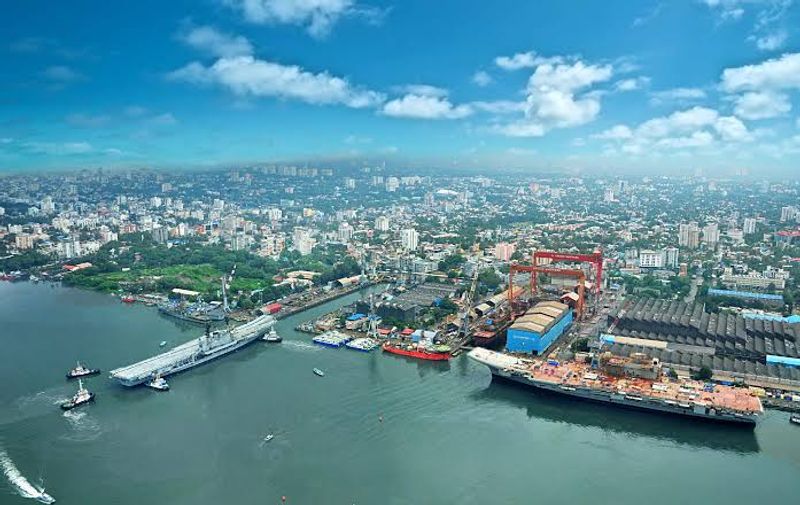
Kerala’s port city is one of India’s most visually distinct destinations, and it rewards slow, curious exploration more than almost anywhere else in the country. Fort Kochi’s colonial-era streets mix Portuguese churches, Dutch architecture, Jewish heritage sites, Chinese fishing nets, and spice warehouses into a neighborhood that feels like a living history lesson.
The backwaters visible from the waterfront give the whole place a calm, unhurried energy.
Numbeo places Kochi at 18.8 on its mid-2026 Cost of Living Index, among the lowest values for any sizeable Asian city in the dataset. The Restaurant Price Index of 11.6 is particularly striking, reflecting how cheaply travelers can eat at local Kerala restaurants serving fish curry, appam, and coconut-based dishes that are genuinely world-class.
Simple guesthouses in Fort Kochi are plentiful and affordable.
Houseboat trips on the Kerala backwaters and resort stays in Alleppey can become expensive, but independent travelers using public ferries, local trains, and neighborhood eateries can keep daily costs surprisingly low. Kathakali dance performances, spice market tours, and Ayurvedic treatments are available at a range of price points.
Kochi proves that India’s budget travel appeal extends well beyond the north, offering a completely different but equally rewarding experience.
Tashkent, Uzbekistan
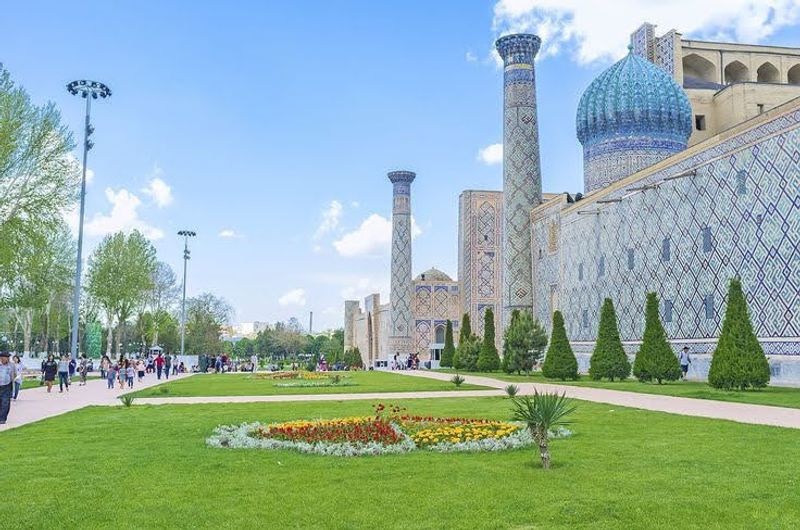
Central Asia’s largest city tends to surprise travelers who arrive expecting dusty Soviet-era greyness and find instead a city full of blue-tiled mosques, leafy boulevards, bustling bazaars, and a metro system decorated with ornate chandeliers and mosaics. Chorsu Bazaar alone, with its massive blue-domed main hall and surrounding stalls of spices, dried fruit, and fresh bread, is worth the flight from almost anywhere.
Numbeo’s mid-2026 data places Tashkent at 30.7 for cost of living, with restaurant prices at 26.7 and a combined cost-and-rent score of just 22.8. Those figures confirm what backpackers and overland travelers have been quietly sharing for years: Central Asia offers value that rivals the cheapest parts of Southeast Asia, without the crowds.
Guesthouses and small hotels in Tashkent are affordable and often family-run.
The city’s real superpower is its position as the gateway to the Silk Road’s greatest hits. Fast, affordable trains connect Tashkent to Samarkand, Bukhara, and Khiva, three cities so visually spectacular that photos of them tend to look digitally enhanced.
Travelers who anchor in Tashkent and use the rail network to explore can cover extraordinary ground without spending anything close to what a similar journey would cost in Western Europe or East Asia.
Bishkek, Kyrgyzstan
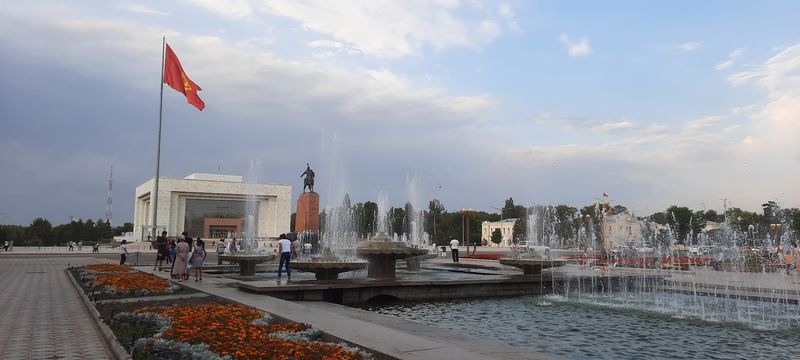
Kyrgyzstan’s capital city is basically a base camp with good coffee shops. Bishkek itself is pleasant enough, with tree-lined Soviet boulevards, lively markets, and a relaxed cafe culture, but the real reason travelers come here is what lies just outside the city limits.
The Tian Shan mountains begin practically on the doorstep, and within an hour’s drive you can be standing in alpine meadows that look like they belong on the cover of a geography textbook.
Numbeo gives Bishkek a mid-2026 Cost of Living Index of 29.9, with a combined cost-and-rent score of 22.1. City life here is genuinely inexpensive: local meals, shared minibuses, guesthouses, and market shopping all come in well below what travelers pay in Southeast Asian capitals.
The currency dynamics also tend to favor travelers from Western countries or those holding stronger currencies.
Organized trekking packages, horse treks, and private vehicle hire can raise the daily budget considerably, but they are often the most efficient way to reach remote valleys and yurt camps. Travelers who mix city guesthouses with community-based tourism in villages like Karakol or around Issyk-Kul lake can experience Kyrgyzstan’s incredible landscape without breaking the bank.
It is an underrated gem that adventure travelers are slowly discovering.
Colombo and Sri Lanka’s South
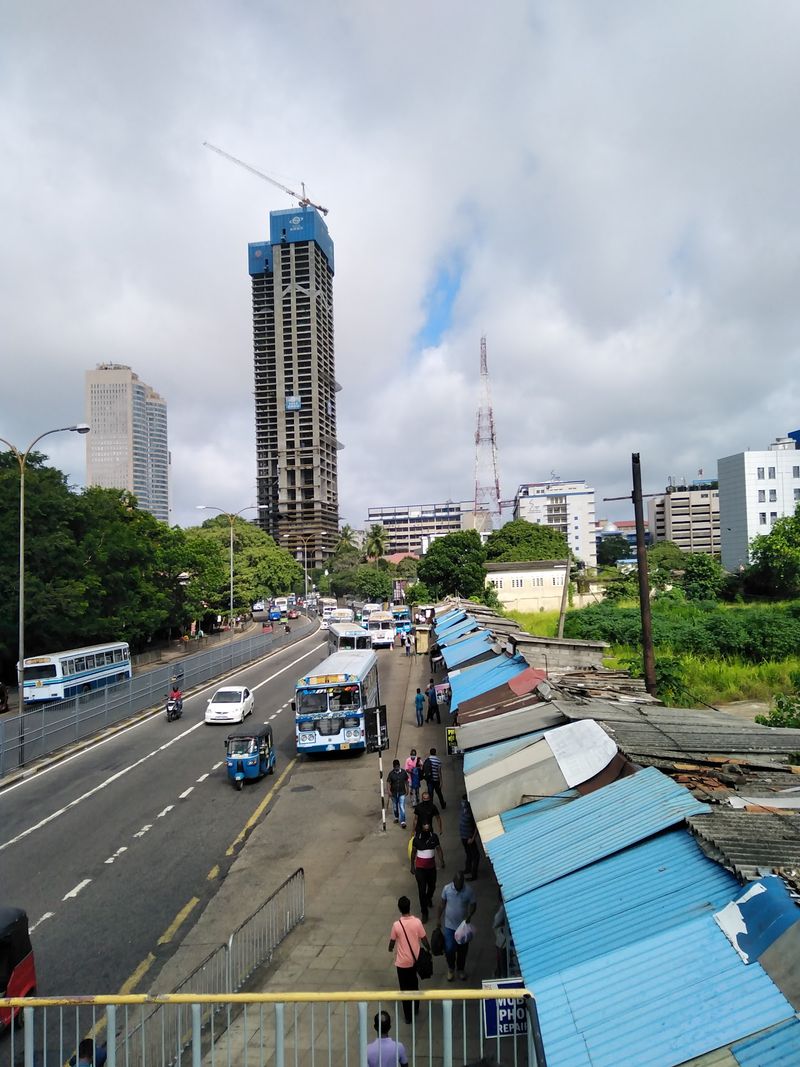
Sri Lanka crams an almost unreasonable amount of variety into a country you can drive across in a single day. Ancient cities, misty tea highlands, wildlife-filled national parks, colonial fort towns, and beaches with surf breaks or calm lagoons depending on which coast you choose, all connected by one of Asia’s most scenic railway lines.
Riding the train through the tea country between Kandy and Ella is a travel experience that costs just a few dollars and delivers views worth far more.
Colombo’s mid-2026 Cost of Living Index stands at 33.7, with a Rent Index of 11.7, figures that reflect a country still recovering economically and offering genuine value to visiting travelers. Outside the capital’s upmarket neighborhoods and international beach resorts, guesthouses, local rice-and-curry lunches, and public buses make daily spending very manageable.
The food, particularly a good rice and curry plate piled with vegetable dishes and papadam, is both cheap and delicious.
Safari drives in Yala or Udawalawe and private transfers between destinations can push costs higher, but selective splurging is easy when your baseline expenses are low. Sri Lanka’s combination of culture, nature, coastline, and cuisine within a compact geography makes it one of Asia’s best-value countries for travelers who plan even slightly ahead.
Tbilisi, Georgia
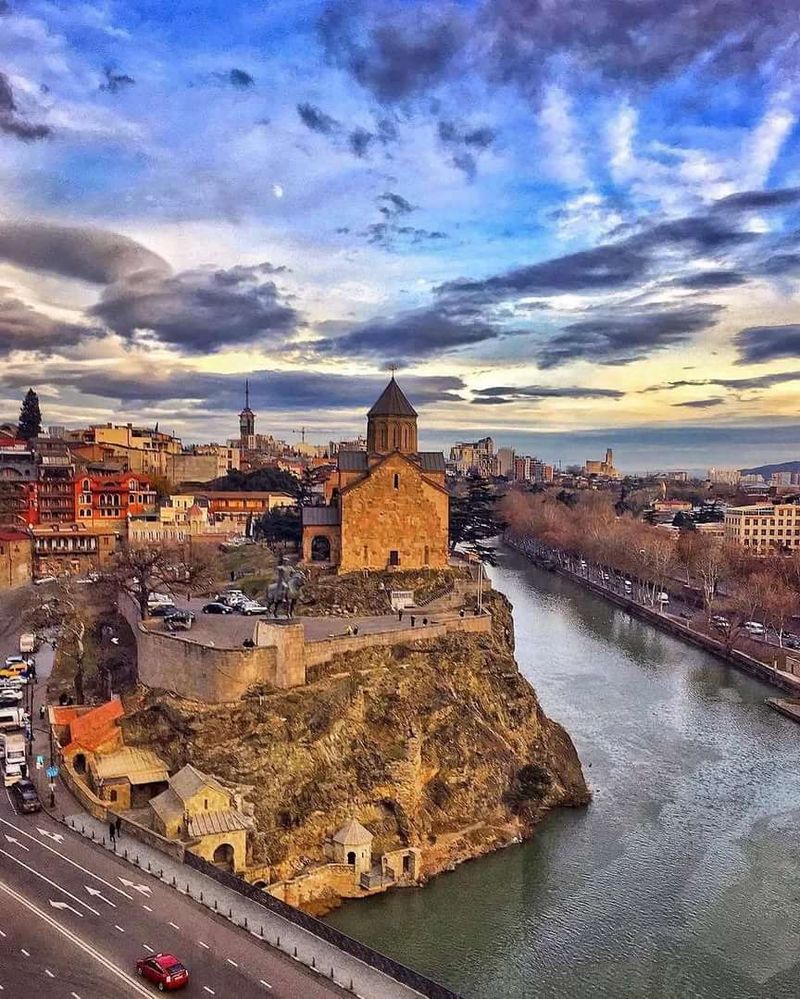
Georgia’s capital has a personality that is completely its own: ancient churches perched on cliffs, thermal sulfur baths steaming in the old quarter, wooden balconies dripping with vines, and a wine culture that goes back eight thousand years. Tbilisi is the kind of city where you can spend a morning at a medieval fortress, an afternoon soaking in a traditional bath house, and an evening eating khinkali dumplings in a basement restaurant for about five dollars total.
Numbeo gives Tbilisi a mid-2026 Cost of Living Index of 38.6, with a combined cost-and-rent score of 28.0. That is higher than Kathmandu or Jaipur, but still significantly below most Western European cities and many wealthier Asian destinations.
Wine is genuinely inexpensive here, and the Georgian tradition of generous hospitality means meals at family-run restaurants often come with more food than you ordered.
Georgia becomes especially compelling when Tbilisi is treated as a base rather than just a single stop. Affordable shared minibuses and marshrutka vans connect the city to the Caucasus mountains, the Kakheti wine region, cave cities like Vardzia, and the old trading town of Mtskheta.
Travelers who explore beyond the capital get dramatically more for their money and a much richer sense of what makes this small country so special.
Kuala Lumpur, Malaysia
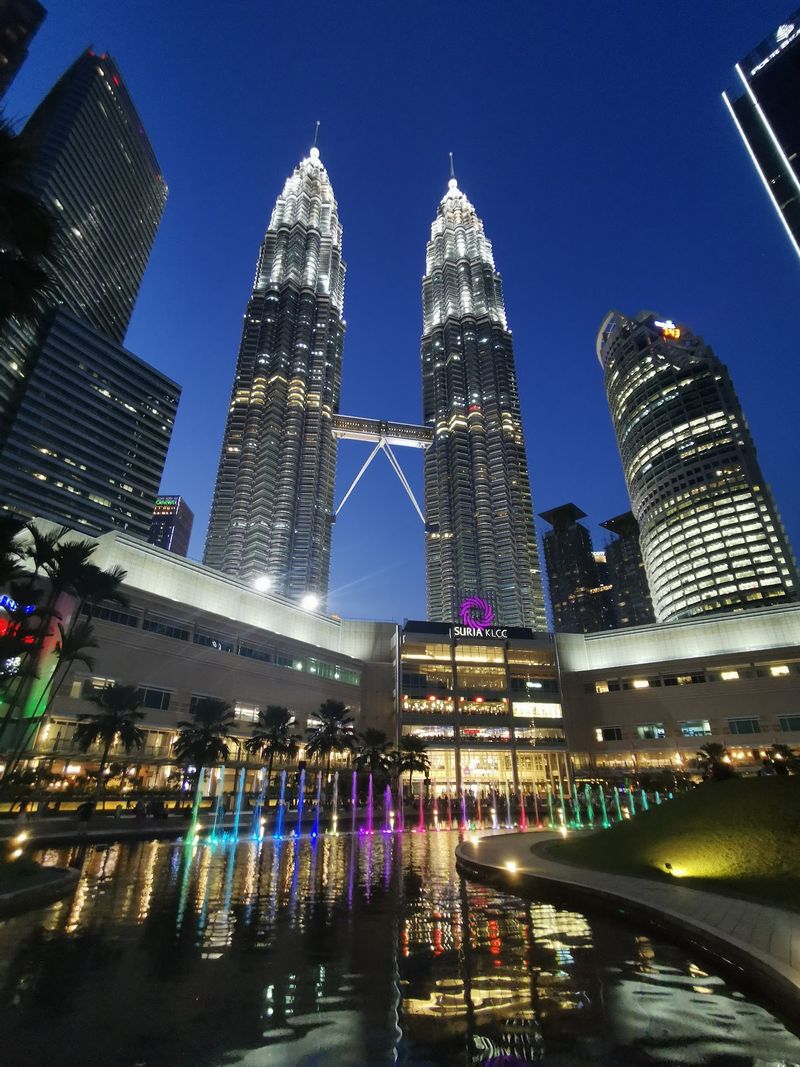
Kuala Lumpur makes a strong case for being the best big-city value in all of Asia. Where else can you ride an efficient metro system, visit world-class museums, stand beneath the world’s tallest twin towers, and then eat a bowl of curry laksa at a hawker center for less than two dollars, all in the same afternoon?
The city’s food diversity alone, Malay, Chinese, Indian, and fusion all coexisting in the same street block, is worth the airfare.
Its mid-2026 Cost of Living Index of 38.8 sits well below Seoul, Tokyo, Taipei, Hong Kong, and Singapore, while the Rent Index of just 13.4 makes accommodation unusually affordable for a capital city of this size and quality. Budget hotels near Bukit Bintang or Chinatown offer clean, comfortable rooms at prices that would be unthinkable in comparable Asian metros.
The KL Monorail and LRT networks make getting around cheap and easy.
Petronas Towers, Batu Caves, Merdeka Square, the Islamic Arts Museum, and the Central Market all reward visitors without requiring large admission fees. Shopping centers range from luxury malls to budget-friendly night markets.
Kuala Lumpur consistently punches above its weight for value, comfort, and sheer variety, making it an excellent starting or ending point for any Southeast Asia trip.
Share this story