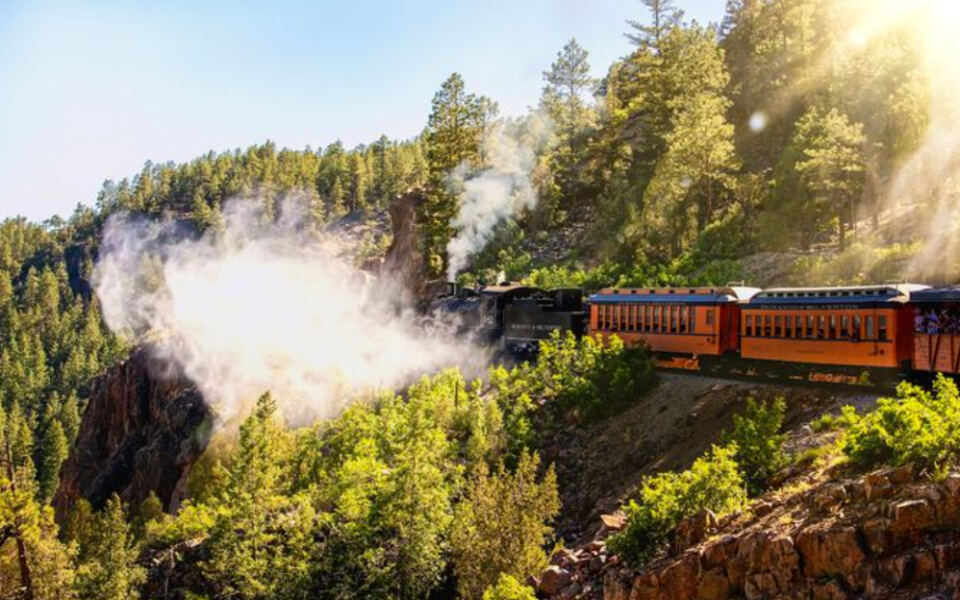
Some towns were born because of the railroad, and decades later, they still revolve around it. From the mountain passes of Colorado to the forests of West Virginia, these communities have held onto their rail heritage in a way that feels genuine rather than just nostalgic.
The railroad is not a background detail here. It is the main event, drawing visitors, supporting local businesses, and giving each town a clear identity that sets it apart from everywhere else.
Whether you are a train enthusiast planning a dedicated trip or a curious traveler looking for something more interesting than a highway rest stop, these fourteen towns offer a real connection to American railroad history that is still running on time.
Silverton Depot, Silverton, Colorado
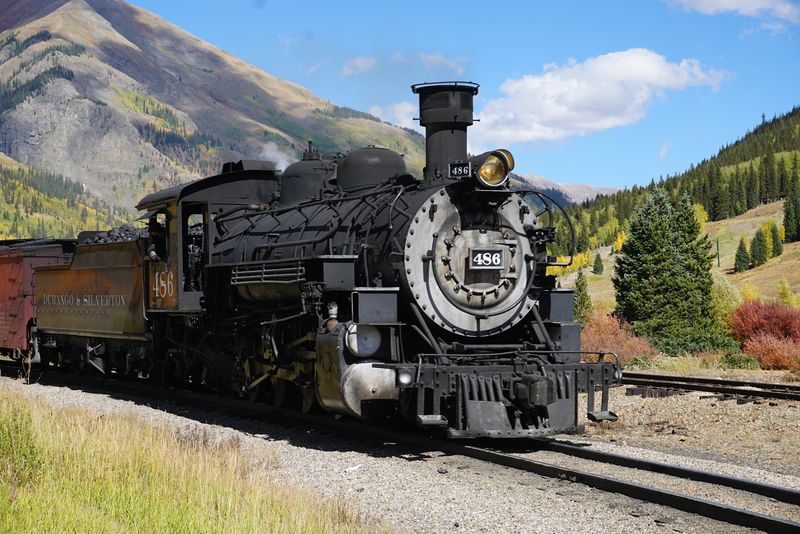
Sitting at 9,318 feet above sea level, Silverton is one of the most isolated towns in Colorado, and the railroad is a big part of why it still draws visitors at all. The Silverton Depot serves as the northern terminus of the Durango and Silverton Narrow Gauge Railroad, a line that has been carrying passengers through the San Juan Mountains since 1882.
When the train pulls into Silverton, passengers have time to walk the historic downtown before boarding for the return trip. Blair Street, the old main commercial strip, still has the feel of a Colorado mining town that never quite modernized.
That unpolished quality is a genuine attraction.
The railroad’s arrival each day shapes the rhythm of Silverton’s business district in a direct way. Shops and restaurants time their hours around train schedules.
Without the Durango connection, Silverton’s visitor numbers would look very different, making this one of the clearest examples of a town whose economy runs on rails.
Great Smoky Mountains Railroad Depot, Bryson City, North Carolina
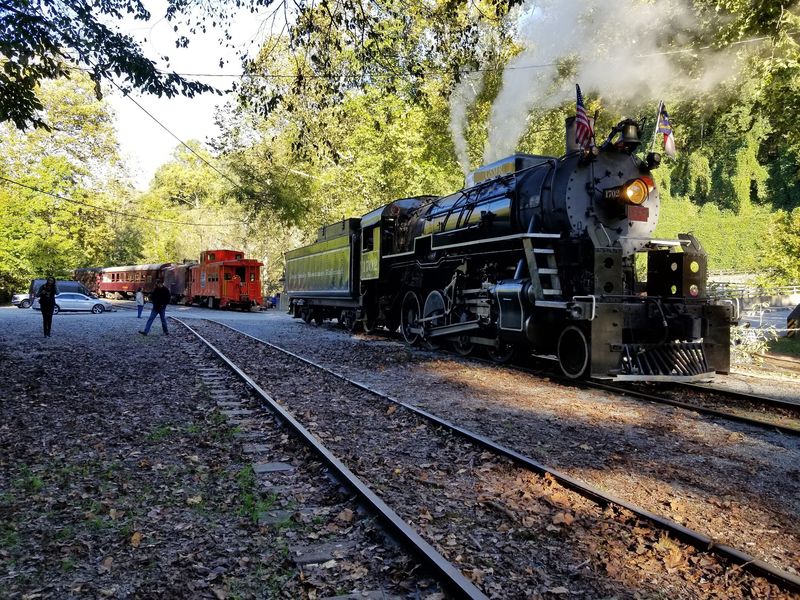
Bryson City is a small Appalachian town that might be easy to pass through without stopping, but the Great Smoky Mountains Railroad gives people a strong reason to stay longer. Excursion trains depart from the downtown depot for trips through the Nantahala Gorge and along the Tuckasegee River, covering some genuinely scenic western North Carolina terrain.
The railroad runs a wide variety of trips beyond standard sightseeing excursions. Brunch trains, murder mystery rides, and holiday-themed departures keep the schedule interesting throughout the year.
The Polar Express trains in November and December are especially popular with families and tend to sell out well in advance.
Because the depot sits right in downtown Bryson City, arriving rail passengers walk directly into the small commercial district. Restaurants and shops along Everett Street benefit noticeably from the railroad’s presence.
The town has positioned itself as a rail destination with intention, and that approach has worked well for the broader local economy.
Durango Depot, Durango, Colorado
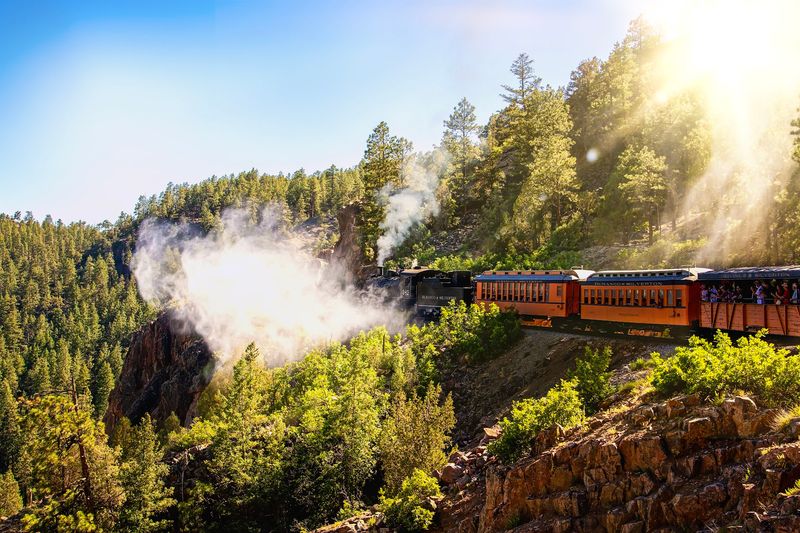
Durango was founded in 1880 largely to serve the Denver and Rio Grande Western Railroad, and that origin story has never really faded. The Durango Depot on Main Avenue remains the launch point for the Durango and Silverton Narrow Gauge Railroad, one of the few coal-fired, steam-powered railroads still running in the country.
Trains operate year-round, which is unusual for a scenic excursion railroad. Winter departures through snow-covered canyons have built their own loyal following separate from the summer tourist crowd.
The 45-mile trip through the Animas River canyon takes roughly three and a half hours each way.
Downtown Durango has organized itself around the depot experience, with shops, restaurants, and hotels all positioned to serve arriving and departing passengers. The railroad is not a seasonal add-on here.
It is the core reason many visitors plan the trip in the first place, and the town economy reflects that clearly.
Williams Depot, Williams, Arizona
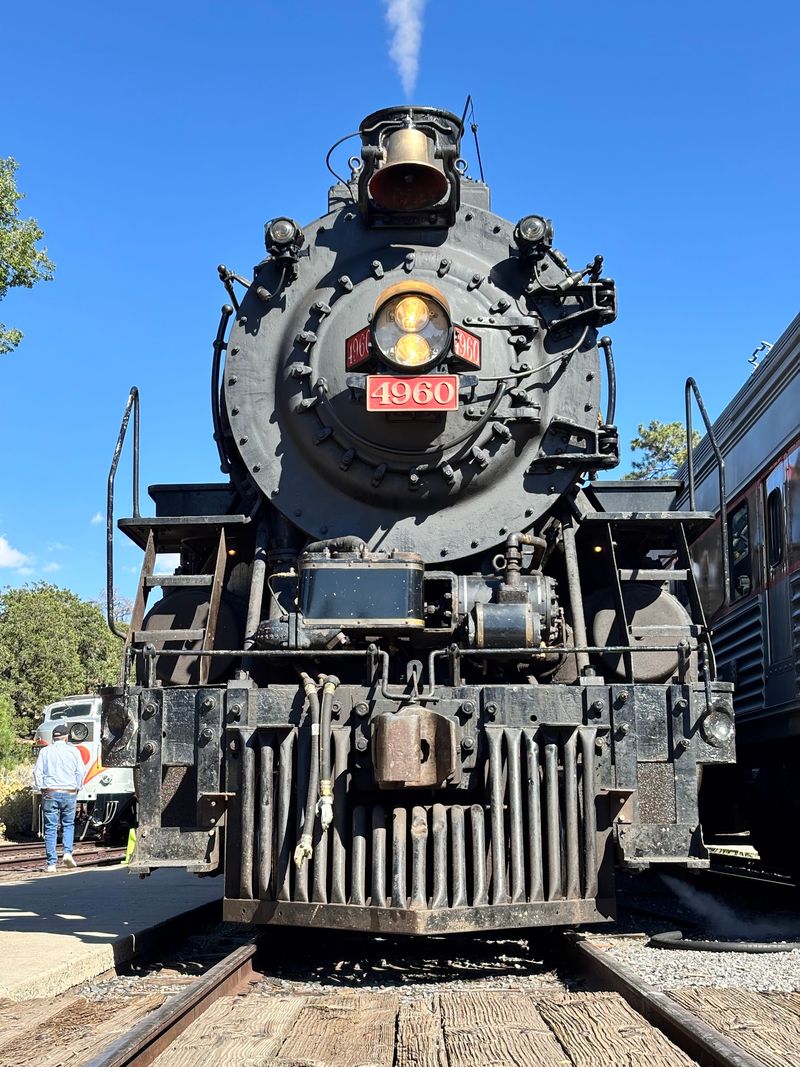
Williams calls itself the Gateway to the Grand Canyon, and the train is a big part of how it earns that title. The historic 1908 depot on Railroad Avenue serves as the southern terminus of the Grand Canyon Railway, which carries passengers 65 miles north to the South Rim of Grand Canyon National Park.
Daily service runs from Williams, giving travelers an alternative to the congested highway approach to the canyon. The railway has operated continuously since 1901, with a gap from 1968 to 1989, making its restoration a notable chapter in American railroad history.
Themed train cars and onboard entertainment have made the ride part of the attraction rather than just transportation.
Williams itself has leaned into its railroad and Route 66 identity in a way that feels authentic rather than manufactured. The depot area anchors the historic downtown, and the presence of daily train operations keeps the surrounding businesses consistently active across multiple seasons.
North Conway Station, North Conway, New Hampshire
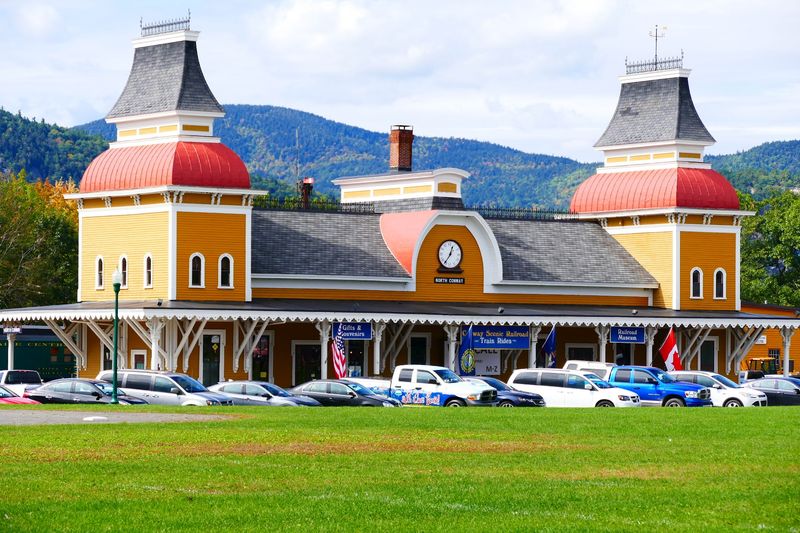
The 1874 North Conway Station is one of the more architecturally striking depots on this list, with Victorian-era detailing that makes it worth a visit even before the train departs. Conway Scenic Railroad has operated from this station for decades, running both Valley Train excursions and the longer Mountaineer trips through Crawford Notch.
The Mountaineer route is particularly notable. It travels through Crawford Notch State Park, crossing a high trestle and passing through terrain that would be difficult to experience any other way.
The trip takes several hours round trip and runs during the foliage season, when demand for tickets is at its highest.
North Conway is already a popular destination in the White Mountains, but the railroad adds a dimension that pure shopping or skiing towns cannot offer. Special event trains tied to July Fourth and other local occasions keep the station active beyond standard excursion seasons.
The depot building itself is listed on the National Register of Historic Places.
Essex Station, Essex, Connecticut
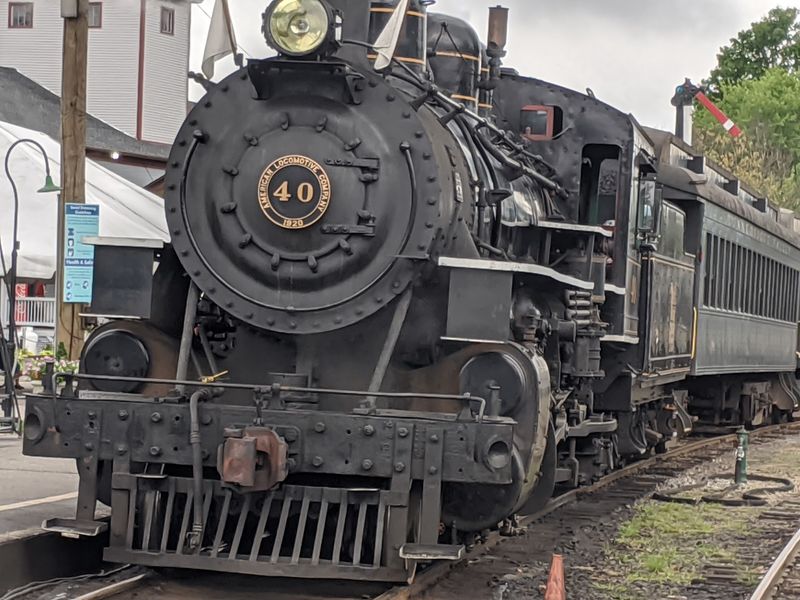
Essex is one of those New England river towns that seems to have kept itself remarkably intact, and the railroad fits right into that character. Essex Station, built in 1892, is the departure point for the Essex Steam Train and Riverboat, which combines a rail trip through the Connecticut River Valley with an optional riverboat segment.
The combination excursion is what sets this operation apart from a standard scenic railroad. Passengers board a steam train from Essex, ride to Deep River Landing, and then have the option to transfer to a riverboat for a cruise on the Connecticut River before returning by train.
The round trip covers terrain that is genuinely hard to see from a car.
The 2026 schedule includes brunch trains, family events, and themed excursions that extend the railroad’s appeal well beyond train enthusiasts. Essex itself is a walkable historic town, so the railroad experience pairs naturally with the village’s shops, galleries, and waterfront.
The station remains a functional and well-maintained piece of New England rail history.
Jim Thorpe Station, Jim Thorpe, Pennsylvania
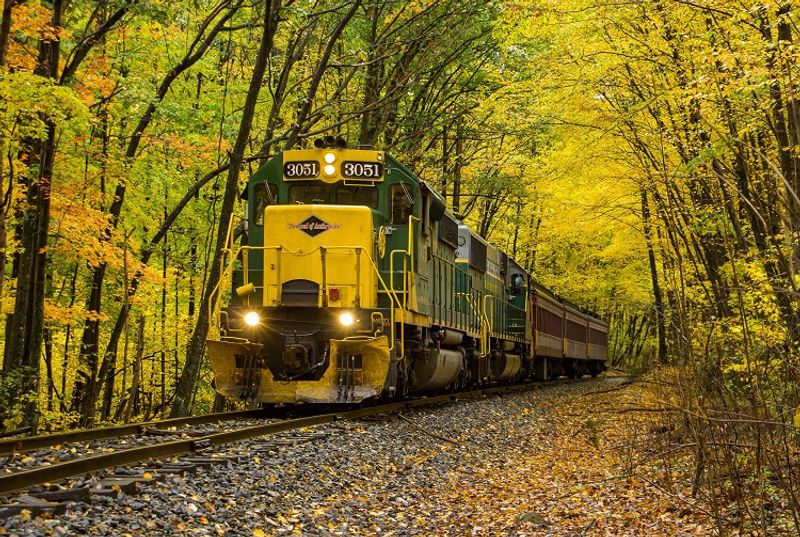
Jim Thorpe is one of those small Pennsylvania towns that packs a lot into a tight downtown, and rail travel is woven through much of what makes it work as a destination. The Lehigh Gorge Scenic Railway operates excursions from the town through the Lehigh Gorge, a stretch of river canyon that offers some of the most dramatic scenery in the state.
Reading and Northern Railroad also brings passengers into Jim Thorpe from other Pennsylvania communities, adding a connectivity layer that most small scenic railroad towns do not have. Daily Lehigh Gorge operations returned for the 2026 season, reinforcing the railroad’s role in keeping downtown foot traffic consistent.
The town’s Victorian architecture and steep hillside setting make it a natural fit for a railroad identity. Arriving by train rather than by car genuinely changes the experience of entering Jim Thorpe, because the station sits at the base of the historic district.
That arrival experience is one of the more memorable on this list.
Chama Depot, Chama, New Mexico
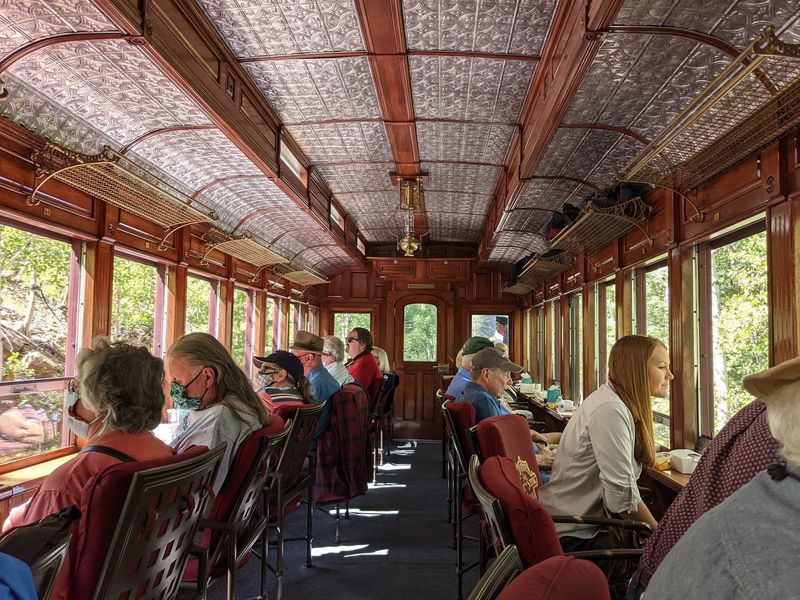
Chama sits at 7,851 feet in the mountains of northern New Mexico, and the Cumbres and Toltec Scenic Railroad has been operating from this small town since 1880. The railroad yard in Chama is one of the most complete surviving examples of narrow-gauge railroad infrastructure in the country, with a working roundhouse, turntable, and original locomotive facilities still in use.
Trains depart from Chama and travel 64 miles to Antonito, Colorado, crossing the Cumbres Pass at 10,015 feet. The route passes through remote high country that has changed very little since the railroad was first built.
That sense of genuine isolation is part of what makes the trip compelling.
The town of Chama is small, and the railroad is not a minor attraction here. It is the primary economic driver during operating season.
The depot, yard, and surrounding railroad infrastructure give Chama a visual character that is unlike most small towns in the Southwest. The railroad essentially defines what Chama looks like.
Antonito Depot, Antonito, Colorado
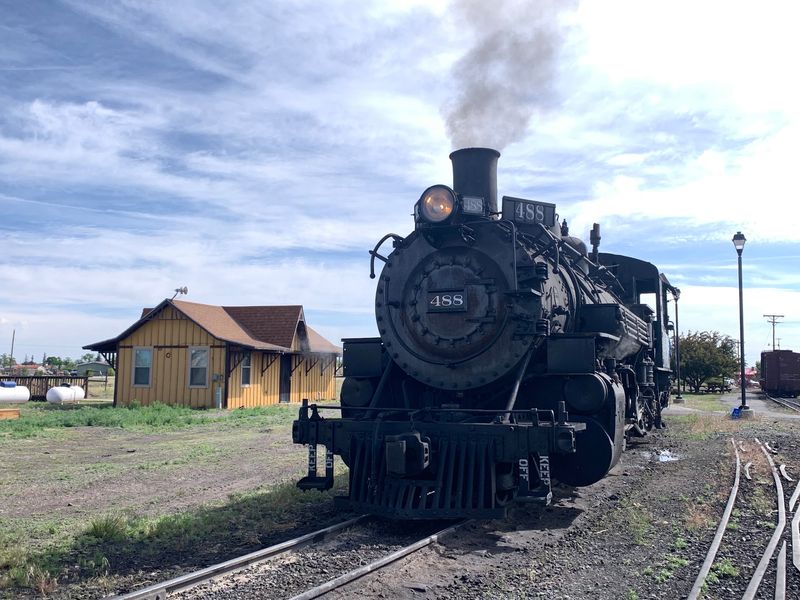
Antonito is a quiet southern Colorado community that most travelers would pass without a second glance, but it holds one of the more historically significant rail connections in the American West. The Antonito Depot serves as the Colorado terminus of the Cumbres and Toltec Scenic Railroad, the same narrow-gauge line that begins 64 miles away in Chama, New Mexico.
Passengers can start full-line trips from Antonito, traveling the entire route to Chama, or join shorter excursions that cover portions of the line. The flexibility makes Antonito accessible even for travelers with limited time.
Operating season typically runs from late May through mid-October.
The town itself is small, with a population under a thousand, which means the railroad represents a meaningful economic presence during operating months. Antonito does not have the resort infrastructure of some railroad towns on this list, and that straightforwardness is part of its appeal.
What you find here is a real working rail terminal with genuine history attached to every departure.
East Ely Depot, Ely, Nevada
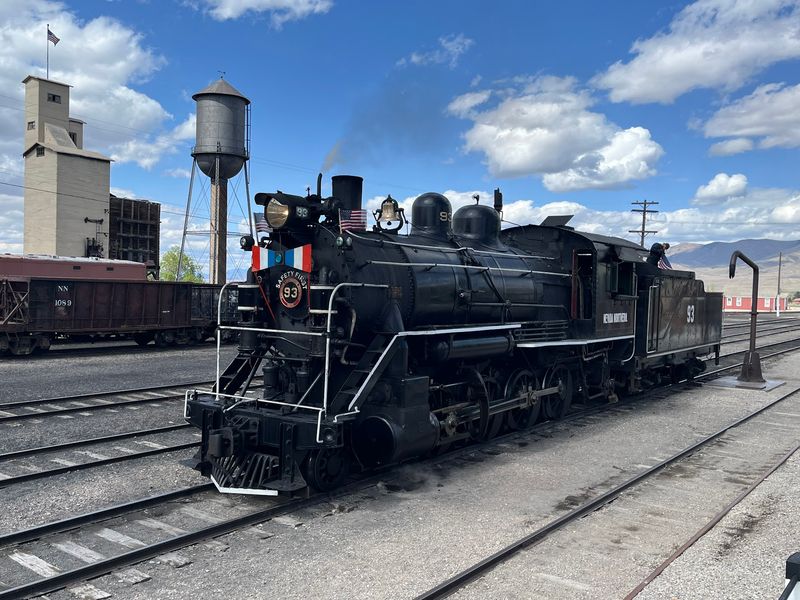
The East Ely Depot is part of one of the most intact historic railroad complexes remaining in the United States. The Nevada Northern Railway Museum occupies the original site, preserving not just the 1907 depot building but also the enginehouse, machine shop, freight house, and original rolling stock in a way that feels more like a working railroad than a typical museum.
Nevada Northern Railway excursion trains still depart from East Ely, carrying passengers on trips through the surrounding high desert terrain. The railway is celebrating its 120th anniversary in 2026, with specialty excursions and events planned around the milestone.
Ely is a remote town in White Pine County, far from Nevada’s more visited corridors, which gives the railroad complex an uncluttered, authentic quality that is genuinely hard to find. The site has been recognized by the American Society of Civil Engineers and by preservation organizations for the completeness of its surviving infrastructure.
For railroad history specifically, East Ely is among the most rewarding stops in the country.
Skagway Depot, Skagway, Alaska
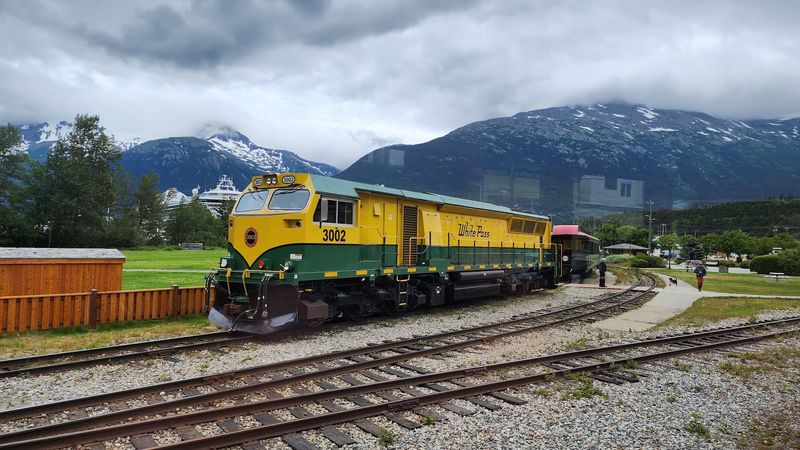
Skagway is one of the few American towns where the railroad is visible from almost every point in the downtown area. The White Pass and Yukon Route climbs directly out of town, gaining nearly 3,000 feet of elevation within the first 20 miles.
The tracks are cut into cliff faces above the Skagway River, and the engineering required to build the line in 1898 remains remarkable by any standard.
Multiple excursions depart from Skagway during the Alaska tourism season, including trips to Fraser, British Columbia, and to Carcross in Yukon. The railway crosses into Canada, making it one of the few international scenic railroads operating in the United States.
Most passengers arrive in Skagway by cruise ship, and the White Pass train is consistently one of the most booked excursions in Southeast Alaska.
The depot building sits at the center of Skagway’s compact historic district, and the sound of a departing train carries through the entire town. The railroad and the town are essentially the same story told in two different ways.
Cass Depot, Cass, West Virginia
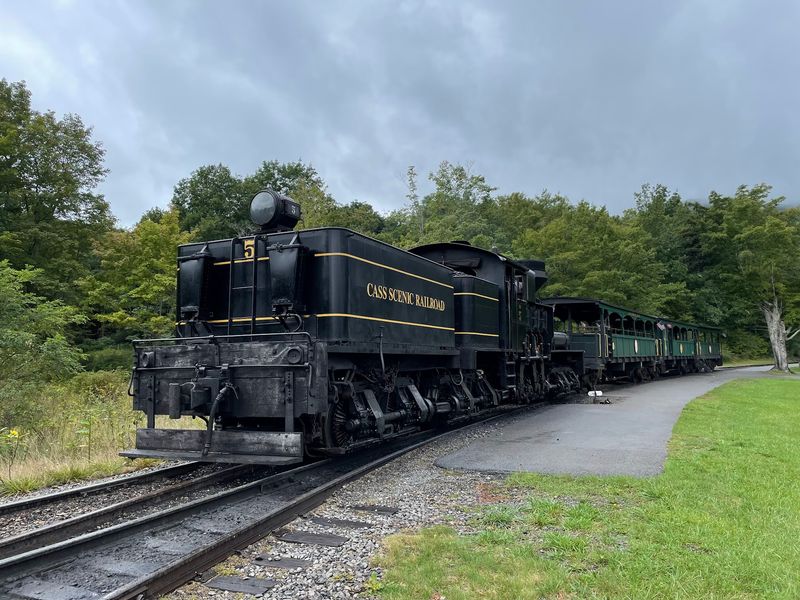
Cass is not a town that happens to have a railroad. Cass is a railroad town, full stop.
The entire community was built by the West Virginia Pulp and Paper Company in 1901 to house workers for its logging operation, and the railroad was the reason for all of it. Today, Cass Scenic Railroad State Park preserves that history in a form that visitors can actually ride.
Steam-powered trains depart for Bald Knob, the second-highest point in West Virginia, and for Whittaker Station, a shorter excursion into the surrounding Appalachian forest. The locomotives used are original Shay engines, a geared design built specifically for steep mountain grades.
The company store, worker houses, and railroad infrastructure have been preserved as part of the state park, giving Cass a coherence that most heritage sites cannot match. Walking through Cass gives you the clearest possible picture of what a company railroad town actually looked like in daily operation.
Nothing here feels reconstructed.
Leadville Railroad Depot, Leadville, Colorado
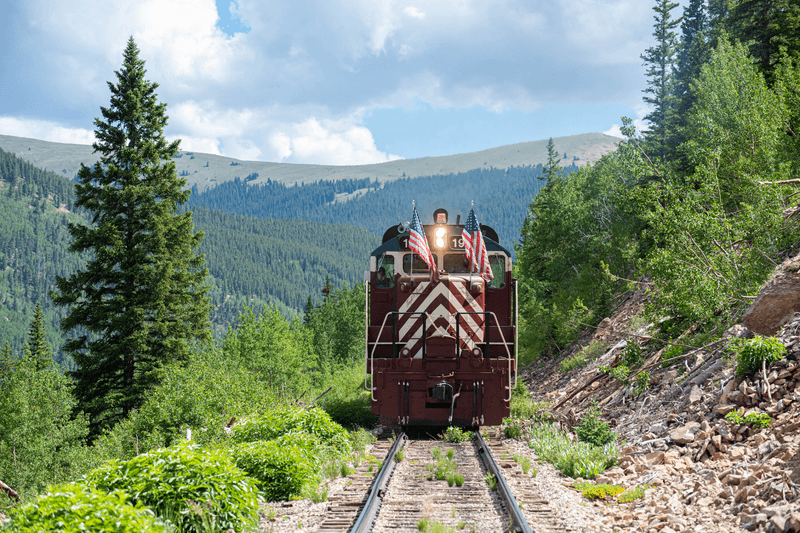
At over 10,000 feet above sea level, Leadville is already one of the highest incorporated cities in the United States, and the railroad that runs from here climbs even higher. The Leadville Colorado and Southern Railroad operates scenic excursions through the high country above the historic mining town, crossing terrain that defined Colorado’s silver boom era in the late 1800s.
The 2026 schedule runs from spring through the holiday season, with daily departures during peak summer months. Fall foliage trips are especially popular because the route passes through stretches of aspen groves that turn a sharp gold in September and October.
Leadville itself is one of the more historically layered towns in Colorado, with a downtown that retains much of its Victorian-era character. The railroad adds a direct physical connection to the landscape surrounding the town, which is easy to admire from the street but much more impressive from a rail car climbing through it.
The combination makes Leadville worth a full day.
Boone and Scenic Valley Railroad Depot, Boone, Iowa
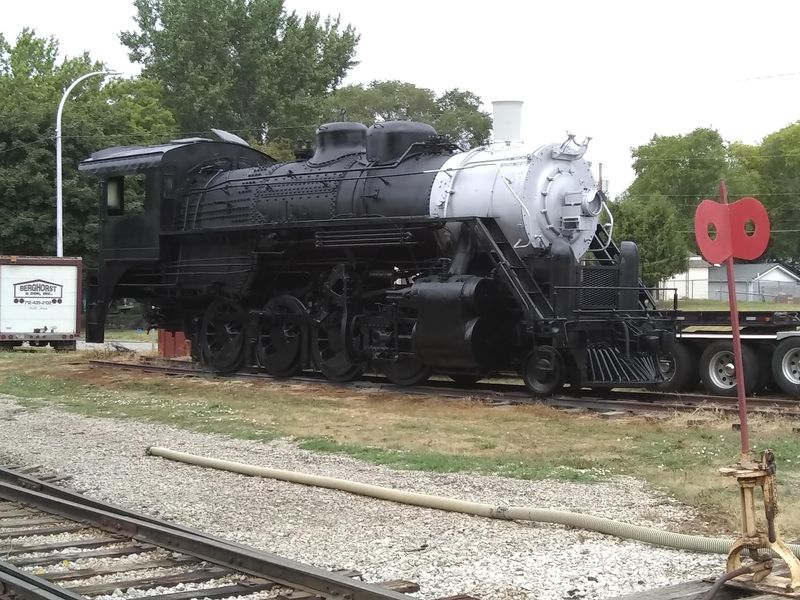
Iowa might not be the first state that comes to mind for railroad heritage, but Boone has built a genuine identity around its rail history. The Boone and Scenic Valley Railroad, operated by the Iowa Railroad Historical Society, runs excursion trains from the depot through the Des Moines River valley, crossing the Kate Shelley High Bridge, one of the tallest double-track railroad bridges in the country.
The bridge crossing alone sets this railroad apart from many similar operations. At 185 feet above the river, the view from the train is unexpected for a state most people associate with flat farmland.
The Des Moines River valley is genuinely scenic, and the bridge gives the trip a specific highlight that passengers remember.
The historical society has continued investing in depot facilities and historic equipment, keeping the operation in solid shape for the 2026 season. Boone’s railroad identity runs deeper than the excursion trains alone, with rail history woven into the town’s museums, events, and community character in a way that feels earned rather than invented.
Share this story