Some places get hot. Some places get humid.
But a handful of cities around the world manage to do both at the same time, turning summer into something that feels almost personal. When heat and moisture team up, the air itself becomes the enemy, and knowing which cities deal with this combination can help you prepare, plan, or simply appreciate your next trip a whole lot more.
Doha, Qatar
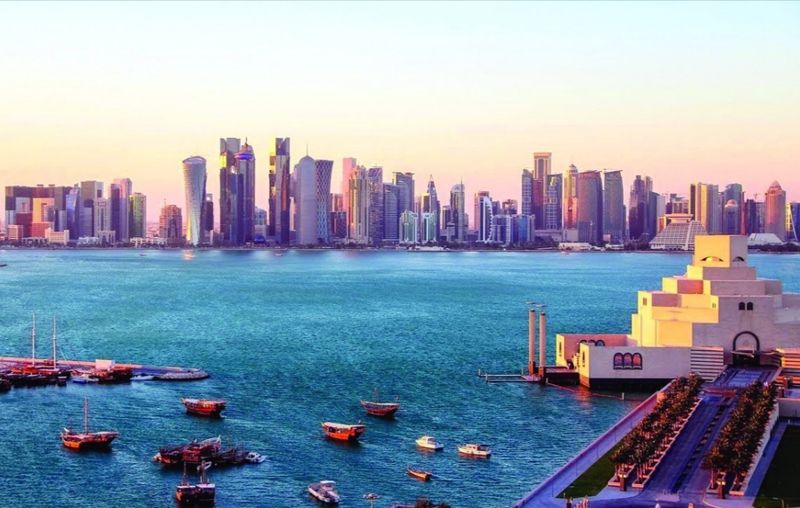
Step outside in Doha during July and the air does not just feel warm, it feels like the atmosphere is pushing back against you. The city sits beside the Persian Gulf, and that warm body of water pumps moisture into air that is already scorching from the desert sun.
The World Bank evaluates Qatar’s heat risk using a combined temperature-and-humidity approach, recognizing that the heat index tells a far more honest story than the thermometer alone.
Sweat evaporates slowly when the air is already loaded with moisture, so the body works harder to stay cool. Even a light sea breeze offers less relief than you might expect.
Doha’s summers regularly push daytime highs well above 100 degrees Fahrenheit, and the added humidity makes each degree feel sharper.
Warm nights are another factor worth watching. The World Bank includes nighttime minimums in its heat-risk assessment because temperatures that stay high after sunset prevent the body from recovering.
For anyone used to dry desert weather, Doha can come as a genuine shock: the number on the weather app barely scratches the surface of what conditions actually feel like outside.
Dubai, United Arab Emirates
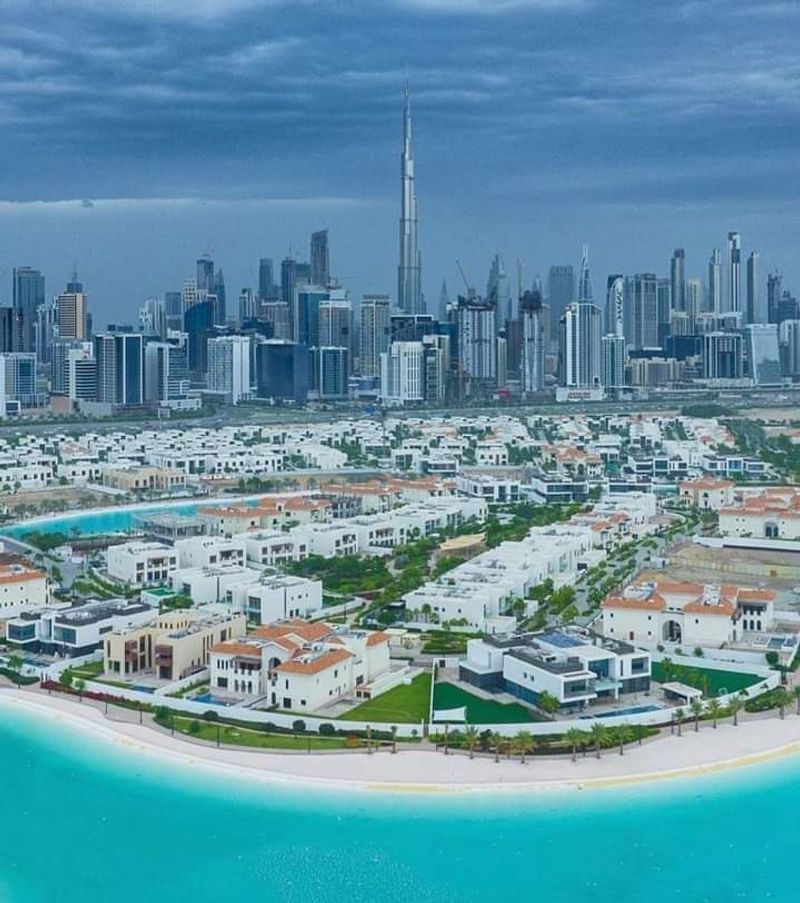
Dubai has built one of the most air-conditioned cities on earth, and there is a very good reason for that. The Persian Gulf sits right next door, feeding warm moisture into air that already reaches extreme summer temperatures.
The World Bank evaluates the UAE’s heat exposure using heat-index thresholds, acknowledging that temperature and humidity together create a burden that raw temperature figures simply cannot capture on their own.
Walking between buildings in July can feel genuinely punishing. Even a short outdoor stretch involves heat that wraps around you rather than simply warming you.
The city’s glass towers, wide roads, and sun-baked surfaces hold onto heat through the day, keeping conditions intense from morning to night.
Nighttime offers only partial relief. The World Meteorological Organization points out that hot nights are especially significant because buildings and streets release stored heat slowly, limiting how much recovery happens between hot days.
Tourists who visit Dubai in summer often describe the outdoor experience as something between a sauna and a furnace, and that description is not much of an exaggeration. The infrastructure is impressive, but the climate outside it is serious business.
Abu Dhabi, United Arab Emirates
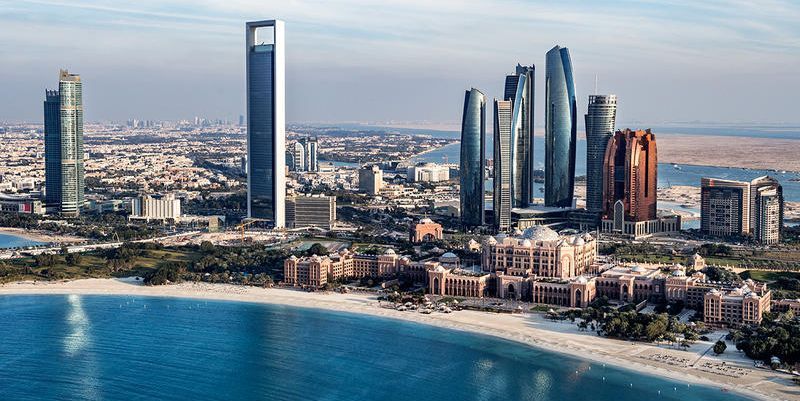
Abu Dhabi shares a coastline, a country, and a climate challenge with Dubai, but its island and coastal geography makes the relationship between heat and Gulf humidity feel especially direct. On a summer afternoon, the air can feel thick enough to slow you down before you have even walked a full block.
The UAE’s World Bank heat profile tracks daytime highs, nighttime minimums, and heat index as distinct but connected hazards.
One thing worth understanding is that Abu Dhabi does not need to set a temperature record for conditions to become genuinely stressful. High humidity raises the physiological burden of heat even when the thermometer sits at a level that looks familiar.
The body simply cannot shed warmth as efficiently when the surrounding air is already saturated with moisture.
Summer humidity peaks tend to coincide with the hottest part of the year, which the World Bank identifies as the period of greatest combined risk. Residents rely heavily on covered walkways, shaded transit connections, and powerful air conditioning systems to manage daily life.
Visitors who underestimate the outdoor conditions during peak summer often find themselves retreating indoors far sooner than planned, which is honestly the sensible move.
Muscat, Oman
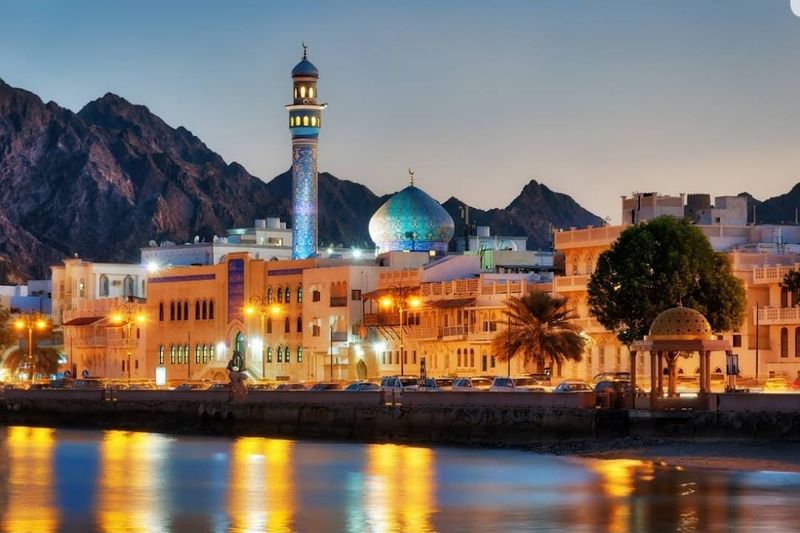
Wedged between dramatic rocky mountains and the warm Gulf of Oman, Muscat looks like a postcard until summer arrives and the climate starts making demands. The city’s geography is part of what drives its intense conditions: the sea supplies moisture while the surrounding terrain traps warm air and limits wind circulation.
Oman’s World Bank heat-risk assessment evaluates temperature and humidity together, flagging summer and peak-humidity periods as the most challenging stretch of the year.
Coastal moisture means that high temperatures feel heavier than they look on paper. Sweat sits on the skin rather than evaporating, reducing the body’s ability to cool itself efficiently.
The World Meteorological Organization highlights this exact mechanism when explaining why humid heat is physiologically different from dry heat, even at identical air temperatures.
Warm nights add to the difficulty. When temperatures remain high after sunset, the body gets less of the recovery time it needs between hot days.
Travelers who time a visit to Muscat wisely, sticking to the cooler months between October and March, encounter an entirely different city: breezy, manageable, and genuinely beautiful. The summer version is a reminder that geography can turn even a coastal setting into one of the world’s more demanding climates.
Jeddah, Saudi Arabia
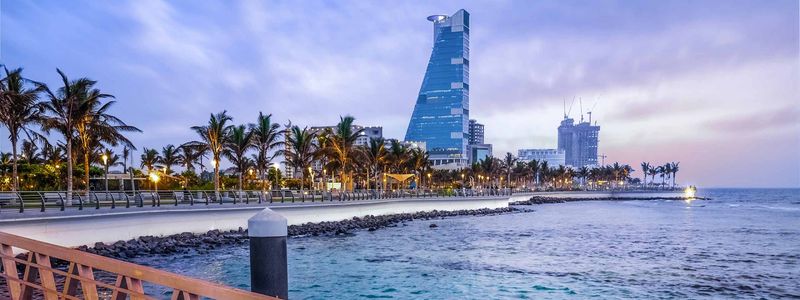
Most people picture Saudi Arabia as a land of dry, blazing desert heat, and for inland cities like Riyadh, that picture is accurate. Jeddah is a different situation entirely.
Sitting directly on the Red Sea, the city trades the dry desert profile for something muggier and, in many ways, harder to tolerate. Saudi Arabia’s World Bank heat assessment explicitly factors in combined temperature-and-humidity conditions when evaluating risk to populated coastal areas.
The Red Sea is warm and shallow, which makes it an efficient source of atmospheric moisture. On summer days, that moisture combines with high air temperatures to push the heat index well above what the thermometer records.
Even when Jeddah’s air temperature comes in lower than an inland city on the same day, the humidity can make outdoor conditions feel considerably more oppressive.
After sunset, the situation does not always improve much. Humidity stays elevated through the night, and temperatures drop more slowly along the coast than in the dry interior.
Jeddah is a useful reminder that the city with the highest recorded temperature is not always the city with the hardest climate to actually live in. Humidity rewrites the rules, and Jeddah plays by its own version of them.
Karachi, Pakistan
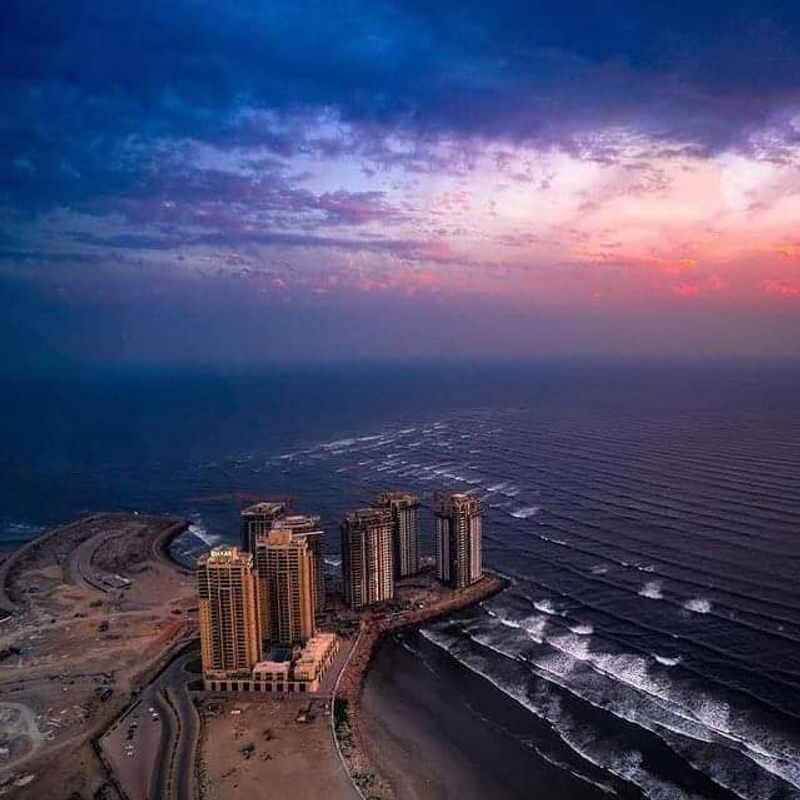
Karachi sits on the Arabian Sea, and while that coastal position gives the city a maritime character, it does not translate into cool, refreshing summers. Sea air brings moisture, and when that moisture meets the region’s high summer temperatures, the result is a heat stress environment that affects one of the most densely populated cities in the world.
The sheer number of people exposed makes the climate conditions here especially significant from a public health standpoint.
The World Meteorological Organization specifically notes that humid heat deserves separate attention from dry heat because rising atmospheric moisture degrades the body’s evaporative cooling system. It describes persistent heat and humidity in tropical and coastal regions as a serious hazard even when conditions fall short of a classic heat wave.
Karachi fits that description during its hottest months.
The city’s dense urban fabric compounds the problem. Roads, buildings, and rooftops absorb heat during the day and release it gradually overnight, keeping nighttime temperatures higher than surrounding rural areas.
A temperature reading that looks manageable on a weather app can feel far harsher once humidity enters the picture. For outdoor workers and people without reliable cooling, Karachi summers represent a genuine and ongoing physical challenge that numbers alone rarely communicate.
Kolkata, India
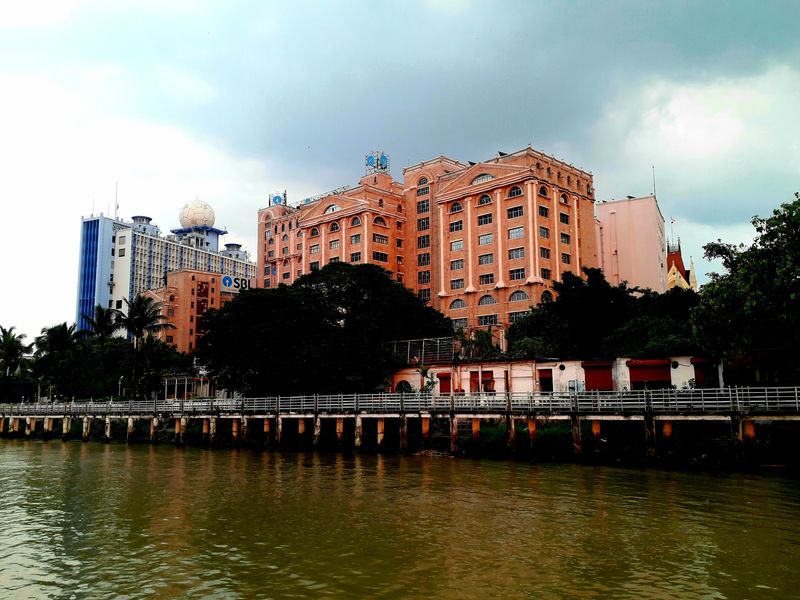
There is a particular kind of misery that Kolkata residents know well: the weeks just before the monsoon arrives, when temperatures are at their peak and humidity is already climbing but the rains have not yet brought relief. The air during this period is heavy, sticky, and relentless.
The World Bank highlights both maximum daytime temperatures and the urban heat-island effect as key factors in India’s heat-risk picture, and Kolkata checks both boxes with some force.
As the monsoon approaches, warm moist air pushes in from the Bay of Bengal, layering humidity onto temperatures that are already high. The World Health Organization notes that sustained exposure to combined heat and humidity creates particular challenges for people working outdoors or performing physical labor, and Kolkata has a large population that fits that description.
Dense streets with limited tree cover can turn certain neighborhoods into heat traps, especially when winds are light and the sun is high. The city eventually gets relief when the monsoon breaks, but that arrival is its own kind of intense, bringing torrential rain alongside continuing warmth.
For anyone visiting between April and June, Kolkata is a place where the weather demands respect, proper hydration, and a genuine appreciation for shade wherever it can be found.
Chennai, India

Chennai earned its reputation as one of India’s most persistently humid cities the hard way: by simply being hot and sticky for most of the year. Positioned along the Bay of Bengal, the city receives a steady supply of coastal moisture that combines with tropical temperatures to create conditions that feel heavy almost every day.
Unlike places where intense heat is paired with dry air, Chennai layers warmth and moisture together in a way that keeps the body working constantly to stay cool.
The World Bank’s climate framework for India emphasizes that heat risk cannot be read from daytime highs alone. Nighttime minimums, local geography, proximity to water, and urbanization all shape how heat is actually experienced by residents.
Chennai scores notably on several of these dimensions at once.
The Bay of Bengal moderates some of the sharpest temperature swings, preventing the dramatic day-to-night drops seen in drier climates. That sounds helpful until you realize it also means the nighttime air stays warm and muggy rather than offering a proper cool-down.
Visitors often describe the experience as sleeping inside a warm, damp cloth. The city has its charms, and its food culture is extraordinary, but the climate is something you genuinely have to prepare for before you arrive.
Bangkok, Thailand
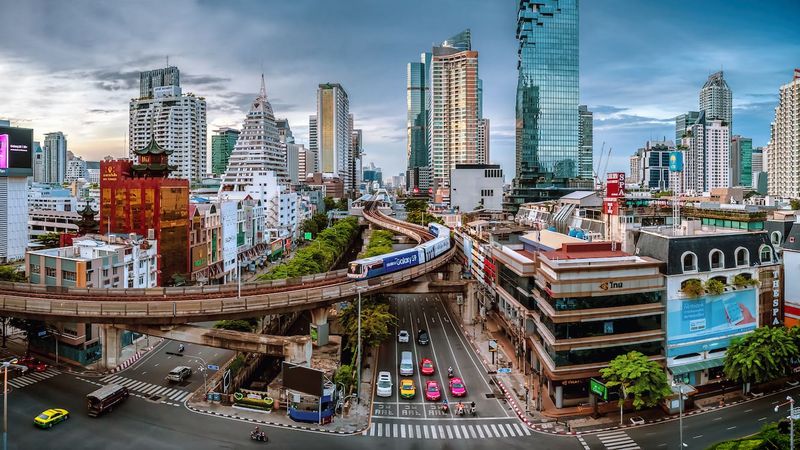
Bangkok does not have a heat season so much as it has a heat personality: warm, persistent, and present for most of the year. The city’s tropical setting keeps temperatures high and humidity generous across multiple seasons, and Thailand’s Climate Change Knowledge Portal includes compounded heat risk among the country’s major climate concerns.
Evaluating temperature and humidity together rather than separately is the only way to get an honest picture of what Bangkok summers actually feel like.
The urban environment intensifies the experience. Dense buildings, wide concrete roads, and millions of vehicles create a city surface that absorbs heat through the day and releases it slowly after dark.
The World Meteorological Organization explains this urban heat-island effect as a key reason why cities can feel dramatically warmer than surrounding rural areas, especially at night when natural cooling should be taking hold.
Add the baseline tropical humidity, and Bangkok produces a kind of persistent warmth that wears on you in a different way from occasional extreme heat events. There are no dramatic temperature spikes to point to, just a steady, humid heaviness that defines life outdoors for much of the year.
Street food culture thrives here partly because eating outside is unavoidable, and locals have simply built their lives around managing the heat with great skill.
Singapore
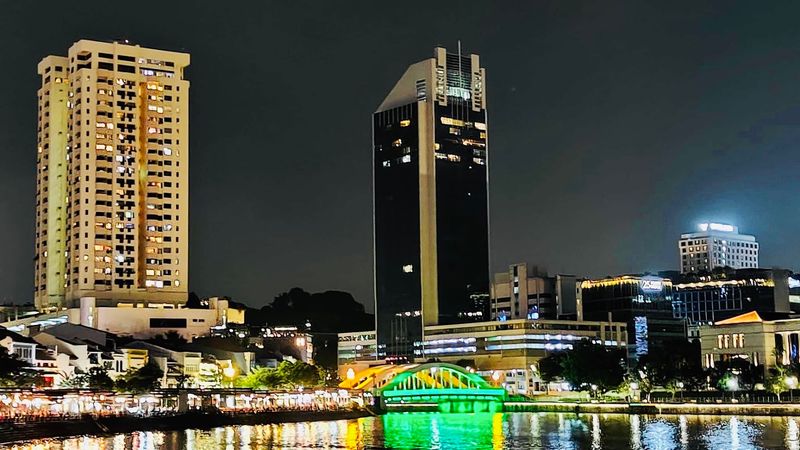
Almost perfectly on the equator, Singapore has turned managing year-round heat and humidity into something of a civic art form. The city-state’s shaded pedestrian paths, indoor-outdoor spaces, and carefully maintained greenery are not just aesthetic choices.
They are practical responses to a climate that never really takes a cool season off. The World Bank evaluates Singapore using daily maximum temperatures, nighttime minimums, and heat index together, noting that combined heat and humidity are central to understanding the country’s climate exposure.
Unlike cities that suffer through a brutal summer and then recover, Singapore faces warm, humid conditions across every month of the year. High atmospheric moisture means that even modest temperature increases can produce noticeable jumps in heat stress.
The heat index regularly climbs above the measured air temperature, sometimes significantly.
Nighttime warmth is a consistent feature rather than an occasional problem, limiting how much natural cooling happens after dark. The city has responded with impressive urban design, including tree-lined streets, covered walkways, and building codes that encourage shade and ventilation.
For visitors, Singapore is a place where you quickly learn to seek shade, drink water constantly, and appreciate just how thoughtfully the city has been designed around the reality of living in one of the world’s most persistently humid climates.
Kuala Lumpur, Malaysia
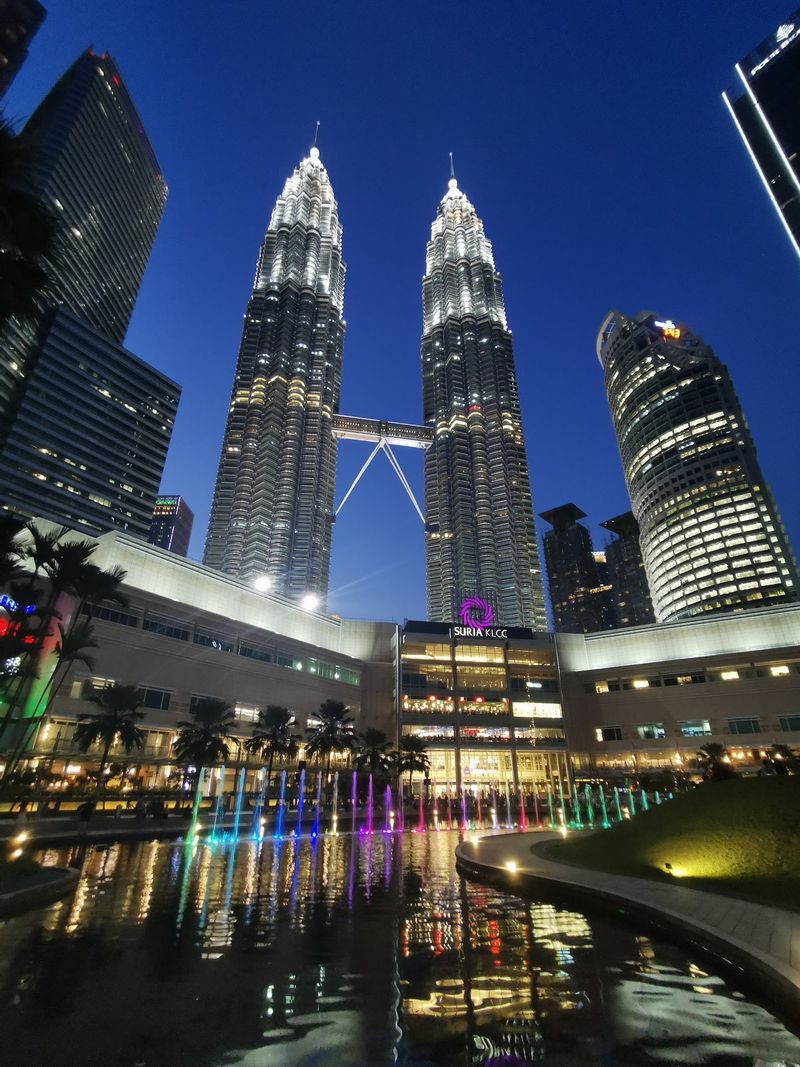
Kuala Lumpur gets a fun footnote in climate science: the World Meteorological Organization has actually used the city as a reference point when explaining why extreme heat should be defined relative to local climate rather than by a single global temperature cutoff. A temperature that looks modest compared to Middle Eastern readings can still produce serious heat stress when paired with the thick, saturated air of a tropical Malaysian afternoon.
Malaysia’s World Bank heat-risk assessment considers both temperature-only and temperature-plus-humidity measures, paying particular attention to areas where large numbers of people are exposed. Kuala Lumpur, as a major metropolitan center, sits squarely in that category.
Rainfall is abundant, which keeps the greenery lush, but also means the air is almost always loaded with moisture.
The city’s tree-lined boulevards and parks help provide shade in many neighborhoods, offering some relief from direct sun. But the dense roads, commercial buildings, and traffic-heavy streets can retain substantial warmth well into the evening.
For residents, the climate is simply a fact of daily life, managed with light clothing, cold drinks, and the ever-present air conditioning. For visitors arriving from temperate climates, the combination of warmth and humidity can feel surprisingly demanding from the very first step outside the airport.
Jakarta, Indonesia
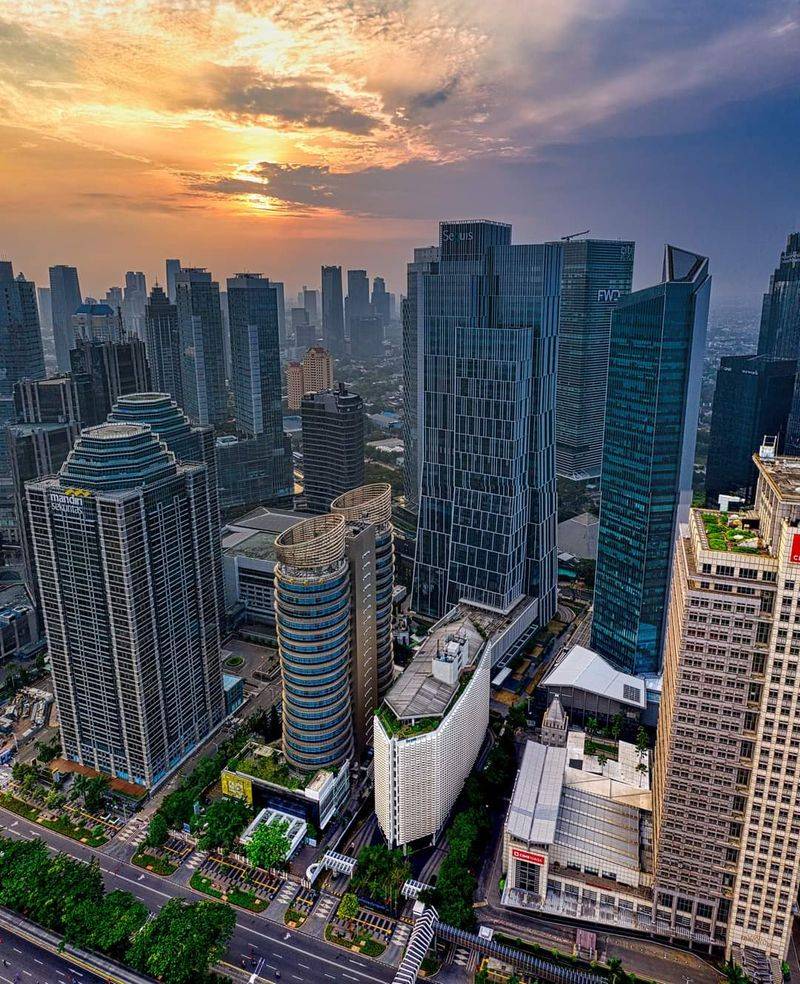
Jakarta is one of the most populous urban areas on earth, and its climate matches that scale in intensity. Tropical heat, persistent moisture, dense development, and a massive urban footprint combine to create conditions that are difficult to escape for much of the year.
Indonesia’s Climate Change Knowledge Portal tracks compounded heat risk among the country’s key climate concerns, and the World Bank identifies heavily populated Java as one of Indonesia’s most climate-vulnerable regions.
The city’s coastal position keeps atmospheric moisture levels high, while its urban density works against nighttime cooling. The World Health Organization notes that urban growth amplifies heat exposure when it comes with reduced green space and an abundance of heat-absorbing building materials, a description that fits large parts of Jakarta closely.
For residents, the experience is less about dramatic temperature spikes and more about relentless warmth and stickiness that continues around the clock. The city does not need a heat wave to feel oppressive; the baseline tropical climate handles that on its own.
Green spaces and waterways exist throughout the city, but they are not always enough to offset the thermal mass of millions of buildings and roads. Jakarta’s climate is a daily negotiation between the city and its environment, and the environment rarely backs down first.
Manila, Philippines

Manila sits in a tropical maritime climate that delivers heat and moisture across most of the calendar, and the numbers behind that reality are striking. World Bank climate information for the Philippines describes average national humidity at roughly 82 percent, driven by warm moist winds, surrounding seas, heavy rainfall, and dense vegetation.
In Metro Manila, those baseline conditions are intensified further by one of Southeast Asia’s largest urban populations.
A World Bank climate risk profile raises a pointed concern: the combination of ongoing warming and the urban heat-island effect could push Metro Manila toward becoming an internationally significant hotspot for dangerous heat if sufficient adaptation does not keep pace with development. That is a serious assessment for a city already dealing with persistent humidity and high temperatures.
Nighttime relief is limited. High moisture in the air keeps temperatures elevated after dark, reducing the recovery window that the body depends on between hot days.
The dense urban fabric traps warmth and slows ventilation in many neighborhoods. For residents, this means heat is not a seasonal visitor but a year-round companion that shapes everything from building design to daily schedules.
Manila’s climate is demanding, but its residents have developed a remarkable resilience and creativity in living alongside it every single day.
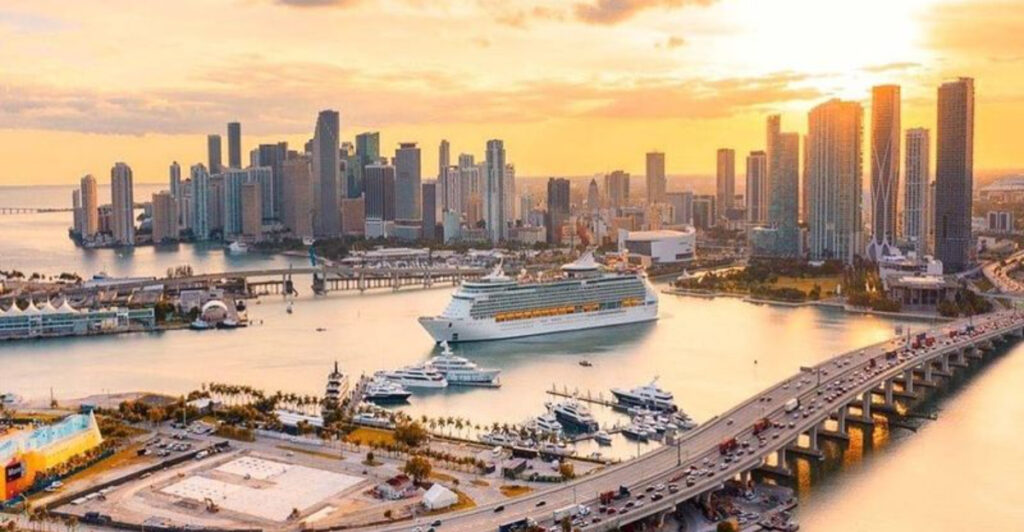
Miami, Florida
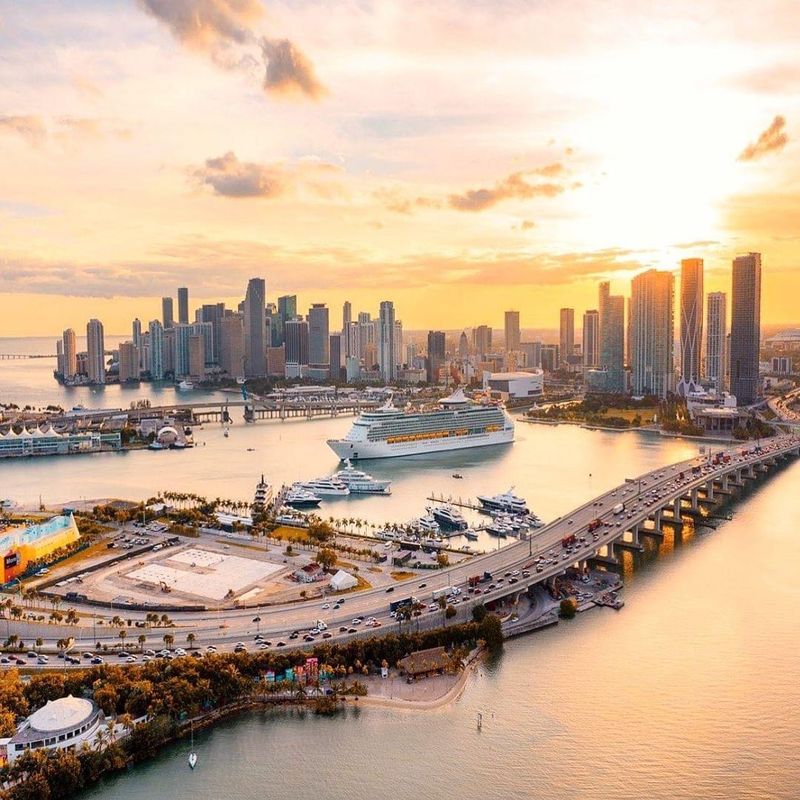
Miami proves that you do not need to travel to the Middle East or Southeast Asia to experience genuinely punishing heat and humidity. National Weather Service data for July 2026 recorded an average relative humidity of 70 percent in Miami, an average daily maximum temperature of 93 degrees Fahrenheit, and an average minimum of 79.3 degrees.
Every single day that month reached at least 90 degrees. Those are not outlier figures; they are what a standard Miami summer looks like.
The warm nights are what make Miami’s climate particularly demanding. When the overnight low hovers near 80 degrees, the body gets far less recovery time than it would in a drier climate where temperatures drop sharply after sunset.
High humidity means sweat evaporates slowly, so the body’s most reliable cooling system operates at reduced efficiency through both day and night.
Ocean breezes and afternoon thunderstorms provide temporary breaks, but they do not reset the underlying conditions. The Atlantic and the Gulf of Mexico keep moisture levels high regardless of cloud cover or wind direction.
Miami summers are a reminder that the United States has its own version of tropical humid heat, and it is every bit as real as anything found on the other side of the world.
Share this story