Museums are wonderful, but they ask you to look without touching, to observe without participating. Markets, on the other hand, pull you right into the middle of the action. Some of the world’s most historically rich and culturally layered cities happen to host markets that tell their stories better than any exhibit ever could. From a medieval bazaar in Cairo that has been trading since 1382 to a Parisian covered market older than the United States, these places are not just shopping stops.
They are living, breathing records of how cities eat, trade, and connect. A few of these markets have been named the best in the world. Others have survived wars, demolitions, and urban development to keep their doors open for centuries. All of them reward the curious visitor with something no museum ticket can offer: a place where you can actually buy the history on display.
1. Grand Bazaar, Istanbul, Turkey
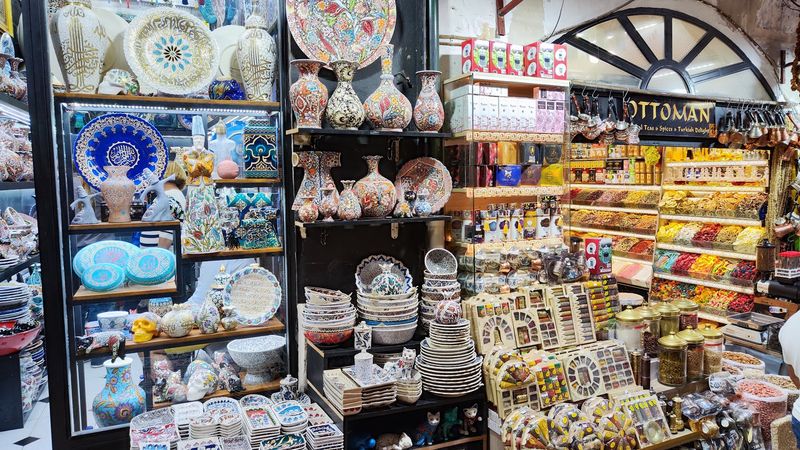
Sultan Mehmed the Conqueror established this market in 1461, and it has been quietly expanding ever since, to the point where it now contains more than 60 covered streets and roughly 4,000 shops.
The layout reflects an ancient guild system, where specific trades clustered together in designated lanes. That organizational logic still holds today, making it easier to find carpets in one section, gold jewelry in another, and ceramics in a third.
Handwoven Turkish kilims, Iznik ceramics with their distinctive blue patterns, and fine leather goods are among the most sought-after items. Vendors routinely offer tea during negotiations, turning a simple transaction into a social exchange.
Choosing which direction to walk first is genuinely part of the adventure here. The bazaar functions less like a shopping destination and more like a small, covered city with its own internal geography.
2. Fish Market Tsukiji Outer Market, Tokyo, Japan
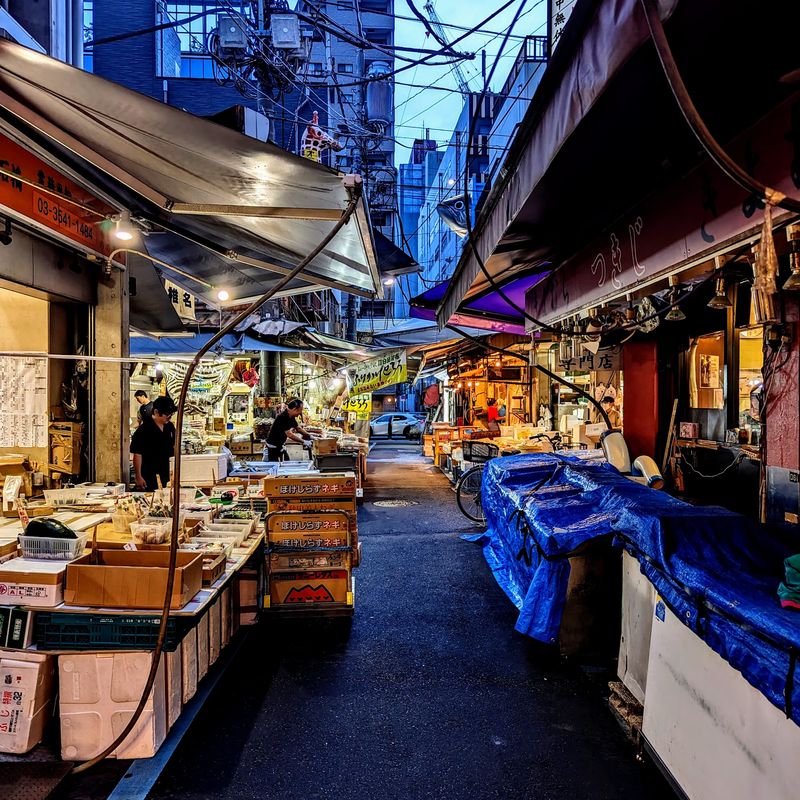
When the famous wholesale fish operations relocated to Toyosu in 2018, many assumed Tsukiji would fade. That assumption turned out to be completely wrong.
The Outer Market kept its character intact, and its narrow lanes remain crowded with seafood vendors, kitchen goods merchants, and counters serving sushi, grilled items, and traditional rolled omelets. Arriving with an appetite is not optional here; it is practically a requirement.
The market functions as a direct window into Tokyo’s culinary priorities, where freshness is treated as a non-negotiable standard rather than a selling point. Visitors can watch preparation techniques up close and sample dishes from multiple vendors within a short stretch of pavement.
Breakfast at Tsukiji has a way of becoming the most memorable meal of an entire trip to Japan. The exhibits here are edible, and the opening hours are very early indeed.
3. Chatuchak Weekend Market, Bangkok, Thailand
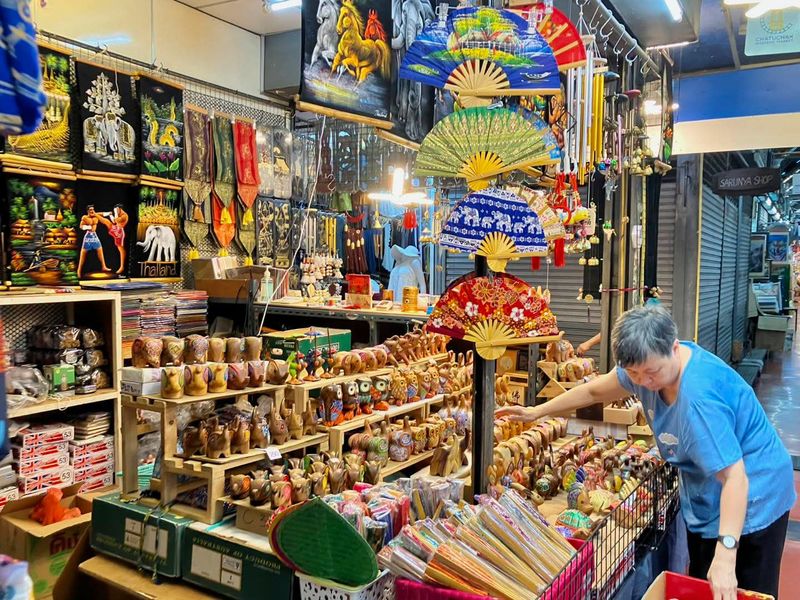
At 35 acres and more than 15,000 stalls, Chatuchak Weekend Market is the largest weekend market on the planet, and no amount of reading quite prepares a first-time visitor for its actual scale.
Known locally as JJ or Jatujak, the market traces its origins to a modest 1942 flea market before finding its permanent home in northern Bangkok in 1982. Each weekend, over 200,000 visitors pass through its 27 themed sections.
Shoppers can find Thai silk scarves, bespoke clothing, handicrafts, antiques, ceramics, and contemporary home decor all within the same visit. The plant section even opens on Wednesdays and Thursdays for those with botanical interests.
Bargaining is standard practice throughout, and courier services near the market can arrange international shipping for larger purchases. Abandoning any plan to see it all is the first smart decision a visitor can make.
4. Mercado de San Miguel, Madrid, Spain
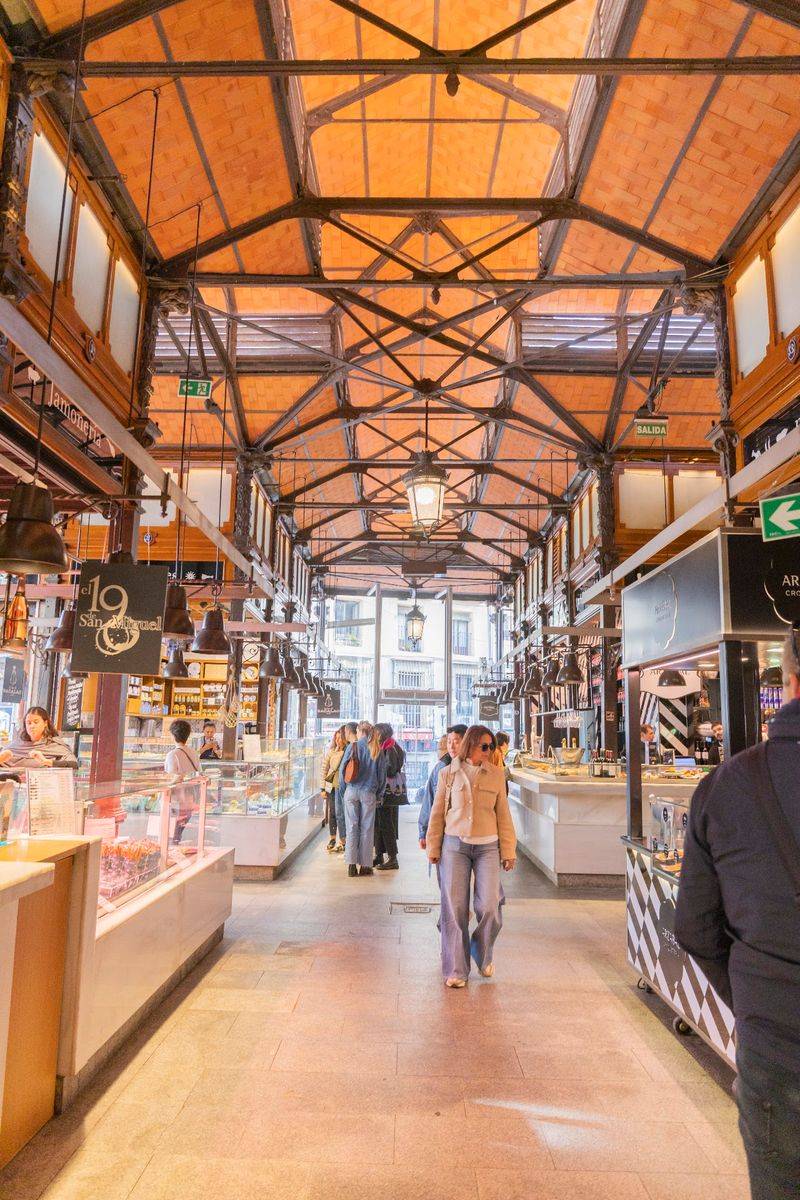
Originally opened in May 1916 as a neighborhood food market, Mercado de San Miguel underwent a significant transformation in 2009 that repositioned it as Madrid’s premier gourmet destination.
The building itself is a striking example of early 20th-century iron and glass construction, often described as Parisian in style. It occupies a site with a long commercial history, including a previous life as an open-air fish market after the demolition of a nearby church in 1809.
Inside, more than 30 vendors offer tapas, cured ham, regional cheeses, olives, baked goods, seafood, and traditional dishes like croquettes and paella. Building a full meal one small plate at a time is both the strategy and the pleasure here.
With over 10 million annual visitors, the market is genuinely busy. That cheerful energy is considered part of its character rather than a drawback.
5. Khan el-Khalili, Cairo, Egypt
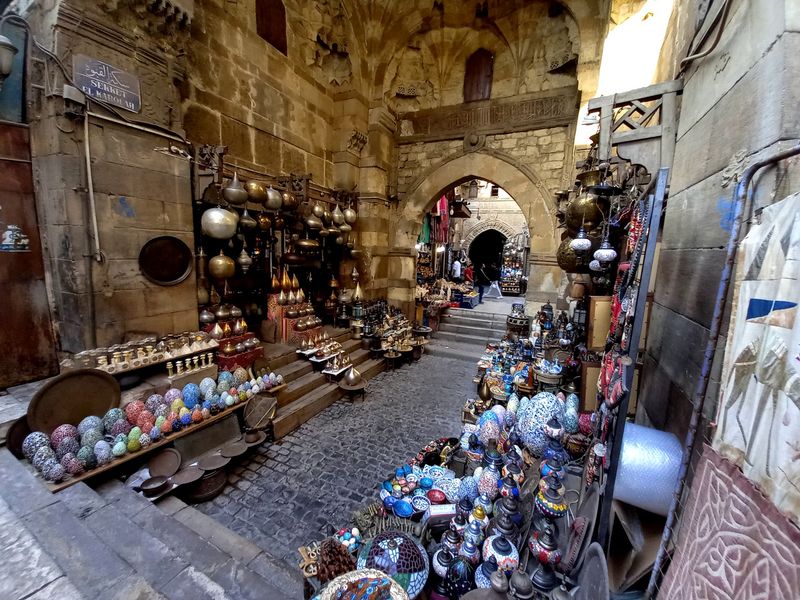
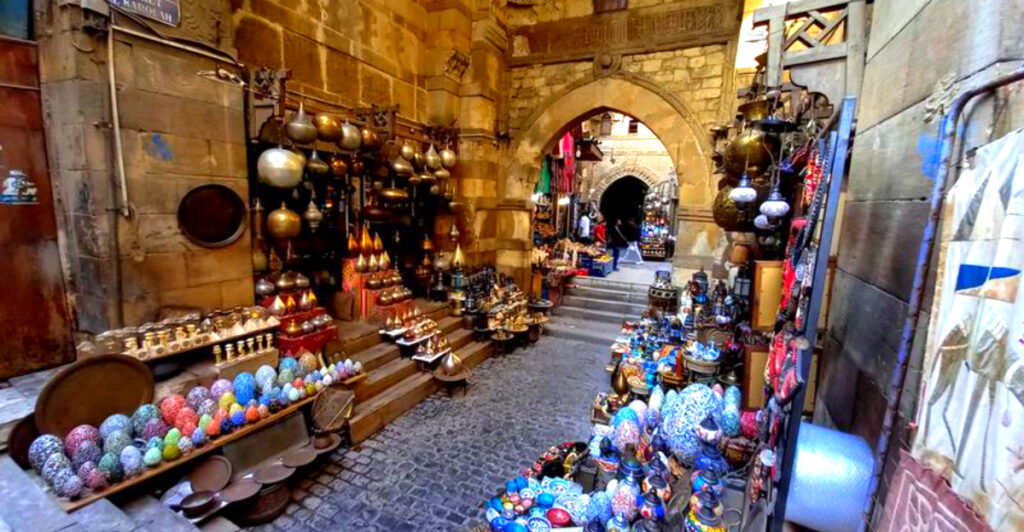
Founded in 1382 by the Mamluk emir Jaharkas al-Khalili, this is one of the oldest continuously operating bazaars in the world, and it has barely paused for breath since.
The market was built on the site of a former Fatimid royal cemetery, which means its commercial roots run very deep indeed. Over the centuries, Mamluk sultans expanded it, and Ottoman traders kept it thriving through each new era.
Today, its lanes are organized by trade, with the Sagha alley dedicated to gold and the Nahaseen alley showcasing copper and brass work. Artisans carve, hammer, and assemble in open workshops where anyone passing by can watch.
Beyond metalwork, the stalls offer perfumes, papyrus art, Egyptian cotton, and spices. Locals still come here to buy wedding gold, which says everything about the market’s role in daily Cairo life.
6. La Boquería, Barcelona, Spain
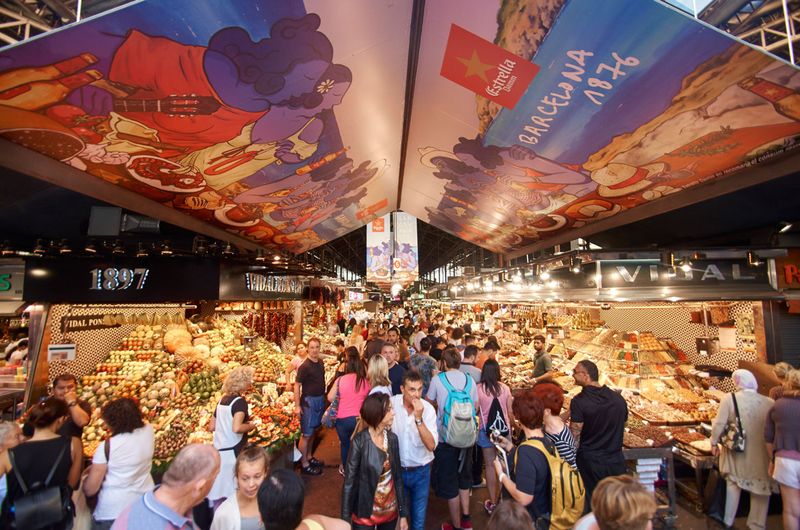
Barcelona’s most famous market has a longer history than most visitors realize, with its commercial origins stretching back to the 12th century, when traders gathered outside the city gates.
The modern market formally opened in 1840 on the site of the demolished Convent of Sant Josep, with the current iron roof structure added in 1914. Architect Josep Mas i Vila designed the building that still stands today, covering approximately 2,500 square meters.
More than 300 stalls offer fresh produce, local meats, daily seafood from the harbor, Jamon Iberico de Bellota, cheeses, pastries, and olives. Around ten bars and numerous food counters serve prepared dishes, including the deep-fried eggs with baby squid at El Quim, which has developed its own devoted following.
In 2005, the World Markets Congress recognized it as the best market in the world. Locals, chefs, and tourists all rely on it daily.
7. Borough Market, London, United Kingdom
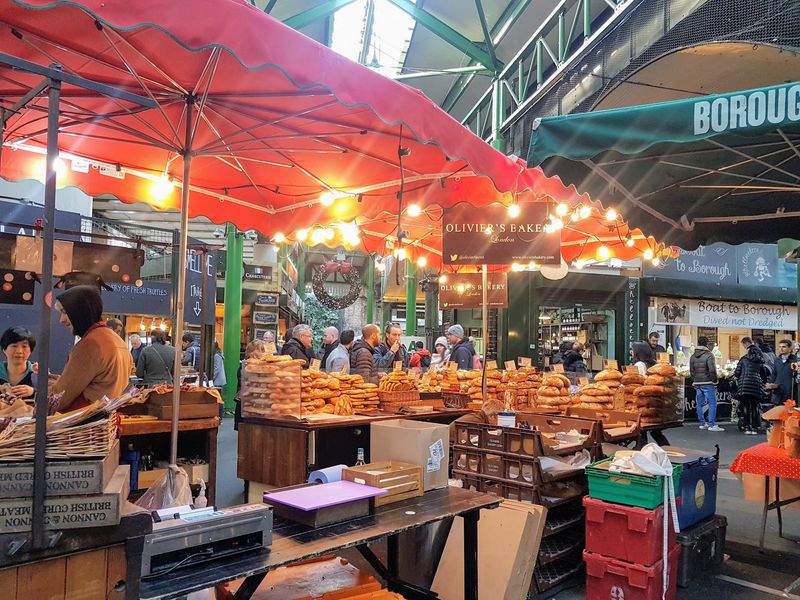
Records place a trading hub near London Bridge as far back as 1014, which makes Borough Market one of the oldest continuously operating markets in Britain by a considerable margin.
The market settled into its current Southwark location in 1756, and the Victorian buildings that define its look today were constructed in the 1850s. One architectural detail worth noting: a section of the Royal Opera House’s Floral Hall was relocated to the site in 2004, giving the market an unexpectedly theatrical backdrop.
The stalls offer artisan cheese, handmade chocolate, premium meats from local farms, freshly baked bread, seafood, jams, chutneys, and vibrant produce. The transition from wholesale fruit and vegetable market to specialty food destination happened in the 1990s and proved to be a popular decision.
The combination of railway arches overhead and historic market architecture below creates a setting that is busy, layered, and considerably harder to leave than anticipated.
8. Pike Place Market, Seattle, Washington
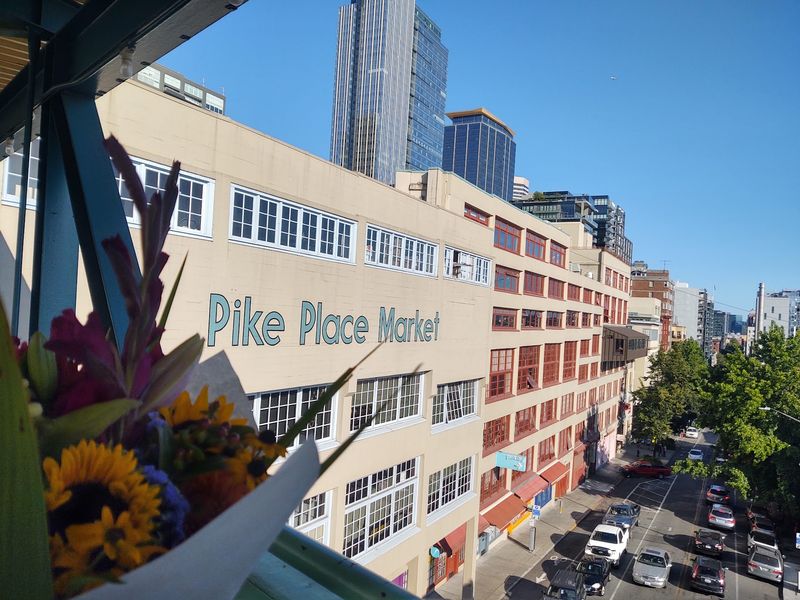
Opened on August 17, 1907, Pike Place Market holds the title of the oldest continuously operating farmers market in the United States, a record it has defended through economic downturns, urban renewal debates, and a near-demolition in the 1960s.
Architect and activist Victor Steinbrueck led the grassroots campaign that saved the market from being torn down, and the result is a multilevel landmark now home to more than 500 shops, vendors, and restaurants.
Beyond the theatrical fish counters where fishmongers toss their catch, the market contains produce stands, specialty food shops, artisan crafts, and tucked-away restaurants overlooking Elliott Bay. The “Meet the Producer” principle requires goods to be locally sourced or handmade, keeping the market connected to the people who make it run.
Pike Place attracts 10 million visitors annually while simultaneously supporting a preschool, low-income housing, and a senior center. It is a market that also functions as a community institution.
9. Reading Terminal Market, Philadelphia, Pennsylvania
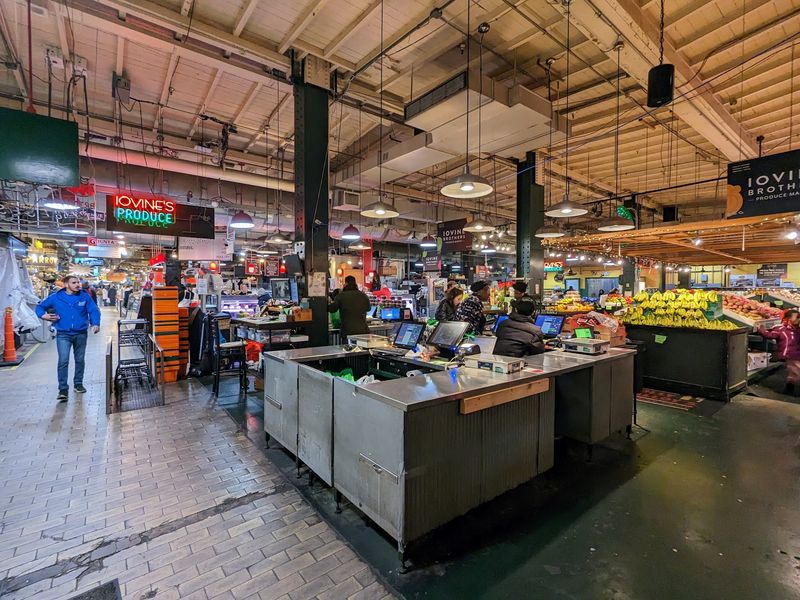
Reading Terminal Market first opened on February 22, 1893, housed beneath the elevated train shed of the Reading Railroad Company, a location that allowed goods to arrive directly by rail.
The building is now a National Historic Landmark, and the market continues to occupy its original ground floor and basement, which once featured state-of-the-art cold storage. Today, over 80 merchants and dozens of restaurants fill the grid-patterned stalls.
Pennsylvania Dutch cooking is one of the market’s defining draws, with scrapple, shoofly pie, and whoopie pies available alongside iconic Philadelphia sandwiches like roast pork and cheesesteak. Fresh produce, meats, seafood, baked goods, and international dishes round out a lineup that covers nearly every appetite.
Arriving at lunchtime means navigating a market operating at full intensity. Reading Terminal is consistently ranked among the best public markets in the United States, and the midday crowd makes a strong case for that reputation.
10. St. Lawrence Market, Toronto, Ontario
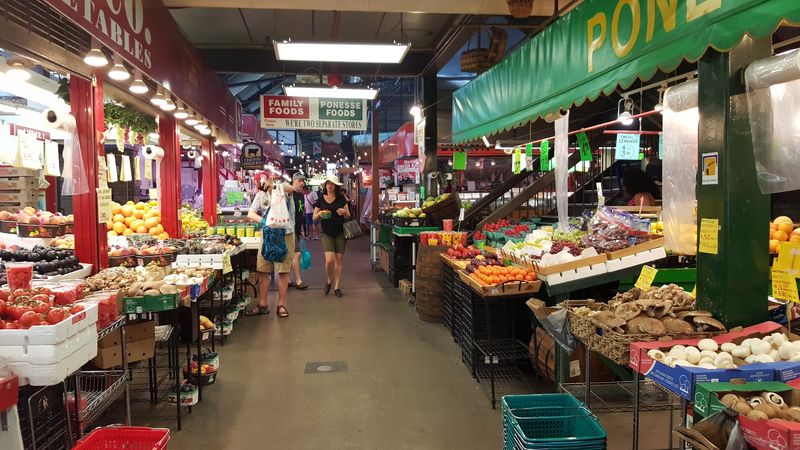
National Geographic named St. Lawrence Market the best food market in the world in 2012, which is a bold claim for a place that also functions as a practical, everyday shopping destination for Toronto residents.
The South Market building was erected in 1902 and incorporates elements of the Old City Hall dating back to 1845. For much of the 19th century, the surrounding square served as Toronto’s actual city hall, giving the site a civic weight that goes beyond groceries.
More than 120 merchants and farmers offer locally grown produce, peameal bacon, fresh fish, specialty cheeses, baked goods, and international foods. The North Market section transforms on Saturdays into a farmers market and on Sundays into an antiques market.
The South Market’s cast-iron ceiling adds architectural character to a space that balances its identity as a visitor attraction with its genuine role as a neighborhood food hall used by actual Torontonians.
11. Queen Victoria Market/Elizabeth St, Melbourne, Victoria, Australia
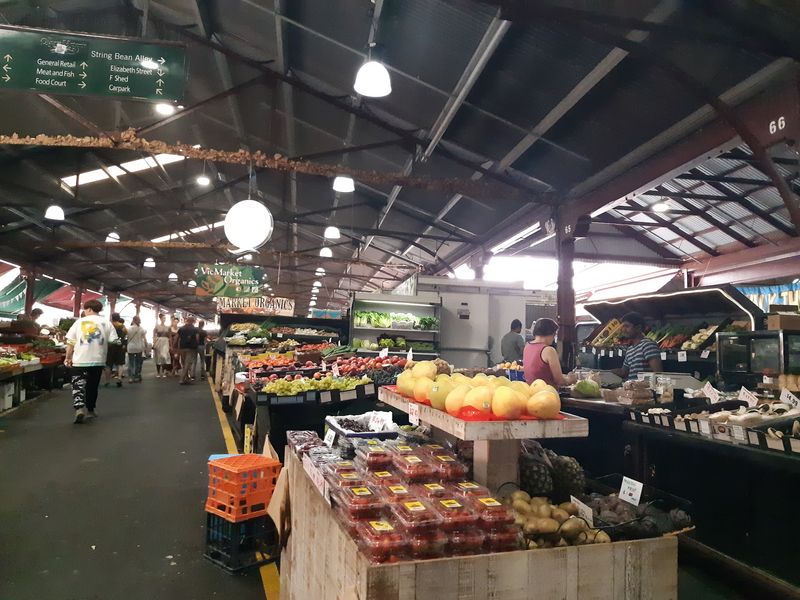
Covering more than seven hectares, Queen Victoria Market holds the distinction of being the largest open-air market in the Southern Hemisphere, a title that becomes easier to appreciate once you are actually trying to find your way around it.
Officially opened in March 1878, the market occupies a site with a layered past that includes a former cemetery and a livestock market before its transformation into a public marketplace. Today, over 600 vendors operate across its distinct precincts.
Shoppers move between fresh fruit and vegetables, quality meats, poultry, seafood, gourmet deli items, clothing, gifts, and specialty goods. The experience shifts from practical grocery run to souvenir hunt within the same visit, sometimes within the same aisle.
On Wednesday evenings during summer and winter, a night market brings dining, live entertainment, and additional vendors to the site. Its historic sheds and open layout make it feel less like a market and more like a neighborhood that happens to sell everything.
12. Central Market Hall of Budapest, Budapest, Hungary
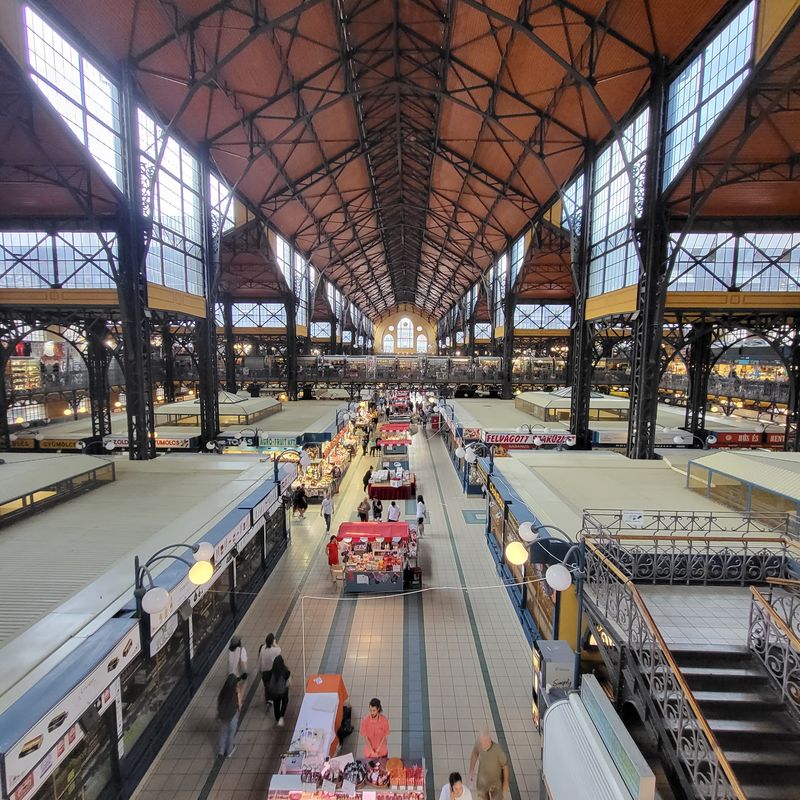
Before visitors notice the paprika strings or the rows of salami, they tend to notice the building itself, a Neo-Gothic iron structure with colorful Zsolnay roof tiles that was completed in 1897 and looks more like a cathedral than a food hall.
Architect Samu Pecz designed it as the flagship of a network of modern covered markets for Budapest. Damaged during World War II, it underwent a full restoration in the 1990s and reopened in 1997, exactly a century after its debut.
The ground floor handles the serious business: fresh produce, dried paprika, garlic, local salamis, cured sausages, cheeses, honey, preserves, and bread. The upper gallery shifts the focus toward visitors, with souvenir stalls selling embroidery, lace, painted eggs, and paprika tins.
Hungary’s largest indoor market serves locals doing their weekly shop and tourists seeking a tangible connection to Hungarian food culture, often at the same time and in the same aisle.
13. Central Market of Valencia, Valencia, Spain
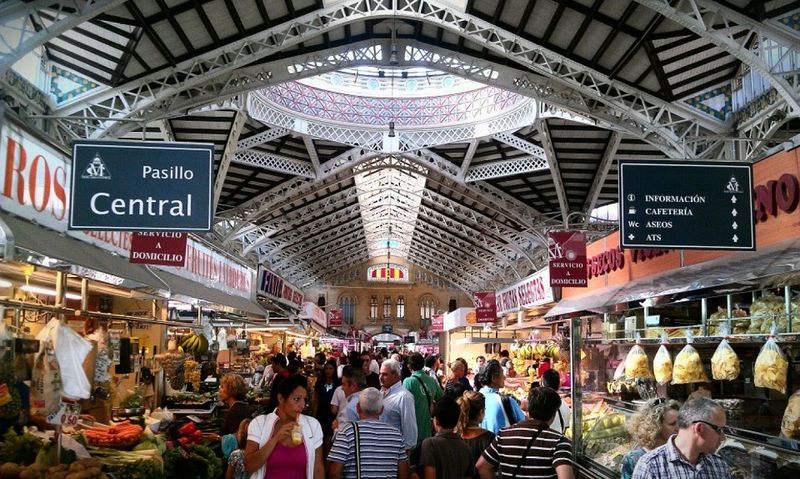
Valencia’s Central Market is the kind of place that makes buying vegetables feel like a cultural event, which is partly intentional and partly just a consequence of the architecture.
Construction began in 1914 and was completed in 1928, with architects Alexandre Soler March and Francesc Guardia Vidal delivering a Valencian Art Nouveau masterpiece of steel, glass, ornate iron columns, ceramic tiles, and stained-glass windows. The central cupola gives the exterior a silhouette that is frequently mistaken for a church.
Inside, over 8,000 square meters of floor space accommodate fresh produce, Mediterranean seafood, meats, spices, and other foods across two floors. The fish section is particularly noted for the variety of fresh catches arriving daily from the coast.
Souvenir shops and restaurants are also part of the mix, which means a visit can cover both lunch and gift shopping. The building sits directly across from the historic Llotja de la Seda, making the surrounding block worth exploring on foot.
14. Marché Couvert des Enfants Rouges, Paris, France
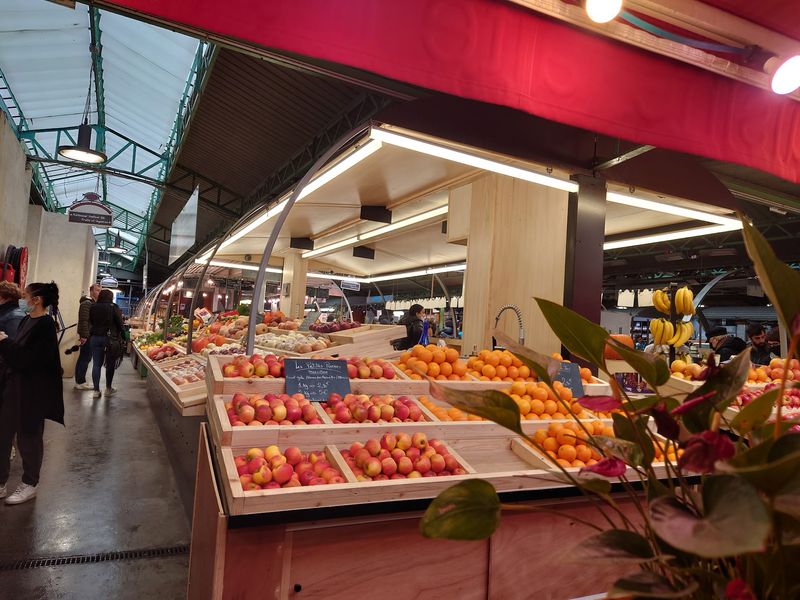
Paris has no shortage of covered markets, but only one holds the title of oldest, and it comes with a name that requires a brief explanation: the Marche Couvert des Enfants Rouges, or Market of the Red Children, takes its name from a 16th-century orphanage whose residents were clothed in red, the traditional color of charity.
Originally established in 1615 under Louis XIII as the Petit Marche du Marais, the market supplied the growing residential neighborhood with food and provisions. It was classified as a historic monument in 1982 after local efforts rescued it from potential closure.
Today, its stalls on Rue de Bretagne offer fresh fruits, vegetables, bread, Italian groceries, organic selections, Lebanese delicatessen items, and Japanese snack options. Chez Alain Miam Miam is among the best-known vendors, recognized for generously constructed sandwiches made with fresh ingredients.
The market’s compact size is part of its appeal. Lingering over lunch here feels genuinely unhurried, which in Paris is its own kind of luxury.
Share this story