Food festivals are not just about eating. The best ones tell the story of a place through its ingredients, traditions, and the people who have been cooking for generations.
From the truffle-covered hills of northern Italy to the seafood-rich shores of Alabama, these events connect visitors directly to the land and culture behind every bite. Get ready to explore 14 remarkable culinary festivals that prove food is one of the most powerful ways to understand a region.
International Alba White Truffle Fair – Alba, Italy
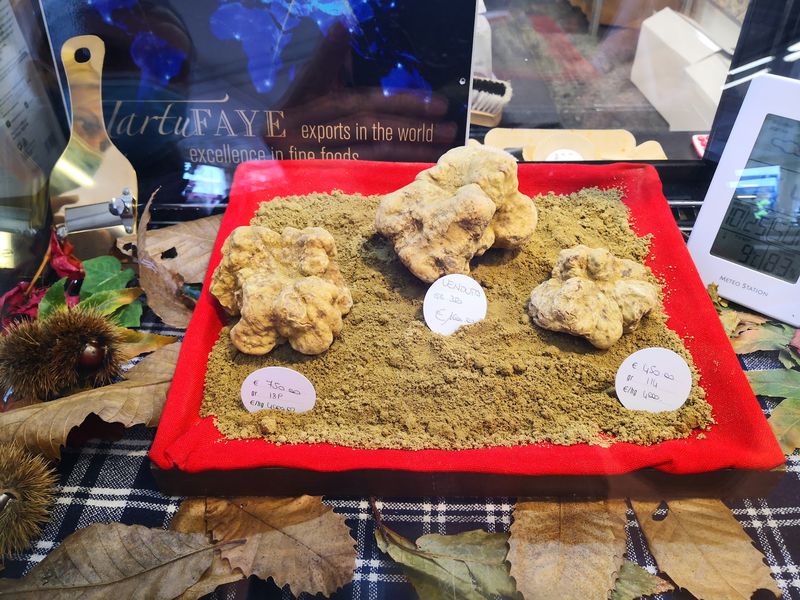
Somewhere in the misty Piedmont hills, a trained dog sniffs out one of the most expensive ingredients on the planet. The Alba white truffle, known scientifically as Tuber magnatum Pico, can fetch thousands of euros per kilogram, making every find feel like striking gold.
The 96th International Alba White Truffle Fair runs October 10 through December 6, 2026, with its famous World Truffle Market operating on weekends.
Before any truffle hits a market table, certified sensory judges evaluate each specimen for quality and authenticity. That process alone gives visitors a fascinating behind-the-scenes look at how premium ingredients are graded.
Beyond truffles, the fair opens a full window into Langhe and Roero food culture, with Piedmontese cheeses, cured meats, and outstanding regional wines.
Cooking shows, sensory workshops, and chef demonstrations round out the program beautifully. Italy’s national tourism authority has named this the country’s largest and most significant food-and-wine festival.
Whether you splurge on shaved truffles over fresh pasta or simply wander the market stalls breathing in that unmistakable earthy aroma, Alba in autumn is an experience that sticks with you long after the season ends.
Galway International Oyster and Seafood Festival – Galway, Ireland
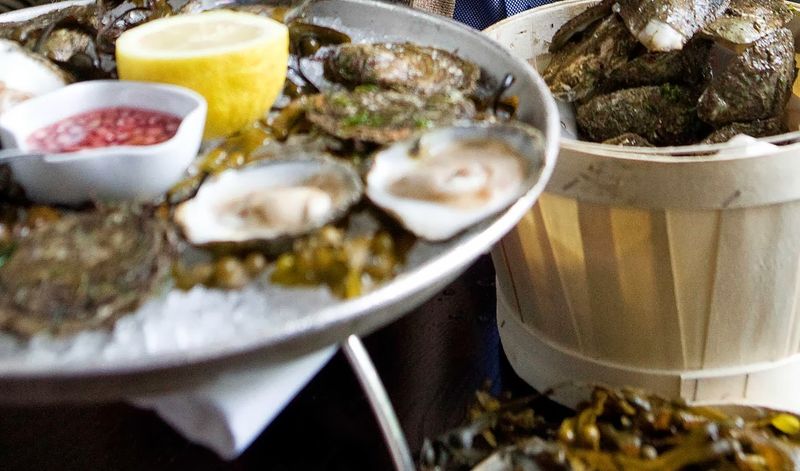
Back in 1954, just 34 guests sat down for a modest oyster banquet on Ireland’s west coast. Nobody predicted that small dinner would grow into one of Europe’s most beloved seafood festivals.
Now entering its 72nd edition from September 25 to 27, 2026, the Galway International Oyster and Seafood Festival draws thousands of visitors from around the world.
The native Galway oyster remains the undisputed star of the show, not just a branding exercise slapped onto a generic food fair. Oyster-farm tours let visitors see exactly where these shellfish come from before tasting them at their freshest.
The Irish and World Oyster Opening Championships add genuine competitive drama, with skilled shuckers racing against the clock in front of roaring crowds.
An Oyster Trail winds through participating restaurants and pubs, so the celebration spills across the whole city rather than staying confined to one venue. Live music, seafood cooking demonstrations, and the salty Atlantic air create an atmosphere that feels both festive and authentically Irish.
If you have never eaten a fresh oyster while listening to a fiddle player on a cool September evening, Galway is exactly where that experience should happen.
Maine Lobster Festival – Rockland, Maine
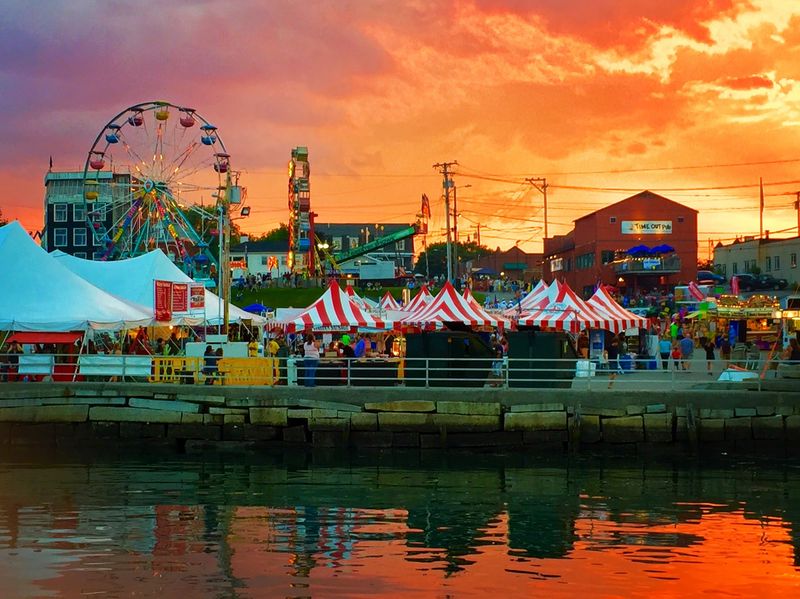
Nothing says summer in New England quite like the crack of a lobster claw and the smell of butter warming in the salt air. The Maine Lobster Festival in Rockland turns that sensory experience into a five-day celebration running July 29 through August 2, 2026.
What started as a community effort to support Midcoast Maine has grown into a festival recognized well beyond American borders.
More than 1,000 unpaid volunteers keep the whole operation running each year, which says a lot about how deeply locals are invested in the event. Lobster shows up in every imaginable form here, from the classic boiled whole version to rolls, macaroni and cheese, and creative chef preparations.
Seafood-cooking competitions keep things lively and give talented cooks a chance to show off their skills.
Marine exhibits and hands-on activities connect the celebration to Maine’s actual fishing economy rather than treating the lobster as just a tourist prop. Wine tastings and family-friendly programming ensure there is something for everyone, even visitors who prefer their seafood a little less claw-shaped.
Rockland Harbor provides a picture-perfect backdrop, reminding everyone that this crustacean did not become iconic by accident.
Hatch Chile Festival – Hatch, New Mexico
The smell hits you before you even park the car. Roasting green chile has a smoky, slightly sweet aroma that New Mexicans describe as the true scent of home, and nowhere does it more intensely than Hatch during Labor Day weekend.
The tiny village of Hatch welcomes more than 30,000 visitors for this two-day harvest celebration every year.
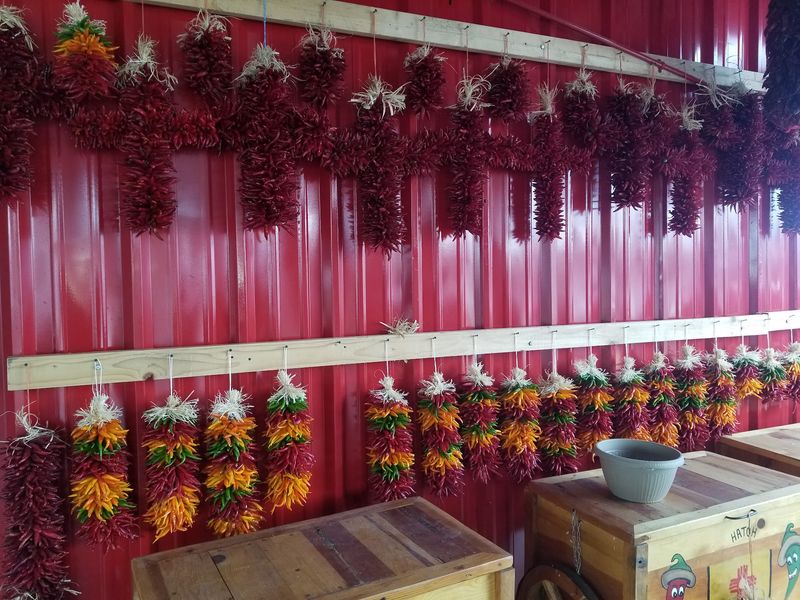
Hatch chile is not just a flavor, it is a product shaped by the specific climate and soil of the Hatch Valley, giving it a character no other region can fully replicate. Festival activities include fresh and roasted chiles, ristra-making workshops where visitors learn to string dried peppers into decorative ropes, and a parade that brings the whole community together.
Eating competitions, live music, and the crowning of the Chile Festival Queen add plenty of festive energy.
Artisan vendors sell chile-related products ranging from hot sauces and salsas to seasoned salts and locally made ceramics. Regional recipes featuring the iconic pepper appear throughout the food stalls, from green chile cheeseburgers to enchiladas smothered in freshly made sauce.
For anyone curious about how deeply a single agricultural crop can shape a community’s identity, Hatch is a genuinely eye-opening destination.
Coca-Cola Pizza Village – Naples, Italy
Six nights. One waterfront.
Roughly 600,000 pizza lovers. The numbers alone make Coca-Cola Pizza Village one of the most impressive food events in Europe, but the real story is what happens at those dough-stretching stations.
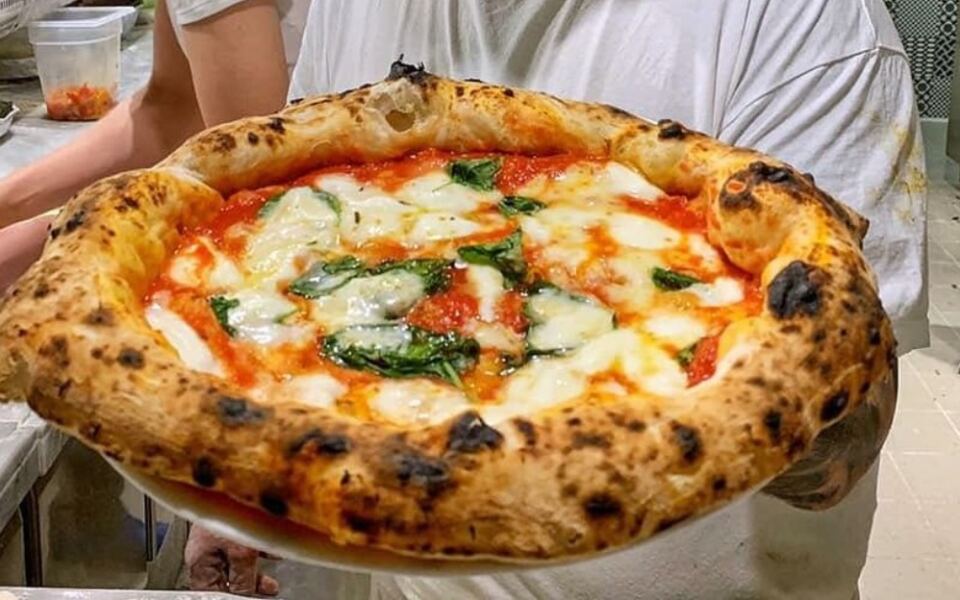
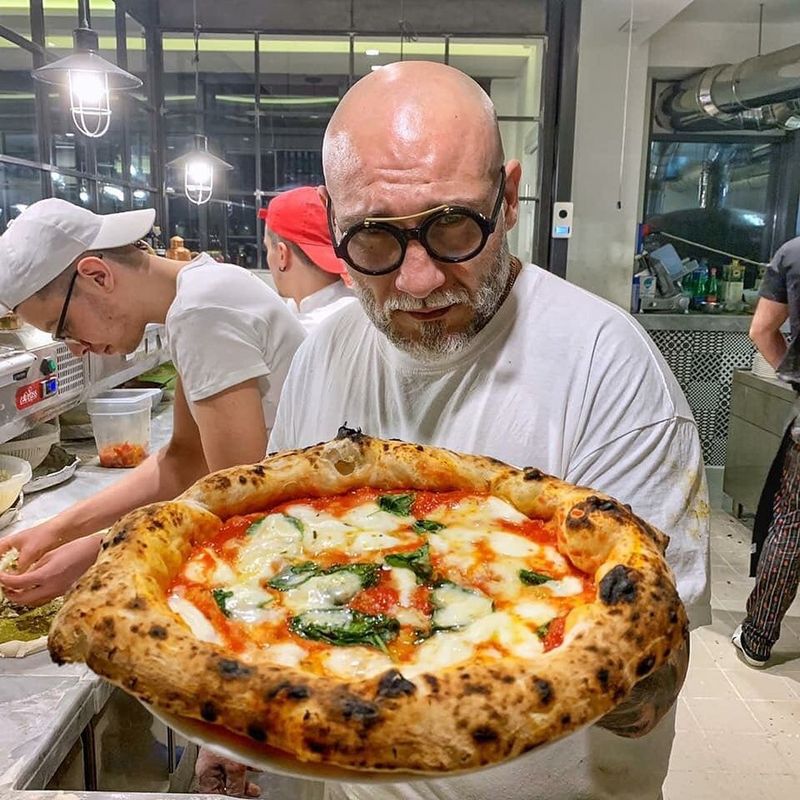
Neapolitan master pizzaiolos work throughout each evening, turning simple ingredients into something that has earned UNESCO cultural heritage status.
The 2026 Naples edition ran July 7 through 12 on the Lungomare Pertini in Pozzuoli, with festival evenings stretching from 6 p.m. until 1 a.m. Free masterclasses gave participants hands-on experience with traditional dough-making and baking techniques, which is far more memorable than simply watching from the sidelines.
Children’s food-education activities ensured younger visitors left with a genuine appreciation for where their favorite food comes from.
Specialty pizzas pushed creative boundaries while keeping Neapolitan traditions firmly at the center of every conversation. Professional discussions among pizzaiolos, live music, and the warm bay breeze turned the waterfront into something between a classroom and a party.
The organizers are refreshingly clear about their mission: everything at Pizza Village revolves around pizza and the extraordinary culture built around it in Naples over centuries.
Gwangju Kimchi Festival – Gwangju, South Korea
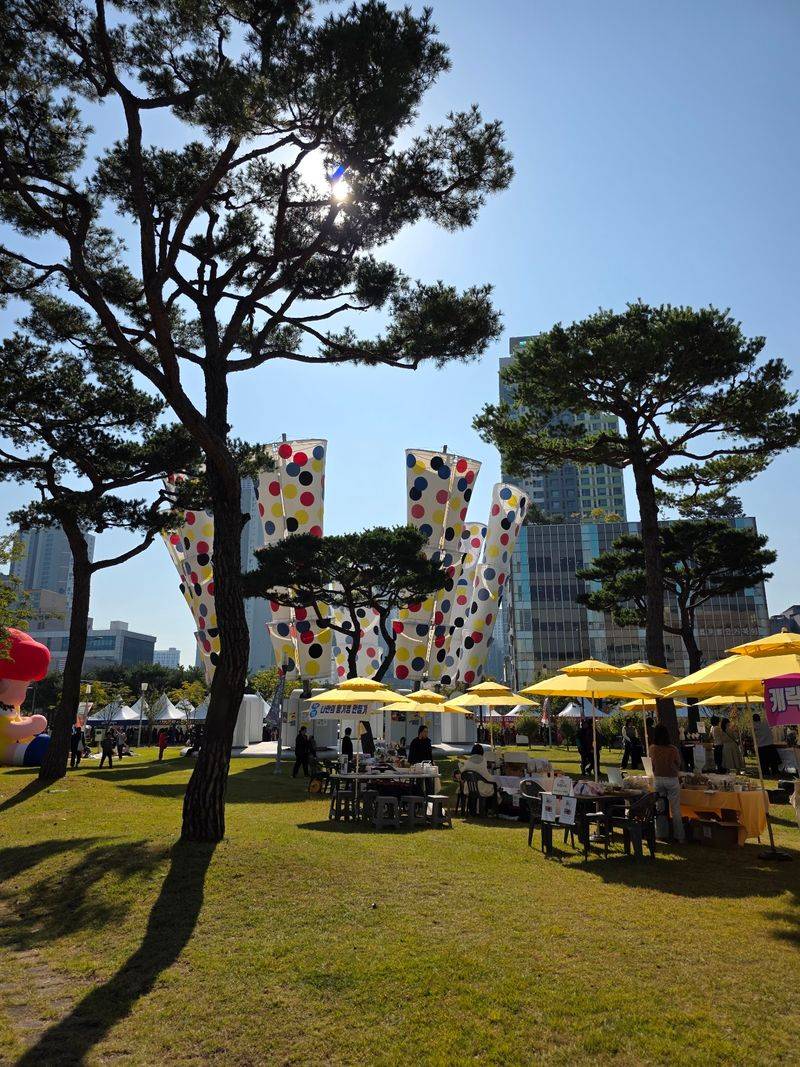
Kimchi looks simple from the outside, but one taste of Gwangju’s version tells a completely different story. The southwest Korean city is famous for producing kimchi that is boldly seasoned, generously layered with anchovy fish sauce, glutinous-rice paste, sesame, and a variety of fresh vegetables.
That regional character is exactly what the Gwangju Kimchi Festival celebrates every October.
The 33rd edition is scheduled for October 23 through 25, 2026, at Sangmu Citizens Park. A national kimchi competition draws skilled makers from across Korea, all competing to be recognized as the country’s best.
The Thousand People’s Table food area creates a communal dining experience on a scale that is genuinely hard to forget.
Hands-on kimchi-making experiences let visitors get their hands literally into the process, learning firsthand how fermentation transforms raw vegetables into something complex and deeply flavorful. Chef demonstrations, exhibitions, and a lively market round out the program.
The festival treats fermentation not as a single standardized recipe but as a living, breathing expression of regional Korean food culture that has been evolving for generations. Arriving hungry is strongly recommended.
National Cherry Festival – Traverse City, Michigan
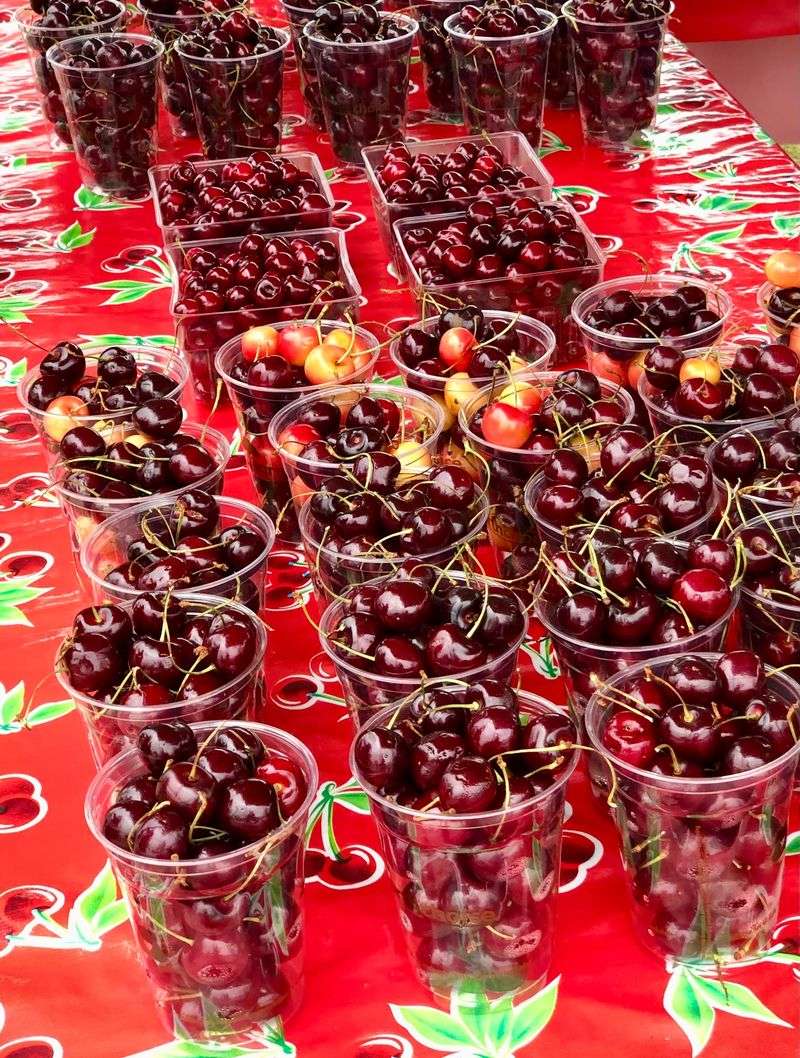
One hundred years is a long time for any festival to keep going strong, and Traverse City’s cherry celebration hit that milestone in 2026. Founded back in 1926 to showcase northern Michigan’s booming cherry industry, the National Cherry Festival has grown into an eight-day event that draws around 500,000 visitors annually.
That kind of staying power does not happen by accident.
The 2026 edition ran July 4 through 11, packed with cherry-pie eating contests, pit-spitting competitions, parades, fireworks, and more than 100 free family activities. Cherries show up in everything here, from fresh-picked fruit sold at roadside stands to jams, wines, sauces, and baked goods that showcase just how versatile the region’s signature crop can be.
Local growers take obvious pride in what northern Michigan’s cool climate and sandy soils produce.
Entertainment has expanded considerably over the decades, with concerts and large-scale events drawing visitors who might not think of themselves as cherry enthusiasts. Yet the festival’s stated mission keeps local agriculture front and center, honoring the farming families and orchard traditions that gave Traverse City its identity.
A century in, this celebration still tastes exactly like summer in Michigan.
Annual National Shrimp Festival – Gulf Shores, Alabama
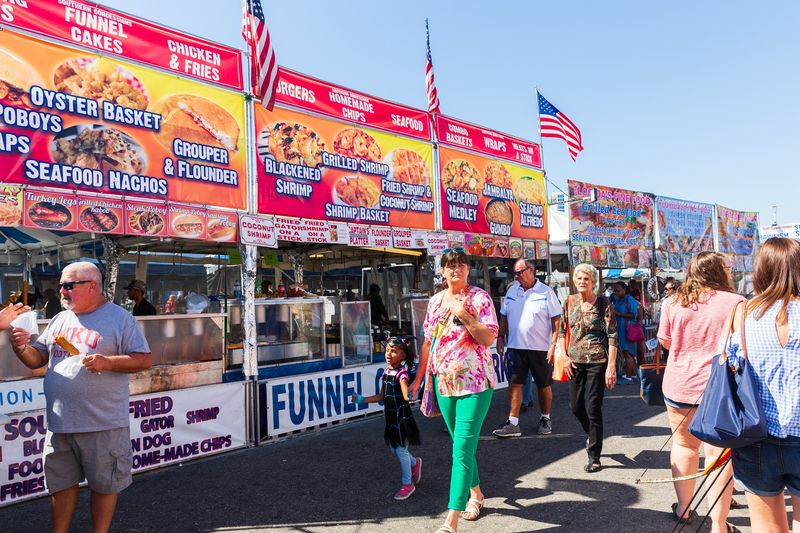
Imagine eating a basket of freshly boiled Gulf shrimp with your toes practically in the sand. That is the reality at Gulf Shores every October, when the National Shrimp Festival sets up directly beside the water it celebrates.
Scheduled for October 8 through 11, 2026, this four-day event draws more than 300,000 people to Alabama’s coast.
More than 50 local and regional food vendors line Gulf Shores Public Beach, serving shrimp in every style imaginable. Boiled, fried, steamed, skewered, and tucked into tacos, the Gulf’s most beloved crustacean appears in forms that range from traditional Southern preparations to creative modern twists.
Crab cakes, fish tacos, conch fritters, and full seafood platters ensure that even the non-shrimp fans in your group eat extremely well.
Over 100 hours of live entertainment keep the energy high throughout the weekend, with music acts performing across multiple stages. The festival’s location directly on the Gulf is not just scenic scenery, it is a deliberate reminder that the shrimp on your plate came from the same water you are looking at.
That connection between ingredient and environment is what separates a great food festival from a simple street fair.
Barbados Food and Rum Festival – Barbados
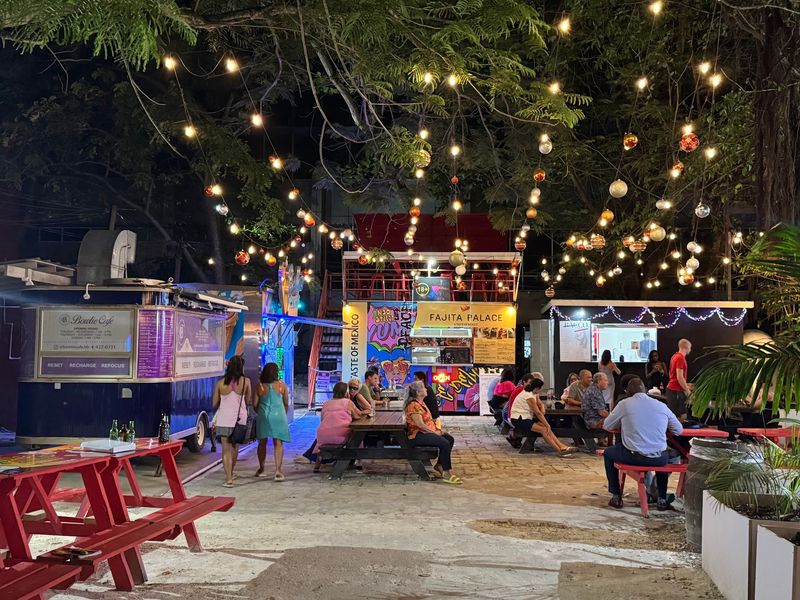
Rum did not just happen to Barbados. The island is widely credited as one of the birthplaces of rum production, with a sugarcane history stretching back centuries that has shaped its economy, agriculture, and cuisine in ways that are still visible today.
The 2026 Barbados Food and Rum Festival runs November 5 through 8, adding extra significance by coinciding with celebrations marking Barbados’ 60th anniversary of independence.
Programming stretches across multiple locations around the island, combining Bajan chefs, international culinary guests, tastings, demonstrations, and immersive rum-focused experiences. The festival does not treat rum as a simple party ingredient.
Instead, it pairs the spirit thoughtfully with local food culture, exploring how sugarcane agriculture influenced everything from traditional recipes to modern Bajan cooking.
Dinners prepared by celebrated chefs, casual rum tastings, and interactive workshops create a program that works for both serious food enthusiasts and curious first-time visitors. The Barbados Tourism Marketing organization describes the event as a genuine showcase of the island’s cuisine and internationally recognized rum tradition.
Visiting during this particular edition carries extra meaning, with the island’s independence anniversary adding a layer of cultural celebration to every pour and every plate.
Taste of Chicago – Chicago, Illinois
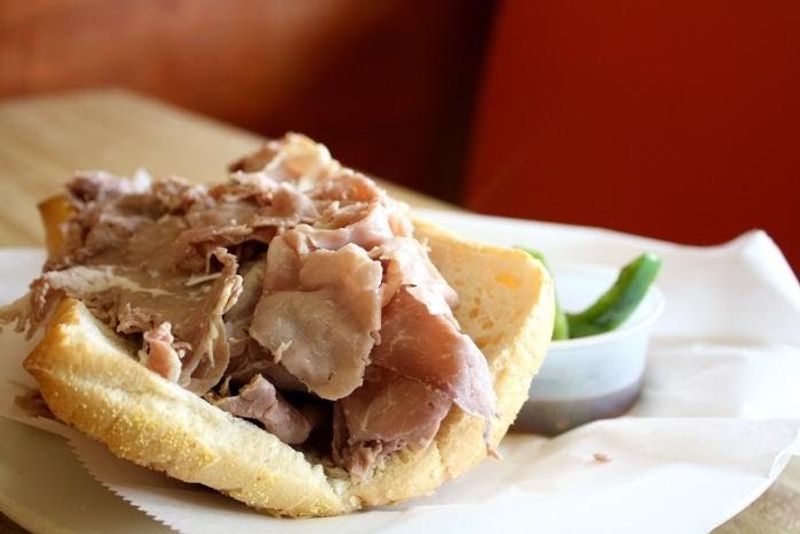
Chicago’s food identity is a lot bigger than deep-dish pizza, and Taste of Chicago has been proving that point since its earliest editions. Returning to Grant Park from July 8 through 12, 2026, this beloved event assembles dozens of local vendors representing both the city’s iconic dishes and the incredibly diverse cuisines that generations of immigrants brought with them.
Walking through the festival is essentially a tour of Chicago’s neighborhoods without needing to catch the L train. Chicago-style hot dogs and pizza share space with Mexican street food, Caribbean jerk chicken, African stews, Asian dumplings, and much more.
Choose Chicago estimates that more than 100,000 people typically attend, drawn by a lineup that genuinely reflects the city’s multicultural restaurant scene.
Admission and concerts are free, which makes the festival unusually accessible for a major city event. Visitors purchase individual dishes directly from vendors, allowing them to graze across as many cuisines as their stomachs can handle.
Live music performances across multiple stages keep the atmosphere buzzing from morning to evening. Taste of Chicago is proof that a city’s culinary personality is always richer and more surprising than any single famous dish suggests.
French Quarter Festival – New Orleans, Louisiana
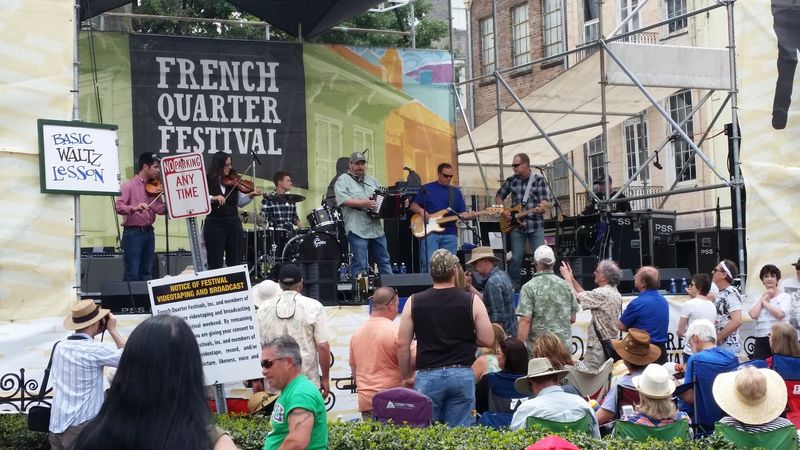
Jazz might get top billing at French Quarter Festival, but anyone who has stood in line for a steaming plate of crawfish while a brass band plays twenty feet away knows the food is equally essential. The April 16 through 19, 2026 edition brought together more than 70 local culinary vendors serving over 275 individual dishes throughout the French Quarter and riverfront.
That is an extraordinary amount of choice packed into four days.
Po’boys, seafood platters, pralines, fried chicken, Creole rice dishes, and Caribbean-influenced cooking all appear alongside food reflecting the city’s broader immigrant communities. New Orleans cuisine has always been a layered conversation between cultures, and the festival’s vendor lineup captures that complexity with impressive honesty.
A dedicated culinary stage hosted local chefs and food personalities, giving food its own spotlight rather than treating it as background fuel for concert-goers.
Admission to the festival itself is free, which feels almost too generous given the quality of what is on offer. Organizers describe the event as a celebration of Louisiana music, food, and culture, and they mean it equally across all three categories.
For anyone trying to understand what makes New Orleans cooking so special, this festival is one of the most concentrated and delicious classrooms available.
Melbourne Food and Wine Festival – Melbourne, Australia
Melbourne’s food scene has a secret weapon: it cannot be pinned down to one tradition. The city’s culinary identity was built by wave after wave of immigration, layered over the rich agricultural output of the surrounding Victorian countryside.
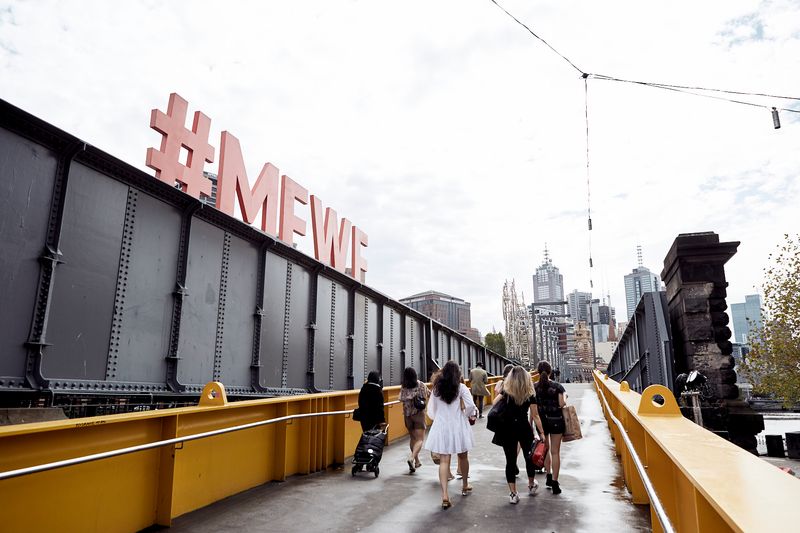
The 2026 Melbourne Food and Wine Festival ran March 20 through 29, assembling roughly 200 events spread across Melbourne and regional Victoria.
The World’s Longest Lunch is one of the festival’s most talked-about moments, seating 1,600 guests at a single spectacular table. The 2026 edition honored Melbourne’s deep Greek culinary heritage, turning a meal into a cultural statement.
Other programming drew in local chefs, bakers, winemakers, charcutiers, and producers from across Victoria, creating a portrait of a state whose food culture is anything but one-dimensional.
Regional road trips offered visitors the chance to explore Victorian farms, vineyards, and small-town food producers beyond the city limits. That structure is what makes this festival particularly revealing: Melbourne’s regional flavor is not one historic dish but the ongoing conversation between local produce and multicultural cooking that defines modern Victoria.
The state government describes the program as showcasing uniquely Victorian experiences, and the festival consistently delivers on that ambitious promise.
Oktoberfest – Munich, Germany
Sixteen days. Six million visitors.
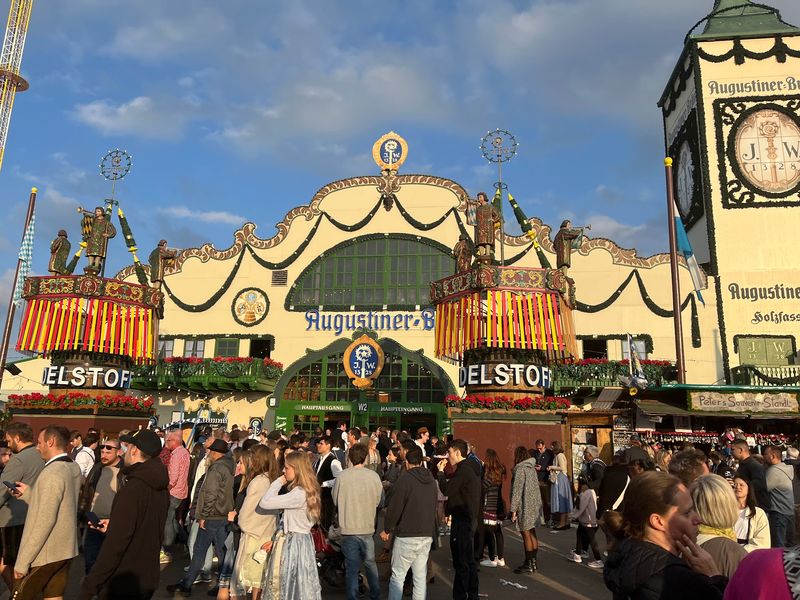
Six traditional Munich breweries. Oktoberfest operates on a scale that makes most other food and drink festivals look like neighborhood block parties.
The 191st edition runs September 19 through October 4, 2026 at Theresienwiese, and every liter of Oktoberfest beer served inside those famous tents comes exclusively from Augustiner, Hacker-Pschorr, Hofbrau, Lowenbrau, Paulaner, or Spaten.
That exclusivity is not just tradition, it is protected. Oktoberfest beer has carried EU Protected Geographical Indication status since 2022, meaning the designation has genuine legal weight behind it.
Food inside the tents ranges from golden roast chicken and slow-cooked pork dishes to fat pretzels, dumplings, and regional Bavarian specialties that pair perfectly with a cold stein. The combination of hearty food and excellent beer is not accidental, it reflects centuries of Bavarian agricultural and brewing tradition.
The historic Oide Wiesn section adds traditional music, costumes, dancing, and vintage carnival attractions for visitors who want a deeper connection to Bavarian culture beyond the beer tents. Oktoberfest is often reduced to its party reputation, but the food, the music, the craftsmanship of the breweries, and the pride of Munich residents all tell a much richer story.
Singapore Food Festival – Singapore

Singapore is a city where you can eat Chinese, Malay, Indian, Peranakan, and Eurasian food all within the same block, and the Singapore Food Festival was built to celebrate exactly that remarkable overlap. The Singapore Tourism Board describes the annual event as a celebration of the country’s rich and diverse culinary heritage, combining traditional dishes with bold contemporary interpretations.
That combination is what makes the festival genuinely exciting rather than simply nostalgic.
Festival formats have included signature dining experiences, chef collaborations, creative pop-ups, and events that take familiar Singaporean flavors and reimagine them through a modern lens. Hawker culture, one of the most beloved aspects of daily life in Singapore, gets its proper spotlight alongside fine-dining reinterpretations and experimental cooking.
That range means visitors at every budget and interest level find something that resonates.
For travelers trying to understand Singapore’s identity in a short visit, the festival functions as an exceptionally useful guide. Multicultural recipes, centuries-old hawker traditions, and cutting-edge restaurant cooking all appear under one program, illustrating how Singapore’s culinary personality was built through centuries of mixing, adapting, and perfecting food traditions from across Asia and beyond.
Few festivals manage to be this educational and this delicious at the same time.
Share this story