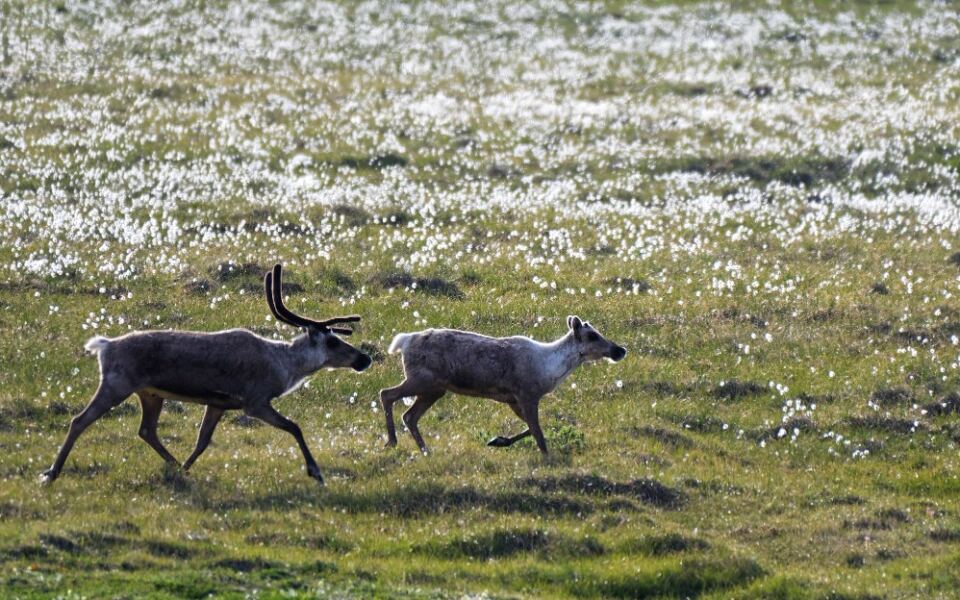
Every year, hundreds of thousands of caribou set out on some of the longest land migrations on Earth, crossing rivers, tundra, mountain passes, and coastal plains in journeys that can span thousands of miles. These are not timid creatures shuffling along a familiar path.
They move with purpose, in numbers large enough to reshape the landscape beneath their hooves, and the cultures that have lived alongside them for thousands of years are built around that rhythm. Watching a caribou migration is one of those rare wildlife experiences where the scale of nature becomes genuinely hard to believe.
The destinations in this list stretch from remote Arctic wilderness parks in Alaska and Canada to roads you can actually drive, covering a wide range of access levels, landscapes, and herd sizes. Some require serious backcountry planning.
Others just require patience and a good pair of binoculars. All of them are worth the effort.
1. Kobuk Valley National Park, Kotzebue, Alaska
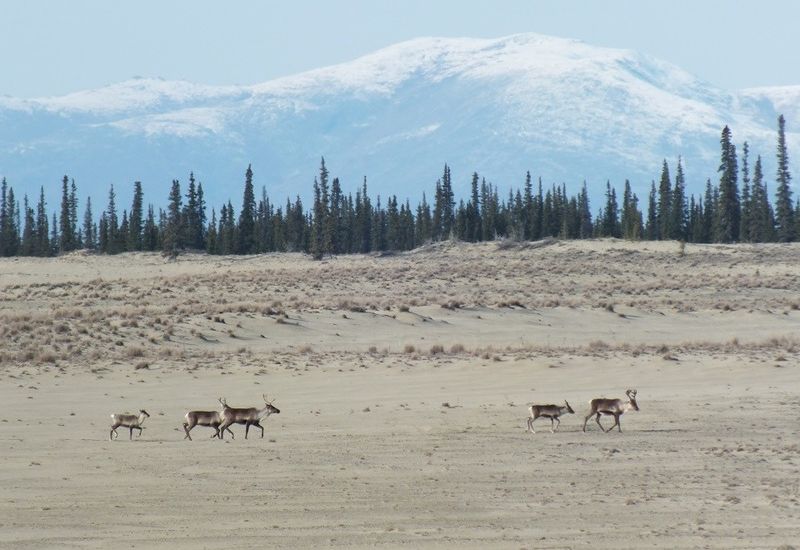
The Western Arctic Herd, one of the largest caribou herds on the planet, moves through Kobuk Valley twice a year, and the numbers involved are genuinely staggering. During peak migration, the herd can number in the hundreds of thousands, making crossings at the Kobuk River a spectacle that has drawn people to this spot for at least 8,000 years.
Onion Portage is the most historically significant crossing point, where Inupiaq communities have harvested caribou for countless generations. The park also contains the Great Kobuk Sand Dunes, a geological oddity where caribou tracks cross wind-shaped sand in the middle of Arctic tundra.
There are no roads into the park, so access requires an air taxi from Kotzebue or Bettles. Spring migration runs roughly March through April, while the fall return happens from late August through October.
Backcountry experience and careful preparation are essential.
2. Gates of the Arctic National Park and Preserve, Bettles, Alaska
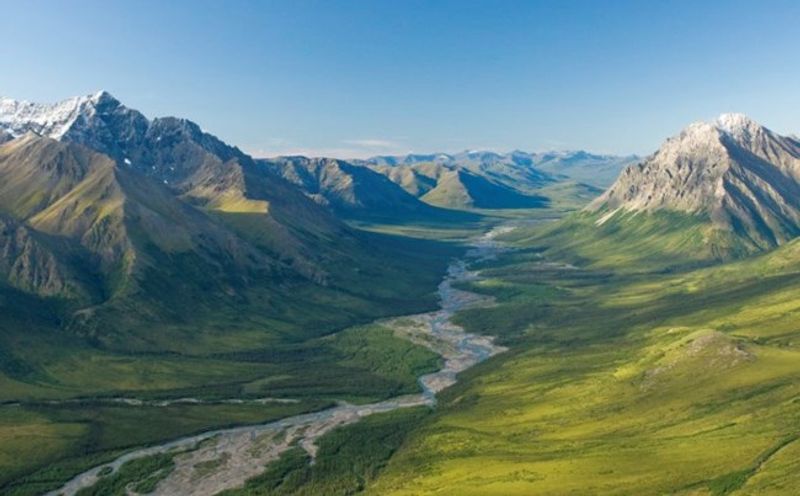
Gates of the Arctic is the northernmost national park in the United States, and caribou migration is central to what defines this enormous Brooks Range wilderness. Several Arctic herds move through its broad valleys during spring and fall, following routes through mountain passes and across open tundra that have been used for millennia.
The National Park Service documents spring migration specifically as a highlight for visitors, with animals funneling through valleys that provide long, clear sightlines. No roads, no trails, and no developed campgrounds exist inside the park, which keeps the experience as wild as it gets.
Most visitors arrive by bush plane from Fairbanks or Bettles and spend their time scanning the landscape with binoculars from high ground. The park covers more than 8.4 million acres, so patience and flexibility are more useful tools than any fixed itinerary.
This is wilderness on its own terms.
3. Noatak National Preserve, Kotzebue, Alaska
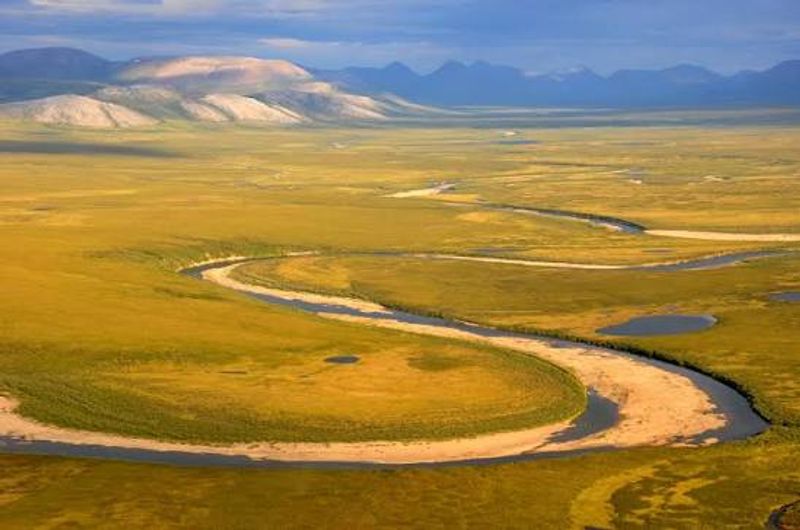
The Noatak River valley runs for more than 400 miles through one of the largest undisturbed river basins in North America, and the Western Arctic Caribou Herd treats it as a reliable migration corridor in both spring and fall. Watching caribou swim a wide Arctic river is one of those images that stays with a person for years.
The preserve’s open tundra and mountain backdrop give wildlife watchers excellent visibility, especially from elevated ground near river bends. Because the Noatak is also an active subsistence landscape, visitors should be aware that local communities and hunters have priority in this area and deserve plenty of space and respect.
Access is by air from Kotzebue, and the preserve shares management with Kobuk Valley National Park. The two areas together protect a vast sweep of the Western Arctic Herd’s range.
Planning a combined visit to both makes practical and logistical sense for most travelers.
4. Cape Krusenstern National Monument, Kotzebue, Alaska
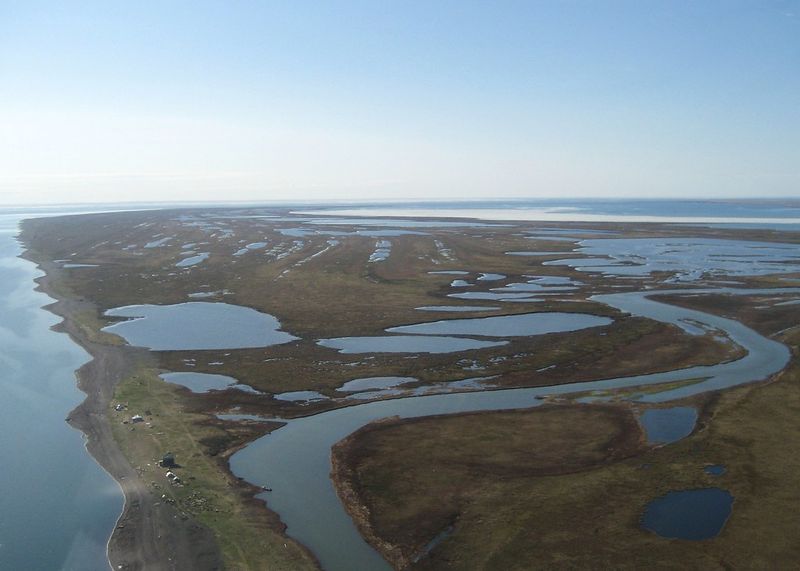
Cape Krusenstern brings something different to the caribou migration list: a coastal setting where the Western Arctic Herd passes through tundra within sight of the Chukchi Sea. The monument’s landscape layers lagoons, low hills, open tundra, and Arctic shoreline into a scene unlike any of Alaska’s inland migration corridors.
The site also carries enormous cultural weight. More than 114 beach ridges here contain archaeological evidence of human occupation spanning 5,000 years, all of it connected to the marine and terrestrial wildlife that has moved through this area for just as long.
Caribou are part of that long story.
Migration typically passes through in spring and fall, though exact timing varies with conditions. Getting there requires a flight from Kotzebue, and the monument is managed alongside the other units in the Northwest Arctic national parks cluster.
A ranger station in Kotzebue can help with current conditions and planning advice.
5. Tuktut Nogait National Park, Paulatuk, Northwest Territories
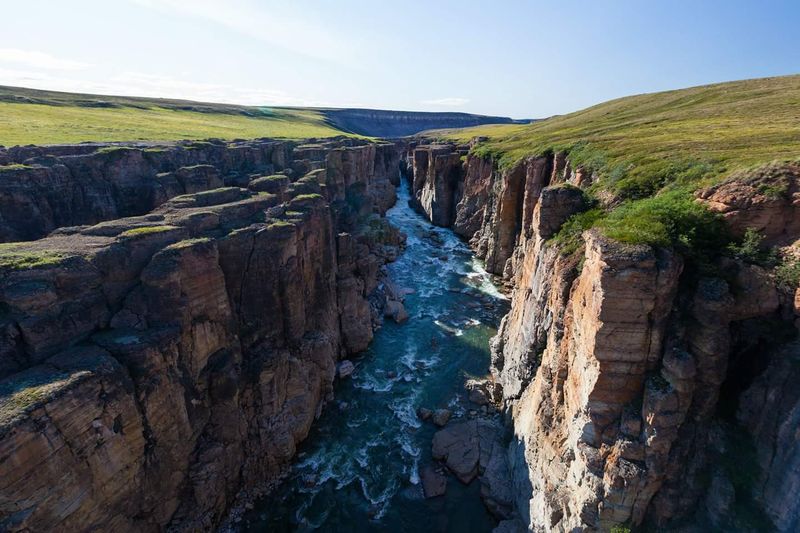
The name itself tells you everything: Tuktut Nogait means young caribou in Inuvialuktun, and protecting the calving and post-calving habitat of the Bluenose West herd was a primary reason the park was established. Visiting in June gives travelers a real chance of witnessing caribou moving toward their calving grounds in some of the most remote terrain in Canada.
The park’s landscape is defined by dramatic river canyons, waterfalls, and completely treeless tundra. Peregrine falcons nest in the canyon walls, muskoxen wander the uplands, and grizzly bears follow the same general calendar as the caribou.
The wildlife density here is remarkable for a place so rarely visited.
Access is by charter aircraft from Paulatuk, a small Inuvialuit community on the Beaufort Sea coast. Parks Canada recommends contacting them well in advance for trip planning, as the park has no infrastructure and visitors must be entirely self-sufficient throughout their stay.
6. Ivvavik National Park, Northern Yukon, Canada
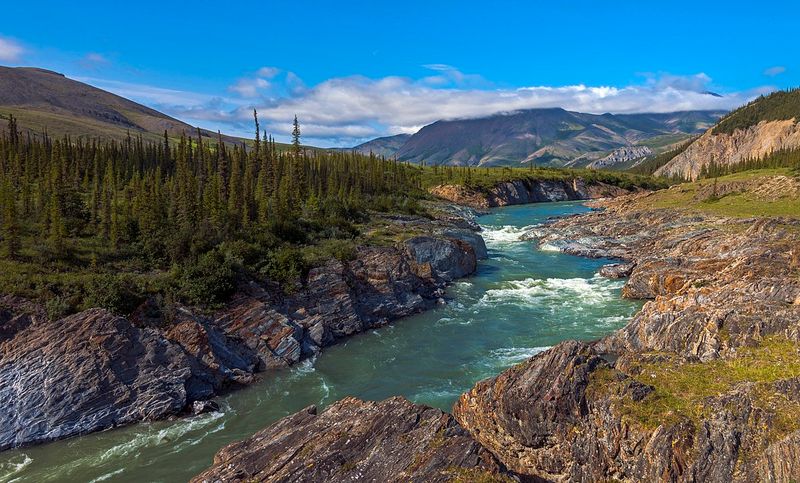
Ivvavik sits in the far northwestern corner of the Yukon, directly in the path of the Porcupine Caribou Herd’s annual movement between forested winter ranges and coastal calving grounds near the Beaufort Sea. The herd’s journey through this mountain and tundra landscape is one of the defining wildlife events of the entire North American Arctic.
The park shares a border with the Arctic National Wildlife Refuge in Alaska, and the two areas together protect a continuous stretch of critical caribou habitat that spans an international boundary. Grizzly bears, wolves, Dall sheep, muskoxen, and wolverines all share the landscape, making any visit here a multi-species wildlife experience.
There are no roads, trails, or visitor facilities inside the park. Access is by charter aircraft from Inuvik, and Parks Canada recommends contacting the Inuvik office well before any planned visit.
The Firth River is a popular route for guided rafting trips that pass through prime migration country.
7. Arctic National Wildlife Refuge, Arctic Village, Alaska
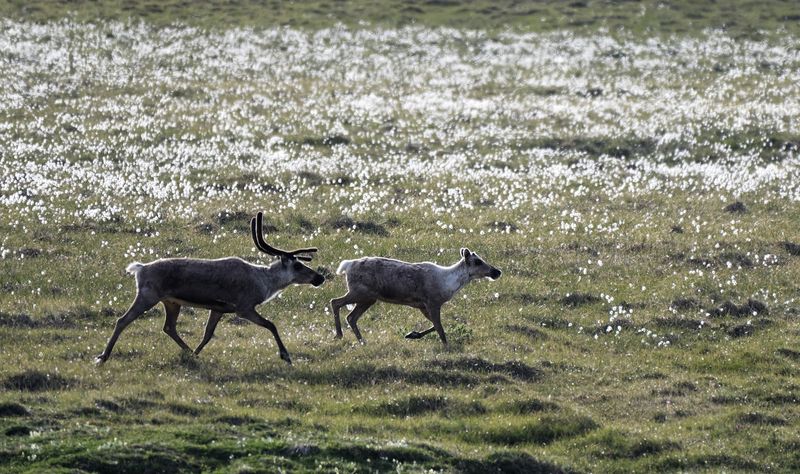
The Porcupine Caribou Herd’s annual migration into the Arctic National Wildlife Refuge is one of the most celebrated wildlife events in North America. Each spring, pregnant cows push northward toward calving grounds on the Arctic coastal plain, completing a journey that can stretch more than 1,500 miles from their winter range.
The refuge covers 19 million acres, which gives some sense of the scale involved. Most of it is completely roadless, meaning that reaching prime migration territory typically requires a chartered flight, a guided rafting expedition, or a serious commitment to self-supported backcountry travel.
This is not a place that hands wildlife encounters to visitors. The reward for the effort, however, is a landscape and a wildlife experience that remain genuinely unchanged from how they have always been.
Timing a visit for late May through June gives the best chance of encountering calving and post-calving movement.
8. Dempster Highway, Dawson City, Yukon
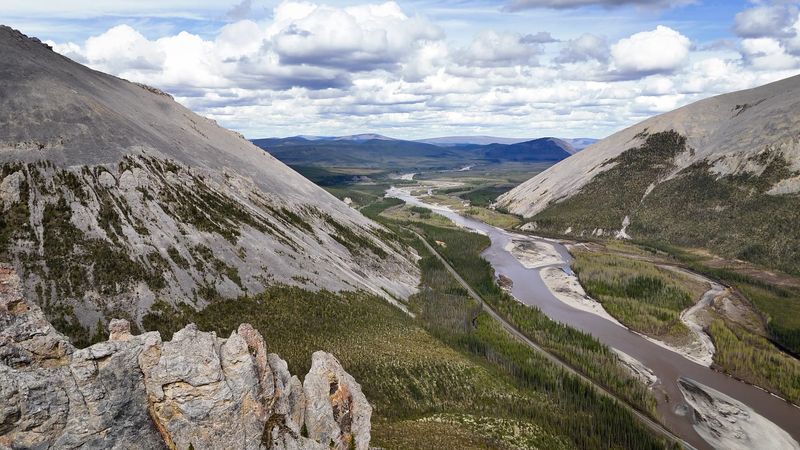
Canada’s only public highway to cross the Arctic Circle, the Dempster cuts north from Dawson City through 736 kilometers of tundra, river valleys, and mountain passes before reaching the Mackenzie Delta. The Yukon government specifically notes that fortunate travelers can encounter Porcupine caribou along the route, particularly during winter months when the herd moves into the area.
The highway is gravel for most of its length and crosses two rivers by ferry in summer, with ice bridges replacing the ferries in winter. Road conditions can shift quickly, so checking current status before any trip is a non-negotiable step in trip planning.
Even without a caribou sighting, the Dempster delivers one of the great northern road experiences on the continent. The Tombstone Range appears early in the drive, the Eagle Plains stretch wide and treeless in the middle, and the Richardson Mountains mark the approach to the Northwest Territories border.
9. Tombstone Territorial Park, Dawson City, Yukon
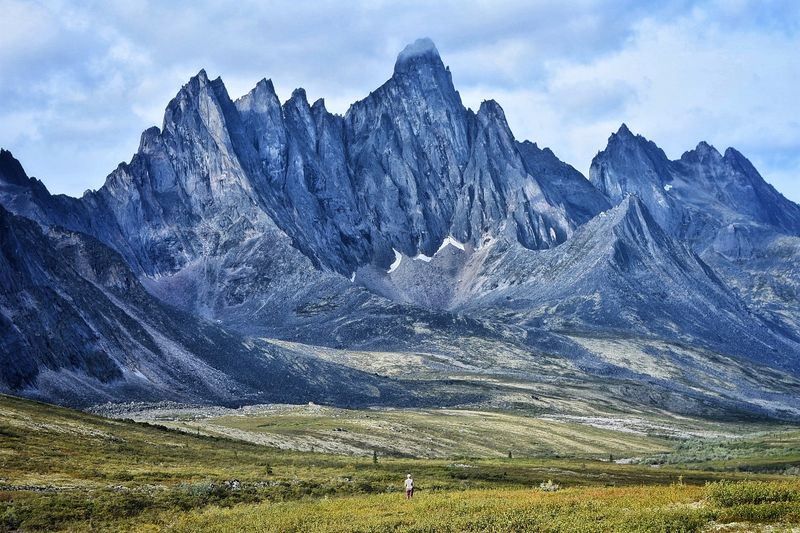
The jagged silhouette of the Tombstone Range makes this park one of the most photographed landscapes in the Yukon, but the wildlife story here runs just as deep as the geology. The Hart River caribou herd uses the park throughout the year, while the broader region sits within the range of the Porcupine Caribou Herd during its fall migration.
The Blackstone Uplands, accessible from the Dempster Highway, have a particularly long connection to caribou hunting. Indigenous communities historically intercepted the Porcupine Herd’s fall migration in this exact area, and the landscape still carries that cultural memory in its place names and oral histories.
Unlike most destinations on this list, Tombstone is genuinely road-accessible. The Dempster Highway runs directly through the park, and a well-developed visitor center near the park entrance provides orientation, exhibits, and trip planning help.
Day hikes into the uplands offer the best opportunities for spotting caribou on open ground.
10. Iqalugaarjuup Nunanga Territorial Park, Rankin Inlet, Nunavut
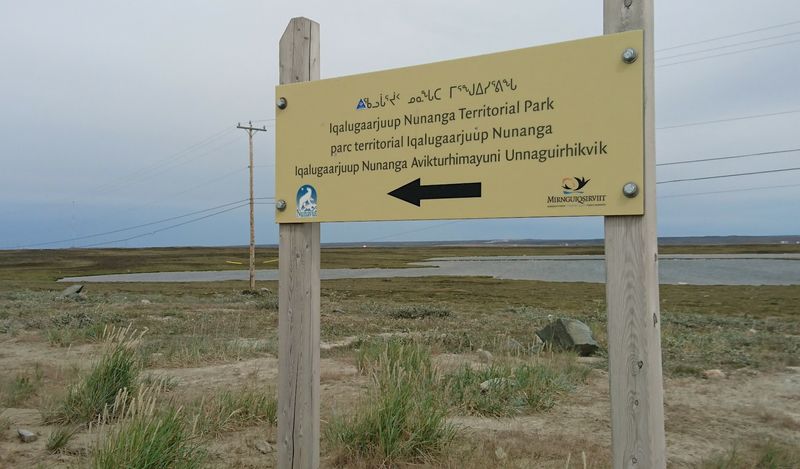
When timing works in a visitor’s favor at this tundra park outside Rankin Inlet, the experience can be genuinely overwhelming. Nunavut Parks reports that thousands of caribou can migrate through the park twice annually, moving north in spring and back south toward the treeline in fall.
On the right day, the animals can stretch across the landscape as far as binoculars can reach.
The park also preserves archaeological features associated with Thule and Caribou Inuit occupation, so a visit here connects wildlife watching with a tangible sense of the human history tied to these migrations. The two things belong together in this landscape.
Rankin Inlet is accessible by scheduled flights from Winnipeg, making this one of the more logistically approachable Nunavut destinations on the list. Hiking, fishing, and camping are all available within the park, giving visitors plenty to do while watching for the herds to appear on the horizon.
11. Dalton Highway, Fairbanks, Alaska
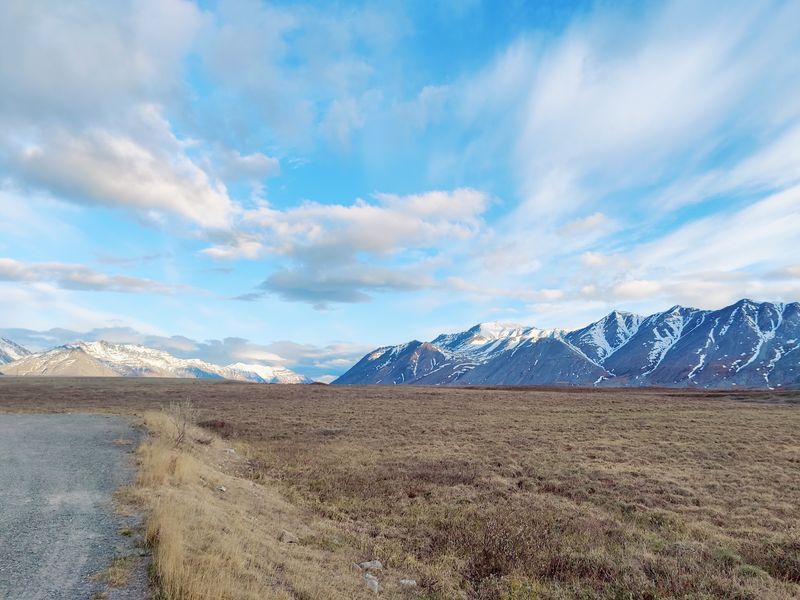
Alaska’s most remote public highway runs 414 miles from the Elliott Highway junction north of Fairbanks all the way to Deadhorse on the Arctic coast. The Dalton crosses the Brooks Range at Atigun Pass and then drops onto the Arctic coastal plain, where long sightlines across open tundra make spotting caribou considerably easier than in forested terrain.
Animals from the Central Arctic Herd can appear along the northern sections of the highway, particularly in areas north of the mountains where the landscape opens up completely. The Alaska Department of Transportation advises travelers to carry spare tires, extra fuel, and emergency supplies, since services are extremely limited along the route.
The highway is open year-round, and different seasons offer different wildlife possibilities. Summer brings long daylight hours and good visibility.
Fall can bring migration movement through the corridor. Winter travel is demanding but offers a completely different perspective on this remarkable northern landscape.
12. Denali Highway, Cantwell, Alaska
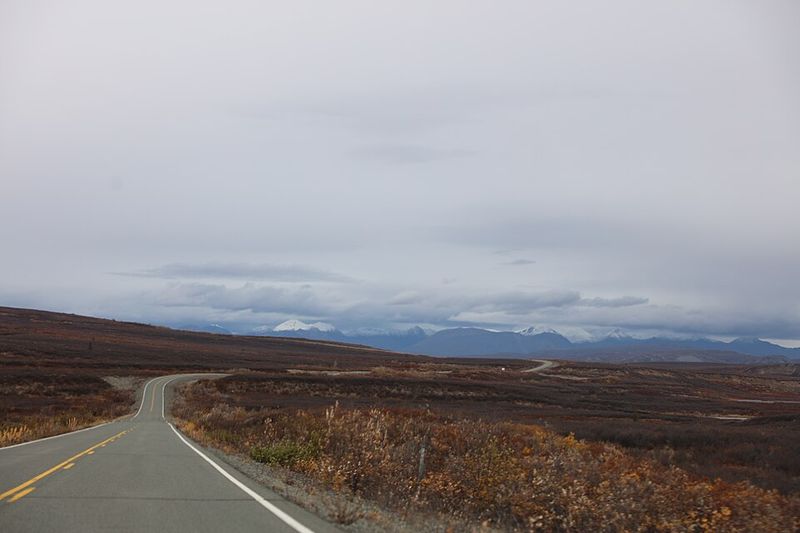
Alaska’s oldest state highway is also one of its least traveled, and that relative quiet works in a wildlife watcher’s favor. The 135-mile gravel road between Cantwell and Paxson crosses the open tundra and foothill country used by the Nelchina Caribou Herd, with pullouts offering broad views across terrain where animals can sometimes be spotted at considerable distance.
The Nelchina Herd numbers around 35,000 animals, and their movements through this region during summer and fall give drivers a reasonable chance of a sighting without requiring any backcountry commitment. A spotting scope mounted on a vehicle window makes scanning distant slopes much more effective than handheld binoculars.
The highway is typically open from May through October, depending on conditions. Lakes, braided rivers, mountain panoramas, and almost no development give the drive an unhurried quality that is increasingly rare in Alaska’s more visited areas.
Budget a full day at minimum for the crossing.
13. Denali National Park and Preserve, Denali Park, Alaska
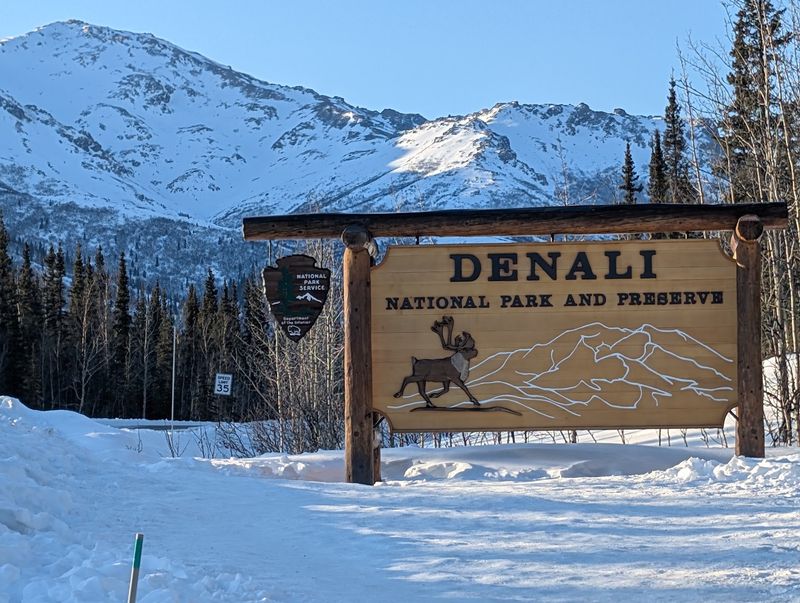
For travelers who want to see wild caribou without committing to a fly-in Arctic expedition, Denali offers a compelling middle ground. Caribou are regularly observed throughout the park’s six million acres of tundra, and seasonal movements have created recognizable travel corridors across areas like Stony Hill and the Teklanika River valley.
The park’s single road runs 92 miles into the wilderness, and private vehicles are restricted beyond the first 15 miles. Bus tours operated by the park provide access to the interior, and the open tundra visible from the road gives passengers excellent scanning opportunities.
Rangers can advise on where caribou have been seen recently.
Fall is a particularly good time to visit for caribou watching, as animals are actively moving and bulls are in their peak condition. The surrounding Alaska Range scenery and the chance to see moose, Dall sheep, wolves, and bears make Denali one of the most rewarding wildlife destinations in North America.
14. Steese Highway, Fairbanks, Alaska
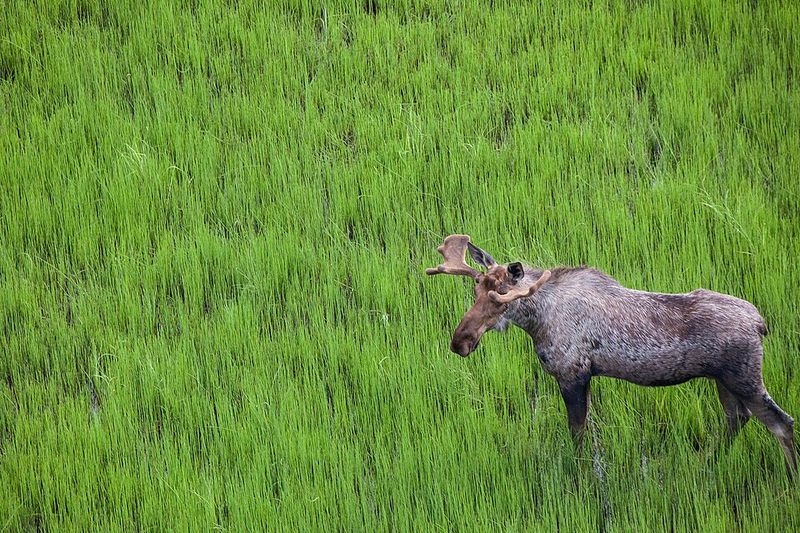
Most visitors to Fairbanks overlook the Steese Highway entirely, which means the open upland country around Twelvemile Summit and Eagle Summit stays relatively quiet even by Alaskan standards. Caribou move through this high tundra terrain, and the exposed ridgelines give watchful travelers the kind of long sightlines that make spotting distant animals genuinely possible.
Eagle Summit sits at 3,685 feet and is one of the better vantage points along the route. The tundra here is open enough that animals are visible well before they disappear over a ridge, giving observers time to set up a spotting scope or simply watch the movement unfold at a distance.
The highway is paved for its first 44 miles, then transitions to gravel as it climbs into the uplands. The drive is manageable in a standard vehicle during summer, and the combination of high country scenery and wildlife possibility makes it a worthwhile day trip from Fairbanks even when caribou stay out of sight.
Share this story