Italy is one of those countries that somehow packs ancient ruins, jaw-dropping scenery, world-famous art, and the best food on the planet into one long boot-shaped peninsula. Whether you are drawn to crumbling Roman amphitheaters, cliffside fishing villages, or rolling Tuscan hills dotted with cypress trees, there is a version of Italy waiting to blow your mind.
The 14 stops below trace a path from the snowy peaks of the north all the way down to sun-baked Sicily, giving you a framework for an unforgettable extended trip. Pack light, eat everything, and get ready for the journey of a lifetime.
The Dolomites
Few places in Italy will make you forget you are even in Italy quite like the Dolomites. These aren’t gentle rolling hills.
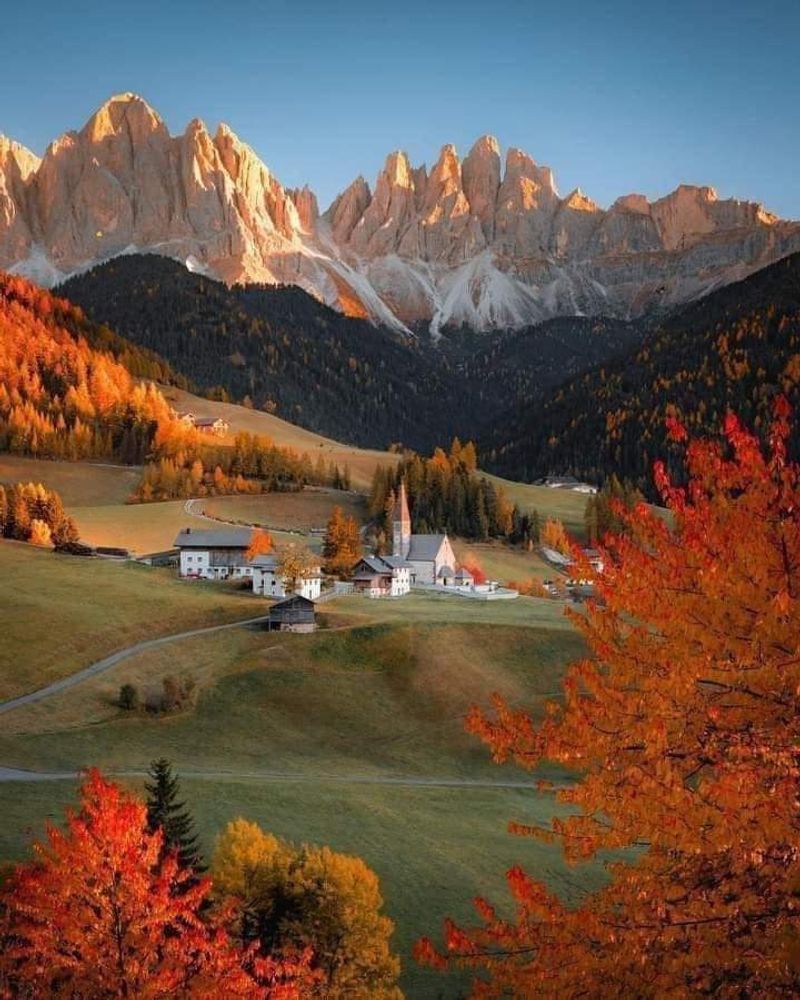
Eighteen peaks punch above 3,000 meters, and their pale limestone walls can shift from white to blazing orange during sunrise and sunset, creating a light show that no filter can improve.
UNESCO protects nine separate mountain areas here, covering over 141,000 hectares of some of the most dramatic scenery in all of Europe. Summer is prime hiking season, with trails threading through Cortina d’Ampezzo, Val Gardena, and Alta Badia.
Winter flips the whole region into a serious ski destination with world-class slopes.
Getting around is easiest by car or regional bus, since trains don’t reach many of the smaller valleys. Book accommodation early during both peak seasons because rooms fill up fast.
The Dolomites reward travelers who slow down and actually walk into the landscape rather than just photograph it from a parking lot.
Venice
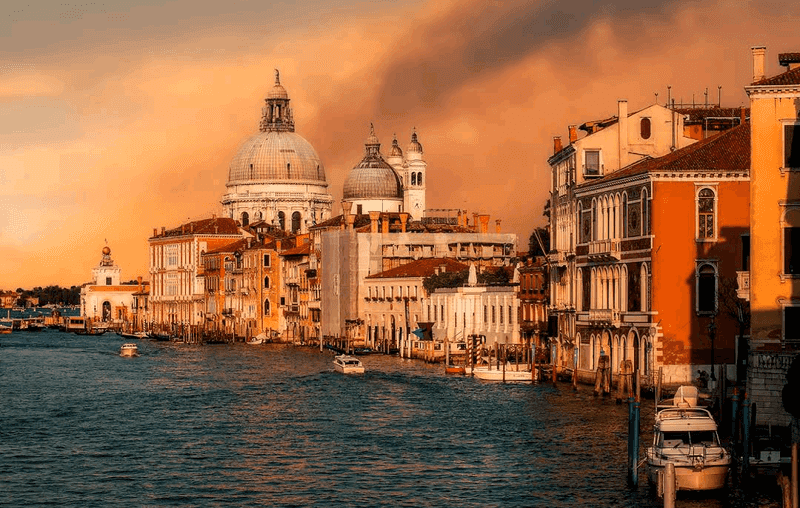
Roughly 1,500 wooden piles per building support Venice above its lagoon, which means the entire city is essentially floating on ancient timber. That engineering feat alone makes it worth visiting, but the art, architecture, and sheer strangeness of a city with canals instead of streets push it into legendary territory.
St. Mark’s Basilica, the Doge’s Palace, and the Gallerie dell’Accademia are obvious priorities, but the real Venice reveals itself when you wander off the main tourist path into neighborhoods like Cannaregio or Dorsoduro. Riding a vaporetto down the Grand Canal costs far less than a gondola and delivers equally spectacular views.
Day-trippers flood the city between roughly 10 a.m. and 6 p.m., so staying overnight transforms the experience completely. The quieter evening streets feel like a different city altogether.
Take a boat to Murano to watch glass blowing up close, or head to Burano for its famously colorful houses and exceptional lace-making tradition.
Lake Como
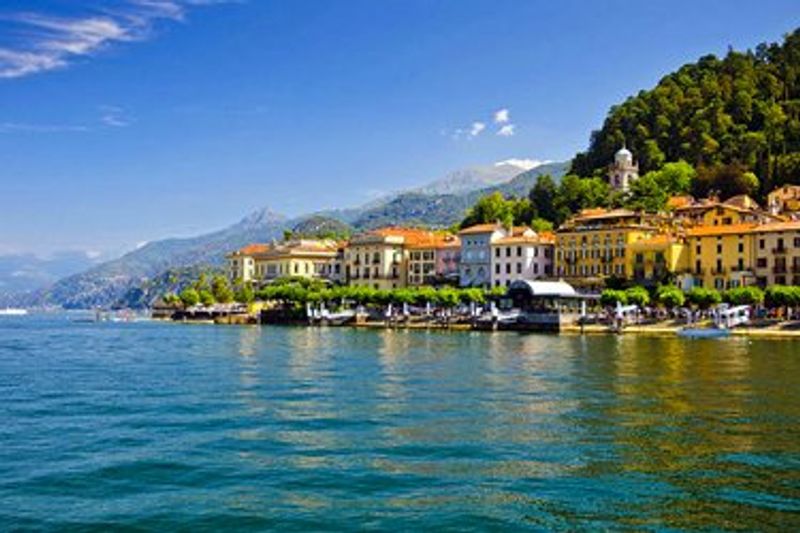
George Clooney chose Lake Como as his personal retreat, and honestly, the man has excellent taste. The Y-shaped lake sits in the shadow of the Alps and is ringed by some of the most elaborately landscaped gardens and historic villas in all of northern Italy.
Bellagio perches at the fork of the lake and is probably the most photographed spot, but towns like Varenna, Menaggio, and Tremezzo each offer their own distinct character. The best way to explore is by ferry, hopping between villages at a relaxed pace rather than fighting narrow lakeside roads.
Boats connect most of the major towns throughout the warmer months.
Como town, at the southern tip, adds a Gothic cathedral, a funicular ride up to the village of Brunate, and the Tempio Voltiano museum dedicated to Alessandro Volta, who invented the battery right here. The travel season runs roughly from spring through early fall, when gardens are open and lake swimming is genuinely enjoyable.
Pack a light jacket for evenings, even in July.
Milan
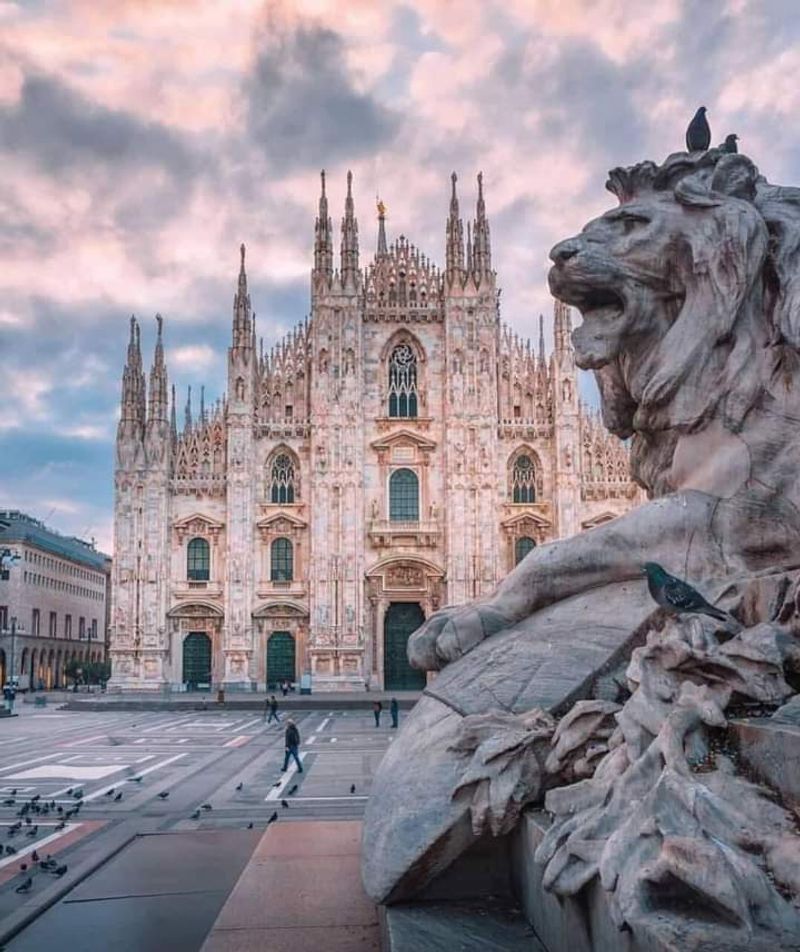
Milan moves at a pace that feels noticeably different from the rest of Italy, more hurried, more polished, and deeply obsessed with looking good. That energy makes it a fascinating contrast to the ancient ruins and hilltop villages found elsewhere on this route.
The Duomo cathedral anchors Piazza del Duomo and is one of the largest Gothic churches in the world. You can climb to the rooftop terraces for close-up views of the spires and a surprisingly wide panorama over the city.
Next door, the Galleria Vittorio Emanuele II is technically a shopping arcade but feels more like a 19th-century palace made of iron and glass.
Leonardo da Vinci’s “The Last Supper” is painted on the refectory wall of Santa Maria delle Grazie nearby, and it is genuinely breathtaking in person. Reservations are absolutely required because entry is tightly controlled and slots sell out weeks in advance.
Milan’s rail connections make it a smart starting point for a north-to-south Italian trip, with fast trains reaching Venice, Bologna, and Florence in under two hours.
Cinque Terre
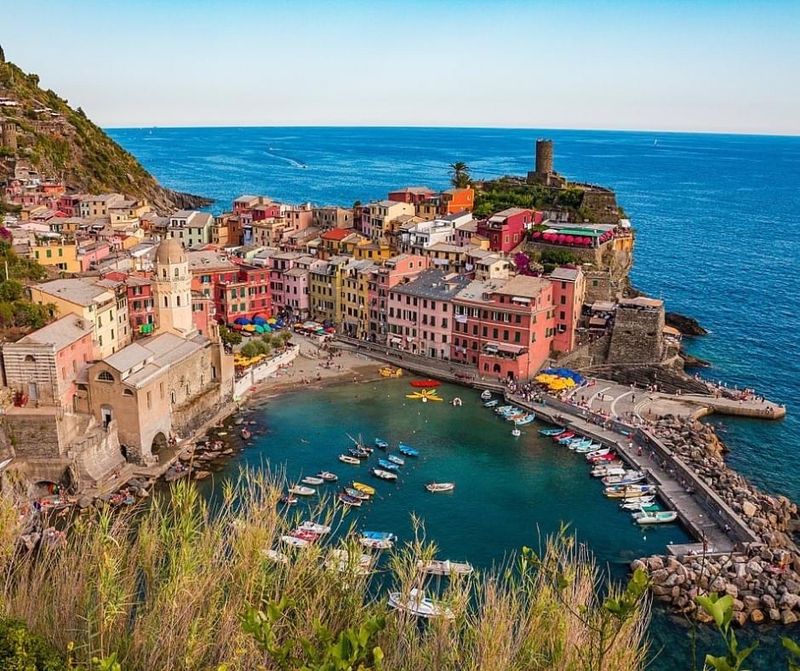
Cinque Terre is five villages, one rugged coastline, and about a thousand Instagram posts per day, but somehow it still manages to feel magical when you arrive in person. The five villages, Monterosso, Vernazza, Corniglia, Manarola, and Riomaggiore, cling to cliffs above the Ligurian Sea like brightly colored barnacles.
Trains are the most practical way to travel between the villages, with frequent regional services running through the day. Hiking trails connect the villages and offer viewpoints over terraced vineyards that generations of farmers carved into nearly vertical hillsides.
Some trails close periodically due to landslides, so checking current conditions before lacing up your boots is genuinely important.
The area became a UNESCO World Heritage Site in 1997, recognized for both its dramatic scenery and the centuries of agricultural effort that shaped it. Staying overnight in one of the villages rather than arriving on a day trip from Genoa or La Spezia makes a big difference.
The crowds thin out in the early morning and evening, and that is when Cinque Terre shows its quieter, more authentic side.
Bologna
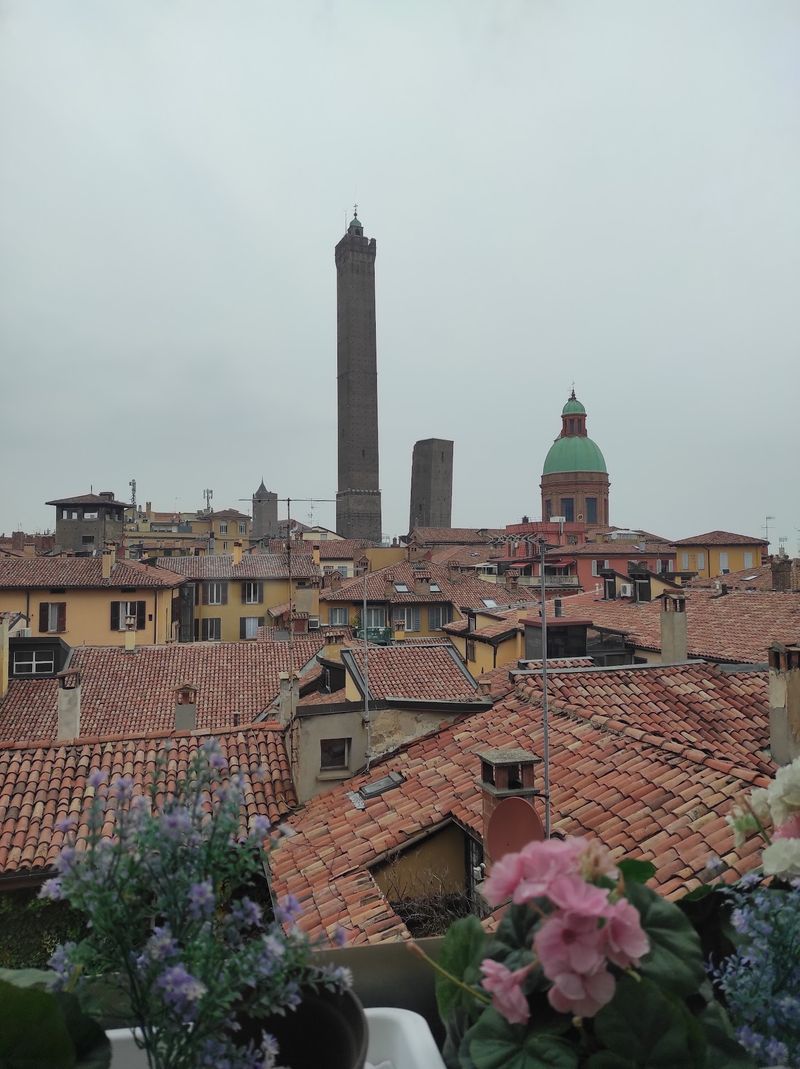
Bologna is the city that Italians talk about when they want to make other Italians jealous, and the main reason is the food. This is the birthplace of ragu, mortadella, and tortellini, and the covered market halls are stocked with ingredients that would make any serious cook weep with joy.
But food is only part of the story. Bologna’s famous porticoes stretch for roughly 62 kilometers across the city, including about 42 kilometers through the historic center alone.
Twelve representative sections were added to the UNESCO World Heritage List in 2021, and walking beneath the arches in the rain while eating a fresh pasta snack is a legitimate life highlight.
The longest portico, the Portico di San Luca, runs 3,796 meters through 666 consecutive arches up to a hilltop sanctuary. Bologna’s university, founded in 1088, is considered the oldest in the Western world, and the student population gives the city an energetic, lived-in atmosphere that makes it feel refreshingly real.
Skip the rushed lunch and sit down properly. Bologna rewards that choice every single time.
Florence
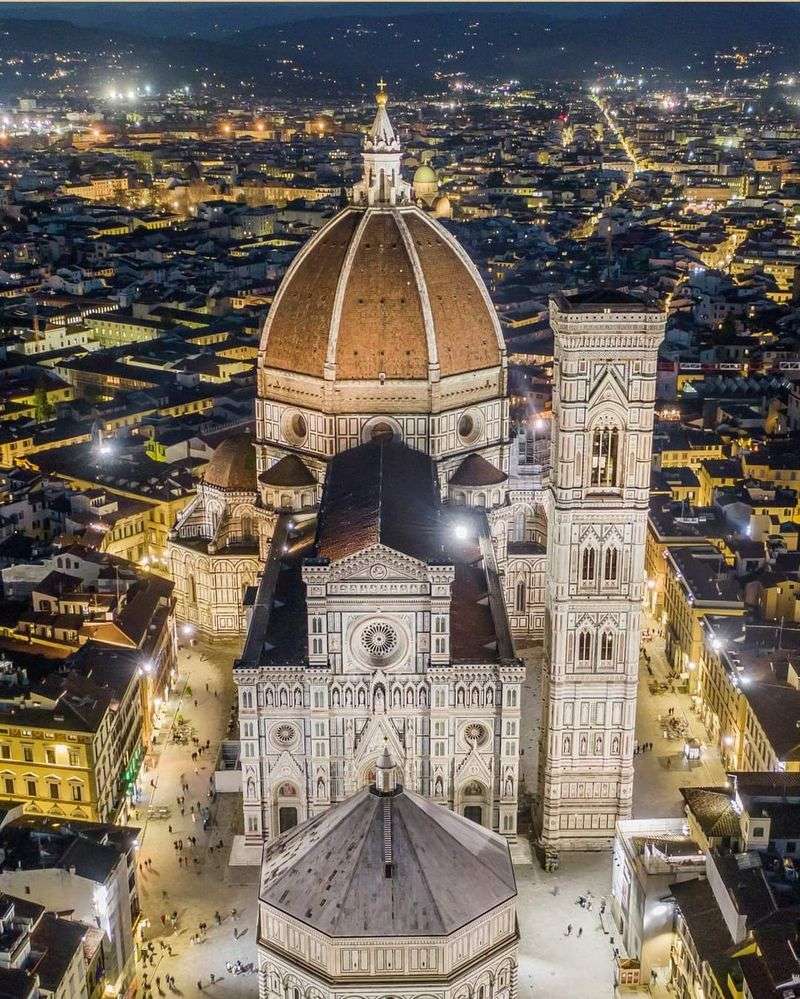
Stand in front of Michelangelo’s David and you will understand why people have been making the trip to Florence for centuries. The statue is almost absurdly impressive in person, and it is just one of thousands of masterpieces packed into a city that is barely three kilometers across at its widest point.
Florence became a cultural powerhouse under the Medici family during the 15th and 16th centuries, but its roots go back to a Roman colony founded in 59 B.C. The UNESCO-protected historic center covers about 505 hectares and contains the Uffizi, Palazzo Vecchio, Santa Croce, Ponte Vecchio, and Brunelleschi’s engineering miracle of a cathedral dome.
The city is compact enough to explore largely on foot, which is genuinely one of its great pleasures. Book tickets for the Uffizi and the Accademia Gallery well in advance, especially if you are visiting between March and October.
Crossing the Ponte Vecchio at dawn, before the jewelry sellers open their shutters and the crowds arrive, is one of those quietly perfect travel moments that stays with you for years.
Val d’Orcia
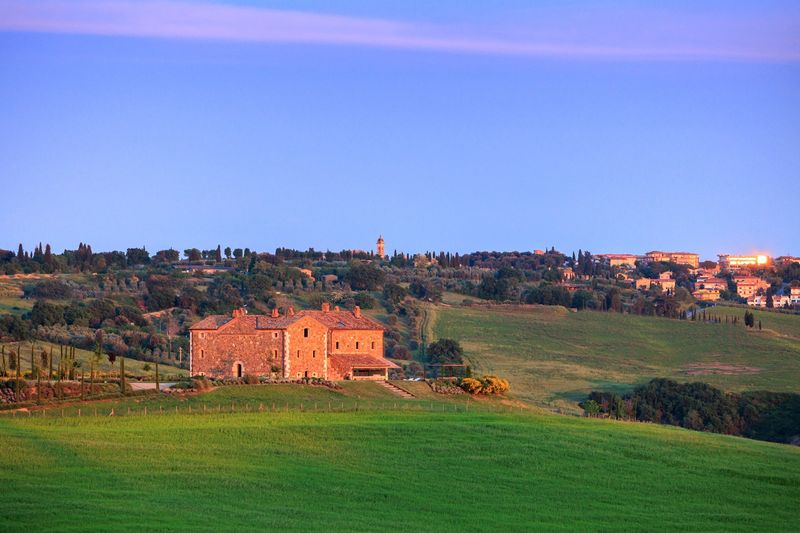
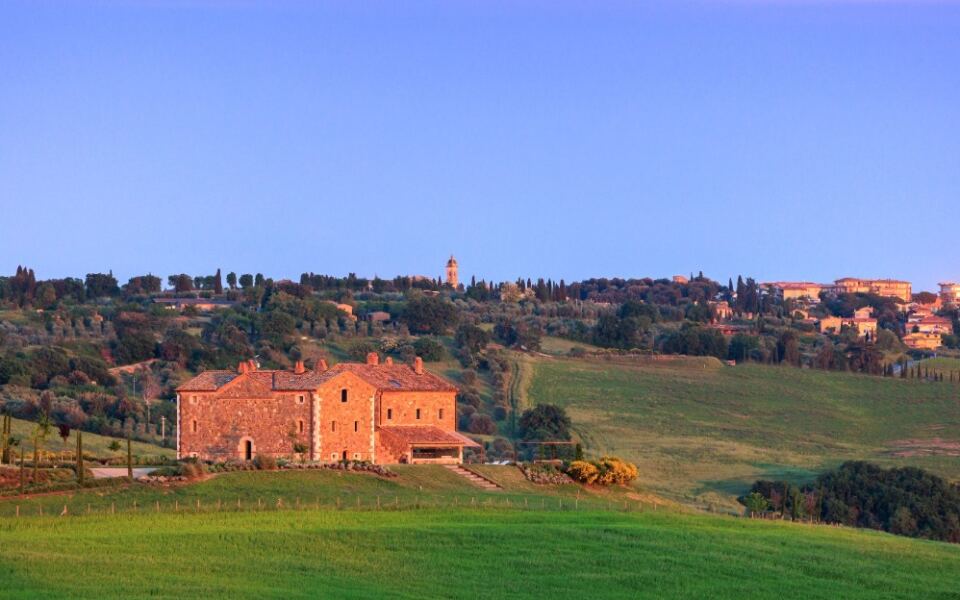
The Val d’Orcia looks exactly like the landscape on every Italian wine label you have ever seen, except the real thing is even more beautiful. South of Siena, the land rolls into soft hills lined with cypress trees, dotted with stone farmhouses, and colored by vineyards and olive groves that stretch to the horizon.
UNESCO inscribed the landscape in 2004, protecting more than 61,000 hectares and recognizing that Renaissance thinkers actually shaped this countryside according to ideas about visual harmony and ideal land management. The medieval hill town of Pienza was redesigned during the 1400s as a model Renaissance city and is still remarkably intact.
Montalcino nearby produces Brunello, one of Italy’s most celebrated red wines.
A car is genuinely useful here because the most stunning viewpoints and villages are scattered across rural terrain that public transport barely reaches. Thermal springs at Bagno Vignoni and San Casciano dei Bagni provide a perfect midday pause.
The pace slows way down in Val d’Orcia, and that is precisely the point. Travelers who allow themselves to simply drive slowly and stop wherever looks interesting tend to leave with the best memories.
Rome
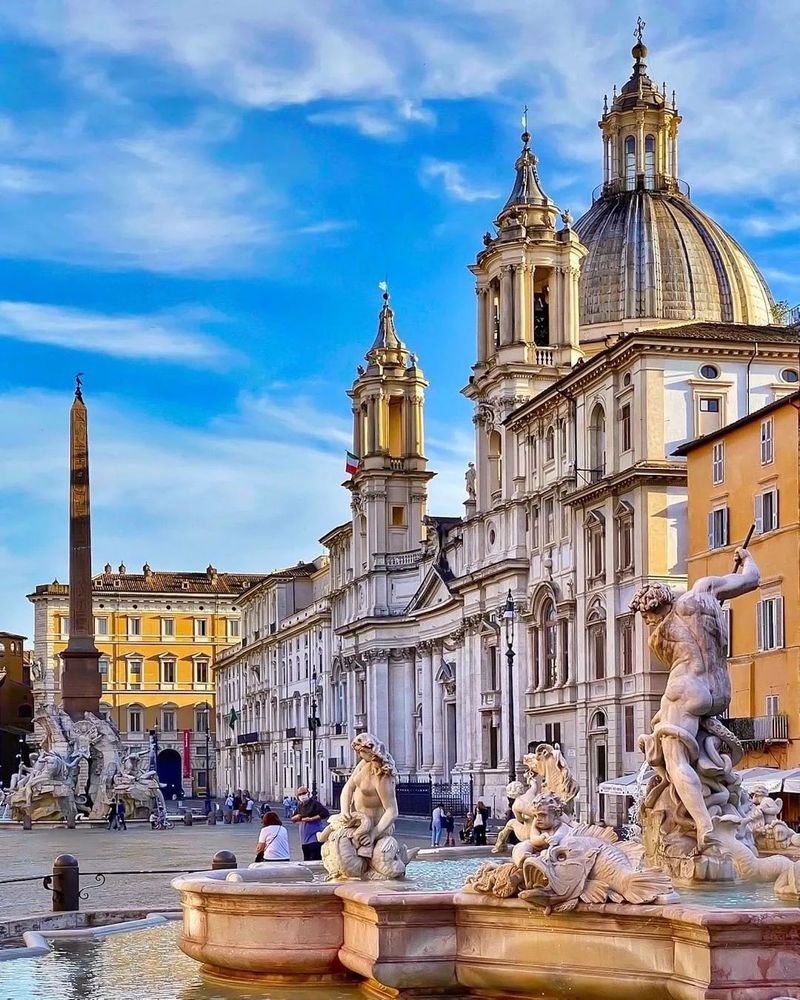
Rome is the city where you turn a corner expecting nothing in particular and find a 2,000-year-old temple wedged between a coffee bar and a pharmacy. That is not an exaggeration.
The Pantheon has been standing continuously since around A.D. 125 and you can walk right inside it.
The UNESCO-listed historic center covers roughly 14 square kilometers and contains the Colosseum, the Roman Forum, Palatine Hill, the Pantheon, Piazza Navona, the Trevi Fountain, the Spanish Steps, and churches stuffed with Renaissance and Baroque art. The Colosseum was inaugurated in A.D. 80 and could hold up to 80,000 spectators.
Book tickets in advance to skip the lines, which are genuinely long during peak season.
Three full days is a sensible minimum for a first visit, with an extra day reserved for the Vatican Museums and St. Peter’s Basilica if those are priorities. Wear comfortable shoes because the cobblestones are beautiful but unforgiving after six hours of walking.
Rome also rewards evening strolling when the heat drops, the light turns golden, and the ancient ruins look their most dramatic against the darkening sky.
Naples
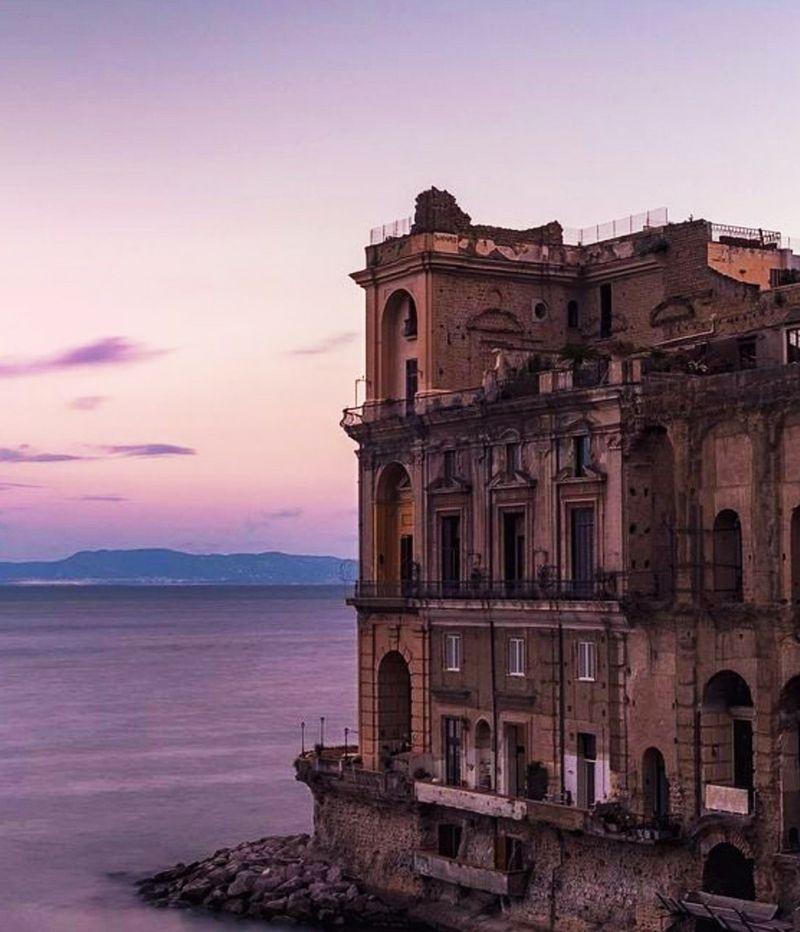
Naples is loud, chaotic, impossibly layered, and absolutely thrilling from the moment you step off the train. No other Italian city packs this much history, street life, and culinary intensity into the same square kilometer.
And the pizza here is not just good; it is a different category of food entirely.
The historic center developed over more than 27 centuries, beginning with Greek settlement and running through Roman, Byzantine, Norman, Angevin, Spanish, and Bourbon rule. UNESCO recognized it as a World Heritage Site in 1995.
Walking Spaccanapoli and Via dei Tribunali puts you in direct contact with churches, underground ruins, shrines, workshops, and the kind of neighborhood energy that feels genuinely unrehearsed.
The Sansevero Chapel contains Veiled Christ, a marble sculpture so detailed that visitors regularly refuse to believe it is stone. The National Archaeological Museum holds the finest collection of Roman-era artifacts in the world, much of it recovered from Pompeii and Herculaneum.
Naples is also the perfect base for day trips to Pompeii, Capri, Mount Vesuvius, and the Amalfi Coast, making it one of the most strategically valuable stops on this entire route.
Pompeii
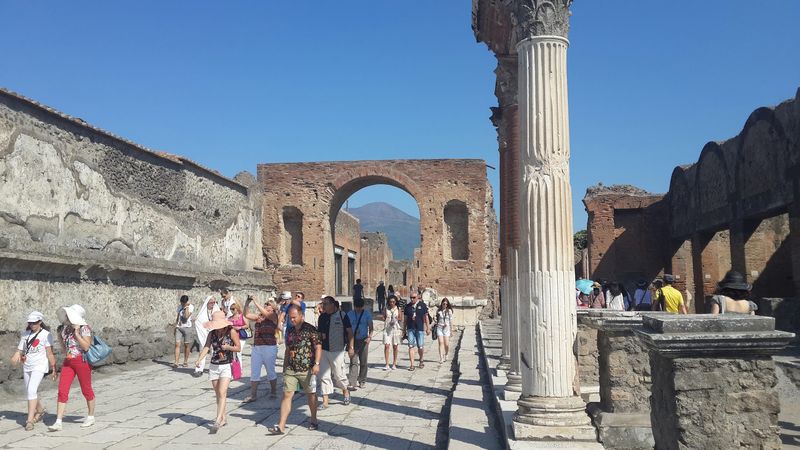
Pompeii is one of the strangest places you will ever visit, because it is not really a ruin in the usual sense. It is a city that was simply stopped mid-sentence.
The eruption of Mount Vesuvius in A.D. 79 buried it under volcanic ash so quickly that bakeries still had bread in the ovens when excavators arrived centuries later.
Systematic excavation began in the 18th century and has gradually uncovered streets, houses, temples, baths, theaters, shops, and a 20,000-seat amphitheater. UNESCO notes that approximately 44 hectares have been excavated, making Pompeii the most complete surviving example of a Roman city from the first century.
The plaster casts of victims caught in the eruption are haunting in a way that photographs cannot fully prepare you for.
Herculaneum, closer to modern Ercolano, offers a smaller but even better-preserved alternative that many visitors skip entirely. Both sites are reachable from Naples by the Circumvesuviana regional train in under an hour.
Arrive early to beat the heat and the crowds, bring water, and allow at least three to four hours to do justice to the scale of what has been uncovered here.
Amalfi Coast
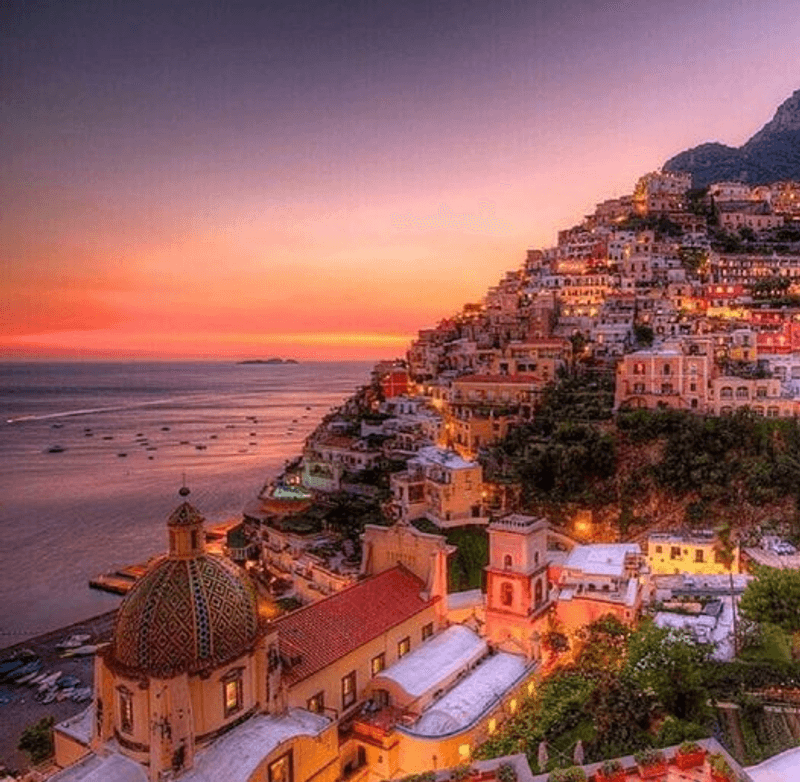
The Amalfi Coast is one of those places that makes you wonder how anyone ever managed to build anything on it at all. The cliffs drop almost vertically into the sea, and yet humans carved out terraced lemon groves, stacked villages up the hillsides, and somehow squeezed a narrow coastal road along the whole thing.
The UNESCO-protected coastline stretches from Positano toward Vietri sul Mare and covers 16 municipalities. Positano delivers the famous stacked pastel houses.
Amalfi town recalls its history as a powerful medieval maritime republic. Ravello sits high above the sea with extraordinary gardens and views.
Vietri sul Mare is celebrated for its hand-painted ceramics, which make excellent and genuinely useful souvenirs.
Driving the coastal road is technically possible but stressful given the narrow lanes, hairpin turns, and tour buses coming the other way. Ferries connecting the main towns are often more enjoyable and offer views of the cliffs that you simply cannot get from the road.
The coast is at its most vibrant from May through September, though shoulder season visits in April or October offer shorter lines and cooler temperatures. Lemon granita from a cliffside cafe is non-negotiable.
Matera
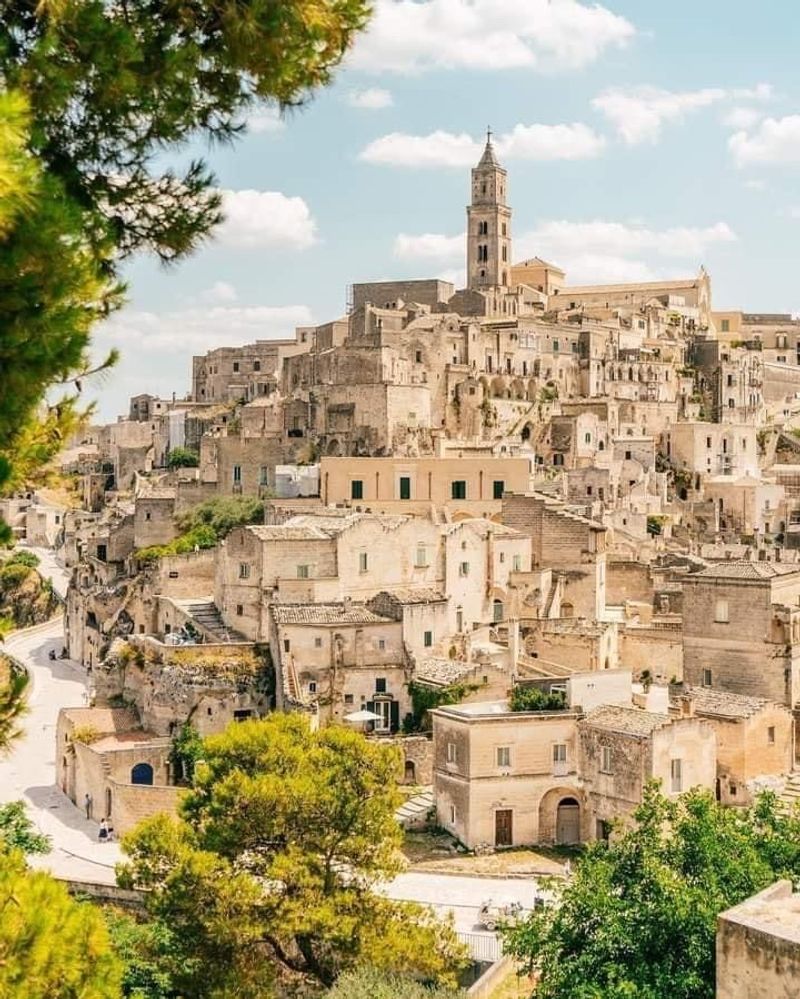
Matera looks like it belongs in a biblical epic, which is probably why Mel Gibson filmed The Passion of the Christ here and why it doubles as ancient Jerusalem in more than one major production. The cave dwellings, churches, and staircases carved into the limestone ravine create a cityscape unlike anything else in Europe.
The Sassi districts became a UNESCO World Heritage Site in 1993, recognized for an extraordinary record of continuous human settlement stretching back thousands of years. As recently as the 1950s, the Italian government forcibly relocated residents out of the caves because conditions were considered unacceptably poor.
That history makes the city’s recent transformation into a celebrated cultural destination all the more remarkable.
Matera served as a European Capital of Culture in 2019, which accelerated investment in restaurants, boutique hotels, and cultural programming. Many of the cave dwellings have been converted into atmospheric accommodation, making an overnight stay here genuinely unique.
Across the gorge, Murgia Materana Park preserves additional rock-cut churches and prehistoric sites that reward a longer visit. Matera is about three hours by train from Naples, making it a manageable addition to any southern Italy itinerary.
Sicily
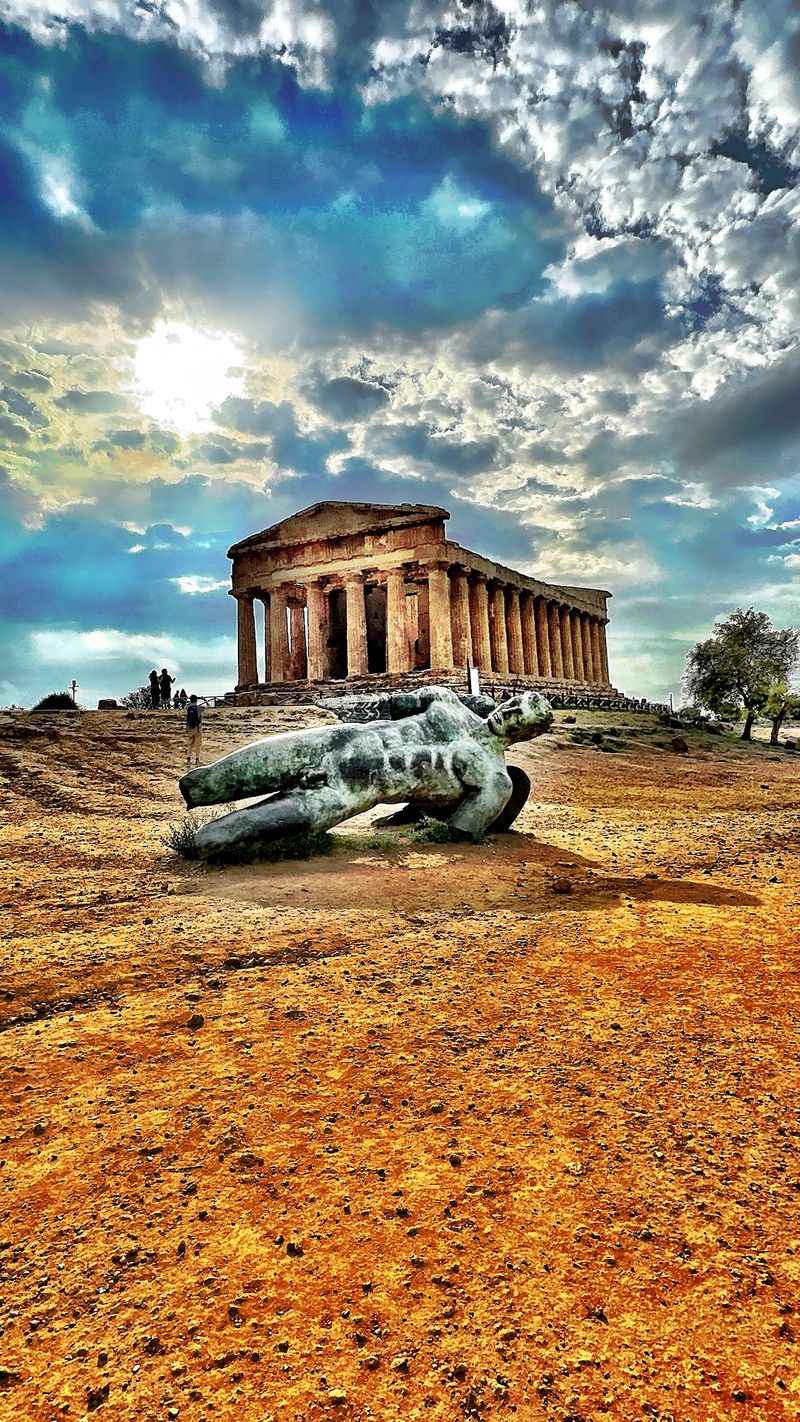
Sicily is not a footnote at the end of an Italy trip; it is practically a country within a country. Arab architecture, Norman cathedrals, Greek temples, Baroque hill towns, an active volcano, and some of the best street food in Italy all share one island that sits just off the toe of the Italian boot.
Palermo alone contains layers of history visible in its architecture, markets, and food. The Ballar market is one of the loudest, most colorful, and most delicious places you will encounter anywhere on this entire route.
Farther south, Agrigento’s Valley of the Temples preserves major 5th-century B.C. Doric structures in remarkable condition, set against a backdrop of almond trees and open sky.
Eastern Sicily brings the ancient city of Syracuse, the Baroque splendor of Noto and Ragusa, and the looming presence of Mount Etna, Europe’s largest active volcano. Taormina adds a perfectly preserved ancient Greek theater with views across the Ionian Sea toward Etna.
Sicily works best with at least five days, ideally split between Palermo, the archaeological south, and the eastern coast. Fly in and out of different airports to avoid backtracking across the island.
Share this story