Some lakes are worth planning an entire trip around. Whether you are chasing a trophy largemouth bass, loading up on walleye, or just hoping to land something worth bragging about, the right lake makes all the difference.
America is full of serious fishing destinations, and these 14 stand out for the kind of catches that keep anglers coming back season after season. From the bass-rich waters of East Texas to the walleye factories of the Great Lakes region, this list covers lakes that have earned their reputations the hard way, through consistent fish, quality habitat, and the kind of angling culture that runs deep in local communities.
If you are looking for your next fishing road trip destination, or just want to know where the real action is, this list is a solid place to start.
Lake Okeechobee, Okeechobee, Florida
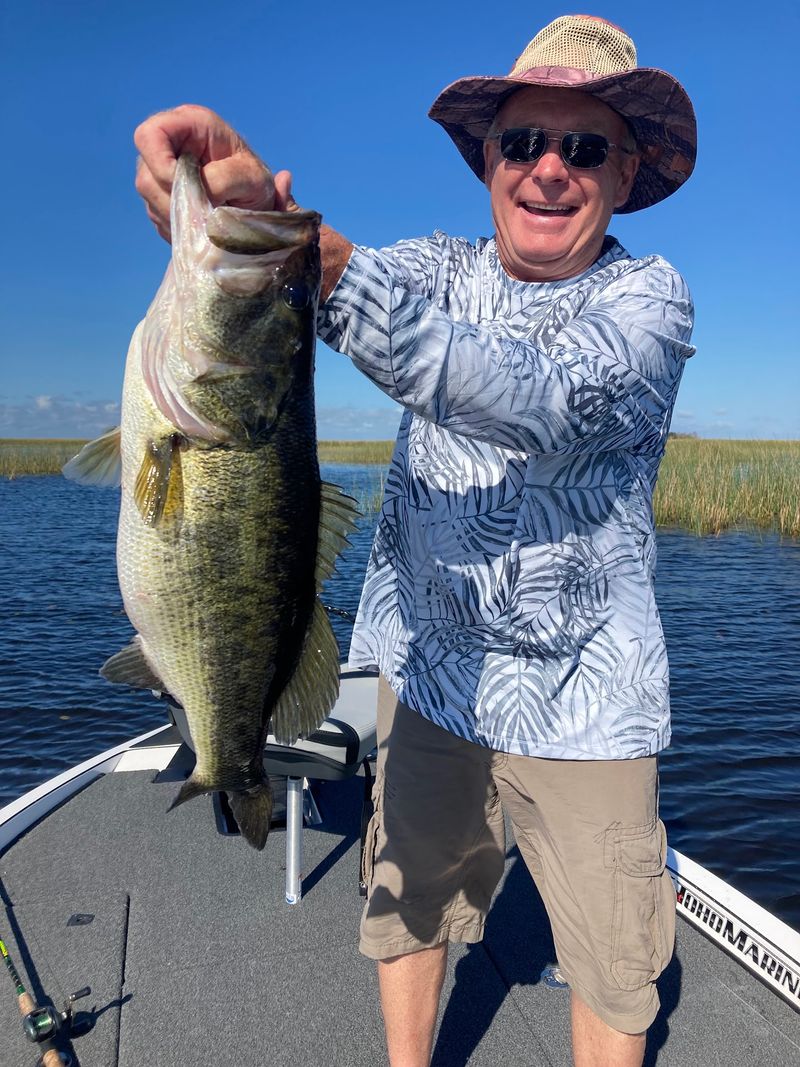
Florida’s largest lake covers roughly 730 square miles, and its shallow, vegetation-rich waters have been producing remarkable catches for generations. The Florida Fish and Wildlife Conservation Commission identifies Lake Okeechobee as home to world-renowned largemouth bass and black crappie fisheries, and the lake consistently backs up that reputation with real fish.
Bass anglers are drawn to the lake’s classic shallow-water habitat, where emergent vegetation, lily pads, and marsh edges create ideal conditions for big fish to thrive. During cooler months, crappie fishing becomes a major draw, pulling in anglers from across the Southeast.
The lake’s sheer size means you can spend multiple trips exploring different sections and still find new water. Access points and fishing guides are available around the lake’s perimeter, making it manageable even for first-time visitors.
Okeechobee is the kind of place where serious anglers feel right at home from the first cast.
Lake Guntersville, Guntersville, Alabama
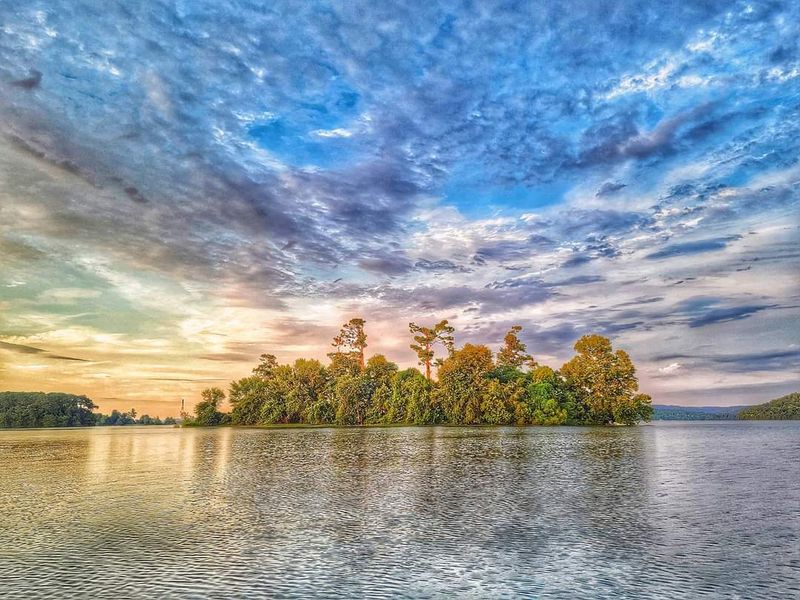
Stretching roughly 75 miles through northern Alabama, Lake Guntersville has been one of the biggest names in Southern bass fishing for decades. Its combination of grass beds, flooded timber, and river channel structure creates conditions that largemouth bass find nearly impossible to resist.
Current 2026 fishing reports continue to document active bass fishing across the lake, and the fishery has hosted major professional bass tournaments over the years. Crappie, catfish, bluegill, and other species add variety for anglers who want to mix up their approach during a multi-day trip.
Getting onto the water is straightforward. Public launch sites, marinas, and licensed fishing guides are spread around the lake, and Lake Guntersville State Park provides additional access and facilities.
The surrounding area has the kind of small-town Alabama character that makes a fishing trip feel like more than just a day on the water. It is a complete destination.
Sam Rayburn Reservoir, Jasper, Texas
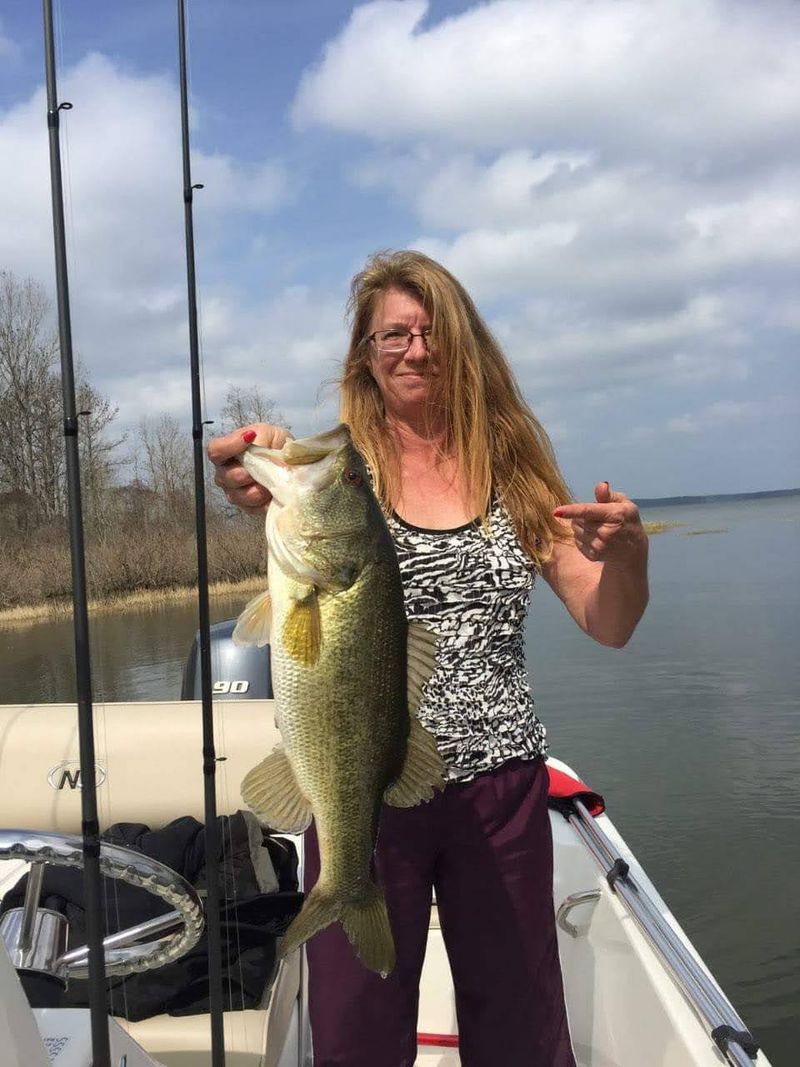
At over 114,000 acres, Sam Rayburn Reservoir is the largest body of water entirely within Texas, and it puts that space to excellent use. Texas Parks and Wildlife rates its largemouth bass, crappie, and catfish opportunities as excellent, and the lake’s structure gives serious anglers plenty to work with across every season.
Submerged vegetation, flooded timber, creek channels, and brush piles create layered habitat that rewards anglers who take the time to learn the water. Bass fishing draws the most attention, but crappie fishing around the lake’s timber is a serious pursuit in its own right, particularly during spring spawning periods.
Multiple maintained boat ramps and access areas are spread around the reservoir’s shoreline, and the surrounding Angelina National Forest adds a scenic backdrop that makes the whole experience feel worth the drive. Sam Rayburn is the kind of lake that keeps serious Texas anglers busy for years without ever feeling repetitive.
Lake of the Woods, Baudette, Minnesota
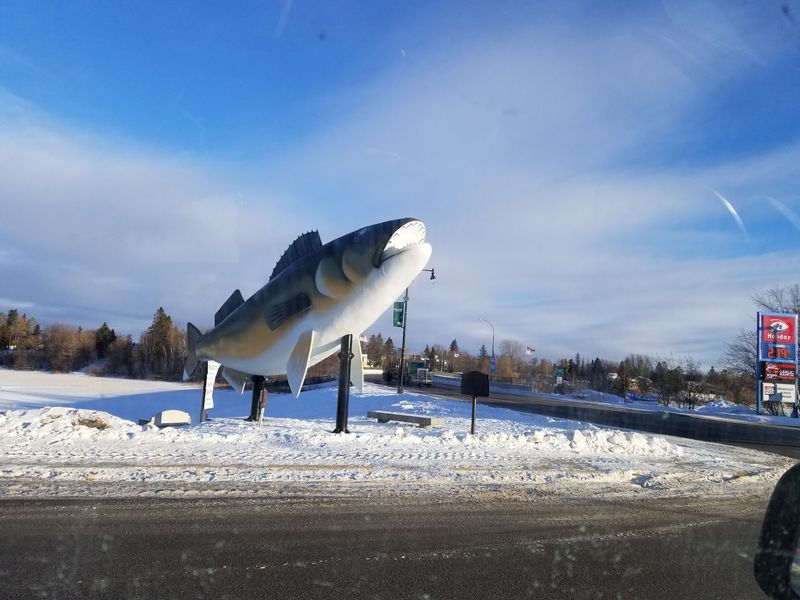
Lake of the Woods does not slow down when the temperature drops. Minnesota’s portion of this enormous international lake supports walleye, sauger, northern pike, lake sturgeon, perch, and other species, and the Minnesota DNR actively promotes it as a genuine year-round fishery.
Open-water season brings strong walleye and pike action across the lake’s vast surface, but the real cultural signature of Lake of the Woods is its ice-fishing season. Anglers set up everything from simple tip-up rigs to fully heated fish houses on the frozen lake, and the community that forms around winter fishing here is unlike anything found at most other destinations.
Baudette serves as the primary gateway community, with outfitters, resorts, and guide services built around the lake’s fishing calendar. The town takes its fishing identity seriously.
Lake of the Woods is not simply a place you visit once. It tends to become a regular stop for anyone who makes the trip.
Lake Champlain, Burlington, Vermont
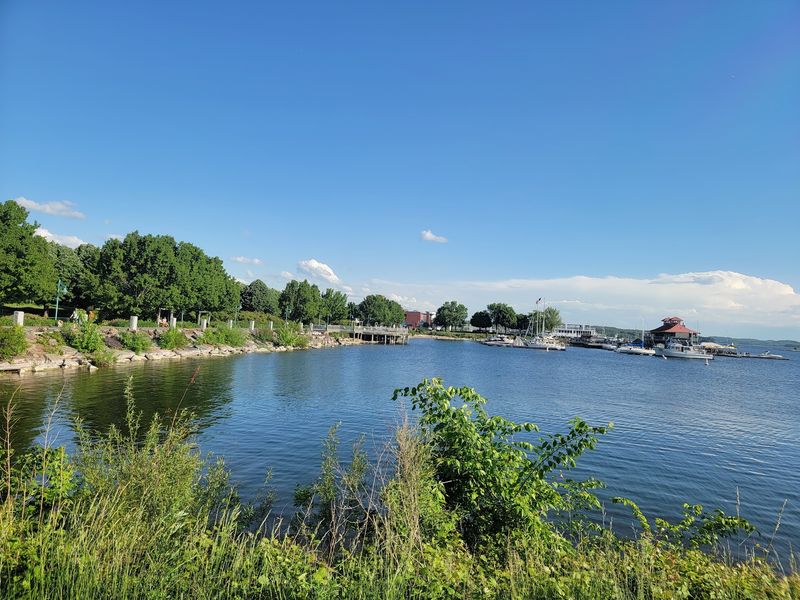
Vermont Fish and Wildlife reports that Lake Champlain contains more than 90 fish species, which is an extraordinary number for a freshwater lake in the northeastern United States. That variety is one of the reasons anglers return to this lake across multiple seasons and with different targets in mind.
Largemouth and smallmouth bass are among the most popular targets, and the lake’s rocky shorelines, back bays, wetlands, and open-water sections provide the kind of diverse habitat that keeps fish populations strong. Northern pike, yellow perch, white perch, and several cold-water species round out the options considerably.
Bass anglers in particular find the lake’s structure endlessly productive.
Public fishing access is available at multiple locations along the Vermont shoreline, and the Burlington area provides services and amenities that make the trip comfortable. The lake also sits along the Vermont-New York border, giving anglers on both sides of the water legitimate reasons to make the trip.
Lake St. Clair, Detroit Metro, Michigan
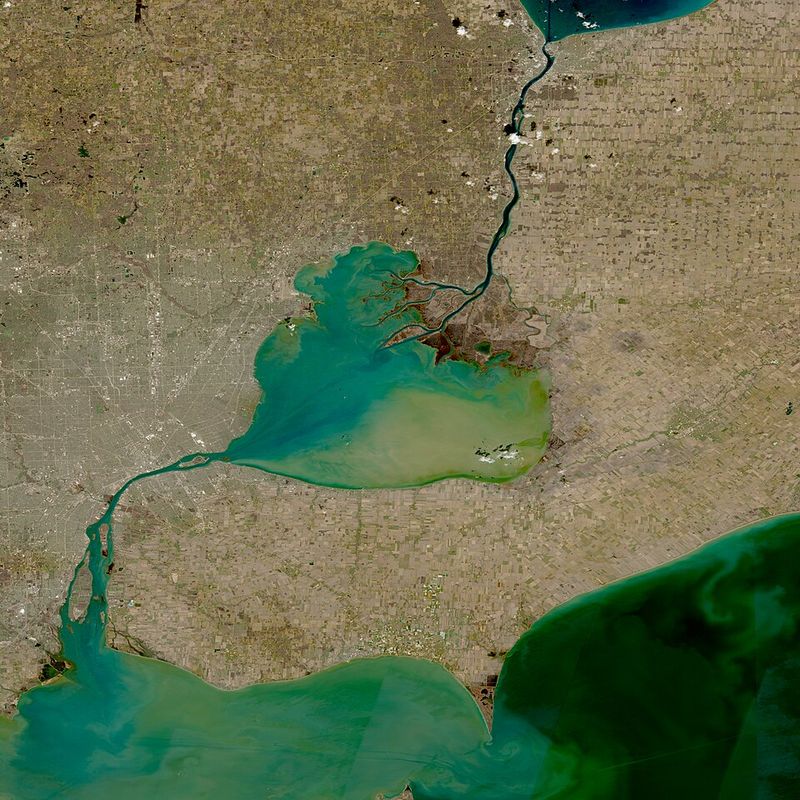
Sandwiched between Lake Huron and Lake Erie, Lake St. Clair is often overlooked on maps simply because of the giants surrounding it. But among serious anglers, its reputation for smallmouth bass and muskellunge is well established and genuinely earned.
Smallmouth bass fishing on Lake St. Clair draws anglers from across the Midwest and beyond, with clear water and a sandy, rocky bottom creating ideal habitat for the species. Muskellunge are another major target, and walleye fishing in the connected river systems adds even more options for anglers willing to explore the broader area.
Michigan maintains specific fishing regulations for Lake St. Clair and the connected St. Clair River and Detroit River system, reflecting the ongoing importance of recreational fishing throughout the region. Access is convenient from multiple points around the lake’s perimeter.
For anglers who want Great Lakes-quality fishing without navigating an enormous open-water expanse, Lake St. Clair delivers consistently and reliably.
Lake Ouachita, Hot Springs, Arkansas
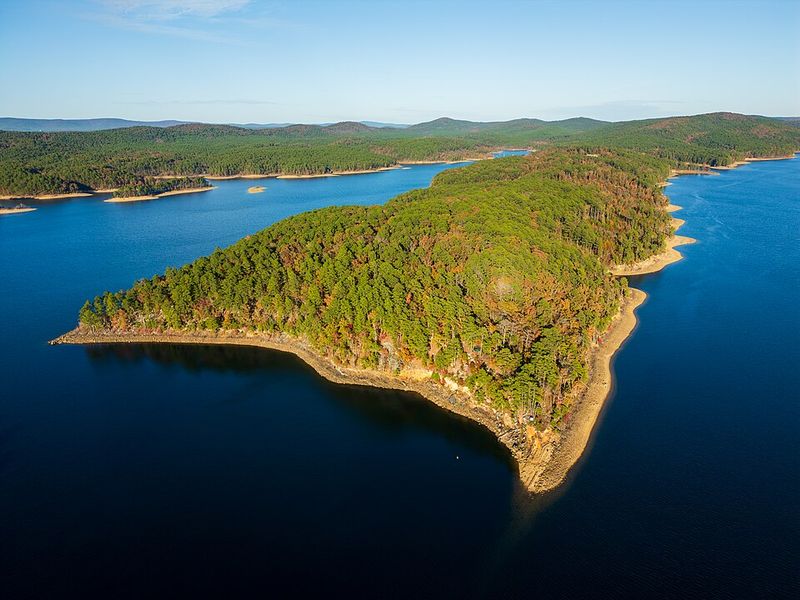
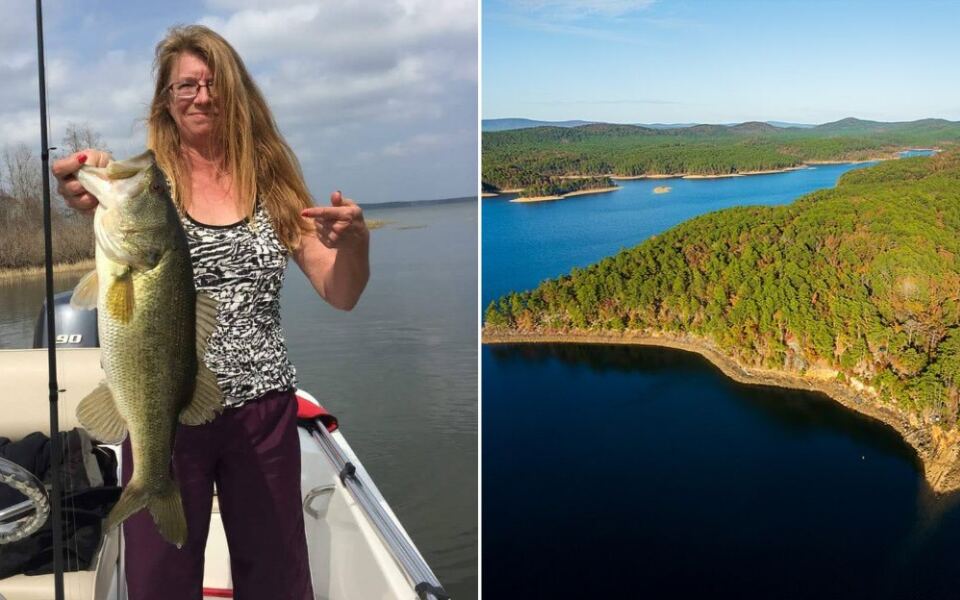
Clear water is not always what anglers expect from a major Southern fishing destination, but Lake Ouachita is known for exceptional water clarity alongside productive fishing. Surrounded by the Ouachita Mountains, the lake gives anglers a scenic setting while they pursue black bass, walleye, striped bass, crappie, bream, and catfish.
Arkansas Game and Fish Commission reports throughout 2026 have documented active fishing across multiple species, with walleye and striped bass drawing particular attention. Seasonal bass patterns shift throughout the year, giving anglers who visit in different months a noticeably different experience on the water.
The Hot Springs area provides a full range of lodging, dining, and outfitter services that make planning a trip straightforward. Lake Ouachita State Park also offers camping and boat launch access directly on the water.
The combination of mountain scenery, clear water, and multi-species opportunities makes this Arkansas lake genuinely worth the planning effort for anglers who have not yet made the trip.
Kentucky Lake, Western Kentucky, Kentucky
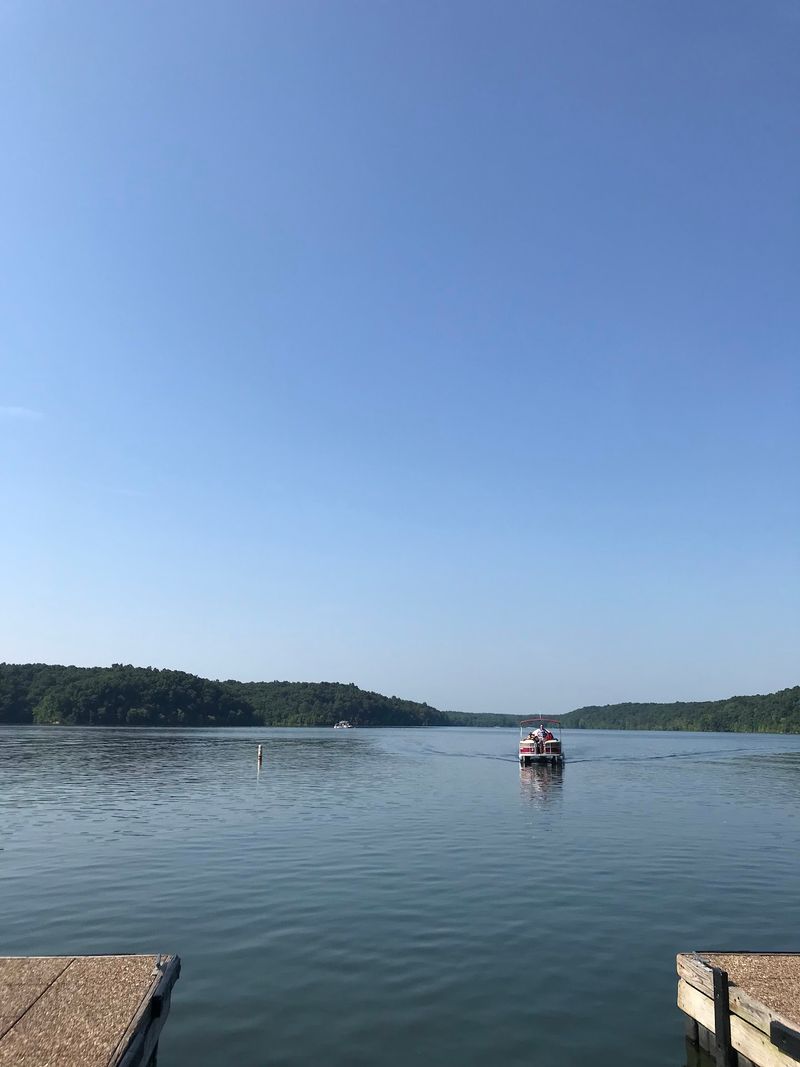
Kentucky Lake is one of the Tennessee River system’s defining fisheries, stretching across western Kentucky and into Tennessee. At over 160,000 acres, it gives anglers an enormous amount of productive water to explore across every season of the year.
Crappie fishing is a particular strength here. Kentucky Fish and Wildlife notes that catches of fish over 12 inches are not uncommon at Kentucky Lake and nearby Barkley Lake, which sits just a few miles to the east and shares much of the same fishing culture.
Bass, catfish, bluegill, sauger, and other species add significant variety to any trip.
The Land Between the Lakes National Recreation Area, which sits between Kentucky Lake and Barkley Lake, provides camping, boat launches, and outdoor recreation that extends a fishing trip into a full getaway. Kentucky continues to manage active fishing seasons and access throughout the system, keeping the fishery in solid shape for visiting anglers.
Lake Winnebago, Oshkosh, Wisconsin
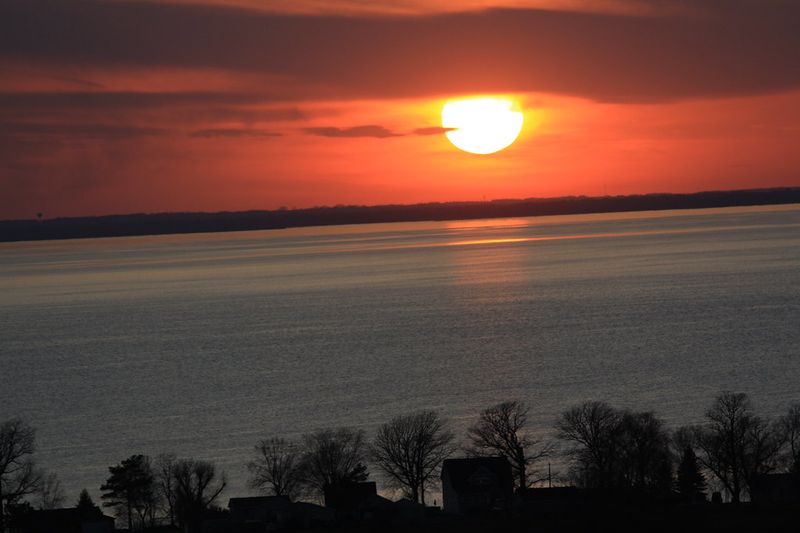
Wisconsin’s largest inland lake covers roughly 137,000 acres of open water, and its fishing culture runs as deep as any lake in the Midwest. Lake Winnebago is best known for walleye, yellow perch, white bass, and lake sturgeon, with each species drawing its own dedicated group of anglers throughout the year.
The lake sturgeon fishery is particularly notable. Wisconsin manages a carefully regulated spearing season on the ice each winter, drawing participants from across the region for an experience that has no real equivalent at most other American lakes.
The Wisconsin DNR’s 2026 fishing outlook continues to track the Winnebago system’s fish populations, including its yellow perch opportunities.
Summer walleye fishing and open-water perch action keep the lake busy well beyond the winter season. The Oshkosh area provides solid access and services for visiting anglers.
Lake Winnebago rewards anglers who take time to understand its seasonal patterns rather than approaching it as a single-species destination.
Clear Lake, Lakeport, California
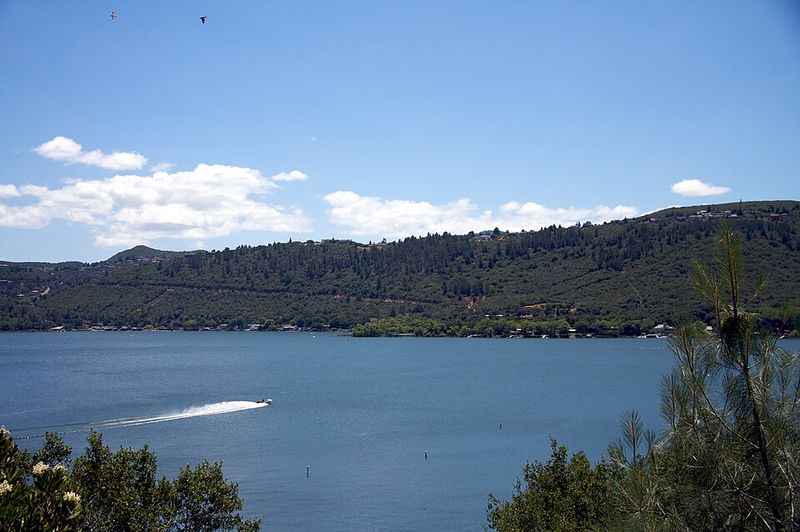
Clear Lake has earned national recognition among bass anglers, and California Fish and Wildlife backs that reputation with solid data on its black bass, black crappie, white crappie, and catfish populations. The lake covers roughly 68 square miles, making it the largest natural freshwater lake entirely within California.
Bass fishing is the primary draw, and the lake’s tule beds, submerged structure, and productive shallow flats create conditions where largemouth bass can grow large and stay active across much of the year. Crappie and catfish fishing add options for anglers who want to diversify their approach during a full day on the water.
Public boat launches are available around communities including Lakeport, Clearlake Oaks, Lucerne, and Clear Lake State Park, giving anglers multiple access points without the need for private marina memberships. The surrounding Lake County area has a relaxed, small-town character that suits a low-key fishing trip well.
Clear Lake consistently delivers for anglers who do their homework before launching.
Mille Lacs Lake, Garrison, Minnesota
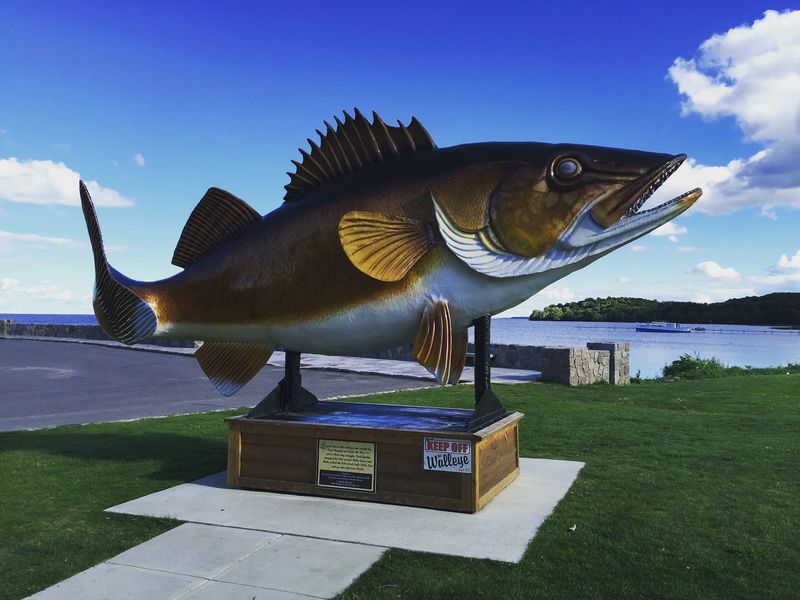
Walleye fishing at Mille Lacs Lake has a reputation that extends well beyond Minnesota’s borders. The Minnesota DNR highlights the lake for phenomenal walleye catch rates, and anglers who have fished it seriously tend to confirm that the lake’s productivity is as good as advertised.
But Mille Lacs is not a one-species fishery. Trophy opportunities for smallmouth bass, northern pike, and muskellunge give anglers who want to target multiple species a legitimate reason to plan a longer stay.
The state’s 2026 fishing outlook specifically highlights its multi-species potential, while current regulations continue to manage the fishery carefully to protect long-term health.
The lake covers roughly 132,000 acres, giving it enough open water to absorb fishing pressure without feeling crowded. Garrison and surrounding communities offer resorts, guide services, and boat rentals that make planning a trip manageable.
Mille Lacs rewards patience and attention to seasonal patterns more than almost any other Minnesota lake.
Lake Erie, Sandusky, Ohio
When walleye anglers talk about North America’s most productive fisheries, Lake Erie’s western and central basins come up almost immediately. Anglers travel specifically to Ohio’s Lake Erie waters to chase walleye in numbers that few other lakes can match, and current September 2026 fishing reports still show active walleye and yellow perch action across the lake.
Ohio maintains dedicated annual harvest rules for the Lake Erie sport-fishing district, a regulatory structure that reflects just how important this fishery is to the region’s economy and outdoor culture. Charter boats operating out of Sandusky, Port Clinton, and other Lake Erie ports give anglers access to open-water structure that would be difficult to reach without a larger vessel.
Yellow perch fishing adds another dimension to a Lake Erie trip, particularly in fall when perch tend to stack in catchable concentrations. The surrounding area has a strong fishing infrastructure built over generations.
Lake Erie is not a discovery. It is a destination that has earned its standing one walleye at a time.
Lake Havasu, Lake Havasu City, Arizona
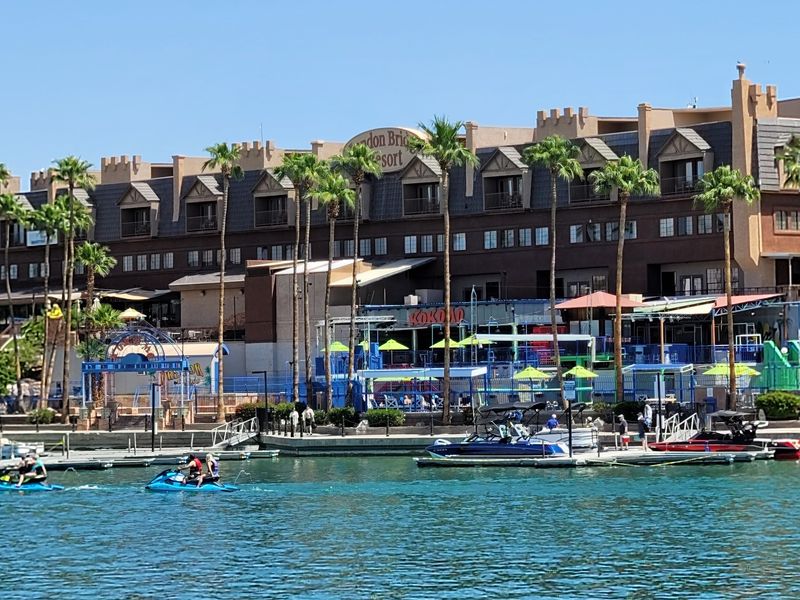
Desert scenery and freshwater fishing make an unlikely but genuinely appealing combination at Lake Havasu. Straddling the Arizona and California border along the Colorado River, the lake offers year-round fishing for bass, striped bass, catfish, and panfish in a setting that looks nothing like the typical American fishing destination.
Striped bass are a particular draw, with the lake’s open-water structure and consistent conditions supporting a population that attracts dedicated striper anglers from across the Southwest. Largemouth bass fishing is also productive, and the warmer desert climate extends the active fishing season well into months when anglers in northern states are already done for the year.
Access around Lake Havasu City is genuinely convenient. Multiple public fishing docks are available, and several remain open 24 hours a day, giving anglers flexibility to fish on their own schedule.
Current USGS readings confirm ongoing active monitoring of the reservoir. Lake Havasu rewards visiting anglers who are willing to adapt their approach to warm, clear desert water.
Lake of the Woods, Warroad, Minnesota
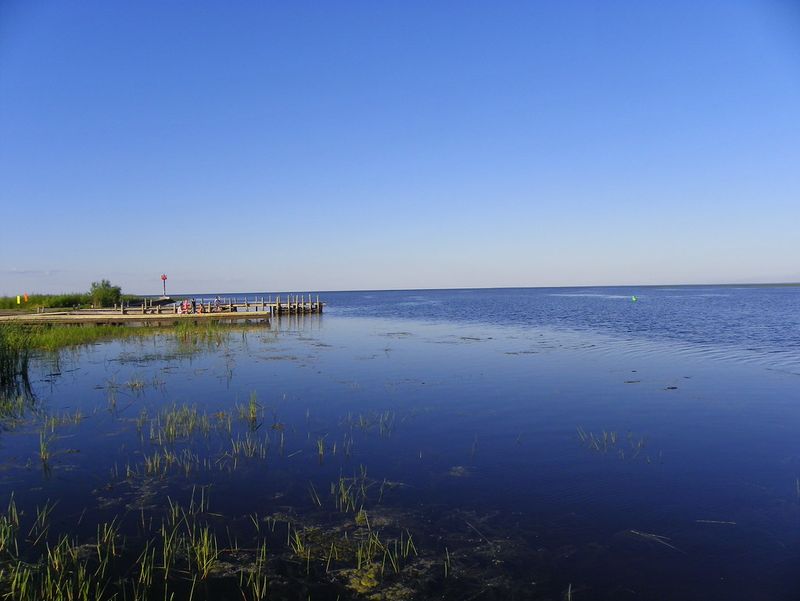
Warroad sits in the far northwestern corner of Minnesota, and its position on Lake of the Woods puts it at the edge of one of the continent’s most impressive freshwater fishing systems. Walleye are the headline species here, but northern pike, sauger, perch, and lake sturgeon mean there is always another target worth pursuing when walleye are not cooperating.
What sets the Warroad gateway apart from other Lake of the Woods communities is the deep local connection to fishing as a year-round way of life. Open-water seasons flow directly into ice-fishing season without much of a pause, and local outfitters and resort operators have built their entire business model around keeping anglers on the water in every season.
The lake’s combination of enormous size, multiple species, and accessible infrastructure makes it a destination where a first-time visitor can feel oriented quickly. Warroad is a practical and welcoming base for anyone serious about experiencing what Lake of the Woods actually offers.
Share this story