Italy is one of those places where the best moments rarely appear on a highlight reel. Most travelers rush from Rome to Florence to Venice, barely pausing long enough to finish a coffee.
But the country hides some of its best experiences behind a second morning, a slower afternoon, or a night spent wandering streets after the tour groups have gone. These 14 cities are worth the extra time, and here is why each one earns a longer stay.
Bologna, Emilia-Romagna
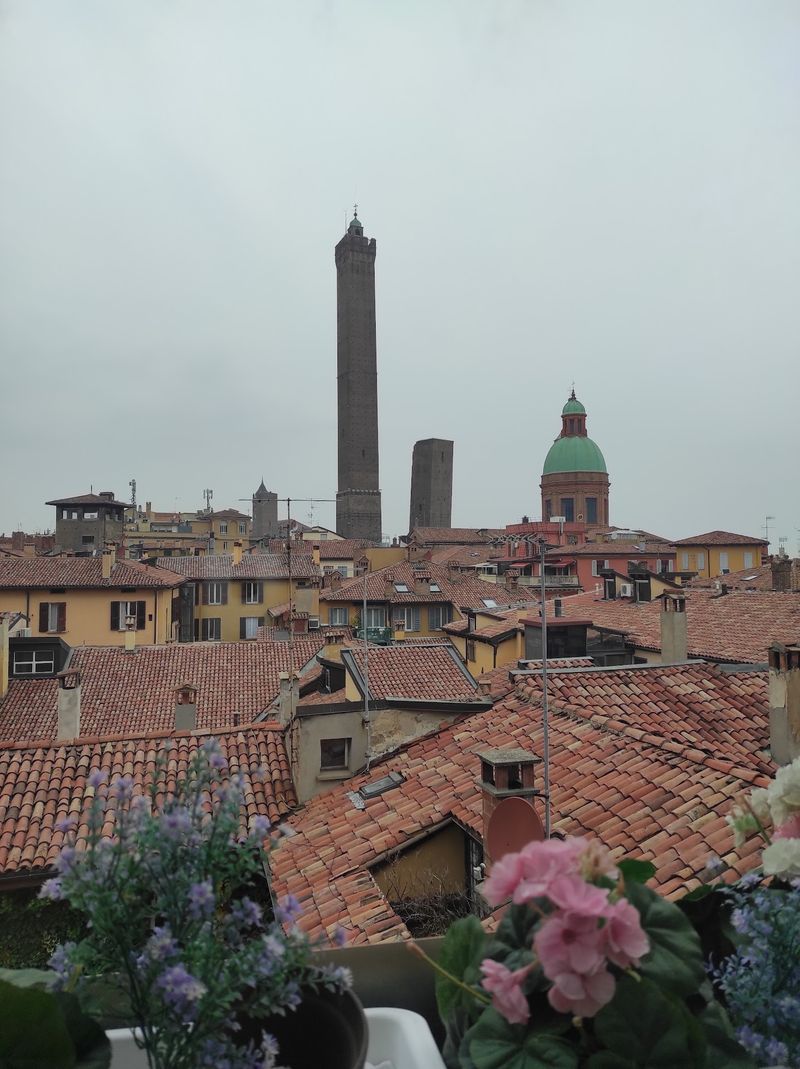
Nobody warns you that Bologna might become your favorite city in Italy. That realization tends to arrive slowly, usually somewhere under one of its famous porticoes while holding a paper cone of mortadella.
The city has roughly 62 kilometers of covered walkways, and portions of them earned UNESCO recognition in 2021.
Piazza Maggiore, the medieval towers, the food markets at Quadrilatero, and the university quarter can fill an entire day before dinner even becomes a topic. Bologna is also the ideal base for exploring Emilia-Romagna’s food cities, including Parma, Modena, and Ferrara.
Hopping on a regional train for a day trip and returning to a familiar neighborhood restaurant is one of travel’s underrated pleasures.
Evenings here carry a specific energy. Students, professors, and locals mix in the streets long after sunset, giving the city a lively rhythm that no day trip can capture.
A two-night minimum is a reasonable starting point, though most visitors leave wishing they had booked three.
Naples, Campania
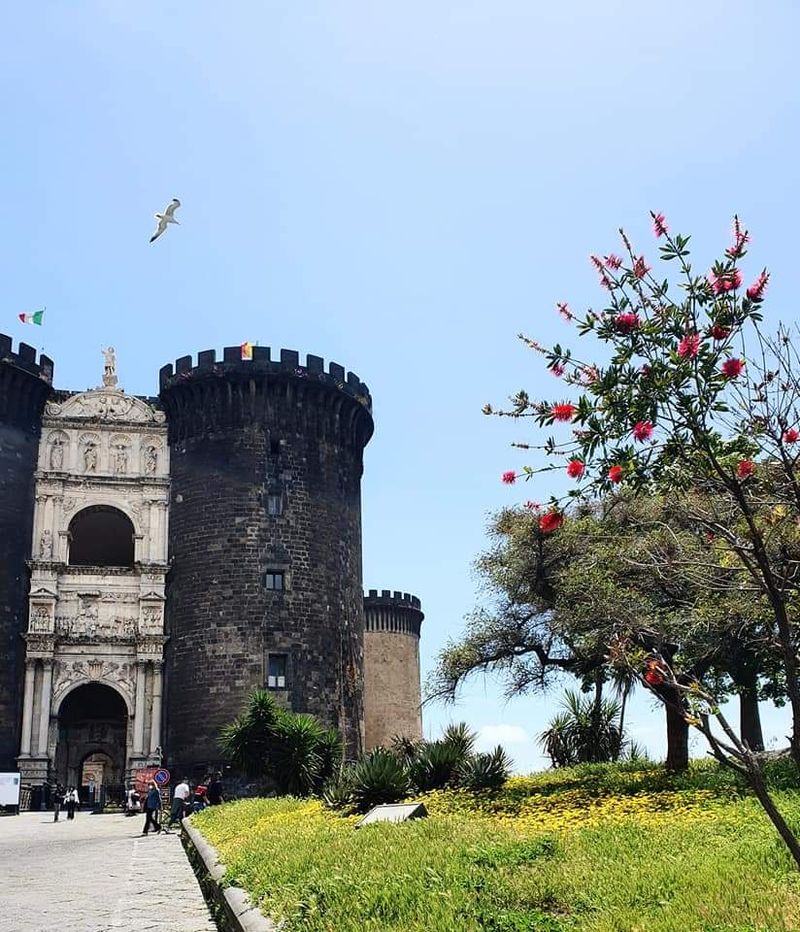
Checklist tourism does Naples a genuine disservice. The city is loud, layered, contradictory, and completely alive in ways that a single afternoon cannot begin to communicate.
Its historic center alone, recognized by UNESCO in 1995, holds churches, underground spaces, street markets, and baroque architecture packed into a grid that dates back to ancient Greek city planning.
Staying several nights removes the pressure to choose between the city and its surroundings. Pompeii, Herculaneum, Procida, and Mount Vesuvius are all within reasonable reach as day trips.
Evenings can then stay dedicated to neighborhoods like Chiaia, Spaccanapoli, and the waterfront, where the city’s food culture operates at its most honest and unhurried.
Pizza here is not a tourist attraction but a daily staple, and eating it in a packed neighborhood spot after 8pm is a very different experience from a rushed lunch near a monument. Naples rewards visitors who give it room to breathe.
Two nights is the minimum; three nights starts to feel like the right amount.
Turin, Piedmont
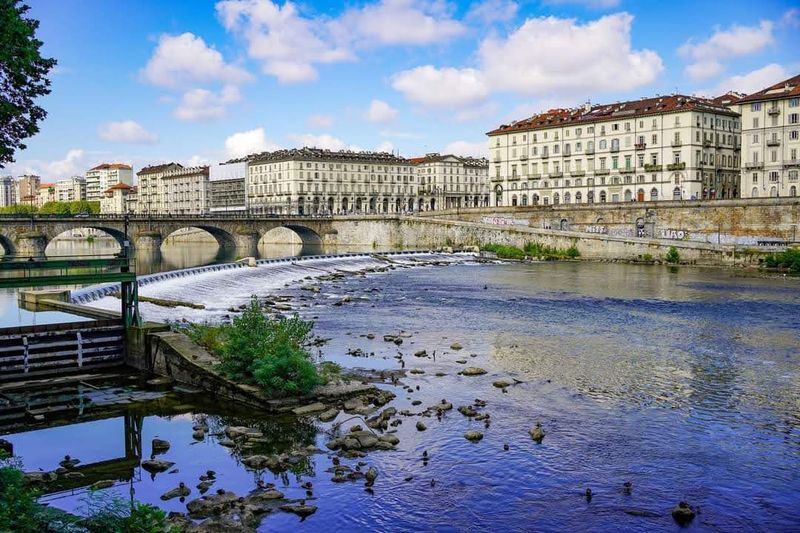
Turin carries itself like a city that knows it has been underestimated for decades and has quietly stopped caring. As the first capital of unified Italy and the longtime seat of the House of Savoy, it holds a concentration of royal architecture that most visitors walk past on their way to somewhere else.
That is their loss.
A longer stay opens up Piazza Castello, the Palazzo Reale, the Egyptian Museum (one of the most important outside Egypt), and the arcaded streets that stretch for kilometers in every direction. Historic cafes along Via Po and Piazza San Carlo serve coffee and pastries in rooms that have barely changed since the 19th century.
The Po riverfront adds a relaxed counterpoint to all that grandeur.
Beyond the city, royal residences at Venaria Reale and Rivoli make excellent half-day trips. Turin also sits at the edge of the Piedmont wine country, making it a practical base for truffle season visits in autumn.
Italy’s official tourism portal publishes a 48-hour itinerary for Turin, and it still leaves plenty out.
Palermo, Sicily
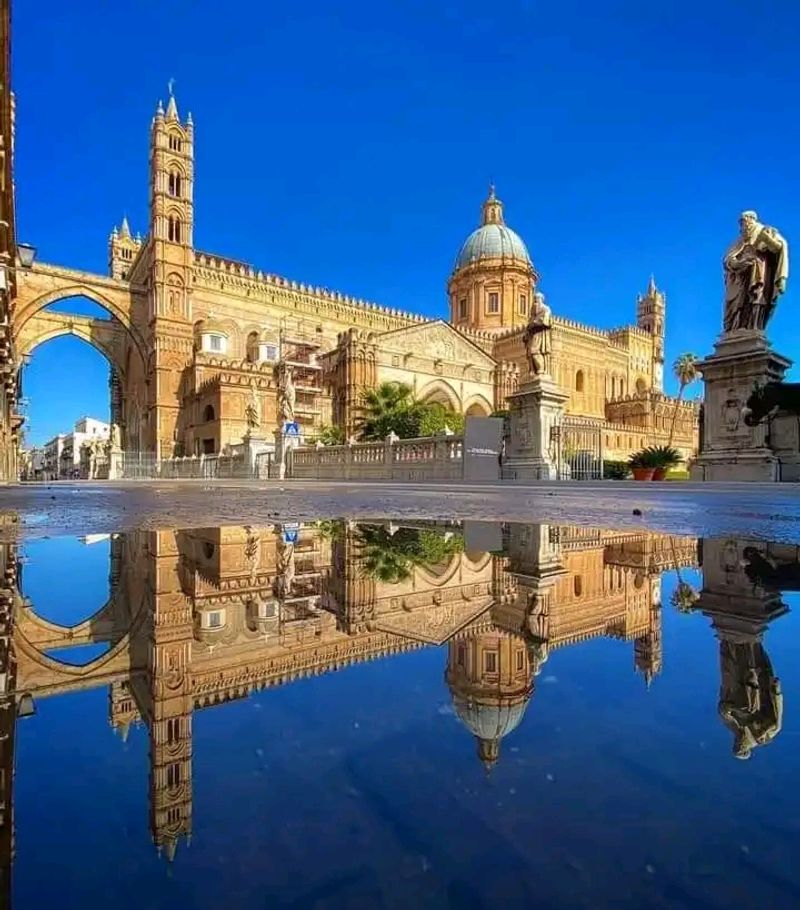
Palermo is not a city that gives itself away quickly. Its layers accumulate over time: Arab-Norman churches tucked between apartment blocks, aristocratic palaces facing street food stalls, and baroque piazzas that open without warning from narrow alleyways.
Italy’s tourism portal divides the historic city into four traditional districts, and each one has a distinct character worth exploring separately.
The first day might follow monumental Palermo: the Palatine Chapel, the Cathedral, and Piazza Pretoria. A second day works better for the city’s legendary markets at Ballaró and Vucciria, where the street food culture alone justifies the trip.
A third morning creates room for Monreale, whose cathedral mosaics rank among the most spectacular in Europe, just a short bus ride uphill.
Palermo’s evening atmosphere is another reason to stay. After the day-tripping crowds thin out, the city’s restaurants and bars fill with locals, and the streets around the historic center take on a much more relaxed and genuine character.
Visiting from elsewhere in Sicily and returning each night to a familiar hotel makes the whole region easier to navigate.
Genoa, Liguria
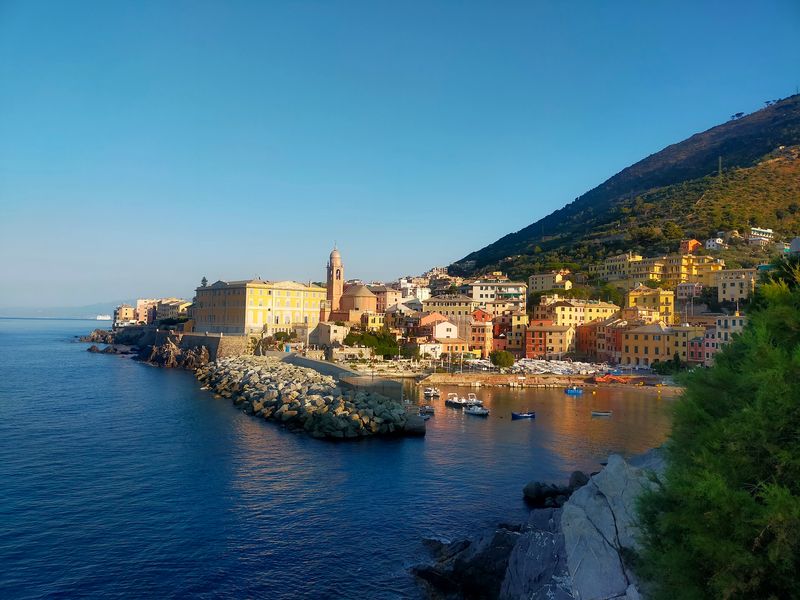
Getting lost in Genoa is not a problem. It is the point.
The city’s historic center is one of the largest in Europe, built between the Ligurian Apennines and the sea in a tangle of narrow lanes called caruggi that open onto sudden piazzas, dark archways, and Renaissance palaces that belong to some other century entirely.
The UNESCO-listed Strade Nuove and Palazzi dei Rolli include 42 palaces within the World Heritage property alone. Wealthy merchant families commissioned architects to build along streets like Via Garibaldi, and the results are still jaw-dropping.
The Palazzo Rosso, Palazzo Bianco, and Palazzo Doria Tursi together form one of the most concentrated collections of old master paintings in northern Italy.
Italy’s tourism portal publishes a three-day Genoa itinerary covering palaces, museums, the Old Port, the aquarium, and the hillside neighborhoods accessible by funicular. That is a good sign that the city rewards time rather than resisting it.
Genoa also makes an excellent base for the Ligurian coast, with Portofino, Cinque Terre, and the beaches of the Riviera all within reach by train.
Lecce, Apulia
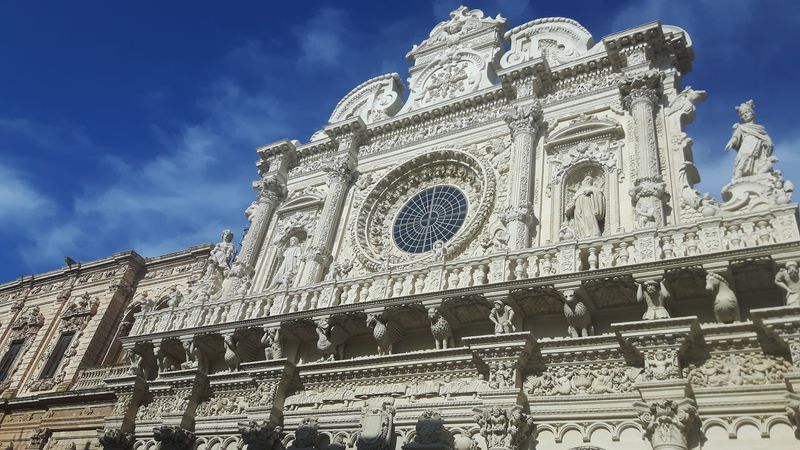
Lecce Baroque is its own category of architectural excess, and that is meant as a compliment. The 17th-century churches, palaces, and piazzas carved from the region’s soft golden limestone have a level of decorative detail that takes time to absorb properly.
The Basilica of Santa Croce alone rewards a long, slow look rather than a quick photograph on the way to the next stop.
The historic center is compact and entirely walkable, which might tempt visitors into thinking a single afternoon covers it. Italy’s tourism authority disagrees, recommending a two-day introductory itinerary and describing the city as a place meant to be experienced slowly.
Roman remains, the Piazza del Duomo, and the network of smaller baroque churches add up to more than they appear on a map.
Additional nights make practical sense because Lecce sits at the heart of the Salento peninsula. Beaches along both the Adriatic and Ionian coasts are reachable in under an hour.
Smaller towns like Otranto, Gallipoli, and Ostuni work well as day trips, with Lecce’s restaurants and evening streets waiting as a reliable and very pleasant home base.
Matera, Basilicata
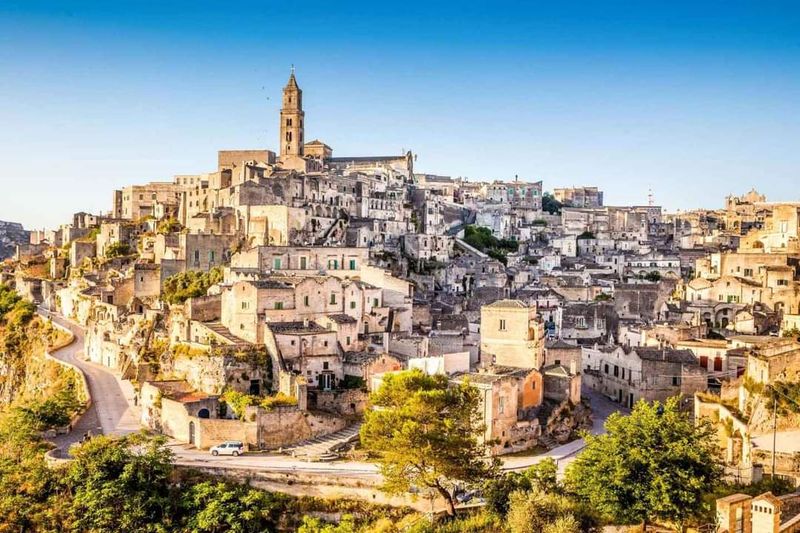
Matera after dark is a completely different city from Matera at noon. Most visitors arrive by bus, photograph the famous views from the main overlooks, and leave before the light changes.
Staying overnight means walking through the Sassi when the stone-carved neighborhoods begin to glow under artificial light and the tourist rush has finally gone quiet.
The Sassi are the ancient rock-cut districts where people lived in cave dwellings for thousands of years. Evidence of settlement here stretches from prehistoric times through the present, and the area earned UNESCO recognition in 1993.
A second day creates space to cross the ravine into the Murgia Materana Park, where rock churches and cave paintings reveal the broader landscape that shaped the city’s unusual history.
Matera is frequently inserted between longer stays in Naples or the Apulian coast, treated as a one-night curiosity rather than a destination in its own right. That approach misses most of what makes it worth visiting.
The atmosphere, the geology, the food, and the quieter hours of early morning and late evening all require time to appreciate properly. One night is a tease; two nights is a visit.
Trieste, Friuli-Venezia Giulia
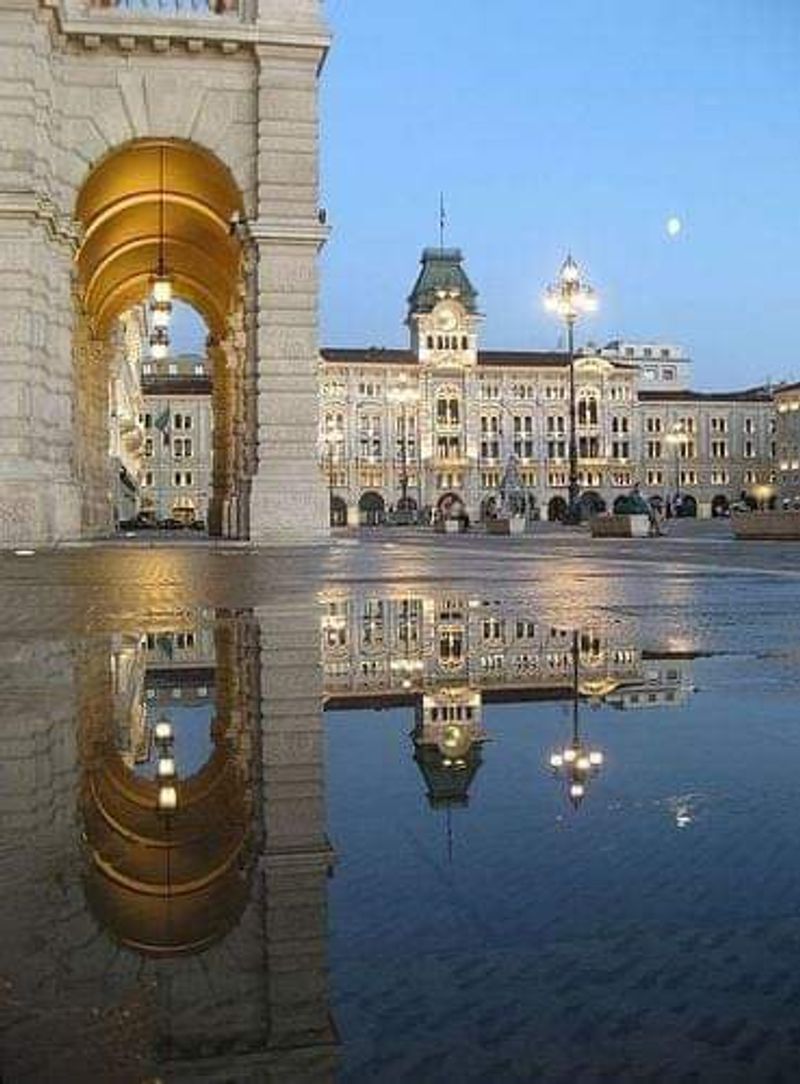
Trieste smells faintly of coffee, sea salt, and Central Europe, which is an unusual combination for an Italian city. Its history as the main port of the Habsburg Empire left behind a built environment that feels distinctly un-Italian: grand imperial boulevards, ornate coffeehouses, and a multilingual literary tradition that produced writers like Italo Svevo and James Joyce, who lived here for over a decade.
The waterfront Piazza Unita d’Italia is one of the largest seafront squares in Europe, flanked by monumental buildings that open directly to the Adriatic. Historic cafes like Caffe San Marco and Caffe degli Specchi have been operating for over a century.
The city’s food culture blends Italian, Slovenian, and Austrian influences in ways that make even a simple lunch feel like a minor cultural event.
A second day works well for Miramare Castle, the scenic coastal road, or the Karst plateau just inland where the terrain shifts dramatically from coastal city to limestone upland. Trieste is genuinely unlike any other stop on a standard Italian itinerary, and that distinctiveness is exactly the reason it earns extra nights rather than a quick afternoon visit.
Ravenna, Emilia-Romagna
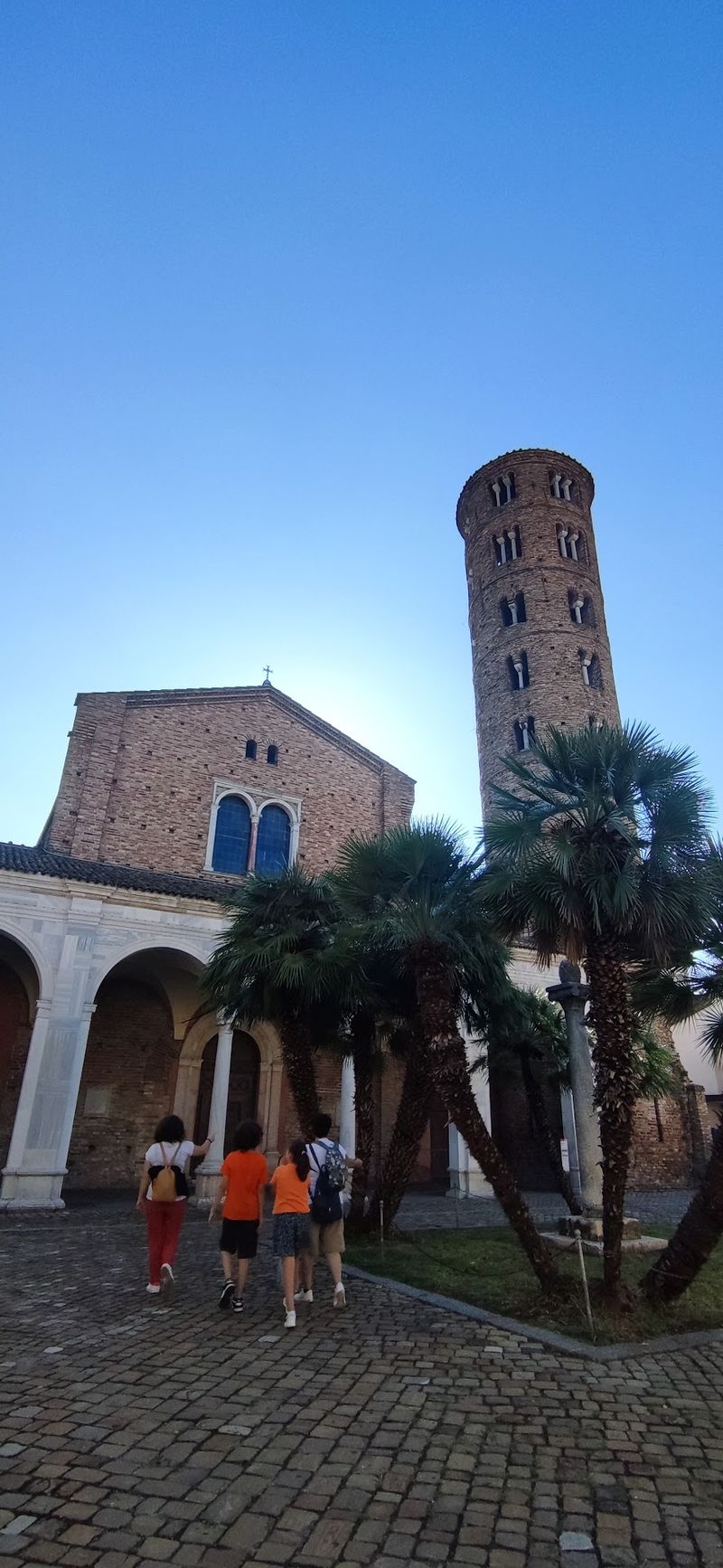
Some art demands to be seen slowly, and Ravenna’s mosaics belong firmly in that category. Rushing through them on a day trip from Bologna or Ferrara is technically possible and genuinely unsatisfying.
The city became the last capital of the Western Roman Empire and later a center of Byzantine power in Italy, and its mosaics from the 5th and 6th centuries are the richest collection of their kind anywhere in the world.
Eight Ravenna monuments form a single UNESCO World Heritage group, and each one contains a distinct decorative program rather than variations on the same theme. San Vitale, the Mausoleum of Galla Placidia, Sant’Apollinare Nuovo, and the Baptistery of Neon reward separate visits with time to sit and absorb rather than photograph and move on.
The gold tesserae catch light differently at different times of day, which is a reason in itself to visit more than once.
Staying overnight also leaves room for mosaic workshops, where local artisans have been practicing the same techniques for generations. The pedestrian center is small and pleasant, and evenings are calm in a way that contrasts nicely with busier Emilian cities nearby.
Ravenna is a place that rewards patience above almost everything else.
Parma, Emilia-Romagna
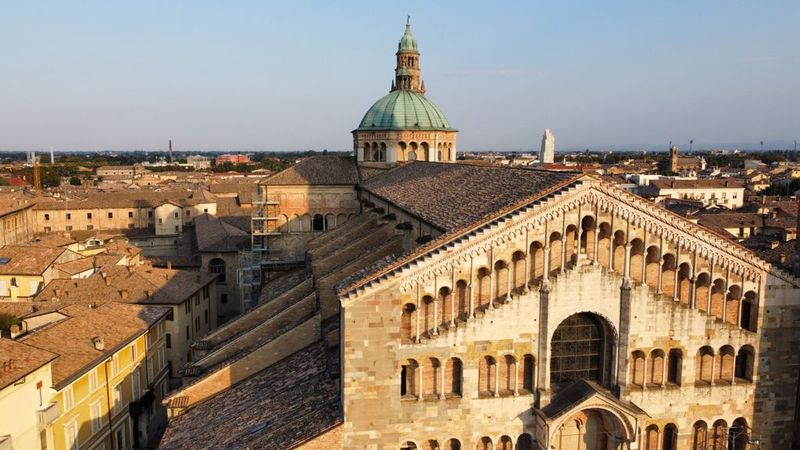
Parma has a quiet confidence about it that feels entirely earned. The cathedral was consecrated in 1106 and contains Correggio’s breathtaking fresco of the Assumption painted inside the dome, a work so technically ambitious that it reportedly left other painters speechless when it was unveiled.
Beside it stands the octagonal Baptistery, begun in 1196, with its distinctive pink Verona marble and carved reliefs by Benedetto Antelami.
The Teatro Farnese, an extraordinary wooden theater built inside a palace in 1618, and the National Gallery add enough art for a separate full day. Parma’s international food reputation then competes with everything else for attention.
Parmigiano-Reggiano, prosciutto di Parma, and culatello are not marketing inventions but living food traditions produced in the surrounding countryside and sold in small shops throughout the city.
Italy’s official tourism portal highlights both the cultural heritage and the food-and-wine tradition side by side, which reflects how the city actually works. Trying to see the cathedral, the theater, and the galleries while also eating properly in a single day is an exercise in frustration.
Parma rewards travelers who give its art and its food equal weight and equal time on the itinerary.
Bergamo, Lombardy
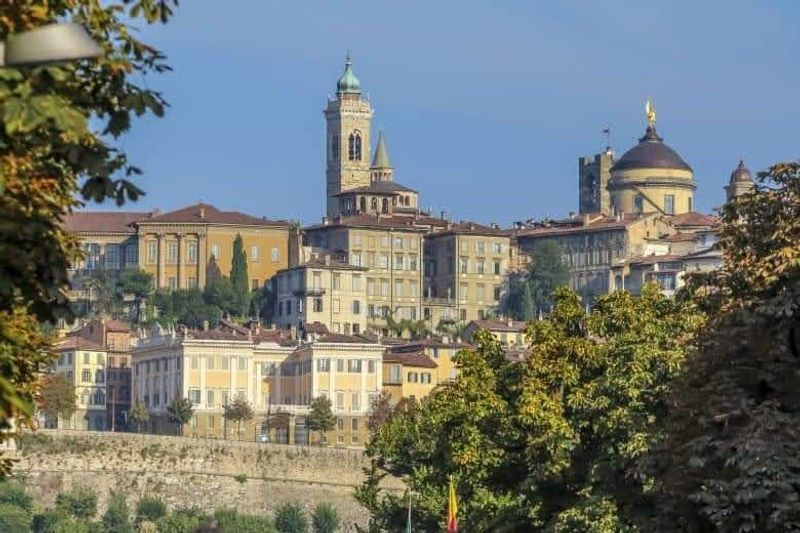
Bergamo is two cities for the price of one, and that division is the whole point. Citta Alta sits on a hilltop surrounded by approximately six kilometers of Venetian defensive walls begun in 1561, now part of a UNESCO World Heritage property recognized in 2017.
Citta Bassa spreads below in a more modern grid, connected to the upper city by a funicular that has been running since 1887.
Most visitors passing through on the way to or from Orio al Serio airport see only the lower city. That misses Piazza Vecchia, the Basilica di Santa Maria Maggiore with its ornate Colleoni Chapel, the walls themselves as a walking route, and a collection of small restaurants and wine bars that make the upper city feel like a living medieval town rather than a museum exhibit.
A second day allows for the lower city’s Accademia Carrara, one of northern Italy’s finest art galleries, or a short trip toward the Lombard lakes and mountain valleys nearby. Bergamo works well as a base for the area around Lake Como, Lake Iseo, and the Bergamasque Alps, making the extra nights genuinely useful rather than just pleasant.
It is worth far more than an airport layover.
Catania, Sicily
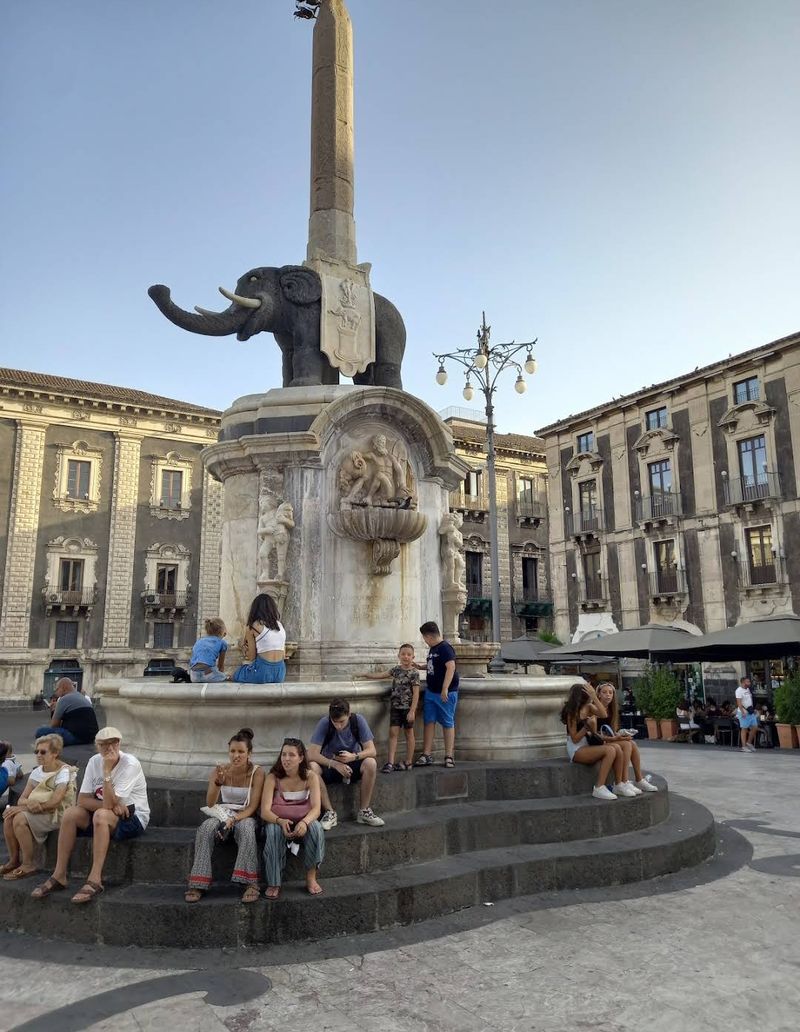
Catania is a city built on catastrophe, and it looks spectacular because of it. After a devastating earthquake in 1693 leveled much of eastern Sicily, Catania was rebuilt in a grand baroque style using a combination of pale limestone and dark volcanic basalt from Mount Etna, which looms over the city like a permanent reminder of who is actually in charge.
The result is an architectural palette found nowhere else in Italy.
The historic center forms part of southeastern Sicily’s UNESCO-recognized baroque heritage, and Piazza del Duomo with its famous elephant fountain is one of the most photographed squares on the island. But Catania is not just a backdrop for photographs.
Its fish market, La Pescheria, operates every morning in a sunken piazza behind the cathedral with a theatrical energy that makes it one of the best markets in the country.
Using Catania only as a staging point for Etna excursions wastes its considerable appeal. A second or third night creates room for the Roman theater, the Ursino Castle, the food scene, and the city’s lively nightlife.
The city also works naturally as a base for exploring eastern Sicily, from Taormina to Syracuse, making hotel stability a practical advantage over constantly relocating.
Siena, Tuscany
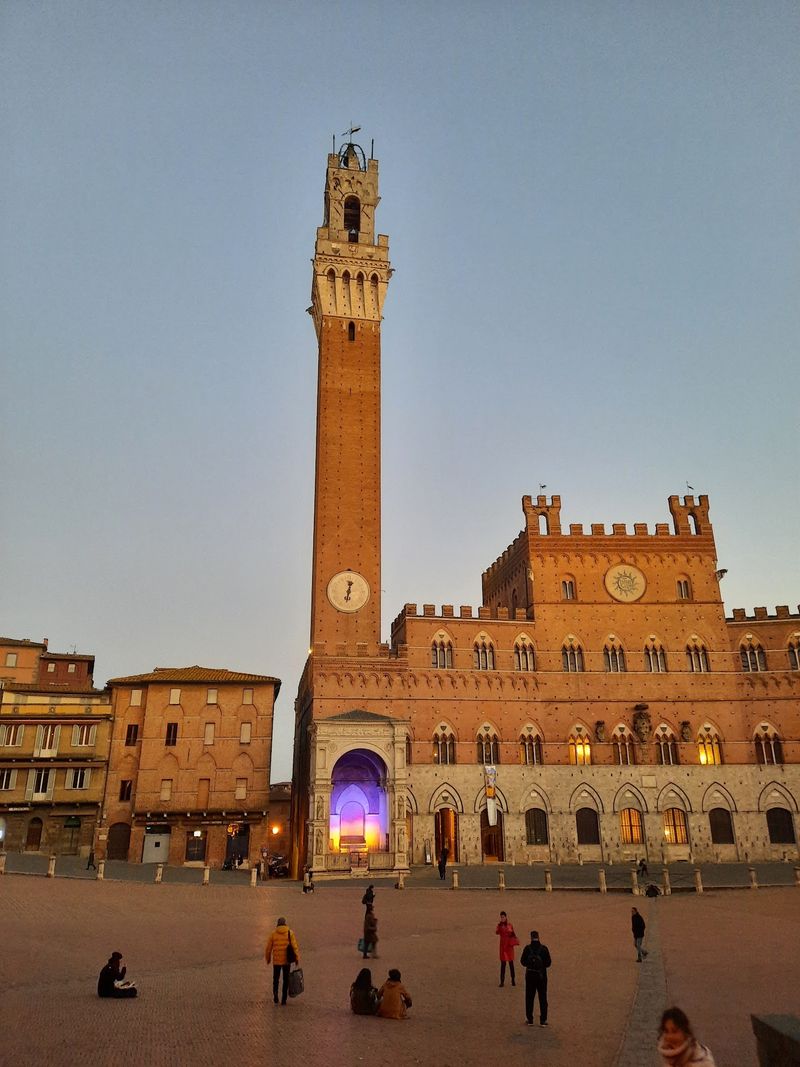
Siena is one of the most visited day trips from Florence, which means most people experience its famous shell-shaped piazza at peak crowd density and then board a bus back before the evening light arrives. That is a shame, because Piazza del Campo at dusk with a glass of wine and nowhere to be is one of the better experiences available in Tuscany.
The medieval city is preserved so completely that UNESCO inscribed it as a World Heritage Site in 1995. Its layout, street patterns, and Gothic architecture have changed remarkably little since the 14th century, when Siena was a major European banking and trading power.
The Palazzo Pubblico, Torre del Mangia, and the striped marble cathedral can fill a full day without any sense of rushing.
A second day opens up the city’s contrade neighborhoods, each with its own identity, museum, and local pride rooted in the famous Palio horse race. The surrounding Tuscan countryside also becomes accessible: Montalcino, Montepulciano, and San Gimignano are all within easy reach.
Italy’s tourism portal highlights these as natural extensions of a Siena stay, making the city a sensible regional base rather than a Florence footnote.
Bari, Apulia
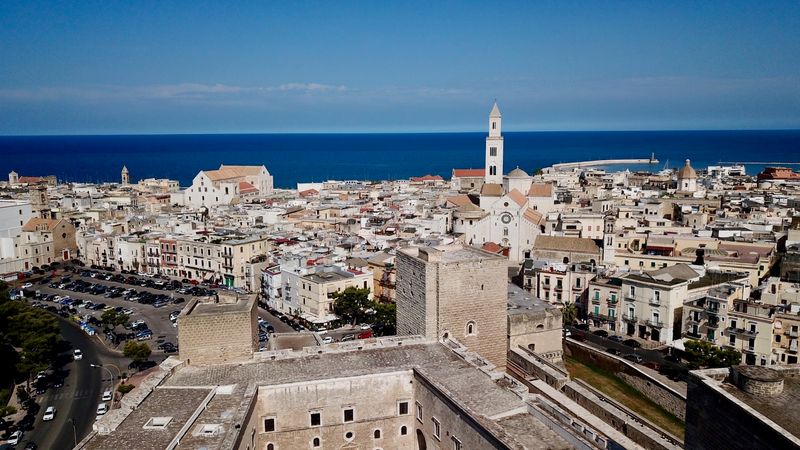
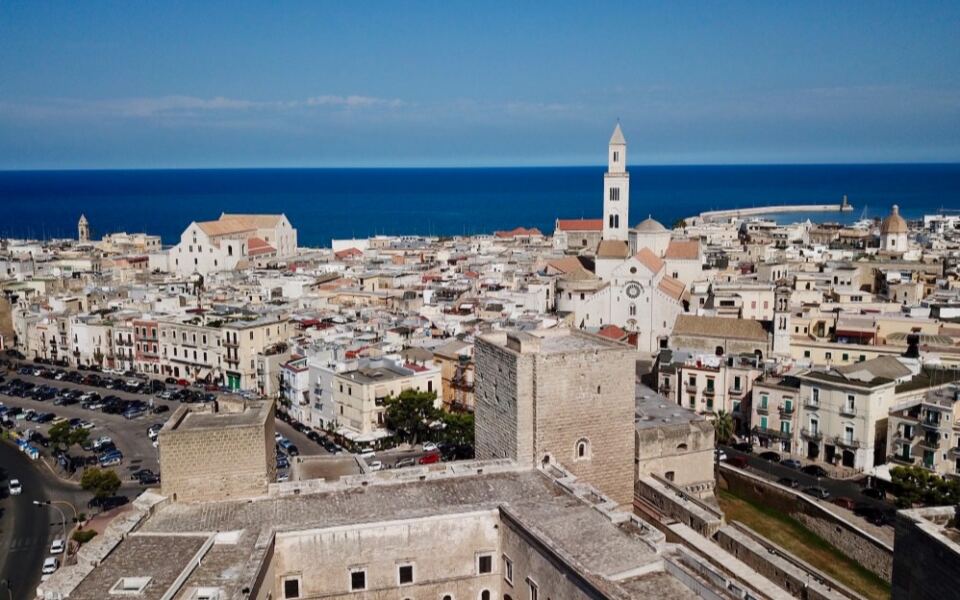
Most travelers treat Bari as a logistical starting point for Puglia and promptly pick up a rental car. That instinct skips one of the most characterful old cities in southern Italy.
Bari Vecchia occupies a small peninsula between the city’s two ports, and its Byzantine-era street pattern is so dense and disorienting that first-time visitors frequently circle the same block twice before finding the church they were looking for.
Italy’s tourism portal counts around 40 churches and 120 votive shrines within the old district alone. The Basilica of San Nicola, built to house the relics of Saint Nicholas (yes, that Saint Nicholas), is one of the finest examples of southern Italian Romanesque architecture.
The Norman-Swabian Castle and the Cathedral of San Sabino add further layers to a neighborhood that rewards wandering without a fixed agenda.
Bari also has a food culture that deserves more than a rushed lunch. Orecchiette pasta is made by hand in the old city’s lanes by local women who have been doing it for generations.
The waterfront fish market, the focaccia barese, and the evening passeggiata along the seafront all improve significantly when there is no early morning departure to worry about. Stay an extra night and let Puglia begin here.
Share this story