Missouri is a state that rewards curiosity, and the good news is that you do not need to be an Olympic hiker to enjoy its finest attractions. From a cave you can explore entirely from a seat on a vehicle to world-class museums where a single gallery can fill an entire afternoon, the state has quietly built a reputation for accessible, low-pressure sightseeing.
Whether your ideal pace involves a leisurely stroll through a botanical garden or a self-guided drive past Civil War history, there is something here worth your time. Some of these spots offer free wheelchairs at the door, discounted admission for seniors, or indoor routes that sidestep Missouri’s unpredictable weather entirely.
The 14 destinations below cover history, art, science, nature, and a shipwreck that was buried under a Kansas farm for over a century. Keep reading, because that last one alone is worth the trip.
1. Missouri Botanical Garden, St. Louis, Missouri

At 79 acres, the nation’s oldest continuously operating botanical garden manages to feel both grand and completely manageable at the same time.
Formal gardens, the iconic geodesic Climatron conservatory, and carefully arranged fountains give visitors plenty to admire without ever venturing far from a paved path.
Free manual wheelchairs are available at the Jack C. Taylor Visitor Center on a first-come, first-served basis, and motorized scooters can be rented for $35 for those who want to cover more ground with less effort.
The garden tram also accommodates manual wheelchairs, and most buildings include ramps and elevator access throughout. St. Louis City and County residents may qualify for free or discounted admission on certain days, which makes a return visit an easy decision.
2. Fantastic Caverns, Springfield, Missouri

America’s only ride-through cave is exactly as practical as it sounds, and somehow even more impressive than you might expect.
Visitors board propane-powered, Jeep-drawn trams for a guided 55-minute tour along a one-mile route carved out by an ancient underground river. No walking is required at any point, which makes this one of the most genuinely accessible natural attractions in the entire state.
The trams include pull-out ramps to accommodate wheelchairs, so nobody has to sit this one out. Inside, towering columns, delicate soda straws, and cave pearls make up the scenery as the guide explains the cavern’s long history.
The cave holds a steady 60 degrees Fahrenheit year-round, offering a cool break in summer and a mild outing when winter weather makes outdoor plans less appealing.
3. The Nelson-Atkins Museum of Art, Kansas City, Missouri
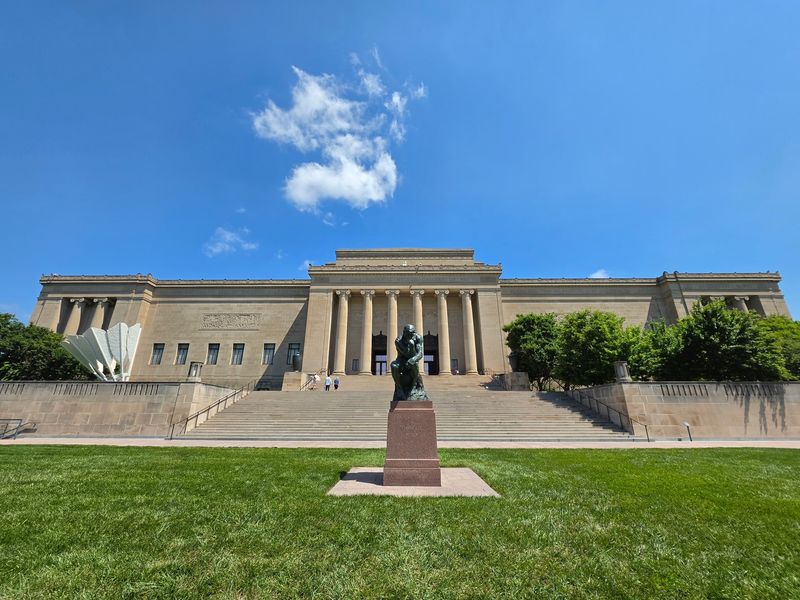
Free general admission and 5,000 years of art in a single building make the Nelson-Atkins one of the most rewarding no-pressure outings in Kansas City.
The collection ranges from ancient artifacts to European, Asian, and American works, and the galleries are spacious enough that visitors rarely feel crowded even on busy days.
Complimentary wheelchairs and walkers are available at the coat check counter in the Bloch Lobby on a first-come, first-served basis. The parking garage connects directly to the Bloch Building via elevator, and elevators serve every level of both the original 1933 building and the modern addition.
The sculpture park outside features paved, level-graded pathways for those who want fresh air between galleries. Choosing two or three favorite collections and returning another day is a perfectly reasonable strategy here.
4. Harry S. Truman Presidential Library & Museum, Independence, Missouri
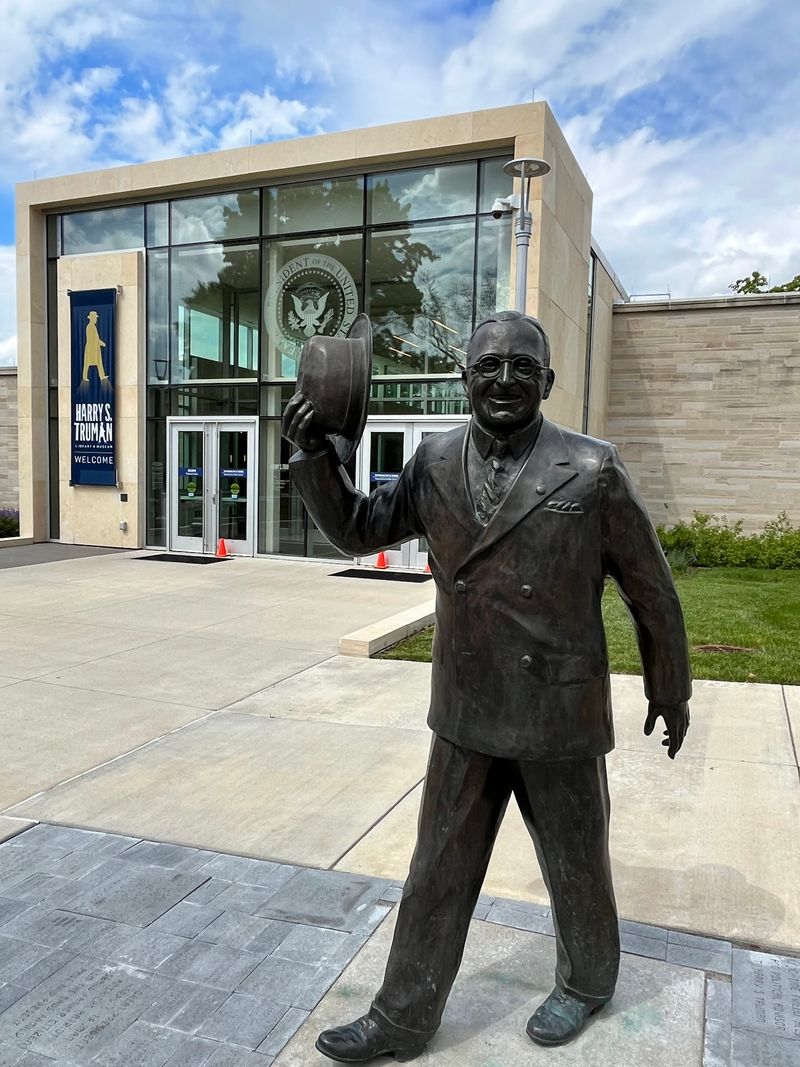
Few places in Missouri put you closer to the weight of 20th-century American decision-making than Truman’s presidential library in Independence.
Exhibits trace his journey from small-town Missouri to the White House, covering pivotal moments including World War II and the early years of the Cold War. The museum recently completed a significant renovation that refreshed its exhibitions throughout.
The entire facility is ADA and wheelchair accessible, and non-motorized wheelchairs are available on a first-come, first-served basis at no charge. Free parking surrounds the building, making the logistics straightforward from the moment you arrive.
Visitors aged 62 and older receive a discounted admission rate, which is a practical bonus for seniors planning a day of Missouri history. Allow a few hours to move through the exhibits without rushing.
5. Missouri History Museum, St. Louis, Missouri
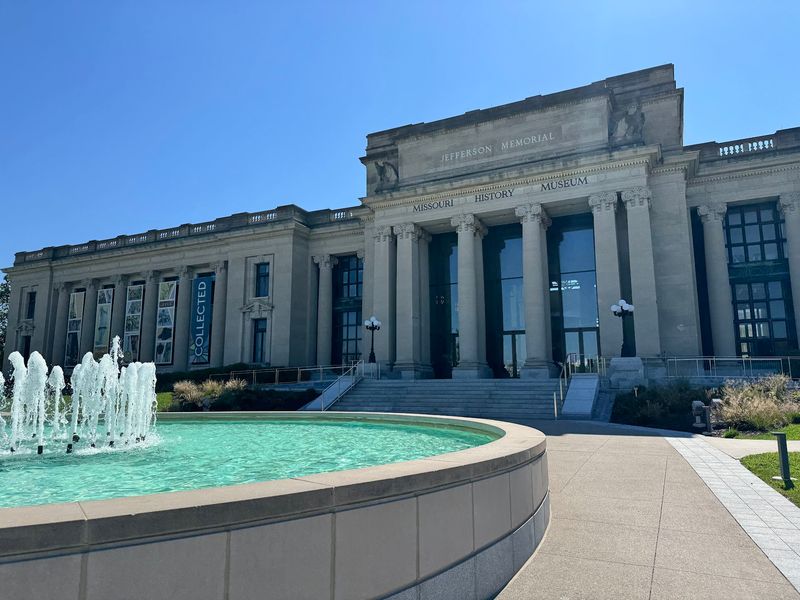
Tucked inside the green expanse of Forest Park, the Missouri History Museum tells the story of St. Louis through exhibits that reward a slow, gallery-by-gallery approach.
The collection covers the people, events, and cultural shifts that defined the region, offering a local angle on American history that feels both personal and informative.
All three levels are wheelchair accessible, with accessible restrooms on each floor and free manual wheelchairs available at both building entrances. Accessible parking sits in public lots behind the museum, and a drop-off area at the front entrance makes arrival easy for visitors who need it.
The museum also provides audio descriptions of the interior and sensory-friendly areas for visitors who find certain exhibits overwhelming. Its central Forest Park location makes a scenic drive through the park a natural addition to the visit.
6. Wilson’s Creek National Battlefield, Republic, Missouri
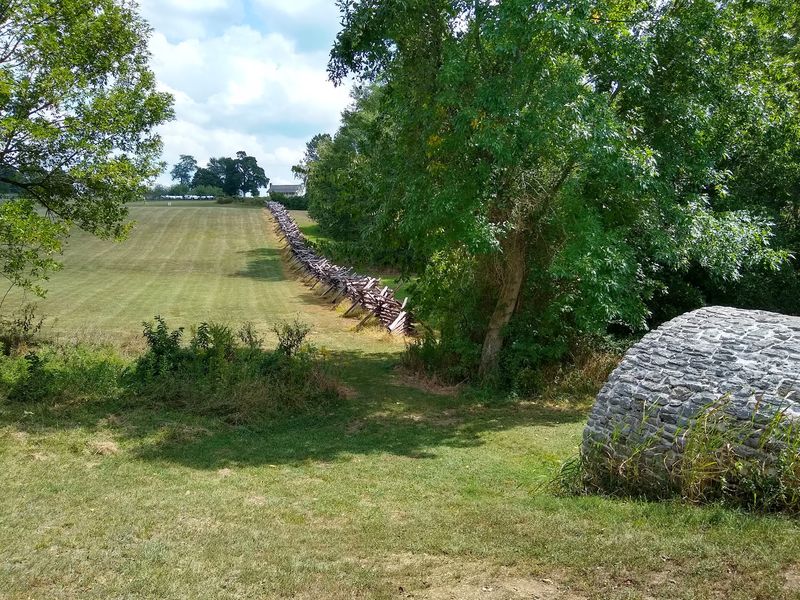
Civil War history does not always require a long hike, and Wilson’s Creek National Battlefield makes that point more clearly than almost any site in Missouri.
A paved, self-guided tour road stretches approximately five miles through the battlefield, allowing visitors to drive from one interpretive stop to the next at whatever pace suits them. The layout is genuinely thoughtful, with designated accessible parking at each stop and wheelchair-accessible paths connecting cars to the main viewing areas.
Both the visitor center and the historic Ray House are wheelchair accessible from their respective parking areas. Visitors can therefore absorb a substantial portion of the battlefield’s story without ever tackling the more rugged primitive trails that cross the property.
The combination of a driving route and accessible stops makes this one of the most practical outdoor history sites in the region for seniors.
7. Saint Louis Art Museum, St. Louis, Missouri
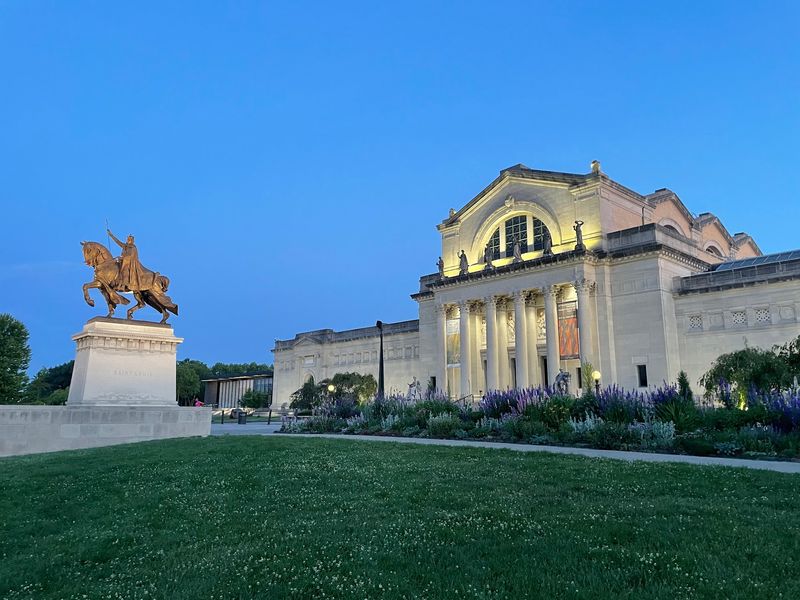
The hilltop building overlooking Forest Park earns a second look before you have even reached the front door, and the collection inside gives you plenty of reasons to stay.
Thousands of years of human creativity are organized across galleries covering ancient artifacts, European masterpieces, and modern works, all under one roof and all free to the public every day. Complimentary wheelchairs are available at the Welcome Desks, and accessible entrances are located at the East Building and within the parking garage.
A dedicated drop-off area sits directly in front of the East Building, and elevators serve all levels throughout. Large print labels and magnifying devices are available for visitors with visual impairments.
Rather than feeling obligated to cover the entire collection in one afternoon, picking a handful of galleries and leaving the rest for a return visit is a perfectly sensible plan.
8. National WWI Museum and Memorial, Kansas City, Missouri
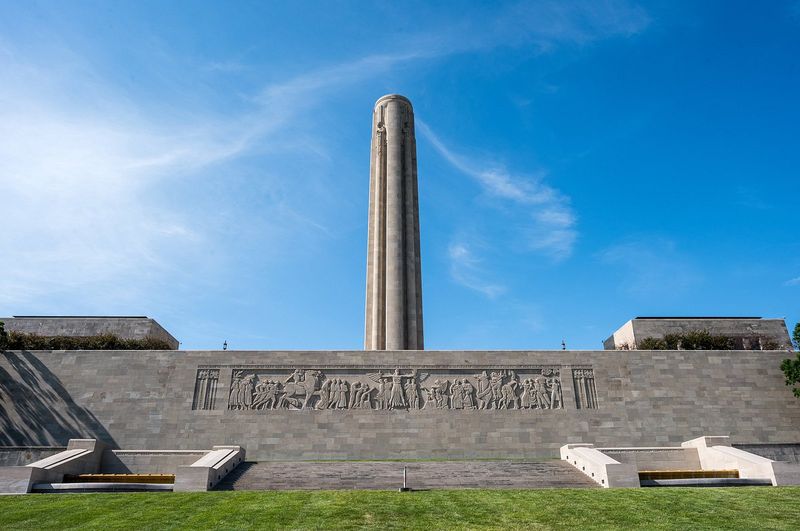
This Kansas City institution covers a conflict that reshaped the entire modern world, and it does so through exhibits that feel personal rather than purely academic.
Photographs, authentic artifacts, historical documents, recreated environments, and individual accounts from soldiers and civilians combine to tell the story of World War I in a way that sticks with you long after you leave. The galleries are fully accessible for visitors using wheelchairs or powered carts, and free wheelchairs are available through Guest Services.
Reserved van-accessible parking is provided in the north end of the West Visitors Lot, and a shuttle operates between the lot and the museum entrance, giving priority to guests with mobility needs.
One important note: the historic Liberty Memorial Tower requires an elevator ride followed by 45 stairs, so its observation deck is not accessible to wheelchair users.
9. Titanic Museum Attraction, Branson, Missouri
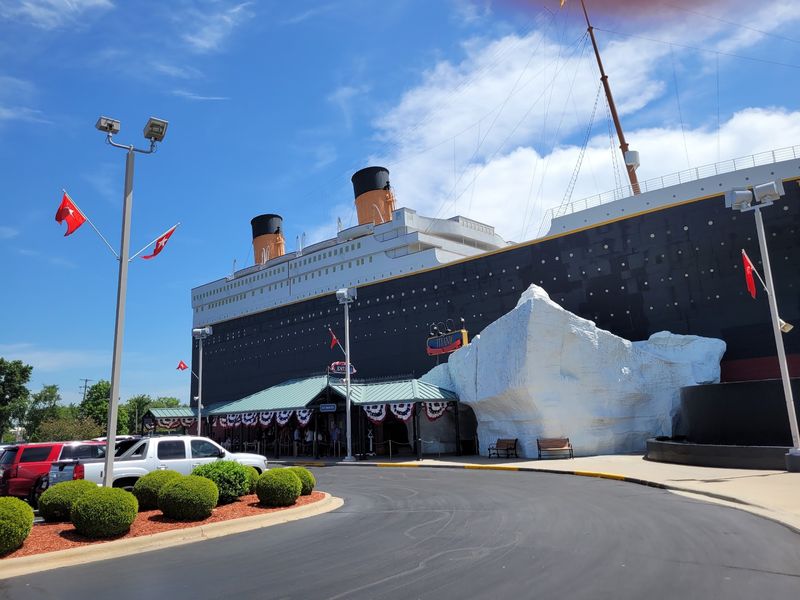
The building itself looks like a ship ran aground in Branson, which is exactly the kind of dramatic first impression that makes this attraction hard to drive past.
Inside, more than 400 authentic artifacts, recreated shipboard spaces, and detailed photographs tell the stories of the passengers and crew aboard the Titanic in 1912. The entire museum follows a clearly defined, accessible route, and manual wheelchairs are available on a first-come, first-served basis for anyone who needs one.
A self-guided tour typically takes between 90 minutes and two hours, making it a well-paced indoor option for visitors who want an engaging experience without covering a lot of ground.
On days when Missouri heat or unpredictable weather makes outdoor plans impractical, this attraction provides a fully covered, climate-controlled alternative that holds its interest from the first exhibit to the last.
10. Wonders of Wildlife National Museum & Aquarium, Springfield, Missouri
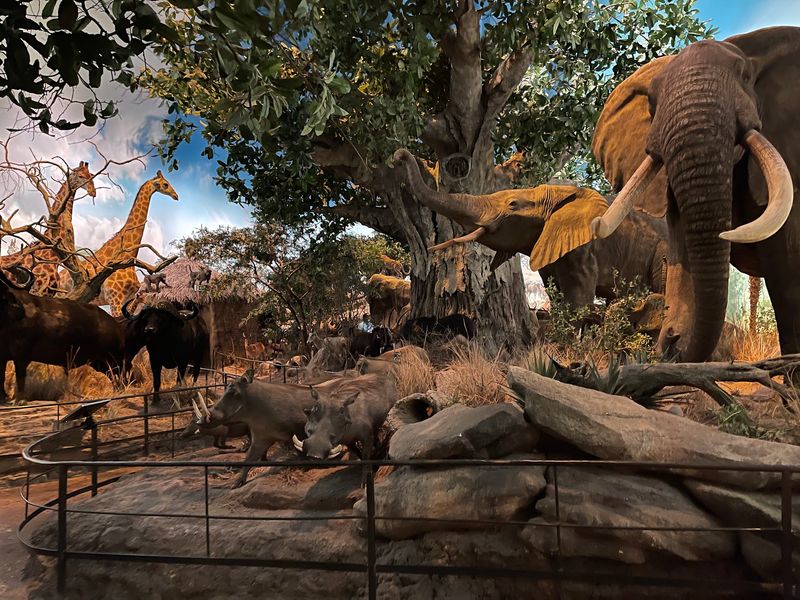
Over 1.5 miles of immersive exhibits sounds like a lot, and it is, but Wonders of Wildlife makes the distance feel worthwhile at every turn.
Massive aquariums, recreated wildlife habitats, and elaborate displays put visitors face to face with sharks, rays, freshwater fish, and a wide variety of other creatures. The facility is wheelchair accessible throughout, with elevators conveniently placed and ample seating in both the Wildlife Galleries and the Aquarium sections.
Free manual wheelchairs are available, and electric mobility scooters can be rented for $25 for the duration of a visit, with an age requirement of 18 or older for scooter riders. Free parking is available on the campus.
Given the scale of the complex, planning for three to four hours and building in rest breaks is a practical approach rather than an admission of defeat.
11. Gateway Arch National Park, St. Louis, Missouri
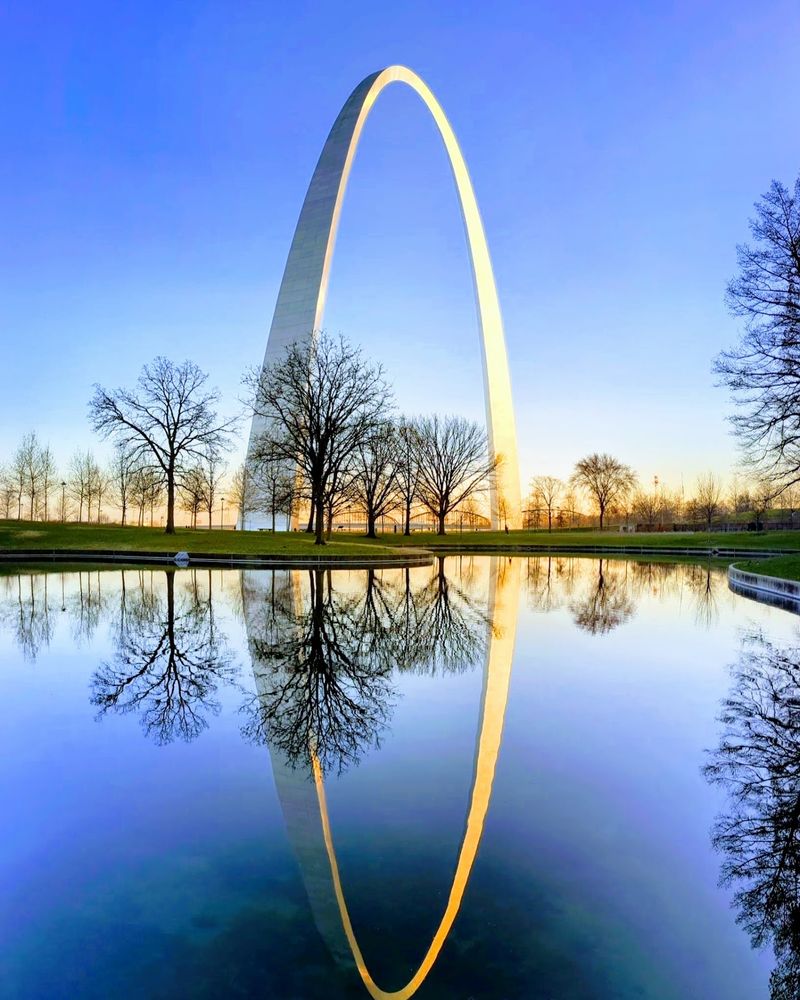
Riding to the top is optional, and the ground-level experience at Gateway Arch National Park is more substantial than most visitors expect.
The free Museum under the Arch covers the history of westward expansion through accessible exhibits including tactile displays and interactive computer simulations. Free wheelchairs are available at the entrance desk on a first-come, first-served basis, with a state ID required as collateral.
The park’s paved grounds are fully navigable by wheelchair and mobility device, and the recently renovated Old Courthouse adds another accessible stop to the visit. Ramps on the east and west sides of the courthouse lead to fully accessible exhibit galleries, with an elevator providing access to the second floor.
The famous tram ride to the observation deck involves at least 96 steps and does not permit wheelchairs or walkers, so it is worth planning around that detail in advance.
12. Laura Ingalls Wilder Historic Home & Museum, Mansfield, Missouri
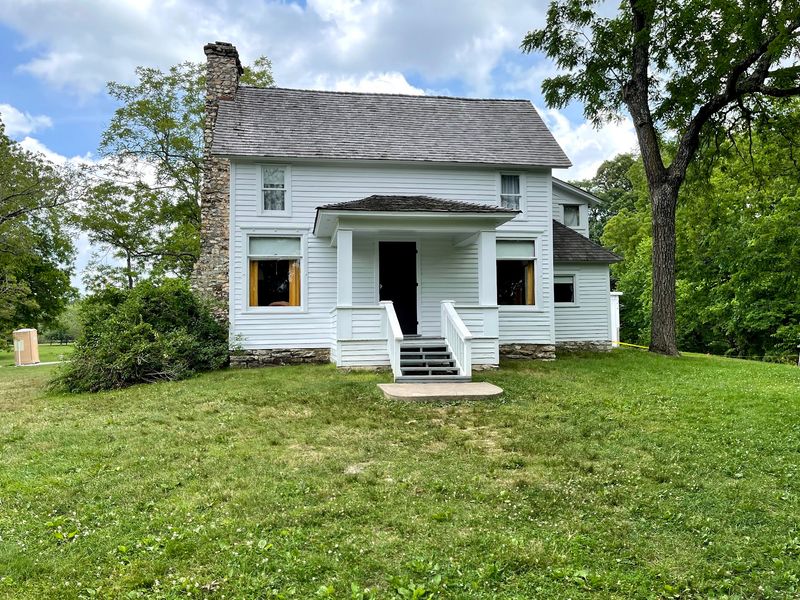
For anyone who grew up reading the Little House books, Rocky Ridge Farm in Mansfield is the kind of place that turns a literary memory into something you can actually stand in front of.
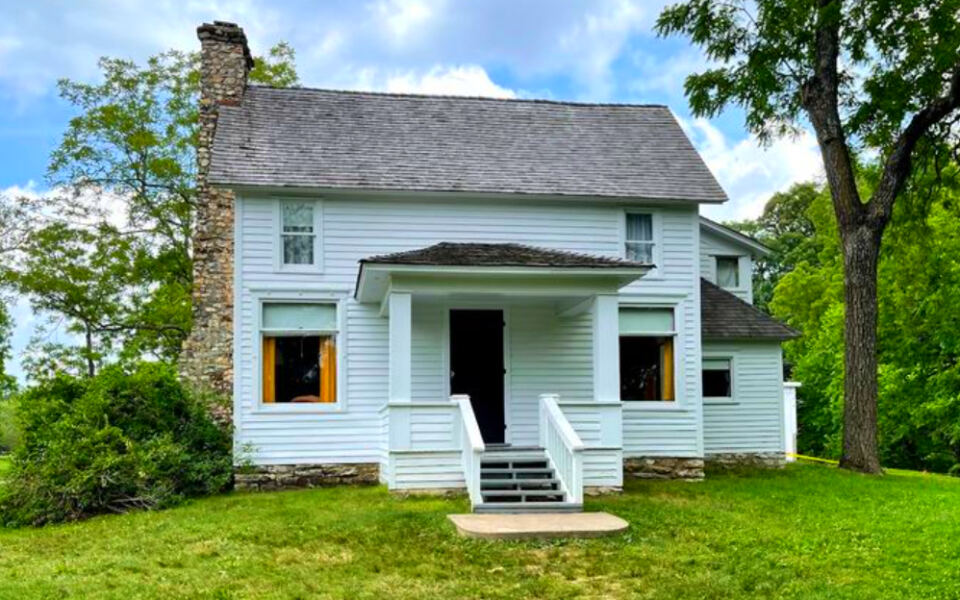
The museum preserves objects directly connected to Laura Ingalls Wilder and her family, including Pa’s fiddle and Laura’s original handwritten manuscripts. A paved walking trail connects the two historic homes on the property: the farmhouse Laura and Almanzo built themselves, and the Rock House their daughter Rose later constructed for them.
The museum is wheelchair accessible, with accessible parking available on site. Some sections of the path between homes include hills, so visitors with mobility concerns may want to check conditions before the visit.
The site is open seasonally from March 1 through November 15, so confirming hours before making the trip to Mansfield is a sensible first step.
13. The Mark Twain Boyhood Home & Museum, Hannibal, Missouri
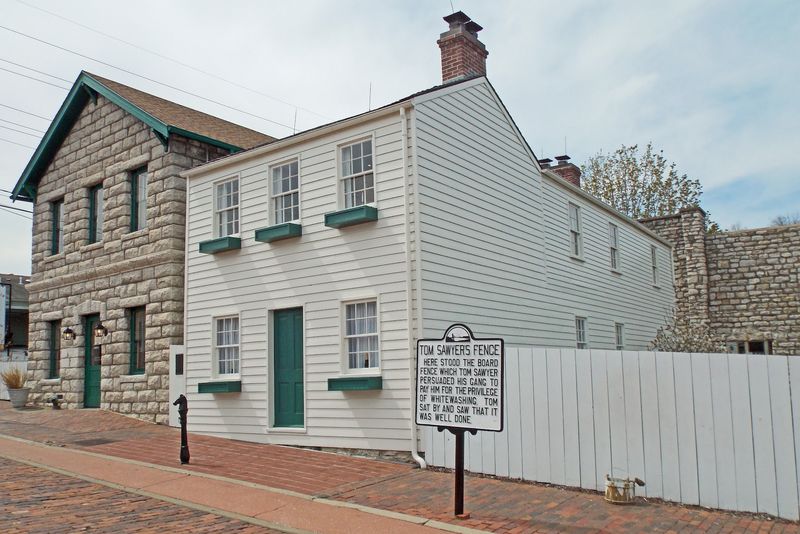
Hannibal and Mark Twain are so thoroughly linked that visiting one without thinking about the other is basically impossible, and this museum complex leans fully into that connection.
Exhibits and historic properties explore Samuel Clemens’s childhood and how this Mississippi River town eventually became the setting for Tom Sawyer and Huckleberry Finn. Accessibility varies across the complex because of the historic nature of the buildings, so it helps to know the layout before arriving.
The Interpretive Center, Becky Thatcher House, Justice of the Peace Office, and Museum Gallery are all fully ADA accessible. The Mark Twain Boyhood Home has two steps to its first-floor viewing platform, while video tours are available for areas with limited physical access.
Tickets are valid for two days, which encourages a relaxed pace through the exhibits and historic homes rather than a rushed single-day sprint.
14. Arabia Steamboat Museum, Kansas City, Missouri
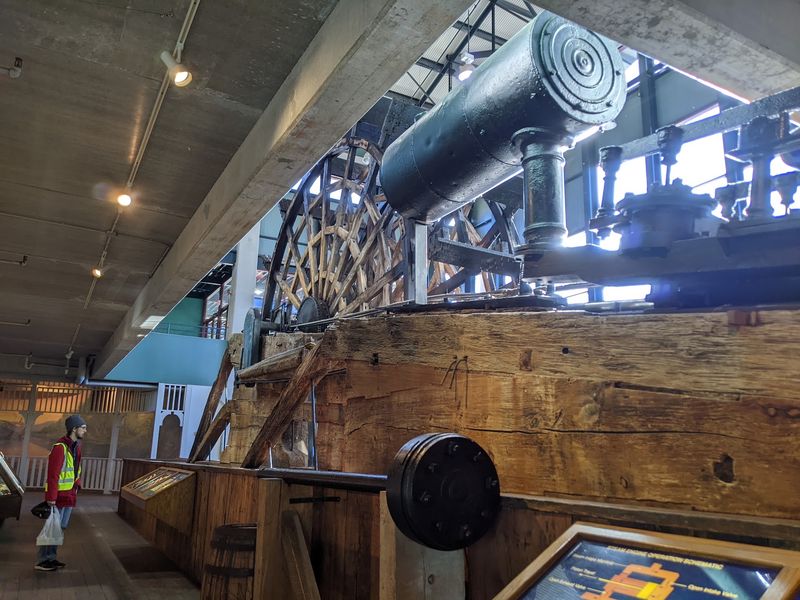
In 1856, the steamboat Arabia sank in the Missouri River with a full cargo of frontier goods. More than 130 years later, a family excavated it from beneath a Kansas cornfield, and what they found was extraordinary.
Perfectly preserved dishes, tools, boots, and everyday supplies intended for frontier communities now fill the museum’s displays, offering an unusually direct window into mid-19th-century life in America. The collection turns an ordinary commercial shipment into one of the most specific and tangible history exhibits in the state.
The museum is entirely wheelchair accessible, with seating available throughout for visitors who want to pause and take in the details. Some entry ramps are slightly steep, but no stairs are required anywhere inside.
Seniors aged 60 and older receive a discounted admission rate, and a self-guided tour typically takes about 90 minutes from start to finish.
Share this story