Pittsburgh has plenty to discover beyond its famous stadiums, inclines, and Mount Washington views. Hidden among hillside neighborhoods and repurposed industrial spaces are unusual museums, colorful public art, historic collections, and wonderfully quirky attractions.
These 14 Pittsburgh destinations reveal a stranger and more surprising side of the Steel City. Each offers a memorable reason to venture beyond the usual tourist stops and explore places even some visitors never find.
1. Bicycle Heaven, Pittsburgh, Pennsylvania
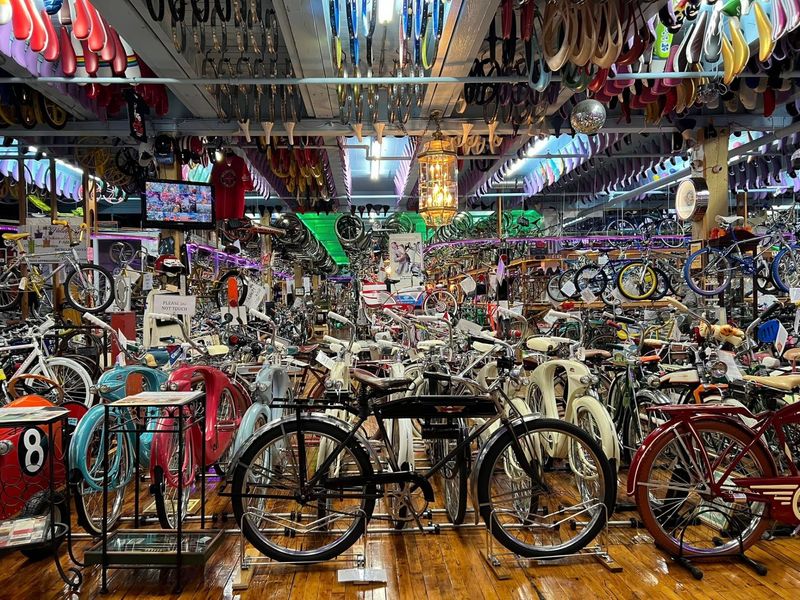
The world’s largest bicycle museum is hiding inside an industrial building near the Ohio River, and most Pittsburgh visitors have no idea it exists. Established in 2011 by Craig and Mindy Morrow, Bicycle Heaven at 1800 Preble Avenue holds over 6,000 bicycles and 100,000 parts across two floors of densely packed displays.
Among the highlights are the original red and white bicycle from “Pee-wee’s Big Adventure,” a rare 1950s Bowden Spacelander, and a whimsical Shelby Donald Duck bicycle. Bikes from films including “A Beautiful Mind” and “Fences” also appear throughout the collection.
The museum doubles as a working bike shop and has served as a prop supplier for film and television productions. Admission is $15 for ages 10 and up, with children under 9 admitted free.
Hours run daily from 10 a.m. to 7 p.m. Note that the elevator is currently out of service.
2. Troy Hill Art Houses, Pittsburgh, Pennsylvania
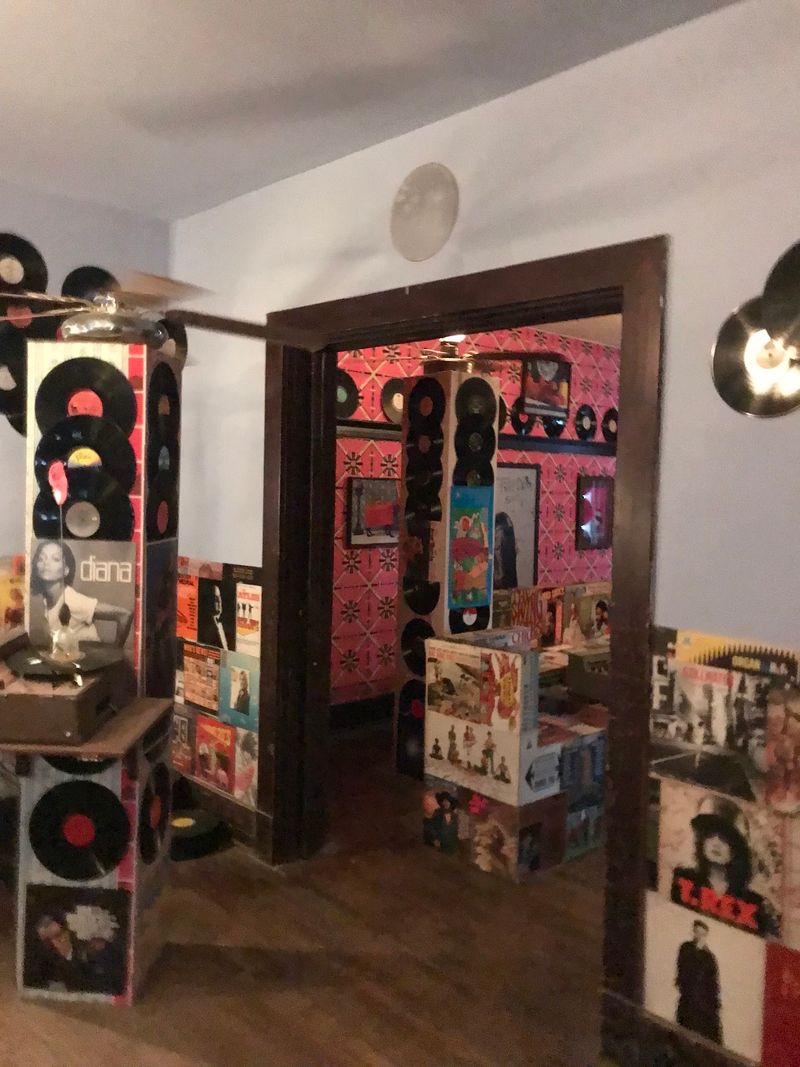
From the outside, the houses scattered across Troy Hill look like any other Pittsburgh row homes. That ordinariness is precisely the point.
Once you step through the door of one of the neighborhood’s Art Houses, an entire residential building reveals itself as a fully realized work of art.
The collection includes La Hütte Royal and the Darkhouse Lighthouse, the latter featuring a fully functional lighthouse built inside a gutted row house. No other Pittsburgh experience quite matches the disorienting pleasure of watching a familiar building type transform into something completely unexpected.
Visits require advance reservations, so this is not a spontaneous stop. Planning ahead is essential to secure a time slot, but visitors who make the effort consistently describe it as one of the most memorable experiences Pittsburgh offers.
If immersive art is your thing, Troy Hill should be near the top of your list.
3. Center for PostNatural History, Pittsburgh, Pennsylvania
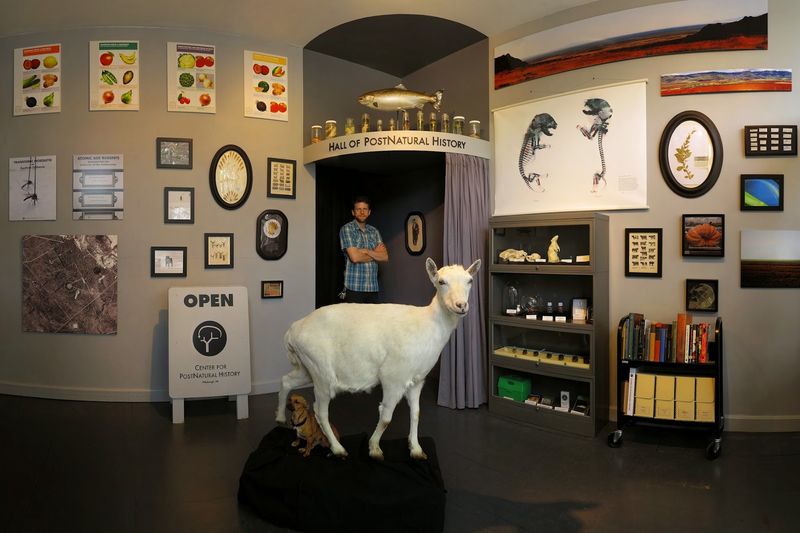
Natural history museums typically celebrate the world as it exists without human interference. This small Garfield museum takes a completely different angle, focusing exclusively on living things that humans have intentionally changed through domestication, selective breeding, and genetic engineering.
The exhibits read more like a scientific cabinet of curiosities than a conventional museum, raising genuinely interesting questions about what counts as natural and where human influence begins. Specimens, artifacts, and explanatory displays work together to make complex biological concepts accessible without oversimplifying them.
Its compact size means a focused visit covers the whole collection without much effort. The center currently operates on limited weekend hours, so checking the schedule before arriving is strongly recommended.
This is one of those Pittsburgh spots that rewards curious visitors who are willing to think a little differently about the relationship between people and the living world around them.
4. St. Anthony’s Chapel, Pittsburgh, Pennsylvania
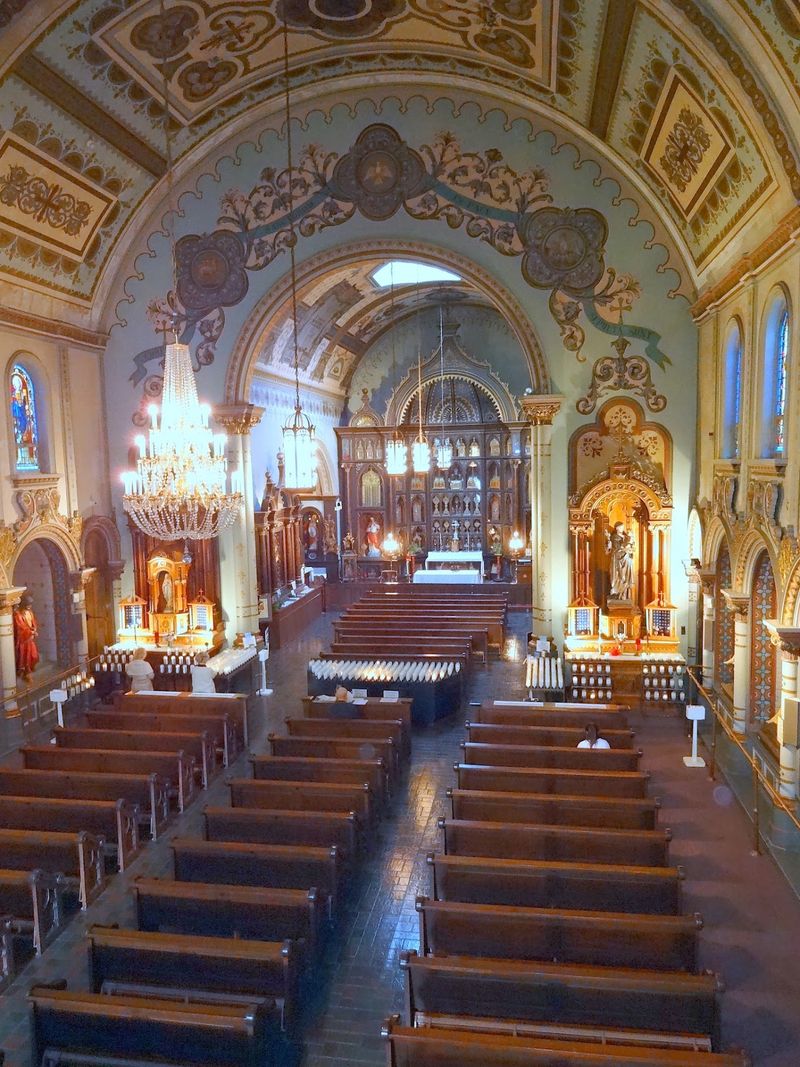
Nothing about the exterior of this Troy Hill chapel prepares you for what is inside. Built in the 19th century under the direction of Father Suitbert Mollinger, St. Anthony’s Chapel contains one of the largest collections of Catholic relics in the world, with thousands of relics displayed in elaborate reliquaries throughout the sanctuary.
Intricate stained glass, carved woodwork, numerous statues, and life-size Stations of the Cross fill the interior, creating an environment that feels completely removed from modern Pittsburgh. The sheer density of the collection makes even a brief visit feel historically significant.
Visiting hours currently run from noon to 3 p.m. on most days, with Fridays excluded. The chapel holds a 4.9-star rating, which reflects how consistently it surprises visitors who arrive expecting a modest neighborhood church and leave having seen something genuinely extraordinary.
Arriving early within the visiting window is a good idea.
5. The Clemente Museum, Pittsburgh, Pennsylvania
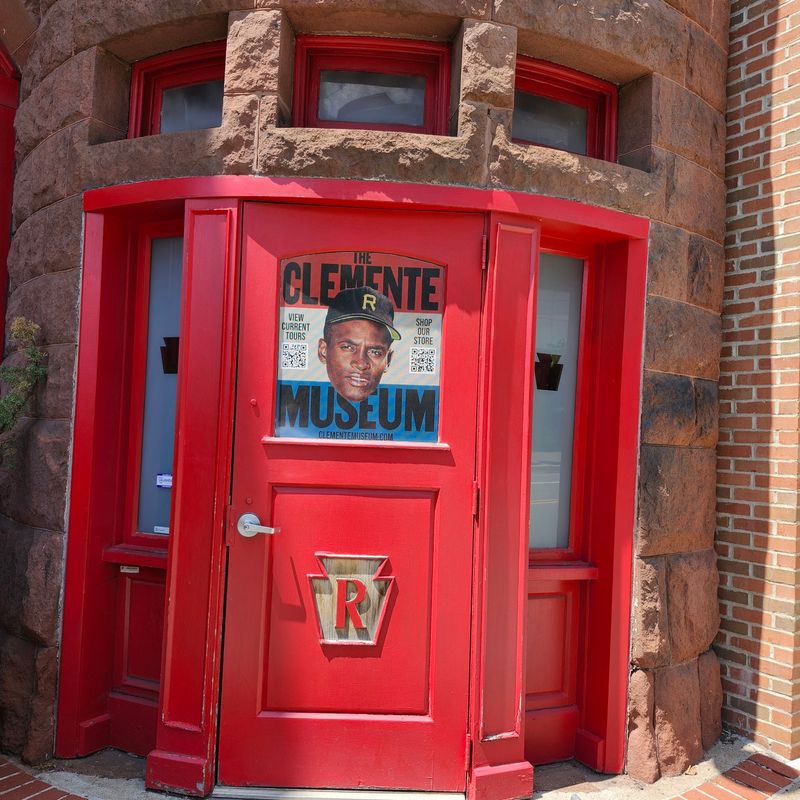
Roberto Clemente’s legacy deserves more than a plaque at PNC Park, and this Lawrenceville museum makes a convincing case for that argument. Housed inside a restored former firehouse rather than a conventional museum building, The Clemente Museum offers one of the most focused and personal explorations of Pittsburgh sports history available anywhere in the city.
Photographs, personal equipment, memorabilia, and artifacts trace Clemente’s baseball career alongside his broader humanitarian legacy. The firehouse setting adds an architectural layer that a standard gallery space simply could not replicate.
Tours should be booked in advance, as the museum operates on a scheduled basis rather than as a casual walk-in destination. Its 4.9-star rating from more than 580 reviews reflects how consistently visitors leave impressed.
Baseball fans will find plenty to engage with, but the museum’s appeal extends well beyond sports, touching on history, identity, and community in ways that resonate broadly.
6. Allegheny Cemetery, Pittsburgh, Pennsylvania
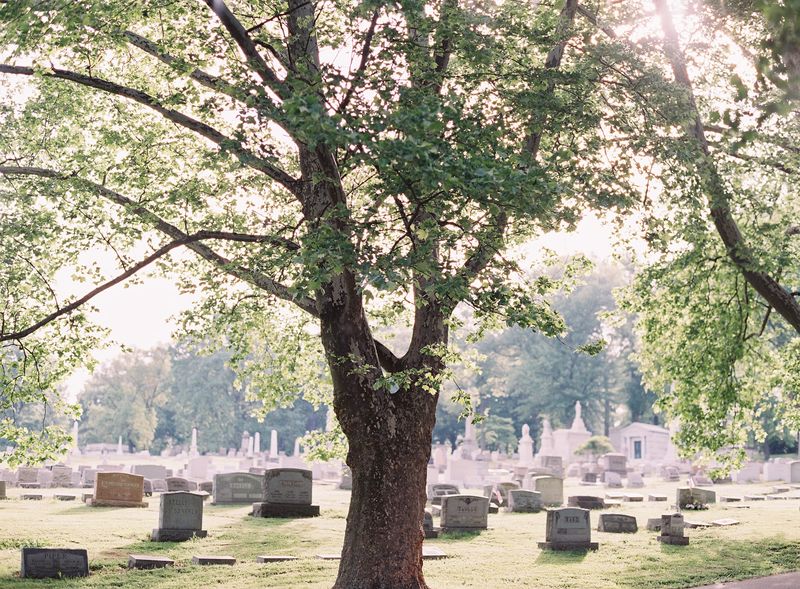
Incorporated in 1844, Allegheny Cemetery is the sixth oldest rural cemetery in North America and a National Historic Landmark spanning 300 acres between Lawrenceville, Bloomfield, Garfield, and Stanton Heights. That is a lot of ground for one of Pittsburgh’s most overlooked public spaces.
Fifteen miles of paved roads wind through rolling hills, mature trees, wooded sections, and two reflection ponds, giving the landscape the character of a secluded park rather than a burial ground. Over 124,000 individuals rest here, including many prominent figures from Pittsburgh’s history, and the variety of bronze, granite, and marble monuments reflects a wide range of eras and styles.
Wildlife sightings are common, with foxes, deer, geese, and groundhogs regularly spotted along the paths. Autumn is a particularly rewarding time to visit, when changing leaves frame the historic stone monuments.
The cemetery is accessible via entrances at Butler Street and Penn Avenue.
7. Randyland, Pittsburgh, Pennsylvania
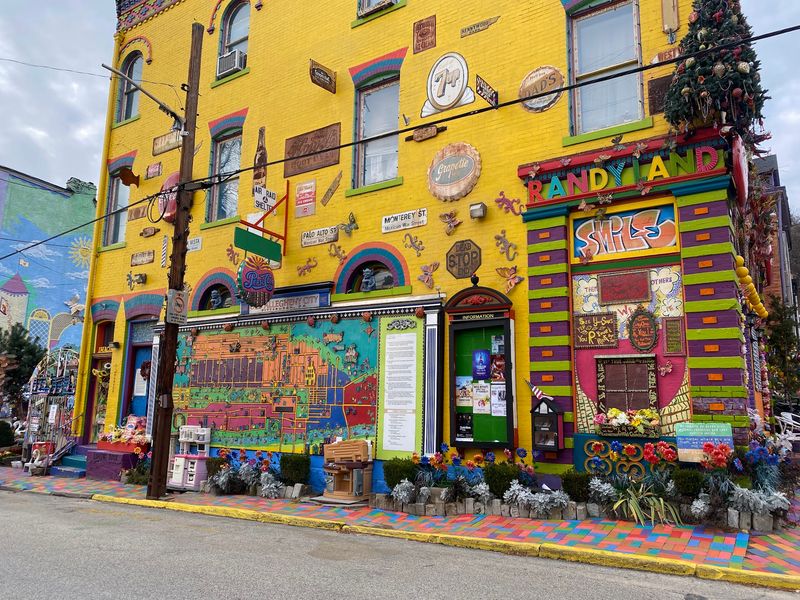
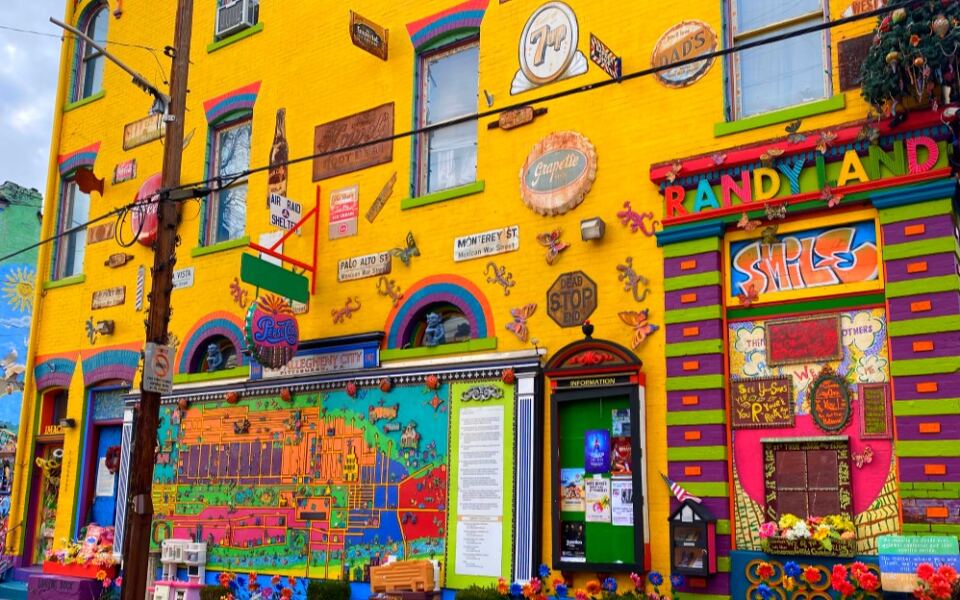
America’s most colorful public art landmark started with a credit card and a crumbling building. Artist Randy Gilson purchased a dilapidated North Side property in 1995 and spent years covering every inch of it with murals, mirrors, painted furniture, mannequins, and recycled found objects.
The result is an outdoor courtyard that operates somewhere between a folk-art gallery and a community hub, with photogenic corners in almost every direction. A “Mirror Wall” immerses visitors in the full spectrum of color surrounding them, while a vintage outdoor living room exhibit adds an unexpected domestic touch.
Gilson himself frequently appears to chat with visitors and share stories about the project’s origins. Admission is free, with donations encouraged.
The courtyard is generally open daily from 1 p.m. to 5:30 p.m., though hours can shift with the weather. Its 4.7-star rating from over 3,700 reviews speaks for itself.
8. Pittsburgh Glass Center, Pittsburgh, Pennsylvania
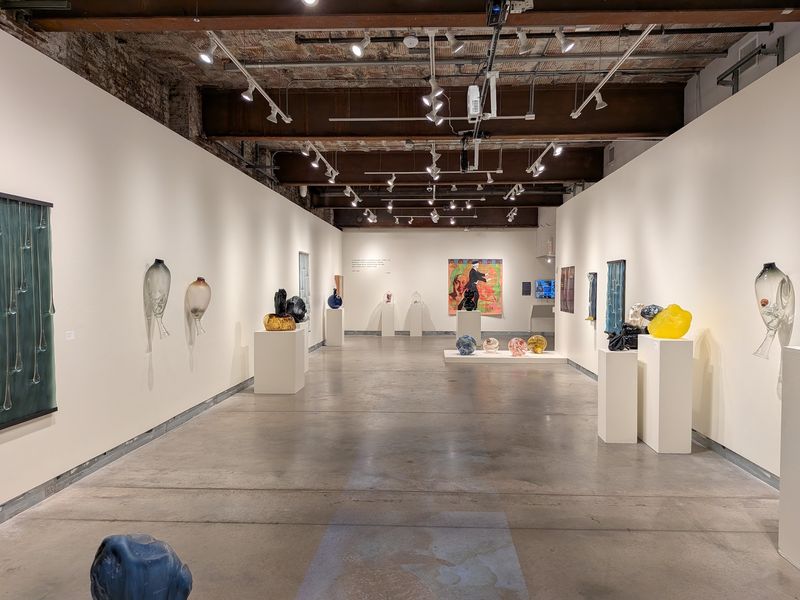
Pittsburgh’s industrial past had a lot to do with molten materials, so it feels fitting that one of the city’s most dynamic contemporary arts spaces involves exactly that. The Pittsburgh Glass Center on Penn Avenue is where glassblowing, gallery exhibitions, retail, and hands-on classes all share the same building.
A major expansion completed in 2024 nearly doubled the center’s capacity, and 2026 marks its 25th anniversary, making this a particularly good year to visit. Scheduled demonstrations allow visitors to watch artists work up close without needing to enroll in a class.
The on-site gallery showcases contemporary glass art from local and national artists, and the shop offers locally made pieces across a wide range of price points. Daily operating hours make it one of the easier Pittsburgh arts destinations to fit into a flexible itinerary.
Its 4.8-star rating reflects a consistently positive visitor experience across a broad audience.
9. West End Overlook Park, Pittsburgh, Pennsylvania
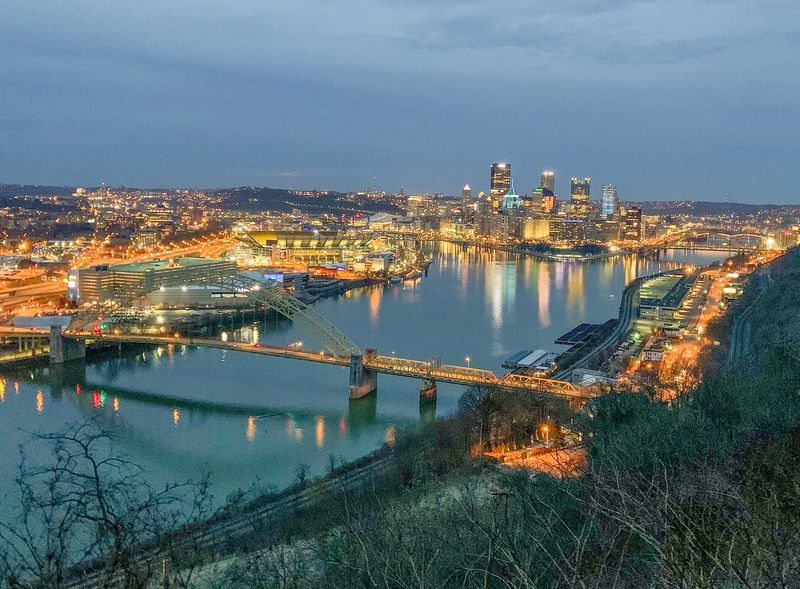
Mount Washington earns most of the attention from visitors chasing Pittsburgh’s famous skyline view, but West End Overlook Park in the Elliott neighborhood offers a perspective that is arguably just as impressive with a fraction of the crowd. From this elevated position, downtown Pittsburgh appears directly ahead, framed by the confluence of the Allegheny, Monongahela, and Ohio Rivers.
Historically, this hillside served as a lookout point for Native American people, including the Shawnee. The park was redesigned in 2003 and now includes landscaped gardens, terraced stone benches, a shaded walkway, and a playground.
Sunrise and sunset are the most recommended times to visit for the best views.
Parking along the street is limited but generally manageable, and the overlook is also accessible by public transport. With a 4.8-star rating from over 1,700 visitors, this park consistently delivers one of Pittsburgh’s most rewarding urban panoramas to those who seek it out.
10. Trundle Manor, Pittsburgh, Pennsylvania
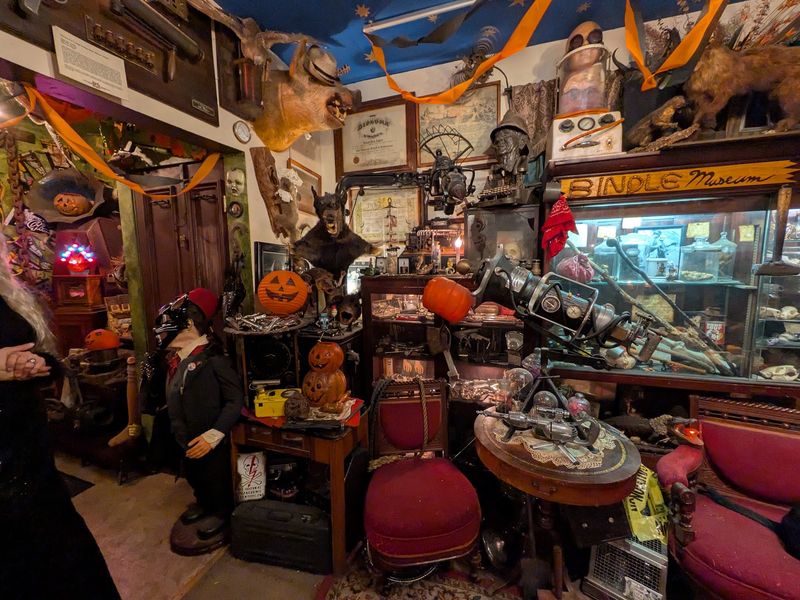
A house in Swissvale that holds taxidermied rat-birds, preserved specimens in jars, antique medical devices, rusty cleavers, and a benign tumor with its own musical contraption is not everyone’s idea of a Saturday afternoon out. For the right visitor, though, Trundle Manor is exactly that kind of place.
Owners Mr. Arm and Velda have assembled a deliberately bizarre private collection at 7724 Juniata Street, described variously as a house of oddities and a cabinet of curiosities taken to its logical extreme. The proprietors are clear that nothing in the collection was harmed by them, and much of the taxidermy predates their ownership.
Visits are strictly by appointment only, with tours typically offered on Monday and Friday evenings and on weekend afternoons. Groups of one to ten people are accommodated, and booking at least a week in advance is strongly advised.
There is no fixed admission fee, but donations in various forms are welcomed.
11. The Frick Pittsburgh, Pittsburgh, Pennsylvania
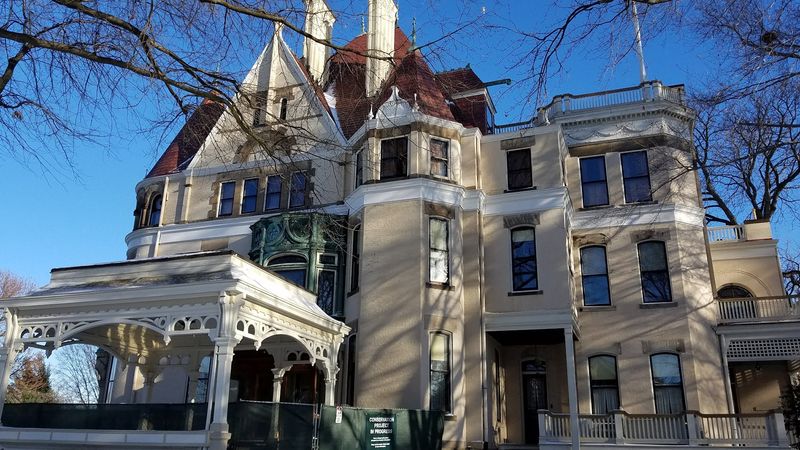
Few Pittsburgh institutions pack as much variety into a single address as The Frick Pittsburgh in the city’s East End. Spread across nearly six acres, the complex includes a fine art museum, a car and carriage museum, the fully restored Clayton mansion, expansive gardens, a greenhouse, a cafe, and a visitor center.
Clayton is the standout for history enthusiasts. Built in 1882 and expanded by 1891 to 23 rooms, the Victorian home of Henry Clay Frick retains an astonishing 93 percent of its original artifacts, making it one of the most intact Gilded Age homes in the United States.
Docent-led tours run from 10:15 a.m. to 3 p.m.
The gardens and grounds are open Tuesday through Sunday from 8 a.m. to 5 p.m. Admission to the Car and Carriage Museum and gardens is free.
Most visitors spend two to three hours exploring the full site, so arriving earlier in the day is a practical choice.
12. Mattress Factory Contemporary Art Museum, Pittsburgh, Pennsylvania
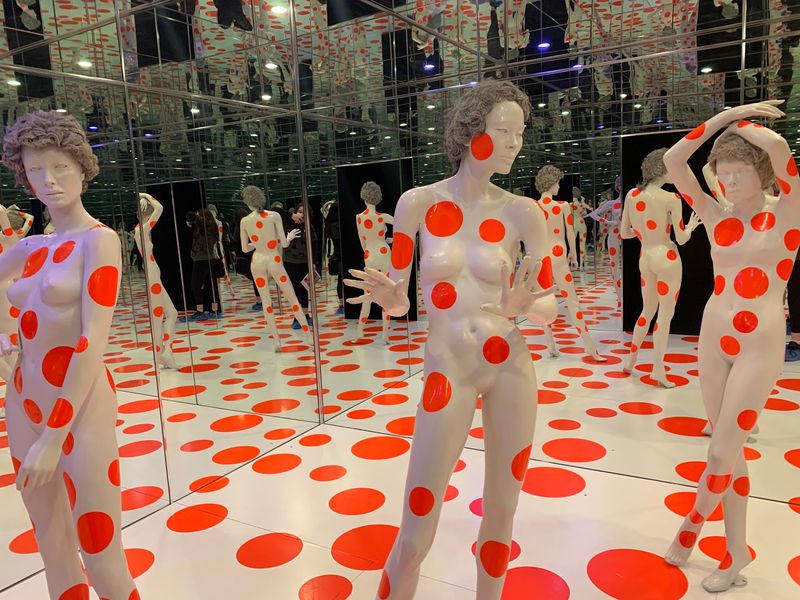
The name throws people off every single time, which is part of the fun. The Mattress Factory is not a furniture retailer but one of Pittsburgh’s most distinctive contemporary art institutions, located in the North Side’s historic Mexican War Streets neighborhood.
Artists create installations that fill entire rooms, turning each space into an environment visitors can physically enter and move through rather than simply observe from a respectful distance. The experience of navigating these transformed rooms, then stepping back out onto an old residential street, creates a genuinely unusual contrast that is hard to find anywhere else in the city.
The museum’s 4.3-star rating reflects a broad and consistent audience, from seasoned contemporary art followers to curious first-timers who wandered in expecting something more conventional. Its location among historic row houses adds an architectural context that reinforces the contrast between the neighborhood’s past and the art it now contains.
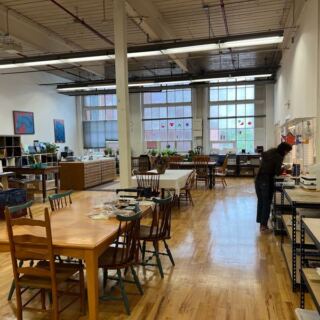
13. Photo Antiquities Museum of Photographic History, Pittsburgh, Pennsylvania
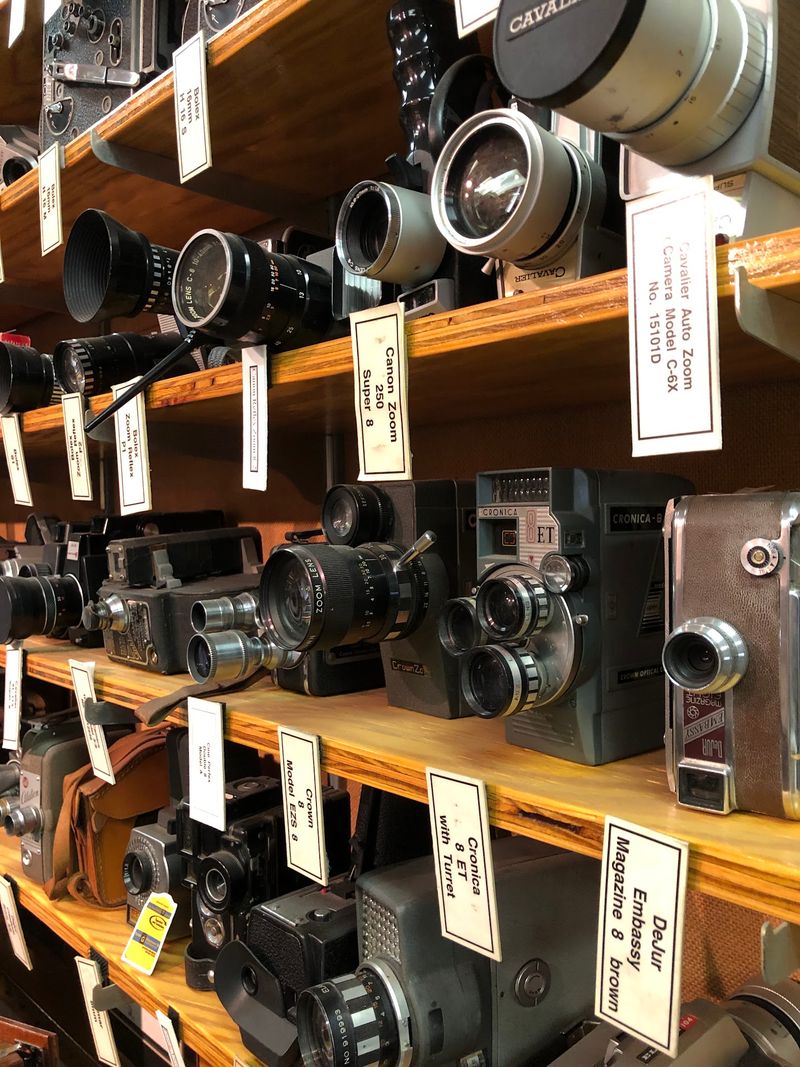
Before smartphone cameras and digital uploads, capturing a photograph required specialized equipment, chemical processes, and a fair amount of patience. This small North Side museum traces the full arc of that history, from the earliest image-making technologies through the generations of cameras and techniques that followed.
Historic cameras, early photographic prints, and period equipment fill the displays in a Victorian-inspired setting that reinforces the sense of moving backward through time. The collection is specific enough to satisfy photography enthusiasts while remaining accessible to visitors with no technical background in the subject.
Public hours are very limited, making this one of the Pittsburgh destinations that requires advance research before you plan a visit. If you have any interest in the history of visual media, this museum earns a dedicated detour.
14. Points of View, Pittsburgh, Pennsylvania
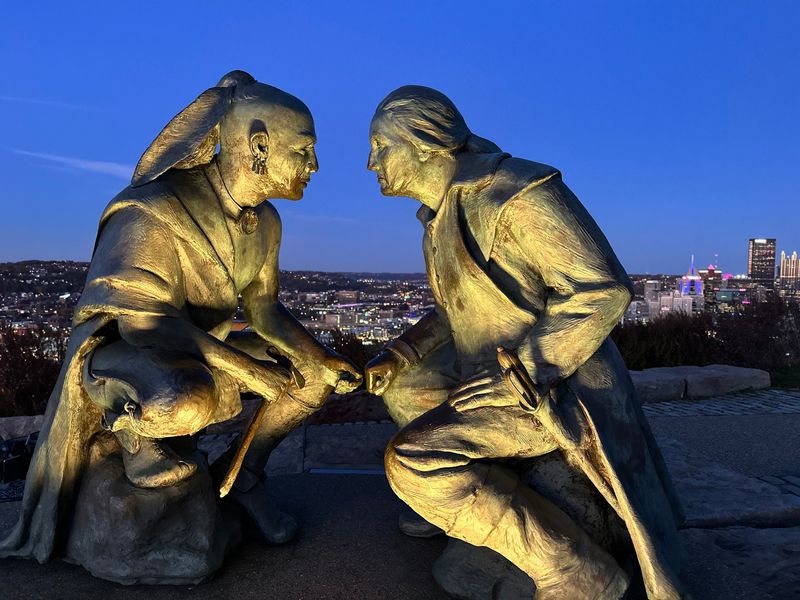
A bronze George Washington and Seneca leader Guyasuta stand face to face on a hillside terrace on Grandview Avenue, looking at each other rather than at the dramatic city view spread out behind them. That detail alone makes this 2006 sculpture by James A.
West one of Pittsburgh’s more thought-provoking public artworks.
The piece commemorates their October 1770 meeting, which took place when Washington was surveying land along the Ohio River. Guyasuta holds the distinction of being one of the few historical figures represented in two separate public sculptures within the same city, a fact that adds an extra layer of significance to the stop.
The terrace position offers expansive views of Pittsburgh’s rivers, bridges, downtown towers, and surrounding hills, giving visitors a compelling reason to linger after examining the sculpture. The park is accessible on foot from nearby incline stations or by parking along Grandview Avenue.
Daylight visits are strongly recommended.
Share this story