Pennsylvania once had thousands of mills powered by the creeks and rivers running through its valleys. Farmers brought grain here, communities grew around them, and some of these buildings became local landmarks for generations.
Most eventually disappeared as milling technology changed, but a surprising number survived.
Some still grind grain today. Others preserve original gears, millstones, waterwheels, and machinery behind stone walls that have stood for more than 200 years.
These 14 Pennsylvania mills offer a look at the state’s agricultural and industrial past, from working mills and restored museum sites to quiet stone buildings tucked beside creeks and covered bridges.
McConnell’s Mill, Portersville, Pennsylvania
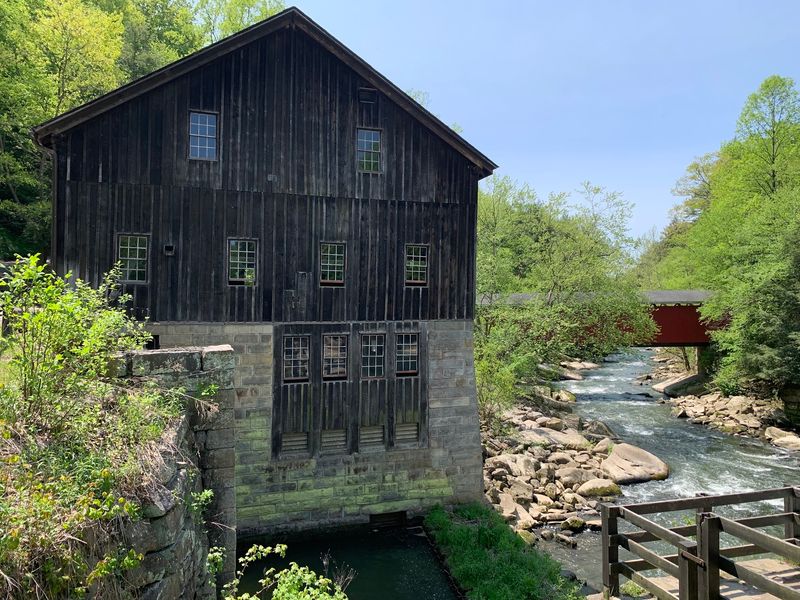
Carved into a steep, boulder-filled gorge by glaciers thousands of years ago, the setting around this Lawrence County mill is unlike anything else in Pennsylvania. Daniel Kennedy built the first gristmill here in 1852, and after a fire in 1868, the structure was quickly rebuilt on the same site.
Thomas McConnell took over in 1875 and upgraded the operation to water turbines and roller-milling technology, making it one of the earliest roller mills in the region. The mill processed oats, corn, buckwheat, and wheat for local communities until operations ended in 1928.
An 1874 Howe truss covered bridge spans Slippery Rock Creek just steps away, and both structures are listed on the National Register of Historic Places. Tours run from Memorial Day through late September, and a heritage festival each fall brings corn grinding demonstrations to life.
Newlin Grist Mill, Glen Mills, Pennsylvania
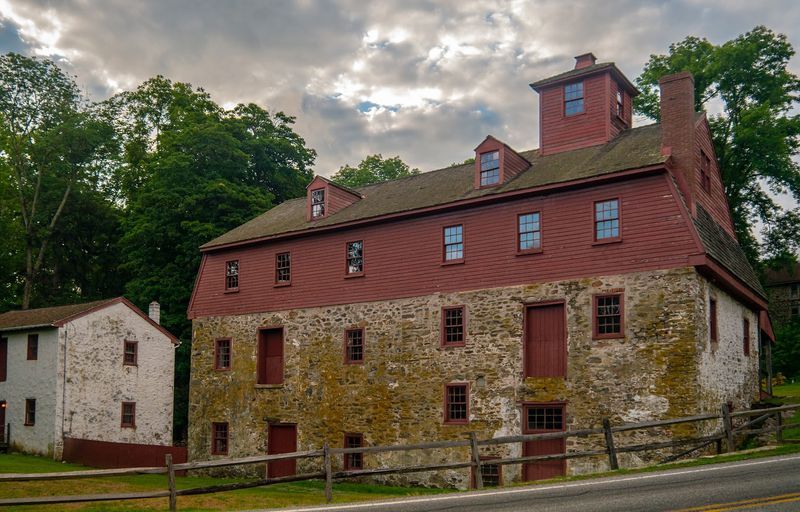
Built in 1704, Newlin Grist Mill is one of the oldest continuously preserved mill properties in Pennsylvania. The water-powered mill operates within a 160-acre preserve in Delaware County, where the original mill race system still channels water the same way it did more than three centuries ago.
The property includes historic buildings beyond the mill itself, with ponds, walking trails, and a landscape that gives visitors a real sense of how a colonial-era agricultural operation was organized. Guided demonstrations show how grain moved through the milling process from start to finish.
What sets Newlin apart from many preserved mills is that it remains an active educational site rather than a static display. Programs run throughout the year, and the preserve draws visitors interested in both Pennsylvania history and the natural scenery that surrounds the property.
Mascot Roller Mills, Ronks, Pennsylvania
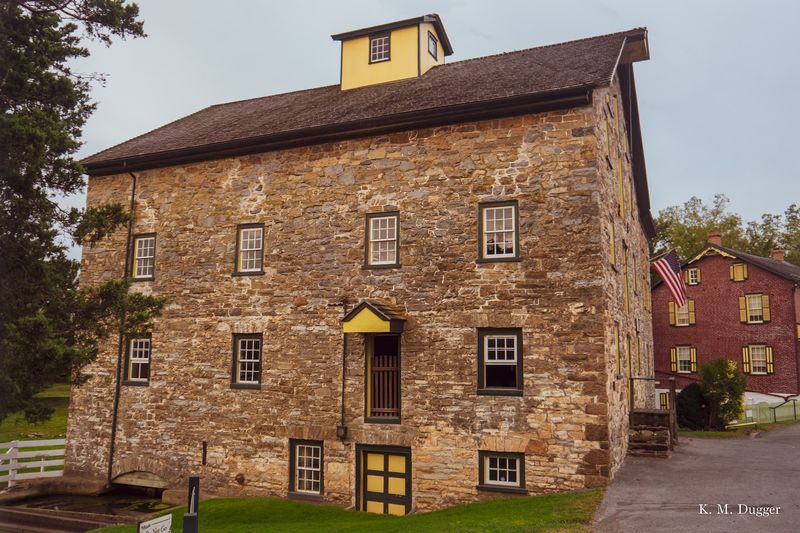
Lancaster County has no shortage of historic sites, but Mascot Roller Mills stands out because it preserves an entire milling complex rather than just the main building. The stone mill, miller’s house, summer kitchen, and barn all survive together, giving visitors a complete picture of what milling life looked like for a Pennsylvania farm family.
The machinery inside tells an especially detailed story. Water-powered roller mill equipment remains in place, and exhibits walk visitors through how grain moved from delivery to finished product.
The Ressler family operated the mill for generations, and the Ressler Mill Foundation now manages the site.
Tours run on a seasonal schedule, and the foundation keeps the site well maintained. For anyone curious about the mechanics of a working roller mill rather than just its exterior, this Lancaster County complex is worth a dedicated visit.
The Mill at Anselma, Chester Springs, Pennsylvania
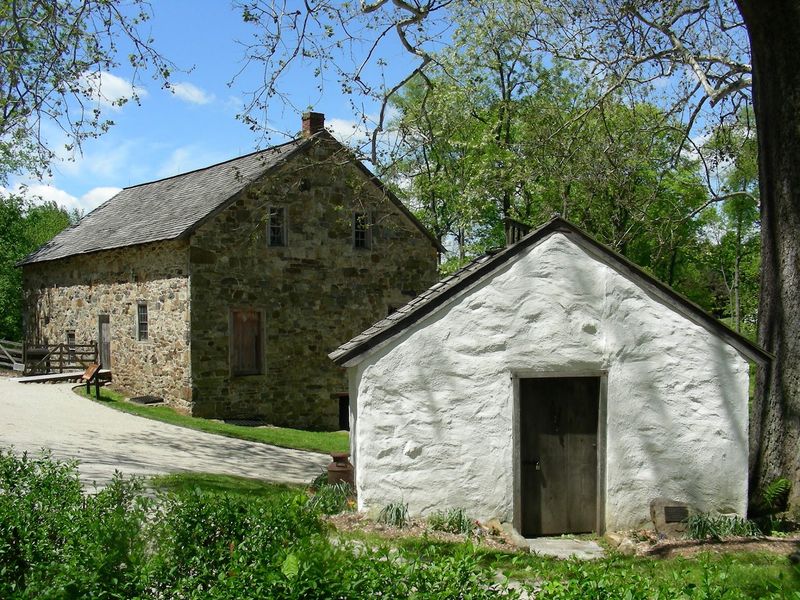
Designated a National Historic Landmark in 2005, The Mill at Anselma holds one of the most complete collections of original milling equipment found anywhere in the United States. The mill dates to around 1747, and its wooden gears, millstones, and water-powered mechanisms have never been replaced with modern substitutes.
That authenticity is exactly what makes it remarkable. Most preserved mills lost their original machinery at some point, but Anselma’s equipment survived largely intact, which is why historians and preservationists consider it such an important site.
Chester County’s rolling landscape provides an appropriately quiet backdrop.
The Mill at Anselma Preservation and Educational Trust manages the property and offers tours that explain how each piece of machinery contributed to the milling process. Visiting here feels less like a museum trip and more like a hands-on encounter with a working piece of the 18th century.
Thompson-Neely Grist Mill, New Hope, Pennsylvania
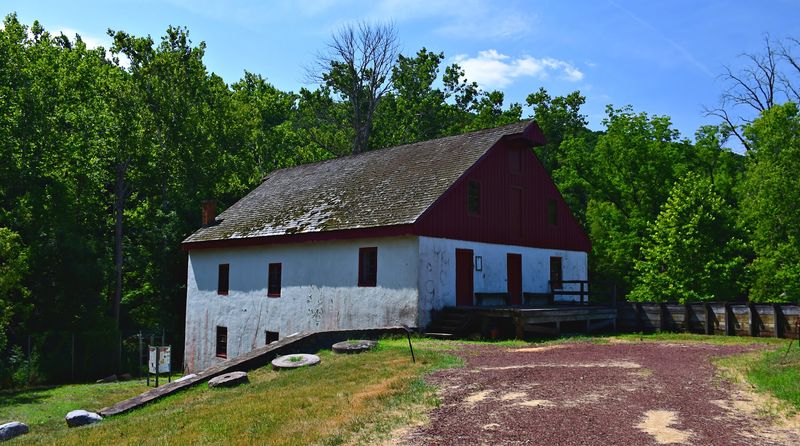
Washington Crossing Historic Park is best known for its connection to George Washington’s 1776 river crossing, but the Thompson-Neely Grist Mill adds a different dimension to the property’s history. The present mill dates to 1875, though milling activity on the site stretches back considerably further, tying it to the agricultural economy that supported the region during the Revolutionary era.
Extensive restoration work returned the mill’s water-powered machinery to working condition, and guided tours explain both the mechanical operations and the broader historical context of the property. The Delaware River runs nearby, keeping the landscape connected to the events that made this park famous.
Bucks County has many historic sites competing for attention, but the Thompson-Neely mill offers something specific: a detailed look at how a working mill fit into the everyday life of a community during one of America’s most consequential periods.
Castle Valley Mill, Doylestown, Pennsylvania
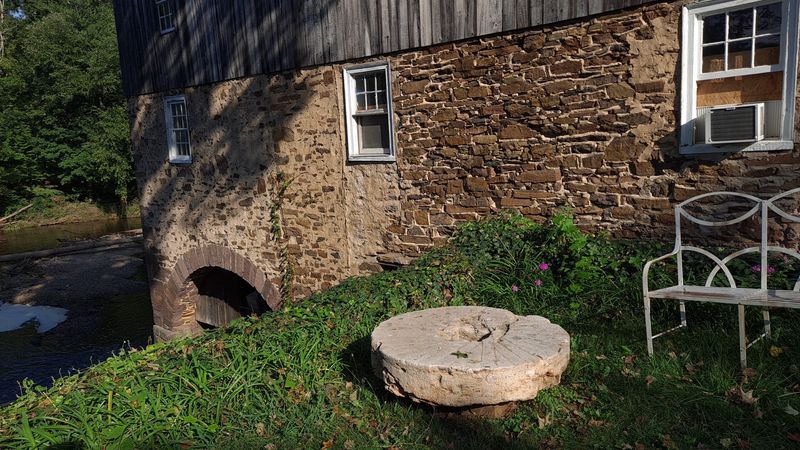
Most historic mills settled into retirement long ago, but Castle Valley Mill in Bucks County never got the memo. The property’s milling history traces back to 1730, and antique stone mills are still used today to grind fresh flours and meals from grain.
This is a working mill, not a museum display.
Visitors can stop in on designated shopping days to purchase freshly ground products directly from the mill. The range typically includes cornmeal, whole wheat flour, and other stone-ground grains that have a different character than commercially processed alternatives.
Seeing a centuries-old milling tradition continue as a genuine, productive business rather than a heritage attraction is what makes Castle Valley Mill genuinely unusual. The mill connects Bucks County’s colonial past to the present in the most practical way possible: by still doing exactly what it was built to do.
Haines Mill Museum, Allentown, Pennsylvania
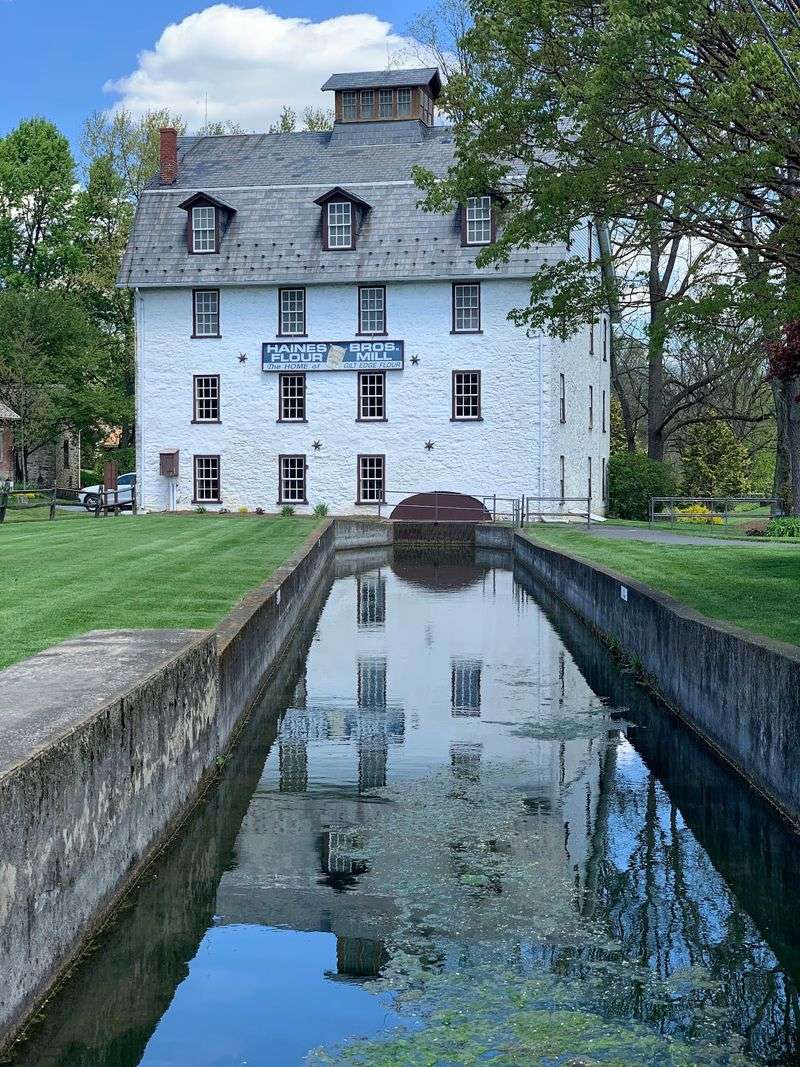
The Lehigh Valley’s agricultural history gets a tangible home at Haines Mill Museum in Allentown. The stone gristmill dates largely to the 19th century, though its interior was rebuilt following a fire in 1908, and the building continued operating commercially until 1957, making it one of the later survivors among Pennsylvania’s active mills.
Today the preserved milling equipment inside tells the story of how grain processing worked before mechanized agriculture changed everything. The park-like grounds surrounding the mill give the site an especially welcoming atmosphere for casual visitors who might not be dedicated history buffs.
Allentown tends to draw attention for its urban core, so finding a well-preserved stone gristmill tucked into a green, quiet corner of the city can genuinely catch people off guard. Haines Mill Museum rewards anyone willing to look beyond the obvious attractions that usually fill a Lehigh Valley itinerary.
Helfrich Springs Grist Mill, Whitehall, Pennsylvania
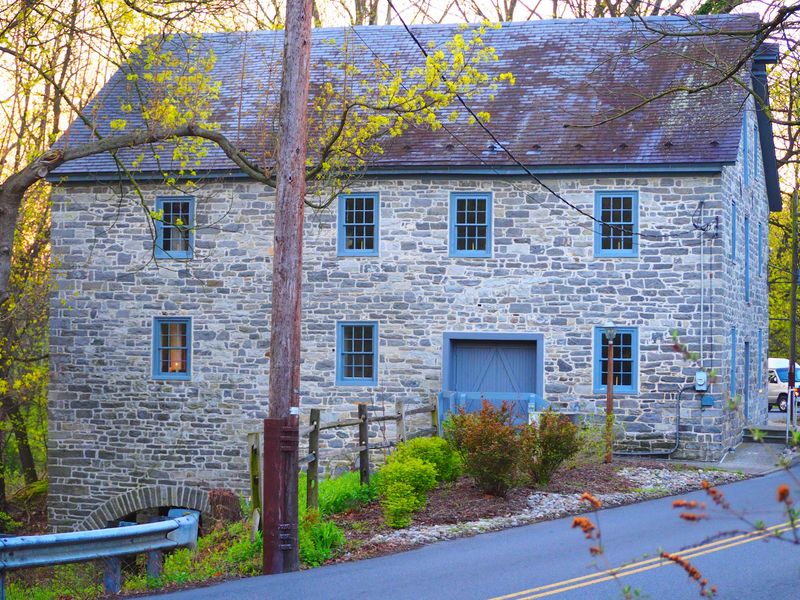
Peter Grim built this handsome stone structure in 1807, and it became one of several gristmills that once served Whitehall Township in Lehigh County. Time and changing industry claimed the others, but Helfrich Springs Grist Mill survived to become the last one standing from that original group.
The Whitehall Historical Preservation Society eventually took on the task of preserving the building and transforming it into a local history museum. The society’s work ensured that the mill’s story, and the broader story of the township’s agricultural past, would not simply disappear along with the machinery that once powered the operation.
The secluded, heavily wooded setting around the mill contributes to what makes visiting it feel like a genuine find. Helfrich Springs is not the kind of place you stumble across by accident, and that sense of discovery makes it one of the more rewarding stops on any Pennsylvania mill tour.
Illick’s Mill, Bethlehem, Pennsylvania
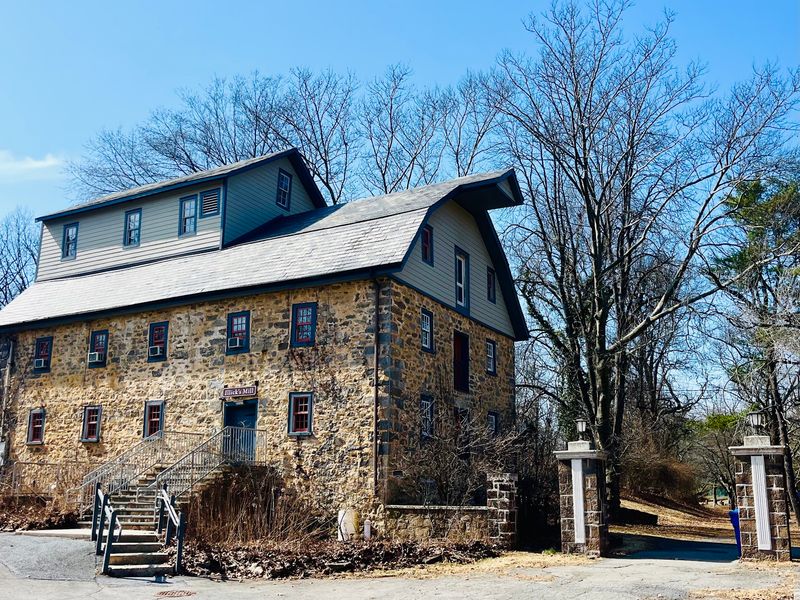
Bethlehem is famous for its steel industry, so finding a beautifully restored 19th-century stone gristmill tucked inside Monocacy Park can feel like discovering a completely different version of the city. Illick’s Mill was built in 1856 and later became the architectural centerpiece of the park that grew up around it.
The City of Bethlehem maintains the restored building, which serves multiple purposes today, including conservation work and private events. Creekside paths and historic stonework surrounding the mill make it one of the more photogenic mill sites in the Lehigh Valley.
What makes Illick’s Mill particularly interesting is the contrast it provides. Bethlehem built its modern identity on heavy industry, and here, just a short distance from that legacy, stands a quiet stone mill that reminds visitors the region had a very different kind of industrial life long before the steel furnaces arrived.
Shoaff’s Mill, Newport, Pennsylvania
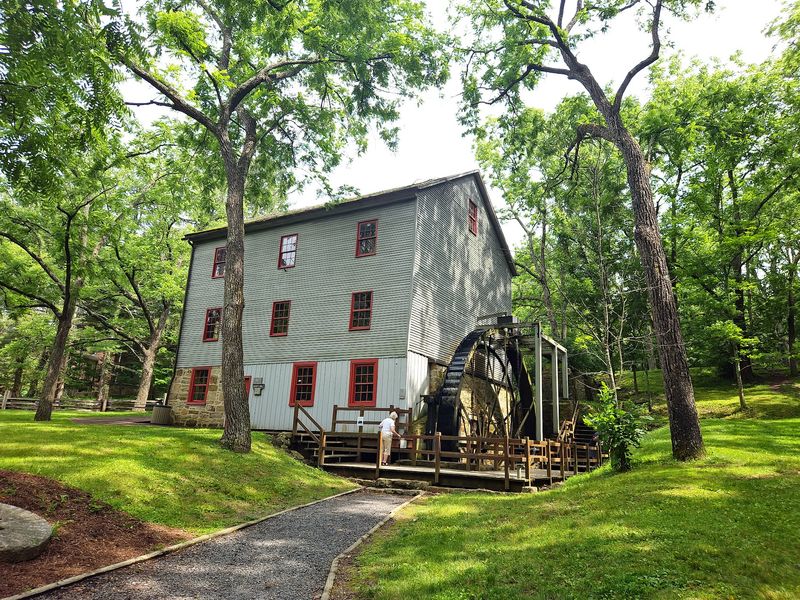
Inside Little Buffalo State Park in Perry County, Shoaff’s Mill draws visitors with one of its most visually striking features: a large steel waterwheel that remains a focal point of the restored structure. The 19th-century mill was renovated as a working historic attraction, and its machinery has been brought back into functional condition.
Demonstrations at Shoaff’s Mill can include corn grinding and other traditional milling activities, which gives visitors the chance to see the building operating rather than simply standing still. That distinction matters, because a mill in motion tells a very different story than a locked-up exhibit.
The park setting adds to the appeal, with wooded trails and creekside scenery surrounding the mill on all sides. Perry County is often overlooked by visitors heading to more famous destinations, but Shoaff’s Mill gives this quiet corner of central Pennsylvania a genuine historic anchor.
Laughlin Mill, Newville, Pennsylvania
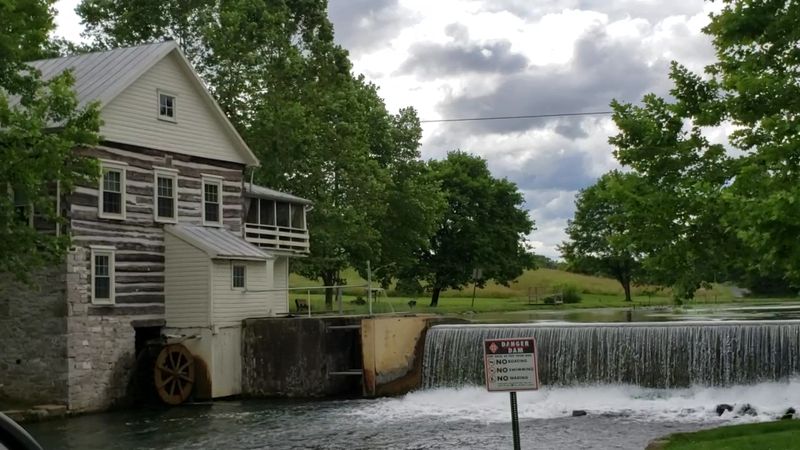
Big Spring in the Cumberland Valley is one of those natural features that made early Pennsylvania settlement practical, and Laughlin Mill was built to take advantage of it around the early 1760s. The compact stone gristmill operated under the Laughlin family name for multiple generations, becoming one of those rural fixtures that anchored community life for well over a century.
The machinery was eventually removed, but the structure itself was carefully restored, preserving the exterior and the relationship between the building and its water source. The waterside location along Big Spring remains one of the mill’s most appealing features.
For a roadside historic site, Laughlin Mill has a remarkable ability to transport visitors back in time without requiring much imagination. The age of the fabric, the proximity of the water, and the quiet Cumberland Valley setting do most of that work on their own.
Wallace Cross Mill Historic Site, Felton, Pennsylvania
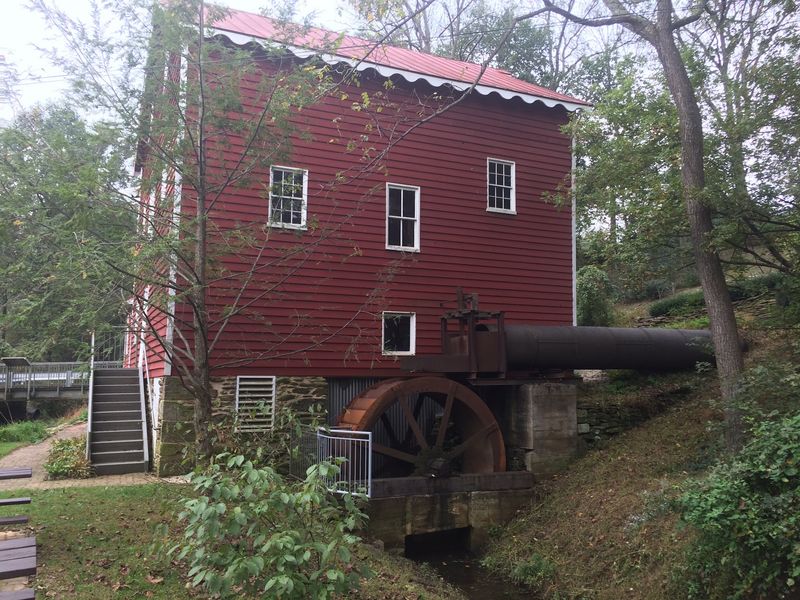
The year 2026 marks the 200th anniversary of Wallace Cross Mill, which makes this an especially good time to pay attention to a York County historic site that often flies under the radar. The water-powered gristmill was constructed in 1826, and the original waterwheel and milling equipment have been restored so visitors can understand how the building actually functioned.
Exhibits spread through the building connect the mill to the agricultural economy that made rural York County productive throughout the 19th century. A working mill in this part of Pennsylvania was not just a business; it was a gathering point where farmers brought their grain and caught up with neighbors.
Seasonal open houses give the public access to the interior on a regular schedule. The restoration work here is thorough enough that Wallace Cross Mill feels like an active historical resource rather than a building that has simply been kept from falling down.
Bowmansville Roller Mill, Narvon, Pennsylvania
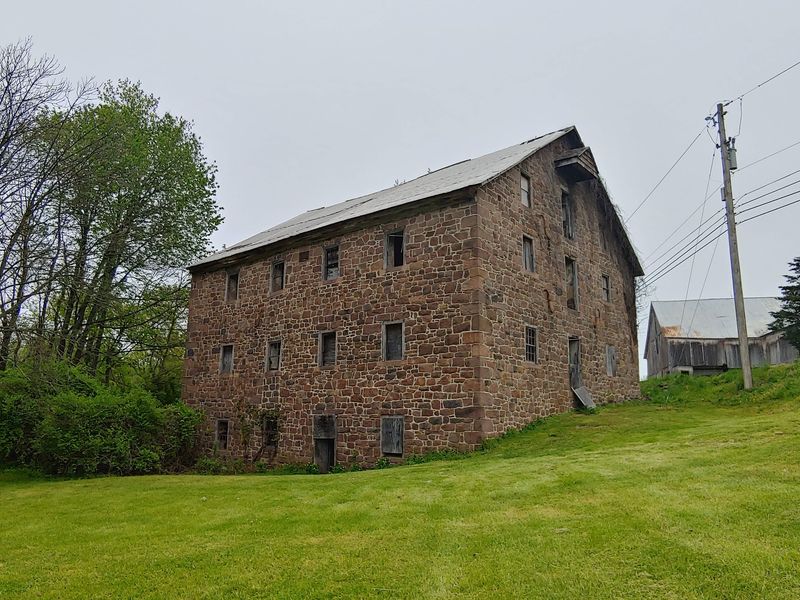
Lancaster County’s stone construction tradition produced buildings that were built to last, and Bowmansville Roller Mill is a prime example of that durability. The main mill was built in 1850, and the historic complex includes not just the grist and roller mill building but also a sawmill and remnants of the water management system that powered everything.
Commercial milling at the site ended around 1945, but the preserved complex retains enough of its original character to give visitors a clear picture of how a multi-function rural mill operation was organized. The combination of grain processing and lumber milling on a single property reflects how versatile these sites needed to be.
Narvon is a quiet corner of Lancaster County, and Bowmansville Roller Mill fits that character perfectly. The site offers a grounded, honest look at the industries that shaped rural Pennsylvania waterways without requiring any particular historical background to appreciate.
Durham Grist Mill, Riegelsville, Pennsylvania
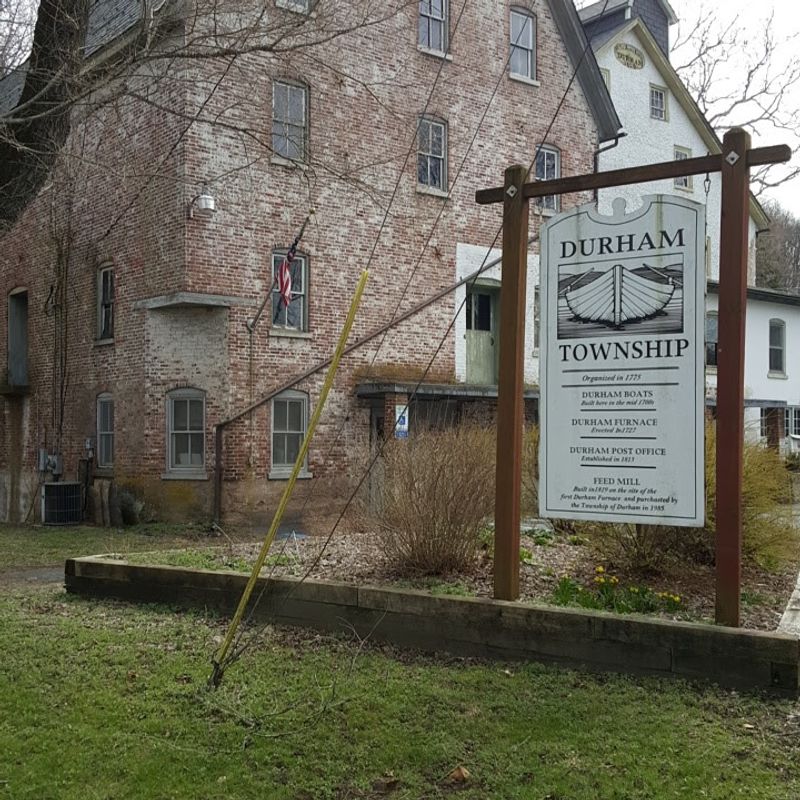
Two separate chapters of Pennsylvania industrial history overlap at Durham Grist Mill, which was built in 1820 on the foundations of the earlier Durham Furnace. That earlier ironmaking operation connected the site to Pennsylvania’s colonial-era metal industry before agriculture took over as the primary purpose of the property.
The three-story stone mill remained commercially active until 1967, which is a remarkably recent end date for a 19th-century rural mill. That extended operating life means the building saw continuous use across nearly 150 years, adapting to changing grain markets and milling technologies along the way.
The substantial stone exterior still makes an impressive landmark in rural Bucks County, and the building’s layered history gives it a more complex story than most single-purpose mill sites. Durham Grist Mill is the kind of place that rewards visitors who take time to read the details rather than just admire the stonework from the road.
Share this story