Some words we use every single day were once the last names of real people. A sandwich, a silhouette, a boycott – these are not just random terms.
They each carry the story of a person who lived, worked, and left behind something much bigger than themselves. Here are 14 fascinating people whose names quietly slipped into the English language and never left.
John Montagu, 4th Earl of Sandwich – Sandwich
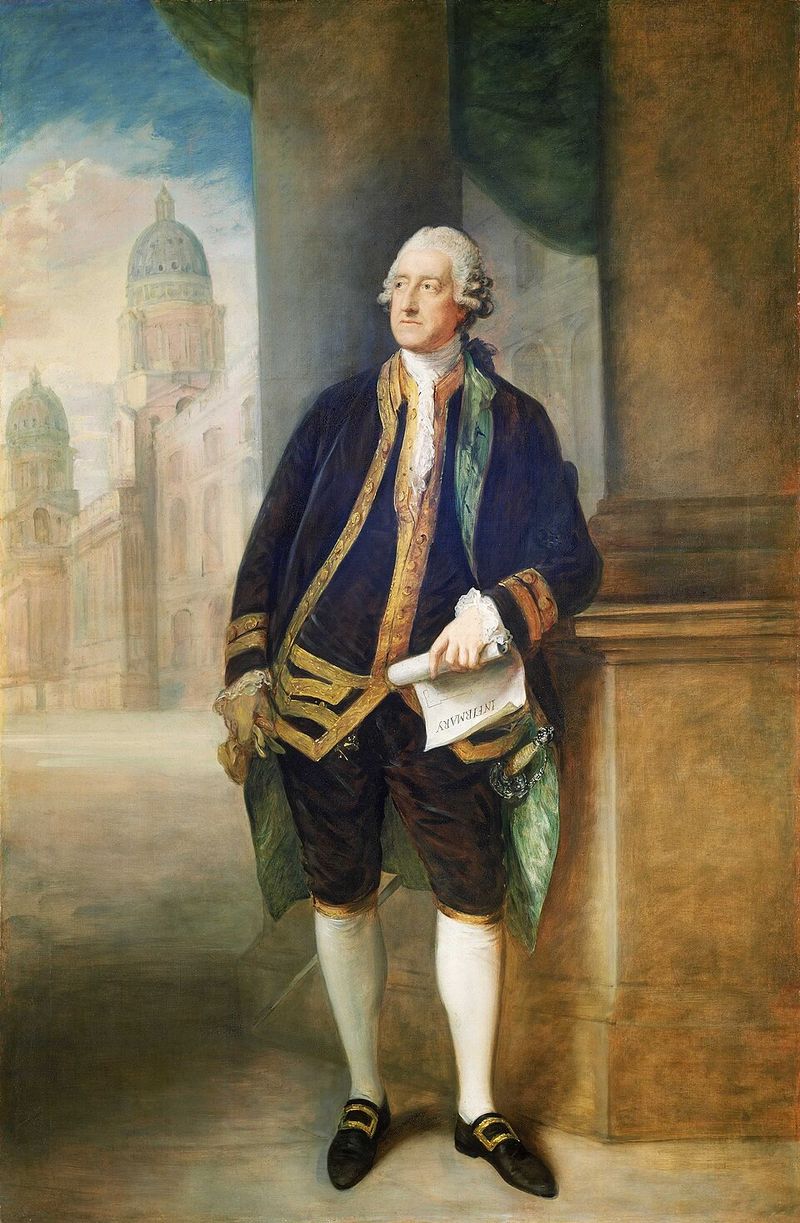
Picture a busy nobleman too caught up in work or cards to stop for a proper meal. That was John Montagu, the 4th Earl of Sandwich, who reportedly asked for meat tucked between two slices of bread so he could keep eating without making a mess.
Whether the story is entirely true or slightly embellished, the name stuck.
Born in 1718, Montagu served as First Lord of the Admiralty in Britain. He was a busy, influential figure, and the simple food request he made became one of the most recognized words in the world.
Today, billions of sandwiches are consumed globally every year.
From peanut butter and jelly to club sandwiches stacked three layers high, his name feeds the world. Not many people can say their legacy shows up in every lunch box on the planet.
Louis Braille – Braille
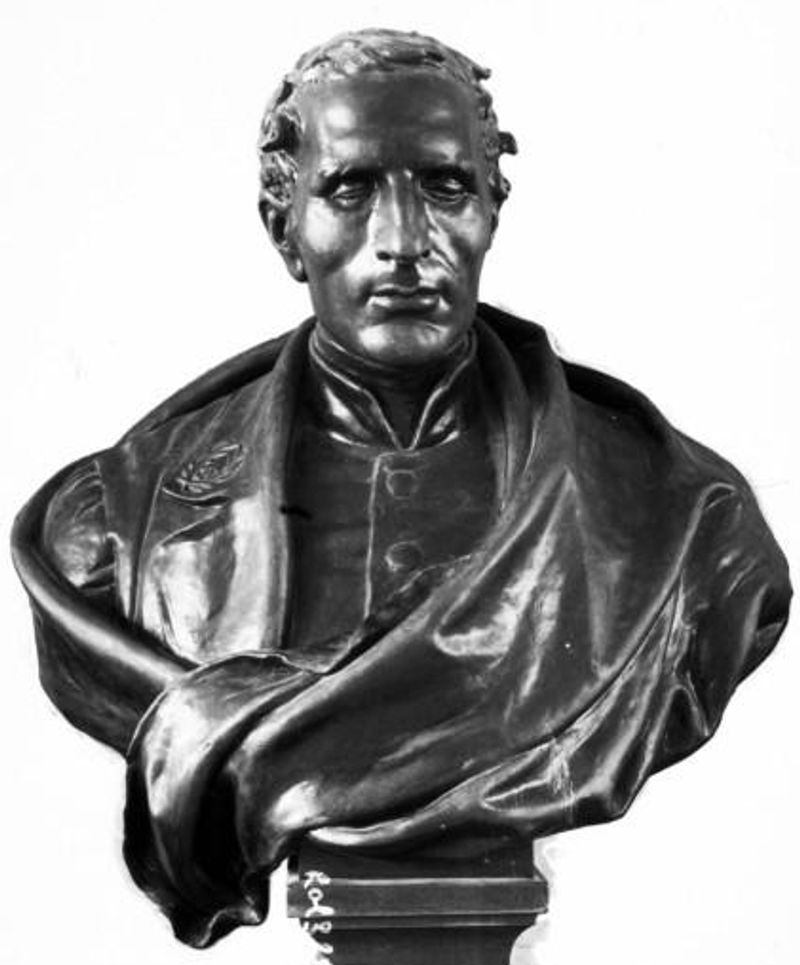
Louis Braille lost his sight at the age of three after an accident in his father’s workshop. Rather than letting that define his limits, he spent his life rewriting them.
By the time he was fifteen years old, he had already developed a tactile writing system that would change the lives of millions of blind and visually impaired people around the world.
Born in France in 1809, Braille based his system on a military code used at night. He simplified it into a six-dot grid that could represent letters, numbers, and even music.
His invention was not widely adopted during his lifetime, which is a detail that often surprises people.
Today, Braille is used in nearly every language on Earth. His name became the word for the system itself, a quiet but powerful tribute to a young man who refused to accept darkness as a barrier.
Rudolf Diesel – Diesel
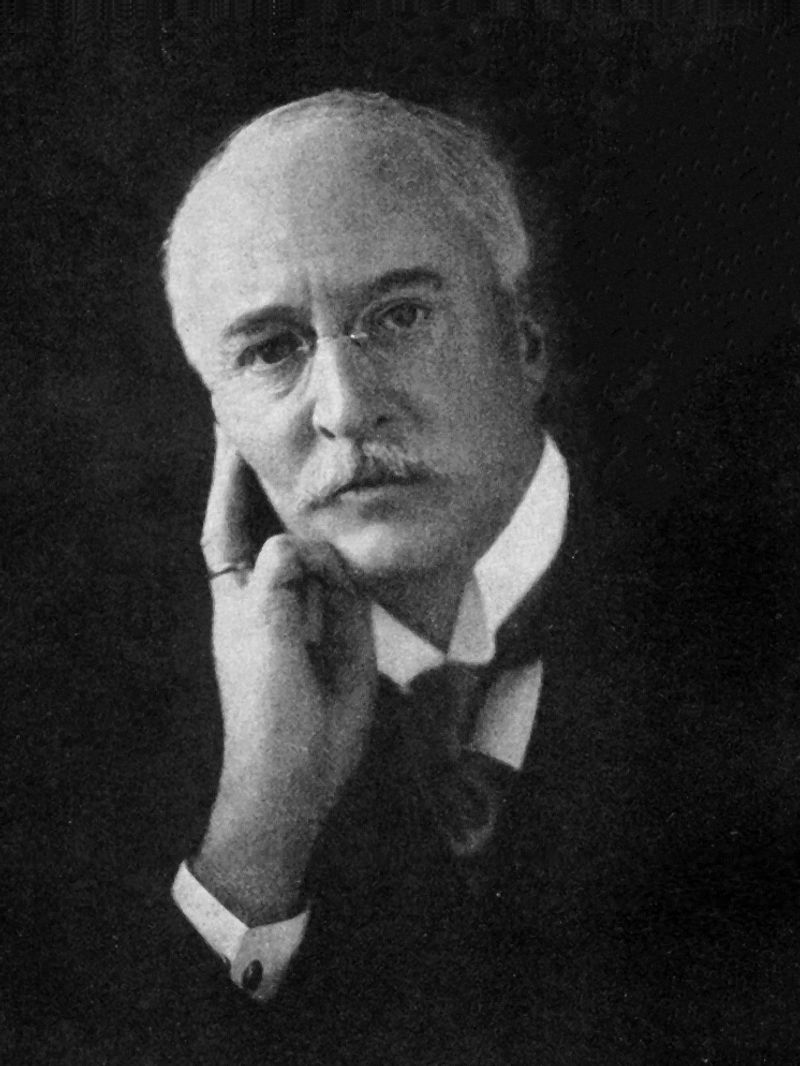
Rudolf Diesel was a German engineer with a bold idea: build an engine that ran more efficiently than anything that existed at the time. He patented his compression-ignition engine in 1892, and it worked so well that it transformed transportation, agriculture, and industry across the globe.
His surname became the name of both the engine type and the fuel it uses.
Diesel grew up in poverty and worked incredibly hard to earn his engineering credentials. His engine was a genuine breakthrough, producing more power with less fuel waste compared to steam engines of the era.
Factories, ships, and eventually trucks all adopted his technology.
Strangely, Diesel disappeared from a ship crossing the English Channel in 1913 under mysterious circumstances. His body was found days later.
The man was gone, but his name lives on every time someone pulls into a fuel station and selects the diesel pump.
Earl Tupper – Tupperware
Earl Tupper was an American chemist and inventor who, in the 1940s, figured out how to turn a byproduct of oil refining into lightweight, flexible, airtight plastic containers. He called his creation Tupperware, and it quietly revolutionized how families stored food at home.
The brand name became so widely used that many people use it as a generic term for any plastic food container.
What made Tupperware famous was not just the product but how it was sold. The Tupperware party, where a host invited friends to a demonstration at home, became a cultural phenomenon in postwar America.
It gave many women a pathway into business during a time when that was far from easy.
Today, calling any reusable plastic container a piece of Tupperware is completely normal in everyday conversation. Earl Tupper turned a plastic scrap into a household name that outlived its inventor by decades.
Charles Boycott – Boycott
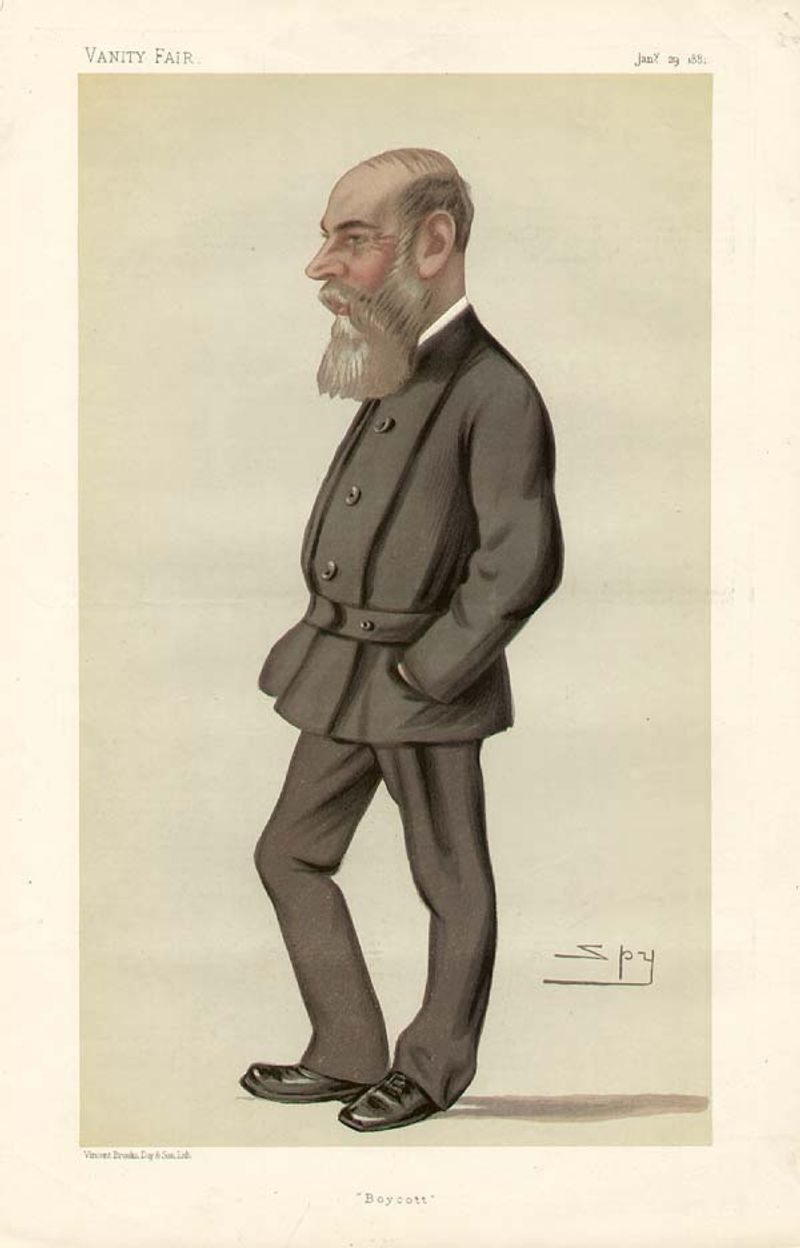
Charles Boycott was a British land agent working in County Mayo, Ireland, in 1880. When he refused to lower rents for struggling tenant farmers and began evicting those who could not pay, the local community responded with something powerful: they simply refused to have anything to do with him.
No one would work his land, sell him goods, or even speak to him.
The strategy, organized with the support of Irish nationalist leader Charles Stewart Parnell, was so effective that it spread as a tactic across the world. Within months, newspapers were using Boycott’s name as a verb to describe this kind of organized social and economic isolation.
Today, people boycott companies, products, and events without ever knowing they are referencing a frustrated land agent from Victorian Ireland. Boycott himself eventually had to leave the country.
His name, however, stayed behind and became a permanent fixture in the English language.
Laszlo Biro – Biro
Laszlo Biro was a Hungarian-Argentine journalist who got tired of fountain pens leaking and smearing across his notes. Watching how quickly newspaper ink dried, he worked with his brother to develop a pen with a tiny rotating ball at the tip that would pick up thicker, faster-drying ink.
He patented his ballpoint pen in 1938, and it changed writing forever.
The design was so practical that the British Royal Air Force adopted it during World War II because it worked reliably at high altitudes where fountain pens failed. After the war, the ballpoint pen spread to the general public and became one of the most used writing tools in history.
In the United Kingdom, Australia, and several other countries, any ballpoint pen is still commonly called a biro, regardless of who made it. Laszlo Biro gave the world a tool so useful that his name became the default word for it.
James Cardigan, 7th Earl of Cardigan – Cardigan
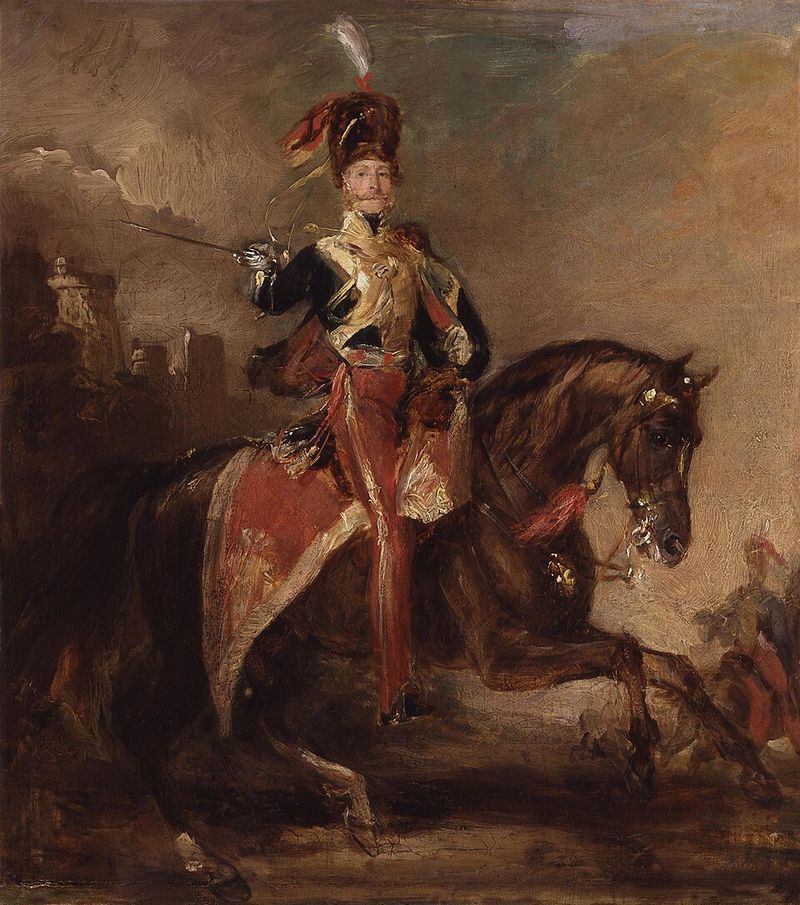
James Brudenell, the 7th Earl of Cardigan, led the infamous Charge of the Light Brigade during the Crimean War in 1854. He was known as much for his vanity and his sharp military uniforms as for his battlefield decisions.
Among the garments he popularized was a knitted, button-front wool jacket worn over a uniform to keep warm in the brutal Russian winter.
British soldiers adopted the style, and when they returned home, the garment came with them. It was named after Cardigan in recognition of the fashion he had championed during the campaign.
The cardigan quietly moved from military wear into everyday fashion over the following decades.
Today, cardigans are a staple in wardrobes worldwide, worn by students, professionals, and everyone in between. The man behind the name was complicated and controversial, but the cozy, practical sweater that carries his title has nothing but warmth associated with it.
Arthur Wellesley, Duke of Wellington – Wellington Boots
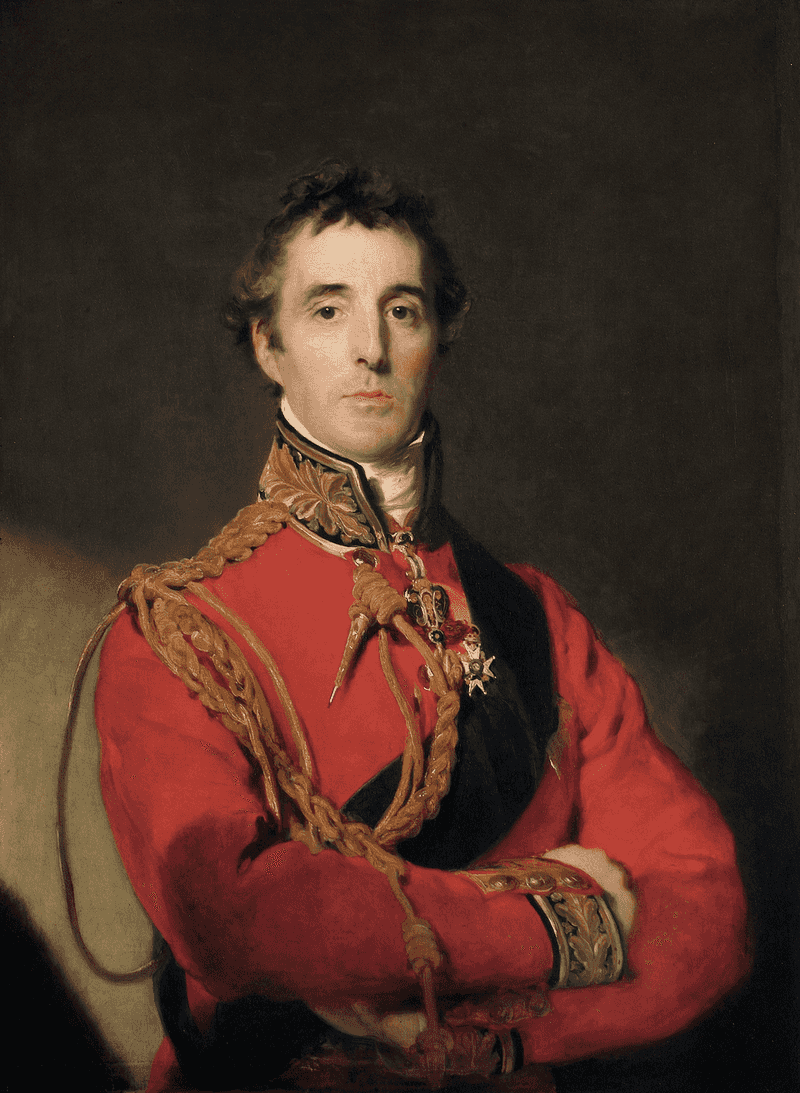
Arthur Wellesley, the Duke of Wellington, was one of Britain’s greatest military heroes. He defeated Napoleon at the Battle of Waterloo in 1815, but he also left behind a fashion legacy that is still very much alive.
Wellington asked his bootmaker to modify the Hessian military boot into something more practical, with a lower heel and a cleaner cut that worked both on and off the battlefield.
The style became fashionable among British gentlemen who admired Wellington, and eventually the design was made in rubber, creating the waterproof boot we know today. In Britain and Ireland, rubber rain boots are still universally called wellies or Wellington boots.
From muddy music festivals to rainy farm mornings, Wellington boots are everywhere. Not bad for a footwear modification requested by a duke who was probably more focused on defeating Napoleon than on starting a lasting trend in outdoor fashion.
John Loudon McAdam – Macadam
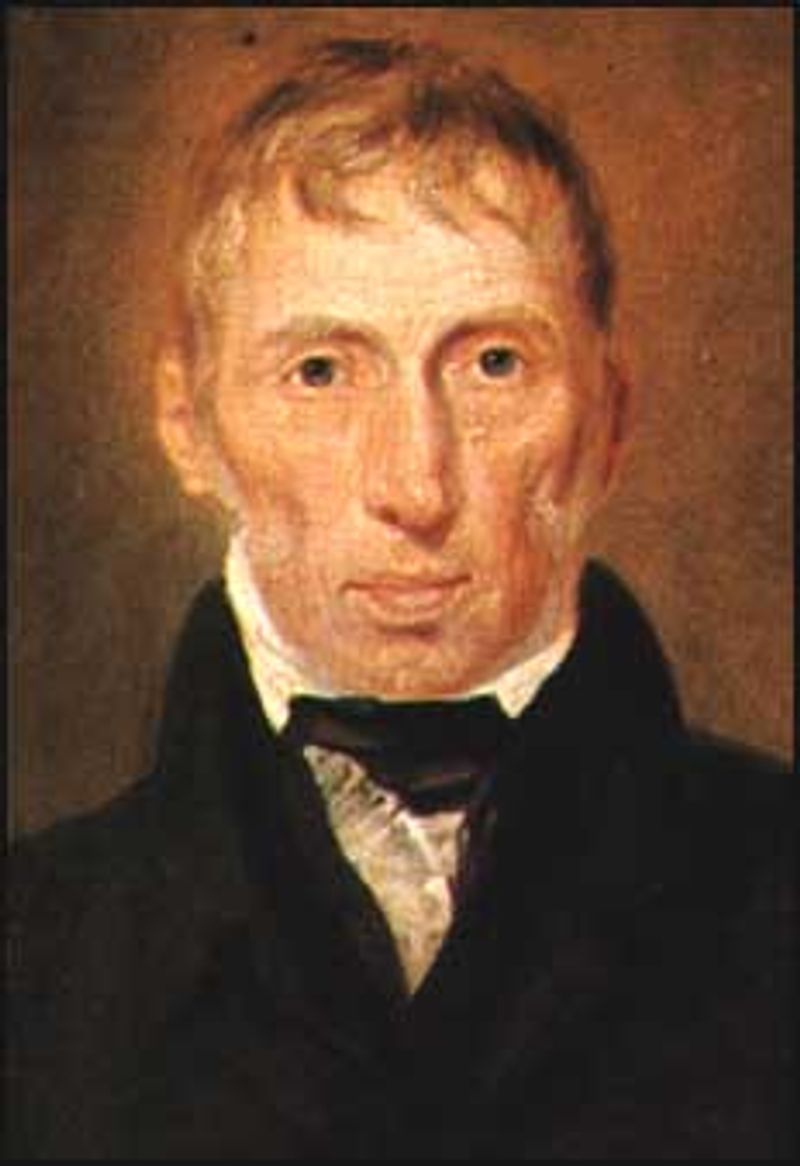
Before John Loudon McAdam came along, roads in Britain were often muddy, rutted, and practically unusable in wet weather. McAdam, a Scottish engineer born in 1756, developed a revolutionary method of road construction that used layers of small, carefully sized crushed stones packed tightly together.
The result was a smooth, durable surface that drained water efficiently and held up under heavy traffic.
His technique was adopted widely across Britain and eventually spread to other countries. The road surface built using his method became known as a macadam road.
Later, when tar was added to bind the stones together, the material became known as tarmacadam, which was eventually shortened to tarmac.
Every time someone drives on a smooth road or hears the word tarmac at an airport, they are unknowingly referencing a Scottish engineer who figured out how to make roads actually work. McAdam quite literally paved the way for modern travel.
Adolphe Sax – Saxophone
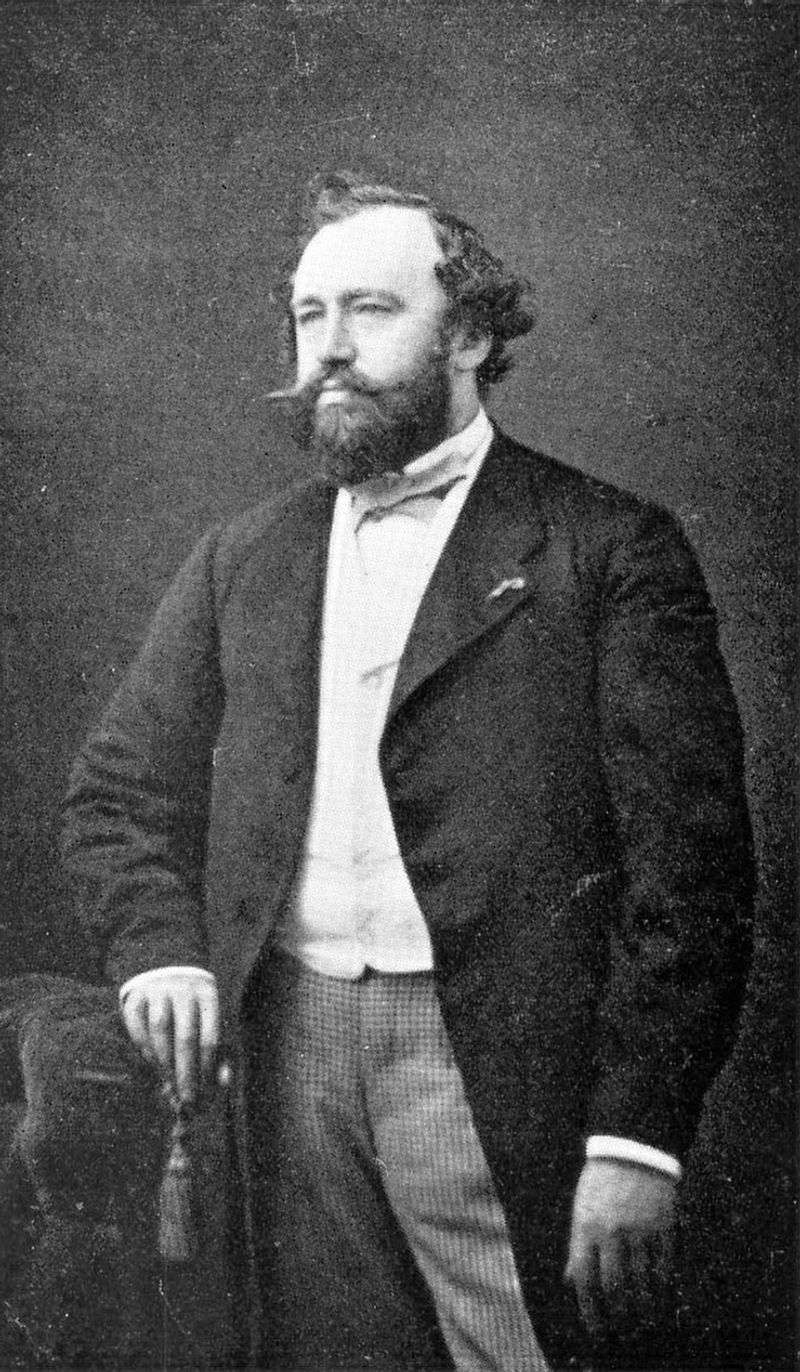
Adolphe Sax was a Belgian instrument maker with a gift for creative problem-solving and a stubborn belief in his own ideas. In the early 1840s, he set out to design an instrument that could bridge the gap between the power of brass instruments and the agility of woodwinds.
What he came up with was unlike anything that existed at the time: the saxophone.
Sax patented the instrument in 1846 and spent years defending his invention against competitors who tried to copy and undercut him. His personal life was marked by accidents and legal battles, yet he kept creating.
The saxophone found its home in military bands first, then in classical music, and eventually became the defining voice of jazz.
Naming an instrument after its inventor was not unusual at the time, but few eponymous instruments have had the cultural impact of the saxophone. Adolphe Sax built something the world genuinely did not know it needed.
Nicolas Chauvin – Chauvinism
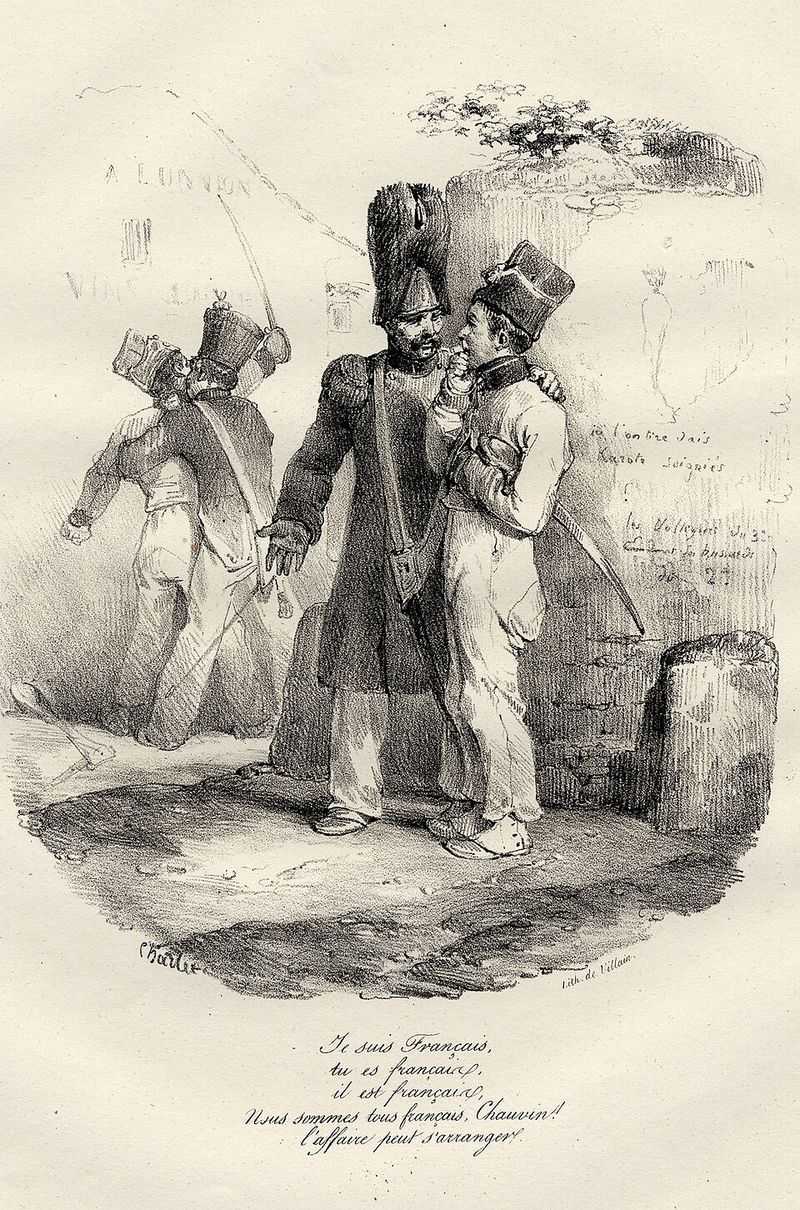
Nicolas Chauvin may or may not have been a real person, but his story was real enough to change the language. He was said to be a soldier in Napoleon’s army who was so aggressively devoted to France and to Napoleon that he became a figure of mockery.
His exaggerated patriotism was portrayed in popular plays and satirical works throughout the early 19th century.
The character became so well known that his name turned into a word: chauvinism. Originally, it described excessive and aggressive patriotism or nationalism.
Over time, the word evolved and broadened, eventually giving rise to the phrase male chauvinism in the 20th century to describe the belief that men are superior to women.
Whether Chauvin was a real soldier or a fictional creation, his name took on a life far beyond any battlefield. Today, the word chauvinism is used in political, social, and cultural conversations around the world, carrying a meaning much larger than one French soldier’s pride.
Niccolo Machiavelli – Machiavellian
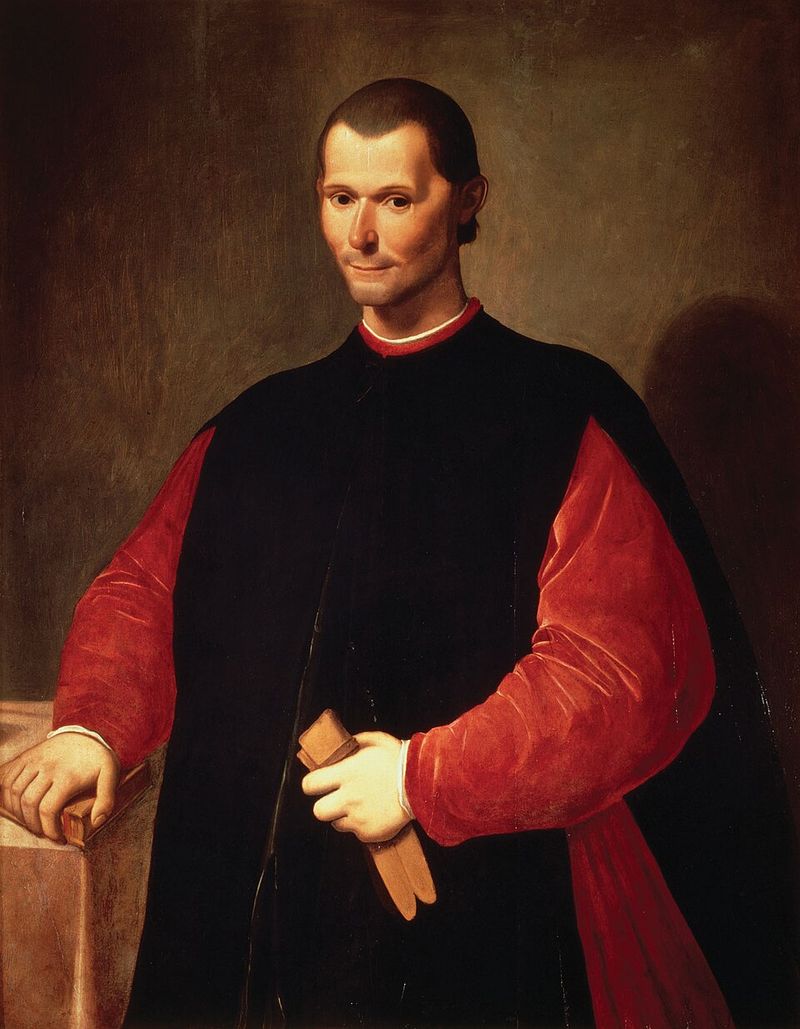
Niccolo Machiavelli was a Florentine diplomat and writer who lived from 1469 to 1527. His most famous work, The Prince, was a guide to political power that argued rulers should be willing to use cunning, deception, and ruthlessness when necessary to maintain control.
He was not endorsing cruelty for its own sake, but his ideas were considered shockingly blunt for the time.
Over the centuries, his name became an adjective: Machiavellian. It describes someone who is scheming, manipulative, and willing to do whatever it takes to get ahead, regardless of ethics.
Politicians, business rivals, and fictional villains are all described this way.
Scholars often argue that Machiavelli has been misunderstood and that The Prince was more of a realistic observation than a personal moral code. Still, Machiavellian stuck.
His name became shorthand for calculated manipulation, a label that has followed him through five centuries of history and shows no sign of fading.
Franz Mesmer – Mesmerize
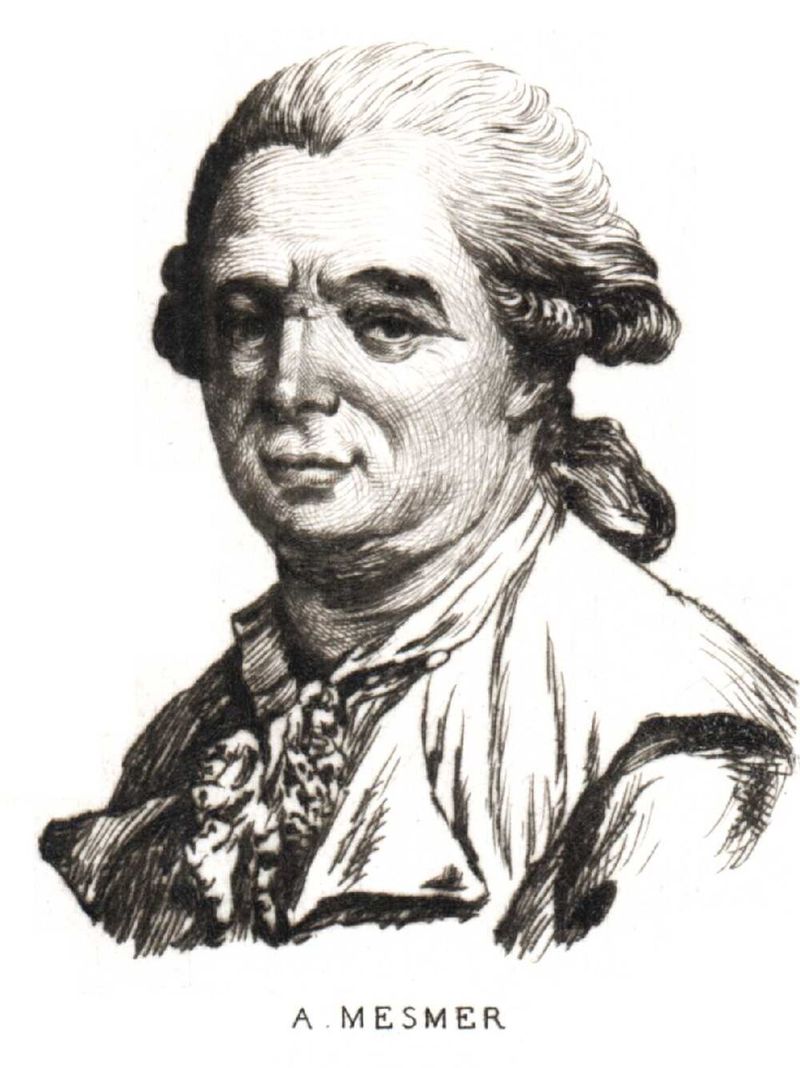
Franz Mesmer was an 18th-century German physician who believed that a mysterious invisible force flowed through all living things, which he called animal magnetism. He claimed he could manipulate this force to heal patients, and his sessions in Paris drew enormous crowds.
People would sit around a tub filled with iron filings, hold metal rods, and wait to feel the effects of his supposed healing energy.
His methods were theatrical, strange, and eventually dismissed by a royal scientific commission that included Benjamin Franklin. But something about his sessions clearly had an effect on people, likely through what we now understand as hypnotic suggestion.
The techniques he used became the foundation for early hypnotherapy.
The verb mesmerize, meaning to hold someone completely spellbound or transfixed, comes directly from his name. Today it has nothing to do with magnets or invisible forces.
It simply means to captivate someone so fully that they cannot look away.
Dr. Joseph-Ignace Guillotin – Guillotine
Joseph-Ignace Guillotin was a French physician and member of the National Assembly who, in 1789, proposed a more humane method of execution. He argued that if capital punishment was to exist, it should at least be quick and equal for all citizens, regardless of social class.
The beheading device that was eventually adopted bore his name, even though he did not actually design or invent it.
Guillotin was reportedly horrified that his name became attached to the machine. He spent years trying to distance himself from it and reportedly petitioned to have the name changed.
His family was so embarrassed after his death in 1814 that they changed their own surname.
The guillotine was used extensively during the Reign of Terror and remained France’s official method of execution until 1977. The word itself entered languages around the world.
Guillotin wanted to reduce suffering, and history rewarded him by permanently connecting his name to one of history’s most feared instruments.
Share this story