Most people think finding a beautiful island means sharing it with thousands of other tourists. But there are still places out there where the beaches feel calm, the trails are quiet, and the local culture hasn’t been buried under souvenir shops and resort pools.
These islands exist on every corner of the globe, from the Caribbean to the Pacific to the North Atlantic. If you’re ready to trade the packed vacation hotspot for something a little more real, this list is worth saving.
Lord Howe Island, Australia
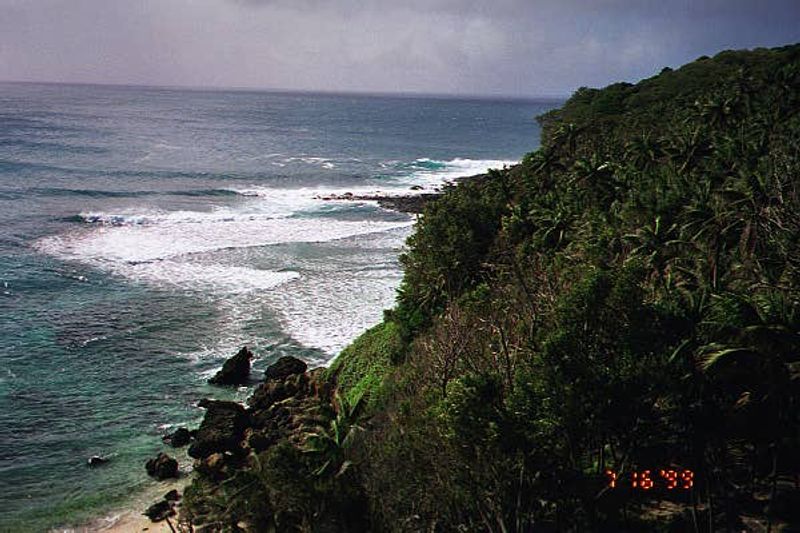
Only 400 tourists are allowed on Lord Howe Island at any given time. That is not a typo.
Tourism Australia confirms this strict visitor cap, which exists to protect one of the most ecologically sensitive World Heritage sites in the Southern Hemisphere.
The island sits off New South Wales and offers turquoise lagoon water, coral reefs, walking trails, and two dramatic mountains that frame the landscape. You can snorkel, hike, cycle, or birdwatch without the resort-heavy atmosphere that defines so many tropical destinations.
Lord Howe is not a budget trip, and booking well in advance is essential because availability fills up fast. But that controlled access is exactly what makes the experience so different.
You are not fighting for a spot on the beach or waiting in line for a trail. The island moves at its own pace, and visitors are expected to follow along.
Folegandros, Greece
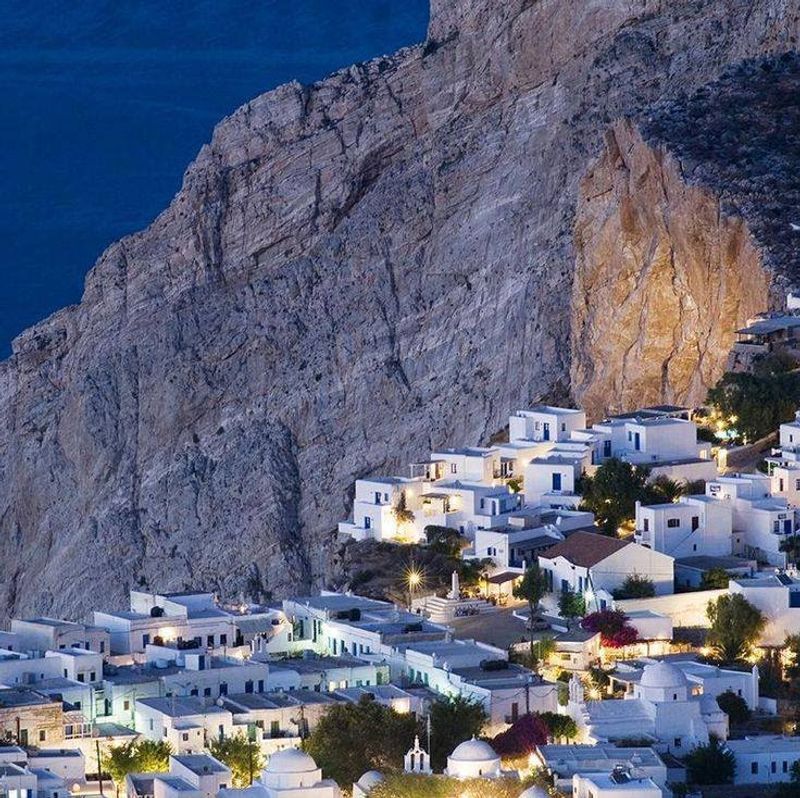
Folegandros is what people picture when they imagine a classic Greek island, before they arrive at Santorini and discover the cruise ship crowds. The official tourism site describes it as still shaped by mild development and largely untouched by mass tourism, which is a rare claim for a Cycladic island in the modern era.
The hilltop Chora is the visual centerpiece, with whitewashed buildings sitting above dramatic sea cliffs. Below, simple beaches and traditional tavernas offer the kind of relaxed afternoon that feels increasingly hard to find in Greece’s most photographed corners.
July and August are still busy by Folegandros standards, but busy here means something very different than it does on Mykonos. The island does not have a party reputation or a cruise port drawing thousands of day visitors.
Travelers who want Cycladic scenery, good food, and quiet sunsets will find Folegandros fits that description well.
Vis, Croatia
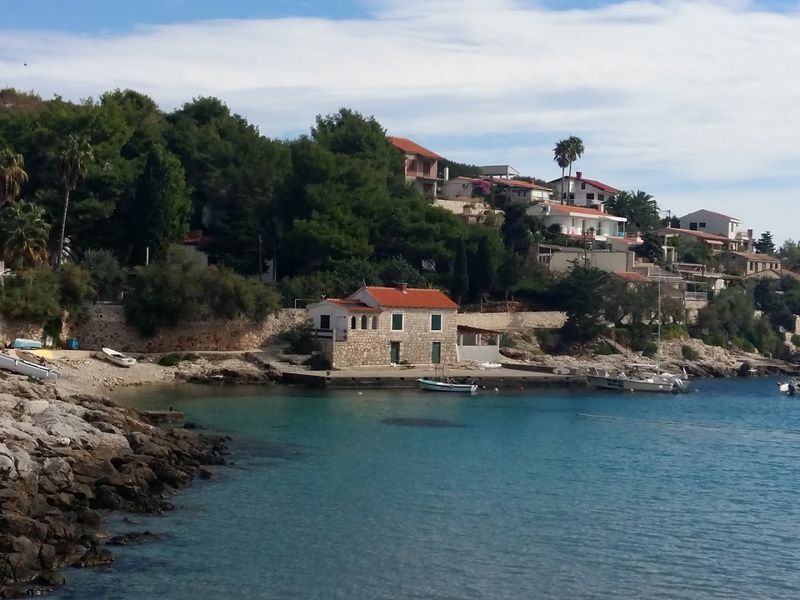
Vis has a different personality from Croatia’s more famous Adriatic stops, and its distance from the mainland is a big part of why. The island is reachable by ferry from Split, including year-round car ferry service, but it sits far enough out to have kept a slower, more grounded character.
The Vis Tourist Board promotes the island for quiet bays, clear sea, active holidays, and places like Stiniva Bay, which is one of the most striking coves on the entire Adriatic coast. Stone streets, fishing villages, local food, and coastal views define the experience more than nightlife or resort pools.
Vis became more internationally recognized after appearing in “Mamma Mia! Here We Go Again,” so high summer does bring more visitors than it once did.
But compared with Dubrovnik or Hvar during peak season, the atmosphere here remains noticeably calmer. It rewards travelers who take their time.
Pico Island, Azores, Portugal
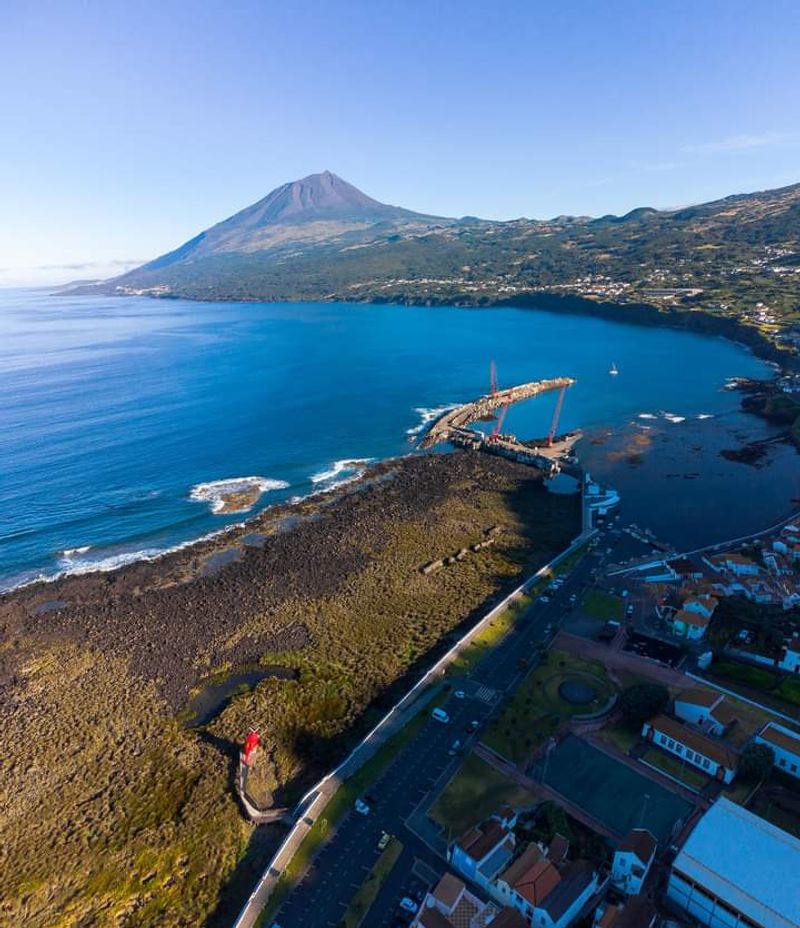
Portugal’s highest mountain is not on the mainland. Mount Pico rises from the Atlantic on Pico Island in the Azores, and its volcanic silhouette is visible from neighboring islands on a clear day.
The landscape here is built from lava, and that geological character shapes everything from the hiking trails to the UNESCO-listed vineyards.
Visit Pico confirms the island is accessible by air and sea, with flights and ferry connections from nearby Faial and São Jorge. That makes it practical to include in a broader Azores trip without much difficulty.
The island’s appeal is not built around resort strips or beach clubs.
Whale-watching heritage, lava formations, coastal villages, and Atlantic ocean views are what draw visitors here. Pico suits active travelers who enjoy nature and don’t expect perfect weather every day.
The Atlantic can be moody, but for those who appreciate dramatic, rugged scenery with real character, this island delivers something genuinely distinct.
La Gomera, Canary Islands, Spain
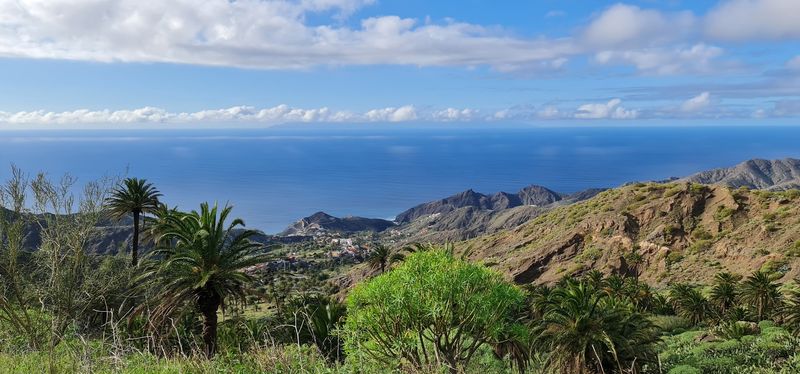
La Gomera shares the same archipelago as Tenerife and Gran Canaria, but the two experiences feel worlds apart. The island has around twenty thousand inhabitants and more than 370 square kilometers of nature, beaches, ravines, and trails, according to official tourism sources.
That ratio of people to landscape is part of what keeps it feeling open.
Garajonay National Park is the centerpiece, a UNESCO World Heritage site known for its ancient laurel forest that predates the last ice age. Hiking through that forest feels genuinely different from the typical sun-and-sand Canary Islands visit.
Beyond the park, the island offers black-sand beaches, quiet villages, and viewpoints that look out over dramatic ravines.
La Gomera connects to the wider Canary travel network by ferry and air, so getting there is not complicated. Once you arrive, though, the pace slows down considerably.
It works best for travelers who want walking, scenery, and local atmosphere over crowded promenades.
Culebra, Puerto Rico
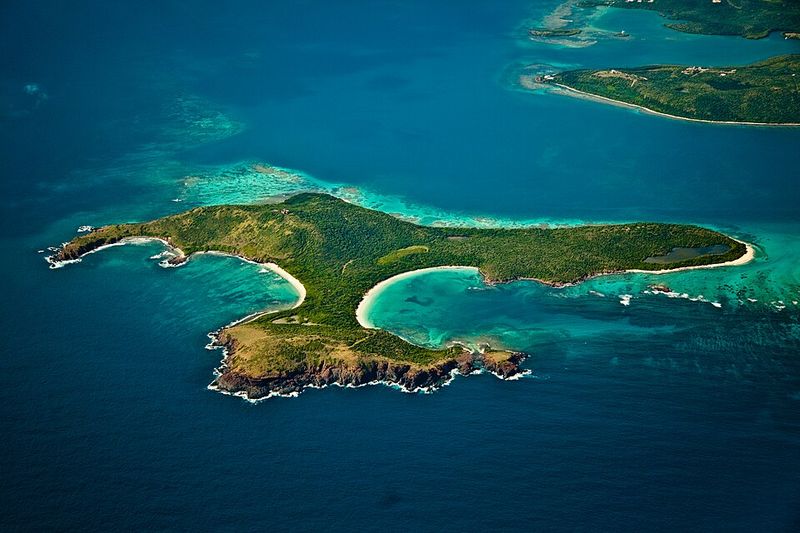
Flamenco Beach on Culebra is one of the most photographed stretches of sand in Puerto Rico, and the island earns that reputation honestly. The water is clear, the sand is white, and the setting is genuinely beautiful.
What keeps Culebra from feeling overrun is mostly a matter of scale.
There are no large resorts dominating the coastline. Visitors arrive by ferry from Ceiba or by small aircraft, and local ferry and visitor information remains active for planning purposes.
Weekend day-trippers do show up, especially at Flamenco, so the island is not a secret. But it is small and low-key in a way that bigger Caribbean destinations simply are not.
Beyond Flamenco, travelers can explore Tamarindo Beach, Zoni Beach, and various snorkeling spots. For U.S. travelers in particular, Culebra offers a relatively straightforward Caribbean escape that still feels more relaxed and personal than the major resort islands nearby.
Dominica
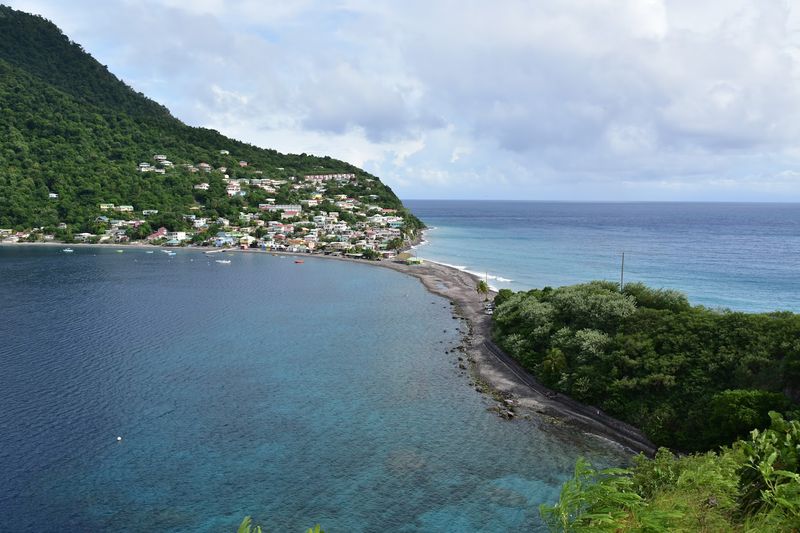
Dominica calls itself the Caribbean’s Nature Island, and that label is not just marketing. The island is genuinely built around rainforests, rivers, waterfalls, volcanic hot springs, and rugged coastlines rather than polished resort strips and manicured beach clubs.
It is a fundamentally different kind of Caribbean experience.
Official tourism information describes the island as offering lush mountains, waterfalls, eco-friendly accommodations, and access from other Caribbean islands with connections from the United States and Europe. Visitors can hike, soak in natural hot springs, explore the Kalinago Territory, or spend time along black-sand beaches and coastal villages.
Dominica is not the right fit for travelers who want a simple beach-and-pool vacation. The infrastructure is more nature-focused than luxury-focused, and the island rewards curiosity over convenience.
For those who want a wilder, greener, less commercialized Caribbean island, Dominica is one of the most compelling options on the entire map.
Bequia, St. Vincent and the Grenadines
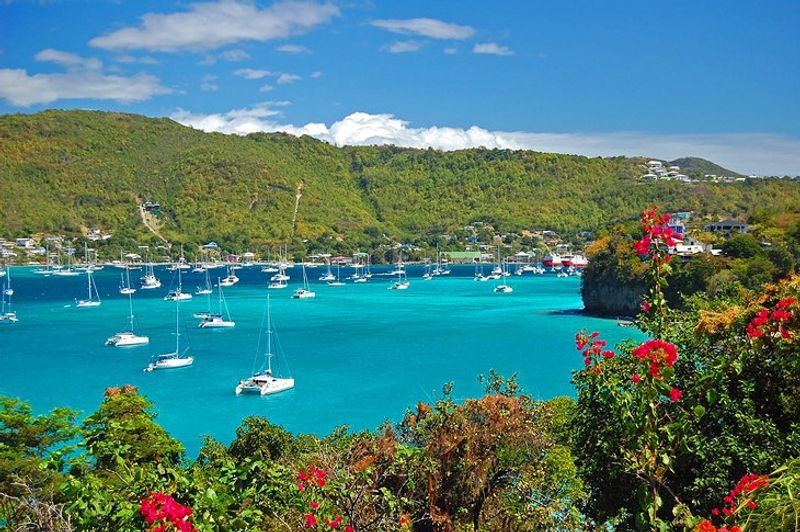
Bequia still feels personal in a way that many Caribbean islands have lost. The Bequia Tourism Association’s official site provides active visitor information covering hotels, villas, scuba diving, sailing, history, and the Bequia Heritage Museum.
Ferry access is confirmed through Bequia Express, which runs regular service between St. Vincent and Bequia.
The island has beaches, diving, local restaurants, guesthouses, and boutique hotels, but it does not have the heavy resort footprint found on more famous Caribbean stops. Admiralty Bay is a hub for sailing culture, and the harbor atmosphere gives the island a lived-in, maritime character that feels authentic rather than staged.
Bequia works especially well for travelers who enjoy harbor views, fresh local food, boat trips, and a community that actually interacts with visitors. It is beautiful without feeling overproduced.
That combination of accessibility and genuine small-island atmosphere is exactly why many people who visit once tend to come back.
Saba, Dutch Caribbean
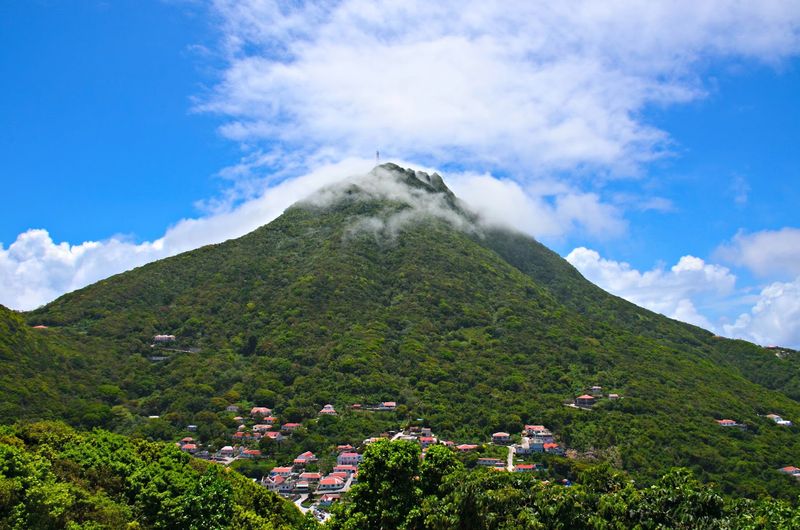
Saba has no long sandy beaches, and that is entirely by design. Known as the “Unspoiled Queen” of the Caribbean, this small Dutch island is steep, green, and dramatic, built for hikers and divers rather than sun loungers.
The terrain rises sharply from the sea, and the island’s roads wind through cloud forest and volcanic slopes.
Saba Tourism highlights 20 hiking trails covering different vegetation zones, including routes that reach the cloud forest around Mount Scenery. Underwater, the island is equally compelling, with volcanic formations, seamounts, reefs, and diverse marine life drawing serious divers from around the region.
Because Saba lacks the setup that typically supports mass tourism, it naturally filters for a specific kind of traveler. People come here for trails, ocean, quiet streets, and a sense of discovery that is harder to find on bigger Caribbean islands.
Small does not mean underwhelming when the setting is this striking.
Rodrigues Island, Mauritius
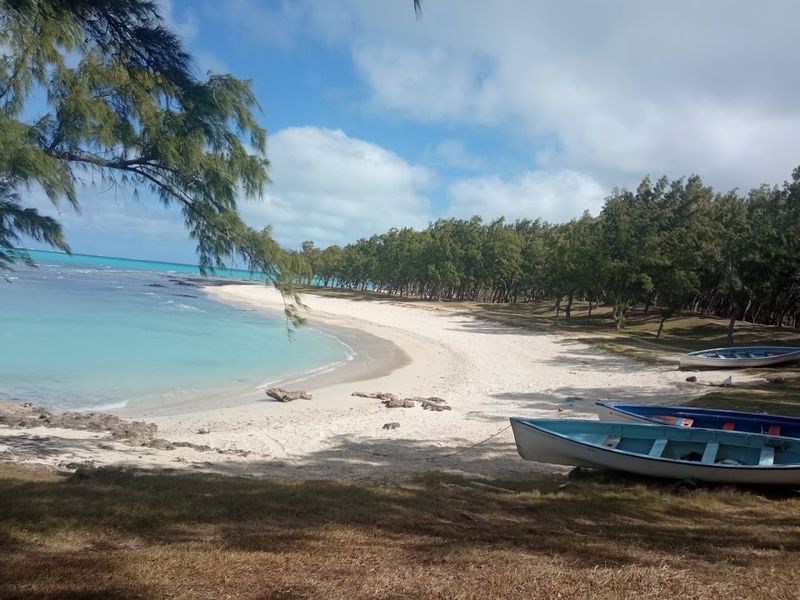
Rodrigues sits far east of Mauritius and operates at a noticeably quieter frequency than its famous neighbor. The Rodrigues Tourism Office describes it as a year-round tropical destination with a warm, generally drier climate than Mauritius, and the island’s planning information is active and accessible for visitors.
Lagoons, beaches, caves, hiking trails, viewpoints, kite surfing, and local food markets are among the draws. Rodrigues is not trying to compete with the polished luxury of the Maldives or Seychelles, and that is precisely its advantage.
The experience here is more grounded, more local, and more connected to everyday island life.
Travelers who arrive expecting five-star resort infrastructure may find the island simpler than expected. But for those who want color, coastlines, fresh air, and an Indian Ocean destination that hasn’t been reshaped entirely around international tourism, Rodrigues offers something genuinely refreshing.
It is an island that still belongs to its own community first.
Koh Yao Noi, Thailand
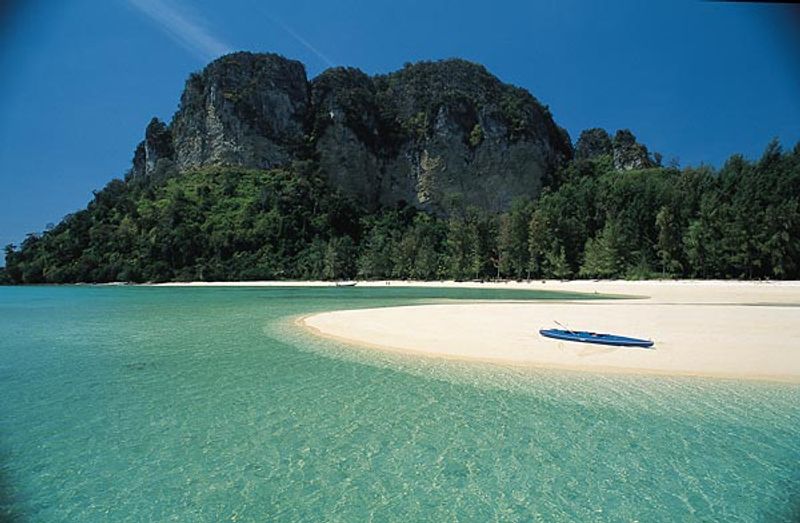
Sitting in Phang Nga Bay between Phuket and Krabi, Koh Yao Noi occupies one of the most scenic stretches of water in Southeast Asia. The Tourism Authority of Thailand notes that the island supports ecosystem balance, uses solar power, and has conservation efforts around hornbills, making it one of the more environmentally conscious island communities in the region.
The island offers sea views, rice fields, small beaches, village roads, and boat trips through the limestone karst scenery that defines Phang Nga Bay. Local restaurants serve fresh seafood, and the pace of daily life here has more in common with a Thai fishing village than a tourist hub.
Boutique resorts have grown on Koh Yao Noi in recent years, so it is not undiscovered. But compared with the crowds at Koh Phi Phi or the commercial scale of Phuket, this island still offers a quieter, more community-oriented alternative that rewards travelers who look beyond the obvious choices.
Gili Meno, Indonesia
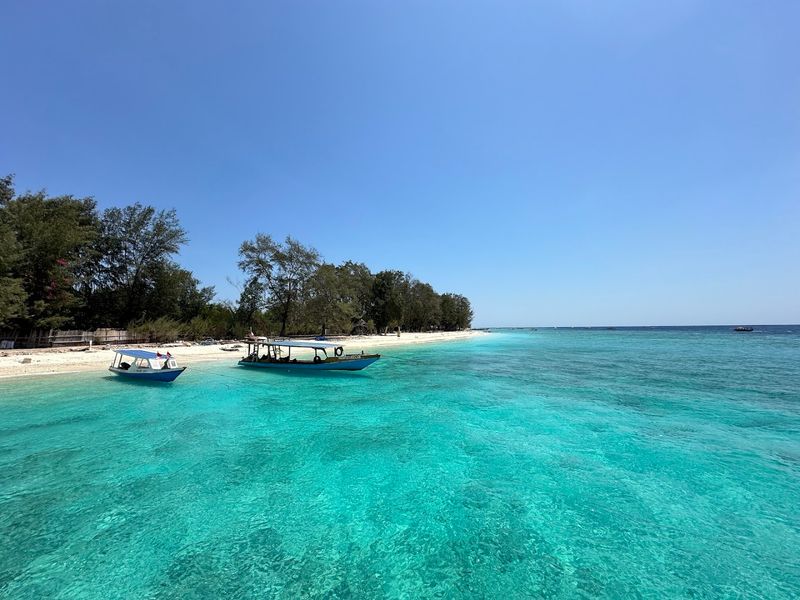
Among the three Gili Islands off Lombok’s northwest coast, Gili Meno is the quiet one. Gili Trawangan draws the party crowd, Gili Air sits somewhere in the middle, and Gili Meno is the island you choose when you actually want to rest.
No motorized vehicles operate here, and the island is small enough to walk around in under two hours.
The appeal is uncomplicated: clear water, snorkeling, sea turtles, beaches, and small accommodations that keep the scale manageable. Visitors can reach Gili Meno by boat from Lombok or through Bali-area routes, so access is not difficult.
The infrastructure is comfortable enough without tipping into overdevelopment.
Gili Meno is a strong pick for travelers who want a calm Indonesian island experience without the noise and nightlife of its neighbor. It is not isolated, but it is genuinely peaceful, and that balance between accessibility and quiet is harder to find in this part of Indonesia than it used to be.
Isle of Eigg, Scotland
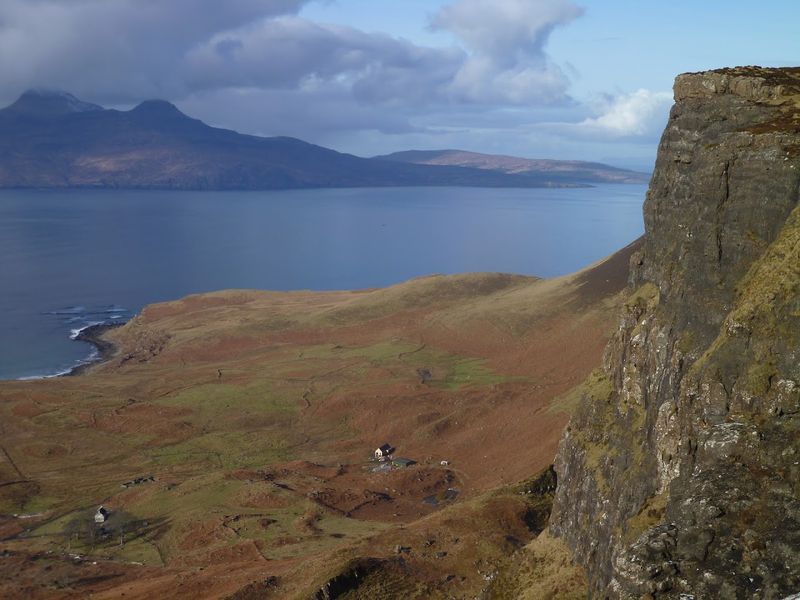
The Isle of Eigg proves that dramatic island scenery does not require tropical temperatures. Part of Scotland’s Small Isles in the Inner Hebrides, Eigg is known for the distinctive pitchstone ridge of An Sgurr, which rises sharply above the landscape and is visible from the ferry long before you dock.
It is one of the more recognizable geological features in the Scottish islands.
CalMac confirms ferry service to Eigg, and the island’s own travel information notes that visitors generally cannot bring cars, with exceptions limited to residents, contractors, and Blue Badge holders. That restriction naturally keeps the island walkable and unhurried in a way that car-accessible islands often are not.
Eigg is also notable for being community-owned, a status it has held since 1997 when residents purchased the island themselves. Walking routes, coastal views, wildlife, and simple accommodations define the visit.
For travelers who want raw Scottish landscape without the tour bus crowds, Eigg is a compelling answer.
Iles de la Madeleine, Quebec, Canada
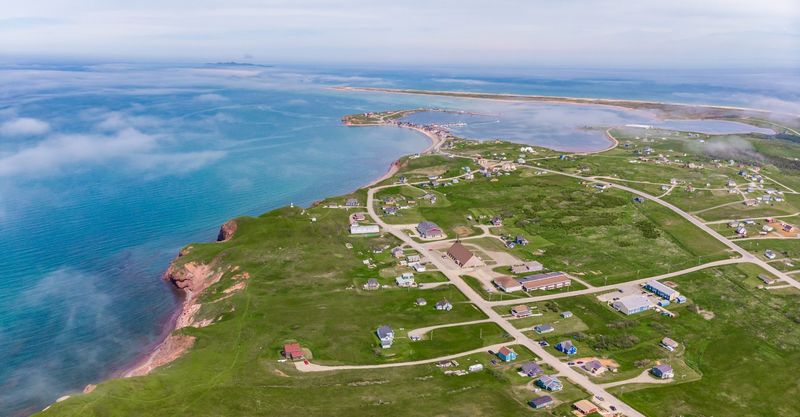
Getting to Iles de la Madeleine takes some effort, and that is a feature rather than a flaw. The official tourism site explains that travelers going by road must take a ferry from Souris, Prince Edward Island, with a crossing of about five hours and reservations required.
That logistical barrier keeps casual overcrowding from becoming a problem.
The Magdalen Islands sit in the Gulf of St. Lawrence and offer red sandstone cliffs, sweeping beaches, fishing culture, local seafood, cycling routes, kayaking, lighthouses, and small communities that have maintained a distinct Madelinot identity. The official tourism site lists nature, food, culture, birdwatching, and local products among the visitor highlights.
This is not a tropical island list entry that snuck into the wrong article. Iles de la Madeleine belongs here because it offers genuine island character, a slower pace, and a destination that rewards travelers who seek something outside the usual vacation categories.
Wind, color, and coastline are its calling cards.
Share this story