If you have ever wanted to step away from the noise and actually see wild birds up close, the U.S. National Wildlife Refuge System offers some of the best opportunities in the country.
From the Gulf Coast to the Pacific Northwest, these protected lands cover a remarkable range of habitats, including marshes, forests, tidal flats, and desert wetlands. Each one was created with conservation in mind, but they also welcome visitors who simply want to slow down and pay attention to the natural world around them.
Whether you are a dedicated birder with a life list or someone who just wants a peaceful morning walk, this collection of refuges covers all corners of the country and gives you fourteen very good reasons to plan your next quiet adventure.
Laguna Atascosa National Wildlife Refuge, Los Fresnos, Texas
More than 400 documented bird species at a single refuge is not a number you see very often, but Laguna Atascosa earns that count through sheer habitat variety and its location near the southern tip of Texas. Established in 1946 to protect wintering waterfowl, especially redhead ducks, the refuge has grown into one of the most biologically significant properties in the entire National Wildlife Refuge System.
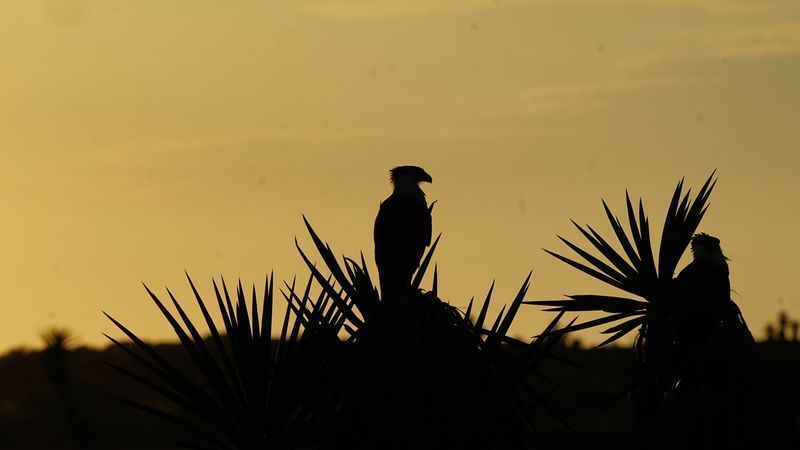
Green jays, altamira orioles, aplomado falcons, and roseate spoonbills are among the birds that bring dedicated birders to the Lower Rio Grande Valley specifically for this spot. Many of these species barely extend their U.S. range beyond this corner of Texas, making Laguna Atascosa genuinely irreplaceable for North American birding.
Public trails and designated viewing areas let visitors explore coastal prairie, thorn scrub, and wetlands at their own pace. Because road access and area conditions can shift seasonally, checking current refuge information before your visit is a smart first step.
Bosque del Apache National Wildlife Refuge, San Antonio, New Mexico
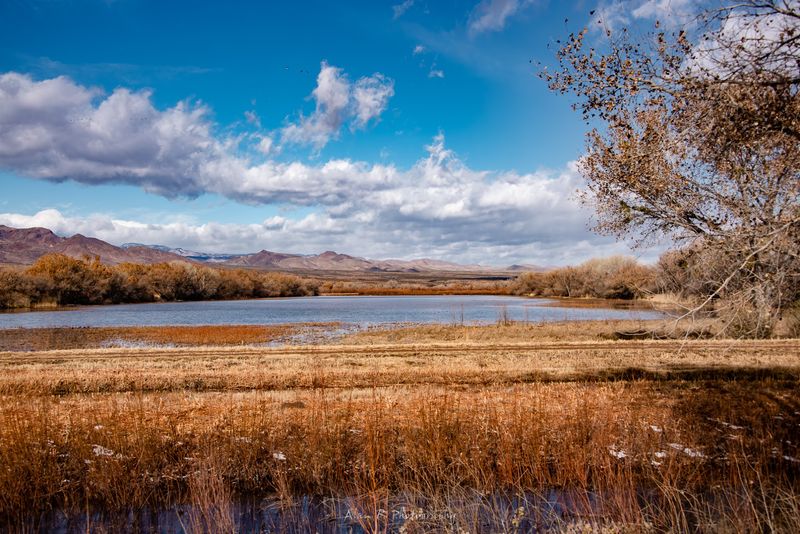
Few birding experiences in the American Southwest match the sight of thousands of sandhill cranes lifting off at sunrise over managed wetlands. Bosque del Apache, located along the Rio Grande in central New Mexico, is where that scene plays out reliably from early November through late January each year.
The refuge draws snow geese, ducks, and other wintering birds alongside the cranes, and the movement between overnight roosts and daytime feeding fields creates a dynamic landscape from morning through evening. Spring and fall migration add warblers, shorebirds, and other transient species to the mix, while roadrunners, quail, and raptors make appearances year-round.
Visitors can cover the refuge by driving its tour loop, stopping at designated observation areas, or walking shorter nature trails. One practical advantage here is that watching wildlife from a vehicle works extremely well, making the refuge genuinely accessible for visitors who prefer a relaxed, low-effort approach to birding.
Malheur National Wildlife Refuge, Princeton, Oregon
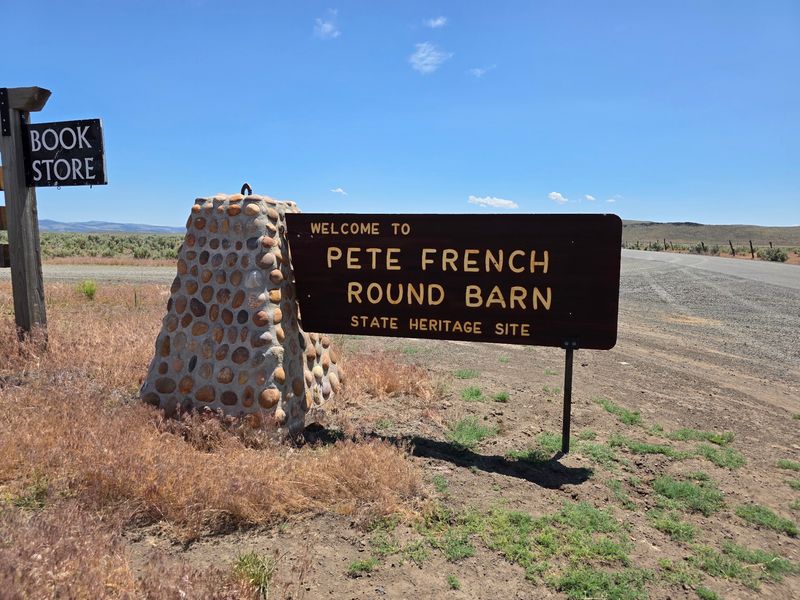
Southeastern Oregon is mostly dry sagebrush country, which makes Malheur National Wildlife Refuge feel like a genuine discovery when you first see its lakes, marshes, and cottonwood-lined waterways stretching across more than 187,000 acres. The refuge functions as a critical oasis along the Pacific Flyway, and more than 340 bird species have been recorded here across different seasons.
Sandhill cranes, white pelicans, white-faced ibis, shorebirds, and raptors are among the regularly encountered species, though what you see depends heavily on the time of year and current water conditions. The 42-mile Blitzen Valley Auto Tour Route is one of the defining visitor experiences, running south from refuge headquarters toward the historic P Ranch.
Trails and wildlife-viewing areas let you step out of the car and absorb the wide-open landscape directly. The combination of remote location, minimal background noise, and broad horizons makes Malheur especially well suited to patient birders who appreciate space and silence.
Merritt Island National Wildlife Refuge, Titusville, Florida
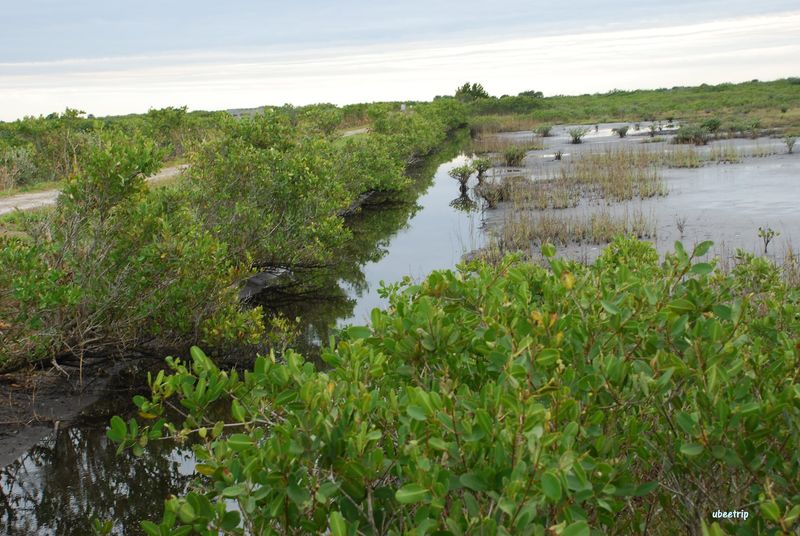
Sharing geography with NASA’s Kennedy Space Center gives Merritt Island an unusual identity. On any given morning, you might be scanning the marsh for reddish egrets and roseate spoonbills while a rocket launch pad sits on the horizon.
The refuge protects coastal dunes, salt marshes, hardwood hammocks, scrub, and freshwater impoundments along Florida’s Space Coast.
The bird list here is broad, covering herons, ibises, bald eagles, ospreys, Florida scrub-jays, shorebirds, and ducks. November through April is generally considered the strongest birding window, when wintering and migratory species supplement the year-round residents.
Black Point Wildlife Drive is the most popular viewing route, offering a slow roll through productive marsh habitat.
Temporary closures do occur because the refuge and Kennedy Space Center share the same land. Checking current operating conditions before you set out prevents wasted trips and helps you plan around any active restrictions in specific areas of the refuge.
Blackwater National Wildlife Refuge, Cambridge, Maryland
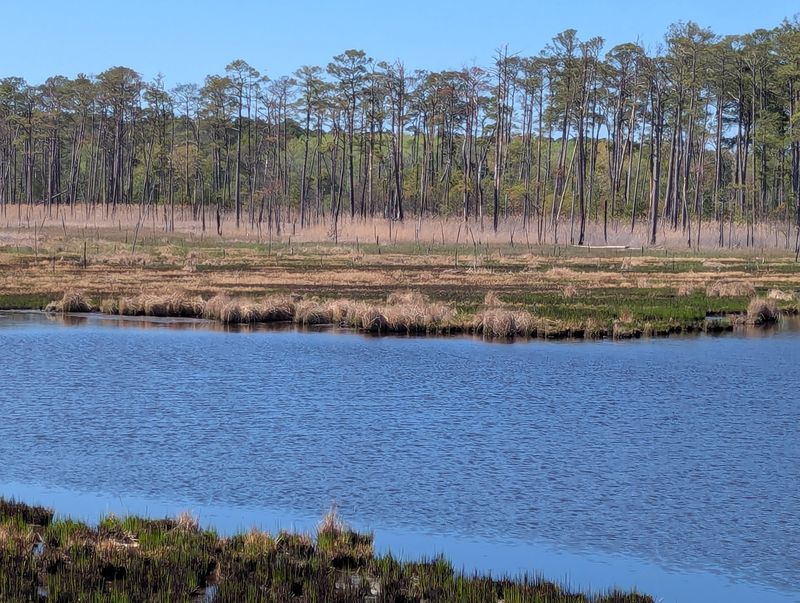
Maryland’s Eastern Shore has a particular kind of flatness that makes its big skies feel enormous, and Blackwater National Wildlife Refuge sits right in the middle of that landscape. The refuge protects expansive tidal marshes, forest edges, and shallow open water that have made it one of the mid-Atlantic region’s most reliable spots for watching bald eagles.
The four-mile Wildlife Drive is designed specifically for slow exploration, whether by car, bicycle, or foot. Pull-offs, two walking trails, an elevated observation platform, and a photography blind are spaced along the route, giving visitors multiple reasons to stop and linger rather than rush through.
Ducks, geese, herons, egrets, shorebirds, and ospreys round out the seasonal bird list.
Beyond the birds, the refuge is also known for its Delmarva Peninsula fox squirrel population and its ongoing nutria management work. The open marsh scenery and unhurried pace make Blackwater approachable for first-time refuge visitors and rewarding for experienced birders alike.
Parker River National Wildlife Refuge, Newburyport, Massachusetts
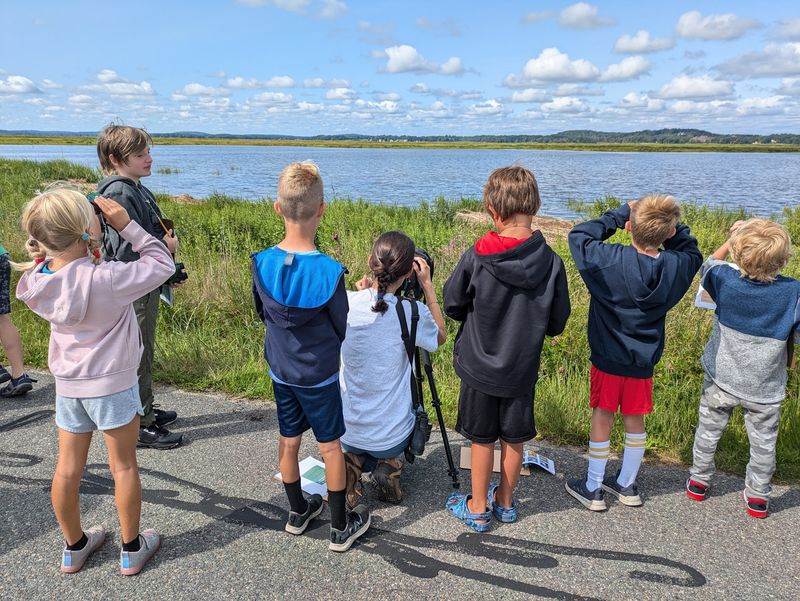
Plum Island is a barrier island off the northern Massachusetts coast, and Parker River National Wildlife Refuge occupies most of it. Salt marshes, dunes, beaches, shrublands, and maritime forest pack into a relatively compact area, creating a layered habitat that attracts a wide range of birds moving along the Atlantic Flyway.
Shorebirds, waterfowl, raptors, herons, and songbirds visit throughout the year, with migration periods bringing the largest variety. Boardwalks and observation areas provide direct views into the marsh, while the refuge road connects multiple overlooks and trailheads for visitors who want to explore at their own pace.
The refuge also allows walking, bicycling, wildlife photography, paddling, fishing, and seasonal beach use.
Piping plover nesting causes some beach sections and trails to close temporarily each year. Those closures are a core part of the refuge’s conservation mission, so reviewing current access notices before driving down Plum Island helps avoid any surprises on arrival.
Sacramento National Wildlife Refuge, Willows, California
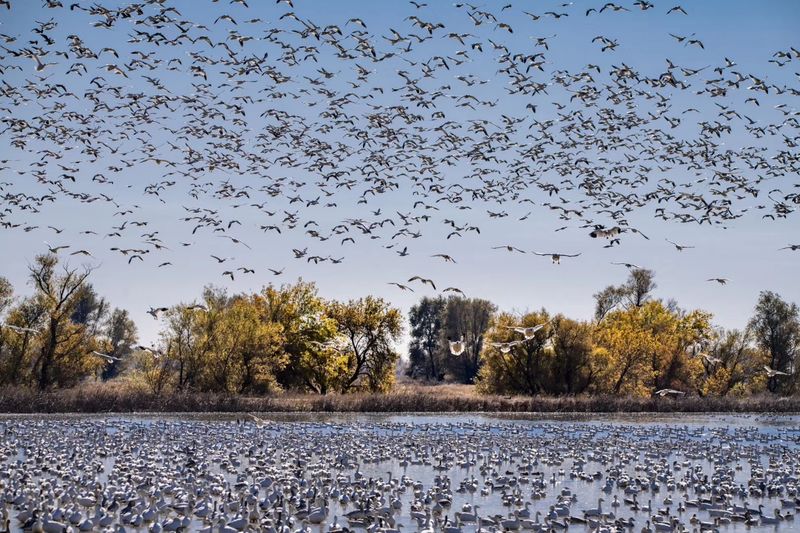
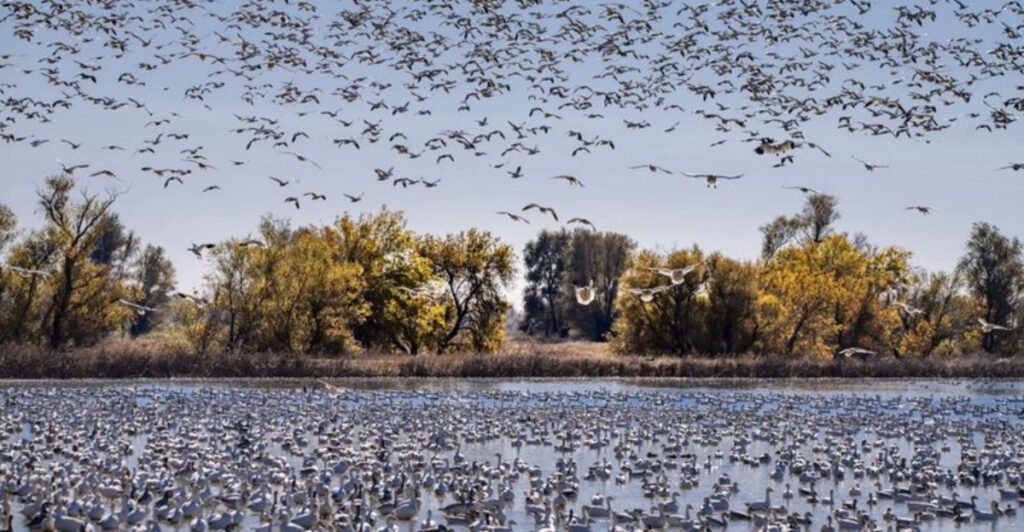
During peak winter season, the Sacramento National Wildlife Refuge in California’s Central Valley can hold concentrations of waterfowl that are almost difficult to comprehend. Snow geese, greater white-fronted geese, and northern pintails gather across managed wetlands and surrounding agricultural fields in numbers that make the landscape feel genuinely alive.
The six-mile auto tour is the most practical way to see the refuge, allowing visitors to use their vehicle as a moving blind while birds feed and rest nearby. Two wildlife-viewing platforms are positioned along the route, and roughly two miles of walking trails are available near the visitor center for those who want to stretch their legs.
Avocets, ibises, herons, bald eagles, and other raptors also appear regularly.
Even when the visitor center is closed, the outdoor trails, covered patio, and viewing platforms remain accessible. Winter brings the most dramatic activity, but the wetland and upland habitat combination supports worthwhile wildlife observation across multiple seasons throughout the year.
Billy Frank Jr. Nisqually National Wildlife Refuge, Olympia, Washington
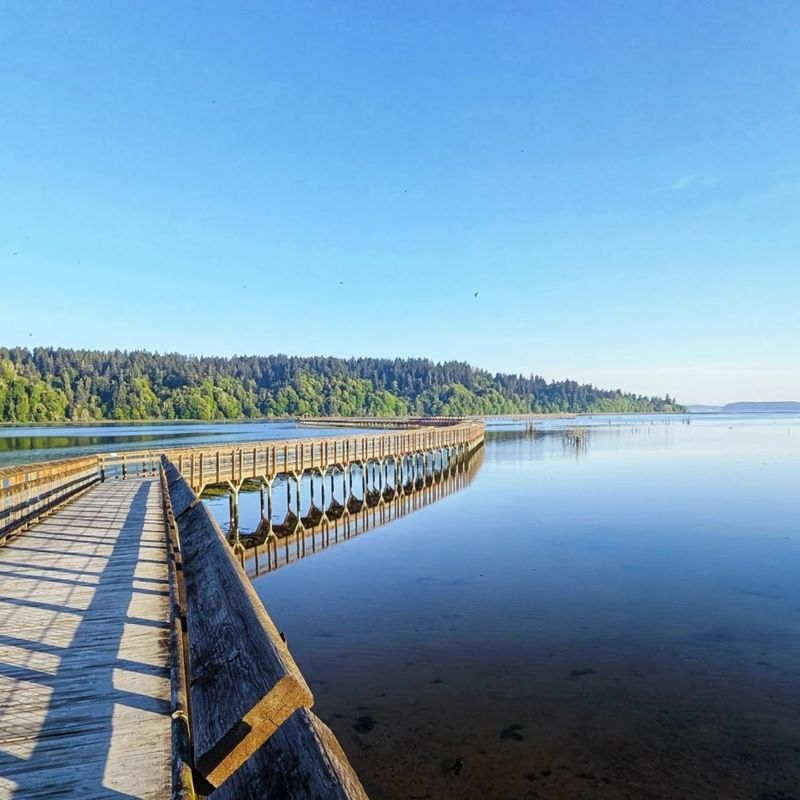
Named in honor of the late Nisqually tribal leader and environmental activist Billy Frank Jr., this refuge near Olympia protects the Nisqually River Delta where freshwater meets Puget Sound. That transition zone between river, estuary, tidal mudflats, forest, and freshwater wetland creates a layered habitat that supports an impressive variety of resident and migratory birds.
The Nisqually Estuary Boardwalk is the refuge’s standout feature, extending across the restored tidal landscape and offering broad views of the delta, surrounding mountains, and changing water levels throughout the day. Ducks, geese, bald eagles, great blue herons, shorebirds, owls, and songbirds can all appear depending on the season.
What makes this refuge particularly convenient is its location just off Interstate 5, yet the boardwalks and forest paths create a genuine sense of separation from nearby traffic. Public refuge grounds are open daily from sunrise to sunset, while the visitor center follows a more limited weekly schedule.
Loess Bluffs National Wildlife Refuge, Mound City, Missouri
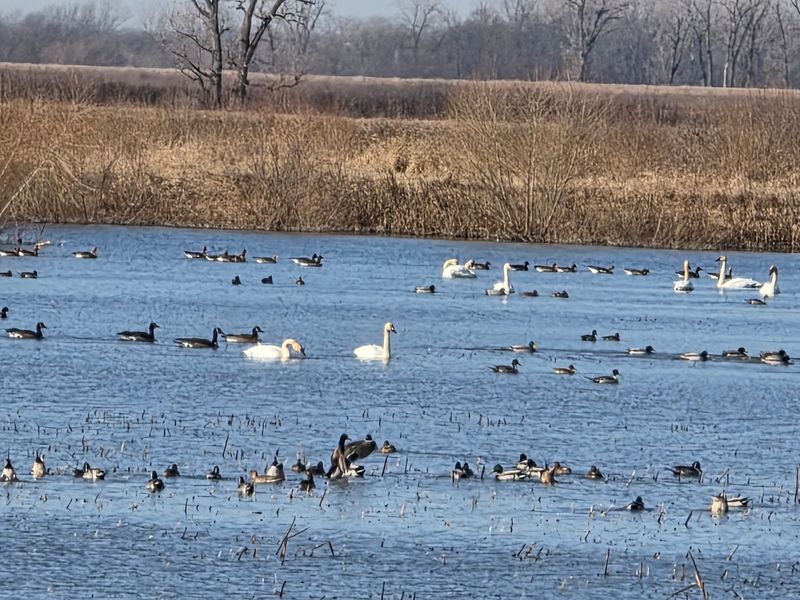
Not many wildlife refuges are named for a geological feature, but Loess Bluffs takes its identity directly from the wind-deposited soil hills that define the surrounding landscape in northwestern Missouri. Those distinctive ridges frame wetlands, grasslands, and forests that sit along a significant migration corridor for birds moving through the central part of the country.
Snow geese, ducks, trumpeter swans, and bald eagles gather here seasonally, with numbers rising sharply during migration periods depending on weather and water conditions. Songbirds, shorebirds, and additional raptors can be found across the varied habitats at other times of year.
The 10-mile Wild Goose Auto Tour connects pools, marshes, and viewing areas in a route manageable for casual visitors.
Hiking trails offer a quieter alternative for those who prefer to explore on foot. Loess Bluffs holds a Globally Important Bird Area designation, which reflects how seriously conservation organizations regard this stretch of Missouri wetland as critical habitat.
Wheeler National Wildlife Refuge, Decatur, Alabama
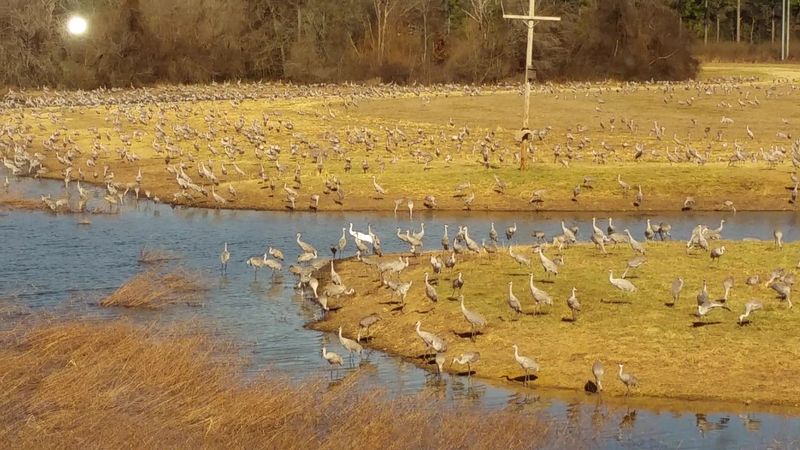
Wheeler National Wildlife Refuge stretches along the Tennessee River in northern Alabama, and its winter season is the main reason serious birders make the trip. Thousands of sandhill cranes use the surrounding landscape during colder months, and a smaller number of endangered whooping cranes may also appear, making Wheeler one of the more accessible places in the Southeast to potentially observe both species together.
Ducks, geese, bald eagles, herons, woodpeckers, and resident songbirds fill out the bird list across the refuge’s wetlands, fields, forests, and river backwaters. Observation buildings and designated wildlife-viewing areas allow close watching without disturbing the birds, and the visitor center provides helpful context about the cranes and the Tennessee River Valley habitat that supports them.
Spring neotropical migrants and nesting season birds make Wheeler worth visiting outside winter as well. Seasonal closures and hunting activity can affect access to specific areas, so reviewing current notices before your visit helps with planning.
Savannah National Wildlife Refuge, Hardeeville, South Carolina
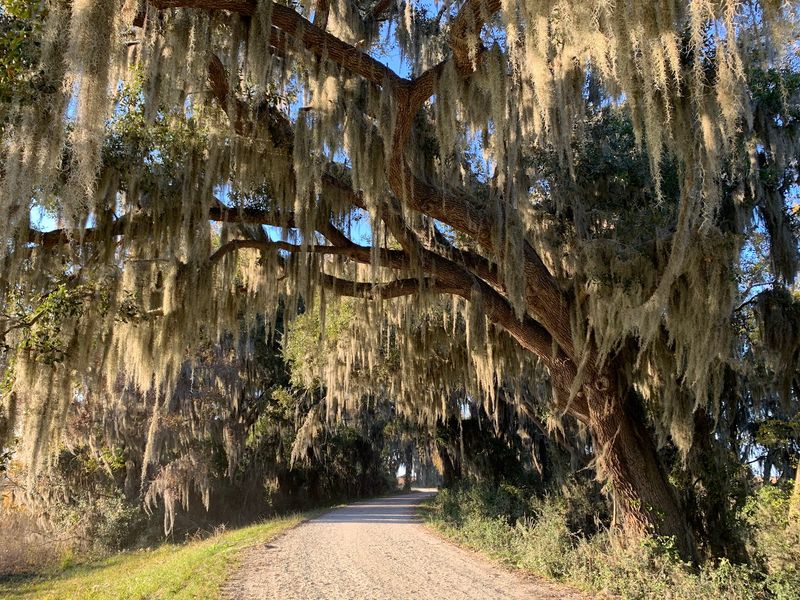
The rice fields that once defined this corner of the South Carolina coast have been converted into managed freshwater wetlands at Savannah National Wildlife Refuge, and the birds have noticed. Situated beside the Savannah River near Hardeeville, the refuge protects tidal waterways, hardwood forests, and impoundments that support both migratory visitors and year-round coastal residents.
The 4.5-mile Laurel Hill Wildlife Drive is the main public feature, moving slowly past wetlands where alligators, turtles, wading birds, and waterfowl are regularly visible from the road. Wood storks, anhingas, herons, egrets, ducks, bald eagles, ospreys, and painted buntings appear depending on the season and water levels.
Additional trails let visitors explore the refuge on foot beyond the drive.
The wildlife drive and trails are normally open daily from sunrise to sunset, while the visitor center operates on more limited weekday hours. For travelers already visiting Savannah’s historic district, the refuge offers a peaceful natural contrast just a short drive from the city.
Bon Secour National Wildlife Refuge, Gulf Shores, Alabama
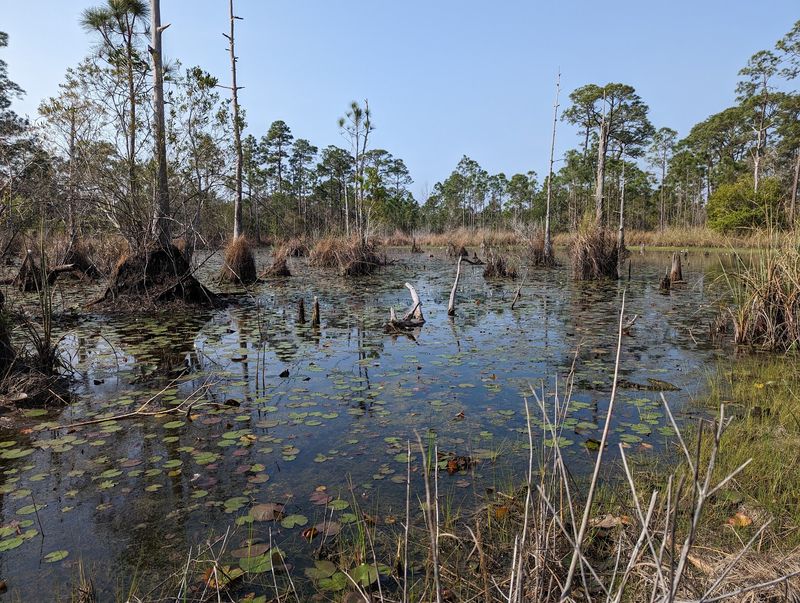
The name Bon Secour translates from French as safe harbor, and that meaning fits perfectly for a refuge that provides critical resting and feeding habitat for small birds completing a grueling migration across the Gulf of Mexico. Located near Gulf Shores, the refuge protects one of Alabama’s few remaining undeveloped stretches of barrier island environment.
More than 370 bird species have been documented here. During migration, the maritime forests and scrub habitats can fill with warblers, vireos, tanagers, and other small birds that arrive exhausted after crossing open water.
Herons, shorebirds, raptors, and waterfowl round out the seasonal variety.
Public trails pass through dunes, pine forest, wetlands, and areas near Little Lagoon and Gator Lake, combining coastal scenery with multiple habitat types. Visitors should prepare for heat, insects, and sandy trails, particularly in warmer months.
Storm damage can occasionally affect access, so a quick conditions check before arrival is genuinely useful here.
Horicon National Wildlife Refuge, Mayville, Wisconsin
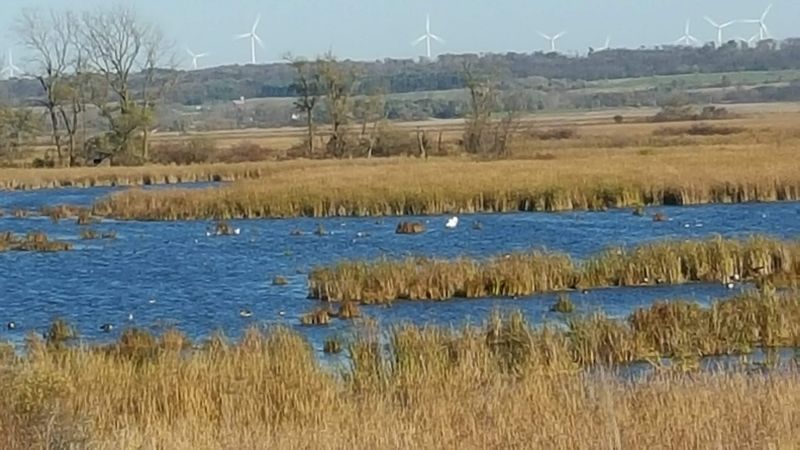
Horicon Marsh is one of the largest freshwater cattail marshes in the United States, and the northern portion of it falls within Horicon National Wildlife Refuge, established in 1941 as an undisturbed sanctuary for migratory waterfowl and redhead ducks. On a fall morning when migration is active, the marsh can feel almost overwhelmingly full of birds.
Geese, ducks, sandhill cranes, American white pelicans, and other species gather in large numbers during spring and fall passage. Boardwalks, hiking trails, overlooks, and a designated driving route give visitors several practical ways to scan the wetland without needing to wade through it.
The three-mile paved auto tour is seasonal and closes to vehicles during part of winter, though the main parking area and hiking trails typically remain open year-round.
Vehicle access may also be limited during certain hunting periods. Checking seasonal rules before arriving allows you to plan a relaxed morning around the marsh, combining short walks with stops at overlooks for the best views.
Patuxent Research Refuge, Laurel, Maryland
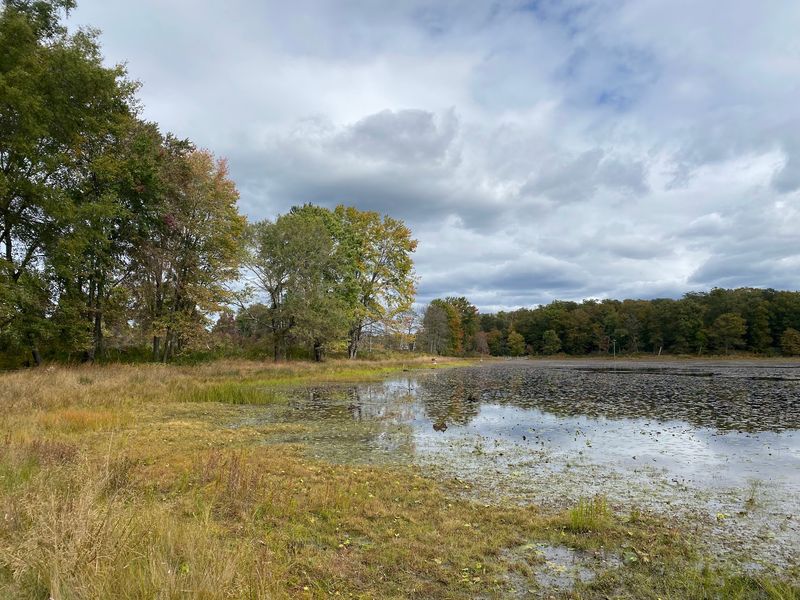
Sitting between Baltimore and Washington, D.C., Patuxent Research Refuge is one of the more surprising natural retreats in the mid-Atlantic region. Its approximately 13,000 acres of forests, meadows, wetlands, streams, and ponds were established to support wildlife research and conservation, giving the refuge a scientific identity that sets it apart from more recreation-focused parks.
Birders can find woodpeckers, warblers, waterfowl, raptors, herons, and grassland species across the different habitat zones throughout the year. The South Tract’s National Wildlife Visitor Center adds educational depth with exhibits, pollinator gardens, a bird blind, and family-oriented programming that makes it a practical stop for visitors of different ages and experience levels.
The visitor center currently operates Wednesday through Saturday, excluding federal holidays, while outdoor areas and individual trails follow their own access schedules. For anyone who wants a genuine nature experience without a long drive from the city, Patuxent offers woodland paths, quiet ponds, and a research history that gives the whole place a grounded, purposeful character.
Share this story