When winter drags on, a warm getaway starts to sound like the best idea on the calendar. This list covers 14 sunny places that suit January travel, from Caribbean islands and Pacific beaches to summer cities in the Southern Hemisphere.
Some offer hot tropical weather, while others bring mild, comfortable days that are great for walking and sightseeing. Each stop comes with real details about weather, activities, and timing, so you can plan with confidence.
Since January is a busy travel month in many of these spots, early planning can save money and stress. Save this list, send it to your travel buddy, and start picturing a very different kind of winter.
Aruba
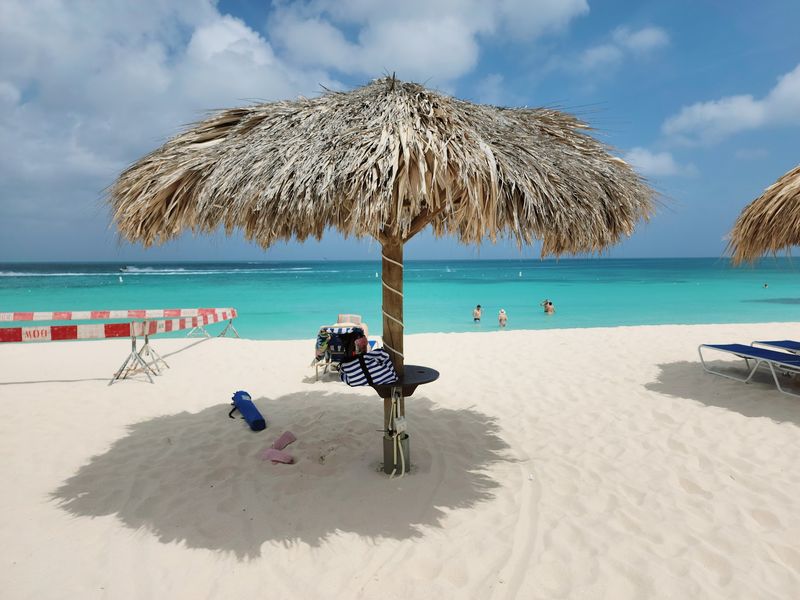
If steady sunshine is the goal, Aruba makes a strong case. January marks the start of the island’s dry season, and the official tourism board lists an average January temperature of about 82°F (28°C).
Eagle Beach and Palm Beach are the big names for white sand and warm Caribbean water. Snorkeling, sailing, and trips into Arikok National Park give you plenty to do once you have had your fill of beach time.
Planning matters here. January falls in the busy winter season and near the start of Carnival festivities, so rooms and popular activities can fill up quickly.
Booking flights and hotels early is the smartest move, and reserving boat trips or tours ahead of time can keep your schedule from getting crowded. A little advance work means more time with your toes in the sand and fewer hours spent refreshing booking pages.
For travelers who want a simple, sunny week with a mix of beach and adventure, Aruba checks both boxes with ease.
Maldives
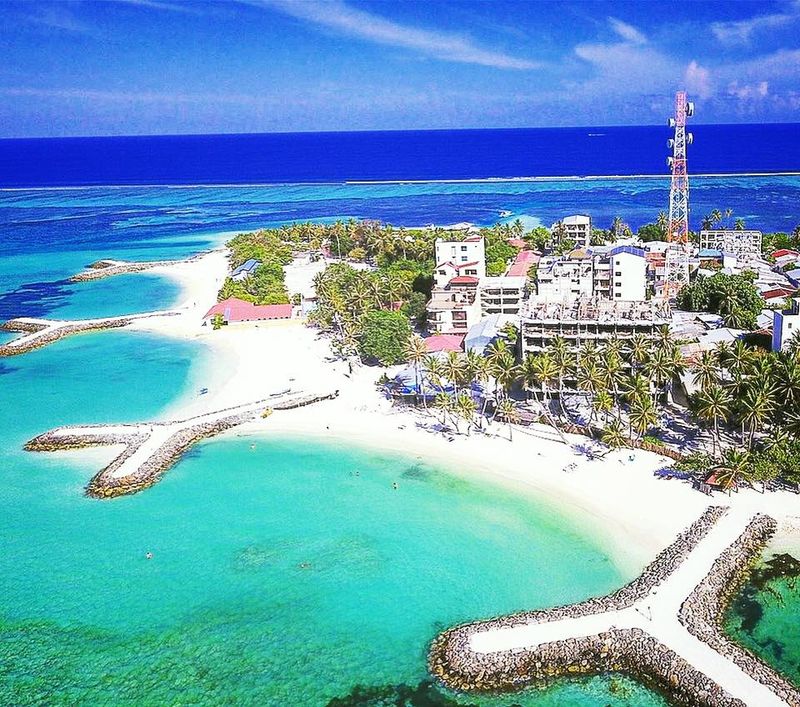
Few places pull you out of winter as dramatically as the Maldives. The islands stay hot and tropical all year, with average highs around 31.5°C (89°F) and lows near 26.4°C (80°F).
January sits inside the sunnier northeast monsoon period, which runs from November through April. That makes it a fine month for swimming, snorkeling, diving, or splitting your days between an overwater villa and a clear lagoon.
Getting around is part of the adventure. International flights, domestic flights, speedboats, ferries, and resort transfers all operate across the islands, so your route depends on where you stay.
When you book, check how your resort handles transfers, since some islands are a short boat ride away while others need a domestic flight first. Knowing this early helps you build a smooth arrival day.
For a warm escape built around water, the Maldives is hard to top.
Phuket, Thailand
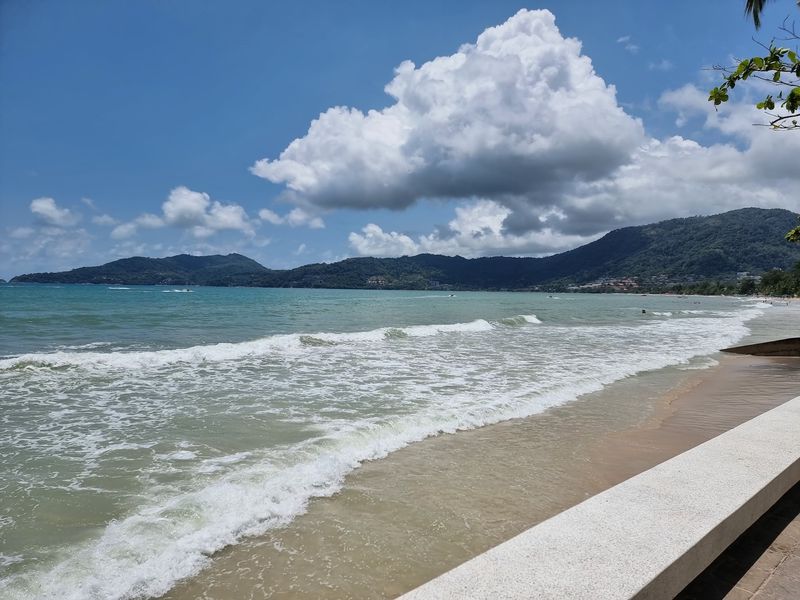
Clear water and blue skies are the headline for Thailand’s Andaman coast in January. The Tourism Authority of Thailand singles out the month as ideal for beach trips, with good conditions for swimming, snorkeling, diving, and kayaking.
Phuket gives you range. Patong and Karon beaches bring the lively energy, while quieter stretches can be found in the island’s north.
Away from the sand, Phuket Old Town, temples, and viewpoints fill out a sightseeing day. Boat trips to neighboring islands are another popular way to spend a morning.
Food deserves its own plan here. The region is famous for its cooking, so leave room in your schedule for market stops and sit-down meals.
With its major beaches and attractions listed as active visitor destinations, Phuket is a solid pick for a tropical January 2027 trip. It suits travelers who want both beach time and plenty of things to do.
Guanacaste, Costa Rica
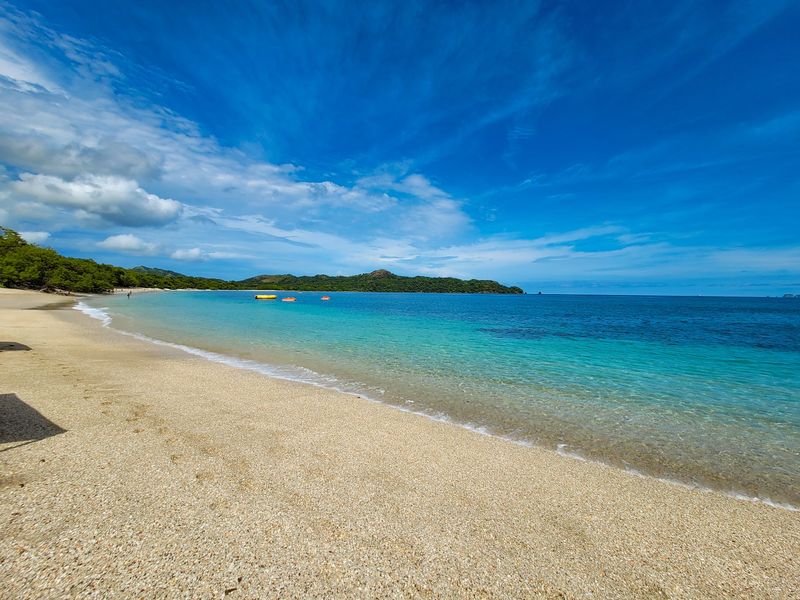
Beaches, wildlife, volcanoes, and sunshine all share one region on Costa Rica’s Pacific side. January sits firmly in the dry season, which generally runs from mid-December through late April.
The country’s official tourism board describes this stretch as warm and sunny with low rainfall. Guanacaste is especially appealing during these months.
Beach options include Tamarindo, Playa Conchal, Nosara, and Playa Grande. If you want a break from the coast, head inland to Rincón de la Vieja National Park for volcanic landscapes and hot springs.
The catch is popularity. January is high season, so hotels, tours, and national park experiences can get busy.
My advice is to lock in lodging and any guided outings before you go, especially if you have a favorite beach town in mind. Doing so leaves your days open for the fun part, which is deciding between surf, wildlife, and a soak in the hot springs.
Dubai, United Arab Emirates
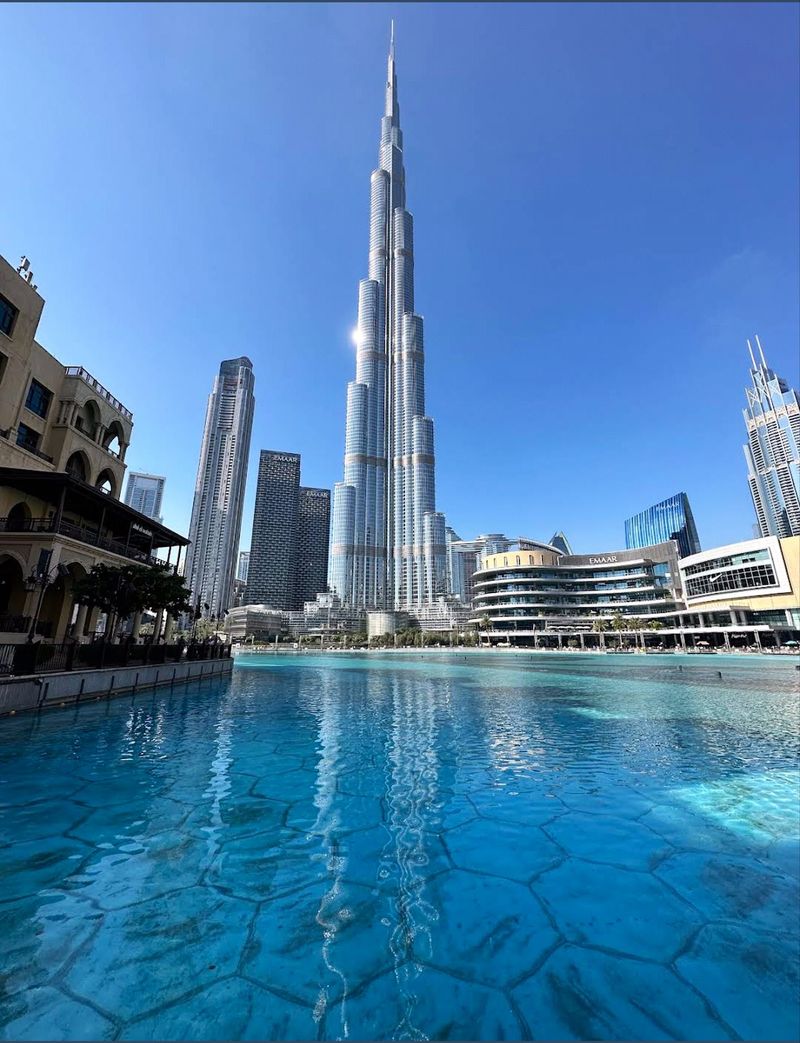
Warmth without punishing heat is Dubai’s big January selling point. It is typically the city’s coolest month, yet the average temperature still sits around 21°C (70°F).
That milder weather makes outdoor plans far more comfortable than in summer. Beaches, desert trips, waterfront dining, and long days of sightseeing all become easier to enjoy.
Current official visitor information says Dubai is open and welcoming international travelers. Hotels, attractions, restaurants, retail businesses, and transportation networks are operating across the city.
A smart way to plan is to mix big city time with outdoor time. Spend one day on skyline sights and shopping, then save another for the desert or the beach.
For travelers who like pairing winter sunshine with major-city attractions, Dubai is one of January’s easiest choices. It offers a lot of variety in a single trip.
Barbados
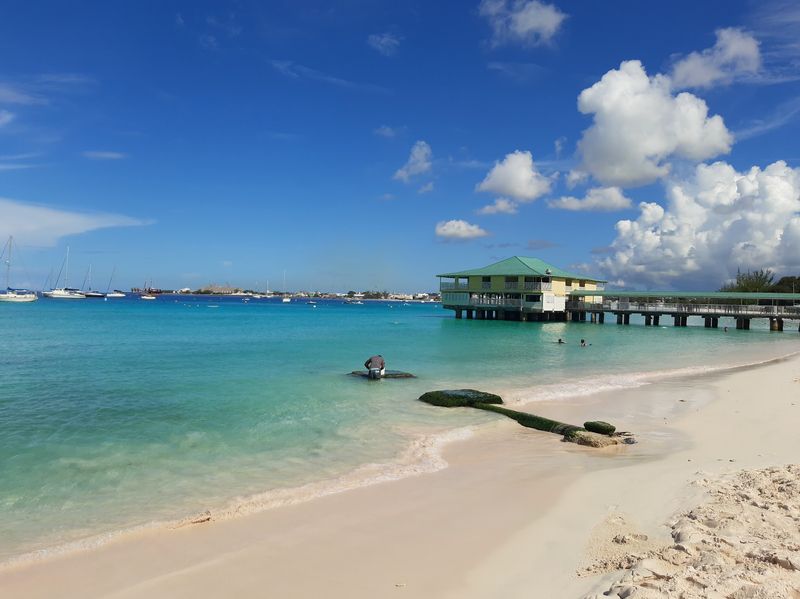
Classic Caribbean winter weather is exactly what Barbados serves up. The island’s official tourism site says its dry season lines up with the Northern Hemisphere’s winter and spring, bringing slightly cooler temperatures and less rain.
Sea temperatures stay around 26-29°C (79-84°F) all year, so a swim is always on the table.
January suits beach days along the west and south coasts. Snorkeling and sailing are easy additions, and Bridgetown is a good stop when you want a change of pace.
Then there is the slower rhythm of island life, which many visitors come for in the first place.
Keep in mind that this is one of the more popular times of year. Beachfront accommodations can carry premium rates, so comparing options early may help your budget.
Planning ahead gives you the best shot at the stay you want.
Cape Town, South Africa
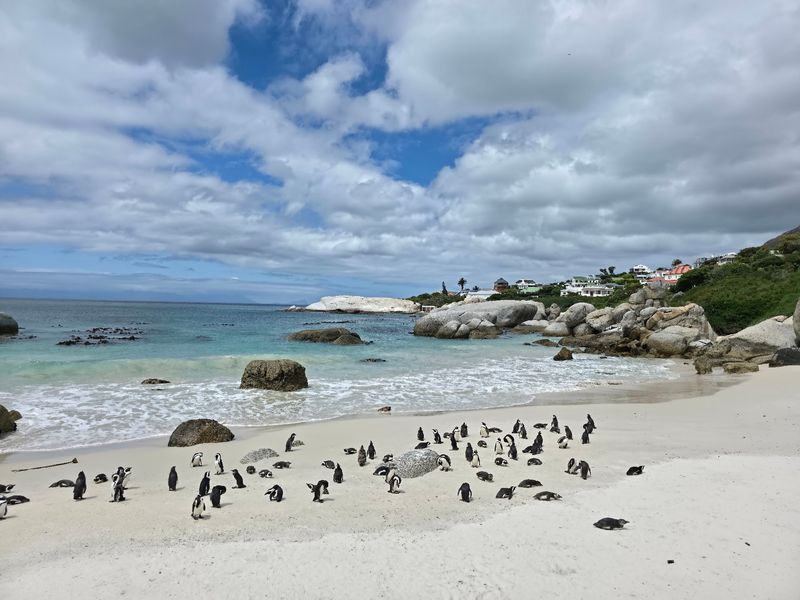
Midsummer arrives in January, and Cape Town is one of the best warm-weather city breaks on this list. Cape Town Tourism says January and February are mostly dry, with typical daily temperatures from roughly 17°C to 28°C (63-82°F).
Days are long, with sunsets arriving after 8 p.m. That leaves lots of daylight for sightseeing.
You can fit in beaches, Table Mountain, the V&A Waterfront, and scenic drives around the Cape Peninsula. Day trips into the nearby Winelands are also an option for a change of scenery.
Because January is peak season, popular attractions and accommodations can be busier and more expensive than at other times of the year.
Booking ahead and starting outings early can help you beat some of the crowds. With so much daylight, you can easily stretch a morning of sightseeing into a relaxed evening by the water.
Los Cabos, Mexico
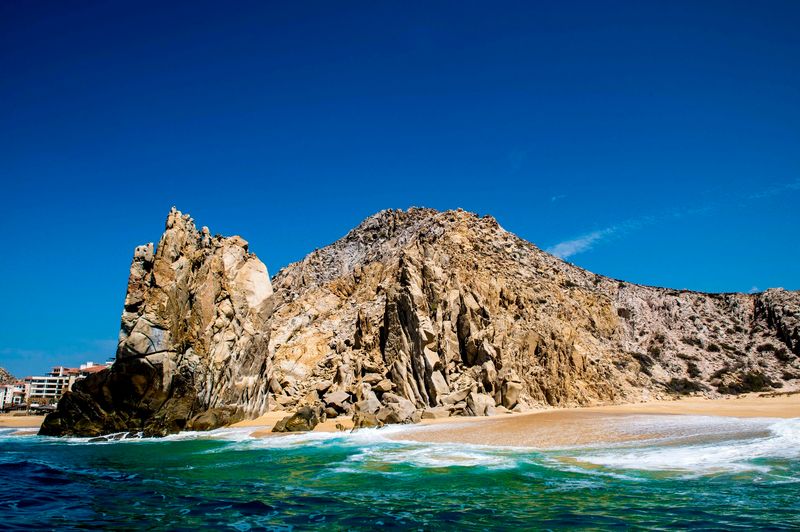
Desert scenery meets ocean at the tip of Baja California Sur. Winter temperatures from December through February hover around a comfortable 75°F (24°C), according to the Los Cabos Tourism Board.
January also falls within the region’s gray whale season, which adds a wildlife angle to the usual beach plans.
You can split your time between Cabo San Lucas, San José del Cabo, and the beaches along the Tourist Corridor. Excursions into the desert round out the mix.
The destination is heavily geared toward visitors. Resorts, restaurants, golf courses, water activities, and international air connections operate year-round, so logistics tend to be straightforward.
If you like trips with options, this one delivers. You could spend a morning looking for whales, an afternoon on the sand, and an evening exploring town, all without much planning stress.
Puerto Rico
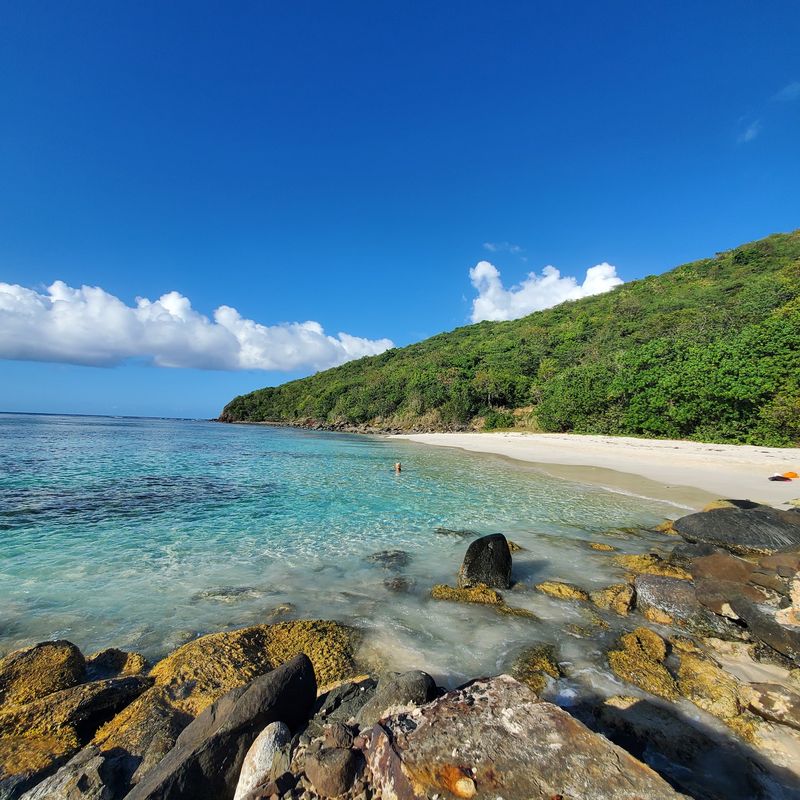
Some of Puerto Rico’s most comfortable weather shows up in January. Temperatures generally range from roughly 70°F to 85°F (21-29°C), and December through April is considered the high season thanks to pleasant temperatures and lower humidity.
The island gives you plenty of ways to fill a trip. Beach days, Old San Juan, historic forts, El Yunque, local food, and road trips around the island all fit easily into one visit.
There is a seasonal bonus too. Humpback whale season typically runs from January through March along the west coast.
For U.S. travelers in particular, Puerto Rico offers a tropical trip without leaving U.S. territory. That can make planning feel simpler.
Consider renting a car if you want to explore beyond San Juan, since the best variety comes from mixing city streets, rainforest, and coastline.
Hawaii
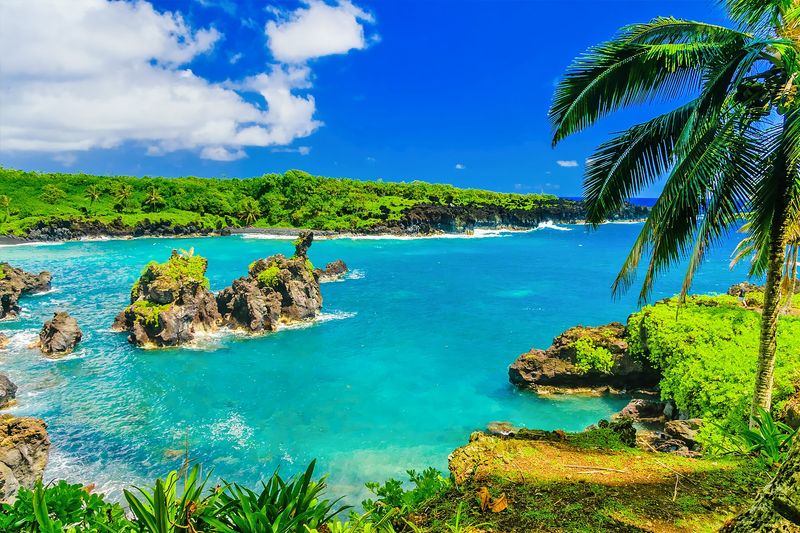
America’s most dependable winter-sun destination is still Hawaii. The Hawaii Tourism Authority puts the average daytime winter temperature at sea level around 78°F (25.6°C).
January can bring more rain than summer, especially on the windward sides of the islands. Rainfall is highly localized, though, and leeward areas often get much sunnier conditions.
Each island offers its own mix. Oahu, Maui, Kauai, and the Island of Hawaii bring different combinations of beaches, hiking, volcanic scenery, surfing, culture, and food.
Picking the right side of an island can make a big difference to your weather, so check which coast your hotel sits on.
Winter is also one of Hawaii’s busiest travel periods. Expect popular beaches and resorts to have plenty of company, and plan reservations accordingly.
Canary Islands, Spain
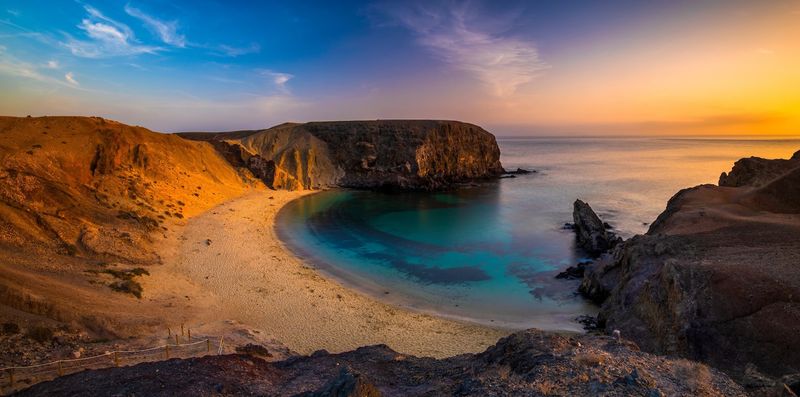
Winter sun does not always require a long flight to the tropics. The Canary Islands’ tourism authority says temperatures rarely drop below 20°C (68°F) in winter.
That makes Tenerife, Gran Canaria, Lanzarote, Fuerteventura, and the neighboring islands popular European winter escapes.
January works well for beach walks, hiking volcanic landscapes, and dining outdoors. Without summer heat, exploring on foot is easy.
The official January guide highlights swimming, beaches, nature, and the annual International Music Festival among the month’s attractions.
Think of it as pleasantly warm rather than tropical-hot. If that sounds like your kind of trip, it is one of Europe’s best bets for January sunshine, and a light jacket for evenings is a sensible thing to pack.
Sydney, Australia
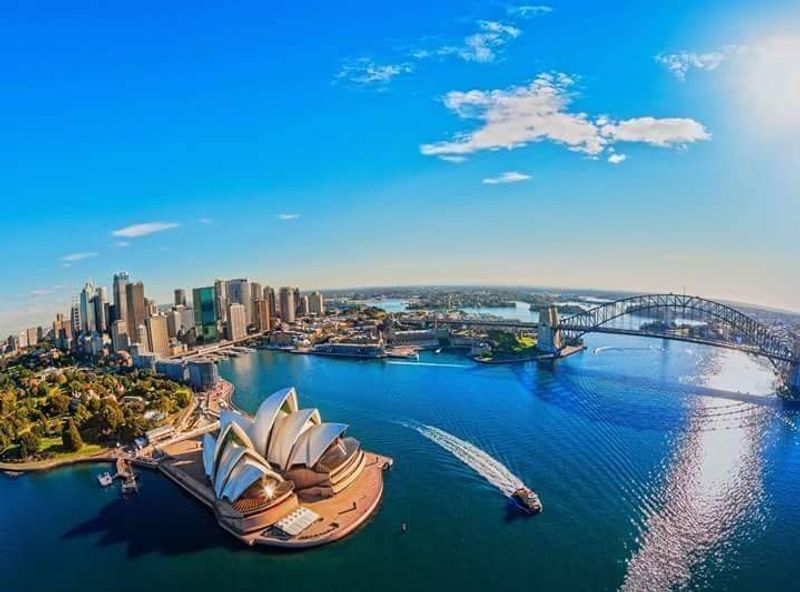
Summer is in full swing in Sydney come January. Official tourism information lists it as the city’s warmest month, with averages between 19°C and 26°C (65-78°F) and highs that sometimes reach 30°C (86°F).
That is prime time for Bondi Beach, coastal walks, and ferry rides across Sydney Harbour. Outdoor dining is also easy to enjoy.
On days away from the sand, neighborhoods such as Surry Hills and Newtown are good for wandering.
Major visitor attractions, shopping districts, beaches, ferries, and tourism services operate throughout the summer season.
For travelers who want a warm city trip rather than an all-inclusive resort vacation, Sydney delivers. A ferry ticket and a free afternoon can turn into one of the most memorable parts of a visit.
Cabo Verde
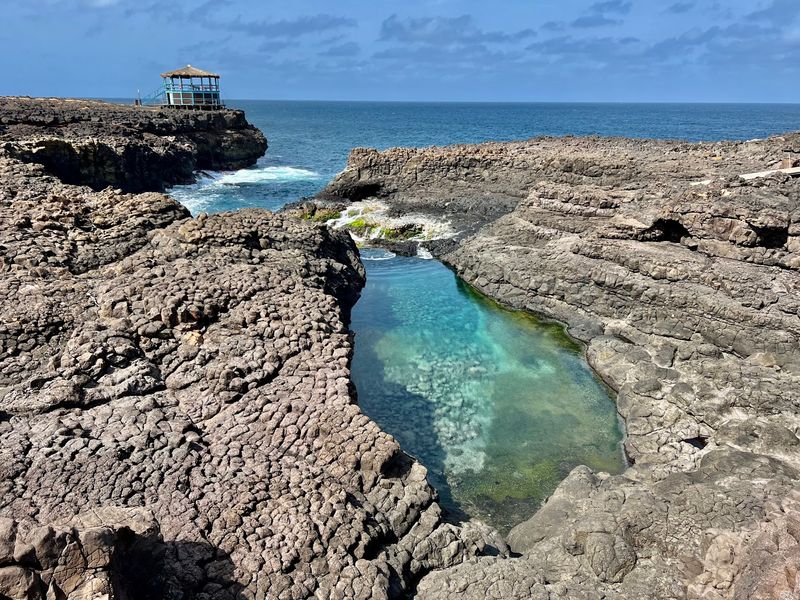
Off the west coast of Africa, Cabo Verde pairs sunshine with volcanic landscapes and a drier climate than many tropical destinations. The tourism board describes a long dry season from November through July.
January is among the mildest months, with averages around 23°C (73°F). Daytime temperatures through the year generally sit between 24°C and 28°C (75-82°F).
Sal and Boa Vista are especially popular for beaches and resorts. Santo Antão draws travelers who like hiking and mountain scenery.
January can be windy, which is great news for kitesurfers and windsurfers.
Travelers should also know that Saharan dust can occasionally reduce visibility during winter months. Flexible plans help if hazy days appear.
The Bahamas
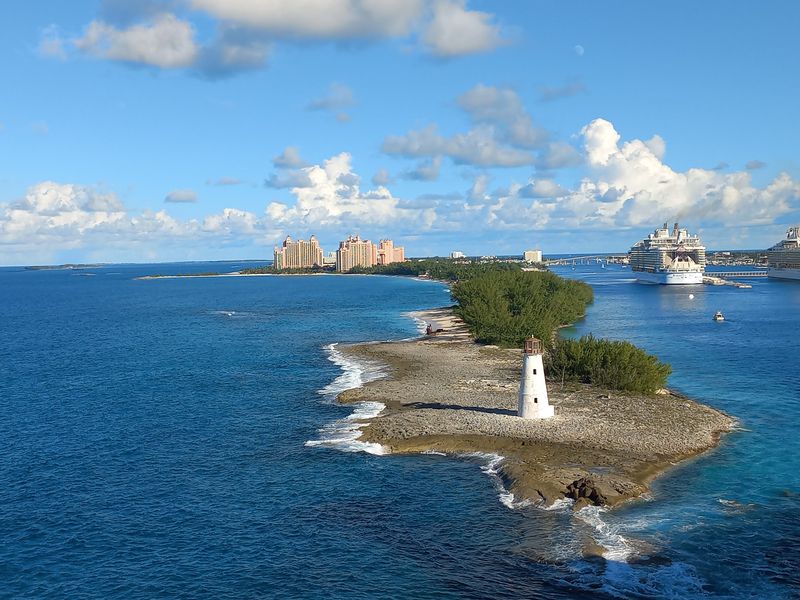
An easygoing Caribbean winter escape rounds out the list. Trade winds keep the islands warm throughout the year, with winter lows averaging around 70°F (21°C).
Nassau and Paradise Island have the largest concentration of resorts and entertainment. For a quieter feel, look to Exuma, Eleuthera, Harbour Island, Bimini, and the Abacos.
Water activities are central to the destination. Swimming, boating, diving, fishing, beaches, blue holes, and island-hopping all feature in the tourism offering.
The official Bahamas tourism site continues to list airports, attractions, and visitor services across the archipelago, which helps when mapping out a trip.
Decide early whether you want resort energy or a quiet island, since that choice shapes everything else about your stay.
Share this story