Western Europe is more than busy capitals and crowded landmarks. Tucked between snowy peaks and wild Atlantic cliffs are lakes, vineyards, forests, and villages that feel wonderfully calm.
This list travels from Switzerland to Portugal, Ireland, Wales, and the Netherlands. Pack your curiosity and get ready to slow down.
Kandersteg, Switzerland
Picture a village so wrapped in mountains that the cows probably feel famous. Kandersteg sits about 1,100 meters above sea level in the Bernese Oberland, yet trains reach it with ease.
That mix of remote feeling and simple access is its secret.
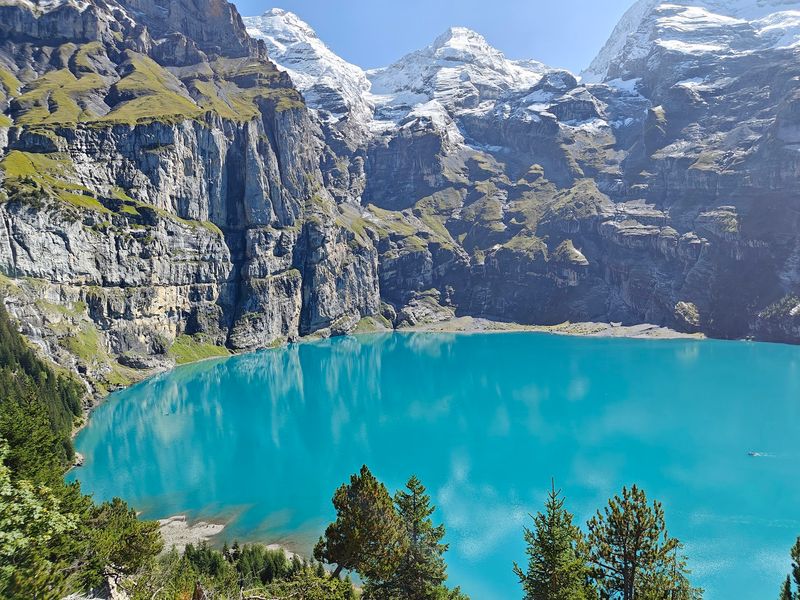
The star outing is Lake Oeschinen. A cable car lifts you up, and trails then wander beneath the Blüemlisalp massif.
The water glows in shades of blue that look edited, but they are not.
Nearby Blausee offers another jewel, a small mountain lake ringed by quiet forest. Bring a camera and a sense of patience, because the reflections are worth waiting for.
Winter changes the mood completely. Kandersteg is one of Switzerland’s big cross-country skiing centers, with around 60 kilometers of prepared trails.
Waterfalls, high passes, and the Gasterntal Valley add plenty more to explore.
If Interlaken feels too busy, this is your calmer plan. Wooden chalets, fresh air, and wide views do the rest.
Pack layers, since mountain weather loves surprises, and book lake trips early in summer.
Annecy, France
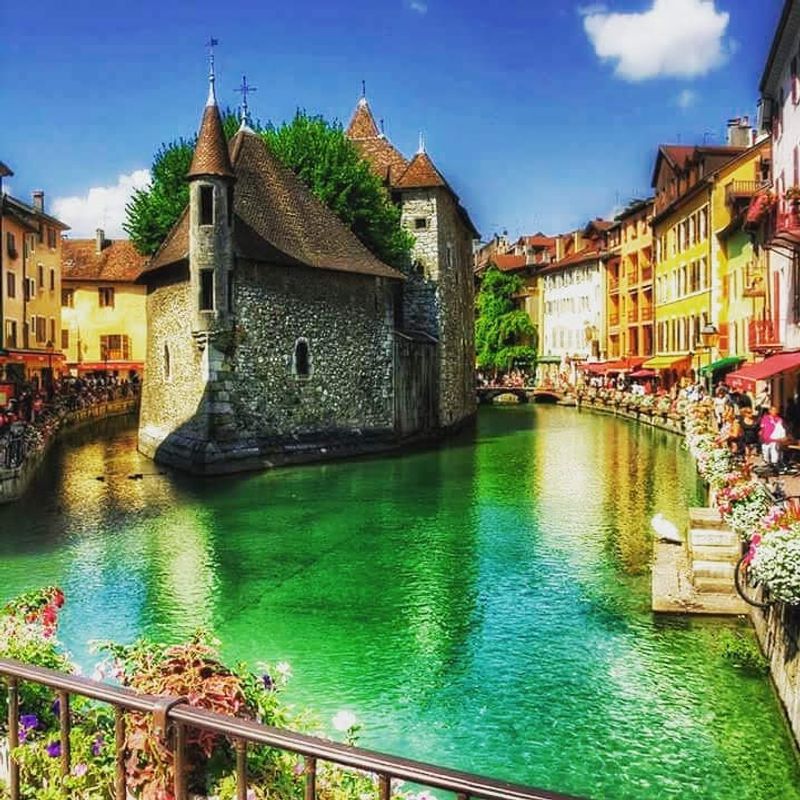
Canals, flower boxes, and pastel houses make Annecy look like a storybook set. The old town is crossed by waterways fed by Lake Annecy, and the Palais de l’Île sits in the middle like a stone ship.
Arcades and cafe tables invite you to wander without a plan.
The lake is the real playground. France’s tourism authority praises its very clean water, and visitors swim, sail, cycle, hike, canyon, and paragliding fans leap off nearby slopes.
A cycle route hugs the shore for more than 40 kilometers.
Start your morning with a croissant by the canal, then rent a bike. Stop whenever a beach or viewpoint calls your name.
Evening light on the water is hard to beat.
The French Alps rise right behind the city, so mountain trips are easy to add. That means Annecy works for a lazy culture weekend or an active getaway.
Visit in late spring or early autumn for fewer crowds and still warm days.
Salzkammergut, Austria
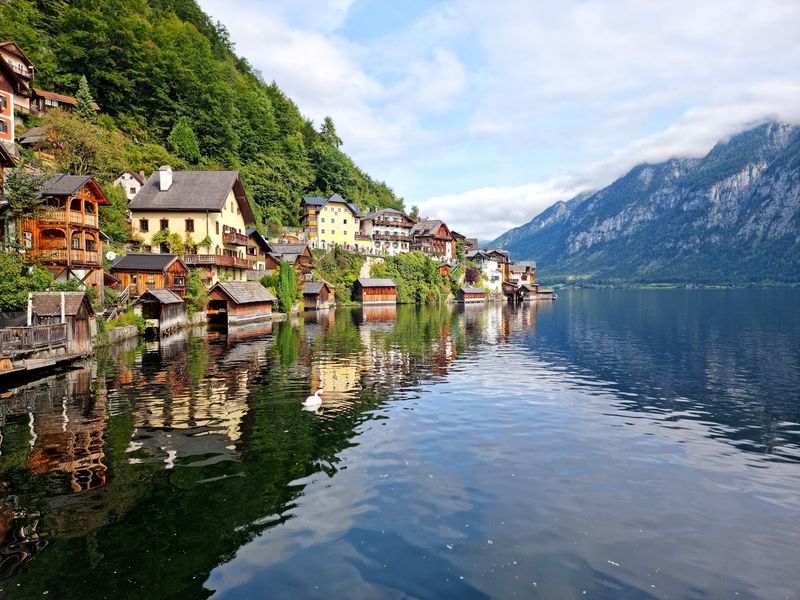
Salt built fortunes here, and the leftovers are pure scenery. The Salzkammergut spreads across Upper Austria, Salzburg, and Styria, with eight holiday areas and lakes like Wolfgangsee, Traunsee, Attersee, and Fuschlsee.
Water and mountains meet at nearly every turn.
Hallstatt is the famous face. It squeezes between its lake and the cliffs beside an ancient salt-mining landscape.
Arrive early or stay late to dodge the daytime crowds.
Then look beyond it. Bad Ischl, St. Wolfgang, and Gmunden each add their own mood, from elegant spa town to lakeside charm.
Ferries make hopping between shores easy and fun.
Summer is made for swimming, paddling, hiking, and cycling. Winter swaps those for skiing, snowshoeing, and soaking in thermal spas.
Pick two or three lakes instead of rushing through all of them. You will see more by lingering.
Pack a swimsuit and a rain jacket, because Alpine skies love to change their minds.
Crozon Peninsula, Brittany, France
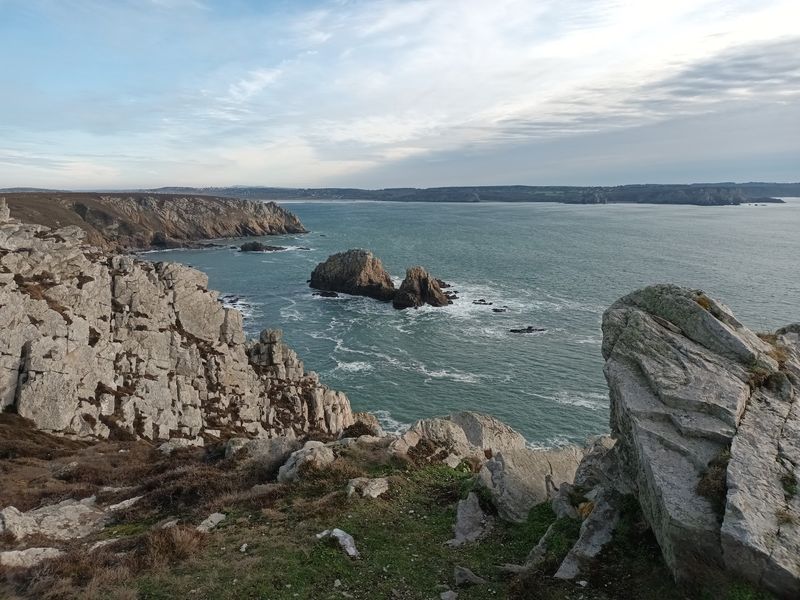
Wind tugs at your jacket, gulls shout overhead, and the Atlantic crashes below. Welcome to the Crozon Peninsula, the western tip of Brittany.
France’s tourism authority calls it one of the region’s wildest and most authentic landscapes.
Headlands, coves, beaches, and open moorland fill the map. Sections of the GR34 and GR37 long-distance trails trace the coast, passing surf beaches and dramatic viewpoints.
You can walk for an hour or a full day.
Not a hiker? Try sea kayaking, sailing, or climbing instead.
The water here is lively, so beginners should book a guide.
The area sits within the Armorique Regional Natural Park, home to coastal habitats, maritime forests, and protected wildlife. Keep your eyes open for seabirds riding the gusts.
Crozon suits travelers who prefer windswept scenery and small seaside villages to polished resort beaches. Pack a windproof layer, sturdy shoes, and a taste for fresh seafood and buttery Breton treats.
Douro Valley, Portugal
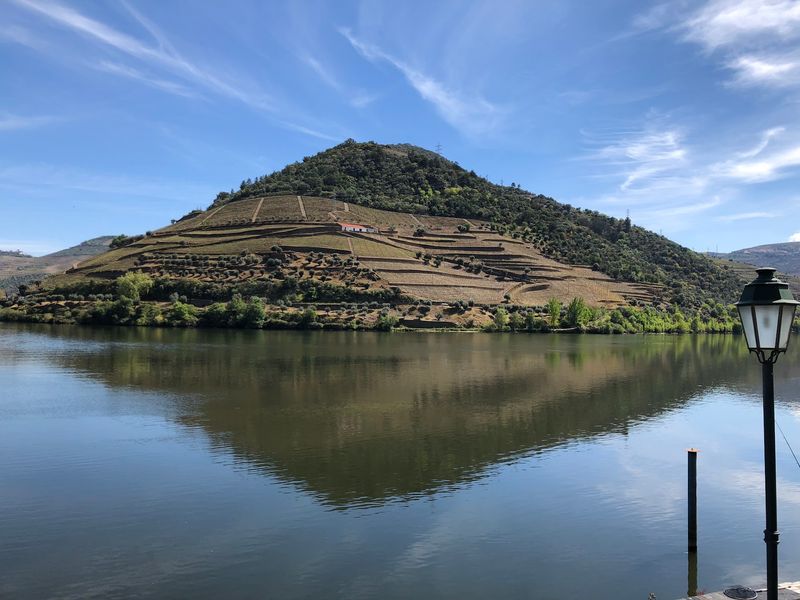
Autumn here looks like someone spilled red and gold paint over every hillside. The Douro Valley shows how a river can shape a whole culture.
Growers carved vineyard terraces into steep schist slopes, turning hard land into a famous wine region.
Visit Portugal notes that this is the world’s oldest demarcated wine region, and its cultural landscape is UNESCO listed. That is a big title for a place that still feels relaxed and friendly.
You can explore by road, train, river cruise, or vineyard stay. Good stops include Peso da Régua, Pinhão, and smaller wine villages tucked along the bends.
Do not skip Pinhão’s historic railway station. Its tile panels show scenes of regional wine production, a free art gallery on the platform.
Plan slow days with a tasting or two and a long lunch with a view. If you drive, pick a designated driver, because those winding roads deserve full attention.
Harvest season is lively but books up early.
San Sebastián and the Basque Coast, Spain
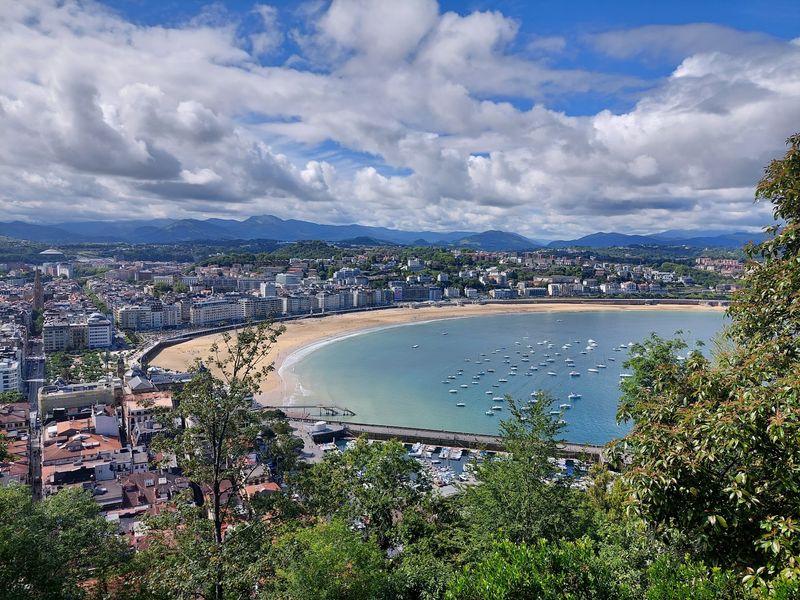
Locals will tell you the best view in town is the one from a bar counter with a plate of pintxos. San Sebastián curves around a white sand beach between Mount Urgull and Mount Igeldo.
La Concha Bay gives the city its famous postcard shape.
The food scene is celebrated worldwide. Add historic neighborhoods, museums, and waterfront sculpture, and a long weekend fills up quickly.
Then head out along the coast. Spain’s tourism authority highlights fishing villages such as Getaria, Hondarribia, Lekeitio, and Bermeo.
Each has a working harbor and grilled fish worth the trip.
Near Zumaia, flysch cliffs show stripes of rock layers like a giant sliced cake. The Urdaibai Biosphere Reserve adds estuaries and green hills.
What makes the region special is how fast city life gives way to wild Atlantic scenery. Rent a car or hop on regional transport.
Pack a rain jacket, because that green landscape earns its color.
Dinant and the Upper Meuse, Belgium
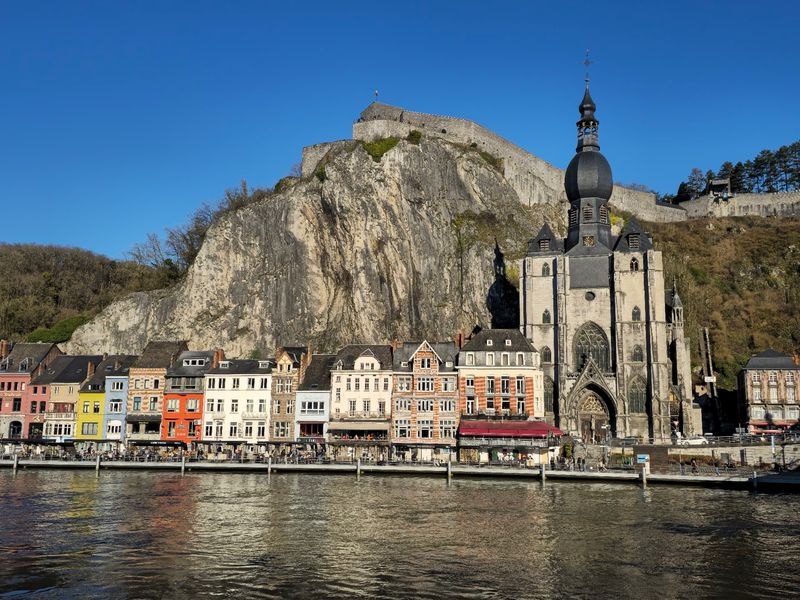
One look at the onion-shaped dome of Notre-Dame and you know Dinant has its own personality. The town is squeezed between limestone cliffs and the Meuse River, so every street ends in a view.
A fortress sits high above, reached by stairs or cable car.
Take the cable car up and save your legs for exploring. The citadel overlooks rooftops, bridges, and the slow curve of the river.
Wallonia’s tourism authority also points visitors toward river cruises and the nearby Grotte La Merveilleuse. A boat ride gives a fresh angle on the cliffs, while the cave adds a cool underground detour.
Beyond town, forested slopes, rock formations, castles, and walking routes fill the Upper Meuse. Small villages keep the pace gentle.
Use Dinant as a base rather than a quick stop. It feels far more rural than Brussels, Bruges, or Ghent.
Try a local waffle or the famous spiced Dinant biscuits, called couques, as a trail snack.
Giethoorn and Weerribben-Wieden, Netherlands
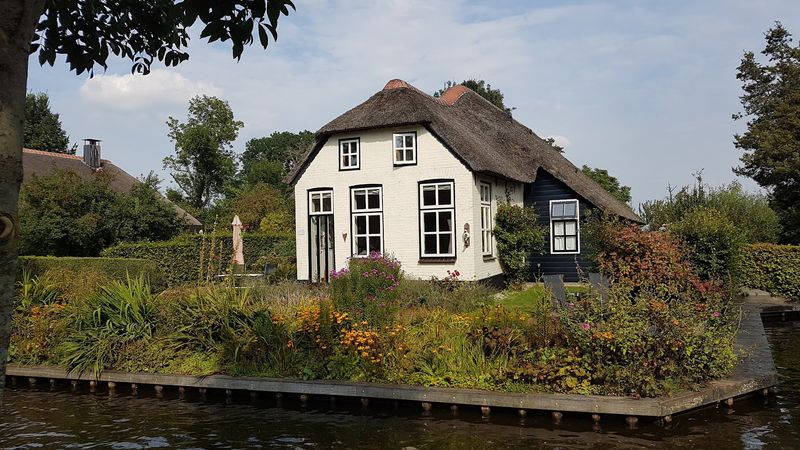
No roads run through the heart of Giethoorn, so the soundtrack is ducks and gentle paddles. Thatched-roof houses sit along canals, linked by more than 170 wooden bridges.
It looks like a model village, yet people really live here.
Many visitors snap photos and leave. That is a missed chance, because the Weerribben-Wieden wetlands beyond are the real treat.
Holland’s tourism authority describes a landscape shaped by centuries of peat extraction. The result is waterways, reed beds, islands, and marshes.
Canoe, paddleboard, or quiet electric boat is the way to go.
Nearby hamlets such as Dwarsgracht offer a calmer version of the same water world. You may share a canal with only a heron.
Stay overnight to see the area before or after the busiest hours. Mornings are misty and still, and evenings glow.
Rent a whisper boat, bring snacks, and let the current set the schedule.
Southern Black Forest, Germany
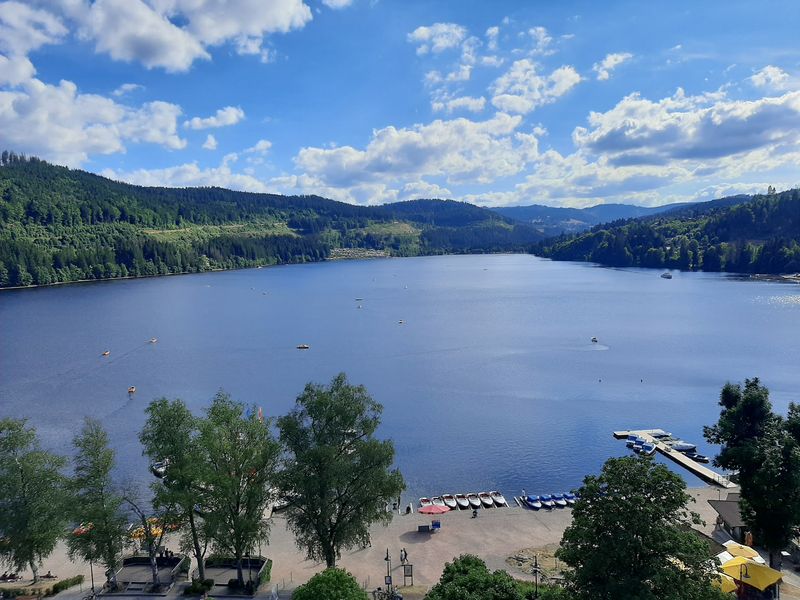
Fairy tales did not invent these woods, they just borrowed the mood. The Southern Black Forest blends dense forest, high meadows, farmsteads, lakes, and gorges.
Its nature park is Germany’s largest, stretching from around Triberg to the High Rhine and from Freiburg toward the upper Danube.
Feldberg rises to 1,493 meters, the region’s highest summit. On a clear day the views seem endless.
For a wilder walk, try the Wutach Gorge. Cliffs, forest, and rushing water make it a thrilling hiking landscape.
Prefer to sit back? The Black Forest Railway climbs through valleys, tunnels, and looping track near Triberg.
Grab a window seat and enjoy the show.
The big bonus is easy rail access, so you can enjoy landscape without a long drive. Pack sturdy shoes and an appetite.
Local cake and smoked ham are part of the experience.
Mullerthal, Luxembourg
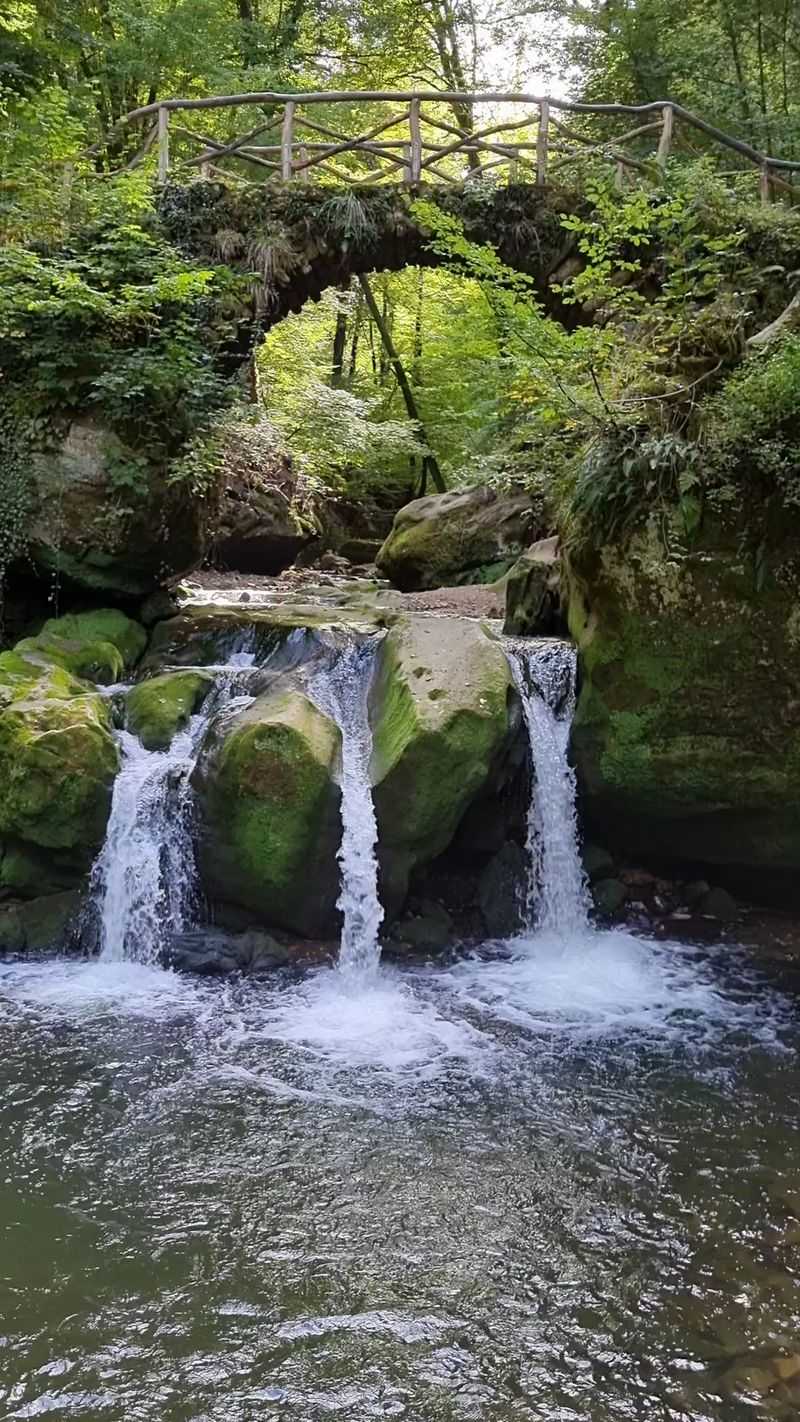
Squeeze through a rock passage so narrow your backpack complains. That is classic Mullerthal, nicknamed Little Switzerland even though sandstone, not Alps, shapes it.
Forest surrounds ravines, caves, rock towers, streams, and mossy corridors.
The landscape earned UNESCO Global Geopark status in 2022. It is a fitting honor for such a green, strange, and wonderful place.
The 112-kilometer Mullerthal Trail links many highlights, so you can hike a short loop or plan several days. Wear shoes with grip, since the rocks can be slippery after rain.
Echternach makes a lovely base, with an abbey, an old town, a lake, and Roman remains. Castles at Beaufort and Larochette add medieval flair between walks.
Luxembourg is so compact that you can pair Mullerthal with the capital. One morning you are strolling city streets, and by afternoon you are deep in the woods.
It is a very easy way to feel far from everything.
Dingle Peninsula, Ireland
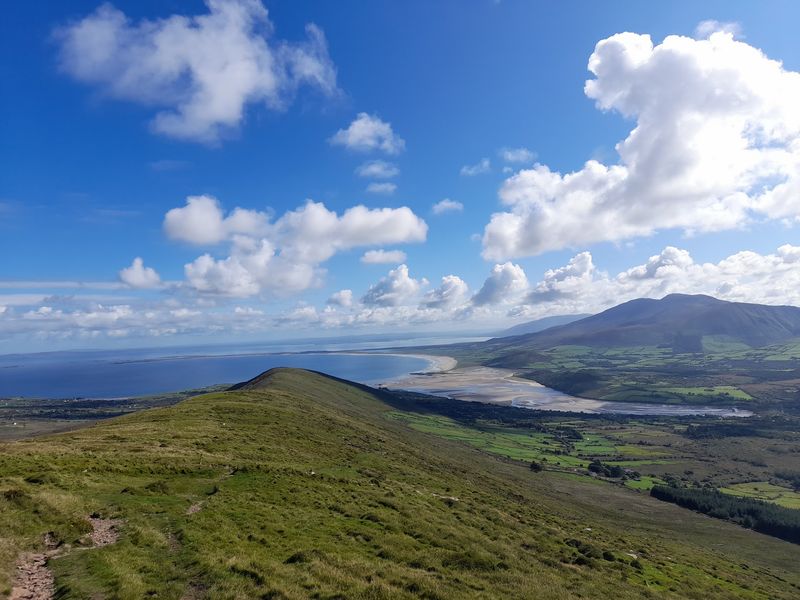
Sheep on the road have the right of way here, and nobody argues. The Dingle Peninsula juts into the Atlantic from County Kerry, packed with mountains, corrie lakes, beaches, and stone ruins.
Irish is still spoken in many communities.
The Conor Pass is a highlight drive. It is narrow between Dingle and Brandon Bay, but the views over green valleys and rugged peaks reward your steady hands.
Ireland’s tourism authority also points to Inch Beach, a roughly five-kilometer sweep of golden sand. Castlegregory has beaches and small settlements beneath Mount Brandon.
The best way to enjoy it all is slowly. Stop at archaeological sites, fishing harbors, and pubs where music might start without warning.
Weather shifts fast, so expect sun, drizzle, and rainbows in one afternoon. Pack layers and a sense of humor.
The journey matters as much as any single stop here.
Pembrokeshire Coast, Wales
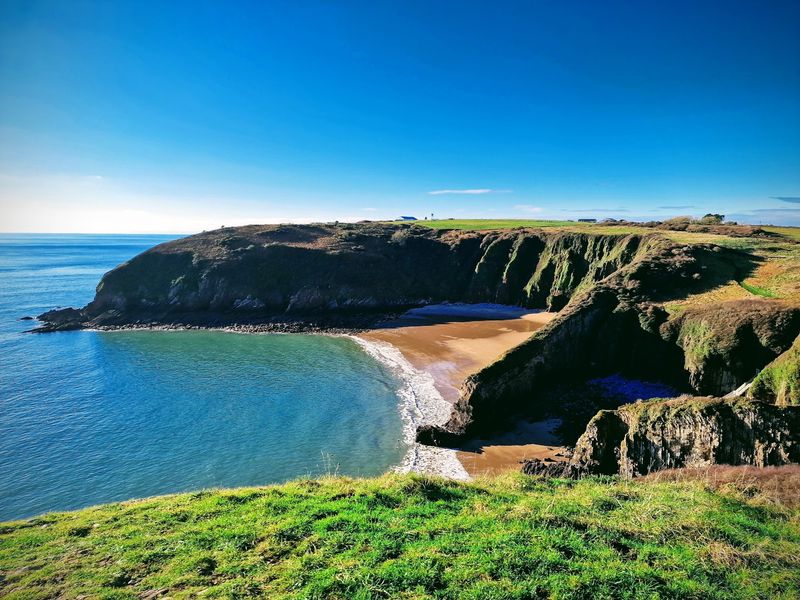
Count the beaches and you will run out of fingers: Visit Wales says there are more than 50. Pembrokeshire boasts 186 miles of coastline, from broad sandy bays to sea cliffs, offshore islands, and fishing villages.
St Davids is a surprise, a tiny cathedral city sitting at the heart of the peninsula. Its small size makes it easy to explore on foot.
Tenby brings color, with pastel harbor houses and beaches just outside its old walls. Grab ice cream and watch the boats bob.
The Pembrokeshire Coast National Trail follows much of the shoreline. Walk it and you will meet seabirds, marine wildlife, hidden coves, and ancient remains.
Seals sometimes pop up like curious neighbors.
This region is perfect if you want an Atlantic escape built around hiking instead of resort life. Pick a section, pack a picnic, and check tide times before heading to beaches.
Sturdy boots and a waterproof layer are smart.
Lake District, England
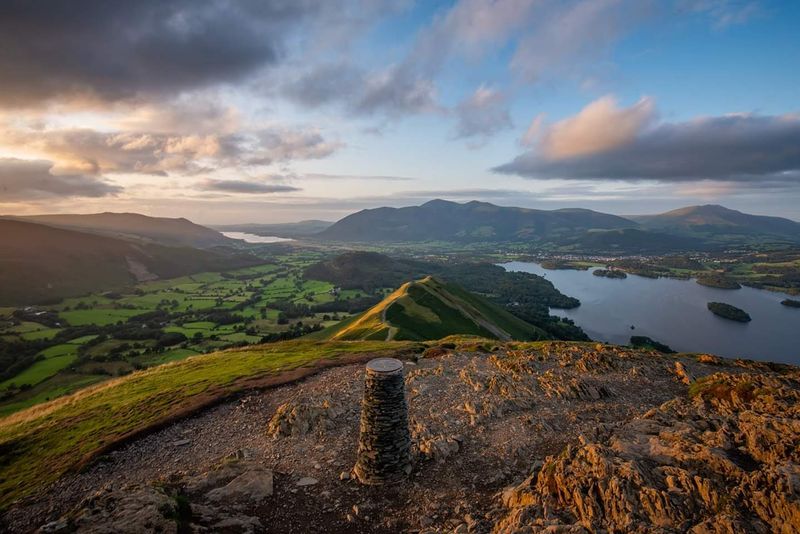
Poets came for the views and stayed to write about every cloud. The Lake District packs lakes, valleys, stone villages, high fells, and country pubs into one compact area.
It is one of Britain’s best-loved rural landscapes.
Keswick sits beside Derwentwater, and Windermere hosts scenic cruises. Ambleside makes a handy base near the northern end of that lake.
Grasmere links to poet William Wordsworth, and his Dove Cottage is a key cultural stop. Step inside and picture him scribbling by the fire.
The magic is in the whole scene, not one big attraction. Winding roads, stone walls, mountain passes, and woodland shape days that unfold at a gentle pace.
Weather changes fast, so rain gear is a must.
Mix a morning hike with a boat trip, then visit a historic house or village. End with a hearty pub dinner.
You do not need to pick a single center to enjoy it all.
Brienz and Lake Brienz, Switzerland
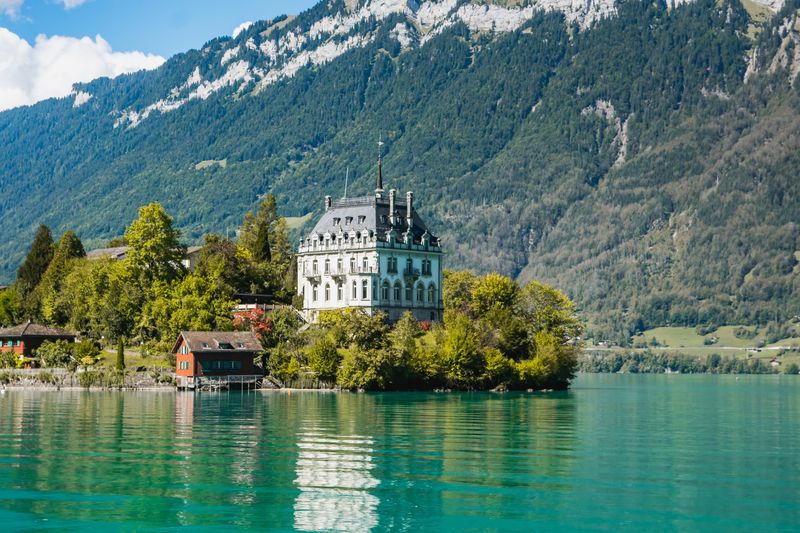
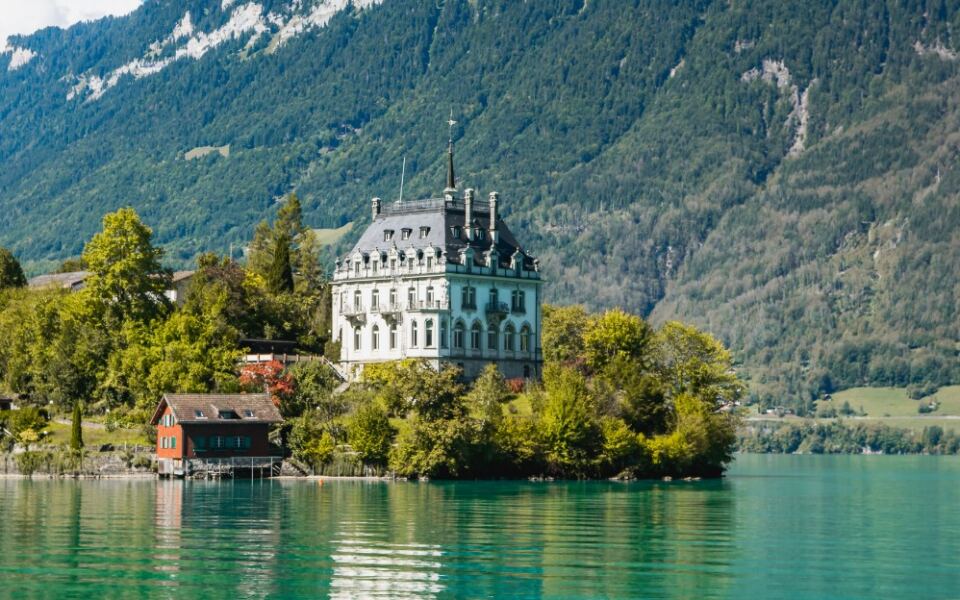
Woodcarvers here turn simple blocks into tiny masterpieces, and the whole village feels crafted. Brienz sits at the eastern end of turquoise Lake Brienz, beneath the Bernese Oberland mountains.
Decorated wooden chalets line the streets, and a lakeside promenade begs for slow strolls.
Boats cross the lake to the Giessbach Falls, where water tumbles down in stages. The ride itself is a treat.
For big views, hop on the historic Brienz Rothorn Railway. It climbs from the shore toward panoramic mountain viewpoints, puffing along like a time machine.
Nearby Ballenberg is an open-air museum of traditional Swiss rural architecture and craftsmanship. Allow plenty of time, since it is huge.
Brienz is quieter and more compact than neighboring Interlaken. That makes it great for travelers wanting classic Swiss scenes without a major resort hub.
Book rail tickets early for summer and bring a warm layer for the mountaintop.
Share this story