Retirement should feel like a reward, not a financial struggle. More retirees are looking beyond their home countries to find places where their savings stretch further without sacrificing comfort, safety, or healthcare.
From sun-drenched coastlines to charming mountain towns, the world is full of welcoming destinations that make retirement genuinely enjoyable. Whether you crave adventure or a quiet life by the sea, there is a perfect spot out there waiting for you.
Portugal
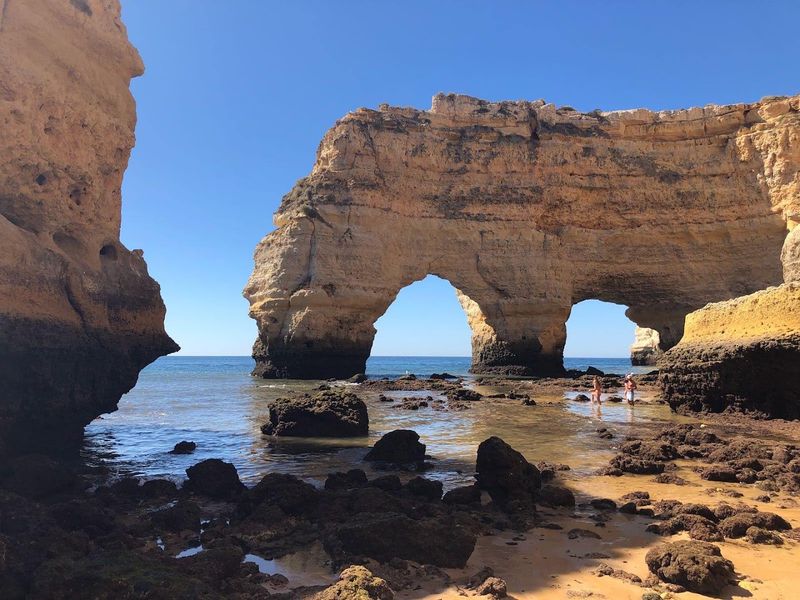
Ask any expat retiree in Europe where they ended up, and Portugal keeps coming up like a catchy song you cannot get out of your head. The country offers a mild Atlantic climate, stunning coastlines, and historic cities that feel straight out of a storybook.
Healthcare here is genuinely good, with both public and private options available at reasonable costs.
The Algarve region draws retirees with its warm winters, golf courses, and beachside cafes. Central Portugal offers a quieter pace, rolling hills, and charming villages where locals are famously friendly.
Monthly living costs for a couple can comfortably stay around $2,000 to $2,500, covering rent, food, and entertainment.
Portugal also scores high on global safety indexes, making solo retirees feel especially secure. The country joined the Schengen Area, offering easy travel across Europe.
English is widely spoken in larger cities and tourist areas, easing the transition for newcomers. Lisbon and Porto buzz with culture, restaurants, and music festivals that keep life exciting well past retirement age.
Panama
Panama punches well above its weight when it comes to retirement perks. The country’s famous Pensionado program offers retirees discounts on everything from restaurant meals and hotel stays to medical procedures and utility bills.
It is one of the most generous retirement visa programs anywhere in the world, and it has been drawing North American retirees for decades.
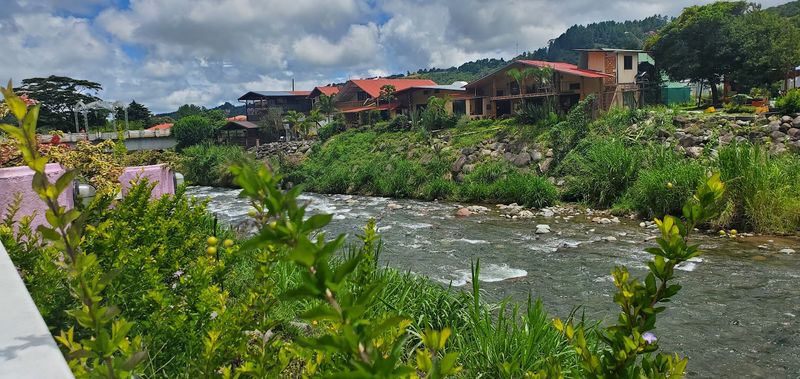
Boquete sits in the highlands with a refreshing cool climate and a tight-knit expat community that makes newcomers feel instantly at home. Coronado, closer to the coast, offers beach living with modern supermarkets and quality clinics nearby.
Panama City itself boasts world-class hospitals, international restaurants, and a skyline that rivals Miami.
The currency is pegged to the US dollar, which eliminates exchange rate headaches for American retirees. Monthly costs for a couple typically range from $1,800 to $2,500 depending on lifestyle and location.
Crime varies by neighborhood, so choosing the right community matters. Overall, Panama consistently ranks among the top five retirement destinations globally, and for very good reason.
The infrastructure is modern, the food is fresh, and the sunsets are absolutely spectacular.
Malaysia
Malaysia quietly offers one of the best retirement packages in all of Asia, without the fanfare that places like Thailand often receive. The Malaysia My Second Home program has made it straightforward for retirees to set up long-term residency.
Private hospitals here are outstanding, often staffed by internationally trained doctors, and medical costs are a fraction of what you would pay in the United States or Australia.
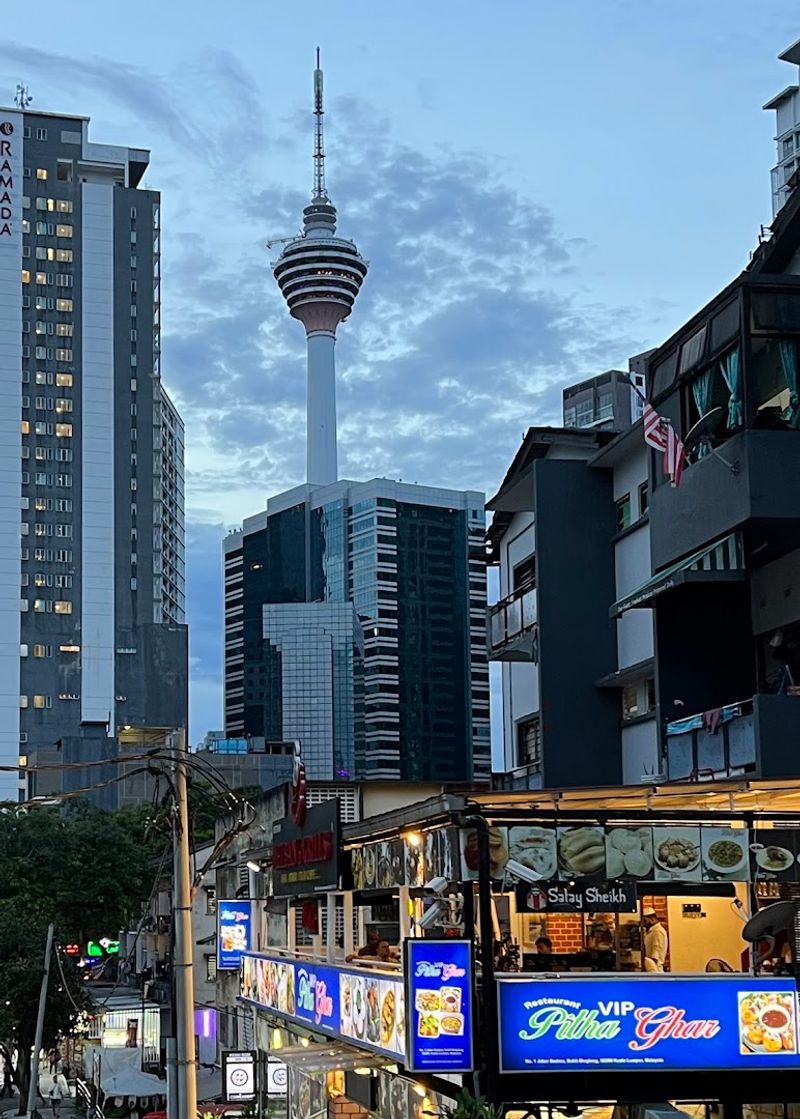
Penang is the crowd favorite, blending UNESCO-listed heritage streets, incredible street food, and a thriving arts scene. Kuala Lumpur offers a full metropolitan lifestyle with world-class shopping, modern transport, and a wide range of international restaurants.
Both cities have large English-speaking populations, making daily life surprisingly easy to navigate.
Housing is affordable by Western standards, with comfortable apartments available at very reasonable monthly rents. A couple can live well in Penang for around $1,500 to $2,000 per month.
The tropical climate means warm weather year-round, though the humidity takes some getting used to. Malaysia is also centrally located in Southeast Asia, making regional travel to places like Bali, Vietnam, and Thailand wonderfully convenient for adventure-hungry retirees.
Costa Rica

Costa Rica has been charming retirees for so long that it practically has its own retirement fan club. The country’s unofficial motto is “Pura Vida,” meaning pure life, and that philosophy genuinely shapes the laid-back, welcoming culture retirees encounter every day.
Political stability here is remarkable, as Costa Rica has had no standing army since 1948 and consistently ranks as one of the safest and happiest countries in Latin America.
Healthcare is a major draw, with both public and private systems offering solid care at affordable rates. The Pensionado visa requires proof of a monthly pension income of just $1,000, making it accessible for many retirees.
Inland towns like Atenas and Grecia offer spring-like weather year-round and are significantly more affordable than coastal hotspots.
Nature lovers will feel like they have won the lottery here. Rainforests, volcanoes, wildlife refuges, and both Pacific and Caribbean coastlines are all within easy reach.
Fresh tropical produce is cheap and abundantly available at local farmers markets. Monthly living costs for a couple in a quieter inland town can stay comfortably around $1,800 to $2,200.
Costa Rica rewards those who explore beyond the tourist trail.
Ecuador

Cuenca, Ecuador, has been called one of the world’s top retirement cities so many times that the locals have practically started handing out welcome signs at the airport. The city sits at about 8,200 feet elevation, giving it a remarkably pleasant spring-like climate that never gets too hot or too cold.
That natural air conditioning alone has convinced thousands of retirees to swap their heating bills for flower-filled plazas and cobblestone streets.
Ecuador uses the US dollar as its official currency, which makes budgeting predictable and eliminates currency exchange stress entirely. Healthcare costs are low, with many specialist consultations costing under $30.
A comfortable apartment in Cuenca rents for well under $600 per month in most neighborhoods, and fresh local produce at the market is famously inexpensive.
The country’s retirement visa, known as the Jubilado visa, requires proof of just $800 per month in pension income. Ecuador also boasts incredible biodiversity, from Amazon jungle to Pacific beaches to the famous Galapagos Islands.
Quito, the capital, offers additional cultural and medical resources for those who prefer a bigger city atmosphere. Monthly living costs for a couple in Cuenca typically range from $1,500 to $2,000, making it one of the best bargains on this list.
Mexico
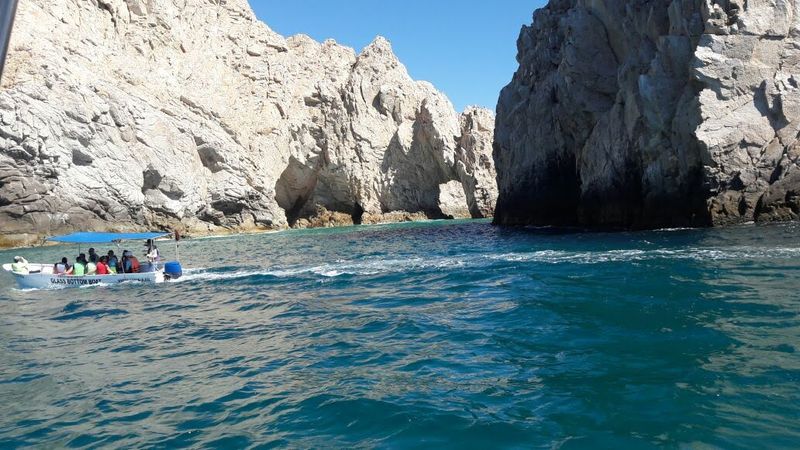
Mexico has been the top destination for American retirees for years, and the reasons are almost too obvious to list. Proximity to the United States means staying connected to family is easy and affordable, with short flights available from most major US cities.
The country also offers a staggering variety of environments, from beach towns to cool colonial highlands, so retirees can truly find their ideal setting.
San Miguel de Allende dazzles with its arts scene, international food culture, and beautifully preserved colonial architecture. Merida in the Yucatan Peninsula offers warm weather, low crime rates by Mexican standards, and a rich cultural calendar.
Puerto Vallarta and Lake Chapala draw beach and lakeside lovers with established expat communities that have been thriving for decades.
Private healthcare in Mexico is excellent and affordable, with many doctors trained in the United States or Europe. Monthly costs for a couple vary widely by location but generally range from $1,500 to $2,500.
The food scene alone could justify the move, with fresh tacos, markets, and regional cuisines that make every meal an event. Mexico rewards retirees who take the time to learn a little Spanish and explore beyond the resort zones.
Spain

Spain manages to offer world-class quality of life at a price that feels almost unfair compared to other Western European countries. The public healthcare system is widely regarded as one of the best in the world, and retirees who establish residency can often access it at low cost.
Add in a Mediterranean diet, a relaxed afternoon culture, and near-constant sunshine in the south, and you start to understand why so many retirees never want to leave.
Smaller cities like Valencia, Alicante, and Malaga offer all the amenities of a major city without the price tag of Madrid or Barcelona. The Costa Blanca region is particularly popular with British and Northern European retirees who have been settling there for generations.
Inland towns in regions like Extremadura and Castile offer even lower costs and a deeply authentic Spanish experience.
Monthly living costs for a couple in a smaller Spanish city typically range from $2,000 to $2,800. Spain’s Non-Lucrative Visa allows retirees to live there legally with proof of sufficient savings.
High-speed rail connects major cities beautifully, making exploration easy. The culture of long lunches, evening strolls, and vibrant local festivals gives retired life in Spain a rhythm that feels genuinely refreshing.
Thailand
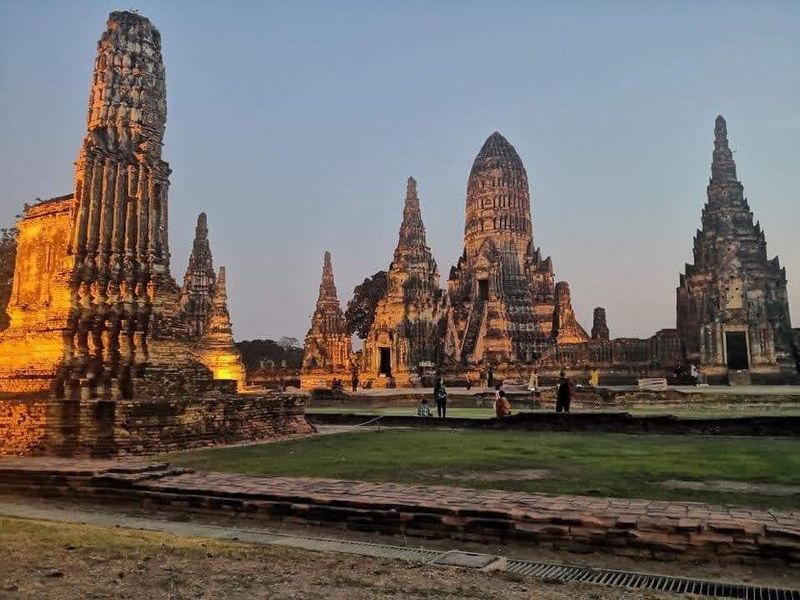
Thailand has a way of making retirees feel like they have discovered a secret that the rest of the world has not caught on to yet. The cost of living is genuinely low, the food is extraordinary, and the locals are famously warm and welcoming to foreigners.
Private hospitals in Bangkok and Chiang Mai are internationally accredited, offering high-quality care at costs that seem almost unbelievable compared to Western rates.
Chiang Mai is the retiree sweet spot, blending a cool northern climate, a relaxed creative culture, excellent coffee shops, and a buzzing expat social scene. Hua Hin offers a quieter beach lifestyle with good infrastructure and a growing international community.
Bangkok suits those who want big-city energy with world-class dining, shopping, and medical facilities all within reach.
Thailand’s retirement visa, available to those over 50, requires either a monthly income or a bank deposit to qualify, and it is renewable annually. Monthly living costs for a couple in Chiang Mai can comfortably stay around $1,200 to $1,800.
Street food breakfasts, temple visits, cooking classes, and weekend markets fill the calendar with low-cost entertainment. Thailand consistently earns its reputation as one of Asia’s most rewarding places to spend retirement.
Greece

Lunch under a grape vine, a slow walk along a harbor, and an afternoon nap before sunset: Greece makes retirement feel like a permanent vacation without the resort price tag. Outside of the heavily touristed islands like Santorini and Mykonos, much of Greece remains genuinely affordable and wonderfully unhurried.
Smaller islands and mainland towns offer charming communities, fresh seafood, and a pace of life that most people only dream about.
The Mediterranean diet that Greeks have followed for centuries happens to be one of the healthiest on the planet, which is a nice bonus for health-conscious retirees. Greece’s public healthcare system covers residents, and private care is available at reasonable costs.
Safety ratings are solid, and locals in smaller communities are famously hospitable to newcomers who make an effort to engage.
Monthly living costs for a couple in a smaller Greek city or island can range from $1,500 to $2,200 depending on lifestyle. The country recently introduced a special retirement visa offering a flat 7% income tax rate for foreign pensioners who relocate, making it financially attractive as well.
History is everywhere you look, from ancient ruins to Byzantine churches, giving curious retirees an endless supply of fascinating places to explore on any given afternoon.
Albania
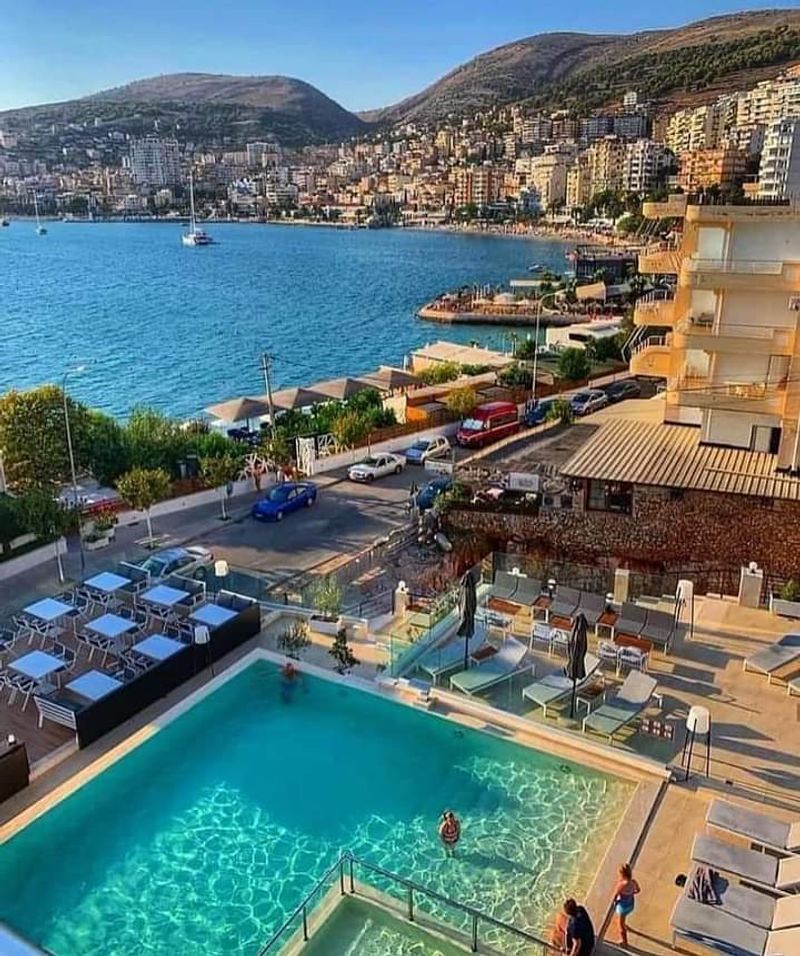
Albania is the retirement destination that most people have not thought of yet, and that is precisely what makes it so exciting right now. Sitting on the Adriatic and Ionian coasts of the Western Balkans, Albania offers stunning beaches, dramatic mountain scenery, and some of the lowest living costs in all of Europe.
Prices that would make your jaw drop in Portugal or Spain are completely normal here.
The capital Tirana has transformed rapidly over the past decade into a lively, colorful city with good restaurants, a growing arts scene, and improving infrastructure. Coastal towns like Sarande and Himara attract visitors with crystal-clear water and a laid-back atmosphere that reminds many travelers of the Greek islands, but at a fraction of the cost.
The Albanian Riviera in particular has been gaining attention from European retirees seeking something fresh.
Monthly living costs for a couple can be as low as $1,000 to $1,500, making Albania one of the most budget-friendly options on this entire list. Healthcare is improving steadily, though many expats use private clinics for routine care.
Albania is also safe, with crime rates lower than many of its neighbors. EU membership is on the horizon, which is already driving positive improvements across the country.
Vietnam
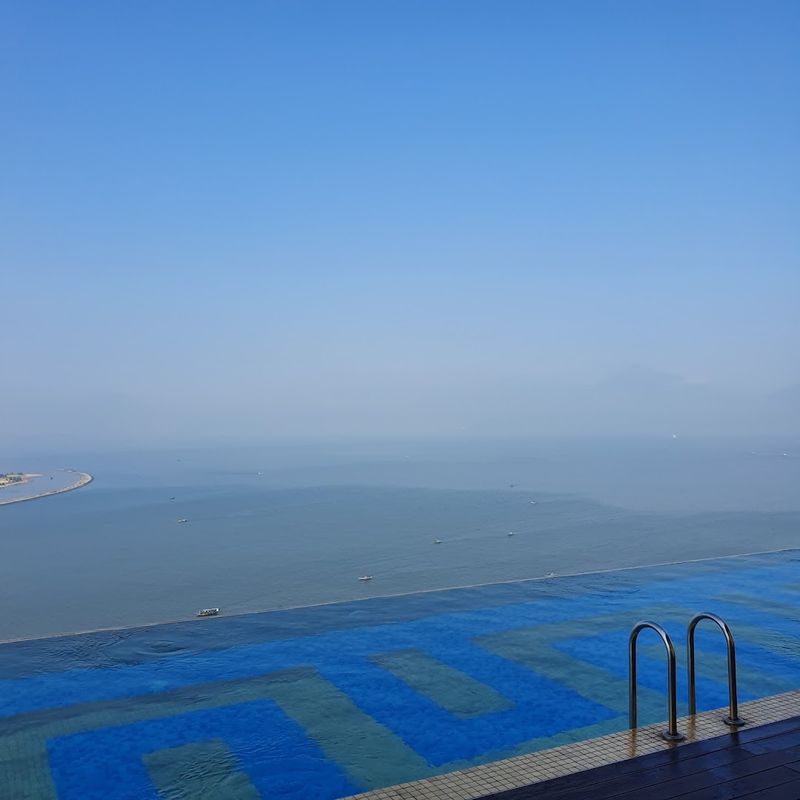
Vietnam is proof that you do not need to spend a fortune to live extraordinarily well. The country offers some of the most flavorful, fresh, and affordable food on the planet, and that alone is enough to make many retirees pack their bags.
Beyond the food, Vietnam combines modern urban convenience with natural beauty, from karst mountain landscapes in the north to long sandy beaches in the central and southern regions.
Da Nang has become a standout choice for retirees, offering a manageable city size, excellent beaches, nearby Hoi An’s ancient town charm, and a growing range of international restaurants and cafes. Nha Trang draws those who want a classic beach town vibe with a lively social scene.
Ho Chi Minh City suits retirees who thrive on big-city energy, while Hanoi offers a cooler climate and deeper historical atmosphere.
Private healthcare in major cities is solid and inexpensive by Western standards. Monthly living costs for a couple typically range from $1,000 to $1,600, making Vietnam exceptionally affordable.
Visa arrangements for long-term stays require some planning, as Vietnam does not yet offer a dedicated retirement visa. Many expats use e-visas or work with local advisors to manage longer stays comfortably and legally.
Uruguay
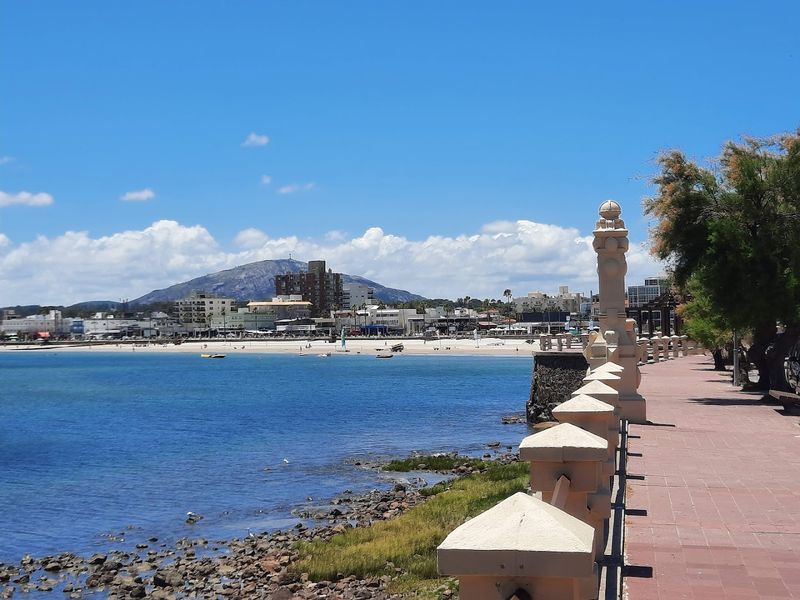
Uruguay does not shout about itself the way some of its South American neighbors do, but retirees who discover it tend to stay forever. The country is widely considered the most politically stable and socially progressive nation in Latin America, with a strong rule of law, low corruption, and a reliable healthcare system that covers residents.
Safety here is genuinely impressive by regional standards, which matters enormously for retirees choosing a new home.
Montevideo, the capital, offers a relaxed coastal lifestyle with wide tree-lined boulevards, excellent restaurants, and a thriving arts and music scene. The famous Rambla waterfront promenade stretches for miles along the Rio de la Plata, giving residents a beautiful daily walking route that is hard to beat.
Smaller coastal towns like Punta del Este and Colonia del Sacramento offer quieter alternatives with their own distinct charm.
Uruguay’s residency process is relatively straightforward, and permanent residency opens access to the public healthcare system. Monthly living costs for a couple in Montevideo typically range from $2,000 to $2,800.
Fresh beef, world-class wine, and abundant seafood make dining one of life’s great pleasures here. Uruguay uses the US dollar widely in transactions, which adds a layer of financial familiarity for North American retirees.
Colombia
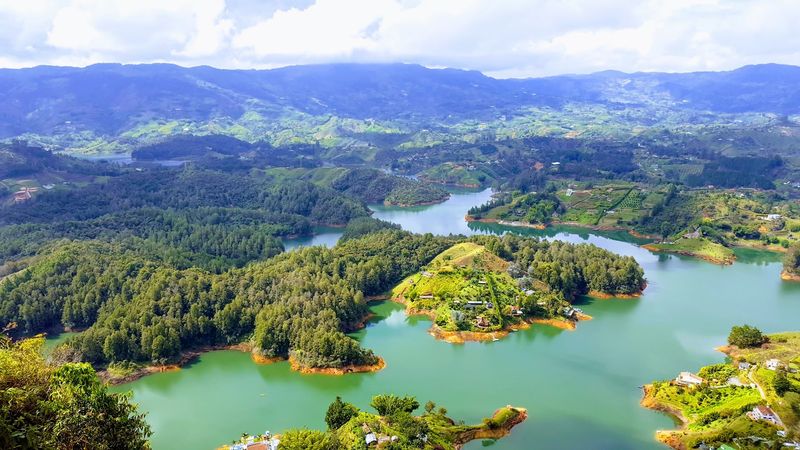
Medellin’s transformation from troubled city to celebrated retirement hotspot is one of the most remarkable urban turnaround stories of the 21st century. The city sits in a lush Andean valley at an elevation that delivers near-perfect spring weather every single day of the year, earning it the nickname the City of Eternal Spring.
That climate alone draws retirees who are tired of dealing with harsh winters or sweltering summers.
Modern metro lines, excellent private hospitals, trendy neighborhoods full of cafes and parks, and a cost of living that makes most Western retirees genuinely giddy: Medellin delivers on nearly every practical front. El Poblado and Laureles are the most popular expat neighborhoods, each offering a slightly different social atmosphere to suit different personalities.
Cartagena on the coast and the coffee region around Salento offer appealing alternatives for those who prefer a different setting.
Monthly living costs for a couple in Medellin typically range from $1,500 to $2,200. Colombia’s pensioner visa requires proof of monthly pension income and is relatively accessible.
Private healthcare is excellent and very affordable, with internationally trained doctors available in most major cities. Colombia rewards retirees who embrace the culture, learn some Spanish, and engage with the genuinely warm local communities around them.
Croatia
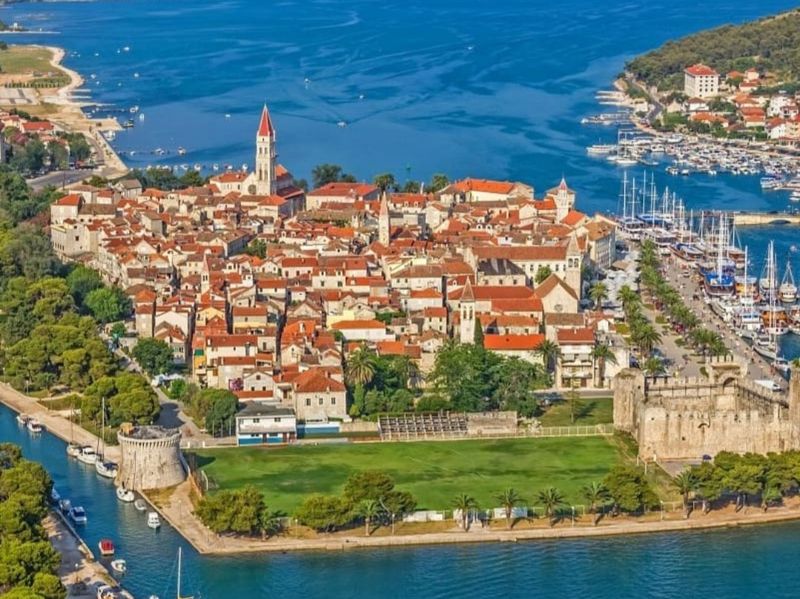
Croatia looks like a movie set that someone forgot to close down after filming, and retirees who settle here get to live in it full time. The Adriatic coastline stretches for nearly 1,100 miles, dotted with medieval walled towns, hidden coves, and islands that make every weekend feel like a mini adventure.
Outside the summer tourist rush, coastal towns like Split, Zadar, and Sibenik return to a calm, affordable rhythm that suits retirees perfectly.
Croatia joined the European Union in 2013 and adopted the euro in 2023, bringing it firmly into the European mainstream while still offering lower living costs than Western Europe. The healthcare system is solid, and private clinics provide quality care at competitive prices.
Safety is excellent, with Croatia consistently ranking among Europe’s safest countries.
Monthly living costs for a couple in a smaller coastal city typically range from $1,800 to $2,500. Croatia’s Digital Nomad and Temporary Stay visas offer pathways for non-EU retirees to establish long-term residency.
Fresh seafood, local olive oil, excellent wines, and an outdoor lifestyle centered around the sea make daily living here genuinely enjoyable. Croatia is also wonderfully positioned for easy travel throughout Southern Europe, making it a smart base for retirees who love to explore.
Georgia

Georgia, the country nestled between the Caucasus Mountains and the Black Sea, has quietly become one of the most talked-about retirement destinations among adventurous expats in recent years. The cost of living is strikingly low, with comfortable apartments in the capital Tbilisi available for well under $500 per month in many neighborhoods.
That kind of affordability, combined with a genuinely rich culture, makes Georgia hard to overlook.
Georgian cuisine deserves its own paragraph entirely. Khachapuri, the cheese-stuffed bread, and khinkali dumplings are just the beginning of a food culture that is warm, generous, and deeply communal.
Local wine, made using ancient clay vessel techniques dating back thousands of years, is world-class and remarkably inexpensive. The country’s famous hospitality means retirees are welcomed with open arms in communities large and small.
Georgia offers visa-free stays of up to one year for citizens of many countries, making it one of the easiest places in the world to simply arrive and start living. Monthly costs for a couple typically range from $1,000 to $1,600.
Private healthcare in Tbilisi is affordable, and the city has modern hospitals with English-speaking staff. The dramatic mountain scenery, ancient monasteries, and Black Sea coast give curious retirees an endless landscape to explore at their own pace.
Share this story