Planning a family day out that gets everyone off the couch and genuinely excited is not always easy. Animal farms solve that problem in the best way possible.
From free community farms tucked near big cities to sprawling sanctuaries with hundreds of rescued animals, America has no shortage of places where kids can get up close with goats, cows, pigs, horses, and more. Whether you are road-tripping across the country or just looking for a weekend activity close to home, this list covers 15 real, operating animal farms worth your time.
These are not theme parks with a few chickens in a corner pen. These are working farms, educational sanctuaries, and hands-on experiences that give children and adults alike a genuine look at where food comes from and how animals live.
Save this list, because you will want to come back to it.
Kelsey Creek Farm, Bellevue, Washington
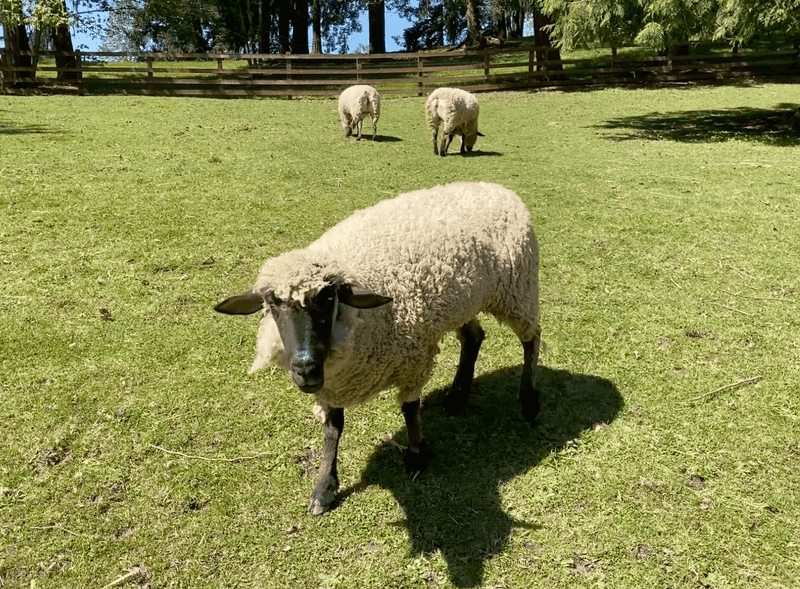
Free admission and farm animals in the same sentence is a combination that almost feels too good to be true, but Kelsey Creek Farm in Bellevue delivers exactly that. This historic community farm sits just outside Seattle and welcomes families year-round without charging a single entry fee.
Ponies, goats, sheep, cows, pigs, chickens, ducks, and rabbits all call this farm home. The variety of animals means even younger children stay engaged throughout the visit, moving from one pen to the next with genuine curiosity.
The farm is run by the City of Bellevue Parks and Community Services, which keeps the grounds well-maintained and family-friendly. Because there is no cost to walk in and see the animals, it works as a casual weekday outing or a low-pressure weekend activity.
Check the city parks website before visiting to confirm current hours and any scheduled programming for kids.
Queens County Farm Museum, Floral Park, New York
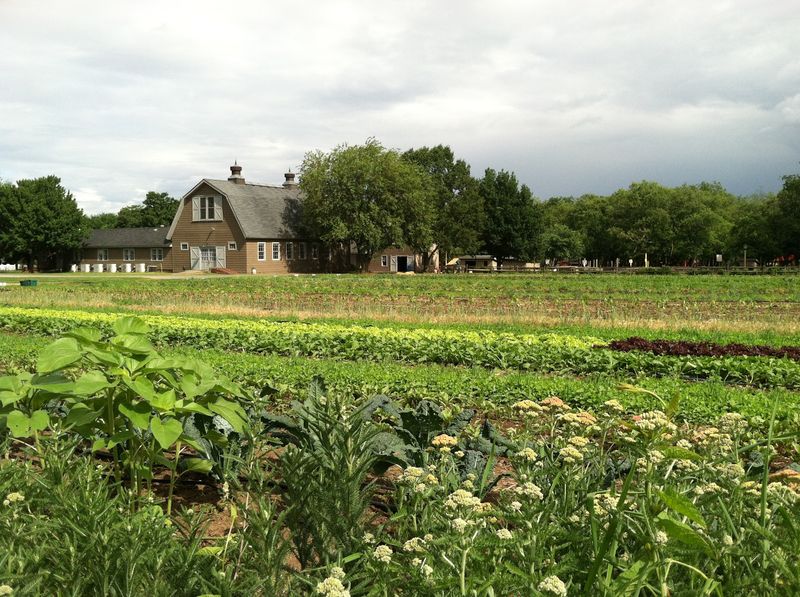
Most people do not picture a 47-acre working farm when they think of New York City, but Queens County Farm Museum exists and has been operating on the same land since 1697. That makes it one of the oldest continuously farmed properties in the entire state.
Located in Floral Park in the southeastern corner of Queens, the farm gives city families a genuinely rural experience without leaving the five boroughs. Goats, sheep, alpacas, pigs, hens, and cattle are all part of the resident animal population.
Animal feed is available for purchase if your kids want to interact more directly with the sheep and goats, which tends to be a highlight for younger visitors. The farm also hosts seasonal events and educational programs throughout the year, so checking their calendar before you go is a good idea.
General grounds access is free on weekdays.
Wolfe’s Neck Center for Agriculture and the Environment, Freeport, Maine
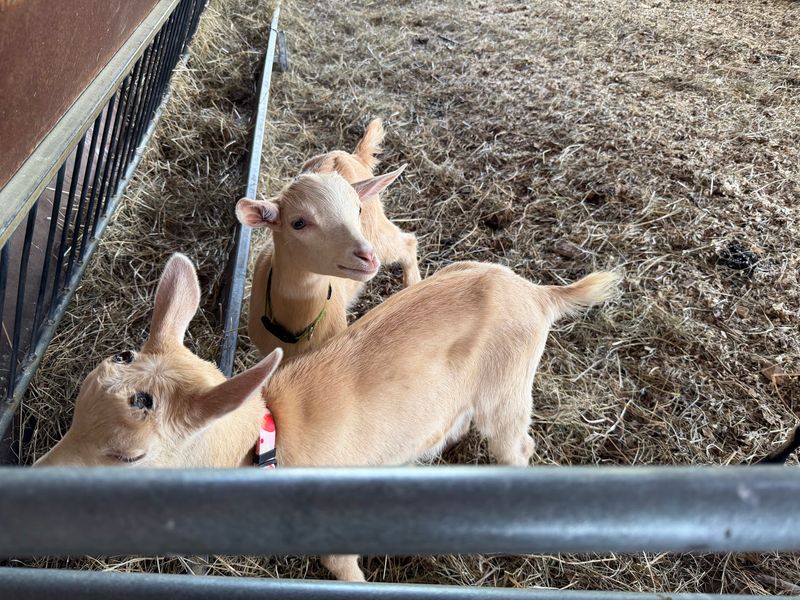
Sitting along the coast of Freeport, Maine, Wolfe’s Neck Center for Agriculture and the Environment manages to combine a real working farm with one of the more scenic natural settings on this entire list. The property borders Casco Bay, and the landscape alone makes the trip worthwhile.
Animal barns on the property house sheep, goats, chickens, ducks, and other livestock. The farm is open daily from dawn to dusk, and general access to walk the grounds and view the animals is free, which makes it easy to plan around.
Beyond the animals, the center focuses on sustainable farming education and environmental stewardship, so there is a genuine sense of purpose behind every part of the operation. Families with older children who have questions about farming practices will find staff knowledgeable and approachable.
Freeport itself is also home to L.L. Bean’s flagship store, making this a practical two-stop day.
Appleton Farms, Ipswich, Massachusetts
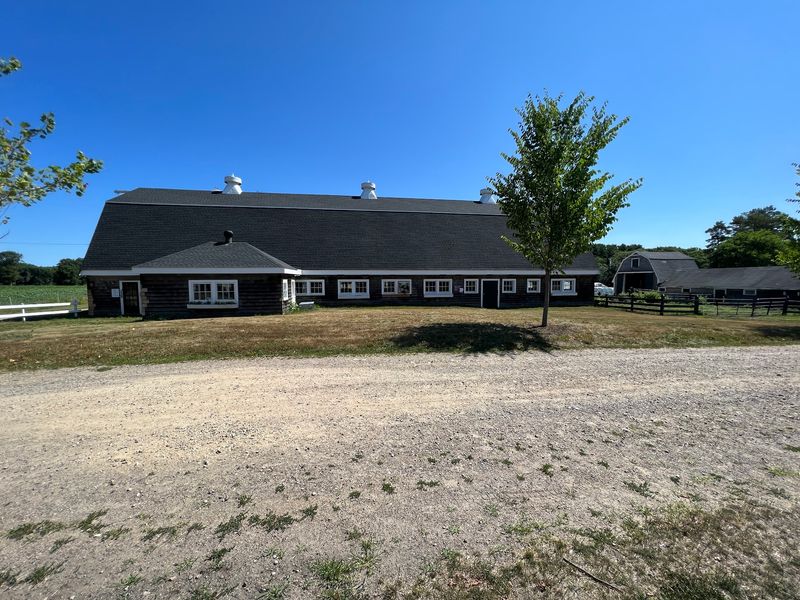
Appleton Farms in Ipswich has been in continuous agricultural operation since 1638, which puts it in genuinely rare company among American farms. The Trustees of Reservations now manages the property, and it functions as both a working farm and a conservation land open to the public.
Cattle graze across the rolling fields, and the landscape of stone walls, open meadows, and historic barns gives the whole place a timeless quality. Children’s programs run throughout the year and introduce younger visitors to animals such as goats and rabbits in more hands-on settings.
The walking trails that wind through the property make this a great choice for families who want to combine a nature walk with an agricultural experience. An admission fee applies for non-members, so checking the Trustees website ahead of time helps you plan.
The farm also operates a CSA and farm stand, giving the visit a practical, community-rooted dimension.
Farm Sanctuary, Watkins Glen, New York
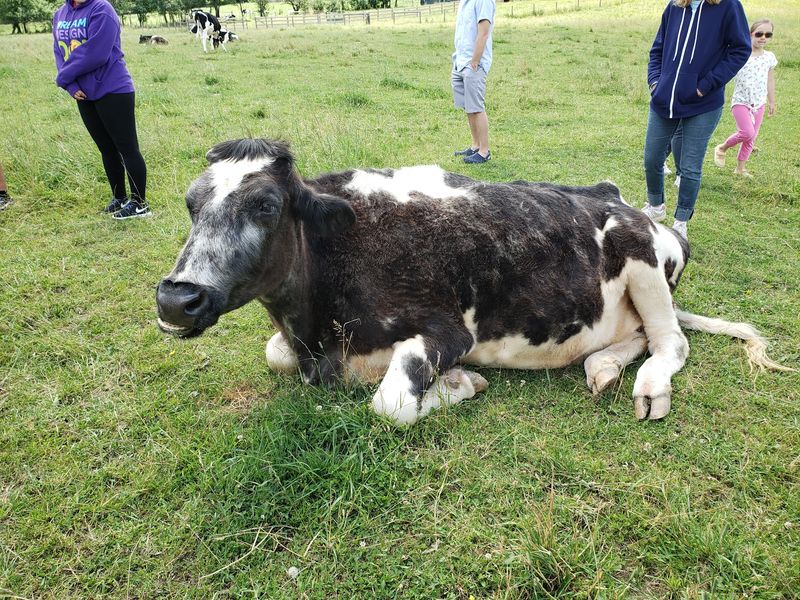
Farm Sanctuary in Watkins Glen is not a traditional petting zoo, and that distinction matters. Every animal living on this 275-acre Finger Lakes property arrived there after being rescued from difficult circumstances, and the guided visits are built around telling those individual stories.
Cows, pigs, turkeys, chickens, goats, and sheep all live here with full-time care. The sanctuary approach means animals are treated as individuals with personalities and histories, which tends to create a more meaningful experience for families than a standard farm visit.
Advance registration is required for guided tours, so you cannot simply show up and walk in. Booking ahead is straightforward through their website.
The Finger Lakes region itself is beautiful in every season, and pairing the sanctuary visit with a stop at Watkins Glen State Park nearby makes for a full and memorable day. This is a visit that tends to stick with kids long after the drive home.
Frying Pan Farm Park, Herndon, Virginia
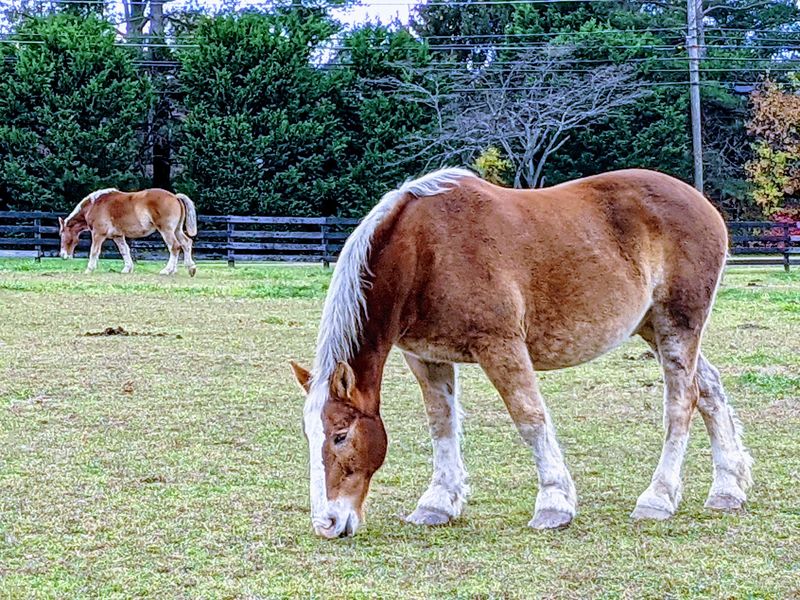
Kidwell Farm at Frying Pan Farm Park in Herndon sits inside a larger county park and does something that many farm attractions skip entirely: it recreates the working atmosphere of a mid-20th century farm rather than simply displaying animals in a zoo-like setting.
Livestock on the property include cattle, horses, pigs, sheep, goats, and chickens, all kept in a way that reflects how a real farm would have operated decades ago. The surrounding park adds seasonal wagon rides and carousel rides, which give younger children additional reasons to stay engaged beyond the animal barns.
The farm is currently open daily, and general admission is free, which makes it one of the more accessible options in the mid-Atlantic region. Fairfax County Parks operates the facility, so programming and hours are reliably maintained.
Parking is available on site, and the grounds are spacious enough that the property rarely feels crowded even on busy weekend afternoons.
South Mountain Creamery, Middletown, Maryland
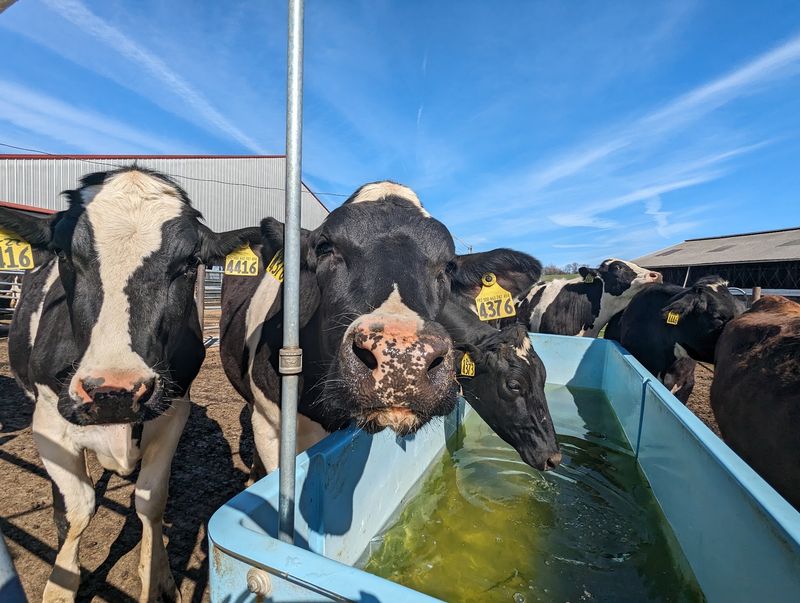
South Mountain Creamery in Middletown gives families a look at how a real, large-scale dairy operation runs from the ground up. Unlike farms that simply display animals, this property lets visitors understand the full cycle of dairy farming, from the cows in the barns to the bottled milk that goes out for delivery.
Self-guided tours are available, and scheduled farm tours offer a more structured look at the dairy barns and daily operations. One of the more popular experiences is the opportunity to interact with calves, which tends to be a genuine highlight for younger children who have never been that close to a baby animal.
The creamery also operates a farm store where visitors can pick up fresh dairy products, which makes the stop feel complete. South Mountain is a family-owned business, and that comes through in how the farm is presented and managed.
Checking their website for tour availability before visiting is recommended.
Green Meadows Petting Farm, Ijamsville, Maryland
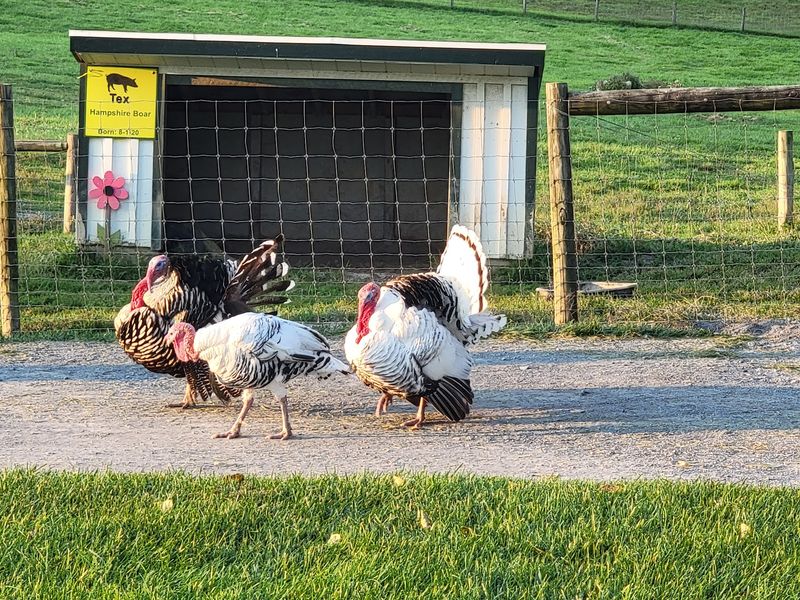
Green Meadows Petting Farm in Ijamsville was built with the family animal encounter in mind from the start, and the entire layout reflects that priority. Rather than asking children to observe animals from behind a fence, the farm puts kids directly into outdoor spaces where they can interact at close range.
The farm is currently open Wednesday through Sunday, which makes it a practical option for weekday outings as well as weekend trips. Animal feed is available for purchase on site, and pony rides are offered as an optional addition that tends to be popular with younger visitors.
The outdoor setting keeps the experience feeling open and relaxed rather than crowded or rushed. Green Meadows is particularly well-suited for toddlers and early elementary-age children who benefit most from hands-on animal contact.
Confirming current hours and seasonal schedules on their website before visiting is always a smart move, as operating days can shift depending on the time of year.
The Gentle Barn, Santa Clarita, California
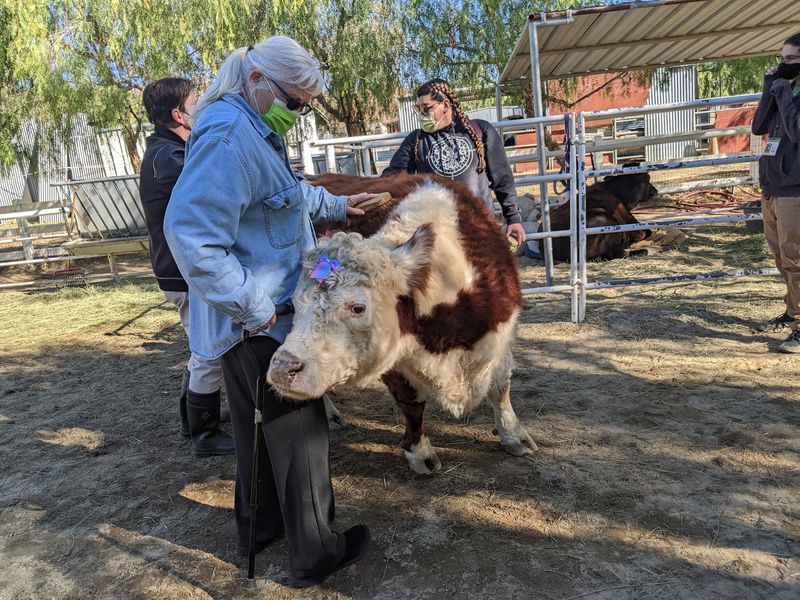
The Gentle Barn in Santa Clarita operates on a simple but powerful idea: that rescued animals and people, especially children who have faced their own challenges, can heal through connection with each other. The Santa Clarita location is one of three Gentle Barn campuses across the country.
Rescued cows, horses, donkeys, pigs, turkeys, chickens, goats, and sheep all live on the property. Public visiting takes place on Sundays only, and reservations are required before you arrive.
The structured visit format means the experience is intentional rather than chaotic, which actually works in families’ favor.
Staff and volunteers are present during visits to provide context about each animal’s background and current life at the sanctuary. For families who want their children to understand animal welfare in a meaningful and age-appropriate way, this visit offers something that a standard farm tour does not.
Booking your Sunday reservation early is strongly recommended, as spots fill quickly.
Grant’s Farm, St. Louis, Missouri
Grant’s Farm in St. Louis carries a fair amount of history behind it. The property was once part of the land farmed by Ulysses S.
Grant before the Civil War, and it later became the ancestral home of the Busch family, which is how the famous Budweiser Clydesdales ended up here.
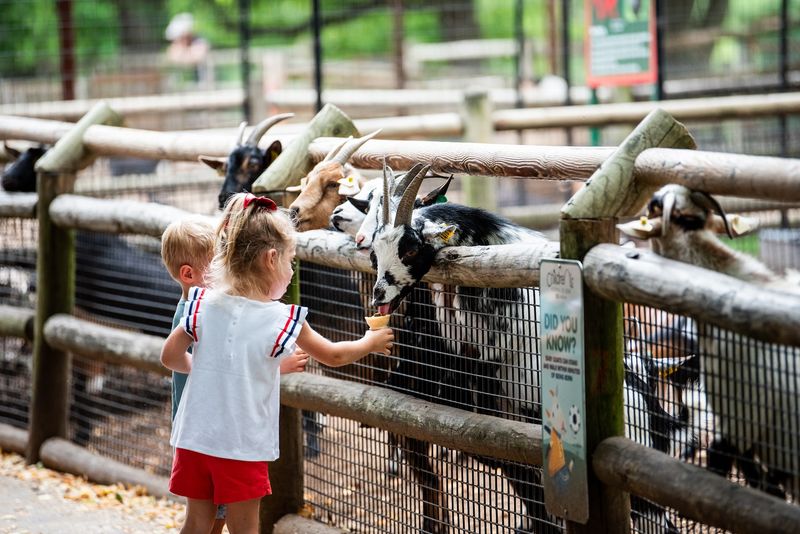
For families, the draw goes well beyond the history. Kids can feed baby goats in the petting area, visit the petting zoo, and watch the Clydesdales up close.
The tram ride through Deer Park gives the whole family a chance to spot deer and other animals in a more natural setting.
General admission to Grant’s Farm is free, though parking requires a fee. The combination of historical context, famous horses, and hands-on animal interaction makes this one of the more layered farm experiences on this list.
It works well for a range of ages, from toddlers to teenagers who might otherwise resist a farm outing.
Historic Wagner Farm, Glenview, Illinois
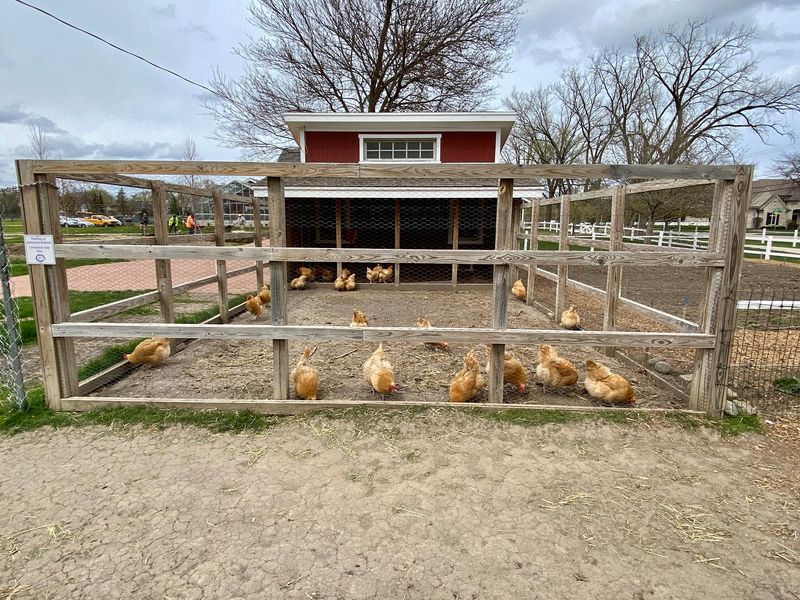
Historic Wagner Farm in Glenview takes a different approach than most entries on this list. Rather than positioning itself as a petting zoo or animal encounter experience, it focuses on authentic Midwestern agricultural history and what daily farm life actually looked like in the early 20th century.
Livestock on the property are part of that educational story, kept in a way that reflects traditional farming practices. Demonstrations and hands-on programming give children a clearer understanding of where their food comes from and how much physical work farming requires.
Operated by the Glenview Park District, the farm sits within a larger park and is well-maintained throughout the year. This is a particularly strong choice for school-age children who are studying American history or agriculture, because the setting reinforces what they learn in the classroom with something they can actually see and touch.
Check the Glenview Park District website for current programming schedules and admission details.
Lazy 5 Ranch, Mooresville, North Carolina
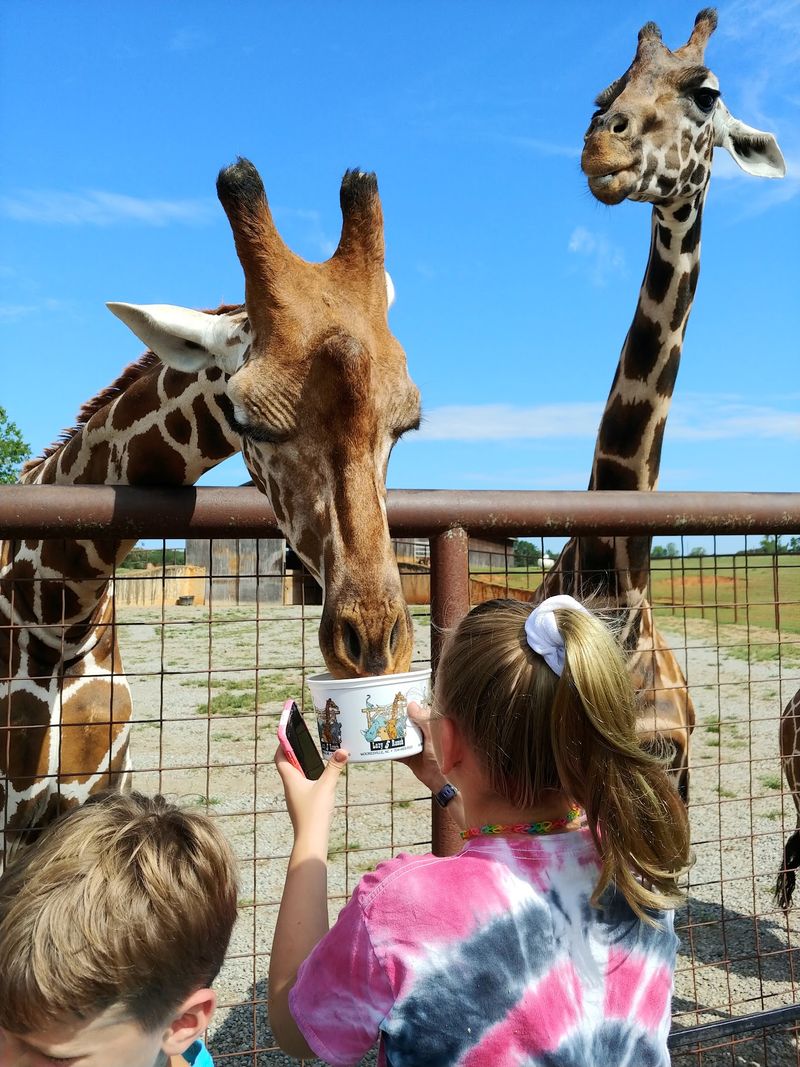
Lazy 5 Ranch in Mooresville is genuinely hard to categorize, and that is part of what makes it stand out. With more than 750 animals from six continents living on the property, it goes well beyond what most people picture when they hear the words animal farm.
Families can explore the ranch by driving their own vehicle through the property, or they can reserve a horse-drawn wagon ride for a more guided experience. Either way, animals approach the vehicles along the route, and feeding opportunities are part of what makes the whole thing feel interactive rather than passive.
Giraffes, zebras, bison, camels, and a wide range of other animals share the space with more traditional farm livestock. For families with children who have already visited standard petting farms and want something with a broader scope, Lazy 5 Ranch delivers that without requiring a trip to a traditional zoo.
Checking their website for current hours and wagon ride availability before going is a good habit.
Conner Prairie, Fishers, Indiana
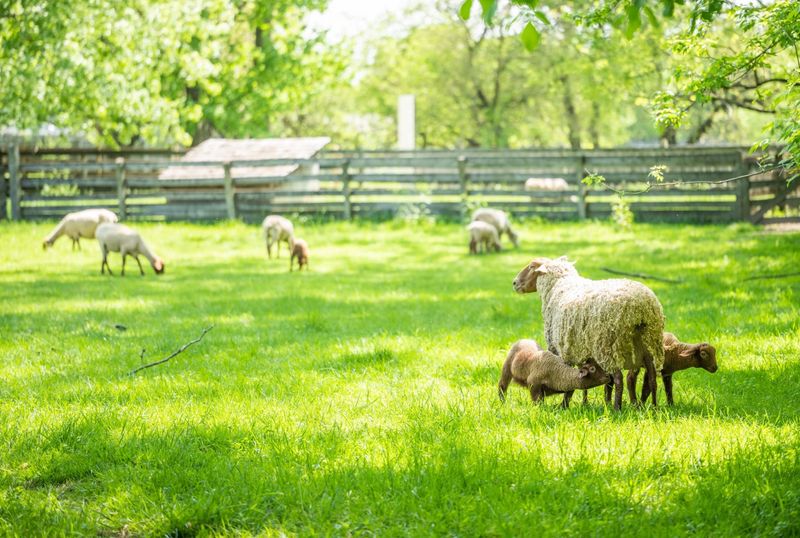
Conner Prairie in Fishers is primarily known as a living history museum, but the Animal Encounters area gives it a genuinely strong agricultural dimension that sets it apart from typical history attractions. The animals here are not generic farm breeds; they are rare heritage livestock with documented historical significance.
English Longhorn cattle, Ossabaw hogs, Tunis sheep, Arapawa goats, and American rabbits are all part of the collection. These are breeds that would have been found on American farms generations ago, and their presence adds an educational layer that standard farm visits rarely offer.
Animal specialists are available during visits to explain the history and characteristics of each breed, as well as the farming practices associated with them. For families who want their children to connect animal husbandry with American history in a concrete way, this is one of the better setups in the Midwest.
Admission fees apply, and the broader Conner Prairie campus offers additional programming worth exploring on the same visit.
Historic Longstreet Farm, Holmdel, New Jersey
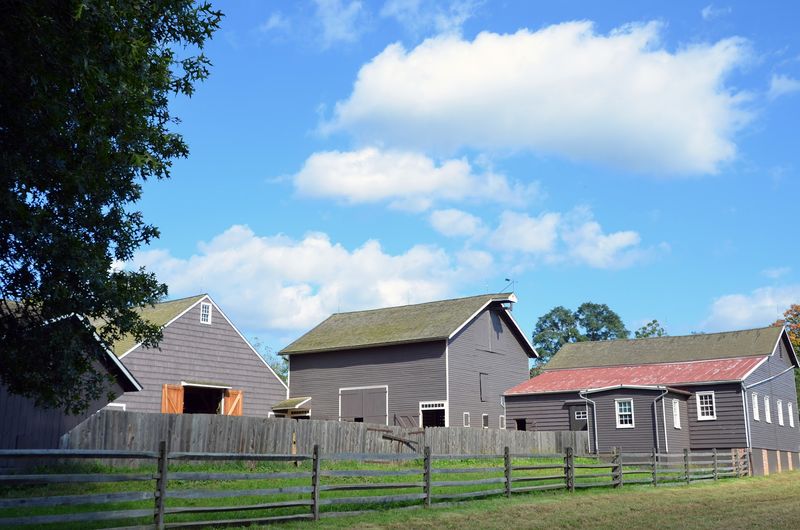
Historic Longstreet Farm in Holmdel does something genuinely useful for families with curious kids: it shows what rural New Jersey life looked like during the 1890s, using actual farm animals and traditional agricultural activities rather than just photographs and exhibits behind glass.
The farm operates as a living history site within Monmouth County Park System, and it is open year-round with free admission. That combination of historical authenticity and no entry cost makes it one of the more practical options in the Northeast for a spontaneous family outing.
Farm animals are part of the daily operation, and visitors can watch staff perform traditional agricultural tasks that would have been common in Monmouth County more than a century ago. The property itself is well-preserved and gives the whole visit a sense of stepping into a different era.
For families visiting the Jersey Shore area, Holmdel is close enough to make this an easy addition to a longer trip.
Crandall Bowles Children’s Farm, Fort Mill, South Carolina
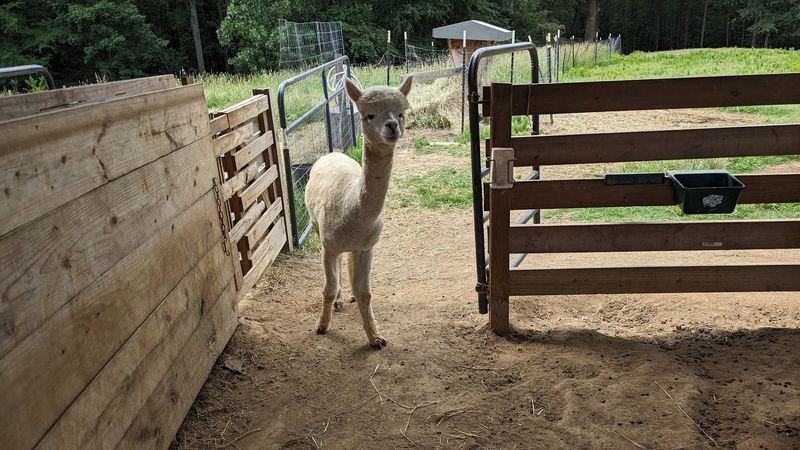
Crandall Bowles Children’s Farm in Fort Mill was designed specifically with young visitors in mind, and that intentionality shows in how the space is organized. Rather than overwhelming families with a massive property, the farm focuses on creating a manageable, educational experience that holds a child’s attention from start to finish.
Resident animals, agricultural demonstrations, an educational garden, observation spaces, and a walking trail are all part of what the farm offers. The combination gives children multiple ways to engage depending on their age and interest level, which helps the visit feel varied rather than repetitive.
The farm is part of the Anne Springs Close Greenway, a larger preserved natural area in Fort Mill that offers additional outdoor activities for families who want to extend their day. Fort Mill itself sits just south of Charlotte, North Carolina, making this a convenient option for families in the greater Charlotte metro area looking for a structured outdoor outing with genuine educational value.
Share this story