Finding the perfect city to raise a family can feel overwhelming, but some American cities truly stand out from the rest. The best places for young families offer safe neighborhoods, excellent schools, green spaces, and real job opportunities.
Whether you’re drawn to sunny suburbs or vibrant mid-sized cities, this list has something for every family. Based on top national rankings from WalletHub, Niche, and quality-of-life studies, here are 15 cities where family life genuinely thrives.
Irvine, California
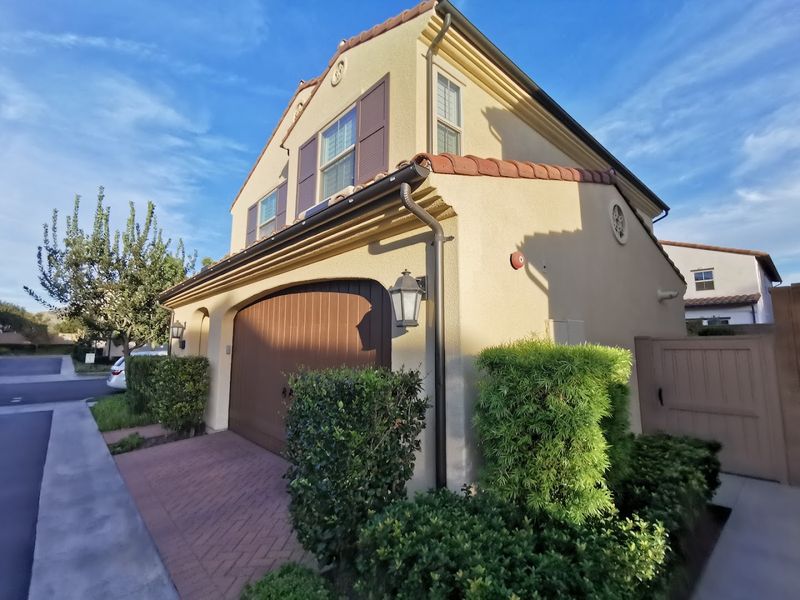
Few cities in America are as deliberately designed for family living as Irvine. Built as a master-planned community from the ground up, every neighborhood here feels thoughtfully organized, with parks, bike paths, and top-rated schools woven right into the layout.
It is urban planning working exactly as intended.
Crime statistics in Irvine are genuinely jaw-dropping. It regularly ranks as one of the safest cities of its size anywhere in the United States, a fact that lets parents exhale a little.
Children walk to school, ride bikes through clean paths, and explore parks without the anxieties that shadow life in many larger metros.
Schools here are outstanding, with several Irvine Unified campuses earning national recognition for academic excellence. The city also sits conveniently close to world-class healthcare facilities and major employment hubs in Orange County and greater Los Angeles.
Housing costs are admittedly steep, but families who stretch their budget to live here often cite the safety, schools, and community quality as worth every penny. Irvine is not just a nice place to live; for many young families, it genuinely feels like the city was built just for them.
Fremont, California

Fremont quietly holds one of the most impressive report cards of any city in America. Its public schools rank among the nation’s very best, and test scores here consistently outperform state and national averages.
For parents who put education first, Fremont is essentially a dream address.
Safety is another major reason families flock here. Fremont regularly earns recognition as one of the safest large cities in the entire country, which means kids can actually enjoy being kids.
The city’s extensive park system gives families plenty of room to breathe, play, and explore together.
Household incomes in Fremont run high, supported by its proximity to Silicon Valley’s booming tech industry. Yes, housing costs reflect that desirability, but many families find the investment worthwhile.
The community here is wonderfully diverse, exposing children to a wide range of cultures and perspectives from an early age. With top schools, low crime, and career opportunities nearby, Fremont consistently earns its spot at the very top of national family city rankings year after year.
Plano, Texas
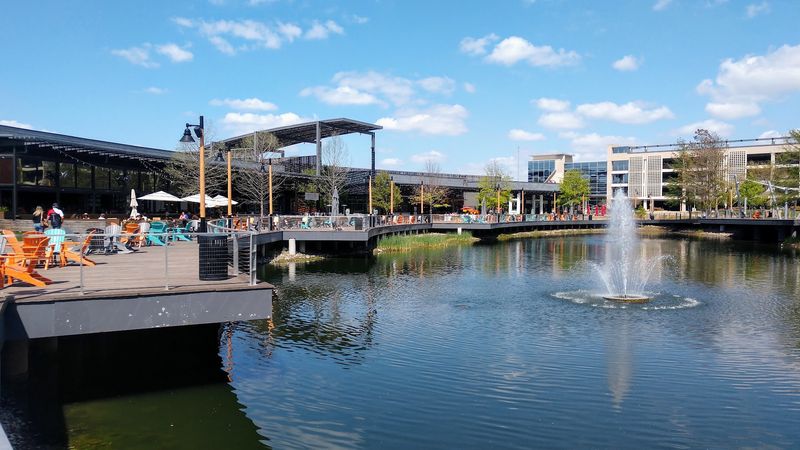
Everything really is bigger in Texas, and in Plano that includes the quality of life for young families. Sitting just north of Dallas, Plano combines the energy of a major metro area with the calm, spacious feel of a well-run suburb.
It is the kind of place where neighbors still wave from the driveway.
The Plano Independent School District is one of the most respected in the state, offering strong academics alongside excellent arts, athletics, and technology programs. Parents here are deeply engaged in school communities, which creates a culture of achievement that benefits every child enrolled.
Job opportunities are a significant draw. Major corporations including Toyota North America, Liberty Mutual, and JPMorgan Chase have offices in or near Plano, giving parents access to strong career options without a brutal commute.
Housing costs remain noticeably more affordable than in California or the Northeast, meaning families can afford more space for their money. Dozens of well-maintained parks, recreation centers, and youth sports leagues fill weekends with activity.
Texas has no state income tax either, which quietly adds real financial breathing room for growing households managing mortgages, childcare, and college savings simultaneously.
Overland Park, Kansas

Somewhere between big-city energy and small-town warmth, Overland Park hits a sweet spot that young families absolutely love. This Kansas suburb of Kansas City punches well above its weight when it comes to schools, safety, and overall livability.
National rankings from Niche and WalletHub consistently place it among America’s top family destinations.
The school district here is genuinely exceptional. Graduation rates are high, extracurricular programs are robust, and teachers are well-supported.
Kids in Overland Park tend to arrive at college better prepared than their peers from many larger, flashier cities.
Outdoor life is a real selling point too. The city maintains over 80 parks and more than 300 miles of trails, making weekend adventures easy and free.
Youth sports leagues are thriving, and the community atmosphere feels warm and genuinely welcoming to newcomers. Low unemployment keeps financial stress manageable for most households, and the cost of living remains refreshingly affordable compared to coastal alternatives.
Families who want quality without the sky-high price tag find Overland Park checks nearly every box on their wishlist, often surprising people who had never considered Kansas before moving there.
Columbia, Maryland
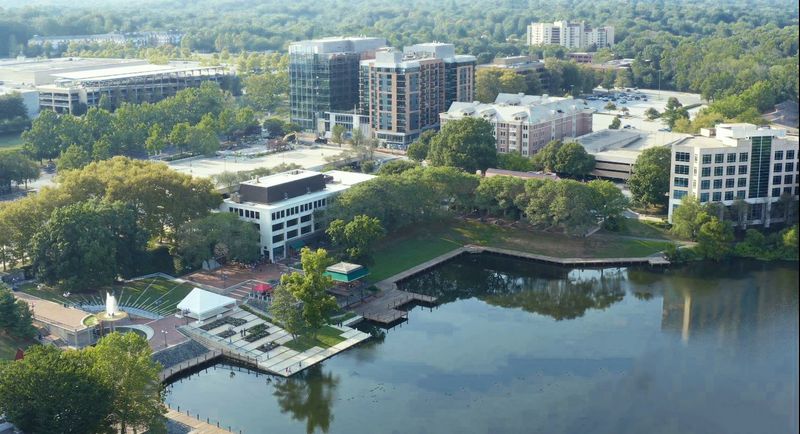
Columbia was literally invented to be a better kind of city. Developer James Rouse designed it in the 1960s as a planned community built around human connection, racial and economic diversity, and accessible green space.
Decades later, that original vision still shapes daily life in ways that genuinely benefit families.
Schools in Columbia’s Howard County district rank among Maryland’s finest, and the county regularly appears on national lists for educational quality. The community is also intentionally diverse, offering children an early education in empathy, cultural awareness, and global thinking that no classroom curriculum can fully replicate.
Geographically, Columbia is brilliantly situated between Baltimore and Washington, D.C., giving residents access to two major job markets, world-class museums, and top-tier healthcare without living in either city’s crowded core. More than 3,600 acres of open space, 94 miles of pathways, and numerous lakes and recreation centers keep outdoor life lively year-round.
Housing costs are moderate compared to nearby D.C. suburbs, and the community’s village structure creates a neighborhood feel within a larger city framework. For families who want diversity, opportunity, nature, and great schools all in one address, Columbia delivers remarkably well.
Naperville, Illinois
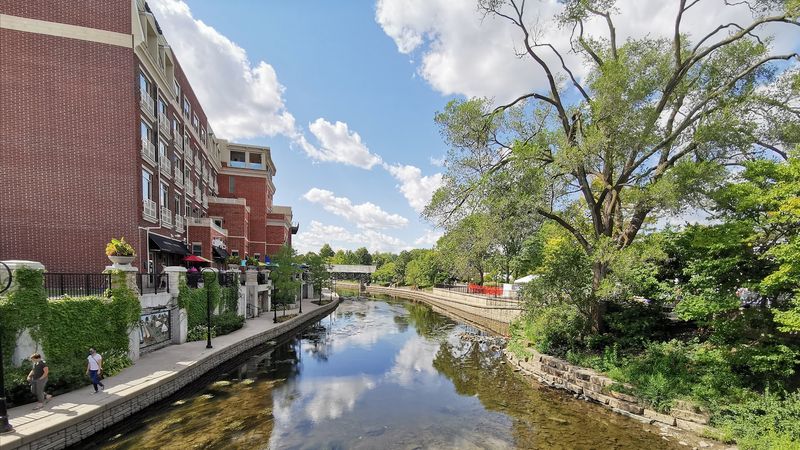
Naperville has a way of making people wonder why they ever considered living anywhere else. Just 30 miles west of Chicago, this Illinois suburb combines small-city charm with big-city access in a package that young families find nearly impossible to resist.
The downtown Riverwalk alone is worth the move.
Schools here are consistently exceptional. The Naperville 203 and Indian Prairie 204 districts both earn high marks nationally, and the city’s emphasis on academic achievement creates an environment where kids are genuinely motivated to learn.
After-school programs, arts education, and competitive athletics round out a well-balanced student experience.
Crime rates in Naperville run well below national averages, and the city invests heavily in maintaining that safety record. Neighborhoods are clean, parks are plentiful, and community events fill the calendar from spring through fall.
Families enjoy everything from outdoor concerts at Centennial Beach to farmers markets and holiday festivals that bring neighbors together naturally. Chicago’s cultural offerings, sports teams, and career opportunities remain easily accessible by train.
Housing costs are higher than Illinois average but reasonable for the quality of life delivered. Naperville earns its glowing reputation honestly, one well-loved family at a time.
Raleigh, North Carolina
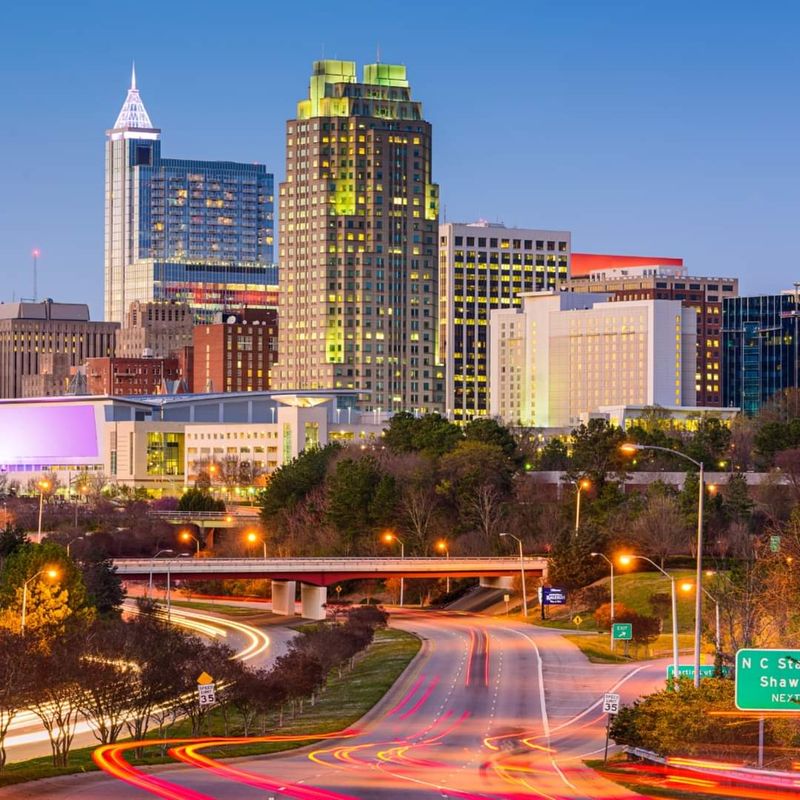
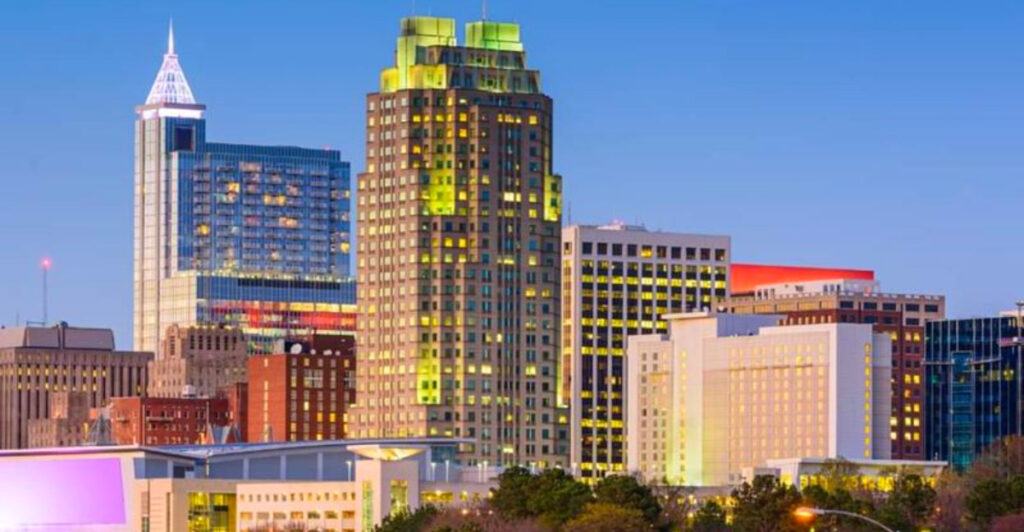
Raleigh is growing so fast that city planners are practically sprinting to keep up. Part of the celebrated Research Triangle alongside Durham and Chapel Hill, this North Carolina capital has transformed into one of the Southeast’s most exciting places to plant roots as a young family.
The energy here is contagious.
The job market is genuinely one of Raleigh’s strongest selling points. Major employers in tech, biotech, healthcare, and research fill the area with well-paying opportunities, and the unemployment rate consistently sits below the national average.
Parents here often find careers that match their ambitions without uprooting the family to a coast.
Schools in Wake County are well-regarded and improving steadily, supported by a community that takes education seriously. Raleigh’s greenway system stretches over 100 miles, connecting parks, neighborhoods, and lakes in a way that makes outdoor family life easy and enjoyable.
Museums, science centers, and cultural festivals give weekends plenty of flavor without requiring expensive travel. Housing costs remain more affordable than many comparable metros, though prices are rising quickly as demand surges.
Families who arrived five years ago feel like they discovered a secret; families arriving now still feel like they made a smart, well-timed choice.
Madison, Wisconsin
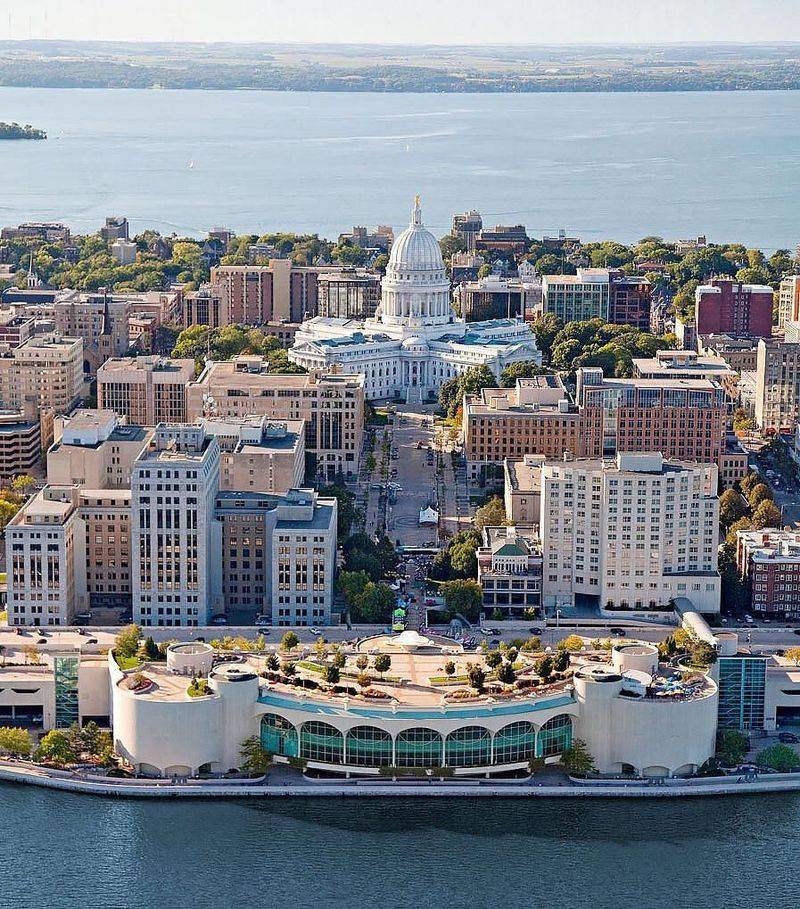
Madison sits on an isthmus between two sparkling lakes, and that geography alone shapes a lifestyle that outdoor-loving families find irresistible. Kayaking, fishing, skating, and swimming are not vacation activities here; they are Tuesday afternoon activities.
The natural setting makes everyday life feel a little extraordinary.
Public schools in Madison and the surrounding Dane County area consistently rank among Wisconsin’s strongest, with a culture of intellectual curiosity that reflects the city’s deep connection to the University of Wisconsin. Kids here grow up around research, ideas, and a community that genuinely values learning beyond the classroom.
The city maintains over 270 parks, dozens of community gardens, and extensive bike infrastructure that makes car-free family outings genuinely practical. Healthcare quality is exceptional, anchored by UW Health, one of the Midwest’s most respected academic medical systems.
Madison’s food scene is vibrant and farm-fresh, thanks to one of the nation’s largest farmers markets operating year-round at the Capitol Square. Winters are cold and honest, but families who embrace the season find ice skating, sledding, and cozy community events make the chill entirely worthwhile.
Madison rewards families who love being active, engaged, and connected to their community.
Boise, Idaho
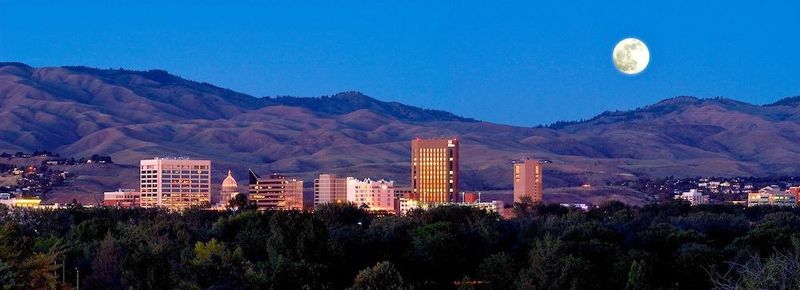
Boise might be the most pleasant surprise on this entire list. Not long ago it was a quiet regional city that few people outside Idaho paid much attention to.
Now young families are arriving from California, Oregon, and beyond, drawn by affordable living, clean air, and a pace of life that feels genuinely human.
The outdoor access here borders on unfair. World-class hiking, skiing, whitewater rafting, and mountain biking are all within a short drive of downtown.
The Boise River Greenbelt winds 25 miles through the city, offering families a traffic-free corridor for walks, runs, and bike rides right in their backyard.
Schools in the Boise area are solid and improving, supported by a growing tax base as the city’s population and economy expand. Crime rates remain well below national averages, and the community retains a friendly, small-city warmth despite its rapid growth.
Healthcare has also improved significantly, with new facilities meeting the needs of an expanding population. Housing costs are rising but still compare favorably to West Coast cities that offer similar outdoor lifestyles.
Families who want mountains, safety, good schools, and room to breathe find Boise checks boxes they did not even know existed until they visited.
Ann Arbor, Michigan
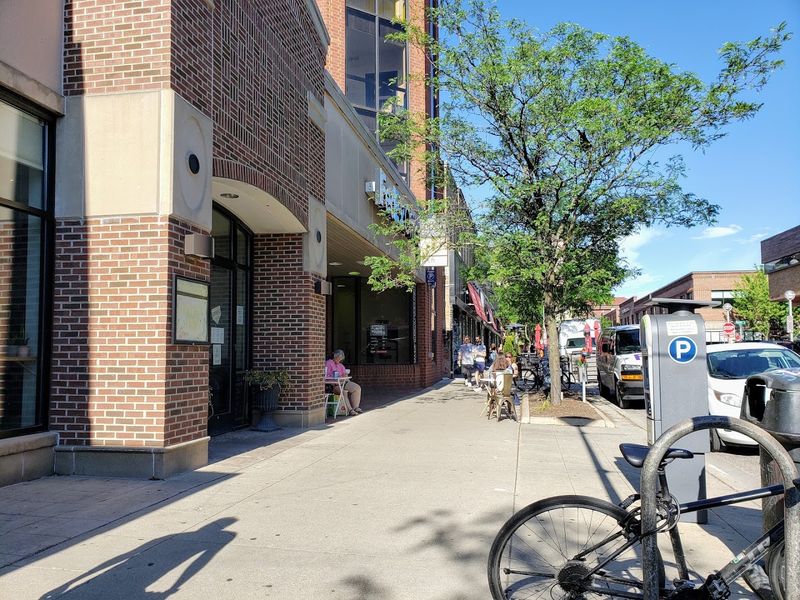
There is something wonderfully bookish about Ann Arbor that families with curious, ambitious kids find deeply appealing. Home to the University of Michigan, one of America’s great public universities, this city breathes intellectual energy from every corner.
Museums, lectures, performances, and cultural events are practically part of the weekly routine here.
Schools in Ann Arbor are exceptional. The Ann Arbor Public Schools district earns consistent national recognition, and the proximity to a world-class university creates academic enrichment opportunities for children that most cities simply cannot match.
Kids here grow up surrounded by ideas and achievers.
Healthcare is another standout feature. Michigan Medicine, the university’s health system, is nationally ranked and provides families with access to specialists and cutting-edge care that larger cities often cannot guarantee.
The city’s park system covers over 2,000 acres, offering trails, playgrounds, and natural areas that keep active families happily occupied across all four seasons. Ann Arbor’s food scene is surprisingly diverse and excellent for a mid-sized city, and the downtown area buzzes with independent shops, cafes, and live music.
Yes, Michigan winters require a good coat collection, but families who settle here rarely regret choosing a city that genuinely nurtures both children and parents.
Round Rock, Texas

Ask any young family who recently moved from Austin why they chose Round Rock instead, and you will hear the same answer with slight variations: better value, better schools, and still close enough to Austin to enjoy everything it offers. Round Rock has quietly mastered the art of suburban living without the suburban boredom.
The Round Rock Independent School District is one of the most respected in Texas, offering strong academic programs, competitive athletics, and a wide range of extracurriculars that keep students engaged and developing. Parent involvement is high, and that community investment shows in student outcomes year after year.
Dell Technologies is headquartered here, and the broader Austin metro’s booming tech economy means Round Rock parents have access to exceptional career opportunities without fighting downtown Austin traffic every morning. Crime rates are low, neighborhoods are well-maintained, and housing remains meaningfully more affordable than Austin proper, which has seen dramatic price increases in recent years.
The city’s parks system is growing steadily, and youth sports leagues are thriving. Old Settlers Park alone covers over 600 acres and hosts everything from baseball tournaments to music festivals.
Round Rock combines serious livability with serious value in a way that is genuinely hard to beat in Texas today.
Charleston, South Carolina

Charleston wraps history, beauty, and modern family amenities into one irresistible package. Spanish moss hanging from ancient oaks, colorful antebellum homes lining cobblestone streets, and the Atlantic Ocean just minutes away create a backdrop for family life that feels more like a movie set than a real address.
Fortunately, it is very real.
The local economy has diversified impressively over the past decade. Boeing, Volvo, and a thriving technology sector have joined tourism and hospitality as major employers, giving young professional parents a genuine range of career options.
That economic growth has funded better schools, expanded parks, and improved community infrastructure across the metro area.
Beaches are an obvious perk, and families here treat them as casual weekend destinations rather than special occasions. Sullivan’s Island, Isle of Palms, and Folly Beach offer surf, sand, and family-friendly atmospheres within easy reach.
School quality has been improving steadily in Charleston County, particularly in newer suburban communities like Mount Pleasant and Summerville. The city’s cultural calendar overflows with festivals, outdoor concerts, and historic site events that make raising curious, culturally aware children here almost effortless.
Charleston’s combination of natural beauty, growing opportunity, and genuine Southern hospitality makes it one of the most compelling family cities on the entire East Coast.
Fort Collins, Colorado

Fort Collins gets roughly 300 days of sunshine per year, and locals treat that statistic less as a weather fact and more as a lifestyle philosophy. This northern Colorado city has built an outdoor-first culture that active families find genuinely energizing.
Hiking, biking, camping, and skiing are not hobbies here; they are the default weekend plan.
Colorado State University anchors the city’s intellectual and cultural identity, creating a community that values education, research, and civic engagement. Schools in the Poudre School District are well-regarded, and the university’s presence means children grow up surrounded by academic ambition and diverse perspectives from an early age.
The Cache la Poudre River runs right through town, offering kayaking and fly-fishing that most cities could never replicate. Fort Collins maintains an extensive network of bike trails that makes car-free transportation genuinely practical for families with older children.
The downtown area is lively, walkable, and filled with local restaurants, breweries, and family-friendly shops that give the city real character beyond its outdoor reputation. Crime rates are low, the community is welcoming to newcomers, and housing costs remain more accessible than Denver or Boulder.
Fort Collins is the rare city where the outdoor lifestyle and the urban amenities actually enhance each other beautifully.
Carmel, Indiana
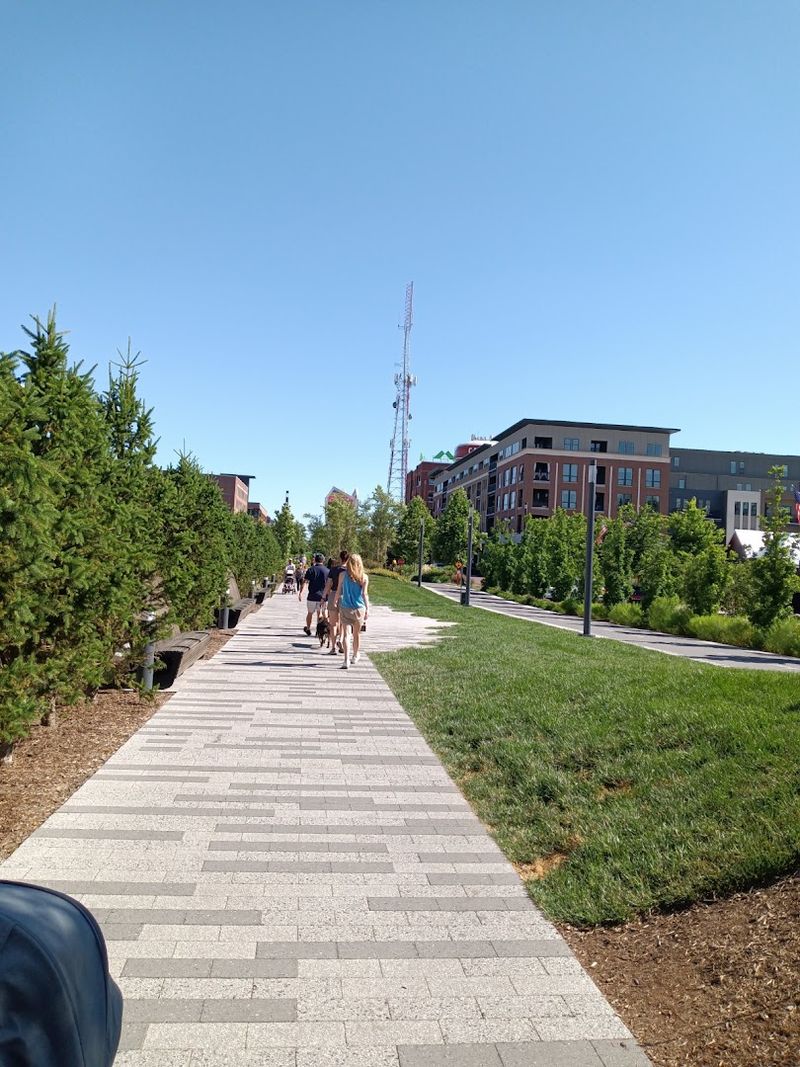
Carmel has a habit of appearing at the top of best-places-to-live lists so regularly that residents have started to take it for granted. This Indianapolis suburb has invested heavily and wisely in infrastructure, arts, parks, and schools over the past two decades, producing a quality of life that genuinely rivals cities many times its size.
The Carmel Clay Schools district is exceptional, consistently ranking among Indiana’s very best and earning national recognition for academic rigor, arts programming, and student achievement. Families who move here specifically for the schools rarely leave disappointed, and that reputation keeps attracting the kind of engaged, invested parents who strengthen school communities further.
Crime in Carmel sits dramatically below national averages, creating a neighborhood atmosphere where children have real freedom to roam, play, and grow independently. The city’s roundabout-heavy road design actually reduces traffic accidents significantly, a quirky engineering choice that has made streets genuinely safer for cyclists and pedestrians.
The Arts and Design District offers galleries, restaurants, and live performances year-round, while the Monon Trail provides miles of paved recreation through the city’s green spaces. Carmel combines polish, safety, strong schools, and genuine community warmth in a way that makes it one of the Midwest’s most compelling family addresses by almost any measure available.
Fishers, Indiana
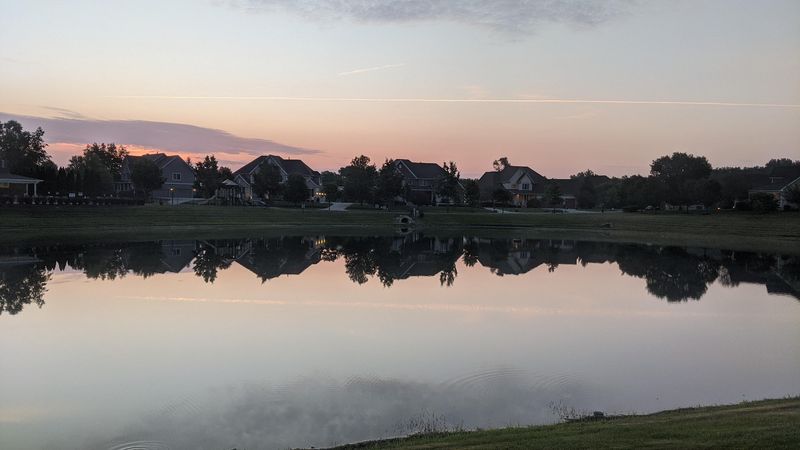
Fishers has grown from a quiet farming community into one of the Midwest’s most talked-about family destinations in what feels like the blink of an eye. Just northeast of Indianapolis, this city has channeled its rapid growth into genuinely smart development, prioritizing parks, schools, and community amenities alongside the inevitable housing expansion.
Hamilton Southeastern Schools, which serves much of Fishers, is among Indiana’s highest-rated districts, offering strong academics, competitive athletics, and robust arts programming. The community places enormous value on education, and that shared commitment creates an environment where students are supported, challenged, and encouraged to reach their potential consistently.
Safety statistics in Fishers are impressive, with crime rates well below both state and national averages. The city has invested in expanding its park network significantly, adding new trails, sports facilities, and community gathering spaces that give families plenty of free and affordable ways to spend time together.
The local job market benefits from Indianapolis’s diverse economy just minutes away, offering parents access to healthcare, tech, logistics, and manufacturing careers without living in a dense urban environment. Housing remains relatively affordable for the quality of life on offer.
Fishers rewards families who want growth, opportunity, safety, and community all wrapped into one genuinely livable Midwestern city.
Share this story