Gold changed America in ways that are hard to fully imagine today. When prospectors struck it rich in riverbeds and mountain valleys, entire towns appeared almost overnight, drawing thousands of people from across the country and around the world.
Some of those boomtowns faded quickly, but others put down roots and became the real, living communities we can still visit today. From the Sierra Nevada foothills of California to the remote coast of Alaska, these 15 towns all share one remarkable thing in common: gold is what put them on the map.
Whether you are a history lover, a road trip planner, or just someone curious about the wild early days of the American West, this list gives you 15 places where the Gold Rush is not just a story in a textbook but something you can actually walk through and experience firsthand.
Coloma, California
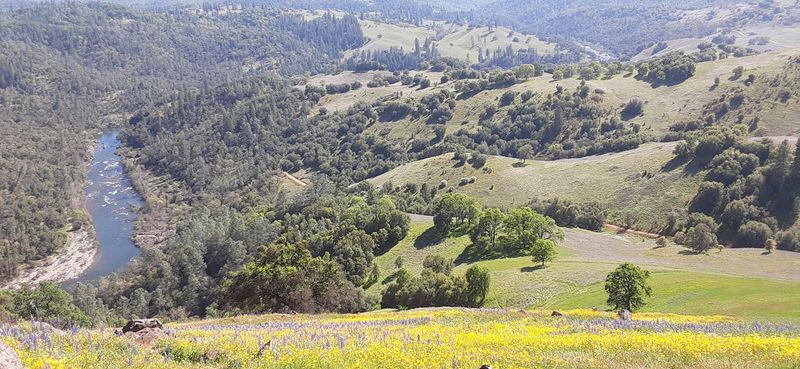
No single spot in American history carries more weight for the Gold Rush than a quiet stretch of riverbank in Coloma. On January 24, 1848, James W.
Marshall spotted flakes of gold at Sutter’s Mill, and within months, the world came rushing to California. The discovery transformed not just Coloma but the entire nation.
The mining camp that formed around the mill gradually became a permanent community rather than just a temporary settlement. Marshall Gold Discovery State Historic Park now preserves the site, including a working replica of the original mill and a collection of historic structures.
Exhibits walk visitors through the daily realities of mining life, the people who arrived, and the broader history of the California Gold Rush.
California State Parks recognizes Coloma as a town that literally grew around Sutter’s Mill. Even after local gold supplies declined, the community held on, and the park today remains one of the most historically significant stops in the entire state.
Columbia, California
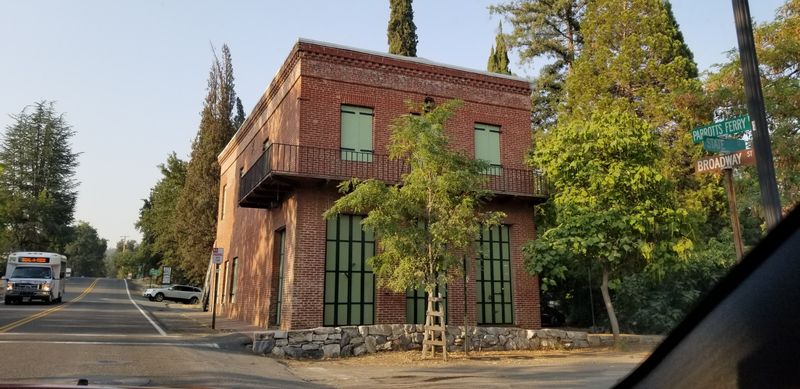
Gold was discovered in what would become Columbia in March 1850, and the response was almost unbelievable. Within just six weeks, thousands of miners had descended on the area, turning a patch of California foothills into a roaring boomtown.
The settlement was first called Hildreth’s Diggings before it earned the grander name Columbia.
By 1852, the town had more than 150 stores, shops, churches, and other businesses packed into its commercial center. Unlike so many nearby mining camps that simply vanished when the gold ran out, Columbia never completely disappeared.
Its historic commercial core is now protected within Columbia State Historic Park.
Visitors can walk through preserved buildings that give a genuine sense of what Gold Rush life actually looked like. The park continues to host living-history programming and events throughout the year, making it one of the more engaging and hands-on Gold Rush destinations anywhere in California.
It is history you can step right into.
Auburn, California
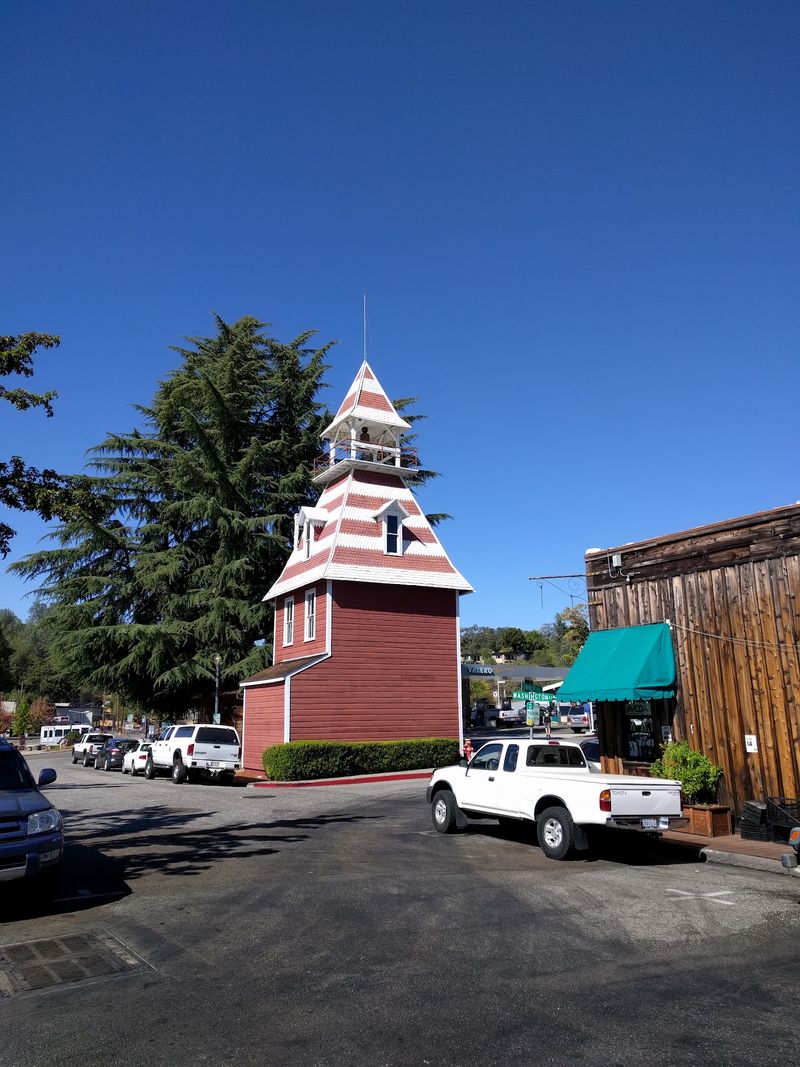
Auburn moved fast from wilderness to mining hub almost as soon as gold seekers entered the Sierra Nevada foothills. The settlement went through a couple of early names, including North Fork and Woods Dry Diggins, before officially becoming Auburn in 1849.
From the start, it was more than just a mining camp.
Auburn developed into a key trading center and stage stop for prospectors working across the surrounding region. That broader role gave it staying power that many single-purpose mining camps never had.
It eventually became the Placer County seat, cementing its place in the region long after the first Gold Rush excitement faded.
Today, Auburn’s historic Old Town still gives visitors a feel for the community’s layered past. Visit California continues to highlight Auburn for its Gold Rush heritage alongside outdoor recreation along the American River.
The combination of preserved streets, regional history, and access to nature makes it a practical and genuinely interesting stop for anyone traveling through the Gold Country region.
Downieville, California
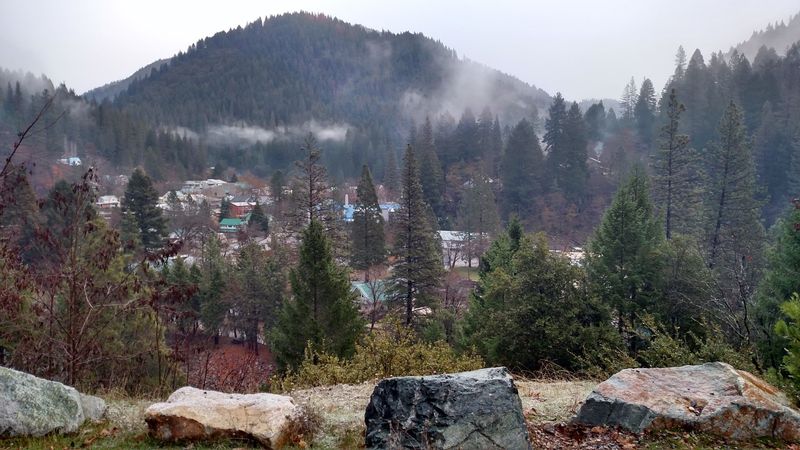
Perched where the Downie River meets the North Yuba River, Downieville is the kind of place that still looks like it belongs to another century. Gold discoveries during the California Gold Rush drew prospectors deep into the northern Sierra Nevada, and Downieville quickly became a significant center among the northern mines.
The setting alone makes it memorable.
Walking through Downieville today means passing buildings that have stood for more than 150 years. The Downieville Museum offers a window into the mining era with artifacts and exhibits connected to the town’s past.
For visitors who want more than just looking at old structures, recreational gold panning in nearby waterways is still possible.
Gold Rush Days continues to bring the community’s mining history to life through demonstrations and reenactments, giving visitors a more active connection to the past. Downieville also draws outdoor enthusiasts for mountain biking and river access, which means the town earns its visitors through more than just nostalgia.
Its Gold Rush roots, though, remain the anchor of everything here.
Weaverville, California
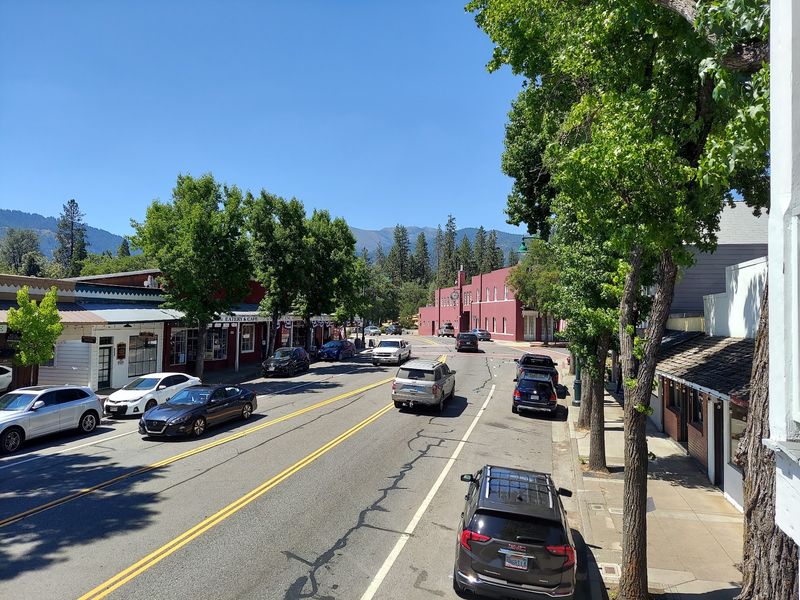
The California Gold Rush spread much farther than most people realize. Gold was discovered along the Trinity River in 1848, and mining settlements pushed deep into northwestern California, with Weaverville becoming one of the most important.
Trinity County attracted thousands of miners from many backgrounds, and the community that formed here had a particularly strong Chinese presence.
Chinese residents in Weaverville built a full community of their own, including stores, restaurants, a bakery, and theaters. That legacy is preserved today at Weaverville Joss House State Historic Park, which protects a Taoist temple built in 1874.
The temple replaced an earlier structure and remains the oldest continuously used Chinese temple in California.
California State Parks describes Weaverville itself as a classic Gold Rush town, and the designation fits. The community sits in a scenic mountain valley and retains much of its historic character.
For visitors interested in the multicultural dimensions of the Gold Rush rather than just the mining mechanics, Weaverville offers a story that most California history tours tend to overlook entirely.
Idaho Springs, Colorado
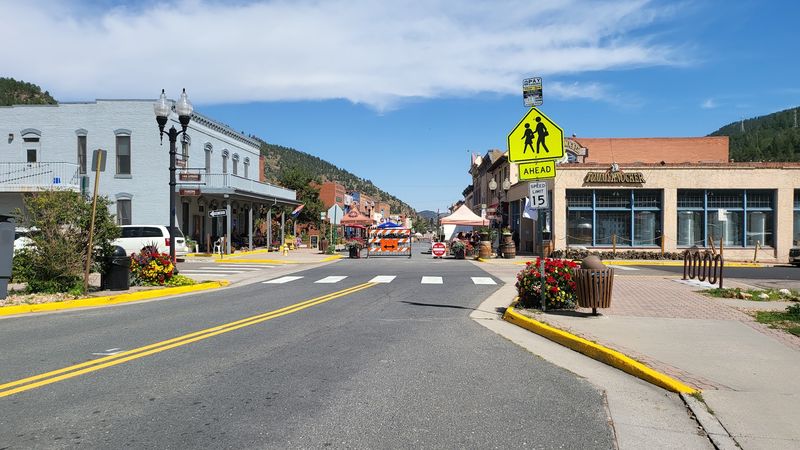
Colorado’s gold story has a specific starting point, and Idaho Springs is right at the center of it. In January 1859, George Jackson found placer gold near Chicago Creek and Clear Creek, helping launch the Colorado Gold Rush and drawing prospectors from across the country into the Rocky Mountains.
The rush that followed was fast and intense.
By June of that same year, roughly 400 people were already living in the settlement. Idaho Springs grew into an important supply center for miners working throughout the surrounding mountains, giving it an economic foundation beyond just the mining itself.
That foundation helped the town survive long after individual claims played out.
Today, Idaho Springs remains an active community with a preserved historic downtown, mining attractions, museums, and Victorian-era buildings that reflect its boom years. The local historical society operates a visitor center and museum, and the area continues to promote its gold-mining heritage actively.
It also sits along Interstate 70, making it one of the more accessible Colorado Gold Rush towns for travelers heading into the mountains.
Central City, Colorado
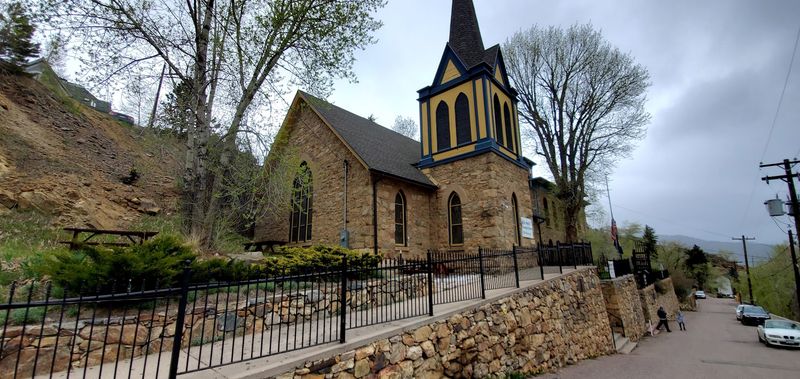
John Gregory’s 1859 gold discovery in Gregory Gulch set off one of the most dramatic population explosions in Colorado history. Central City grew so fast and so large that it reportedly reached more than 15,000 people during its early boom years.
For a remote mountain settlement, that was a staggering number.
Mining wealth produced elaborate commercial buildings, churches, and cultural institutions that seemed almost out of place given the rugged surroundings. The city built an opera house that still stands today and hosted performances that drew audiences from across the region.
That cultural ambition set Central City apart from most other mining camps of the same era.
Central City’s historic core is now protected within a National Historic Landmark District, and visitors can explore its buildings through a self-guided walking tour centered on the community’s mining-era past. The combination of preserved architecture, mountain scenery, and documented history makes it one of the more compelling Colorado Gold Rush destinations for visitors who want genuine context alongside their sightseeing.
Breckenridge, Colorado
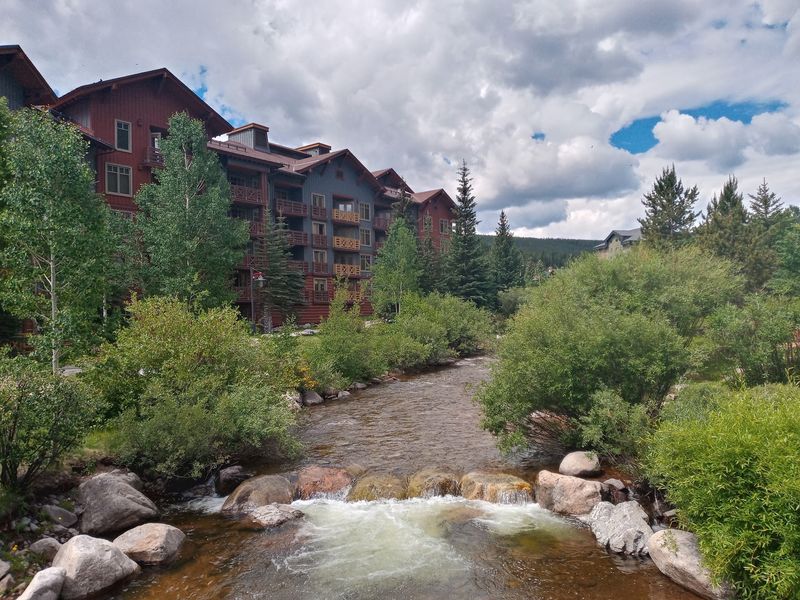
Long before Breckenridge became one of the most visited ski destinations in North America, it was a rough mining camp in the Blue River Valley. Gold was discovered along the Blue River in 1859, and prospectors wasted no time establishing a settlement.
Tents and log cabins went up quickly as hopeful miners poured into the mountains looking for their share of the strike.
The original boom slowed, as most did, but later discoveries of silver, lead, and additional gold kept the community going. Breckenridge incorporated in 1880 and expanded considerably after the railroad arrived, connecting it to broader markets and making it a more permanent mountain town rather than just a seasonal camp.
Much of the historic downtown still reflects that layered transformation from isolated mining settlement into a substantial community. Historic buildings along Main Street date to the boom years and sit alongside modern businesses, creating a downtown that carries its past visibly without feeling like a museum piece.
The town’s Gold Rush origins are genuinely woven into its streetscape.
Cripple Creek, Colorado
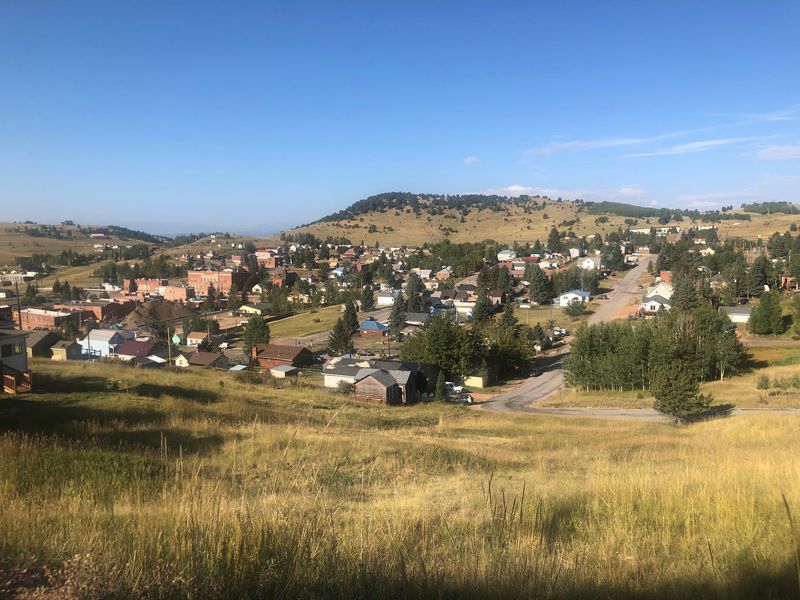
Cripple Creek represents a later chapter in America’s gold-rush story, one that unfolded not in the 1850s but in the 1890s. Bob Womack’s 1890 discovery of gold in the Pikes Peak region sparked what the city itself describes as Colorado’s last great gold rush.
The response was swift and massive, with thousands of prospectors and entrepreneurs flooding into the area within just a few years.
By the mid-1890s, Cripple Creek had become the center of a remarkably productive mining district. Fires swept through downtown twice in 1896, destroying much of what had been built, but residents rebuilt quickly using brick and stone.
That second wave of construction is largely what visitors see today.
Cripple Creek remains a functioning tourist destination with museums, historic architecture, a narrow-gauge railroad, and mining heritage attractions spread across its compact downtown. A calendar of year-round events keeps the community active in every season.
The town’s ability to rebuild after disaster and still preserve its Gold Rush identity makes it a particularly resilient piece of American mining history.
Virginia City, Montana
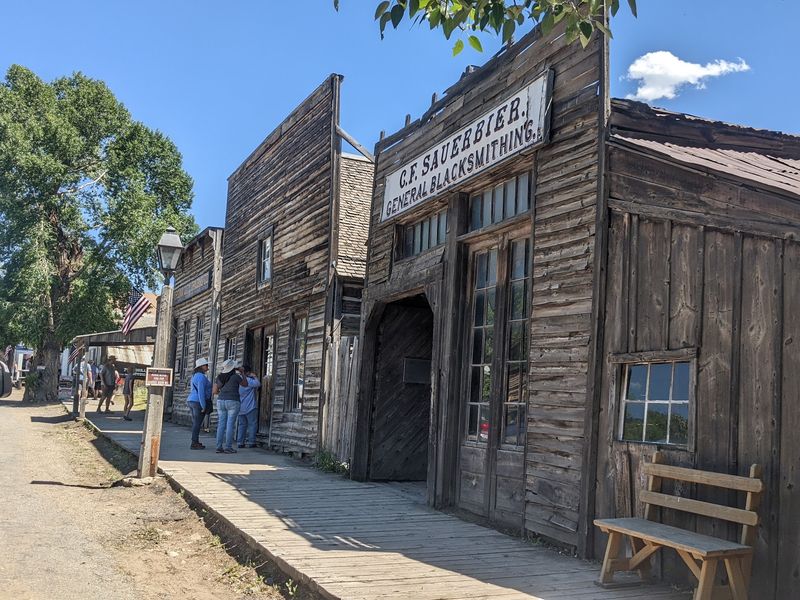
Virginia City came into existence almost the moment gold was found in Alder Gulch in May 1863. Word spread fast, and within a remarkably short time, miners covered the surrounding hills with tents, cabins, and makeshift shelters.
The settlement grew into the largest community along a long chain of mining camps stretching through the gulch.
Virginia City became Montana’s territorial capital in 1865, which gave it a political importance that extended well beyond mining. That dual role helped the town accumulate buildings and infrastructure that many purely mining-focused communities never developed.
When the population eventually declined, many of those early structures simply remained rather than being torn down or replaced.
Today, Virginia City is considered one of Montana’s best-preserved mining towns. Historic structures, wooden boardwalks, exhibits, and seasonal attractions give visitors a genuine sense of what the community looked like during its Gold Rush years.
The level of preservation here is unusual, making Virginia City a strong destination for anyone serious about experiencing the physical reality of the Montana gold boom.
Helena, Montana
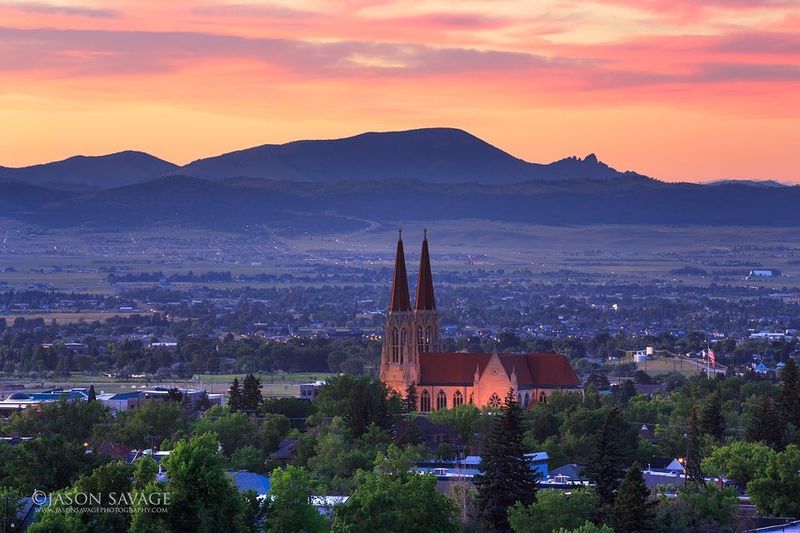
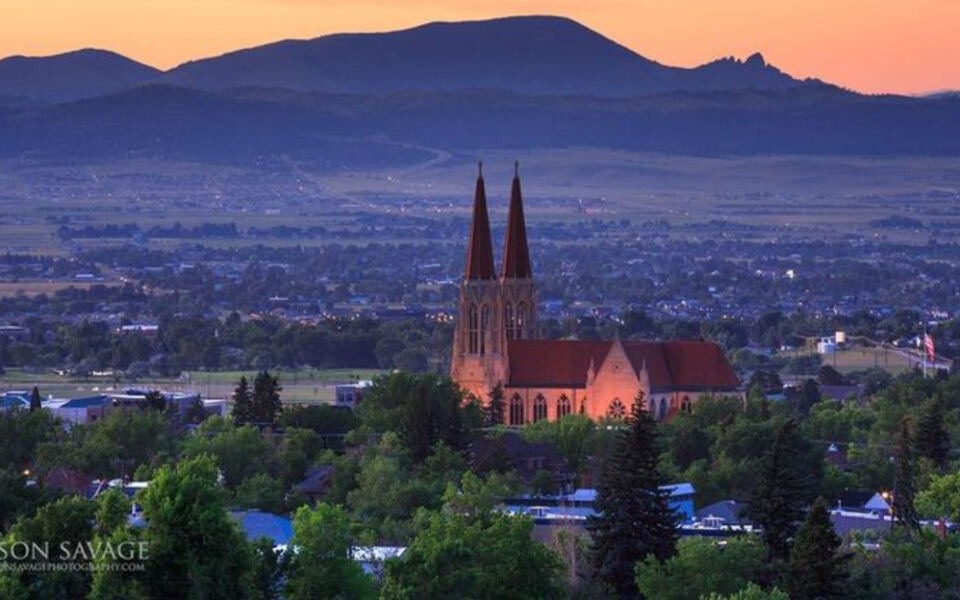
Helena’s origin story has one of the better names in American mining history. In 1864, a group of prospectors who had been searching unsuccessfully for gold gave themselves one final chance and found it in a streambed they called Last Chance Gulch.
That discovery produced a major rush and the rapid growth of a community around the diggings.
Helena grew from a mining camp into Montana’s territorial capital by 1875 and later became the state capital, a status it still holds today. That political role shaped the city in ways that mining alone never could, producing grand architecture and civic institutions that outlasted the gold boom by generations.
The historic downtown still follows the original path of Last Chance Gulch, giving modern visitors a direct physical connection to the mining camp that started everything. Museums, preserved historic buildings, and interpretive sites continue to tell the story of Helena’s gold-boom origins.
For a state capital with genuine Gold Rush roots you can actually trace on foot, Helena delivers in a way few other cities can match.
Skagway, Alaska
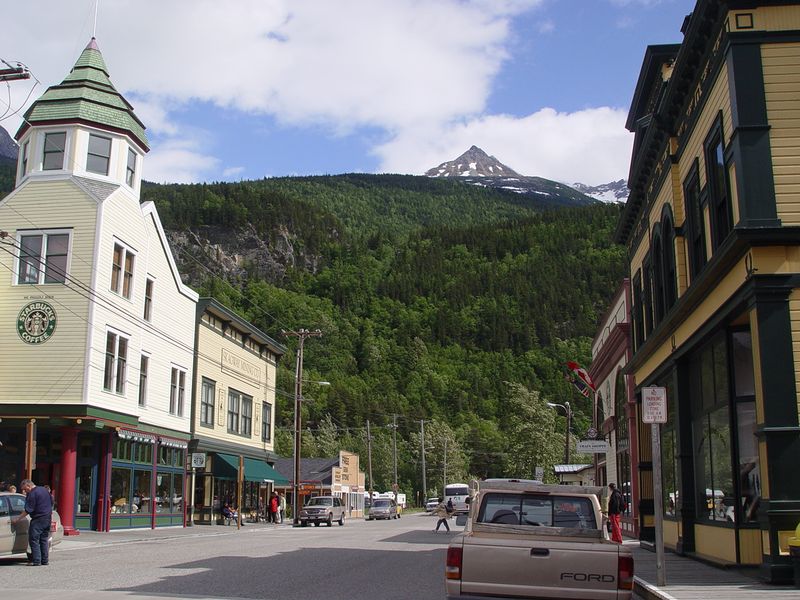
Skagway’s connection to gold is a bit different from most towns on this list. The gold was not actually found here.
Instead, Skagway became the gateway town for the Klondike Gold Rush, the point where tens of thousands of stampeders arrived beginning in 1897 on their way to the goldfields in Canada’s Yukon Territory. The town existed to serve those travelers.
Skagway transformed almost overnight from a small coastal settlement into a crowded frontier boomtown packed with hotels, stores, and businesses supplying prospectors heading north. The energy and chaos of that moment shaped the town’s entire physical layout and character.
It grew fast to meet an enormous and very specific demand.
Today, six blocks of downtown form a National Historic District, and the National Park Service preserves more than 20 historic buildings in and around the area. Wooden sidewalks and restored storefronts make the Gold Rush connection unmistakably visible.
Skagway remains one of Alaska’s most visited port towns, and the Klondike Gold Rush National Historical Park anchors the entire downtown experience for visitors arriving by ferry or cruise ship.
Nome, Alaska
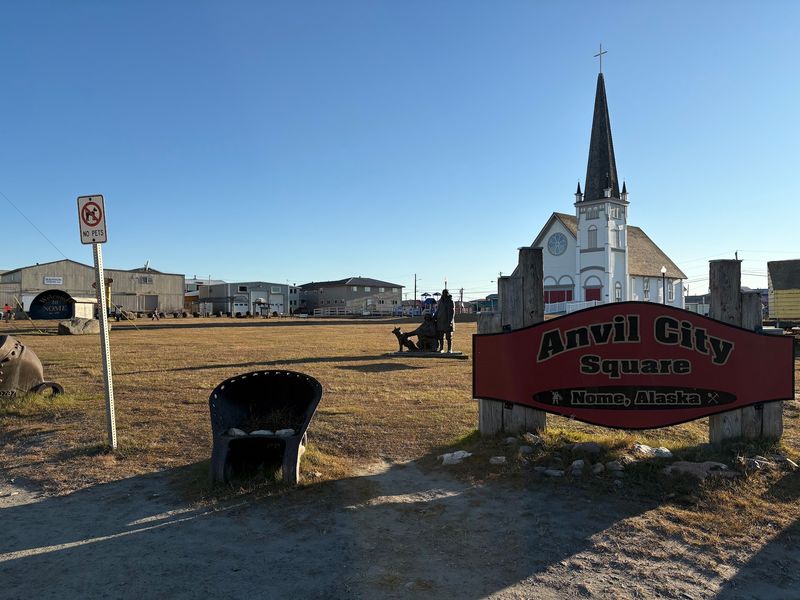
Gold was discovered at Anvil Creek near Nome in 1898, and the rush that followed was unlike almost anything else in Alaska’s history. More than 20,000 people eventually made their way to this remote stretch of the Bering Sea coast, turning a barely-there settlement into one of the state’s most famous boomtowns.
Nome became a household name almost overnight.
Evidence of the gold era is still scattered across the surrounding landscape in the form of old dredges, mining claims, railroad remnants, and rusting machinery. These remnants sit largely in the open, visible from roads and trails, giving the area an outdoor museum quality that is hard to replicate in a more manicured historic site.
Nome is still an active community today and draws visitors for a combination of reasons. Mining history, Inupiat culture, wildlife viewing, and the town’s famous role as the finish line of the Iditarod sled dog race all contribute to its appeal.
For travelers willing to make the trip to western Alaska, Nome offers a Gold Rush story with genuine depth and a living community built on top of it.
Deadwood, South Dakota
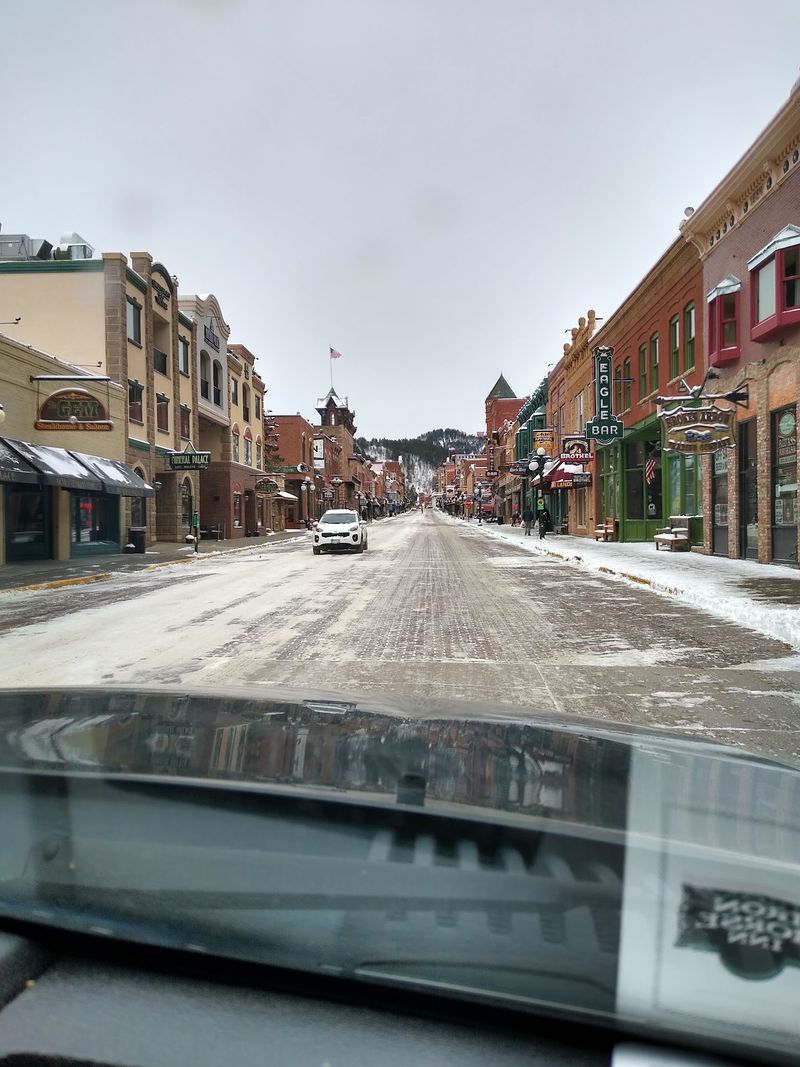
Deadwood’s reputation precedes it, and the history behind that reputation is real. After richer gold deposits were discovered in Deadwood Gulch in 1875, miners streamed into the northern Black Hills in large numbers.
By 1876, Deadwood had become an official town, and its early years produced some of the most widely documented personalities and events associated with the American frontier.
Wild Bill Hickok, Calamity Jane, and Seth Bullock are just a few of the historical figures connected to Deadwood’s boom years. Their presence in the historical record reflects how intensely the town attracted ambitious, colorful, and sometimes dangerous characters during the gold rush.
The stories that came out of those years have kept Deadwood in the public imagination for generations.
Unlike many temporary mining camps, Deadwood survived the boom-and-bust cycle and continues to operate as a lively tourist destination. Historic Main Street, Mount Moriah Cemetery, museums, and live reenactments keep the Gold Rush and frontier history highly visible.
Deadwood is a National Historic Landmark, and the preservation of its downtown gives visitors a tangible connection to one of the West’s most storied communities.
Lead, South Dakota
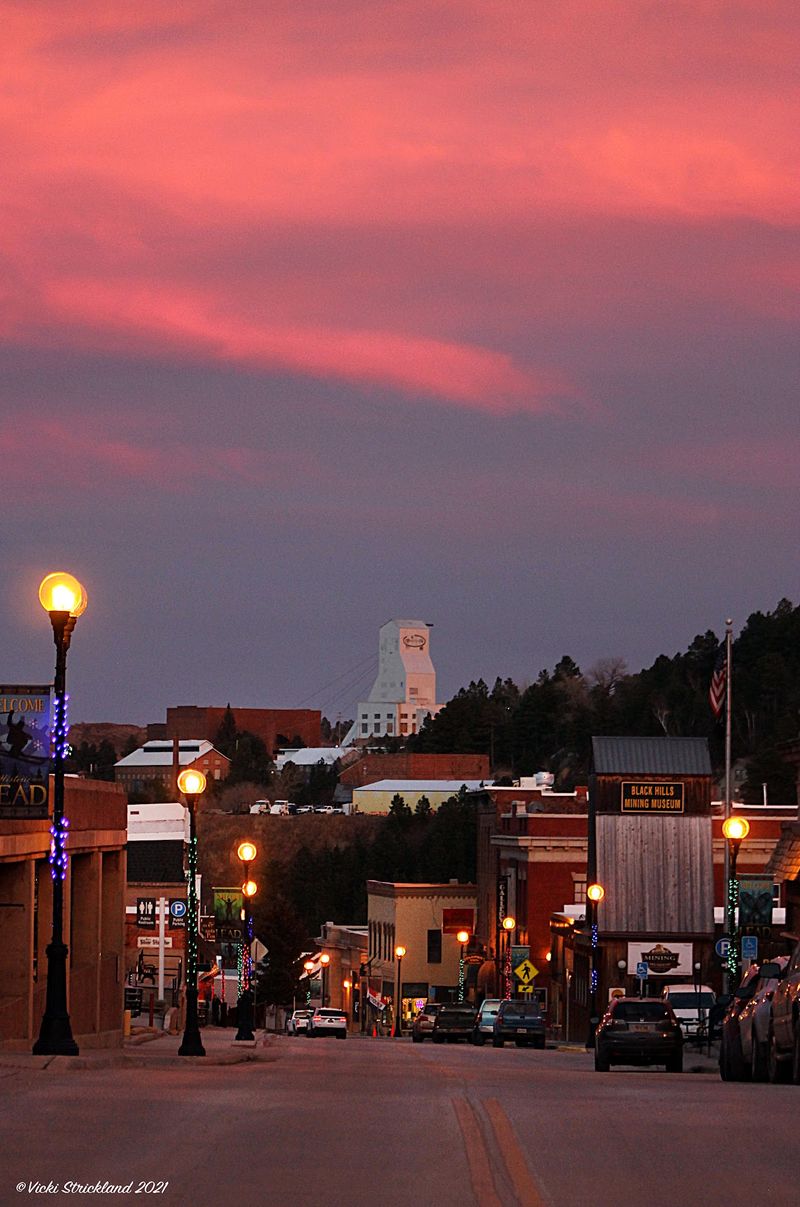
Just a few miles from Deadwood, Lead tells a quieter but equally significant Gold Rush story. The community was settled during the Black Hills Gold Rush in 1876 and grew directly alongside the Homestake Mine, which became one of the most productive gold mines in North American history.
The mine operated for more than a century, giving Lead a longevity that most gold rush towns never experienced.
Thousands of workers and their families built their lives around the Homestake operation, turning what started as a mining camp into a substantial and well-organized community. Schools, churches, and neighborhoods developed around the rhythms of the mine rather than the speculative energy of individual prospectors.
That distinction gives Lead a different character from many of its Gold Rush peers.
Lead still actively preserves that legacy today. The Black Hills Mining Museum offers exhibits connected to the Homestake operation and the broader history of mining in the region.
Much of the community also lies within a National Register historic district, protecting the physical evidence of more than a century of mining-town life in the Black Hills.
Share this story