Some of the best road trips happen when you stop rushing toward the destination and start paying attention to what is along the way. Across the country, there are small towns sitting at the end of winding roads, tucked into mountain valleys, perched above harbor views, or surrounded by farmland that somehow makes you want to pull over and stay awhile.
These are not the biggest cities or the most famous stops on a map. They are the kind of places that make you recalculate your route home on purpose, just to pass through one more time.
This list covers 15 real American towns worth slowing down for, from Vermont’s Green Mountains to Oregon’s Cascade foothills, each one offering its own reason to take the scenic route instead of the straight one.
Stowe, Vermont
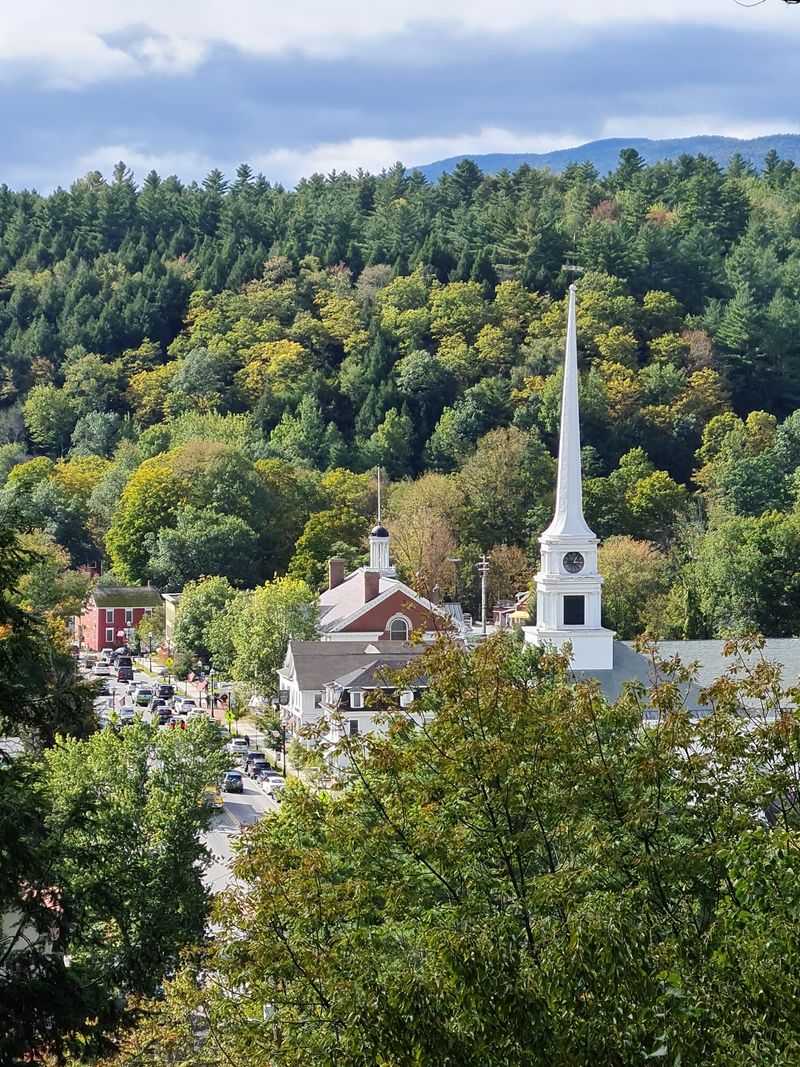
Vermont has no shortage of pretty towns, but Stowe earns its reputation mile by mile before you even arrive. Roads wind through the Green Mountains past dairy farms, covered bridges, and wide open views that seem to change color with every passing week of the year.
The local tourism office actively promotes scenic drives through the surrounding countryside, and for good reason. Autumn draws the biggest crowds, but summer greenery and snow-covered winter roads make the approach just as rewarding in other seasons.
Once in town, visitors can combine the journey with restaurants, shops, outdoor recreation, and mountain activities. The compact village center, anchored by a familiar white steeple, feels like a natural reward after a long, beautiful backroad drive.
Adding another side road to the return trip almost never feels like a wrong decision here.
Camden, Maine
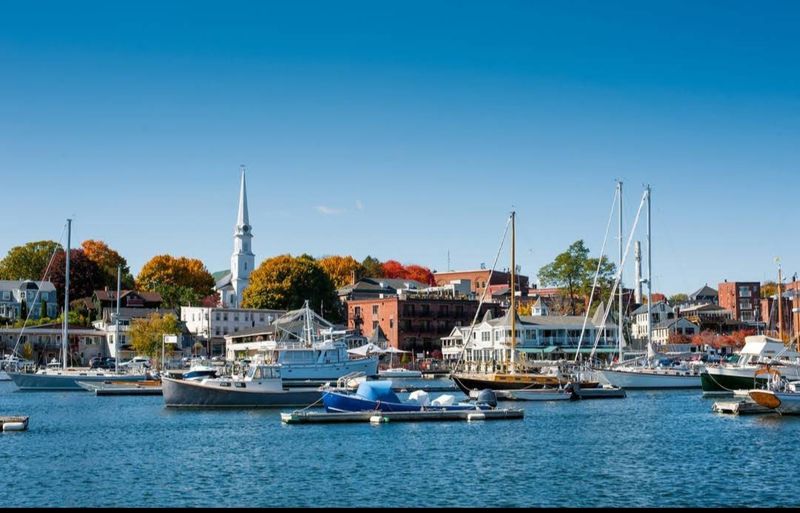
Camden manages something that very few small towns pull off without effort. Mountains rise almost directly behind the waterfront, creating a backdrop that makes the harbor scenery feel far more dramatic than the town’s modest size would suggest.
Nearby Camden Hills State Park adds another layer to the visit. The Mount Battie Auto Road gives travelers a reason to keep driving upward, and the view from the top stretches across Camden Harbor and Penobscot Bay in a way that is difficult to forget.
Route 1 also makes Camden a natural stop on a longer coastal Maine road trip. Nearly every neighboring harbor along this stretch of coastline seems capable of producing another detour worth taking.
Between the sailing activity on the water, the trails above town, and the shops and restaurants along the main streets, Camden rewards visitors who resist the urge to move on quickly.
Harpers Ferry, West Virginia
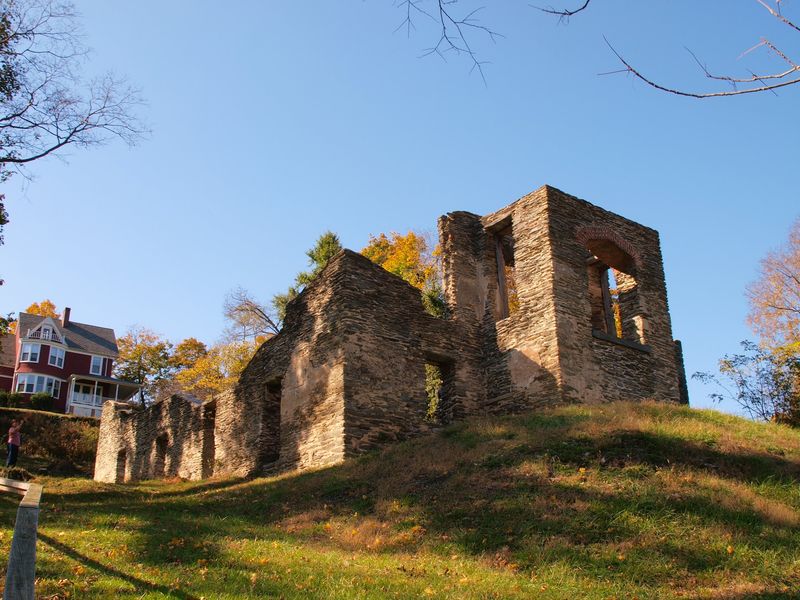
Geography does a lot of the storytelling in Harpers Ferry. Historic buildings sit right at the point where the Potomac and Shenandoah rivers meet beneath steep wooded ridges, and the combination of water, mountain, and history makes the setting feel genuinely cinematic without any exaggeration.
Harpers Ferry National Historical Park remains open, with trails and park grounds generally accessible from sunrise to sunset. The shuttle service between the visitor center and Lower Town continues to operate, making it easy to explore without worrying about parking in the historic district.
Individual trails can occasionally close for maintenance, so checking current NPS conditions before visiting is a practical step. Even with those occasional adjustments, the mix of Civil War history, river scenery, mountain roads, and preserved streets makes Harpers Ferry one of the most rewarding detours available anywhere in the Mid-Atlantic region.
Highlands, North Carolina
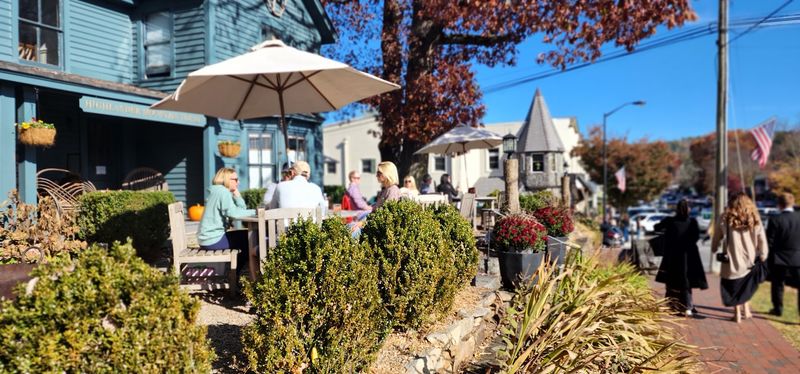
The drive to Highlands is not a formality. Roads climb through the Blue Ridge Mountains past rock faces, dense forest, and overlooks before delivering travelers to a walkable mountain community that feels genuinely removed from the pace of everyday life.
Dry Falls, located along U.S. 64 west of town, remains one of the area’s best-known stops. A path allows visitors to walk directly behind the falling water, which makes it one of those rare roadside attractions that actually delivers on its reputation.
Visit Highlands specifically highlights the winding mountain approaches as part of the experience, not just the town itself. That framing matters, because Highlands works best as a slow road trip destination where stopping frequently along the way is the whole point.
Independent shops, restaurants, and galleries fill the town center, giving visitors plenty of reasons to settle in once the drive is done.
Galena, Illinois
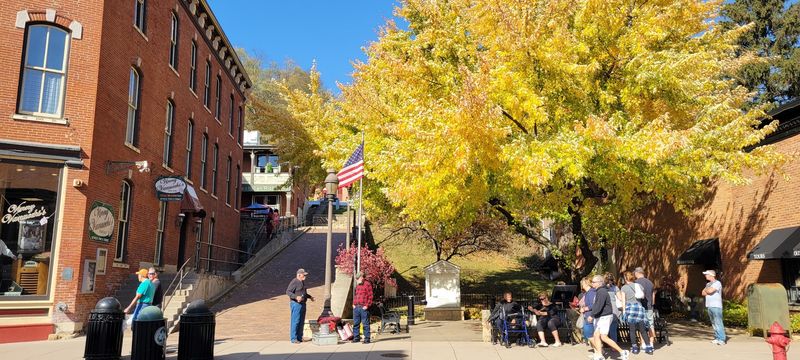
Most travelers picture flat farmland when they think of Illinois, which makes Galena’s rolling hills and river valleys feel like a genuine surprise. The town sits in the Driftless Area of northwest Illinois, where the landscape looks nothing like the rest of the state.
Its historic Main Street is the centerpiece, with Galena Country reporting more than 125 shops and restaurants operating along the preserved commercial district. Nineteenth-century architecture lines the blocks, and the steep streets that connect different parts of town give the whole place an unusually layered feeling for the Midwest.
Galena is also celebrating its bicentennial during 2026, with events and heritage programming scheduled throughout the year. Between the historic homes, active downtown, surrounding hills, and the slower roads that approach from several directions, Galena builds a convincing case for skipping the interstate and seeing this corner of Illinois properly.
Bayfield, Wisconsin
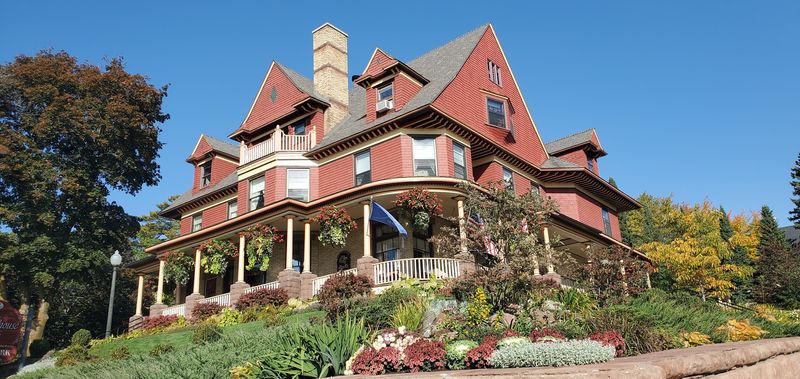
Bayfield is one of those places where the scenery keeps arriving from unexpected directions. The town sits along Lake Superior with the Apostle Islands scattered just offshore, and the surrounding Bayfield Peninsula adds orchards, waterfalls, beaches, and forested roads to the picture.
The town remains an active base for exploring Apostle Islands National Lakeshore. Visitors can find sailing, kayaking, hiking, galleries, restaurants, and local shops around the area, and Bayfield’s tourism bureau has published its 2026 and 2027 visitor guide confirming a full range of lodging, dining, and outdoor recreation.
The roads around the peninsula deserve attention on their own. Lake Superior has a way of appearing suddenly through the trees on certain stretches, and orchard roads branch off in directions that are worth following at a slow pace.
For a town this size, Bayfield carries an impressive amount of landscape in every direction.
Lanesboro, Minnesota
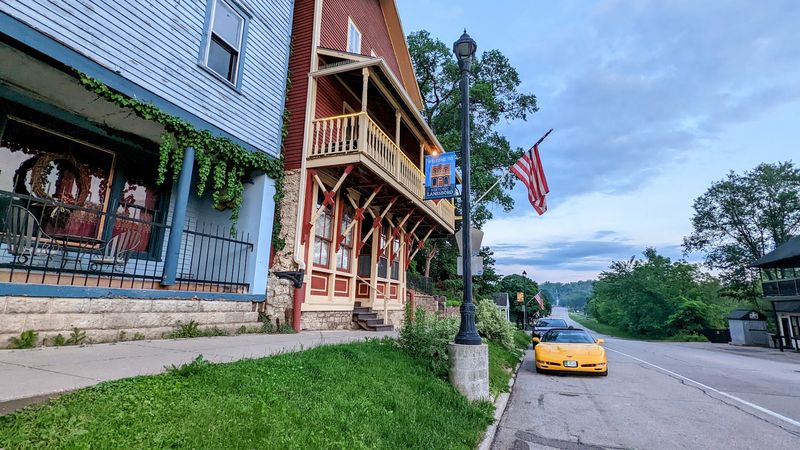
Southeastern Minnesota’s Bluff Country does not always get the road trip credit it deserves, but Lanesboro makes a strong argument for changing that. Limestone cliffs, wooded hills, farmland, and the Root River create a landscape built for travelers who prefer curves over straightaways.
The town sits along the 42-mile Root River State Trail, a paved route that follows the river valley through several small communities. Lanesboro serves as one of the trail system’s central destinations, with lodging, restaurants, arts, and outdoor recreation all supporting visitors who arrive by bike or by car.
Construction-related closures on portions of the trail farther east near Rushford and Houston are in effect during parts of 2026, so cyclists planning longer rides should check the latest Minnesota DNR updates before heading out. For road trippers, Lanesboro itself remains an appealing base for exploring the valley roads and bluff scenery at whatever pace feels right.
Telluride, Colorado
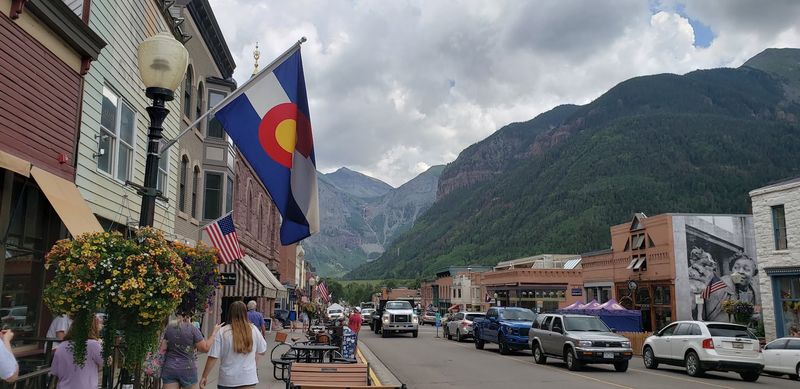
Arriving in Telluride for the first time has a way of stopping people mid-sentence. Mountains tower on three sides at the end of a box canyon, and the road delivers you into town with a sense of arrival that few places in Colorado can match.
The historic center stays active year-round with lodging, restaurants, events, trails, and outdoor recreation. One of Telluride’s signature features is the free gondola connecting downtown with Mountain Village.
For summer 2026, the gondola is scheduled to operate through October 25 before reopening for the winter season in November.
The gondola ride rises above the San Juan Mountains and connects to hiking and biking routes along the way, making it a genuine attraction rather than just a convenience. Telluride is one of those destinations where the idea of taking the most direct road home almost immediately feels like the least interesting option available.
Wallace, Idaho
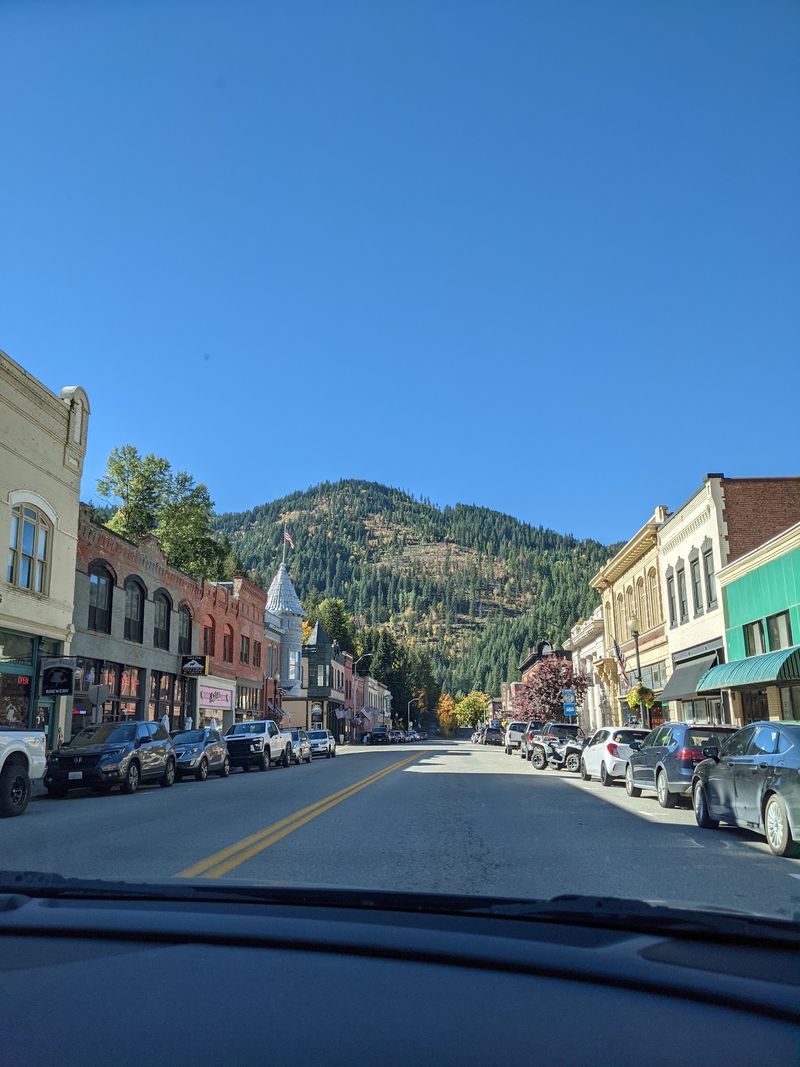
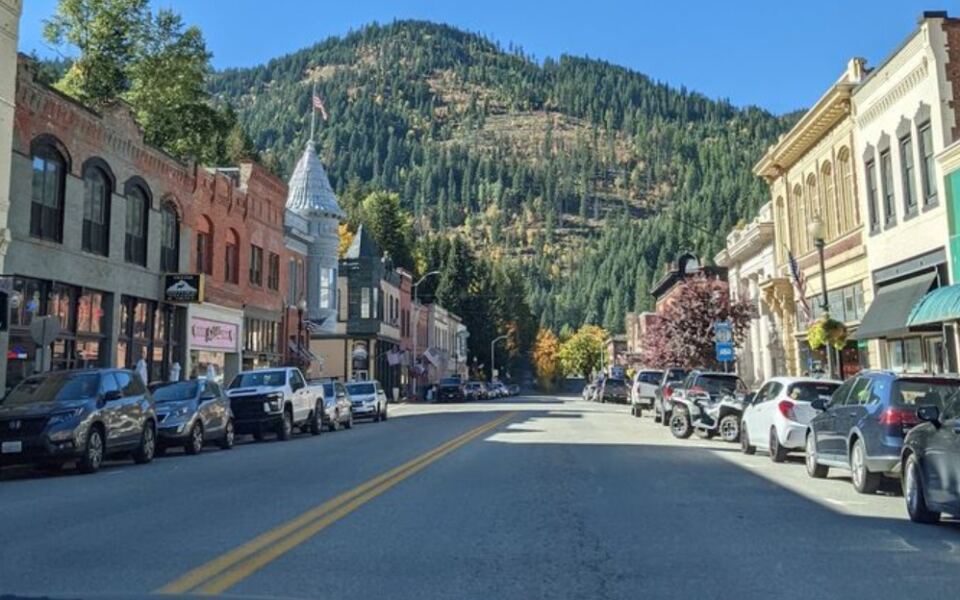
Wallace has a fact worth knowing before you arrive: the entire town is listed on the National Register of Historic Places. That designation covers the historic brick downtown, which sits in a narrow valley with forested mountains rising directly behind the buildings.
Several museums in Wallace cover the town’s mining history, labor history, and regional past, giving visitors more than just the architecture to engage with. Wallace is also an active outdoor recreation base near the Trail of the Coeur d’Alenes, Route of the Hiawatha, Route of the Olympian, and two ski areas.
Wallace’s tourism organization continues to promote year-round lodging, outdoor activities, events, and dining throughout the area. Almost any road leaving town seems capable of turning into a scenic side trip through the forested mountains of northern Idaho.
For a small place, Wallace carries an unusually wide range of reasons to visit and reasons to linger.
Ferndale, California
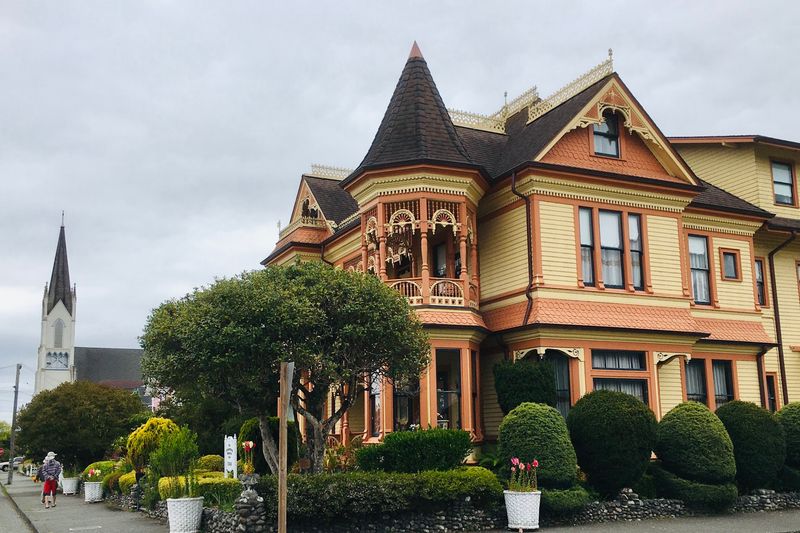
Ferndale sits at the end of a Northern California detour that most travelers on the main highway never bother to take, which means the town often feels quieter and more preserved than its quality would suggest it should be.
Victorian buildings line the main street while dairy country, forests, and the rugged Lost Coast stretch beyond town in multiple directions. Ferndale’s tourism organization describes the community as the historic heart of the redwoods region, positioned between California’s famous redwood country and the Lost Coast.
The preserved Victorian architecture makes Main Street genuinely worth walking at a slow pace. Nearby redwood parks make Ferndale especially easy to fold into a Northern California road trip without adding much distance to the overall route.
Restaurants, lodging, walking tours, and local events give visitors enough reason to stay beyond a quick look around. The surrounding landscape is what keeps people on the backroads a little longer than planned.
Fredericksburg, Texas
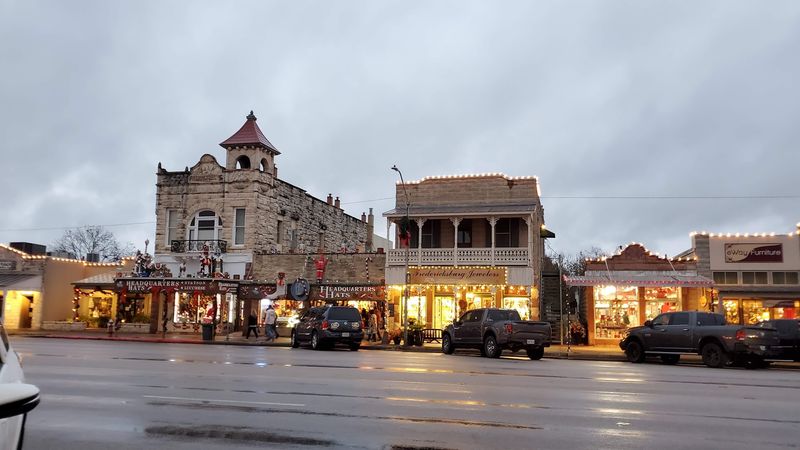
The roads surrounding Fredericksburg do a lot of the convincing before you even reach town. Limestone hills, ranches, vineyards, peach orchards, and stretches of wildflowers turn the Hill Country into a place where the drive between stops often becomes the most memorable part of the day.
Fredericksburg itself has a walkable Main Street with a strong German-Texan heritage, and the surrounding region contains one of the largest concentrations of wineries and tasting rooms in Texas. Enchanted Rock State Natural Area is another major attraction nearby, offering hiking across a massive pink granite dome with wide views of the surrounding countryside.
Current 2026 tourism information continues to promote Fredericksburg as an active destination for dining, live music, events, outdoor scenery, and Hill Country experiences. The town makes an ideal anchor for a trip built around two-lane roads, where the interstate is something you only use to get home.
Leavenworth, Washington
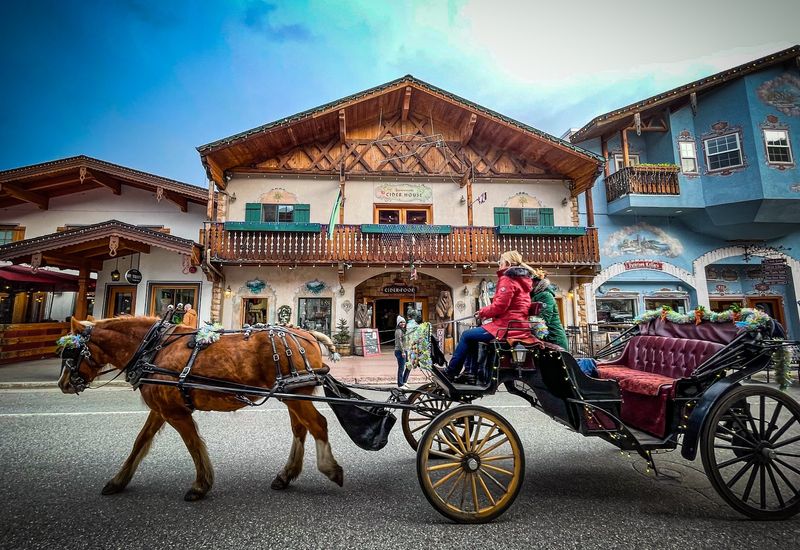
Leavenworth gets described as Washington’s Bavarian village often enough that the novelty of the architecture can overshadow what actually makes the town worth the drive. The Cascade Mountains surrounding it do more for the scenery than any painted storefront ever could.
The town operates as a busy year-round visitor destination, and its Willkommen Center runs seven days a week for most of the year, providing current information on recreation, dining, shopping, and events. Mountains frame the community while nearby rivers, hiking areas, and forest roads give visitors plenty of reasons to extend a simple town visit into something much longer.
U.S. Route 2 through the Cascades makes Leavenworth particularly well suited to travelers who consider the scenery between destinations just as important as the destination itself.
The corridor through Stevens Pass is one of Washington’s more dramatic highway stretches, and Leavenworth sits right in the middle of it.
Eureka Springs, Arkansas
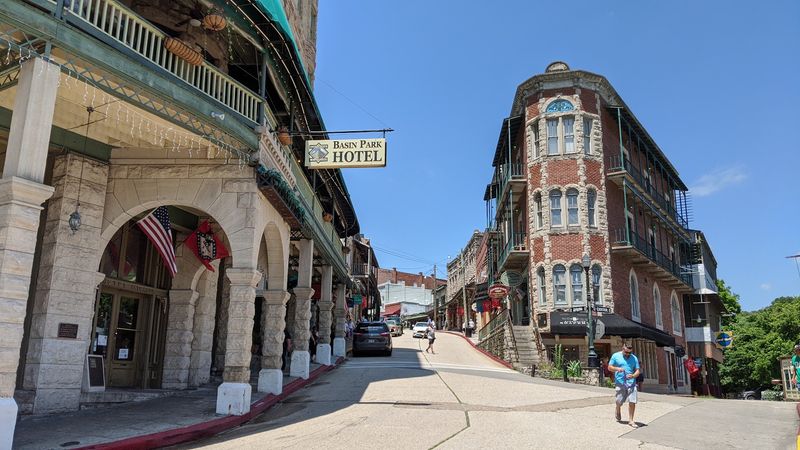
Straight roads are genuinely difficult to find in Eureka Springs, and that is not a complaint. The Ozark Mountain town spreads across steep hills where narrow streets twist past Victorian buildings, historic springs, galleries, and local restaurants in a way that makes walking feel like an adventure rather than a chore.
The entire downtown is listed on the National Register of Historic Places, and the surrounding Ozarks add hiking, lakes, forests, and scenic drives to any visit. Current tourism resources continue to list lodging, restaurants, shopping, spas, trails, and outdoor activities throughout the area.
Visitors can easily spend part of the day wandering downtown and the rest simply following roads through the hills to see where they lead. There is a casual, unhurried quality to Eureka Springs that makes it easy to stay longer than originally planned.
The hills around town have a habit of offering one more view worth finding.
Beaufort, South Carolina
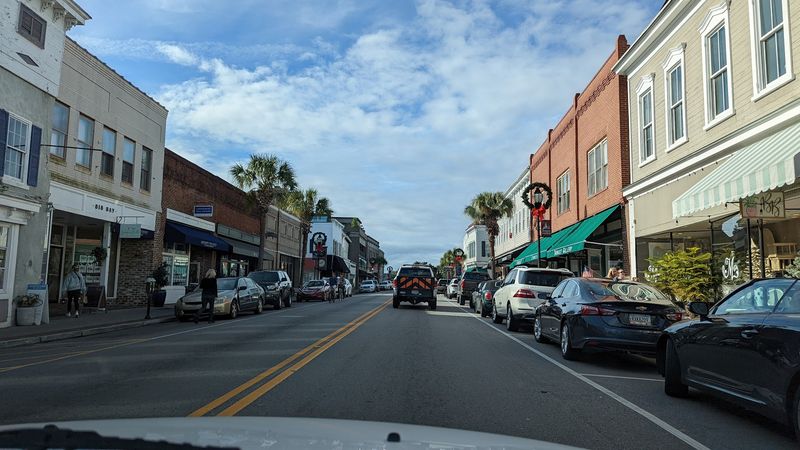
Moss-covered live oaks arch over the streets in Beaufort in a way that genuinely slows the pace of driving before you have even made a conscious decision to slow down. The Lowcountry setting does the work automatically.
Historic homes, marshes, tidal waterways, and waterfront views give Beaufort an unmistakable sense of place that the historic downtown reinforces with shops, restaurants, museums, galleries, and tours. South Carolina’s official tourism site notes that Beaufort has more than 50 architecturally significant structures, with the historic downtown and riverfront standing out as defining attractions.
Beyond town, bridges connect visitors to the surrounding Sea Islands, opening up additional opportunities for coastal detours through landscapes that feel far removed from the main travel corridors. Beaufort is the kind of place where an afternoon stop has a reasonable chance of becoming an overnight stay, mostly because leaving starts to feel less urgent the longer you are there.
Sisters, Oregon
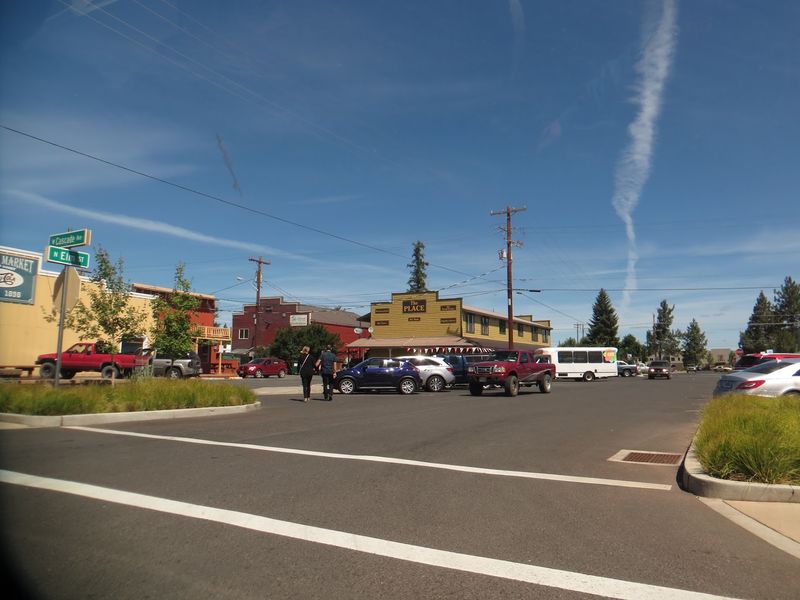
Sisters sits at one of Oregon’s more interesting geographic crossroads, where the high desert transitions into the Cascade Mountains and the landscape shifts from open ranch country and pine forest to volcanic peaks within a relatively short distance in any direction.
The western-style downtown contains shops, galleries, restaurants, lodging, and arts venues, while the surrounding Sisters Country provides immediate access to Deschutes National Forest. The local chamber continues to promote scenic drives, hiking, cycling, lakes, fishing, and outdoor recreation throughout the area.
One standout seasonal route is the McKenzie Pass Scenic Byway, which climbs toward the volcanic landscape around Dee Wright Observatory with views of lava fields and Cascade peaks. Travelers should check seasonal road conditions before heading into the mountains, since the pass closes in winter.
Sisters itself stays active as a destination throughout the year, giving road trippers a reliable anchor point for exploring this varied and rewarding corner of central Oregon.
Share this story