Imagine standing outside at midnight, and the sky is still bright enough to read a book. That is exactly what happens in Arctic destinations during summer, when the sun barely dips below the horizon and daylight seems to stretch on forever.
From Norway’s dramatic fjords to Canada’s remote tundra, these places offer something you rarely experience anywhere else on Earth. Whether you are a curious traveler, an outdoor adventurer, or someone who just wants to witness something genuinely strange and beautiful, this list covers 15 real destinations where summer days barely end.
Each one has its own personality, its own landscape, and its own reason to make the trip worth planning.
Longyearbyen, Svalbard, Norway
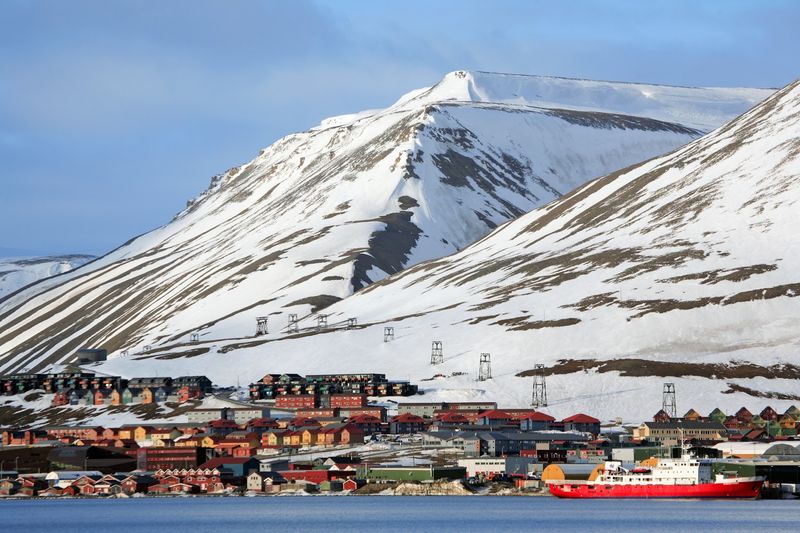
Few places on Earth feel as remote and alive at the same time as Longyearbyen, the main settlement on the Svalbard archipelago. Polar summer here runs from May 17 to September 30, which means weeks of continuous daylight framing glaciers, tundra, and dramatic mountain ridgelines in a light that never fully fades.
This is not a destination you wander into without preparation. Polar bear safety protocols apply outside town limits, and guided travel is standard practice for wilderness excursions.
That layer of planning actually adds to the experience rather than taking away from it.
Boat tours, wildlife spotting, photography expeditions, and cultural stops in town are all part of a well-organized visitor scene. The official Visit Svalbard tourism platform keeps seasonal information current and bookable.
If you want the Arctic to feel real and not just scenic, Longyearbyen delivers that in a way very few places can match.
Tromsø, Norway
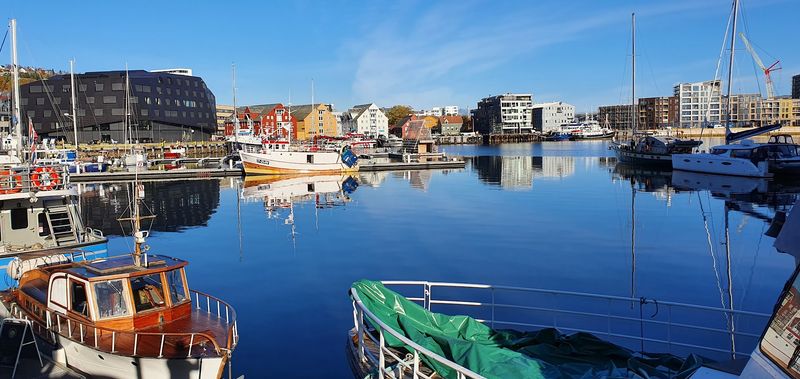
Tromsø pulls off something that most Arctic destinations struggle with: it gives you the full midnight sun experience without asking you to sacrifice basic travel comfort. The city has solid hotel options, a real restaurant scene, museums, and fjord tour operators running through the summer months.
Visit Tromsø’s official guide highlights midnight sun hikes, kayaking in the bright Arctic night, and cable car rides up Storsteinen mountain for panoramic views. The flexibility that long daylight creates here is genuinely fun.
A late dinner at 10 p.m. feels completely normal when the sky outside is still gold.
Kayaking in open Arctic water under a sun that should have set hours ago is the kind of detail that sticks with you long after the trip ends. For first-time Arctic visitors who want the magic without the expedition-level logistics, Tromsø is one of the most practical starting points on this entire list.
Lofoten Islands, Norway
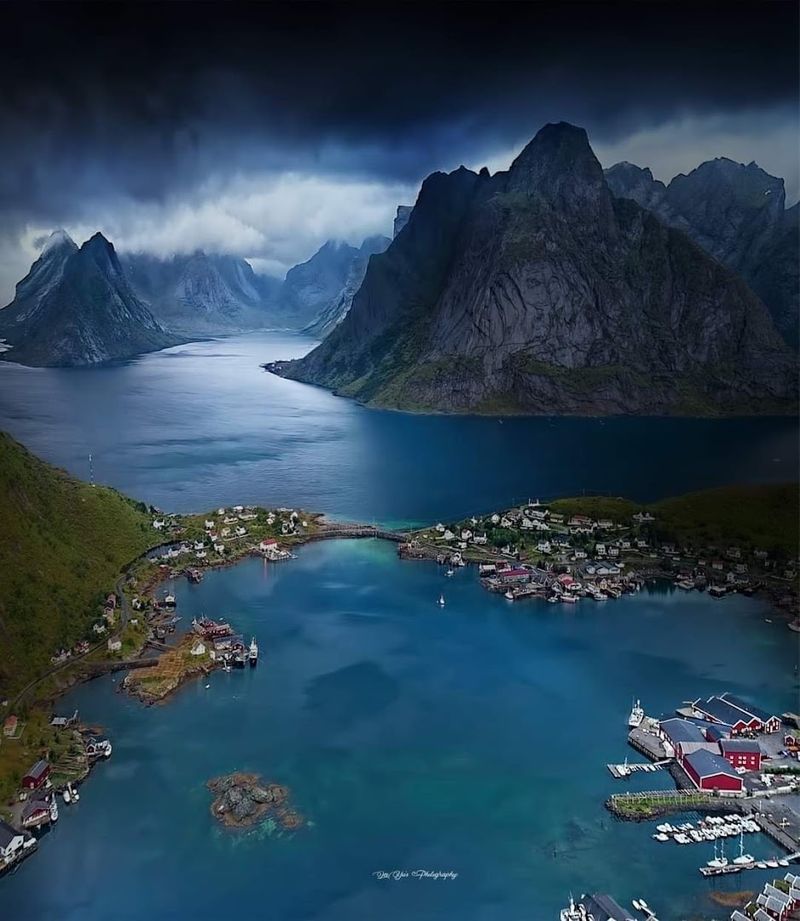
The Lofoten Islands sit above the Arctic Circle, and the midnight sun here falls over a landscape that looks almost too good to be real. Sharp peaks rise directly from the sea, fishing villages cluster around small harbors, and sandy beaches appear where you would least expect them in the Arctic.
Visit Lofoten confirms the islands experience the midnight sun in summer, and the official tourism site stays active with responsible travel guidance and activity planning. Hiking, kayaking, village drives, and fishing heritage tours are all part of the summer menu here.
What makes Lofoten different from a standard viewpoint destination is that the light becomes part of everything you do rather than just something you photograph once. A morning hike at 2 a.m. is genuinely possible.
A boat trip at midnight feels like late afternoon. For travelers who want Arctic summer to feel immersive rather than staged, Lofoten is one of the strongest picks available.
North Cape, Norway
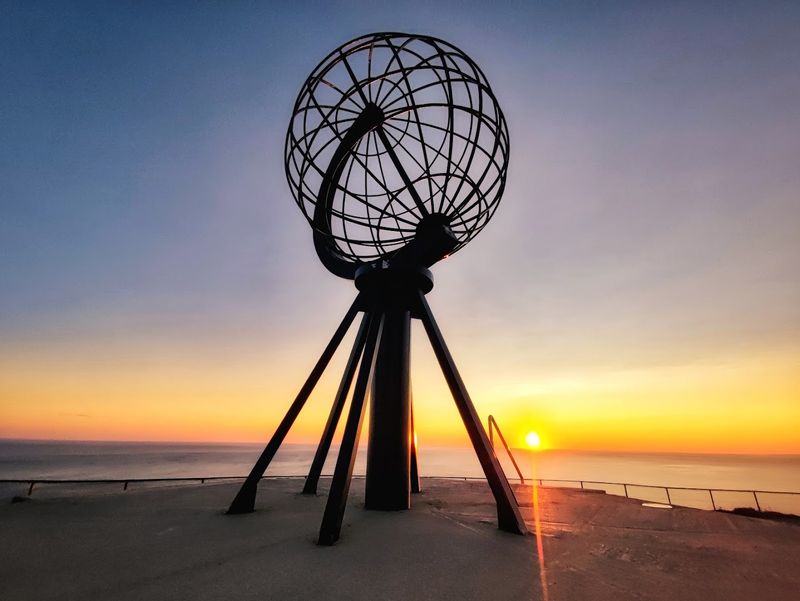
North Cape has been drawing travelers to the edge of Europe for generations, and the reason is simple: standing on the plateau above the Barents Sea while the sun circles the sky at midnight is genuinely hard to forget. Visit Nordkapp confirms the plateau is accessible year-round, with the midnight sun making summer visits especially striking.
The North Cape Hall visitor center operates year-round and includes exhibitions, a café, and a souvenir shop, which makes it practical for travelers who want a well-supported Arctic landmark rather than a raw wilderness experience. Cruise ships stop here regularly, and road access from the Norwegian mainland makes it reachable by car or organized tour.
The globe monument at the cliff’s edge has become one of Norway’s most recognized photo spots, but the view itself earns that reputation honestly. This is Europe’s symbolic northern edge, and in summer, the light proves it.
Few Arctic destinations feel this cinematic with this little planning required.
Alta, Norway
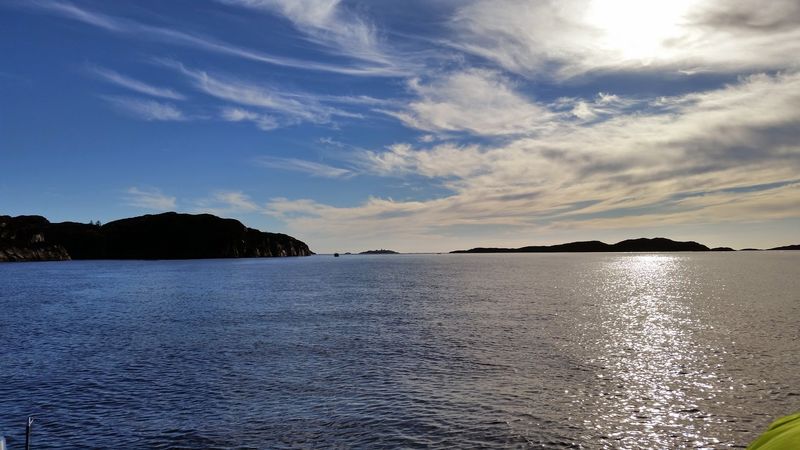
Alta does not compete for attention the way Tromsø or the Lofoten Islands do, and that is exactly what makes it appealing to a certain kind of traveler. The pace here is slower, the crowds are thinner, and the midnight sun still shows up reliably across the Finnmark landscape.
Visit Alta frames summer around outdoor activity, local culture, and the open quality of Arctic daylight. The fjord scenery is real and accessible, with hiking options, cultural sites, and a town center that feels genuinely Norwegian rather than built for tourism.
Alta also works as a solid base for wider Finnmark exploration, including day trips toward North Cape and access to Sami cultural areas that add depth to an Arctic summer itinerary. If you want long daylight with breathing room and fewer organized crowds, Alta rewards that preference.
The light is the same as anywhere else above the Arctic Circle, but the setting around it feels more personal and less packaged.
Kiruna, Sweden
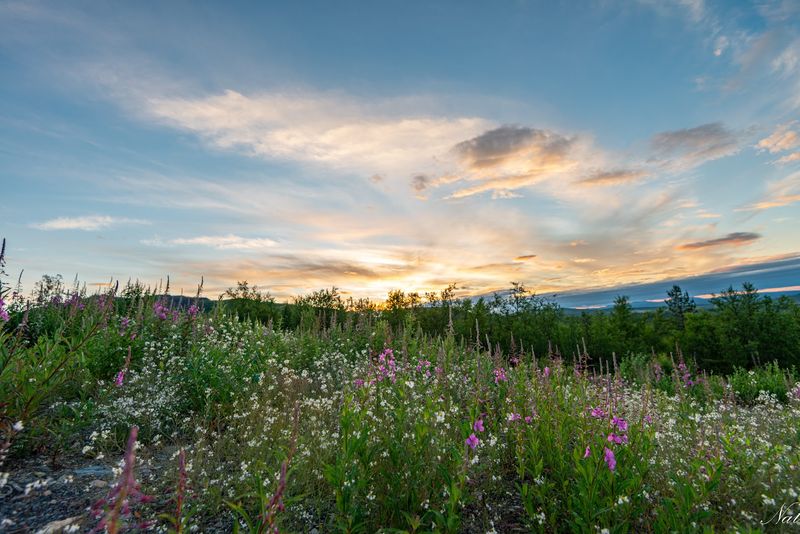
Kiruna holds a record that puts it in a category of its own among Swedish Lapland destinations: the midnight sun is visible for 47 consecutive days, and the area experiences roughly 100 days without real darkness when you include the bright periods before and after the midnight sun window. Kiruna Lapland’s official destination site confirms both figures and continues to promote seasonal travel actively.
The surrounding landscape offers hiking, wildlife watching, and access to nearby wilderness areas that feel genuinely remote without being unreachable. Swedish Lapland scenery has its own character, with birch forests, mountain ridges, and open fell country that look different under perpetual summer light.
Kiruna itself has an interesting civic story as well, since the entire town center was relocated to a new site to accommodate iron ore mining operations. That detail makes it more than just a midnight sun stop.
It is a working Arctic community with a modern center, cultural attractions, and a visitor infrastructure that makes long-daylight travel straightforward to plan.
Abisko, Sweden
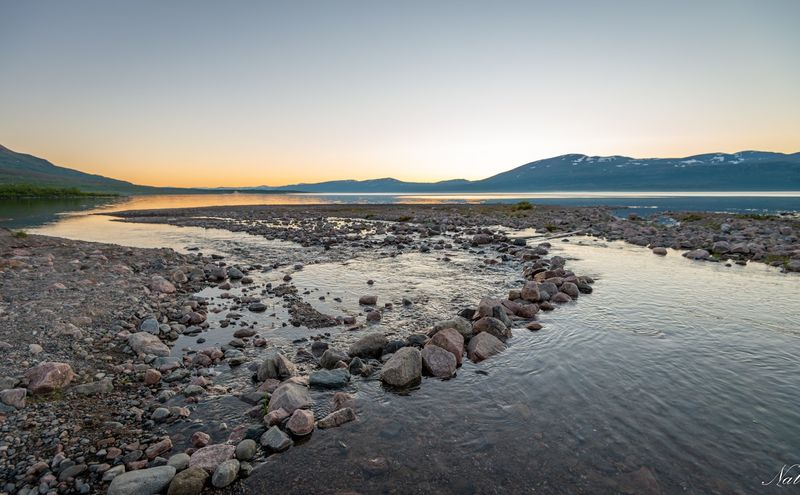
Abisko is the kind of place that serious hikers and northern light chasers both claim as their own, and summer gives it a completely different identity than winter. Inside Abisko National Park, the Swedish Tourist Association operates STF Abisko Turiststation, a base that offers accommodation and visitor services for travelers tackling the Kungsleden trail or exploring the famous Lapporten valley.
The Kungsleden, or King’s Trail, is one of Sweden’s most celebrated long-distance hiking routes, and Abisko sits at its northern end. Summer means you can hike late into the evening without a headlamp, which changes how a multi-day trail feels entirely.
Abisko also benefits from a relatively dry microclimate compared to surrounding areas, which gives it more clear-sky days than you might expect in Arctic Scandinavia. For travelers who want those bright Arctic nights to mean something beyond a photo opportunity, Abisko provides the trails, the views, and the infrastructure to actually use all that extra daylight.
Inari, Finland
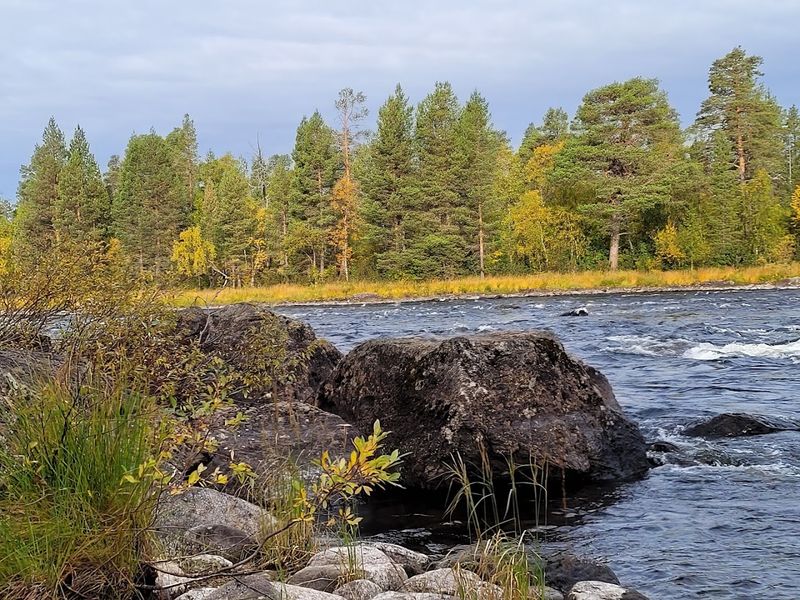
Inari brings a different texture to the Arctic summer experience. Instead of coastal fjords or mountain ridges, the setting here is lake country: wide, calm water, forested islands, and open fell landscapes that stretch quietly in every direction under the midnight sun.
Visit Inari promotes summer around what it calls endless summer light, with paddling, hiking, cabin stays, and fishing on Lake Inari as the core draws. The municipality adds cultural depth through Sami heritage, including the Siida museum, which covers both Sami culture and the natural history of the region.
This is a destination that rewards slow travel. A cabin by the lake, a morning paddle at 1 a.m., and an afternoon hike through fell country give the long daylight a purpose that goes beyond sightseeing.
Inari fits travelers who want Arctic summer to feel like a genuine retreat rather than a checklist. The light here is not just a phenomenon to observe; it becomes the background rhythm of your entire visit.
Rovaniemi, Finland
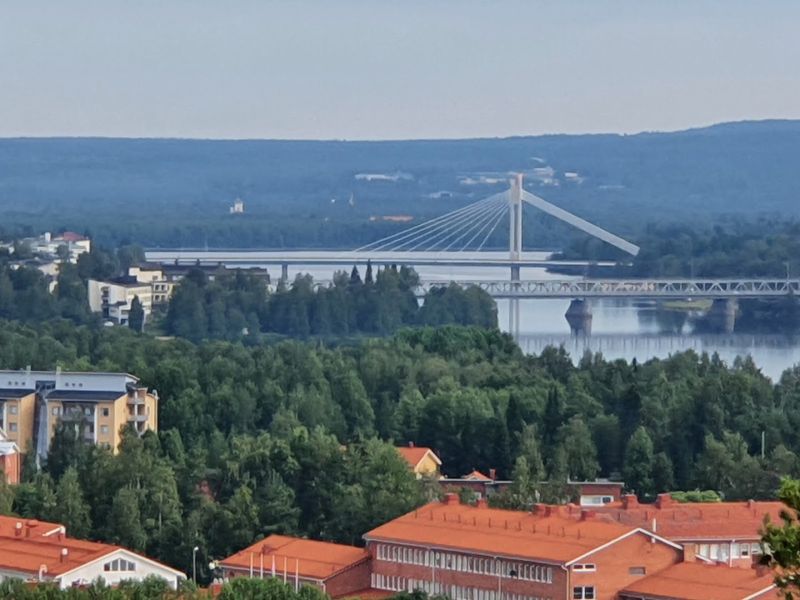
Rovaniemi sits directly on the Arctic Circle, which gives it a geographic credential that most travelers recognize immediately. Visit Rovaniemi’s official tourism site promotes summer with 24-hour light under the midnight sun, and the activity list goes well beyond simply watching the sky stay bright.
Bookable midnight sun experiences include horse rides and private island sauna evenings on the river, which give the long daylight a social and sensory dimension that feels very Finnish. The city itself has restaurants, local design shops, and cultural attractions that make it function as a real destination rather than just a novelty stop.
Rovaniemi is famous worldwide for its winter identity, but summer turns it into something quieter and arguably more interesting for repeat visitors. River scenery, Arctic Circle landmarks, and Lappish cultural experiences all feel different when the sky stays light until well past midnight.
Families, solo travelers, and couples all find something useful here, and the visitor infrastructure is strong enough to make planning straightforward.
Ilulissat, Greenland
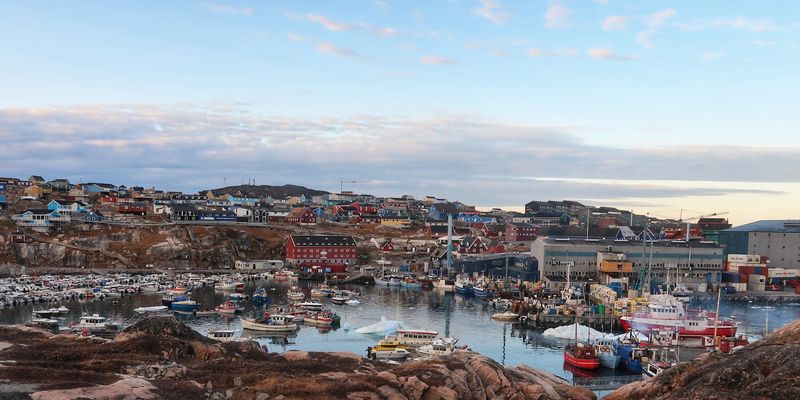
Ilulissat does something no other destination on this list quite replicates: it puts the midnight sun directly over icebergs. Disko Bay fills with massive ice formations calved from Sermeq Kujalleq, also known as Jakobshavn Glacier, one of the fastest-moving glaciers in the world.
Visit Greenland highlights the Ilulissat Icefjord, a UNESCO World Heritage Site, as the centerpiece of a summer visit.
The Icefjord Centre, designed by Danish architect Dorte Mandrup, opened in 2021 and serves as a cultural and interpretive hub for understanding the ice and the surrounding environment. Guided boat trips take visitors through the bay for close-up views of the icebergs at any hour, since the light holds through the night.
Ilulissat is not a budget destination, and flights into Greenland require planning, but the combination of ice, light, and scale creates an experience that is genuinely difficult to find anywhere else. The way the midnight sun plays across blue-white ice hour after hour is something photographs only partially capture.
Fairbanks, Alaska
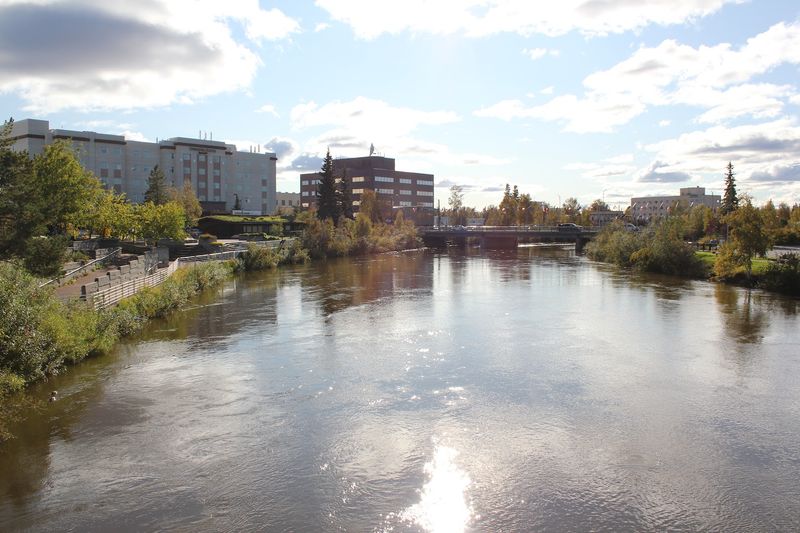
Fairbanks makes the midnight sun accessible in a way that few other Alaska destinations manage. Explore Fairbanks promotes a Midnight Sun Season running from April 22 to August 20, with 70 consecutive days of sunshine between May 17 and July 27.
Those are numbers that put Fairbanks in a serious category for anyone tracking summer daylight.
The city gives travelers a real base with restaurants, museums, hot springs, and river walks, which means the long daylight does not have to be the only thing on the itinerary. The Chena River runs through town, and the surrounding Interior Alaska landscape opens up quickly once you leave the city limits.
Guided trips north toward the Arctic Circle are a popular add-on for visitors who want to push even deeper into Alaska’s long-light territory. Fairbanks also hosts the Midnight Sun Festival in June, a community event tied directly to the solstice.
For travelers approaching Alaska’s Arctic summer for the first time, Fairbanks is one of the most sensible starting points available.
Utqiaġvik, Alaska
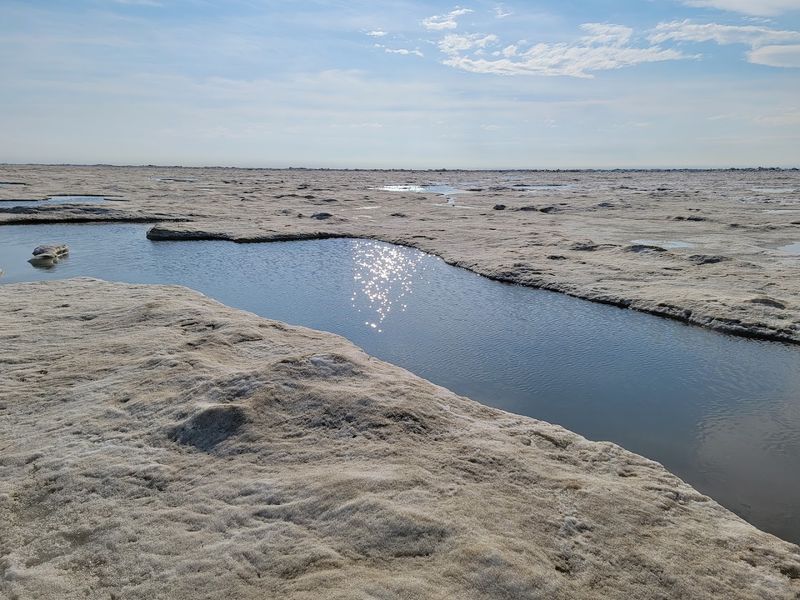
Utqiaġvik, formerly called Barrow, holds a distinction that no other U.S. community can claim: it is the northernmost city in the country, and it receives 24-hour daylight from May 10 to August 2 every year. Travel Alaska confirms both the daylight window and the community’s identity as one of Alaska’s largest Iñupiaq settlements.
This is not a tourist-built destination. Utqiaġvik is a real, working Arctic community with a strong cultural identity, and respectful travel is genuinely important here.
Visitors come for Arctic Ocean views, Iñupiat history, local culture, and the specific experience of standing at the northern edge of the United States while the sun stays fixed above the horizon.
Getting here requires a flight, and weather plays a role in every itinerary. But for travelers who want the midnight sun to feel earned rather than convenient, Utqiaġvik offers something that no road-accessible destination can replicate.
The remoteness is part of the point, and the cultural dimension makes it more meaningful than a simple geography milestone.
Inuvik, Northwest Territories, Canada
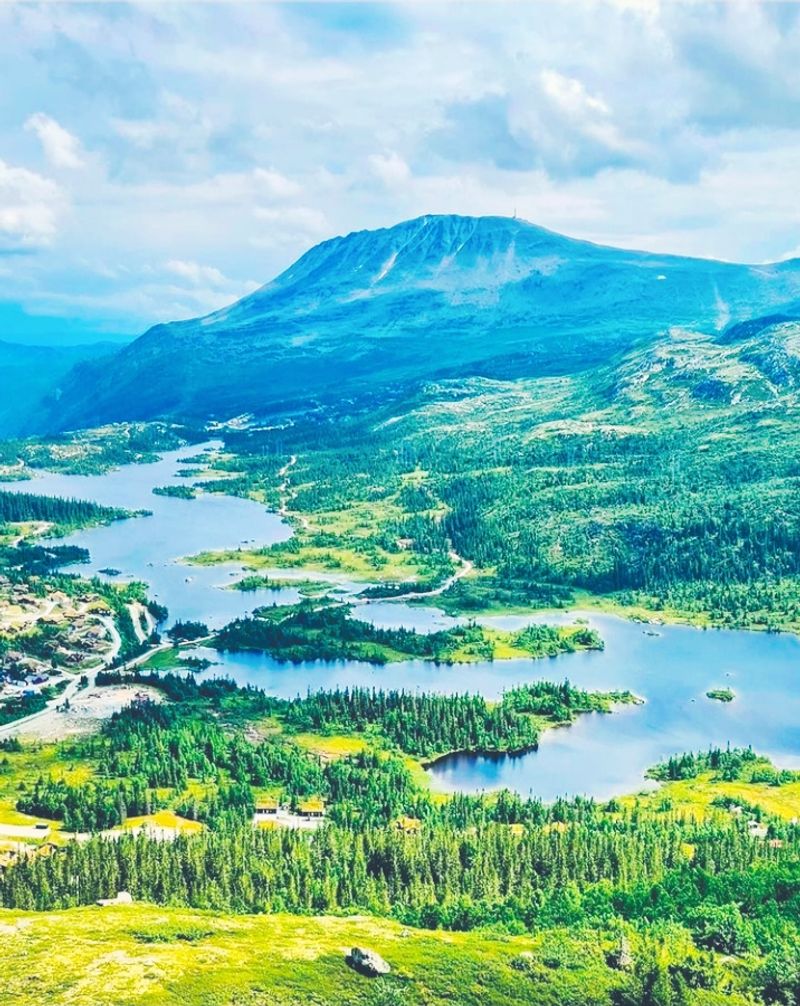
Inuvik markets itself honestly as a destination of extremes, and the official Inuvik Tourism site backs that up with details that range from aurora borealis winters to never-ending summer days. The Town of Inuvik even lists 24-hour golf under the midnight sun as one of its local draws, which tells you a lot about the community’s relationship with its long summer light.
The Midnight Sun Complex is listed among the town’s indoor attractions, and the surrounding landscape opens up into the western Canadian Arctic, with access to the Mackenzie Delta, Tuktoyaktuk on the Arctic Ocean, and the Dempster Highway corridor. That road connection south through the Yukon is one of the most dramatic drives in North America.
Inuvik feels lived-in rather than curated for visitors, which is part of what makes it worth the trip. Cultural events, local businesses, and Indigenous heritage all contribute to a summer experience that goes beyond the novelty of daylight.
It is an Arctic town that takes its geography seriously and expects visitors to do the same.
Dawson City, Yukon, Canada
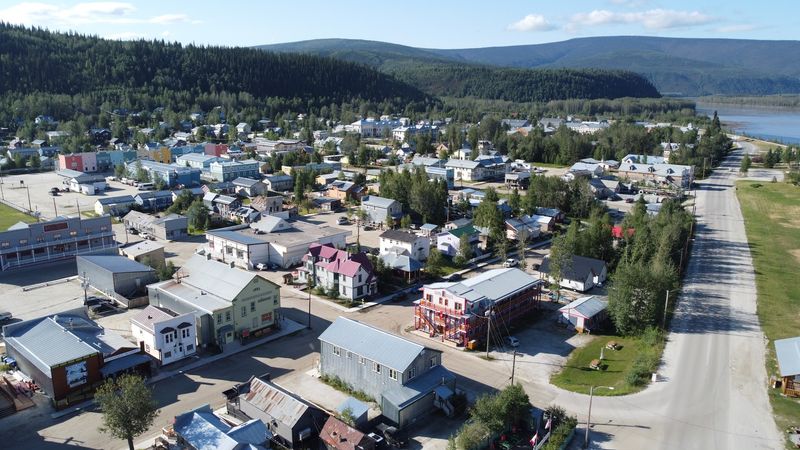
Dawson City is technically below the Arctic Circle, but the Yukon summer light here is no joke. Travel Yukon notes extended daylight across the territory all summer, and Dawson City’s own tourism materials use the phrase Land of the Midnight Sun to describe what visitors experience during the warmer months.
The town has a character that sets it apart from every other destination on this list. Klondike Gold Rush heritage shows up in boardwalk streets, heritage buildings, and local museums that cover one of North American history’s most dramatic migration stories.
The Yukon River runs alongside town, and the surrounding wilderness is massive and accessible.
Visitor services operate seasonally from May through September, with cultural attractions, river activities, and local events filling out the summer calendar. Dawson City works especially well for travelers who want northern daylight wrapped in genuine history and a slightly offbeat small-town personality.
The light stays late, the stories go deep, and the setting does not look like anywhere else in Canada.
Iqaluit, Nunavut, Canada
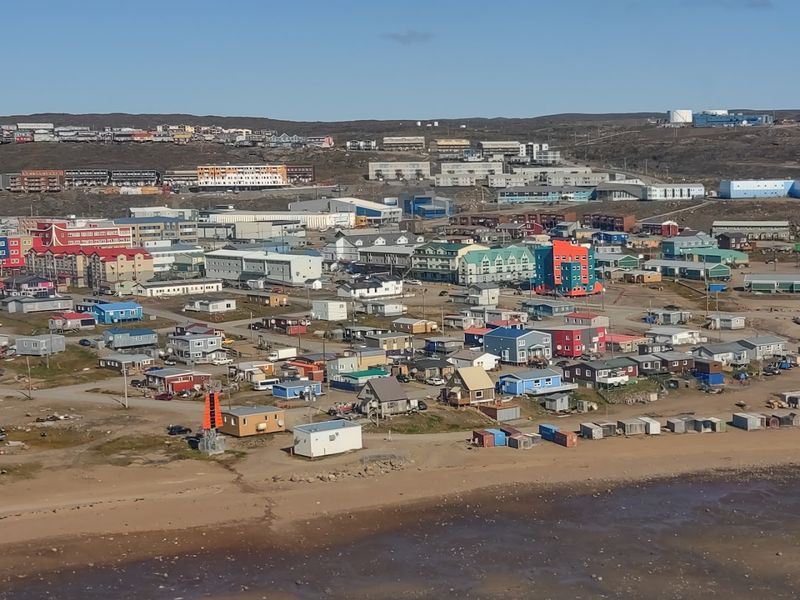
Iqaluit is the capital of Nunavut, which makes it the most accessible entry point into a territory that covers nearly two million square kilometers of Arctic Canada. Destination Canada notes that the area around the summer solstice brings Iqaluit up to 21 hours of continuous sunlight, while more northern Nunavut communities see nearly a full day of unbroken daylight.
Destination Nunavut’s official tourism platform presents the territory through the lens of modern Inuit life and ancient Arctic environments, which shapes what a visit here actually looks like. This is not a destination built around resort infrastructure.
It is a place where the land, the culture, and the light are the experience.
Frobisher Bay, the surrounding tundra, and Inuit cultural sites give visitors a framework for understanding what Arctic summer means in a community that has lived with it for thousands of years. Iqaluit requires intentional planning and a genuine curiosity about place, but for travelers who bring both, it delivers an Arctic summer that no Norwegian fjord town can replicate.
Share this story