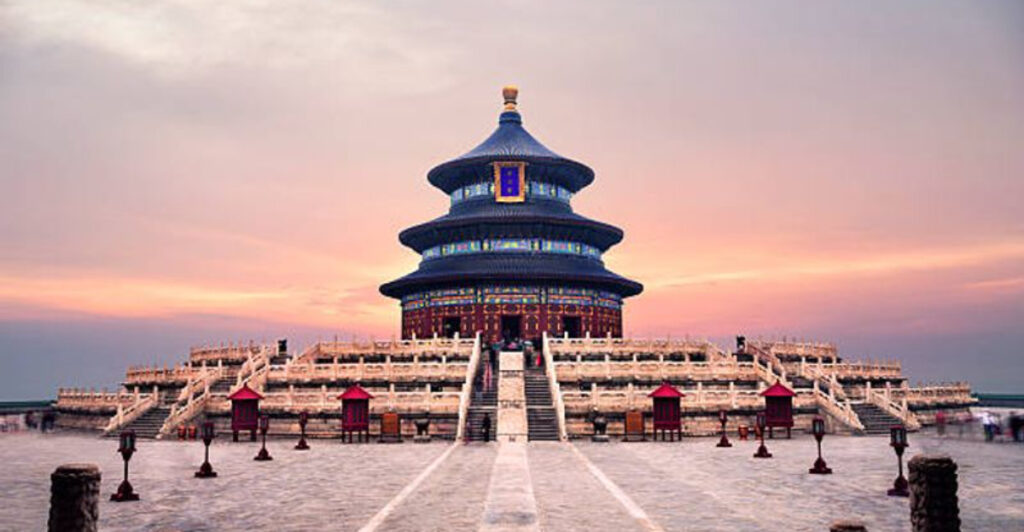
Asia’s greatest cities rarely stand still. Neighborhoods reinvent themselves, new museums open their doors, and places once treated as quick stopovers are becoming full-blown destinations worth planning an entire trip around.
With Time Out ranking 11 Asian cities among the world’s 50 best, and major cultural openings, festivals, and tourism projects launching across the continent, 2026 is shaping up to be one of the most exciting years to explore urban Asia. Here are 15 cities offering genuinely compelling reasons to book a flight this year.
Shanghai, China
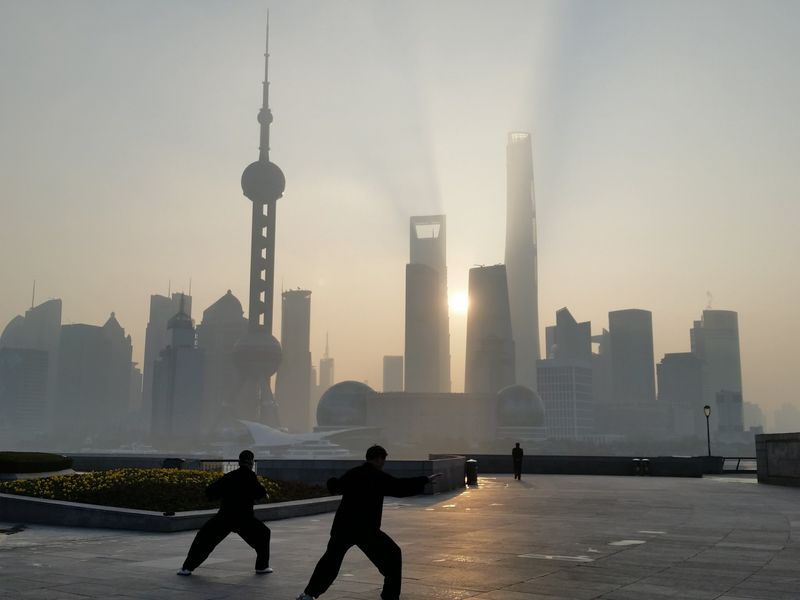
Ranked No. 2 in the world by Time Out’s 2026 city survey, Shanghai is having a serious moment. That places it as the highest-rated Asian city in the entire global ranking, and the numbers back up the hype.
A remarkable 88% of surveyed locals said eating out here was affordable, which is a rare combination with world-class quality.
Walk along the Bund and you face a jaw-dropping contrast: early 20th-century European architecture staring across the Huangpu River at Pudong’s sci-fi skyline. Wander farther in and historic lanes, independent cafes, contemporary galleries, and neighborhood restaurants take over completely.
Shanghai’s tourism authorities are making 2026 unusually event-heavy, filling the calendar with cultural festivals, international sports competitions, major art exhibitions, river cruises, and themed city walks. Officials have developed 45 urban walking routes aimed at helping international visitors explore beyond the famous skyline views.
Shanghai was already one of Asia’s great city breaks. In 2026, it feels especially alive and ready for visitors.
Bangkok, Thailand
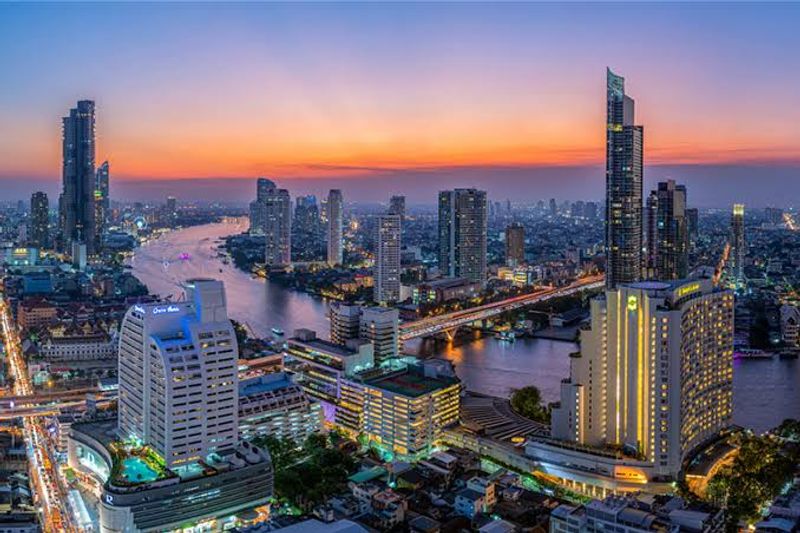
Bangkok finished No. 8 globally in Time Out’s 2026 ranking, landing second among all Asian cities. That position is well earned.
The Thai capital delivers on almost every front: gilded temples, Chao Phraya River boats, sprawling markets, rooftop bars, late-night neighborhoods, and one of the world’s most approachable street-food cultures.
But 2026 adds a fresh layer of excitement. The Bangkok Art Biennale returns this year, and Thailand’s Tourism Authority is backing it as part of a broader push to cement Bangkok’s status as an international contemporary-art destination.
Time Out specifically highlighted the city’s energetic cultural scene as a key reason Bangkok stays near the top of the Asia rankings.
The great advantage of Bangkok is genuine choice. Spend heavily on a luxury hotel and a tasting menu, or eat spectacularly well from street stalls and travel across the city by rail and riverboat.
Few Asian capitals offer so much intensity across so many different budgets. Bangkok is loud, warm, chaotic in the best way, and almost impossible not to love once you are in it.
Seoul, South Korea
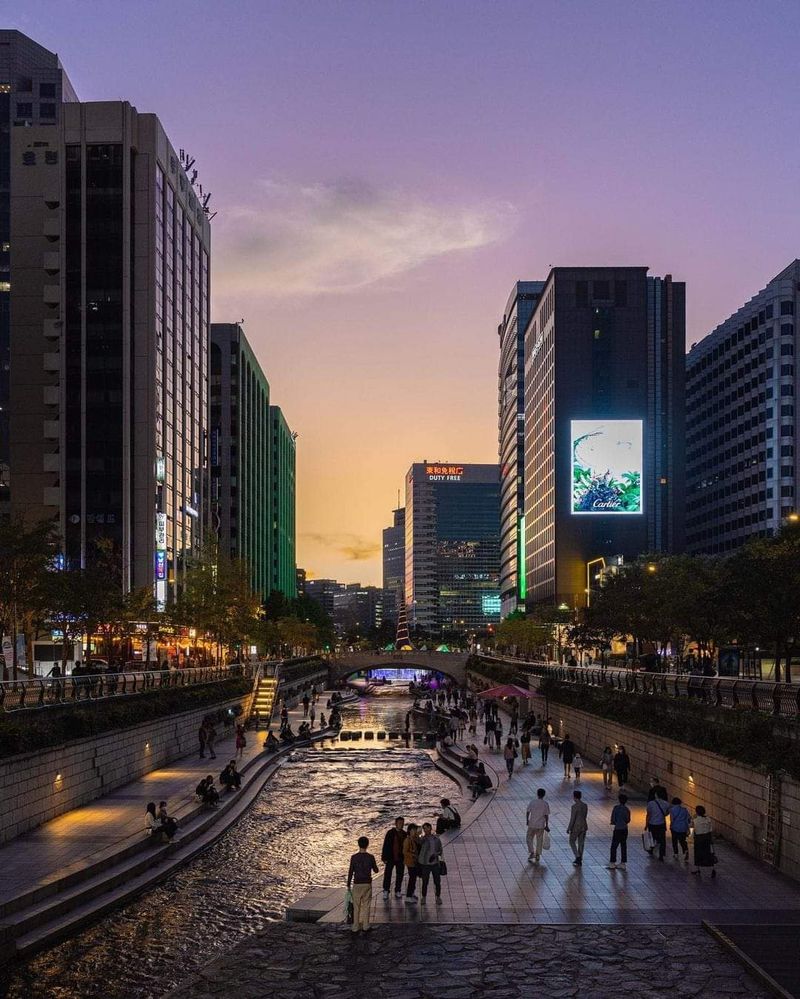
Seoul reached No. 9 worldwide in Time Out’s 2026 ranking, cementing its place as one of Asia’s most essential city trips. The contrasts here are genuinely irresistible: Joseon-era palaces standing beside skyscrapers, centuries-old markets brushing up against beauty stores, and quiet hanok alleyways just minutes from Hongdae nightlife and Gangnam shopping districts.
The city is not resting on those contrasts in 2026. Seoul’s government has been developing 12 scenic observatories across the city, designed to frame dramatic new views of the skyline from the surrounding hills.
A new Seoul City Hall Sky Observatory opened in July 2026, combining modern skyline views with historic central Seoul in one sweeping panorama.
The cultural calendar is equally packed, with major museum exhibitions, photography shows, contemporary art events, and digital cultural experiences running across the capital. For travelers drawn to food, design, music, fashion, skincare, or K-culture more broadly, Seoul is no longer just a destination to watch from a distance.
It is fully, confidently, one of Asia’s very best cities right now.
Tokyo, Japan
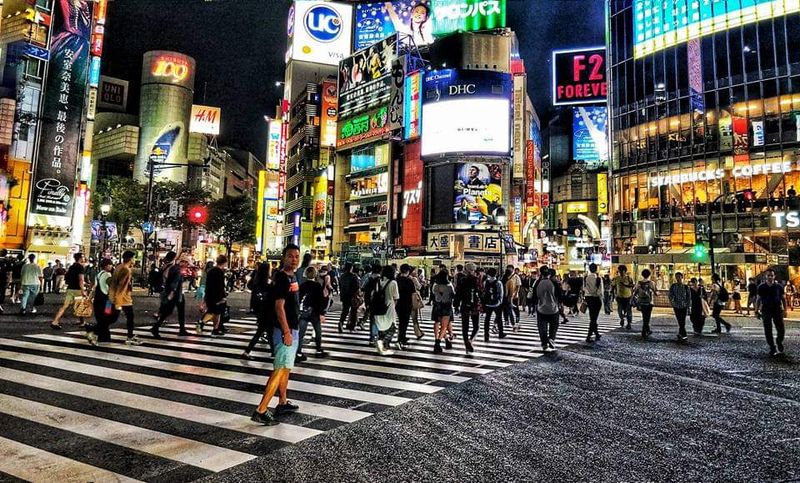
Tokyo landed at No. 10 globally in Time Out’s 2026 survey, completing a remarkable run of four Asian cities inside the worldwide top 10. What makes that impressive is how consistently Tokyo satisfies travelers who arrive with wildly different expectations.
There is genuinely no single version of this city.
Asakusa offers temples and older streetscapes. Shibuya delivers the neon megacity image most people picture.
Ueno concentrates museums, galleries, markets, and parkland. Akihabara goes deep into electronics and manga culture, while quieter neighborhoods like Yanaka, Nezu, and Sendagi preserve a slower residential rhythm that feels worlds away from the tourist trail.
Tokyo keeps improving visitor infrastructure too. A new tourist information center opened at Tokyo Station’s Yaesu area in June 2026, making arrival smoother for international travelers.
What ultimately keeps Tokyo on every serious Asia list is that it works for almost every type of traveler: art lovers, food obsessives, families, shoppers, architecture fans, and people who simply enjoy wandering with no agenda. You could spend a month here and still leave neighborhoods unexplored for next time.
Hong Kong
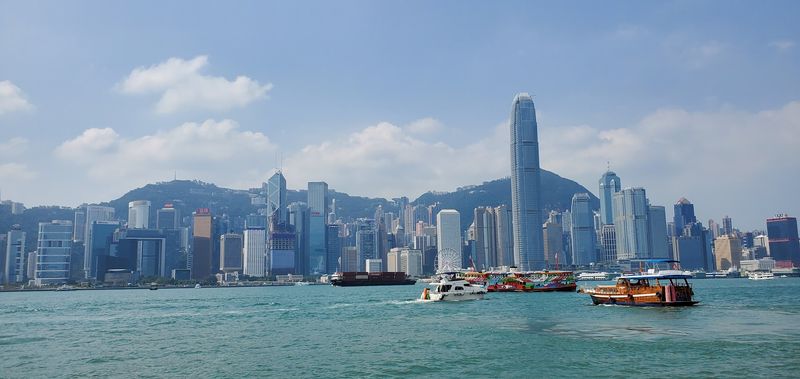
Hong Kong ranked No. 15 worldwide in Time Out’s 2026 city list, and the city continues to offer one of Asia’s most satisfying combinations of density and natural landscape. A morning can begin with dim sum in a traditional tea house, move through skyscrapers and Star Ferry crossings, and end on a mountain trail with sweeping harbor views.
Culture is becoming an even bigger reason to visit in 2026. The WestK Performing Arts Centre is scheduled for completion this year, adding a 1,450-seat Grand Theatre, a 600-seat theater, and a smaller studio venue to the already impressive West Kowloon Cultural District.
That district already includes major museums, performance spaces, and waterfront areas that have quietly become one of Asia’s most ambitious arts precincts.
Hong Kong’s government has also allocated significant new funding to expand tourism events and themed programs throughout 2026. The city was never just about shopping and skyline photos, even if that reputation stuck for years.
This year, its cultural identity is harder to overlook than ever, and travelers who dismissed it as a stopover destination are likely to leave genuinely surprised by how much is here.
Singapore
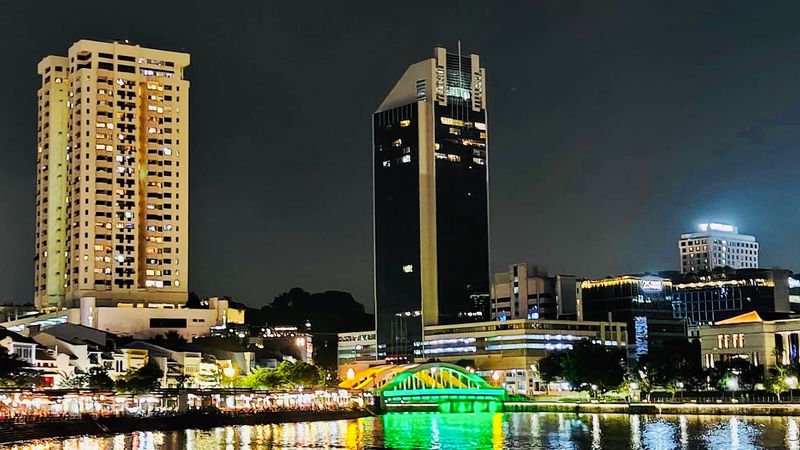
Singapore placed No. 23 globally in Time Out’s latest ranking, and it deserves more credit than it sometimes gets from travelers who write it off as too polished or too expensive. That reputation misses what makes it such a genuinely rewarding trip.
Its compact geography pulls dramatically different experiences into a surprisingly tight space.
Hawker centers sit near futuristic architecture. Botanical gardens border Hindu temples and mosques.
Chinese heritage districts blend into Peranakan neighborhoods. A transportation network that actually works makes crossing the city straightforward, which means more time eating and exploring and less time figuring out how to get somewhere.
For food lovers, Singapore is hard to beat in Asia for sheer culinary variety and accessibility. Chinese, Malay, Indian, Peranakan, and international influences coexist at every price point, from a few dollars at a hawker stall to a Michelin-starred tasting menu.
It also works extremely well as an introduction to Asia for first-time visitors who might feel overwhelmed by larger, more chaotic megacities. Orderly without being dull, modern without erasing its older neighborhoods, Singapore rewards travelers who give it more than a quick transit stop.
Hanoi, Vietnam
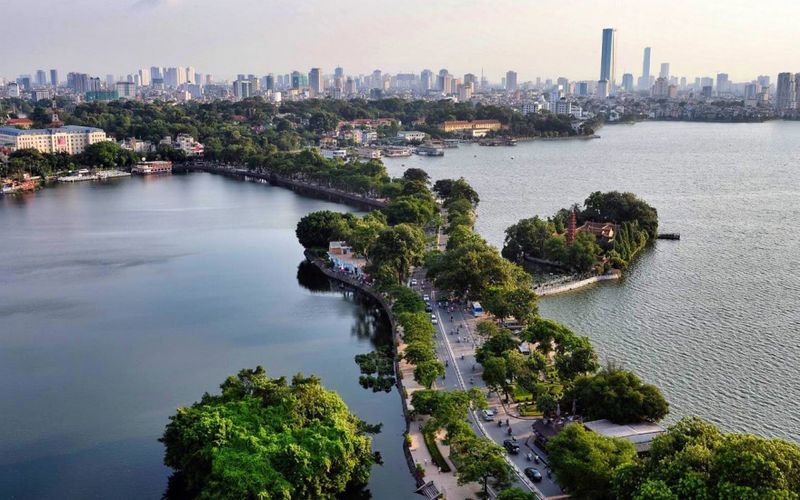
Hanoi reached No. 25 globally in Time Out’s 2026 ranking, and it remains one of the easiest major Asian capitals to love on a modest travel budget. Vietnam’s tourism organization describes the city as having more than 1,000 years of history, with parts of the Old Quarter street network dating back to the 14th century.
That kind of layered past is noticeable the moment you start walking.
The Old Quarter alone can consume days. Narrow streets, tiny restaurants, independent cafes, scooter traffic, colonial-era buildings, and some of Vietnam’s most memorable street food create an atmosphere that feels genuinely lived-in rather than staged for visitors.
Pho, bun cha, banh cuon, egg coffee, and countless neighborhood dishes make the city particularly rewarding for travelers who plan itineraries around meals.
Hanoi’s government is also promoting new green, rural, heritage, craft-village, and digitally enhanced tourism experiences in 2026, encouraging visitors to explore well beyond the Old Quarter. That push means there is more reason than ever to stay a few extra days.
Hanoi is affordable, atmospheric, and surprisingly easy to navigate, which is a combination that is harder to find than it sounds in Asia.
Beijing, China
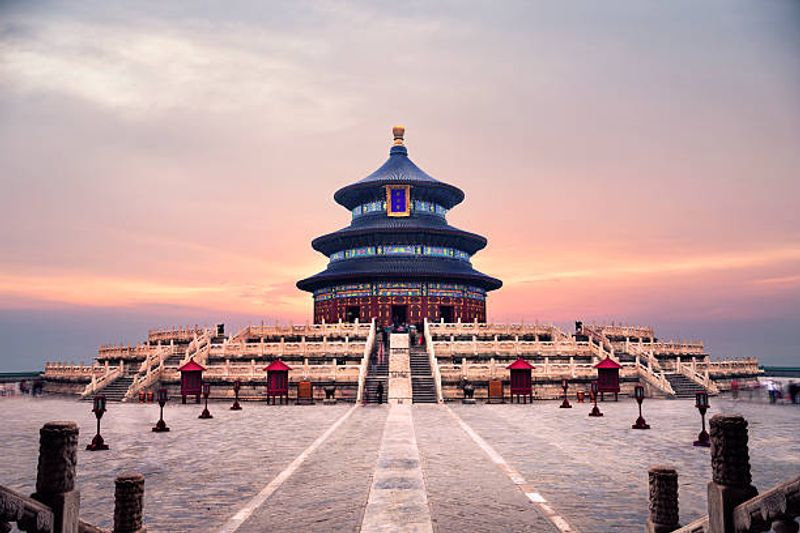
Beijing ranked No. 30 globally in Time Out’s 2026 survey, and imperial ambition is the first thing you feel when you arrive. There are cities with older individual monuments, but few capitals let travelers experience history on Beijing’s overwhelming scale.
The Forbidden City alone contains nearly 1,000 buildings across 180 acres of carefully preserved imperial space.
The Forbidden City, Temple of Heaven, hutong neighborhoods, monumental public squares, imperial parks, and nearby sections of the Great Wall create a concentration of historical sights that could easily fill an entire week without feeling rushed. Reducing Beijing to history alone, though, would be a mistake.
Contemporary art districts, ambitious new architecture, restaurants representing cuisines from across all of China, and fast-changing commercial neighborhoods give the city a far broader identity than its monuments suggest.
Beijing pairs naturally with Shanghai on a first trip to China, and the contrast between the two cities is part of what makes visiting both so satisfying. Shanghai delivers maritime modernity and a cosmopolitan skyline.
Beijing supplies the country’s imperial and political core. Together, they reveal two dramatically different but equally compelling versions of what urban China looks and feels like in 2026.
Chiang Mai, Thailand
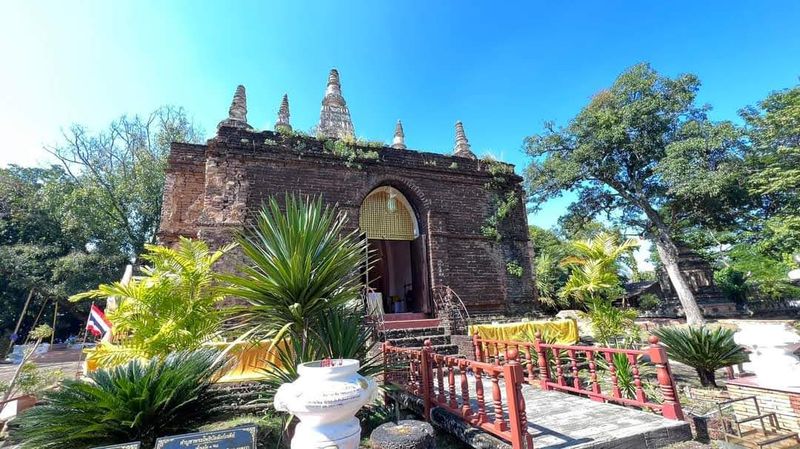
Chiang Mai ranked No. 32 globally in Time Out’s 2026 list, placing Thailand’s second major tourism city right alongside much larger Asian capitals. That ranking reflects something travelers who have visited already know well: this city has an atmosphere that bigger, louder destinations simply cannot replicate.
The old city is dotted with temples and low-rise streets rather than skyscrapers.
Northern Thai cuisine gives travelers a genuinely compelling food reason to make the trip. Khao soi, sai ua sausage, nam prik dips, and regional curries offer flavors quite different from the Thai dishes most international visitors first encounter in Bangkok.
The local food scene here rewards exploration, with small family-run restaurants and market stalls serving dishes that rarely appear on menus anywhere else.
The mountains are always close, which is one of Chiang Mai’s most underrated advantages. Doi Suthep rises directly above the city, and the wider region opens into waterfalls, hiking trails, rural communities, and national parks that can fill multiple day trips.
Travelers who find Bangkok exhilarating but exhausting often discover that Chiang Mai offers the ideal second act: slower, greener, and genuinely refreshing without sacrificing great food or interesting culture.
Ho Chi Minh City, Vietnam
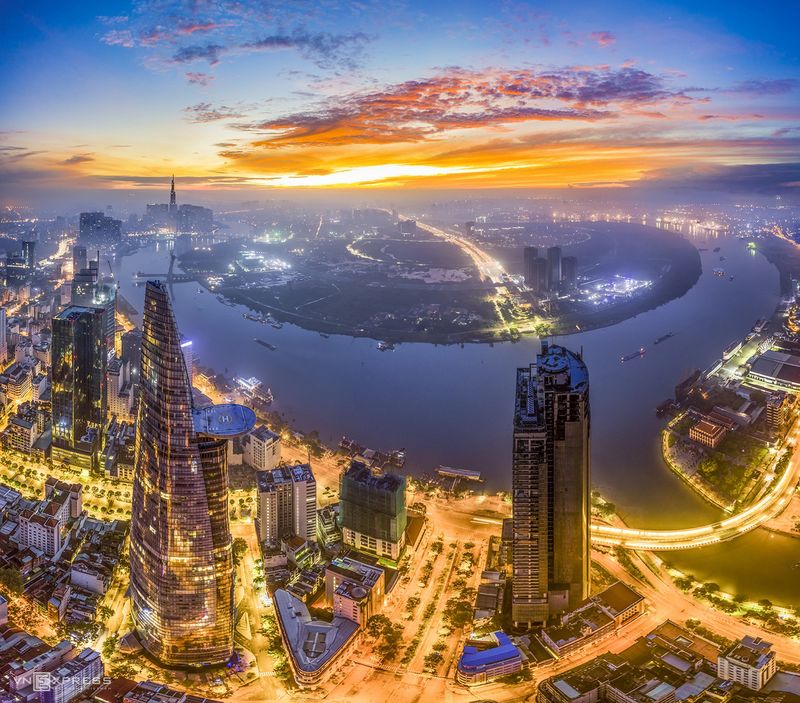
Ho Chi Minh City reached No. 38 worldwide in Time Out’s 2026 ranking, and Vietnam’s tourism authority describes it as a place where inexpensive street food and world-class dining sit alongside markets, pagodas, luxury hotels, and modern shopping districts. That description fits the city perfectly.
It is a place that somehow makes all of those things feel like part of one coherent, buzzing whole.
The city moves at a completely different rhythm from Hanoi. Where Hanoi can feel historic and atmospheric, Ho Chi Minh City feels commercial, youthful, restless, and permanently in motion.
Travelers can spend days alternating between markets, cafes, museums, rooftop bars, restaurants, colonial-era architecture, and neighborhoods where the street itself is the main event.
Ho Chi Minh City also makes a convenient and natural starting point for exploring southern Vietnam and the Mekong Delta, adding serious value for travelers who want to combine city time with countryside experiences. For visitors who want their Asian city break loud, late, social, and food-driven, this city deserves considerably more than a quick stopover.
Give it three or four full days and it will surprise you with how much it offers beyond first impressions.
Osaka, Japan
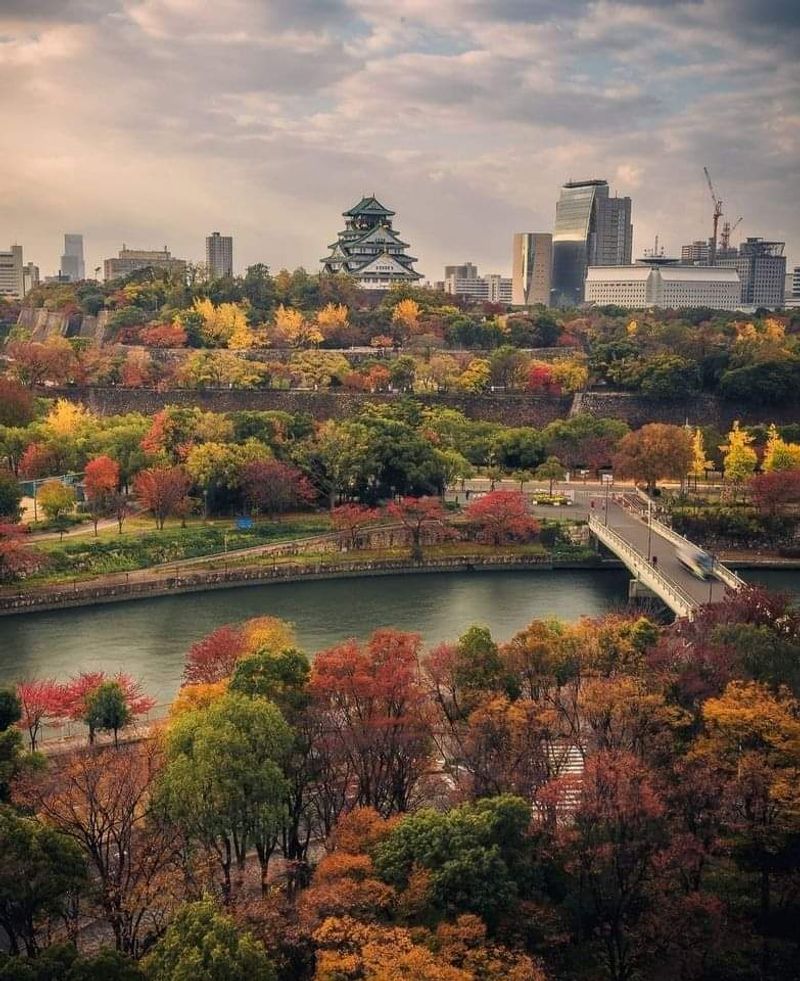
Osaka came in at No. 39 worldwide in Time Out’s 2026 ranking, and Japan’s second major urban experience feels genuinely different from Tokyo in ways that matter. The city built its reputation on food and informality, and both remain completely intact.
Takoyaki, okonomiyaki, kushikatsu, ramen, and late-night dining make it easy to organize an entire trip around appetite rather than sightseeing checklists.
Dotonbori supplies the famous neon version of Osaka that fills every travel photo, but the city becomes more rewarding when travelers push beyond that. Local shopping streets, covered market arcades, retro neighborhoods, and smaller eating districts reveal a more authentic side that most visitors never quite reach on shorter trips.
Osaka also holds a geographic advantage that makes it one of the most practical bases in all of Japan. Kyoto, Nara, Kobe, and other Kansai destinations are easily combined with a stay here, meaning travelers can enjoy urban nightlife in the evenings and major historical sites during the day without changing hotels.
Tokyo may be Japan’s essential first city for most visitors. Osaka is often the one they find unexpectedly fun, relaxed, and genuinely hard to leave when the time comes.
Tashkent, Uzbekistan
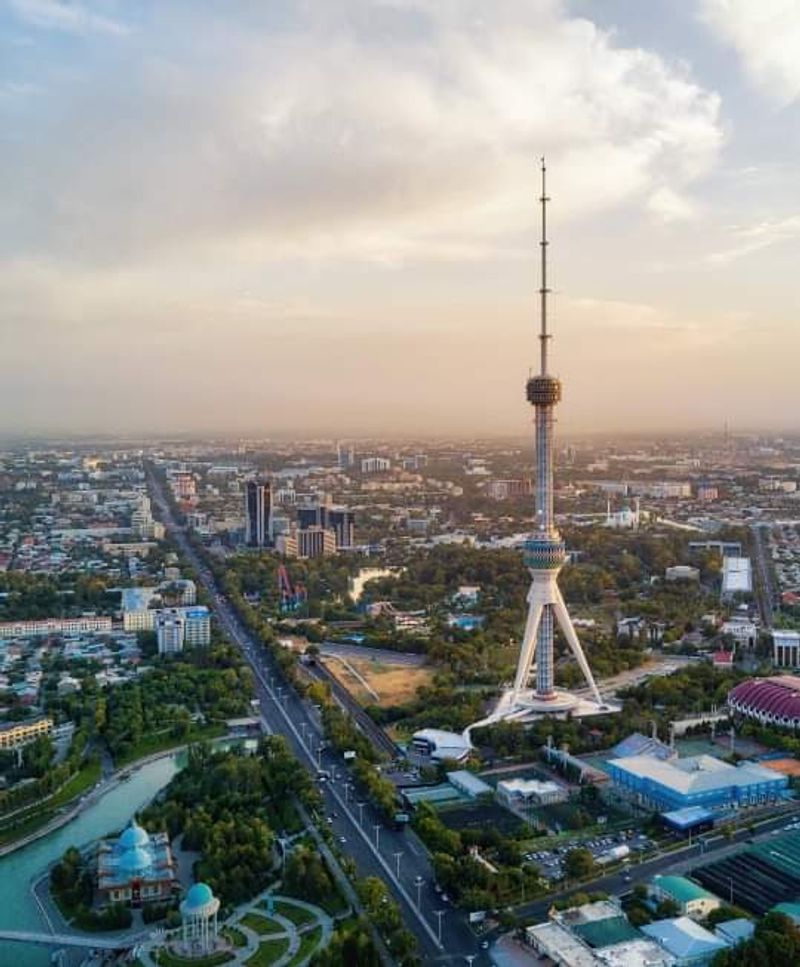
Few cities on this list have reinvented their tourism identity as rapidly as Tashkent. Uzbekistan’s capital is a genuinely fascinating mix of Silk Road heritage, Islamic architecture, wide Soviet-era avenues, monumental metro stations, bazaars, parks, and an increasingly ambitious contemporary culture scene.
The city contains more layers of history than most visitors expect before they arrive.
The headline 2026 development is the city’s Centre for Contemporary Arts, which describes itself as Uzbekistan’s first permanent contemporary-art center and is scheduled to formally open its new home on September 6, 2026. Conde Nast Traveler included Tashkent among its best Asian destinations for 2026, specifically highlighting the new arts infrastructure and the restoration of historic neighborhoods as reasons to visit now rather than later.
Sites like the Hazrati Imam complex, Kukeldash Madrasa, the botanical garden, and the Tashkent Metro’s ornate stations give the city a rich sightseeing foundation that exists entirely separately from the new contemporary-art scene. For travelers who have already covered Western Europe’s great cultural capitals and want somewhere that feels genuinely off the usual path, Tashkent is becoming much harder to ignore.
Central Asia’s moment as a travel destination is arriving, and this city is leading the way.
Abu Dhabi, United Arab Emirates
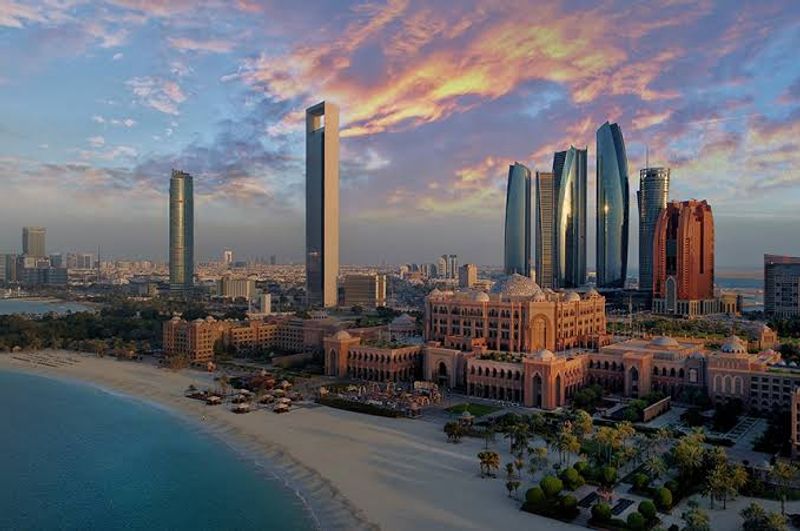
Abu Dhabi has spent years quietly building Saadiyat Island into one of the world’s most ambitious cultural destinations, and by 2026 that plan is becoming strikingly real. The Saadiyat Cultural District already includes Louvre Abu Dhabi, Zayed National Museum, the Natural History Museum Abu Dhabi, teamLab Phenomena, and the Abrahamic Family House.
That is already an extraordinary concentration of institutions in one place.
Then comes the year’s single biggest museum opening in Asia. The Department of Culture and Tourism Abu Dhabi has confirmed that Guggenheim Abu Dhabi will open on December 11, 2026.
The Frank Gehry-designed building is intended to become a major international museum of modern and contemporary art, and its arrival makes late 2026 an especially compelling time for culture-focused travelers to book flights.
Abu Dhabi offers plenty beyond Saadiyat Island too. Sheikh Zayed Grand Mosque, desert excursions, traditional Emirati cultural experiences, beaches, and easy connections to the rest of the UAE all add genuine value.
Dubai still attracts more headlines and more tourists each year. For art, architecture, and serious museum experiences in 2026, though, Abu Dhabi may have the stronger argument for booking a ticket and making it your base.
Shenzhen, China
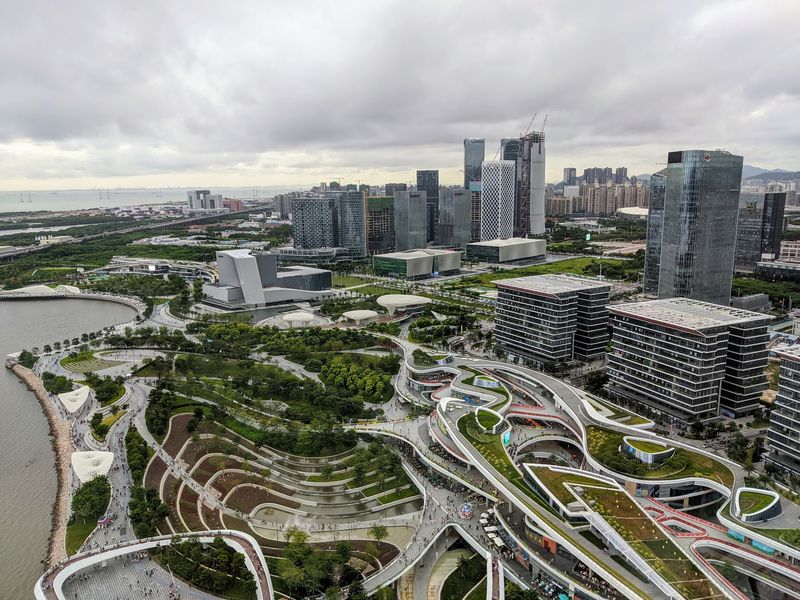
Shenzhen is one of the clearest examples of how fast an Asian city can transform itself. Within a few decades it grew from a small settlement beside Hong Kong into a metropolis of roughly 18 million people and one of China’s most important technology and design centers.
Conde Nast Traveler selected it as a standout Asian destination for 2026, which reflects how seriously the city is now being taken as a travel destination.
The 2026 calendar adds cultural reasons to visit alongside the architecture and technology draws. Conde Nast highlighted the arrival of the Verbier Festival in Shenzhen, the prestigious classical music event’s first edition outside Switzerland, as well as new performance infrastructure and luxury hotel openings that signal the city’s growing confidence as an international destination.
Major design and art events round out a calendar that is more ambitious than anything Shenzhen has offered before.
Shenzhen’s appeal is quite different from Beijing or Shanghai. This is contemporary China at full speed: huge public spaces, experimental architecture, electronics culture, new museums, art institutions, and waterfront districts still being built.
Because Hong Kong sits immediately across the border, the two cities can form one of Asia’s most fascinating and contrasting twin-city itineraries, combining old-world harbor character with a city still actively inventing itself.
Udaipur, India
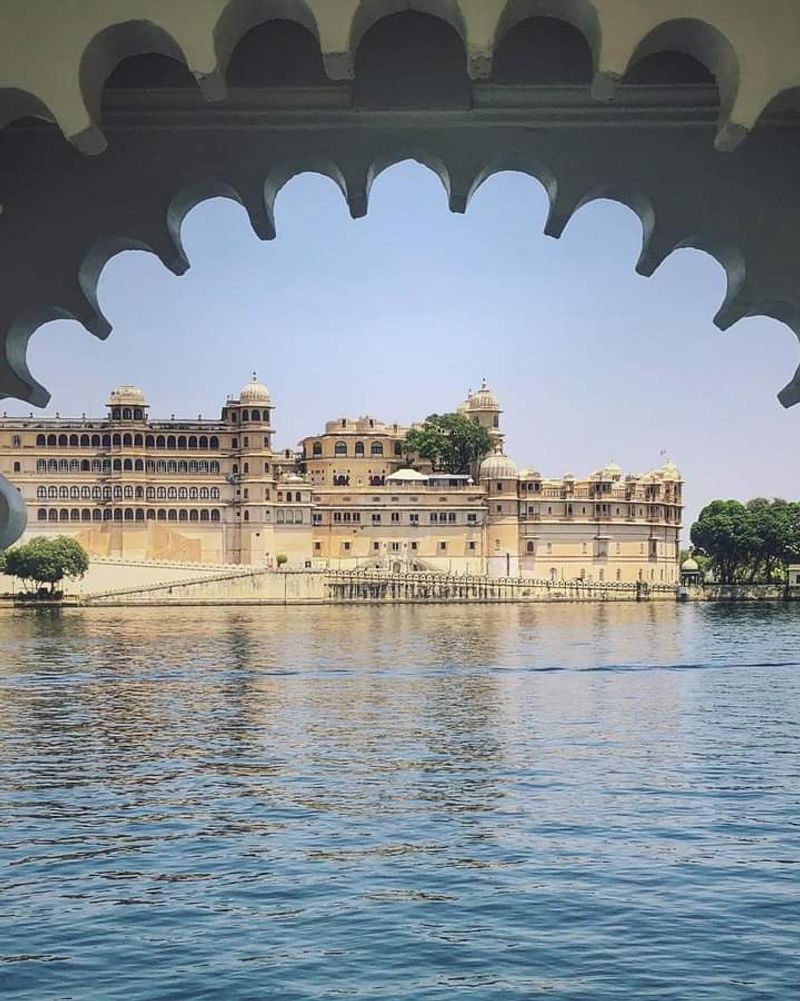
Udaipur has always been one of India’s most photogenic cities, and the white palaces, historic havelis, surrounding Aravalli hills, and shimmering lakes have given it a cityscape that genuinely earns the word romantic. But 2026 is adding a fresh layer of excitement beyond the scenery.
Conde Nast Traveler selected Udaipur for its 2026 Asia list, pointing specifically to a wave of major new luxury hotel openings and a broader sense of renewal across Rajasthan’s famous Lake City.
A palace-hotel budget is not required to enjoy it. City Palace, Lake Pichola, historic neighborhoods, ancient temples, colorful markets, rooftop restaurants, and boat rides across the lake provide plenty of reasons to spend several full days here.
The city rewards slow exploration in a way that few Indian destinations quite match, with enough beauty packed into a compact area to make every walk feel worthwhile.
Udaipur also offers something that many cities on this list cannot honestly claim: a genuinely slower pace. After the intensity of Shanghai, Seoul, Bangkok, or Tokyo, sitting beside a Rajasthan lake at sunset feels like a completely different version of an Asian city break.
For travelers who want to end a big Asia trip on a note of calm and beauty, Udaipur is an almost perfect final destination.
Share this story