Every great band has a frontman or lead guitarist who gets most of the spotlight, but some of the most important members work quietly in the background. These players, writers, and arrangers are the hidden glue that holds the whole sound together.
Without them, the band simply would not have been the same. Here are 15 bands whose so-called secret weapon members played a massive role in making them legendary.
1. Led Zeppelin – John Paul Jones
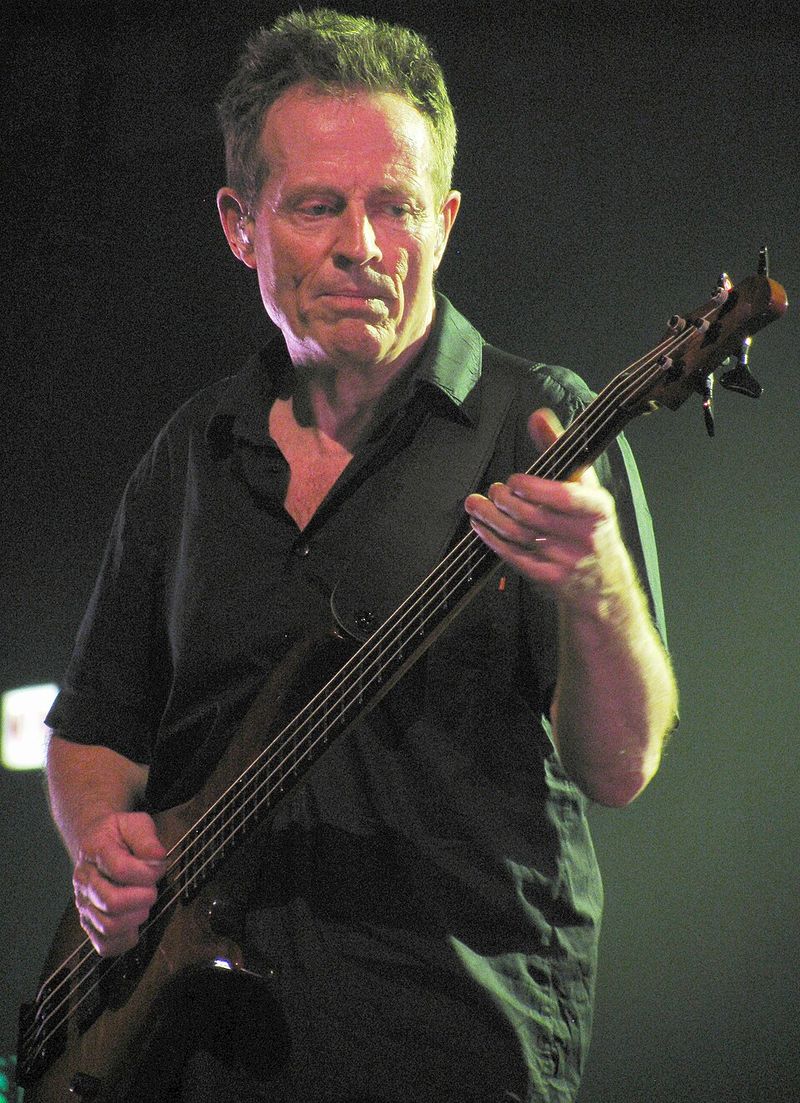
Ask most people to name Led Zeppelin’s most important member, and they will say Jimmy Page or Robert Plant. John Paul Jones, however, was the architectural backbone of the entire band.
His bass lines were melodic and inventive, and his keyboard work added rich texture that most hard rock bands completely lacked.
Jones handled nearly all of the orchestral arrangements on the group’s albums, bringing a level of musical sophistication that separated Led Zeppelin from every other rock act of the era. He had already built a strong career as a session musician and arranger before joining the band.
His multi-instrumental ability meant the band could explore folk, funk, classical, and Eastern sounds without losing their identity. Page himself has said Jones was the most musically educated member of the group, and that foundation showed in everything they recorded.
2. Fleetwood Mac – Christine McVie
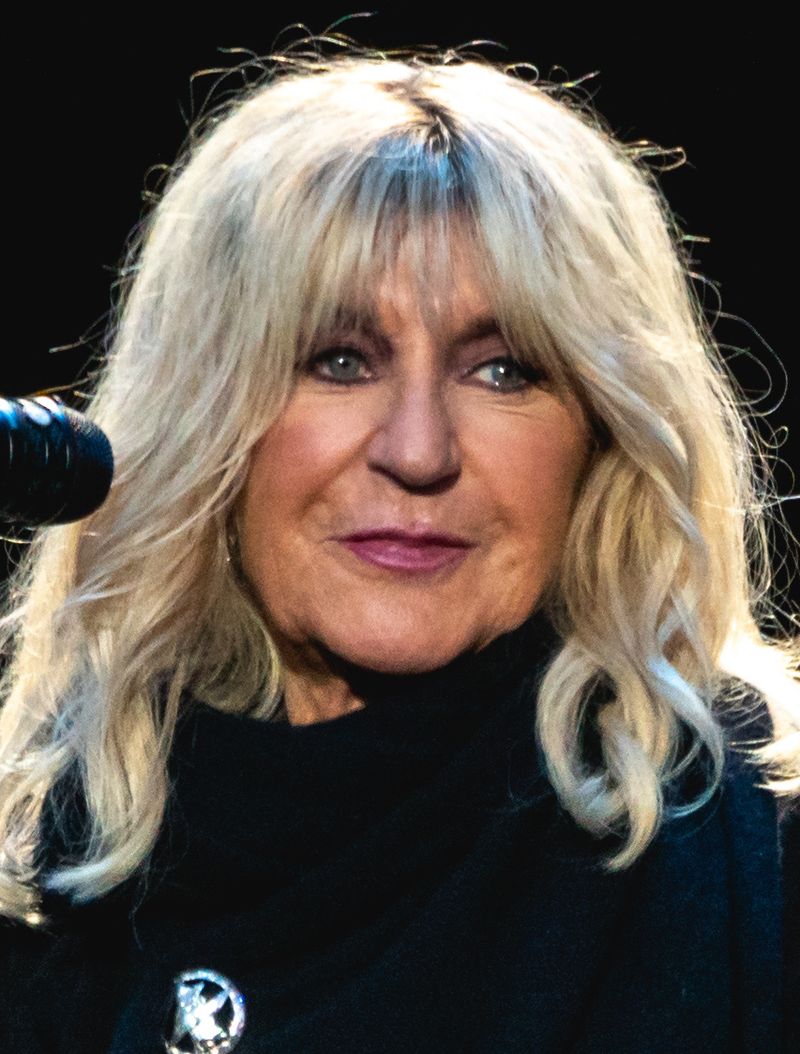
Christine McVie never chased the dramatic headlines that surrounded her bandmates Stevie Nicks and Lindsey Buckingham, but her songwriting contributions were just as significant. She wrote or co-wrote some of the biggest hits the band ever released, including “Don’t Stop,” “Everywhere,” “Little Lies,” and “You Make Loving Fun.”
Her keyboard playing gave Fleetwood Mac a warm, grounded center that balanced the more volatile creative tensions within the group. She had a calm, steady presence that translated directly into her music, which felt approachable and emotionally honest without being overly dramatic.
McVie joined the band in 1970 and became one of its most reliable creative engines. When she stepped away from touring in 1998, the group genuinely struggled to fill the musical space she left behind.
Her return in 2014 reminded everyone just how essential she had always been.
3. Queen – John Deacon
John Deacon was the quietest member of Queen by a wide margin, rarely giving interviews and staying out of the spotlight that Freddie Mercury naturally commanded. But his bass playing was technically inventive, and his songwriting contributions produced some of the band’s most commercially successful tracks.
He wrote “Another One Bites the Dust,” which became one of Queen’s biggest-selling singles. He also wrote “You’re My Best Friend” and “I Want to Break Free,” two songs that remain staples of classic rock radio decades after their release.
Deacon had a gift for melody and groove that complemented Mercury’s theatrics perfectly. His bass lines on tracks like “Under Pressure” and “Crazy Little Thing Called Love” showed a player who understood exactly how to serve the song.
After Mercury died in 1991, Deacon quietly retired from music entirely, which speaks to how deeply personal his commitment to the band had been.
4. The Beatles – George Harrison
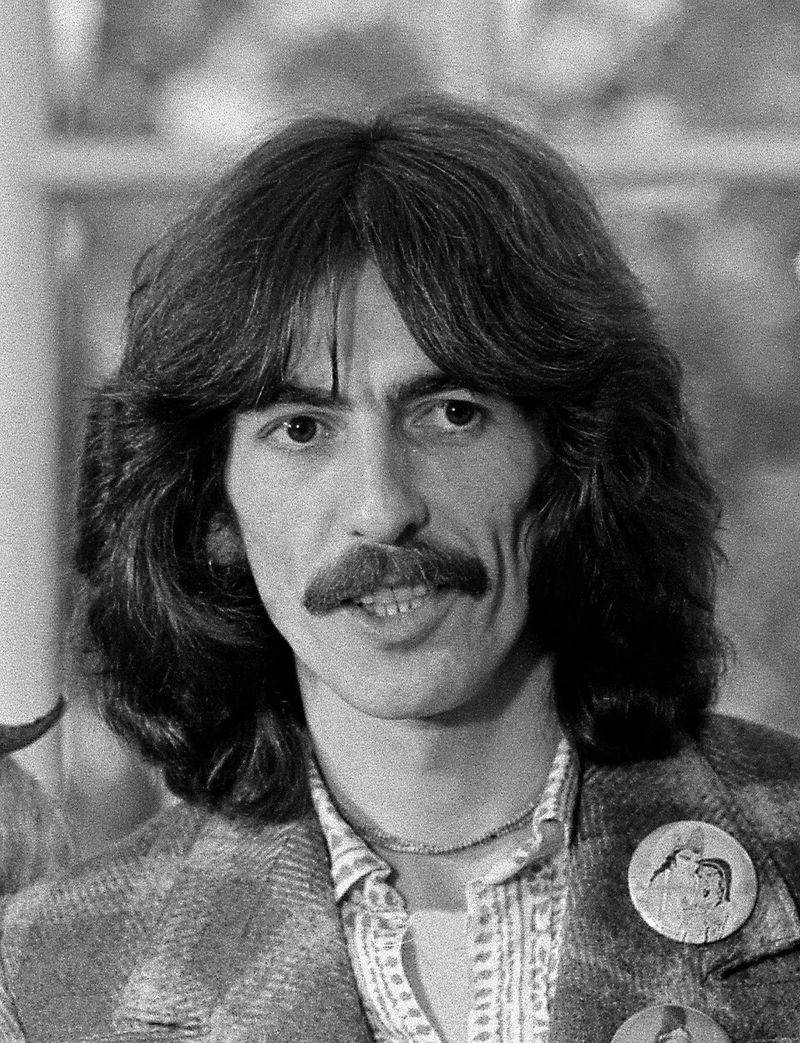
Calling George Harrison a secret weapon is obviously meant in a figurative sense, since few musicians in history have been more publicly recognized. Still, within the Beatles, he was consistently the most underestimated member, often overshadowed by the Lennon-McCartney songwriting partnership that dominated public attention.
Harrison’s guitar work was always tasteful and perfectly suited to the song, never flashy for its own sake. His slide playing on tracks like “Something” and his innovative use of the sitar introduced millions of Western listeners to Indian classical music for the first time.
As a songwriter, he grew enormously throughout the band’s career. “Something” was so strong that Frank Sinatra called it the greatest love song written in fifty years. His solo work after the Beatles broke up, especially “All Things Must Pass,” proved that he had been holding back a remarkable creative reserve for years.
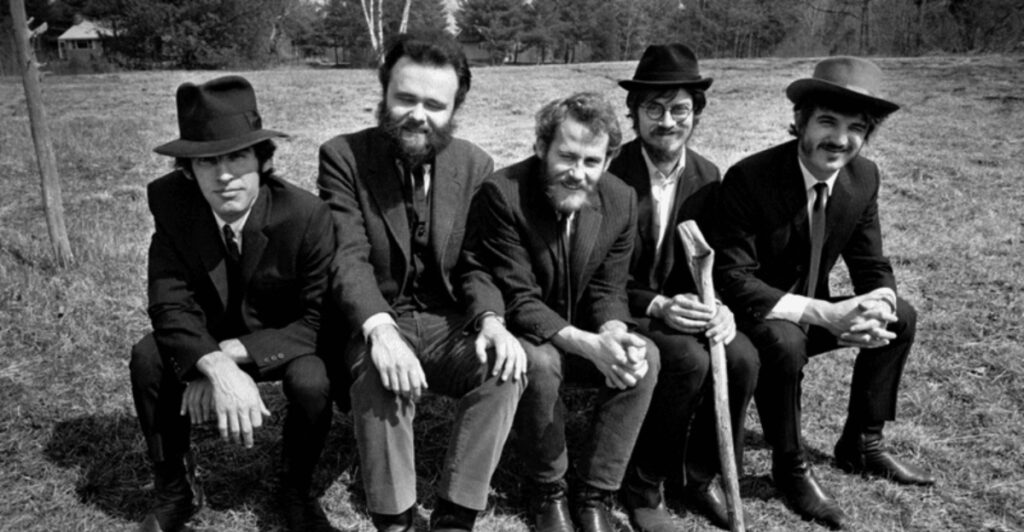
5. The Band – Garth Hudson
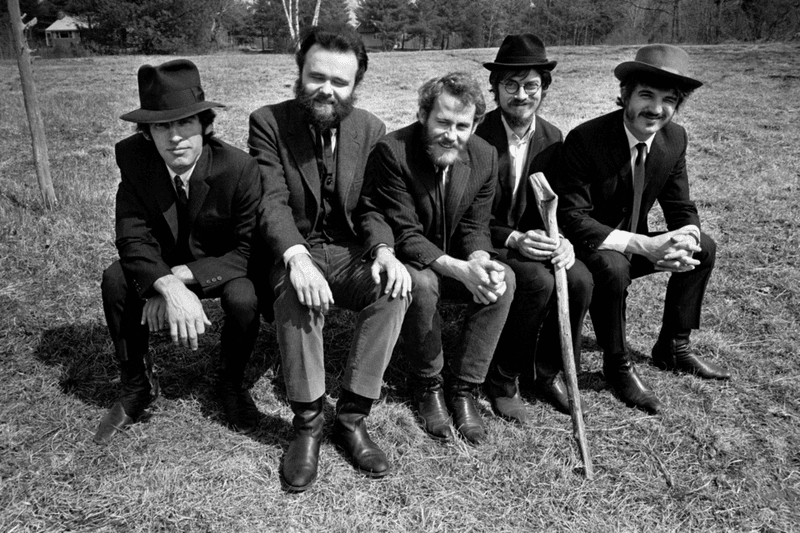
Garth Hudson is probably the purest example of a genuine secret weapon on this entire list. He played organ, piano, accordion, synthesizer, saxophone, and several other instruments, and his contributions were so central to The Band’s sound that the group would have been almost unrecognizable without him.
Hudson was also the most formally trained musician in the group, having studied classical organ and music theory extensively. That background gave him the ability to arrange and color the band’s music in ways that felt unlike anything else in rock and roll at the time.
His organ introduction on “Chest Fever” is one of the most celebrated instrumental passages in rock history. Producer John Simon once said that Hudson could hear a piece of music once and immediately understand its entire harmonic structure.
Despite his talents, he almost never sang lead and stayed firmly in the background, making him the textbook definition of a secret weapon.
6. R.E.M. – Mike Mills
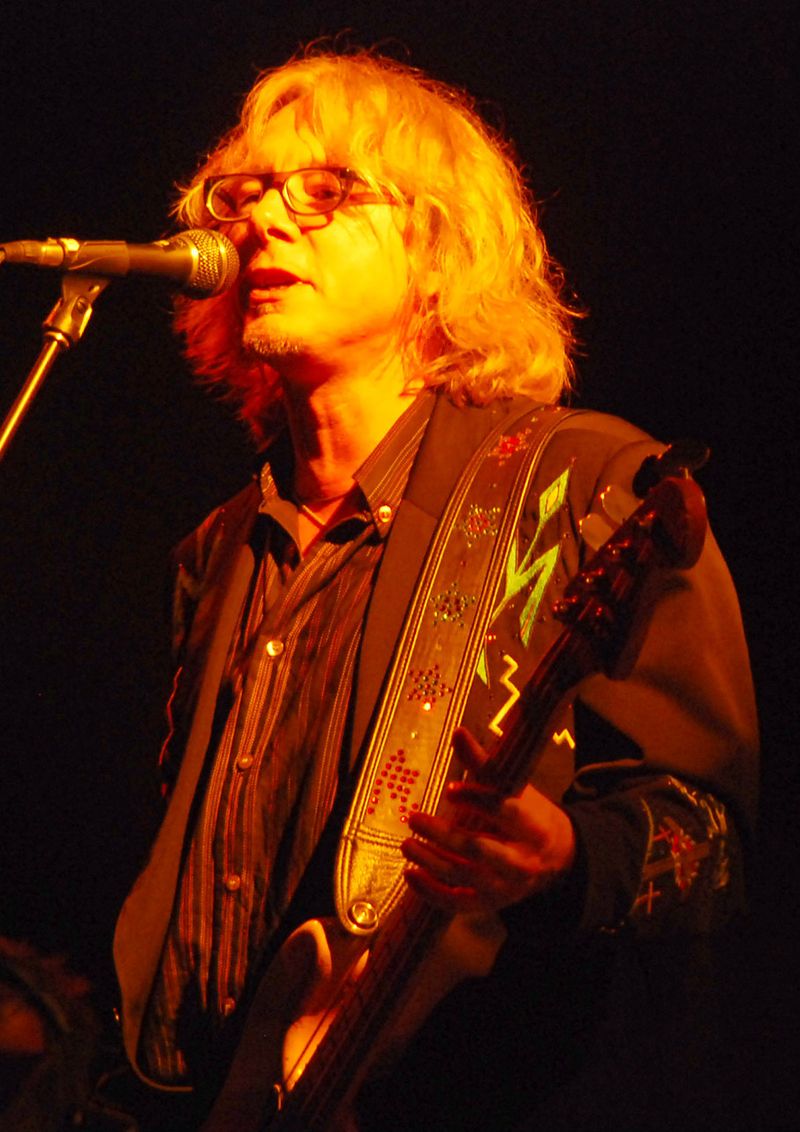
Mike Mills wore more hats in R.E.M. than almost any other secondary member in rock history. He played bass, keyboards, and acoustic guitar, contributed backing vocals that became one of the band’s most recognizable sonic signatures, and co-wrote a substantial number of their songs.
His harmonies with Michael Stipe gave R.E.M. a vocal richness that elevated even their more straightforward rock songs into something more emotionally layered. On tracks like “Nightswimming” and “Everybody Hurts,” his piano work carried as much emotional weight as Stipe’s lead vocals.
Mills also served as a musical translator of sorts within the band, helping to shape the raw ideas that came from guitarist Peter Buck and vocalist Stipe into fully realized arrangements. His musicianship was praised consistently by critics and fellow musicians, even as Stipe received the bulk of the public attention.
R.E.M. without Mills would have been a noticeably thinner sound.
7. Pink Floyd – Richard Wright
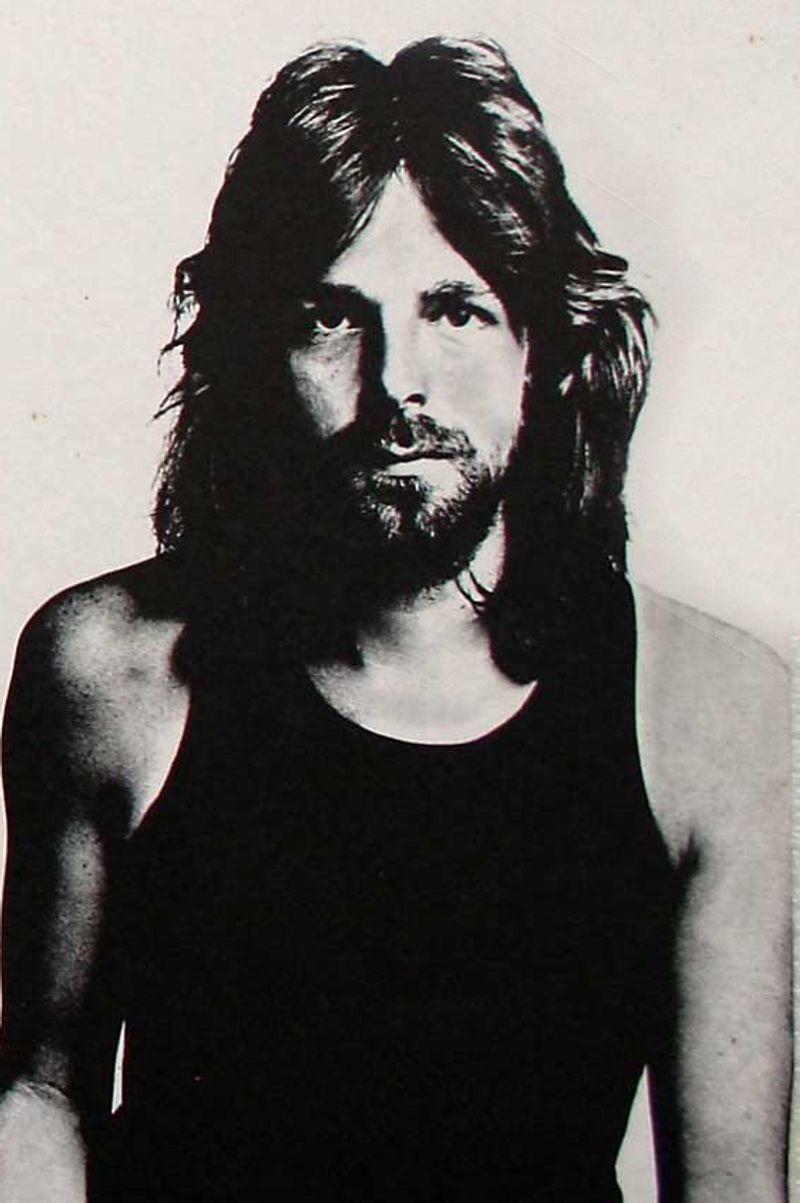
Richard Wright’s keyboards gave Pink Floyd its signature atmospheric quality, the sound that made albums like “The Dark Side of the Moon” and “Wish You Were Here” feel like they existed in their own emotional universe. His playing was never showy, but it was absolutely essential to the mood the band created.
Wright also contributed lead and backing vocals on several key tracks, and he co-wrote some of the band’s most beloved songs, including “The Great Gig in the Sky” and “Us and Them.” His compositional instincts leaned toward jazz and classical music, which gave Floyd a harmonic sophistication that set them apart from their prog rock contemporaries.
Roger Waters famously fired Wright during the recording of “The Wall,” and many critics believe that decision contributed to the coldness and rigidity of some of that album’s arrangements. Wright rejoined as a touring member and later a full member, and his presence was immediately felt in the warmth that returned to the band’s live sound.
8. The Beach Boys – Carl Wilson
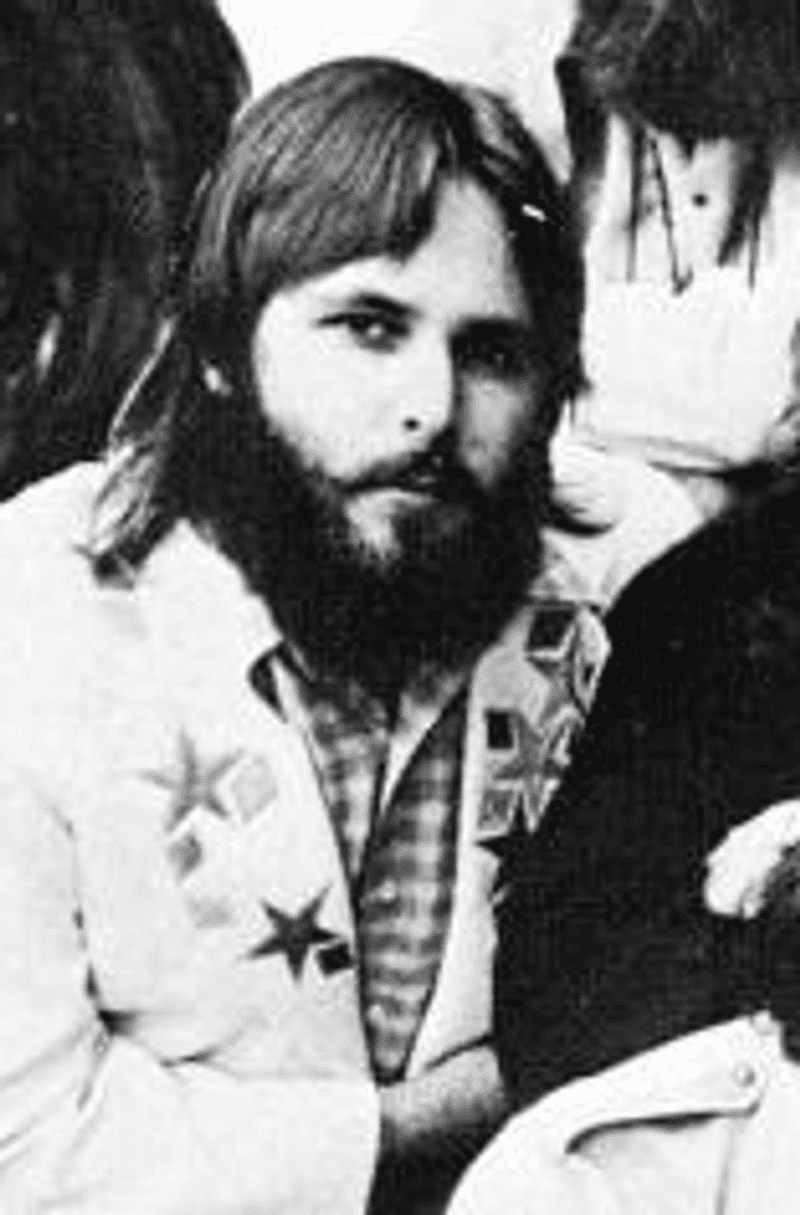
Carl Wilson is sometimes remembered mainly as Brian Wilson’s younger brother, but that framing seriously undersells his contributions to one of America’s greatest bands. He was the group’s lead guitarist and one of its strongest vocalists, and his clear, warm tenor was the voice that anchored some of their most beautiful recordings.
When Brian Wilson’s mental health struggles pulled him away from touring and eventually from active participation in the band, Carl stepped up and took on musical leadership with a quiet confidence that kept the group functioning. He produced several of their later albums and helped maintain quality control during a period when the band could easily have fallen apart.
His guitar work was understated but always pitch-perfect for the song’s needs. Carl’s vocal performance on “God Only Knows” is widely regarded as one of the finest in pop music history.
Paul McCartney has called that song his favorite record ever made.
9. The Rolling Stones – Charlie Watts
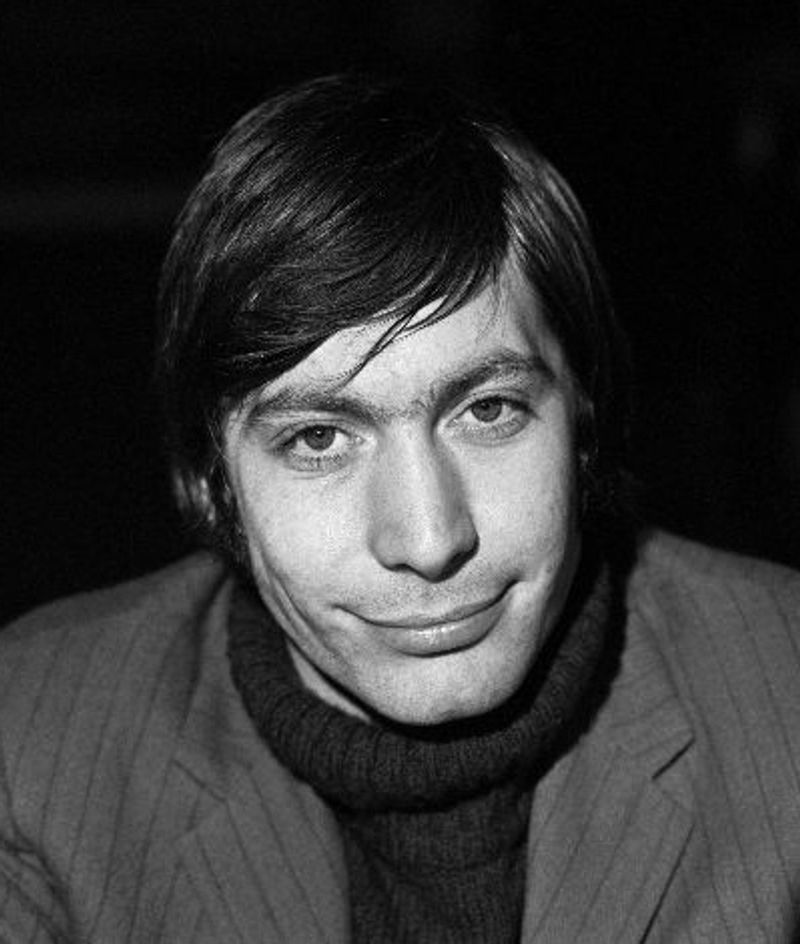
Charlie Watts was famously unimpressed with rock and roll celebrity, preferring jazz, tailored suits, and a quiet life in the English countryside to the excesses that surrounded his bandmates. That reserved quality translated directly into his drumming style, which was restrained, precise, and slightly behind the beat in a way that gave the Stones their unmistakable groove.
Watts never overplayed. While Keith Richards and Mick Jagger consumed enormous amounts of public attention, Watts simply sat down, played exactly what the song needed, and made everything around him sound better.
His jazz background gave him a rhythmic vocabulary that was genuinely different from most rock drummers of his generation.
When Watts passed away in 2021, tributes poured in from musicians across every genre who recognized what he had contributed. Richards once said, very simply, that without Charlie there are no Rolling Stones.
That is about as direct a tribute to a secret weapon as you will ever hear.
10. Deep Purple – Jon Lord
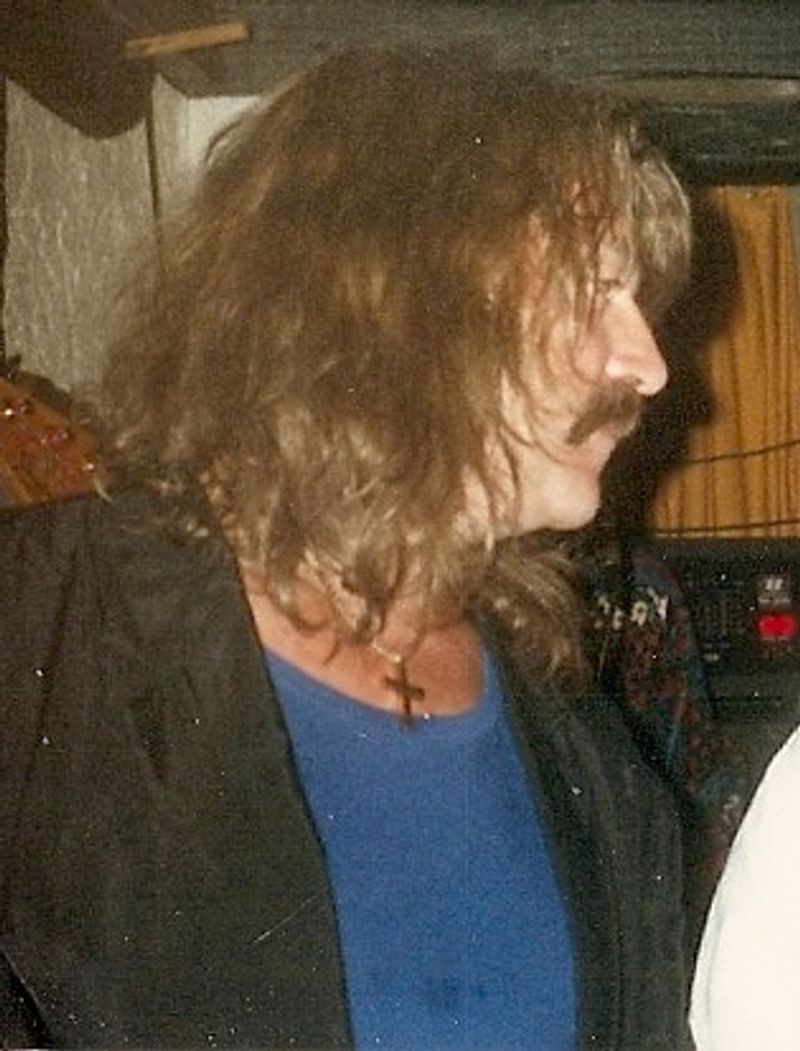
Jon Lord’s Hammond organ did not just complement Deep Purple’s sound. In many ways, it defined it.
The combination of Ritchie Blackmore’s distorted guitar and Lord’s overdriven organ created a thick, muscular texture that became the template for hard rock and heavy metal keyboard playing for decades afterward.
Lord had classical training and a genuine love of orchestral music, which led him to compose “Concerto for Group and Orchestra” in 1969, a pioneering work that attempted to bridge rock and classical composition at a time when almost no one else was trying. That ambition ran through everything he played with the band.
His organ solo on “Highway Star” is considered one of the most technically demanding keyboard performances in rock history, built directly on the structure of a Bach invention. Lord remained with Deep Purple through most of their career before departing in 2002 to focus on classical composition.
His influence on rock keyboard playing remains enormous.
11. The Who – John Entwistle
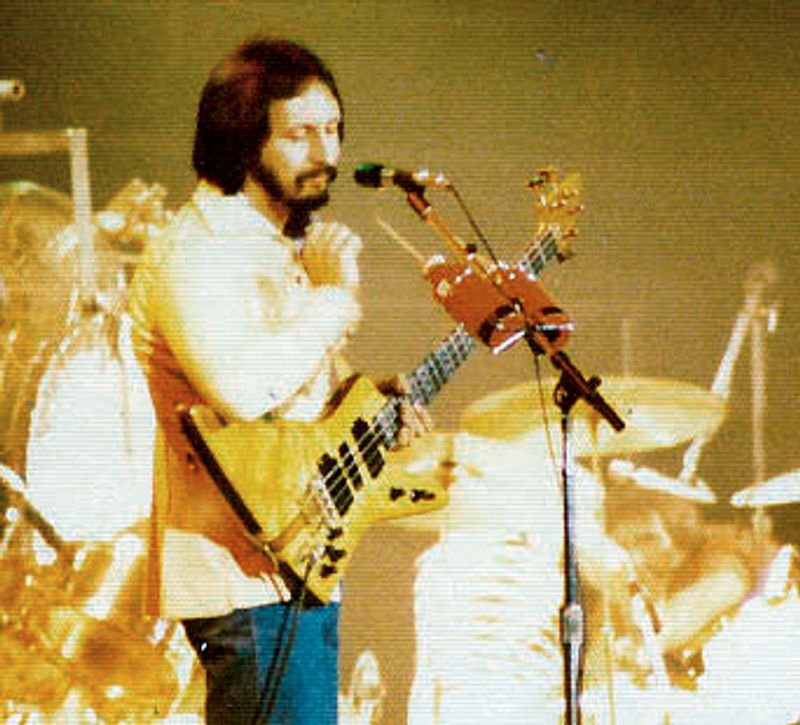
John Entwistle earned the nickname “The Ox” for his ability to stand completely still while playing bass lines that would have exhausted most other musicians just to attempt. His approach to the bass was unlike anything that had existed in rock before him.
He treated it as a lead instrument, playing complex melodic runs while Pete Townshend’s rhythm guitar and Keith Moon’s drumming created organized chaos around him.
Without Entwistle’s steady, prominent bass holding things together, the Who’s music would have collapsed under the weight of Moon’s explosive drumming and Townshend’s aggressive rhythm playing. He was the anchor that made their controlled chaos actually work as music rather than noise.
He also wrote several of the band’s most distinctive songs, including “My Wife” and the darkly comic “Boris the Spider.” Bass players from Geddy Lee to Les Claypool have cited Entwistle as a primary influence, and his impact on how the electric bass is played in rock music cannot be overstated.
12. The Police – Stewart Copeland
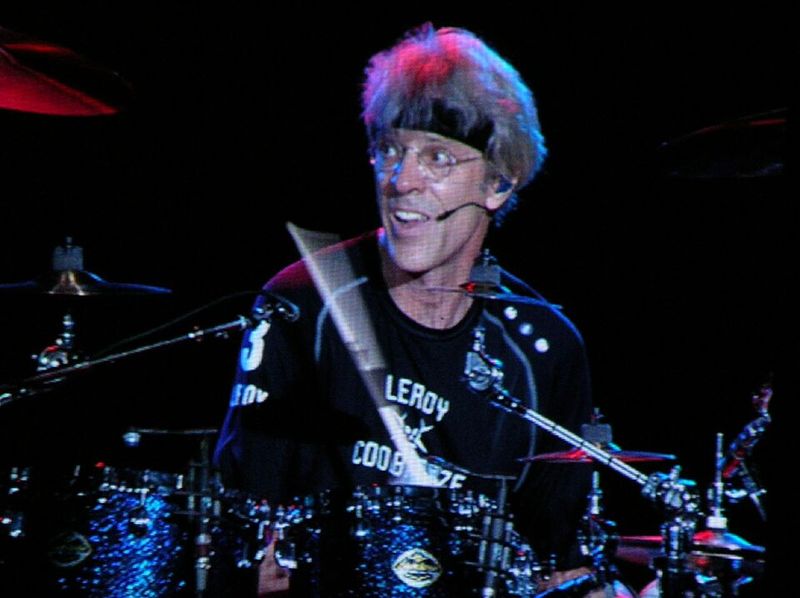
Stewart Copeland brought something genuinely unusual to a rock band: a deep, firsthand understanding of reggae and African rhythmic patterns, absorbed during his childhood years spent largely in the Middle East and Egypt. That background fed directly into the Police’s sound, giving their music a syncopated, open-feeling groove that no other band in new wave or rock was producing.
His playing style relied heavily on the hi-hat and rim shots rather than the heavy kick-and-snare patterns of most rock drummers. The result was a rhythmic texture that felt airy and propulsive at the same time, perfectly suited to Sting’s melodic bass lines and Andy Summers’ chiming guitar work.
Copeland and Sting famously clashed throughout the band’s career, but many critics believe that creative tension actually pushed the music into more interesting territory. His drumming on tracks like “Roxanne,” “Message in a Bottle,” and “Every Breath You Take” is studied in music schools today as a masterclass in rhythmic creativity.
13. The Eagles – Don Felder
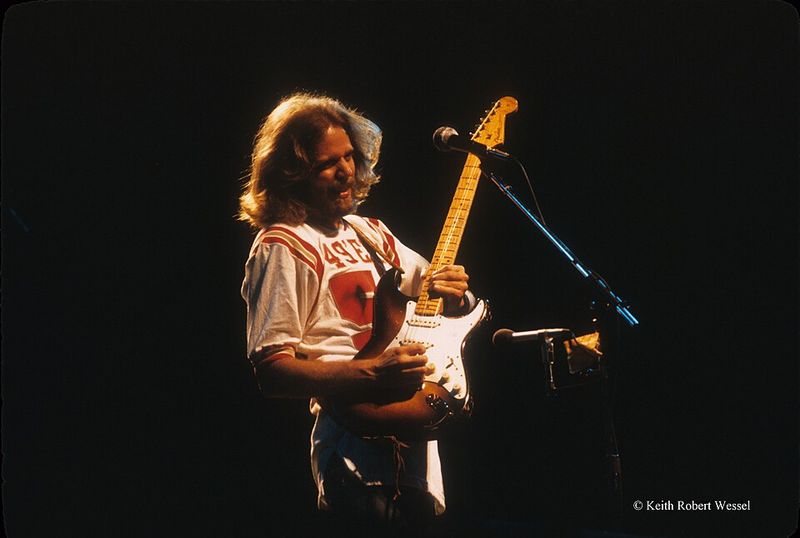
Don Felder’s most famous contribution to rock music came from a simple cassette tape. He recorded a rough instrumental demo at home one afternoon in 1975 and sent it to his bandmates.
That demo became the foundation of “Hotel California,” one of the most recognized songs in rock history.
Felder and Joe Walsh shared lead guitar duties in the Eagles, and their interplay created some of the band’s most memorable musical moments. The dual guitar solo at the end of “Hotel California” is one of the most carefully constructed guitar arrangements in classic rock, and Felder was instrumental in designing it.
His contributions went well beyond that one song. Felder was a technically skilled guitarist who could move fluidly between country, rock, and blues styles, which gave the Eagles the musical flexibility to appeal to an enormous audience.
His later falling-out with Don Henley and Glenn Frey was well-documented, but his creative fingerprints on the band’s peak years are undeniable.
14. The Doors – John Densmore
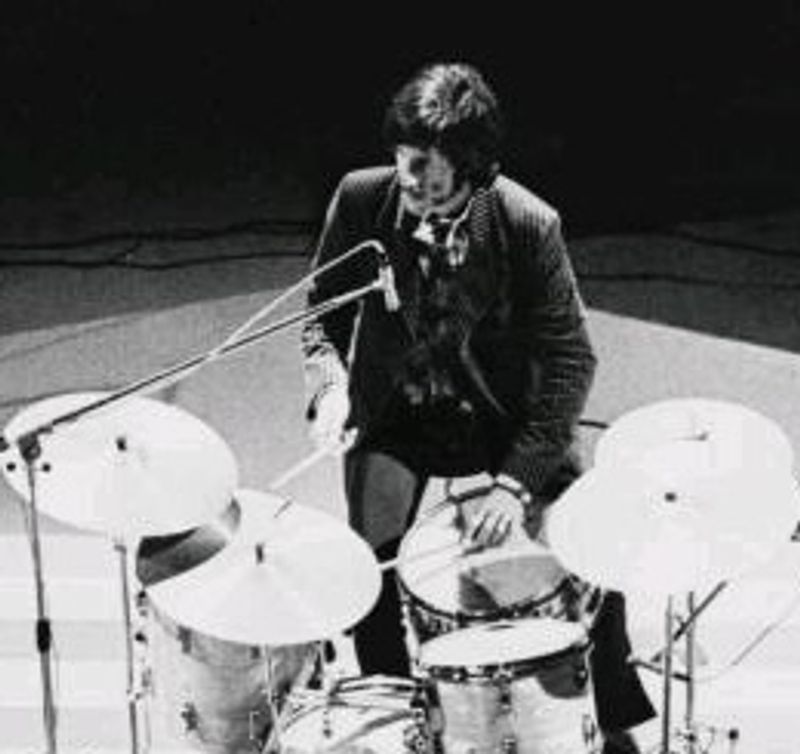
John Densmore came to rock drumming with a background in jazz, and that background shaped everything about how he played with the Doors. Most rock drummers of the late 1960s were playing straightforward backbeats, but Densmore listened to and responded to Jim Morrison’s vocal phrasing the way a jazz drummer responds to a saxophone soloist.
That conversational quality gave the Doors an unusual rhythmic character that felt alive and slightly unpredictable. On songs like “Riders on the Storm” and “Light My Fire,” Densmore’s brushwork and cymbal choices created texture rather than simply marking time.
The Doors had no bassist, which meant Densmore and keyboardist Ray Manzarek had to cover the low-end rhythmic foundation together. That unusual arrangement demanded a drummer with exceptional listening skills and flexibility.
Densmore delivered both consistently throughout the band’s career, and his jazz-rooted approach is a significant reason why the Doors still sound fresh and slightly strange decades later.
15. Talking Heads – Jerry Harrison
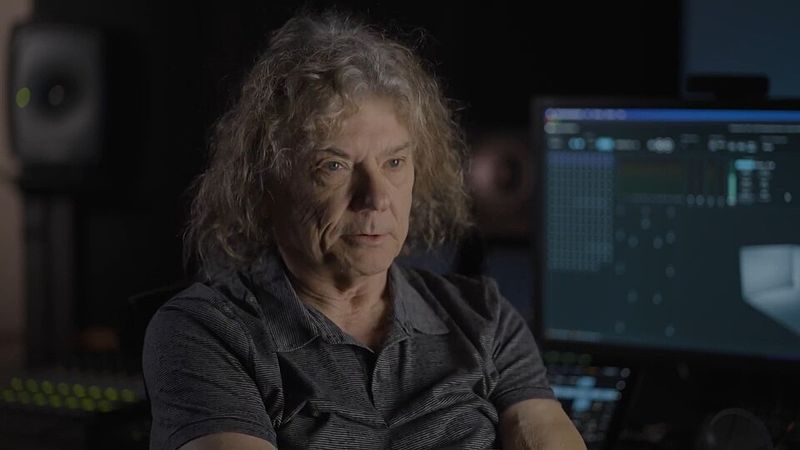
Jerry Harrison joined Talking Heads in 1976 and immediately expanded what the band was capable of. Before his arrival, the group was essentially a trio with a sound that was deliberately spare and angular.
Harrison’s guitar and keyboard work added harmonic depth and rhythmic complexity that helped the band grow into one of the most musically adventurous acts of the new wave era.
He was also the most formally music-educated member of the group, having studied architecture at Harvard before switching his focus to music. That structural thinking showed in how he approached arrangements, always considering how each part related to the whole rather than just playing what felt good in the moment.
Harrison co-wrote several key Talking Heads tracks and contributed to the layered, polyrhythmic textures that defined albums like “Remain in Light.” While David Byrne received most of the critical attention, Harrison was the musical glue that made the band’s ambitious experiments actually cohere into great records.
Share this story