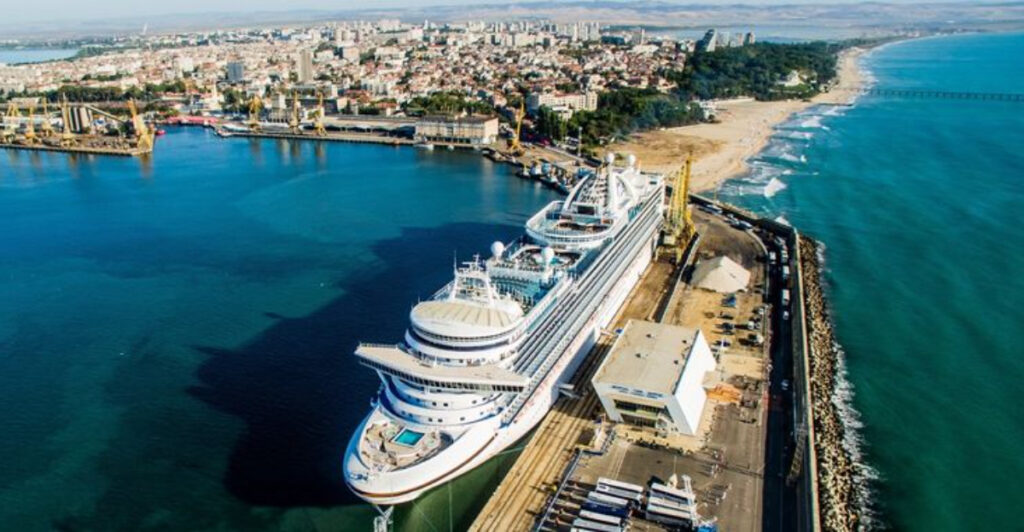
Most people assume that living near the ocean means paying sky-high rent, expensive groceries, and tourist-level prices on everything from coffee to car repairs. That assumption leaves out a surprisingly long list of coastal cities where the beach is just part of ordinary life, not a luxury add-on.
From Southeast Asia to South America and the Mediterranean, real communities offer sea views, fresh seafood, and walkable waterfronts without the financial strain of places like Miami or Sydney. The cities below show that affordable ocean living is not a myth, just a matter of knowing where to look.
Da Nang, Vietnam
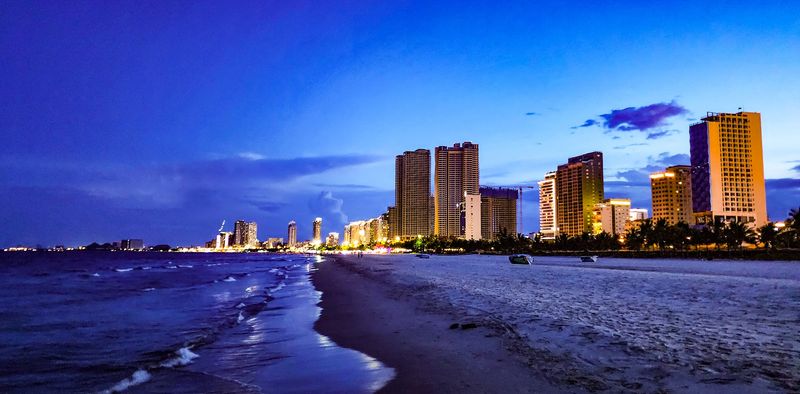
Few cities in the world let you walk from a busy local market straight onto a wide, clean beach without paying a resort fee to do it. Da Nang pulls this off with remarkable ease.
My Khe Beach runs for kilometers alongside the city, and it costs absolutely nothing to show up with a towel and a bowl of bun bo Hue from a nearby stall.
Local apartments in residential neighborhoods away from the beachfront towers rent for a fraction of what comparable ocean-view units cost in Thailand or Spain. Street food, coffee shops, and fresh seafood restaurants keep daily food budgets low without sacrificing quality.
The city also has functioning public transportation, hospitals, and shopping centers that serve actual residents rather than just vacationers.
Beyond the beach, residents enjoy easy day trips to the Marble Mountains, the Hai Van Pass, and the historic town of Hoi An just 30 kilometers south. Da Nang has grown quickly, and newer waterfront developments have pushed some prices upward.
Choosing a neighborhood a few streets inland makes a noticeable difference in monthly costs while keeping the ocean within comfortable cycling distance.
Hua Hin, Thailand
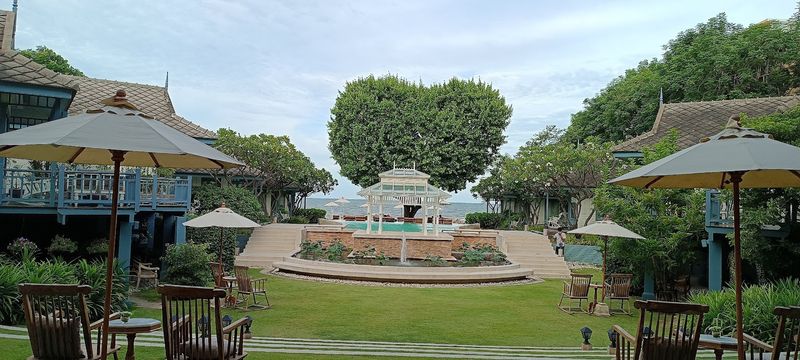
Thailand’s original beach resort town somehow managed to avoid becoming just another overpriced tourist trap. Hua Hin has a long sandy beach, yes, but it also has night markets, fresh seafood stalls, an actual train station, and a hospital system that serves long-term residents rather than just weekend visitors from Bangkok.
Luxury resorts line parts of the beachfront, but the city stretches well beyond those manicured gates. Neighborhoods a few blocks inland offer practical apartments, local grocery stores, and coffee shops where a latte costs less than two dollars.
The nearby towns of Cha-am and Pran Buri provide even quieter options for people who want Hua Hin’s conveniences without its busiest crowds.
Getting to Bangkok takes roughly three hours by road or train, which makes Hua Hin popular with people who want coastal calm without cutting themselves off from a major city entirely. Golf courses, temples, and viewpoints round out the lifestyle options for residents who want more than just beach access.
Monthly living costs for a single person who shops and eats locally can stay well below what comparable Thai resort cities charge for the same standard of living.
Nha Trang, Vietnam
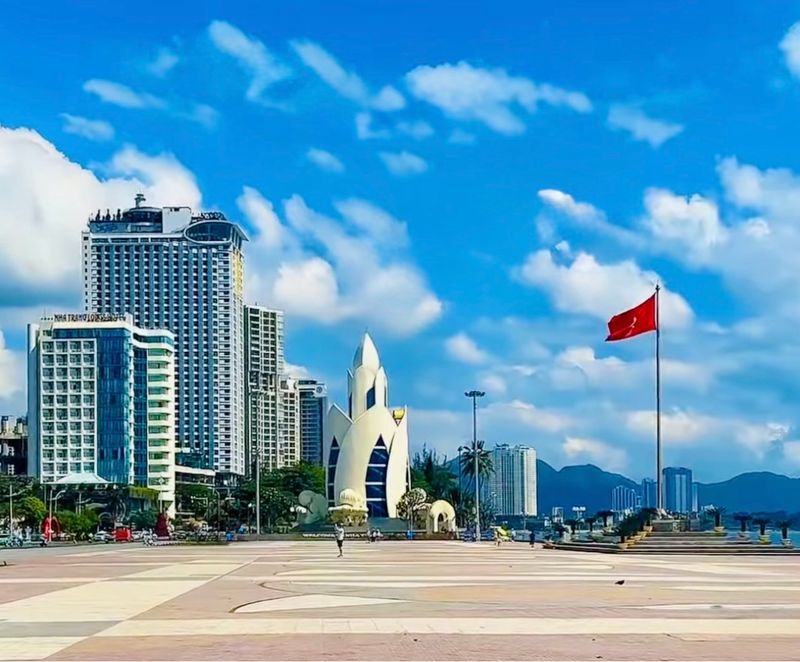
Nha Trang has a reputation as a party destination, which is fair for about three blocks of its beachfront. Step away from those blocks and you find a fully functioning Vietnamese city where people go to work, eat pho for breakfast, and catch buses to the market without thinking twice about tourists at all.
The beach itself stretches for several kilometers and is flanked by parks, benches, and public exercise equipment that locals use every single morning. Older residential neighborhoods offer apartments at prices that would seem almost unbelievable to someone coming from California or coastal Australia.
Vietnam’s coastline extends over 3,000 kilometers, and Nha Trang serves as a practical base for exploring islands, bays, and quieter beaches nearby.
New waterfront towers have raised prices in the most visible parts of the city, so prospective residents benefit from looking at neighborhoods a few streets back from the main promenade. Local restaurants serving Vietnamese food remain far cheaper than tourist-oriented spots, and markets stock fresh produce, seafood, and everyday goods at local rates.
For someone willing to live like a resident rather than a permanent vacationer, Nha Trang delivers genuine coastal life at a genuinely modest cost.
Burgas, Bulgaria
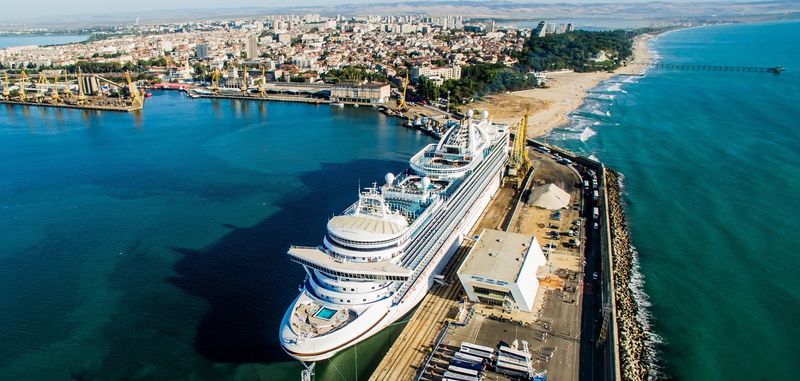
Bulgaria does not get nearly enough credit in conversations about affordable European coastal living. Burgas, the country’s fourth-largest city, sits right on the Black Sea and comes with beaches, a sprawling waterfront park, a railway hub, and a cultural calendar that keeps things interesting well beyond summer.
The city connects easily to several well-known resort towns nearby, including Sunny Beach and Sozopol, but it functions as an actual urban center rather than a seasonal escape. Grocery stores, universities, hospitals, and public transportation serve a year-round population that has little interest in paying tourist prices for everyday needs.
Bulgaria’s membership in the European Union adds practical benefits for European residents, including healthcare access and straightforward residency options.
Property prices in Burgas remain considerably lower than in comparable seaside cities across Italy, Greece, or Portugal. Beachfront apartments do carry a premium, as they do everywhere, but neighborhoods a short bus ride from the water offer genuinely affordable rents.
The Black Sea coast also stays warm enough for swimming from late spring through early autumn, giving residents a meaningful beach season without requiring a tropical latitude. For Europeans seeking coastal affordability within the EU, Burgas deserves serious consideration.
Varna, Bulgaria
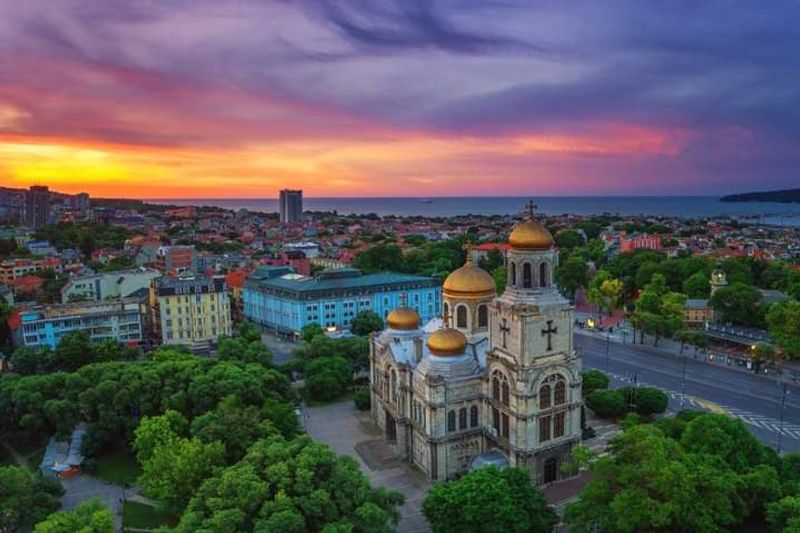
Varna is the kind of city that surprises visitors who expected a sleepy seaside town and instead found a lively university city with a real nightlife scene, excellent museums, a yacht marina, and a beach that locals treat as a neighborhood park rather than a tourist destination.
The Sea Garden, a long forested park running between the city and the water, is one of the most pleasant pieces of urban green space on the entire Black Sea coast. Restaurants, cafes, and bars line the streets behind it, and prices remain noticeably lower than in comparable cities along the Mediterranean.
Varna’s international airport connects to major European hubs, making it practical for remote workers and frequent travelers.
Bulgaria’s general cost of living puts Varna well below cities like Barcelona, Nice, or the Croatian coast for everyday expenses including food, transportation, and utilities. The city has grown in popularity among digital nomads and European retirees, so it is no longer completely undiscovered.
However, its general affordability holds up well compared with other European options at a similar latitude. Varna offers a full urban lifestyle beside the sea at a price that most Western European coastal cities simply cannot match.
Durres, Albania
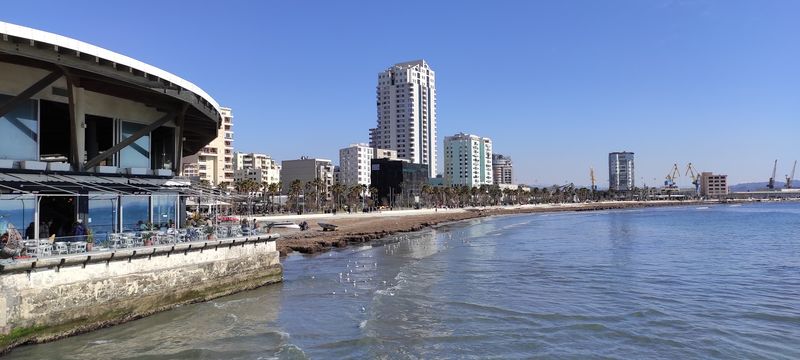
Albania spent decades largely off the radar for international travelers and residents, which is exactly why its prices stayed so low for so long. Durres, the country’s main port city, stretches along the Adriatic just 30 kilometers west of Tirana, giving residents a long sandy beachfront combined with surprisingly easy access to the capital’s restaurants, nightlife, and airport.
The waterfront has changed rapidly over the past decade, with new apartment towers replacing older buildings along the most visible stretches of coast. Prices in those front-row developments have climbed accordingly.
Step back a few streets and the cost picture shifts considerably, with housing, food, and transportation remaining among the most accessible in the entire Mediterranean region.
Albanian cuisine, particularly fresh seafood and grilled meats, is both excellent and inexpensive at local restaurants that cater to residents rather than cruise ship day-trippers. The country has also made infrastructure investments that have improved road connections and utility services in recent years.
Durres is not yet polished by Western European standards, and that rough-around-the-edges quality is precisely what keeps it affordable and genuine. For people who prioritize value and authenticity over resort-level finish, the Adriatic here delivers both.
Mersin, Turkey
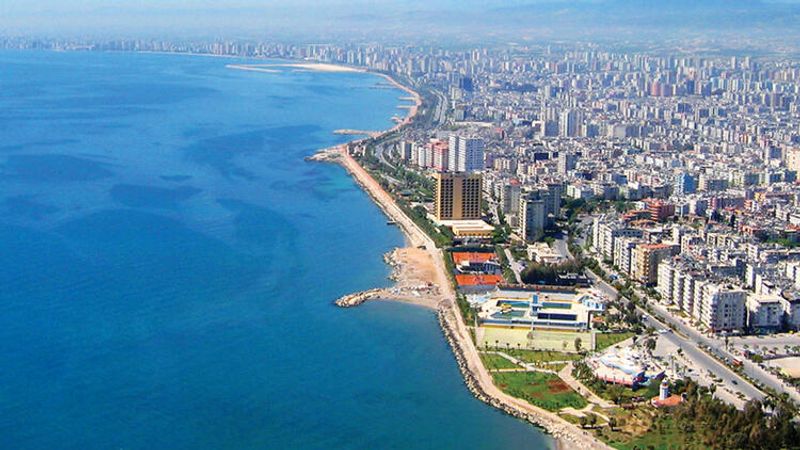
Mersin rarely shows up on glossy travel lists, and that is honestly part of its appeal. This is a working port city on Turkey’s Mediterranean coast, home to universities, hospitals, container ships, fresh fish markets, and a long palm-lined waterfront promenade that locals use for evening walks rather than Instagram shoots.
Turkey’s economic volatility has made financial planning complicated for residents, particularly for imported goods and anything priced in foreign currency. For people earning dollars or euros, however, the exchange rate has frequently made local food, transportation, and housing look remarkably affordable by comparison.
Fresh produce at Mersin’s markets, local restaurant meals, and public bus fares can all stay within a very tight daily budget.
The city’s size means it has genuine urban infrastructure, including shopping malls, cultural venues, and domestic flight connections, without the tourist-town markup that affects smaller resort communities along the same coast. Surrounding beaches and the Taurus Mountains provide natural recreation options beyond the city’s own waterfront.
Mersin rewards residents who want a real Mediterranean lifestyle built around community and daily routine rather than one constructed entirely around beach clubs and hotel pools.
Batumi, Georgia
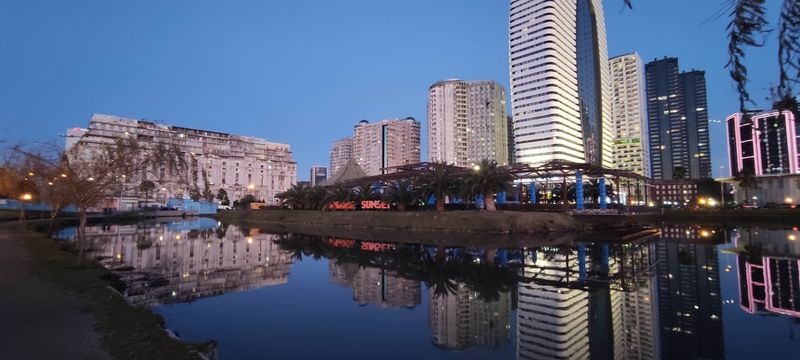
Batumi is one of those cities that genuinely makes you do a double-take. A palm-lined boulevard runs along the Black Sea, modern towers glow at night, and a lively cafe culture hums through the streets, yet the price of a full meal at a local restaurant can still come in well under five dollars.
Georgia’s relatively open residency framework and low tax rates have attracted a noticeable community of remote workers and international residents in recent years. The city has casinos, a botanical garden, historic neighborhoods, and a beach that fills up dramatically every summer.
That seasonality is the main financial caveat: summer rents spike, tourist-season prices inflate, and the city can feel overwhelmed with visitors from June through August.
Securing a longer-term rental contract outside the peak season, and choosing an apartment a few streets back from the boulevard, can cut monthly housing costs substantially. Winter in Batumi is wet and considerably quieter, but prices drop to match the mood.
Year-round residents who plan their budget around the off-season reality rather than the summer spectacle tend to find Batumi genuinely affordable. The Black Sea city rewards patience and local knowledge in equal measure.
Manta, Ecuador
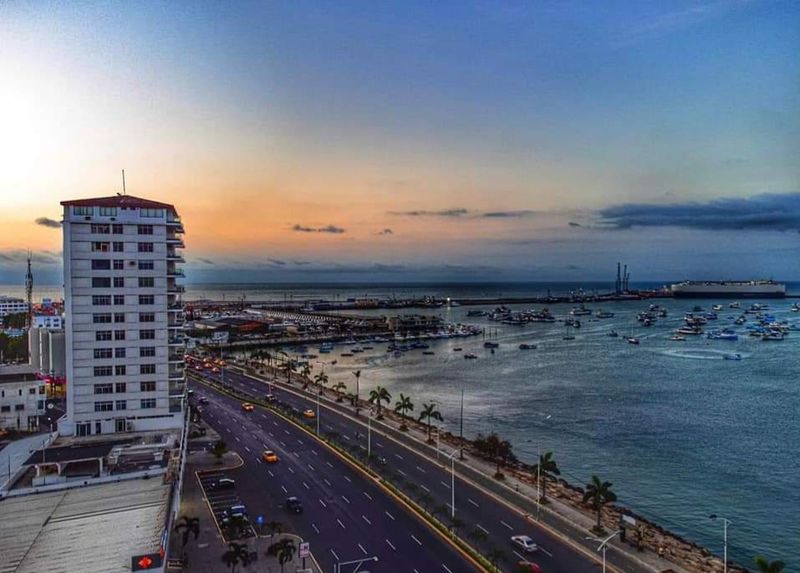
Manta does not try to be a resort town, and that honesty is refreshing. This is Ecuador’s main Pacific fishing and commercial port, which means the fish at the market arrived this morning, the restaurants near the docks serve ceviche that tastes like the ocean smells, and the city operates on a schedule driven by tides and trade rather than tourist check-in times.
Playa Murciélago provides a solid urban beach with restaurants and surf-friendly waves, and newer residential developments near the water have pushed some prices upward in the most desirable zones. Inland neighborhoods and longer-term leases bring costs back down to a level that many international residents find very manageable.
Ecuador’s use of the U.S. dollar removes currency-conversion uncertainty for Americans, which simplifies budgeting considerably.
Healthcare options in Manta have improved notably, with private clinics and a public hospital serving a city of around 200,000 people. Domestic flights connect Manta to Quito and Guayaquil, and the drive south toward Montanita and other Pacific beach towns passes through some genuinely beautiful coastal scenery.
For people who want a working Pacific city rather than a polished resort, Manta offers real value alongside a real ocean.
Salinas, Ecuador
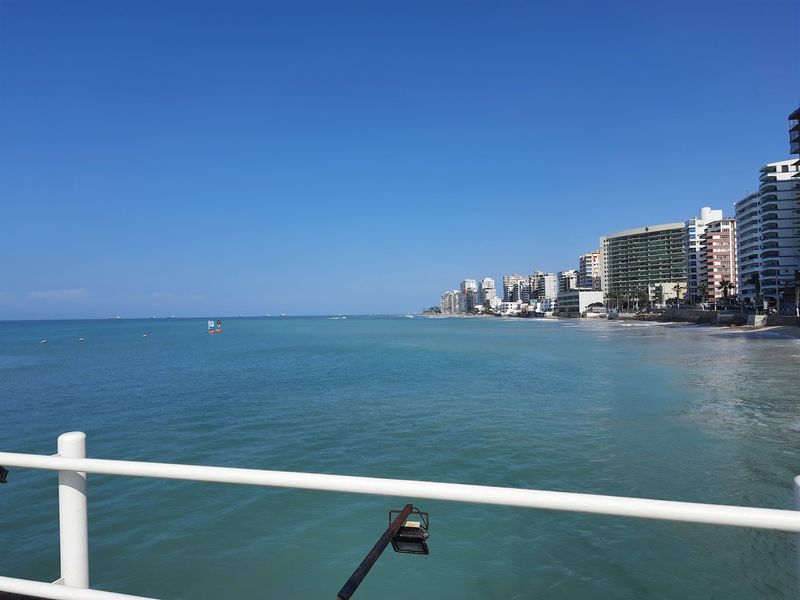
On a map, Salinas looks like Ecuador decided to poke a finger into the Pacific Ocean and build condos on it. The peninsula city has one of the most distinctive beachfront skylines in South America, with towers rising directly above a broad, calm bay that makes the water look almost too blue to be real.
Ecuadorian vacationers have been coming here for generations, and the city has a well-established infrastructure of restaurants, supermarkets, clinics, and public spaces that serve both residents and visitors. International retirees discovered Salinas years ago as a lower-cost alternative to Florida, and the community of long-term foreign residents is visible and well-organized.
Ocean-view apartments and holiday-season pricing can push costs up sharply in the most prominent buildings.
Older apartments, units away from the main promenade, and leases signed outside the busy holiday weeks can all bring monthly expenses into a very reasonable range. Local markets stock fresh seafood and produce at prices that reflect Ecuadorian rather than export-market economics.
The consistent Pacific climate, with warm temperatures and minimal rainfall for much of the year, adds practical comfort to the financial case. Salinas has appeared in multiple international lists of affordable beach retirement destinations for good reason.
Santa Marta, Colombia
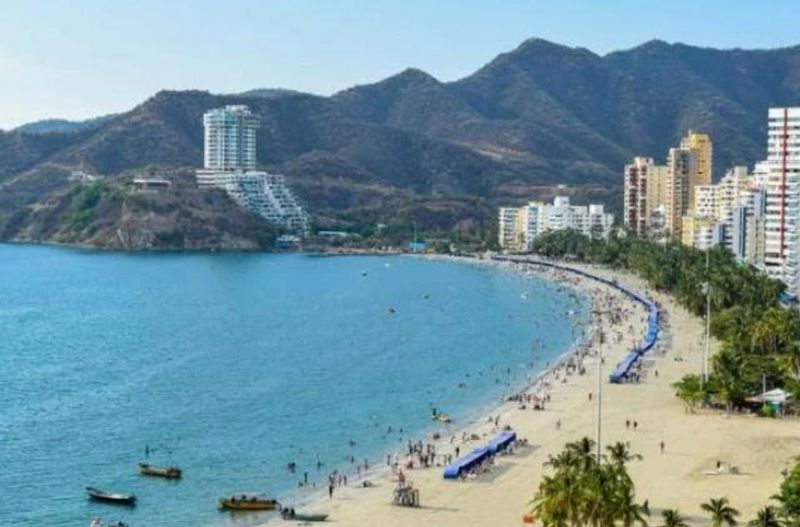
Santa Marta has a geographic advantage that most beach cities can only dream about. The Caribbean sits on one side and the Sierra Nevada mountains rise dramatically on the other, creating a setting where a morning swim and an afternoon hike through cloud forest are both entirely possible without leaving the city’s orbit.
Tayrona National Natural Park begins just a short drive from the city center, giving residents access to some of Colombia’s most celebrated beaches including Cabo San Juan and Bahia Concha. The historic center has colonial architecture, good restaurants, and a street food scene that costs very little for very satisfying results.
Popular residential neighborhoods like Bello Horizonte and parts of El Rodadero have seen prices rise as the city’s reputation has grown.
Venturing slightly farther from the most fashionable zones still reveals housing options that fit a modest budget without requiring a long commute back to the city’s amenities. Colombia’s Caribbean coast lifestyle emphasizes outdoor living, fresh tropical food, and community socializing, which naturally keeps daily spending lower than in cities built around nightclubs and shopping centers.
Santa Marta rewards residents who are genuinely curious about Colombian culture rather than those seeking a Latin American version of a North American suburb.
Joao Pessoa, Brazil
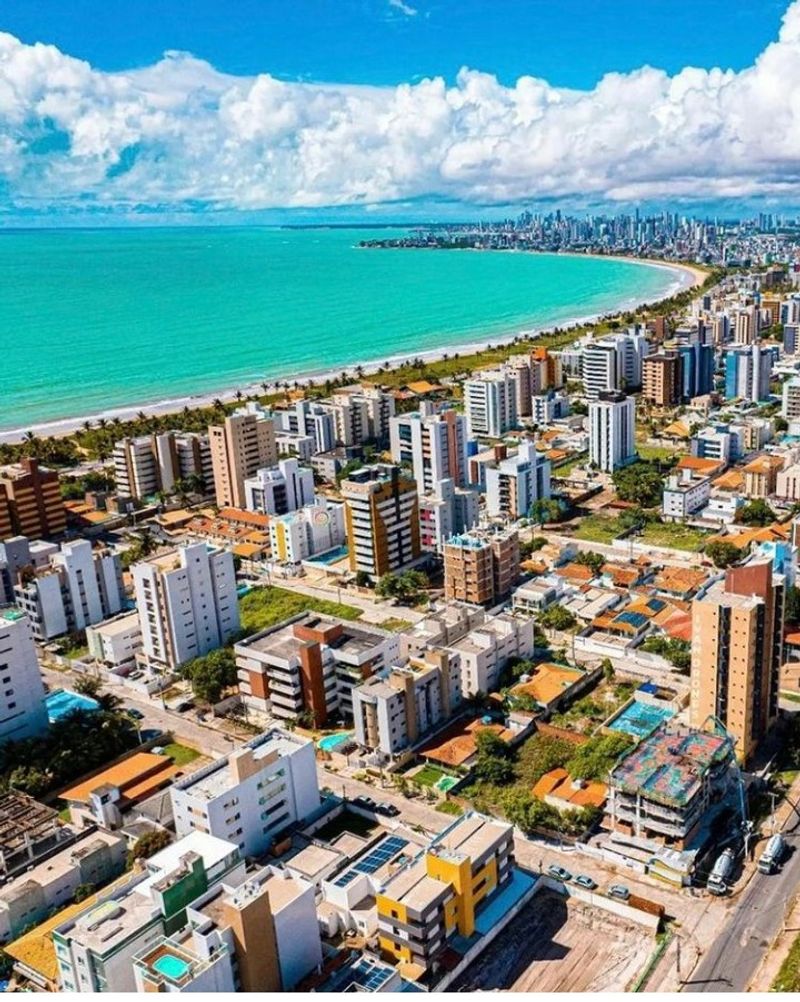
Brazil’s most eastern city catches the Atlantic sunrise before anywhere else on the continent, which gives Joao Pessoa a geographical quirk that locals are quietly proud of. More practically, it gives the city a long eastern-facing coastline where beaches like Tambau, Cabo Branco, and Manaira offer warm water, consistent sunshine, and a relaxed pace that feels nothing like the frantic energy of Rio de Janeiro.
The city operates at a scale that feels human rather than overwhelming. Beachfront neighborhoods have restaurants, bars, and promenades that serve residents year-round rather than shutting down after carnival season.
Local markets stock tropical fruit, fresh fish, and vegetables at prices that reflect the northeastern Brazilian economy rather than the inflated cost of living in Sao Paulo or coastal Rio.
Exchange rates play a significant role in how affordable Joao Pessoa feels for foreign residents, and those rates fluctuate. During periods when the Brazilian real is weak against major currencies, the city can feel extraordinarily inexpensive.
Residents who shop locally, rent from Brazilian landlords rather than short-term platforms, and build their social life around local restaurants rather than imported luxuries consistently report lower monthly costs than in almost any comparable Atlantic beach city at a similar latitude.
Maceio, Brazil
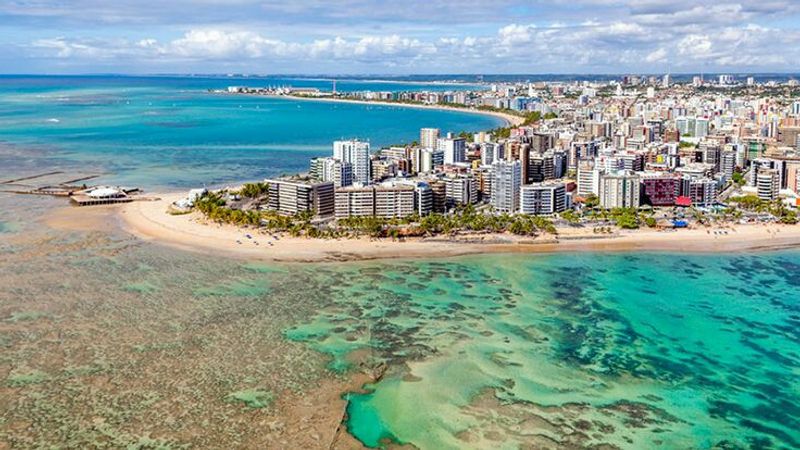
The water at Maceio has a color that photographers argue is impossible to capture accurately because no filter quite matches it. That particular shade of blue-green, produced by shallow natural pools along the reef just offshore, is what northeastern Brazil’s coast is famous for, and Maceio sits right in the middle of it.
Pajucara, Ponta Verde, and Jatiuca are the beachfront neighborhoods that combine urban conveniences with direct Atlantic access. Local restaurants along the waterfront serve fresh seafood, tapioca, and regional dishes at prices that remain accessible even after tourism has pushed up the most visible establishments.
The city’s scale is more manageable than Salvador or Recife, which contributes to a calmer daily rhythm for residents.
Safety varies meaningfully between neighborhoods, and anyone considering a move to Maceio should research specific districts carefully rather than forming an impression based solely on the beautiful beach photos that circulate online. The same applies to most Brazilian cities of this size.
Within well-established residential areas, however, residents report a friendly community atmosphere and a quality of life that justifies the effort of learning the local landscape. Maceio’s combination of extraordinary natural beauty and relatively modest everyday costs makes it one of Brazil’s most compelling coastal options.
Essaouira, Morocco
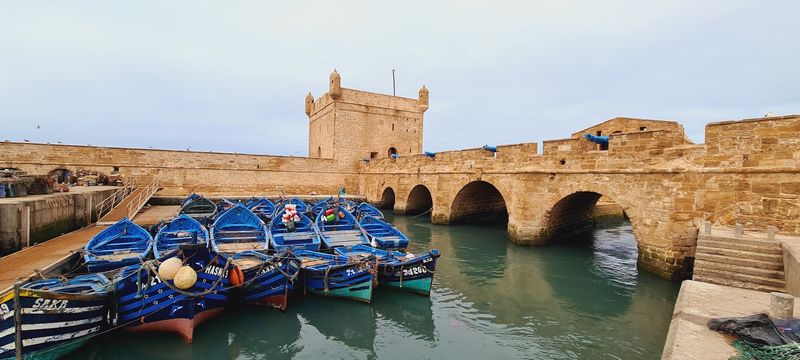
Essaouira is the kind of place that artists, surfers, and wanderers discovered decades ago and then quietly tried to keep to themselves. The whitewashed medina, the blue fishing boats, the smell of argan oil and grilled sardines, and the almost constant Atlantic wind create an atmosphere that feels genuinely unlike anywhere else on the Moroccan coast.
The wind is worth addressing directly because it shapes everything about life here. Essaouira earns its reputation as one of the world’s best kitesurfing destinations precisely because the breeze rarely lets up.
Residents who find constant wind energizing will love it. Those who prefer still, warm, tropical water will find the Atlantic here bracing rather than inviting.
Local food in the medina and nearby neighborhoods remains very affordable by international standards. A grilled fish lunch at the port market costs a few dollars, and fresh produce at the souk is priced for local shoppers rather than visiting tourists.
Housing in unrenovated properties costs considerably less than in riads that have been polished up for the short-term rental market. Essaouira has a growing community of international residents drawn by its creative atmosphere, manageable scale, and a cost of living that compares favorably with almost any Atlantic beach city in Europe.
Monastir, Tunisia
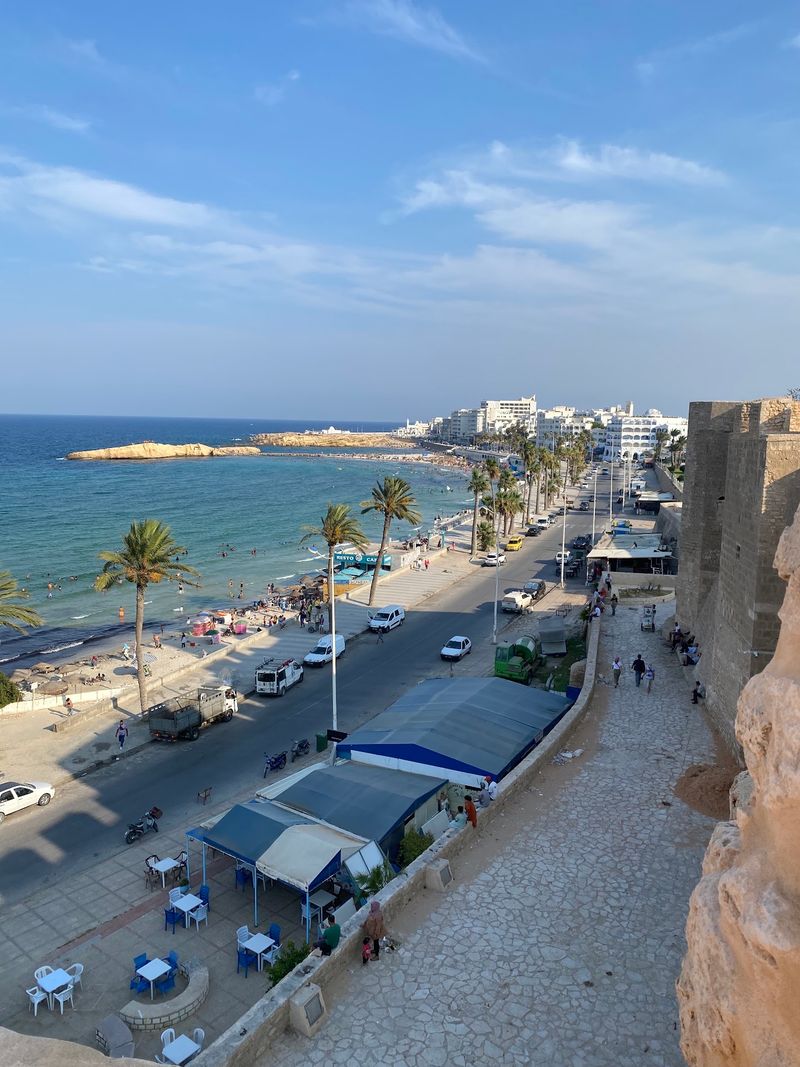
Tunisia does not come up often in beach city affordability conversations, which means Monastir has been quietly offering Mediterranean living at prices that would make residents of the French Riviera choke on their espresso. The city has a working marina, a historic ribat fortress, residential neighborhoods, decent restaurants, and an international airport that connects to European cities on a regular basis.
This is not a seasonal beach complex that shuts down in October. Monastir functions as a real Tunisian city with a year-round population, local markets, schools, and services that exist to serve residents rather than just hotel guests.
Food costs, public transportation, and local housing can all be remarkably low compared with Mediterranean alternatives in Spain, Italy, or Greece.
The honest caveats include language barriers for non-Arabic and non-French speakers, imported product prices that can be higher than local equivalents, and residency requirements that need careful research before committing to a long-term move. Private healthcare costs also differ significantly from what public systems provide.
Even accounting for those factors, Monastir demonstrates something important: the Mediterranean is a big sea, and its southern shore has coastal cities where ordinary people live well without extraordinary incomes. That point alone makes it worth including on any honest list of affordable beach destinations.
Share this story