Beach vacations are easy to understand: find warm water, claim a patch of sand, and spend several days doing as little as possible. But some of the world’s most satisfying trips never involve a coastline at all.
Instead of beach chairs, they offer palace gardens, medieval streets, mountain viewpoints, thermal baths, night markets, and neighborhoods where an afternoon disappears simply because there was always another cafe or alley worth exploring. These 15 cities prove that a great vacation does not need an ocean view to be completely unforgettable.
Vienna, Austria
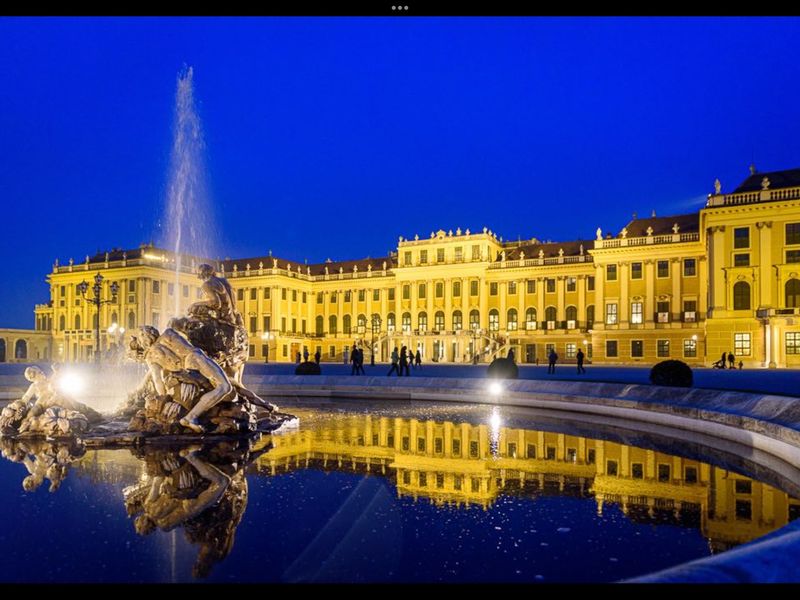
Vienna has mastered the rare skill of making every single hour of a vacation feel like time well spent. The big attractions alone could fill several days without repeating a single experience.
Schonbrunn Palace recalls the city’s imperial past, the Hofburg contains major museums, and the Belvedere houses Vienna’s largest Klimt collection.
Then there are the coffeehouses. A traditional Viennese cafe is not just a place to get coffee.
It is a place to read, linger, people-watch, and pretend the rest of the afternoon does not exist. Vienna tourism practically builds an entire day around them.
The city also prevents sightseeing fatigue better than most. The Prater offers greenery and amusement rides, while viewpoints like the Gloriette and St. Stephen’s towers reveal how much open space surrounds the historic center.
Evening brings opera, rooftop bars, and sausage stands that somehow feel equally essential. A beach would almost be a distraction from all of it.
Prague, Czechia
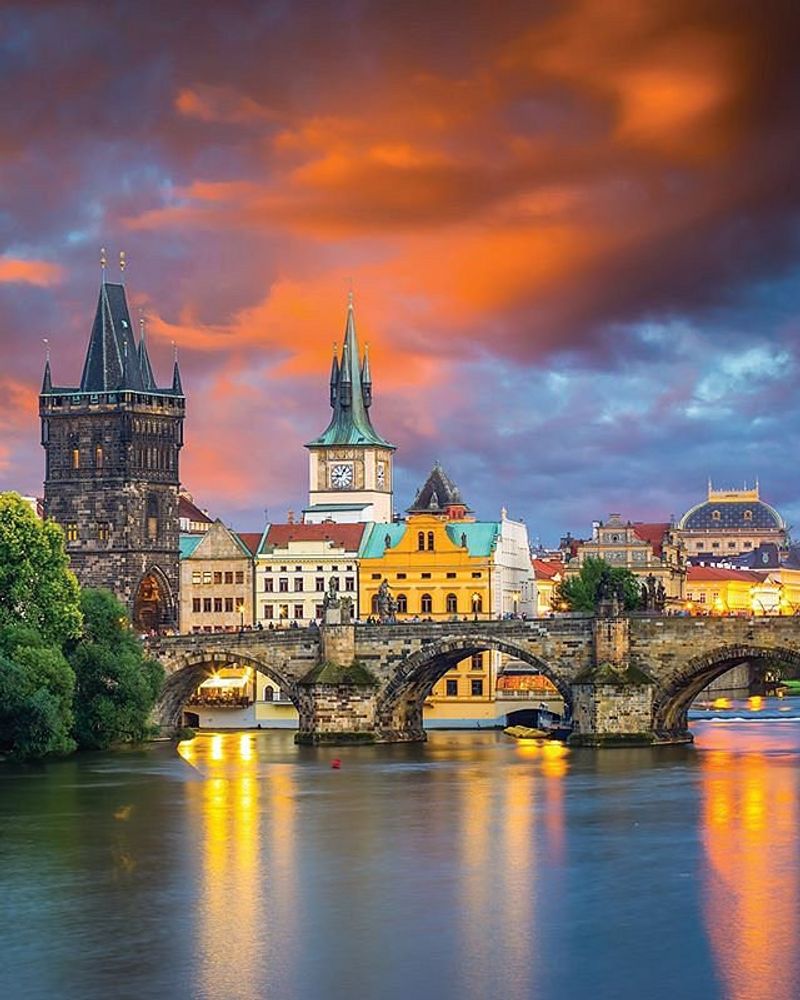
Getting from one attraction to another in Prague is basically its own attraction. Its historic center packs castles, Gothic towers, medieval streets, riverside paths, jazz clubs, and monumental squares into a remarkably walkable area.
Prague City Tourism describes the capital as compact and easy to explore on foot while emphasizing its rich cultural scene.
Prague Castle alone can consume the better part of a day. Founded in the ninth century, the vast complex includes St. Vitus Cathedral, the Old Royal Palace, Golden Lane, gardens, and historic courtyards.
It is one of the largest castle complexes in all of Europe and dominates the city’s skyline from nearly every angle.
Cross Charles Bridge early in the morning before the crowds arrive, wander through Mala Strana, climb toward the castle, return through Old Town, and finish the day somewhere with Czech beer and a view of illuminated towers. Prague does not need seaside scenery to deliver spectacular views.
The rooftops are doing more than enough heavy lifting on their own.
Madrid, Spain
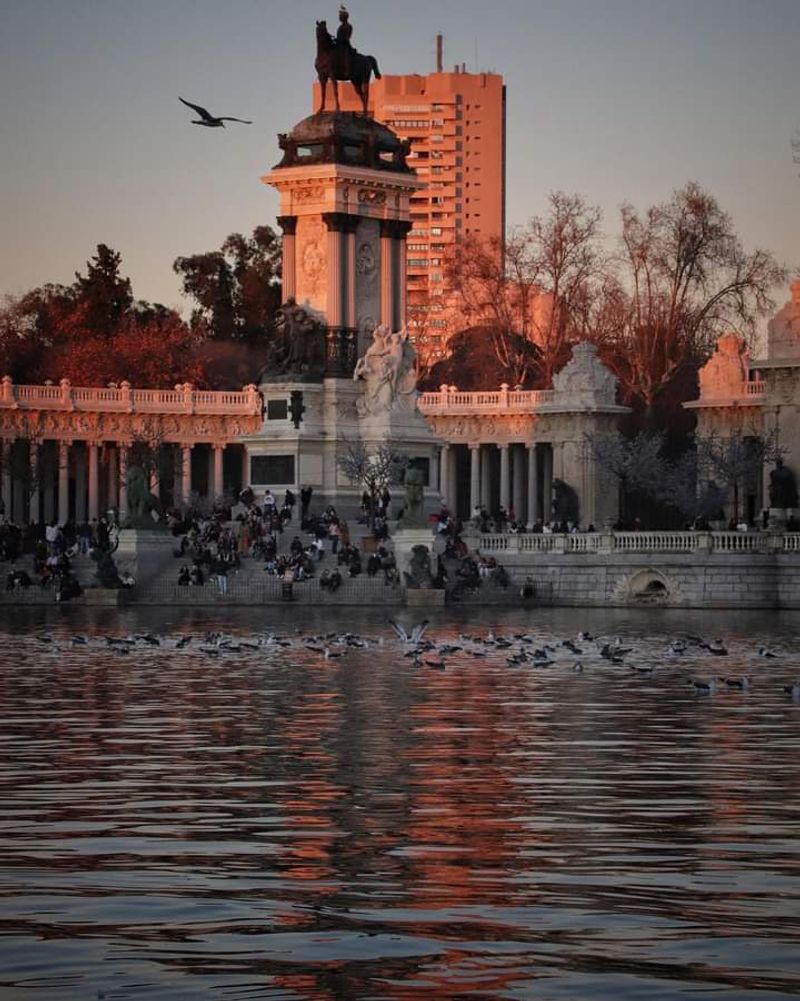
Madrid is one of Europe’s strongest arguments against assuming Spain requires the Mediterranean. The city has no beach, and honestly, it does not seem to have noticed.
Its cultural inventory is enormous, and the pace of life here is something most travelers find genuinely addictive.
The Prado, Thyssen-Bornemisza, and Reina Sofia museums sit within the UNESCO-listed Landscape of Light alongside El Retiro Park and the Royal Botanical Garden. El Retiro alone covers more than 125 hectares, contains over 15,000 trees, and offers a lake where visitors can rent rowing boats on a lazy afternoon.
Then evening arrives, and Madrid shifts gears entirely. The city promotes everything from tapas in century-old taverns and Michelin-level restaurants to rooftop cocktails, flamenco performances, and nightlife that extends well past a reasonable bedtime.
A good Madrid day can start with Velazquez and Goya, drift into a two-hour lunch, continue through Retiro, and somehow finish after midnight. Nobody spends that kind of day wondering where the beach went.
Berlin, Germany
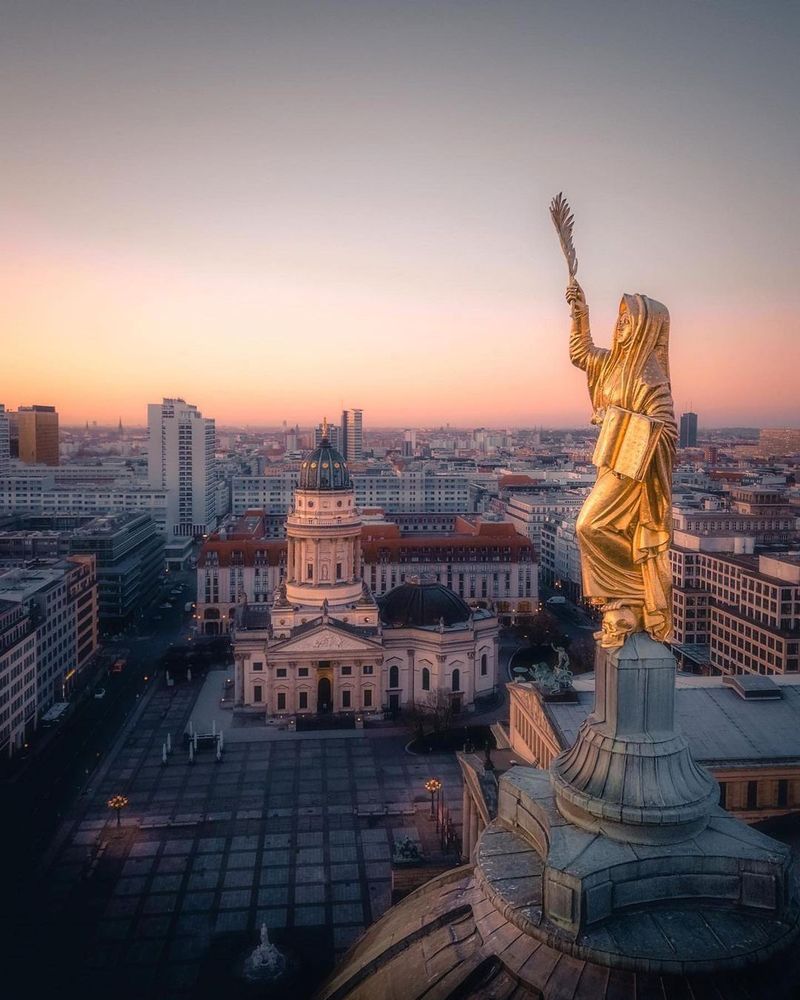
Berlin works particularly well for travelers who dislike vacations that feel scripted or predictable. There is no single Berlin experience, and the city seems almost proud of that fact.
Museum Island alone contains five major museums and carries UNESCO World Heritage status, while the wider city offers more than 30 museums through its museum-pass network.
History is equally unavoidable here. Brandenburg Gate, surviving Berlin Wall sections, Checkpoint Charlie, and the Holocaust Memorial all sit within a modern city that has repeatedly and dramatically reinvented itself over the past century.
But Berlin becomes genuinely addictive when travelers stop checking landmarks off a list and start exploring its 12 distinct districts. Local cafes, hidden nature spots, food markets, creative studios, and late-night venues reveal a city that is always building something new on top of something old.
After dark, Berlin becomes another destination entirely. Clubs and bars operate without a general closing time, which means the night can go exactly as long as you want it to.
For the right traveler, that is the whole point.
Budapest, Hungary
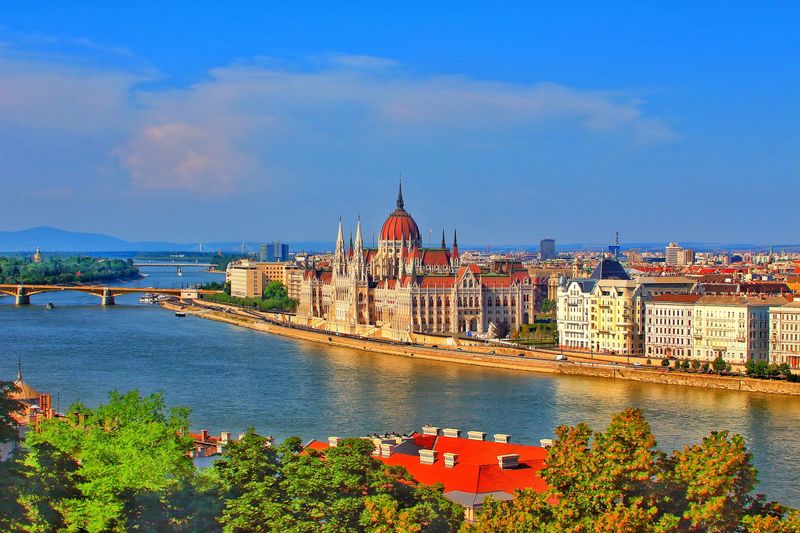
Budapest offers something better than a beach for many travelers: hot water. The Hungarian capital is famous for its thermal-bath culture, with major complexes including Szechenyi, Rudas, Lukacs, and Palatinus among the city’s well-loved bathing options.
Dropping into warm mineral water after a morning of sightseeing is one of travel’s genuinely great pleasures.
The Danube River provides much of the city’s dramatic visual appeal. It separates hilly Buda from flatter Pest and creates spectacular evening views of bridges, Parliament, and illuminated monuments that are hard to forget once seen.
The Chain Bridge connecting the two sides is one of those landmarks that looks almost too cinematic to be real.
A typical Budapest day can follow a remarkably satisfying rhythm. Spend the morning exploring Buda Castle and Castle Hill, cross the river, eat something far too substantial for lunch, and then disappear into warm thermal water for the afternoon.
Budapest even operates Romani Beach, a seasonal swimming area on the Danube, during summer. But the city was already a complete vacation before anyone put on a swimsuit.
Kyoto, Japan
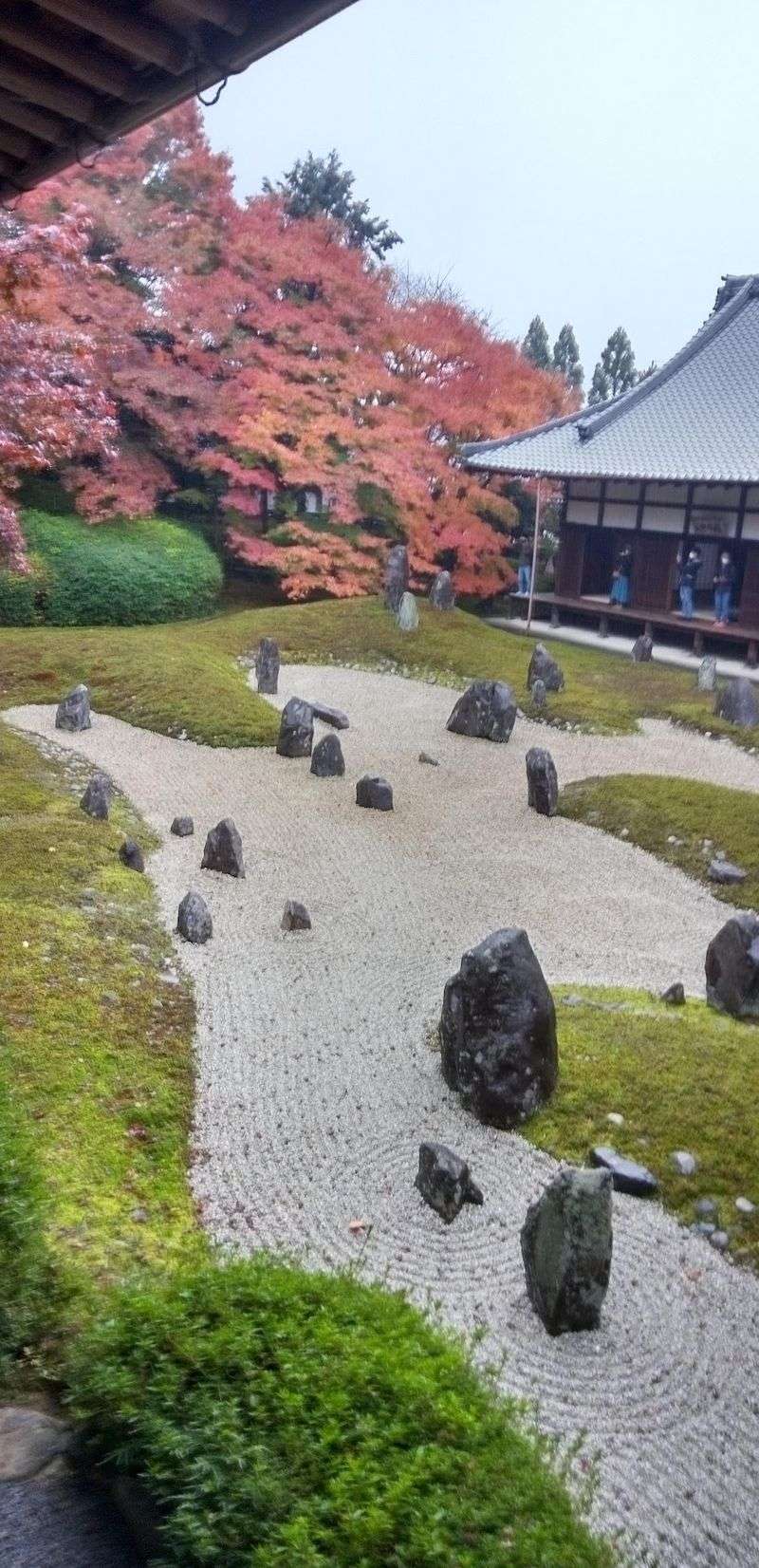
Kyoto makes slowing down feel genuinely productive, which is a rare skill for a city to have. Japan’s former capital served as the country’s political and cultural center for more than a millennium, and 17 temples, shrines, and castles in and around Kyoto form a UNESCO World Heritage grouping that spreads across the entire city rather than concentrating in one place.
Central Kyoto includes Nijo Castle and Kyoto Imperial Palace. Higashiyama offers some of the city’s best-preserved historic streets, major temples, geisha districts, craft shops, and the famous Philosopher’s Path.
Ryoanji’s celebrated rock garden, with its 15 stones arranged across raked white sand, became hugely influential in garden design worldwide.
Kyoto rewards early mornings more than almost any other city. Its most popular sights can become crowded by mid-morning, so Japan’s national tourism organization specifically recommends visiting major shrines early or later in the day.
Spend the afternoon over a bowl of matcha, explore a quiet temple garden, and walk through Gion after sunset when the atmosphere does all the work. The ocean is simply not missed.
Mexico City, Mexico
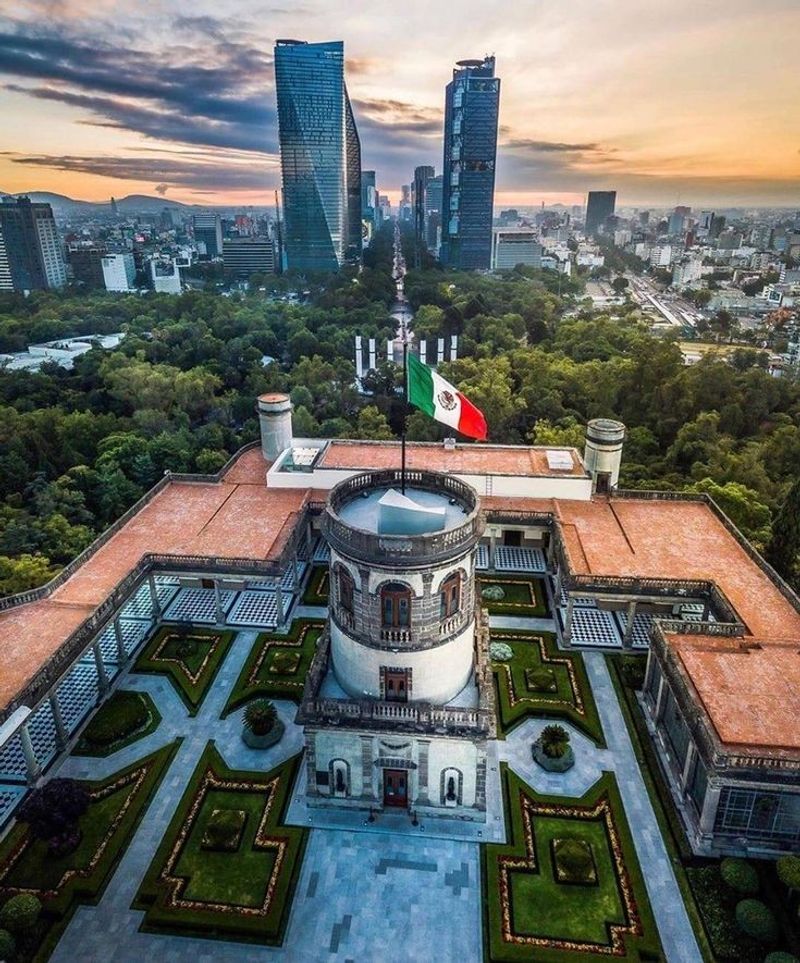
Mexico City offers the kind of vacation where five days can feel embarrassingly short. Chapultepec alone could easily consume one full day.
The enormous urban park covers roughly 686 hectares and contains Chapultepec Castle, museums, gardens, lakes, and cultural venues that most cities would be thrilled to have scattered across their entire territory.
The historic center adds the Zocalo and Templo Mayor, where ancient Aztec ruins sit directly beneath a colonial-era city. Roma and Condesa supply restaurants, cafes, bars, parks, and contemporary design with a neighborhood energy that feels effortlessly cool.
Coyoacan offers yet another personality, with its cobblestone streets, local markets, and the Frida Kahlo Museum.
Mexico City’s tourism authority publishes dedicated guides to street food, neighborhoods, nature tourism, and World Heritage gastronomy, which tells you something about how much there is to cover. The city’s tacos alone could anchor a dedicated food trip.
Its biggest challenge for visitors is not a lack of things to do. It is accepting that the list of things left undone will always be longer than the list of things accomplished.
Marrakech, Morocco
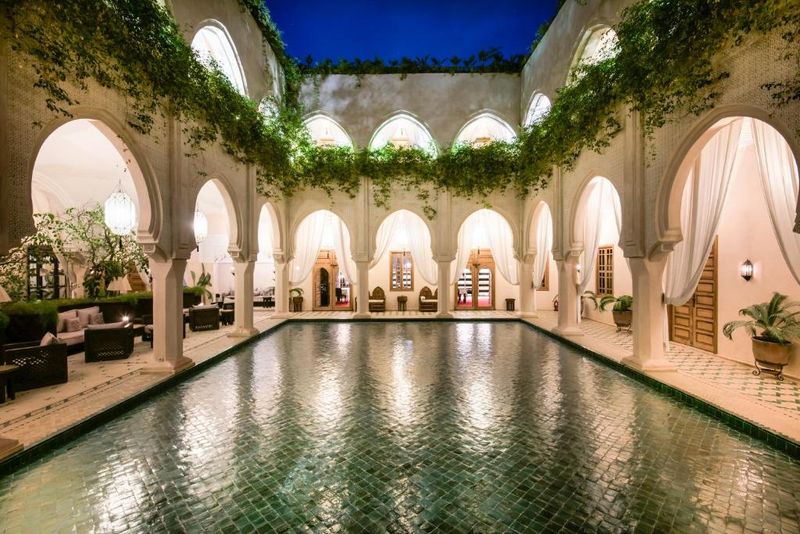
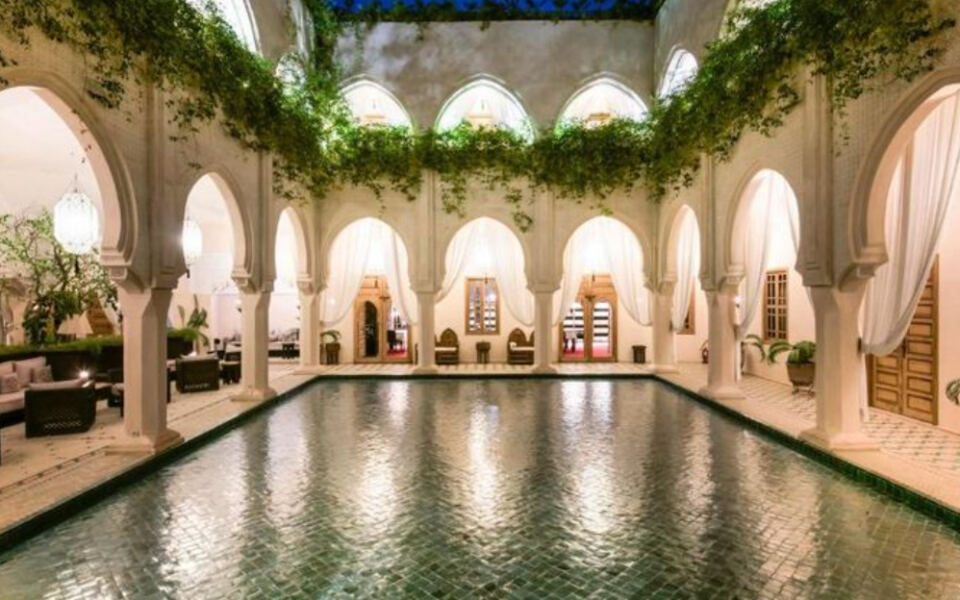
Marrakech can feel like several vacations happening simultaneously on top of one another, which is either exciting or overwhelming depending on the traveler. The medina offers maze-like streets, historic architecture, and riads hiding peaceful courtyards behind seemingly plain walls.
Jemaa el-Fna transforms throughout the day as food sellers, storytellers, musicians, and performers gradually reshape the square into something entirely different from what it was at breakfast.
Step through the right doorway and the noise disappears completely. Traditional riads surround interior courtyards that feel worlds away from the street outside.
Gardens like Menara and Majorelle offer very different forms of escape, with Majorelle’s electric-blue structures and botanical plantings providing one of the city’s most photographed corners.
When the city itself becomes too intense, geography adds another advantage. The High Atlas Mountains and the Agafay desert landscape sit within easy reach outside Marrakech, offering day trips that shift the scenery dramatically.
A beach promises relaxation. Marrakech promises stories, strange encounters, excellent food, and at least one moment where you genuinely lose track of where you are.
That is a different kind of valuable.
Salzburg, Austria
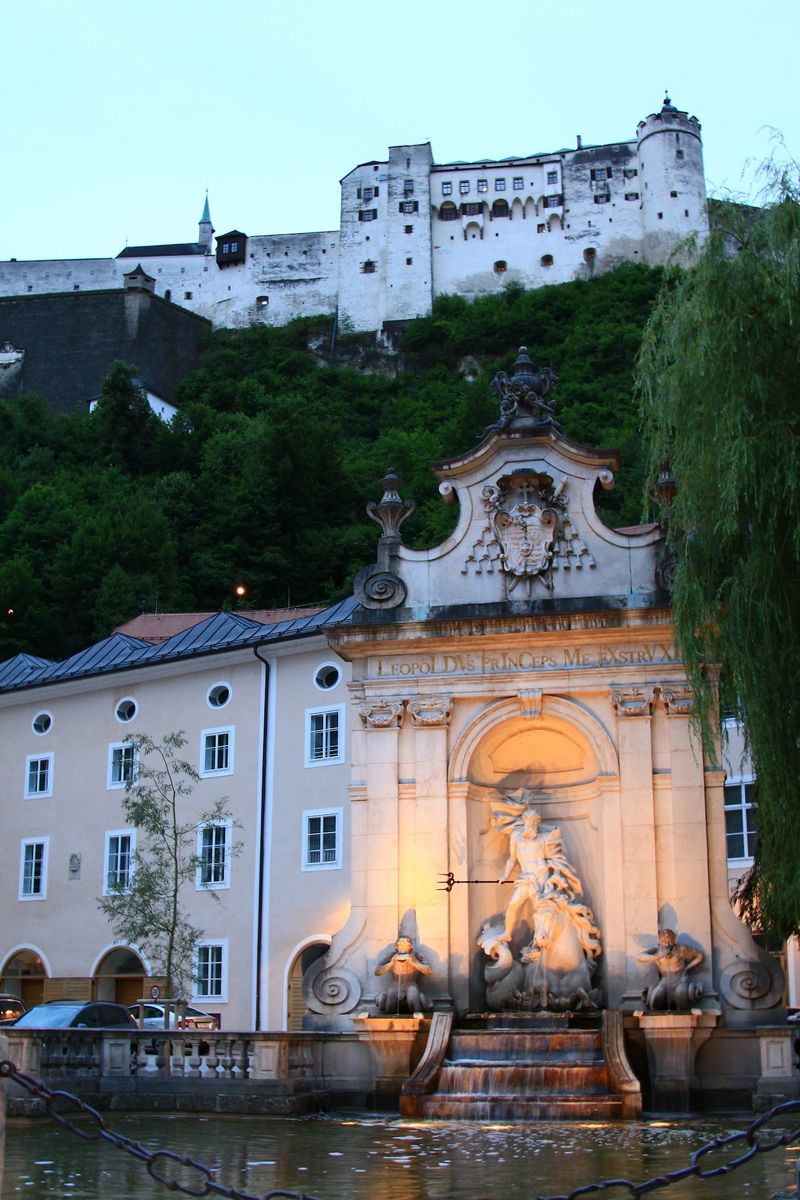
Salzburg feels almost unfairly picturesque, like a city that was designed specifically to be photographed from every possible angle. Old streets sit beneath Hohensalzburg Fortress while the Alps rise dramatically beyond the rooftops.
The fortress itself dates to 1077 and developed into what Salzburg tourism calls the largest fully preserved castle in Central Europe, with 360-degree views over the city and surrounding landscape.
But Salzburg is far more than one impressive castle. Its top attractions include Mozart’s Birthplace, Mirabell Palace and Gardens, the charming Getreidegasse shopping street, Hellbrunn Palace with its famous trick fountains, and the DomQuartier museum complex.
Music also changes the mood of a visit in ways that are hard to explain until you experience it. Concerts take place throughout the city, including performances inside the fortress itself.
Because Salzburg is compact, travelers can spend the morning wandering Baroque streets and the afternoon above the city or exploring nearby Alpine landscapes on a day trip. The combination of medieval architecture, classical music history, and mountain scenery creates a layered experience that is genuinely difficult to replicate anywhere else.
Ocean views would actually feel out of place here.
Ljubljana, Slovenia
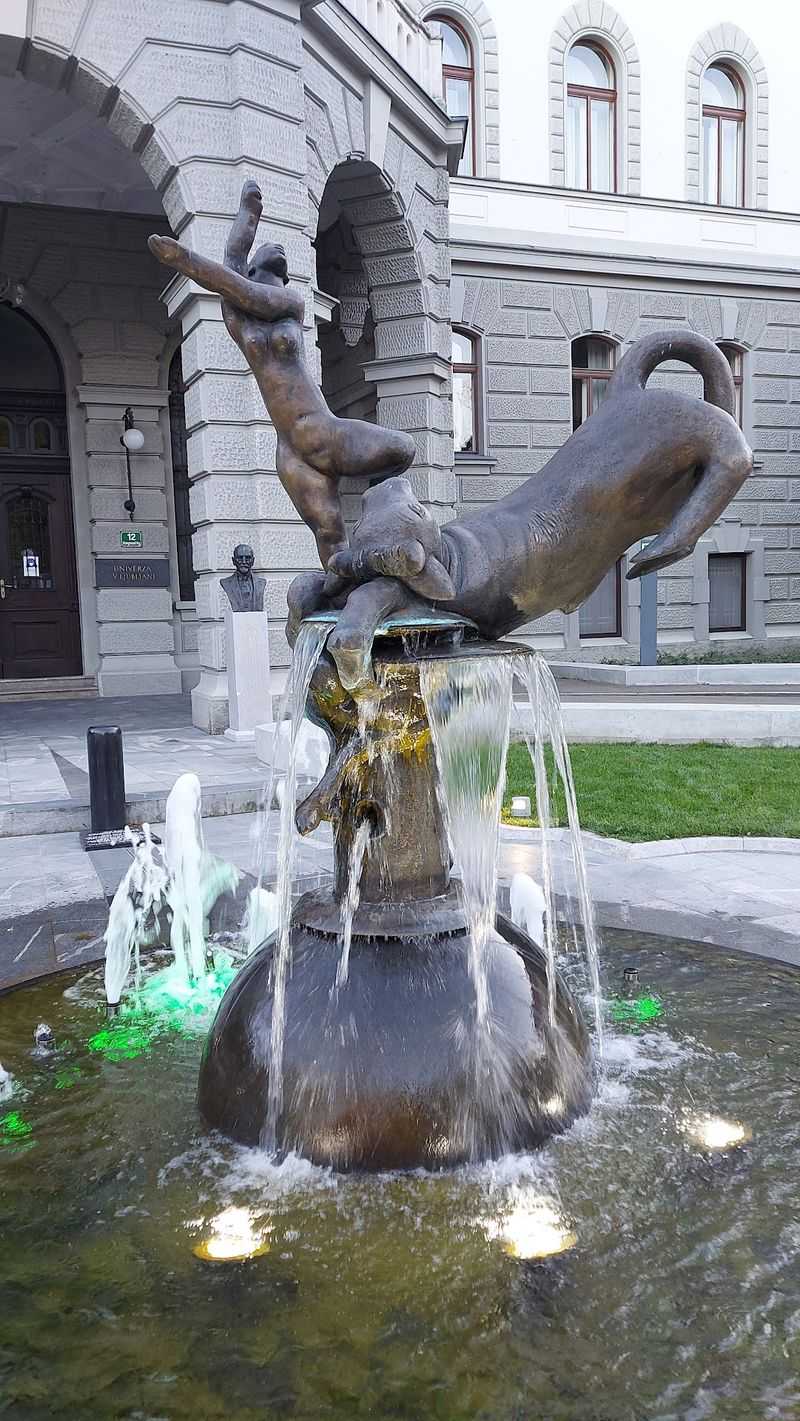
Ljubljana is proof that a city does not need to be enormous, famous, or overwhelming to fill a vacation beautifully. Its old center sits pleasantly between Castle Hill and the Ljubljanica River, where historic facades, squares, bridges, and cafe terraces create an exceptionally walkable core that rewards slow exploration far more than rushing.
The river is the city’s social spine. Visitors can walk beside it, cruise by boat, or paddle through the center on a kayak.
Ljubljana Castle has watched over the city for roughly 900 years, and its tower and ramparts provide wide views across the capital toward surrounding hills and mountains that feel genuinely earned after the climb up.
Ljubljana also benefits quietly from what it lacks. There is relatively little pressure to rush from one headline attraction to the next.
Lunch can run long. Coffee beside the river can turn into another coffee without any guilt attached.
The Tivoli Park provides green space when the cobblestones start feeling repetitive. A vacation does not always need dozens of must-see sights.
Sometimes it needs a city that makes doing nothing between the sights feel like the best decision of the whole trip.
Seoul, South Korea
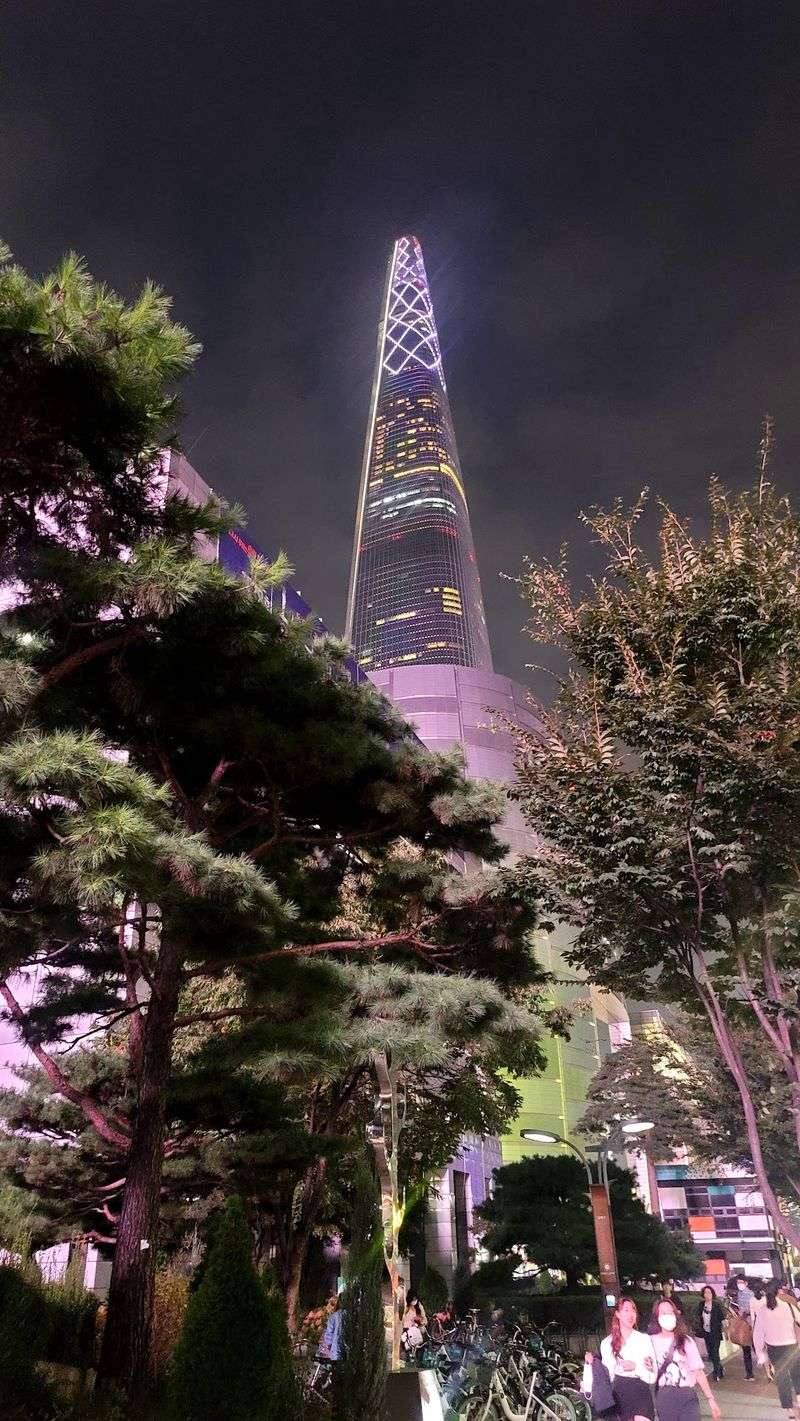
Seoul can change its entire personality in a single subway ride, which makes it one of the most dynamic cities on the planet to explore. The historic palace quarter includes royal sites, traditional neighborhoods, Cheonggyecheon stream, Insadong, and Bukchon Hanok Village.
Cross town and Hongdae revolves around youth culture, live music, street performances, galleries, and nightlife that runs genuinely late.
Markets deserve their own spot on the itinerary. Namdaemun is described as Korea’s largest general market, with dense alleys selling clothing, household goods, and inexpensive food that tastes far better than it has any right to at those prices.
Gwangjang Market is another sensory experience worth planning an entire morning around.
Modern Seoul adds further layers on top of all of that. Myeongdong brings shopping and beauty culture.
Gangnam supplies fashion and upscale nightlife. The Han River provides parks and long riverside spaces running through the heart of the metropolis.
You can walk through a palace complex in the morning, eat in a traditional market at lunch, spend the afternoon shopping, and end in a neighborhood that stays awake well past midnight. The nearest beach never enters the conversation.
Krakow, Poland
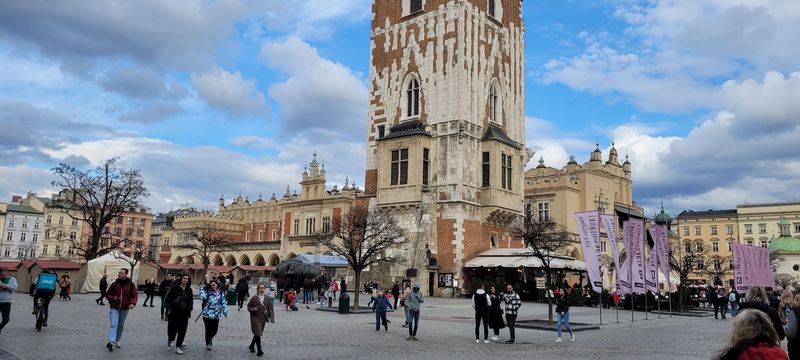
Krakow looks like a city that was specifically designed for long weekends, which is probably why so many travelers end up staying longer than planned. The historic core brings together the Main Market Square, the Cloth Hall, Wawel Castle, and the Kazimierz district, while official tourism guides also highlight Podgorze and Nowa Huta for travelers willing to venture beyond the postcard center.
Wawel Castle gives the city real royal weight. Its Renaissance palace developed from an earlier Gothic royal castle and served as the home of Polish monarchs for centuries.
State rooms, royal apartments, treasury collections, and the cathedral are spread across the complex in a way that makes the whole thing feel like a very well-organized treasure hunt.
Krakow also has more green space than first-time visitors typically expect. The Planty garden ring wraps around much of the old center, while the Vistula embankments, Blonia meadow, and nearby botanical gardens provide easy breaks from monuments and museums.
The best part of the day may come after dark, when the Main Square empties slightly and the illuminated towers start doing the work that a beach sunset normally would. It is hard to argue with that.
Chiang Mai, Thailand
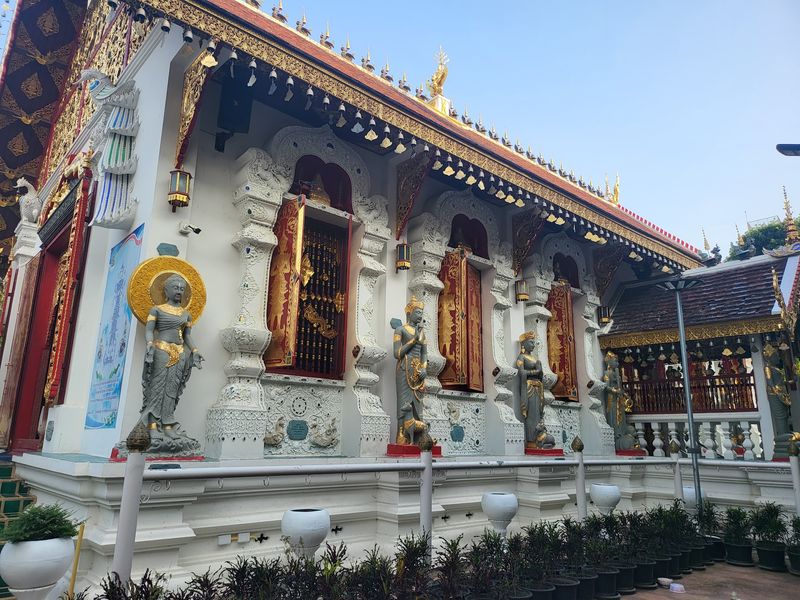
Thailand does not have to mean islands, and Chiang Mai makes that case convincingly. The old city is still partly defined by its historic walls and moat, with Tha Phae Gate opening toward temples, lively streets, markets, and the enormously popular Sunday Walking Street that draws both locals and visitors into a cheerful shared chaos every week.
Lanna culture gives Chiang Mai a personality that feels genuinely distinct from Bangkok or Thailand’s southern beach resorts. The Tourism Authority of Thailand highlights Doi Suthep temple, handicraft workshops, local cuisine, the creative Nimmanhaemin Road neighborhood, and a contemporary arts scene alongside the region’s centuries-old traditions.
Khao soi, the city’s rich coconut curry noodle soup, alone is worth a detour of considerable distance.
Then the mountains begin almost immediately outside the city. Doi Inthanon, Thailand’s highest peak, is one of several major nature excursions promoted from Chiang Mai, along with highland communities and waterfalls that reward the drive up.
That creates an unusually flexible vacation structure: temple in the morning, local market at lunch, mountain scenery in the afternoon, and a night market after dark. The nearest beach simply never enters the conversation.
Cusco, Peru
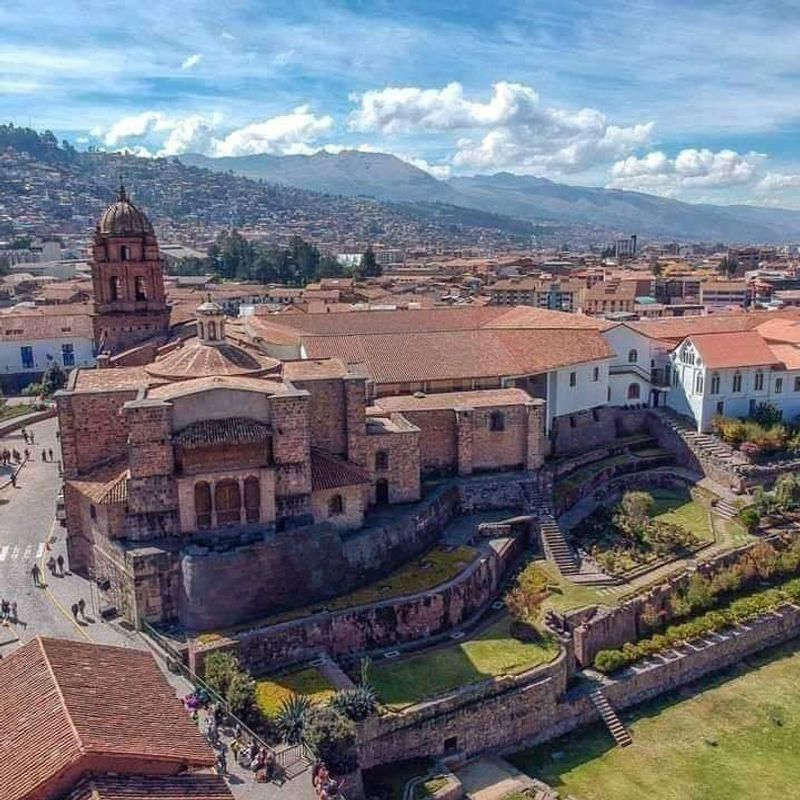
Many travelers initially treat Cusco as somewhere to sleep before Machu Picchu, which undersells it quite badly. The former Inca capital contains layers of history throughout its center, where colonial-era buildings were constructed alongside or directly above sophisticated Inca stonework that has outlasted everything built on top of it.
Walking through the streets feels like reading two separate history books at the same time.
Peru tourism itineraries highlight the Plaza de Armas, the Cathedral, Qorikancha, San Pedro Market, the artisan neighborhood of San Blas, and nearby Sacsayhuaman. That archaeological site lies immediately north of central Cusco and connects to the historic center through old Inca neighborhoods and pedestrian routes that make the walk itself part of the experience.
Then there is the altitude, which changes everything about how the city feels. Mountain light, steep cobblestone streets, distant ridges, and high-elevation weather patterns make Cusco feel dramatically different from ordinary colonial cities, even beautiful ones.
The Sacred Valley waits outside town for those who want more. But travelers who give Cusco several dedicated days often discover that the place they thought of as a gateway was actually a destination all along.
That realization is its own reward.
Brussels, Belgium
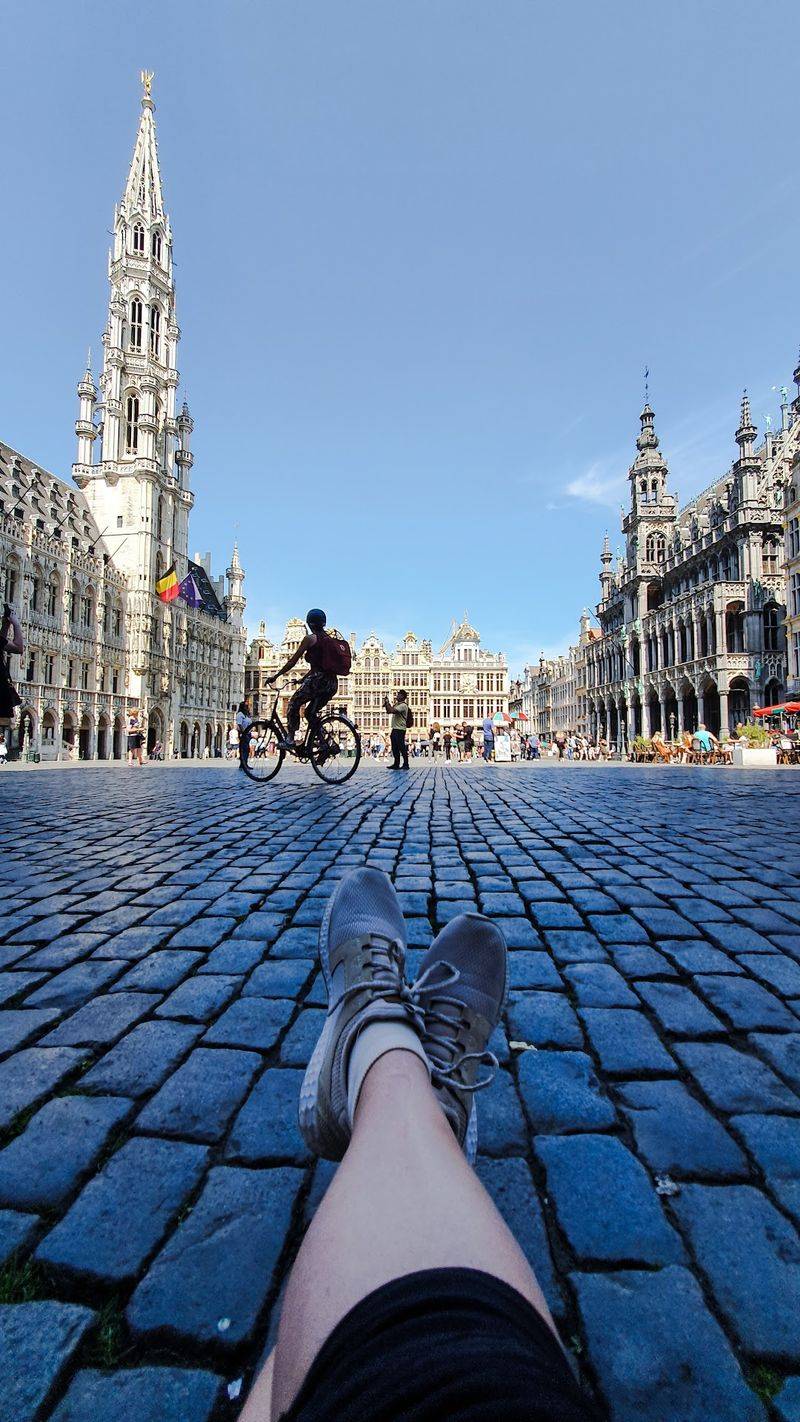
Brussels may be Europe’s most underrated city-break destination precisely because people struggle to reduce it to a single image or selling point. The Grand-Place provides the obvious starting point, and it earns every bit of the attention it receives.
The Gothic Town Hall, King’s House, and late-17th-century guild houses create one of the continent’s most theatrical public squares, especially after dark when the lighting turns the whole thing golden.
From there, the city branches into multiple obsessions depending on what interests you most. Art lovers can explore the Royal Museums of Fine Arts and the Magritte Museum.
Comic fans can visit the Belgian Comic Strip Center and follow murals painted across building walls throughout the city. Belgian Beer World now occupies the renovated former stock exchange building, and chocolate has its own museum plus an entire ecosystem of shops and chocolatiers that could occupy a full afternoon.
Brussels also rewards eating without a fixed plan. The official tourism board highlights fries, street food, breweries, sustainable restaurants, and a culinary scene shaped by an unusually international population.
You may arrive for the architecture. You may end up remembering the waffles, the beer, and the chocolate.
That still qualifies as a very successful vacation by any reasonable measure.
Share this story