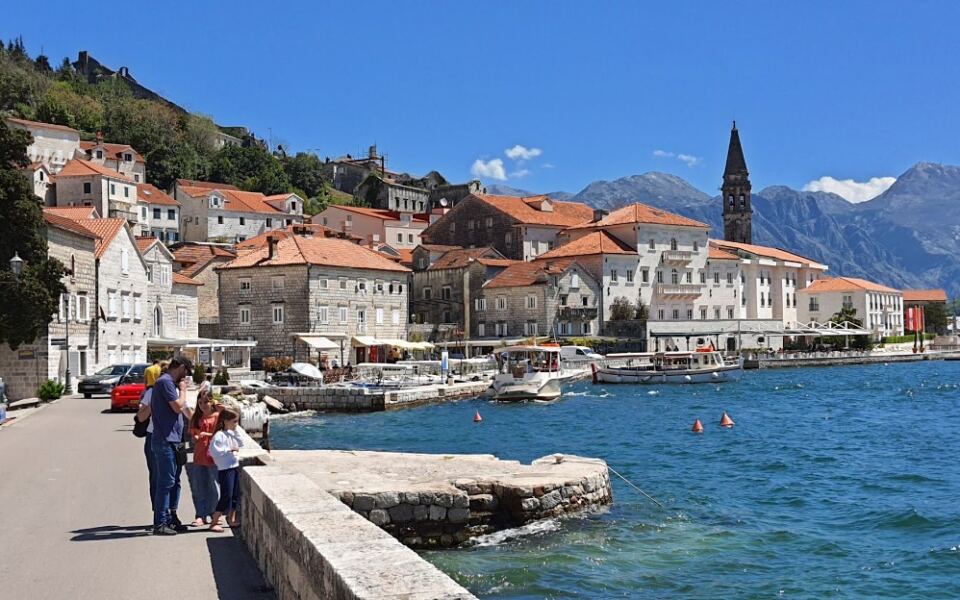
Montenegro packs an astonishing variety of scenery into a country smaller than Connecticut. You can start your morning in a medieval walled town on the Adriatic coast and end your evening beside a glacial lake in an alpine national park.
From dramatic river canyons and ancient monasteries to quiet fishing villages and old-growth forests, this little Balkan nation punches well above its weight. If you have never considered Montenegro for a trip, these 15 stunning places might just change your mind.
Kotor
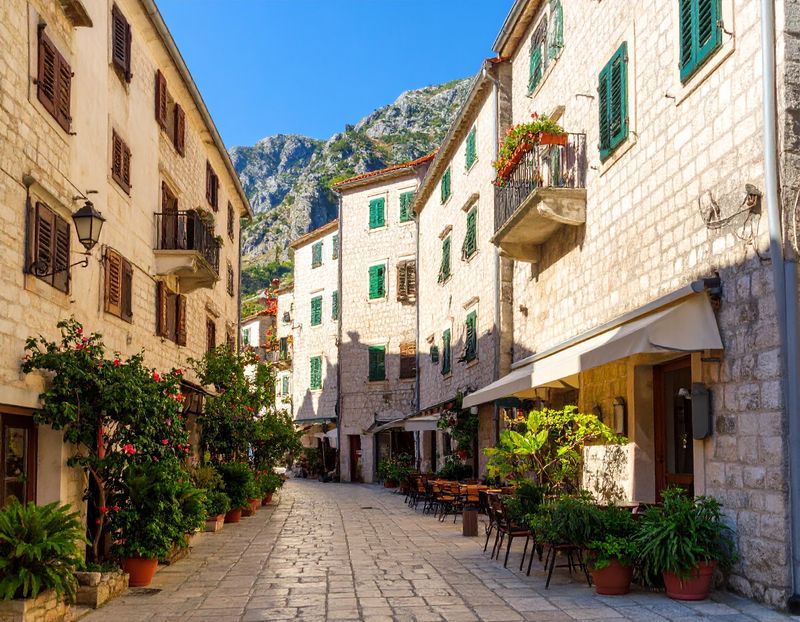
Squeezed between a sheer mountain wall and the sparkling blue bay, Kotor looks like someone built a medieval city with nowhere left to go and decided that was perfectly fine. The walled old town is a maze of narrow stone lanes, Romanesque churches, crumbling palaces, and tiny squares where cats outnumber tourists on quieter days.
UNESCO recognized the surrounding region as an exceptional cultural landscape, and once you are standing inside those ancient walls, you will understand why.
Kotor was a major artistic and commercial hub during the Middle Ages, producing influential schools of masonry and icon painting. The devastating 1979 earthquake caused serious damage, but careful restoration preserved the historic character that makes the town so compelling today.
Climbing the old city walls rewards hikers with increasingly jaw-dropping views over the bay below.
The fortress perched above the rooftops is the crown of the whole experience. Getting there requires a steep but manageable climb, and the panorama from the top is genuinely hard to forget.
Kotor works well as a base for exploring the wider bay area, and its restaurants, cafes, and evening atmosphere give it plenty of personality beyond the sightseeing.
Perast
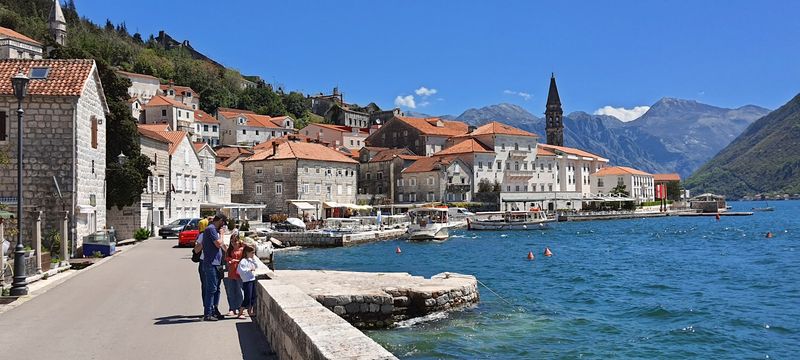
Perast is the kind of place that makes you slow down without even trying. Just 12 kilometers from Kotor, this compact waterfront town feels like it has been holding its breath since the 17th century, and honestly, the stillness suits it beautifully.
Former sea captains built their elegant palaces here when Adriatic trade was booming, and those stone facades still line the waterfront today in remarkably good condition.
The bell tower beside St. Nicholas Church climbs about 55 meters and rewards anyone willing to make the ascent with sweeping views across the bay and surrounding mountains. Two tiny islands sit just offshore, and both are worth the short boat ride.
St. George holds an ancient monastery, while Our Lady of the Rocks is an artificial island built up over centuries through a local maritime tradition of dropping stones whenever sailors returned safely from sea.
The church and small museum on Our Lady of the Rocks contain centuries of votive offerings and maritime artwork that tell the story of a community deeply tied to the sea. Perast has no beach to speak of, but its harmonious combination of stone architecture, calm water, and mountain backdrop makes it one of Montenegro’s most quietly beautiful stops.
Durmitor National Park
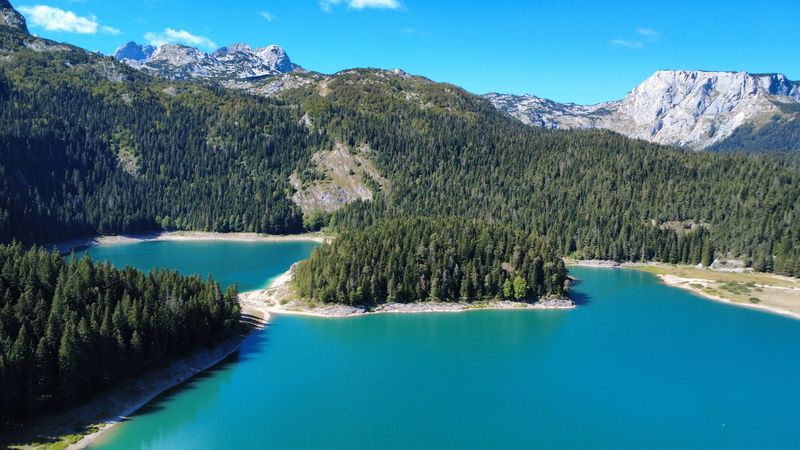
Forget everything you think you know about Montenegro being a coastal destination, because Durmitor National Park exists to completely rewrite that assumption. This UNESCO World Heritage site in the north of the country contains around 50 peaks above 2,000 meters, with the highest, Bobotov Kuk, reaching a commanding 2,525 meters.
Limestone towers, alpine meadows, ancient forests, and glacial lakes fill the landscape in every direction.
The park is home to brown bears, wolves, wildcats, and golden eagles, alongside more than 1,600 vascular plant species across the wider massif. Locals call the glacial lakes “mountain eyes,” and the nickname fits perfectly when you see them glittering between forested ridges on a clear day.
The Tara River Gorge cuts through the park as its most dramatic feature, recognized by UNESCO as Europe’s deepest canyon.
Žabljak is the main gateway town and serves as a practical base for hiking, rock climbing, and skiing depending on the season. The town itself is small and functional rather than glamorous, but its location at over 1,400 meters makes it one of the highest towns in the Balkans.
Durmitor rewards visitors who spend more than a single day exploring its varied terrain.
Black Lake
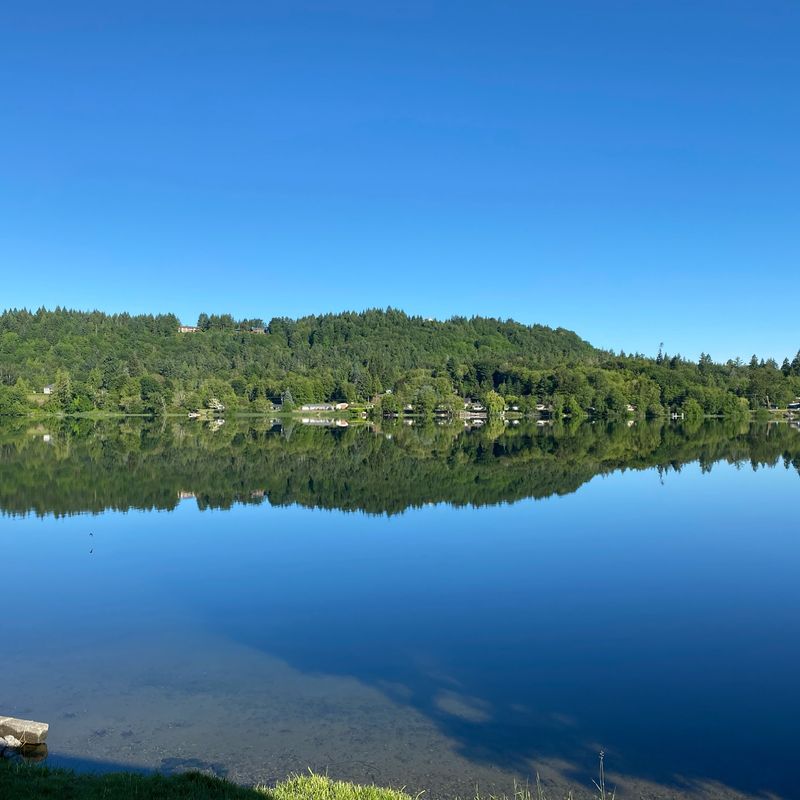
Black Lake earned its moody name from the dark reflections of surrounding forest on its surface, and on a still morning, the mirror image of Durmitor’s peaks makes it look almost too perfect to be real. Known locally as Crno Jezero, this glacial lake sits close to Žabljak and consists of two connected basins that shift in appearance depending on water levels throughout the year.
Getting here requires almost no effort compared to the wilder corners of the park.
What makes Black Lake historically interesting is how early it received formal protection. UNESCO notes that the lake was given protected status as far back as 1907, decades before Durmitor became a national park in 1952 and a World Heritage site in 1980.
That long history of conservation has kept the surrounding forest in excellent condition, with tall conifers crowding the shoreline right down to the water’s edge.
A well-maintained walking trail circles the entire lake and takes roughly an hour to complete at a relaxed pace. The path passes through quiet forest with occasional clearings that open up mountain views.
More demanding routes connect from the lake toward higher terrain in the park, so Black Lake works equally well as a peaceful destination or a starting point for bigger adventures.
Tara River Canyon
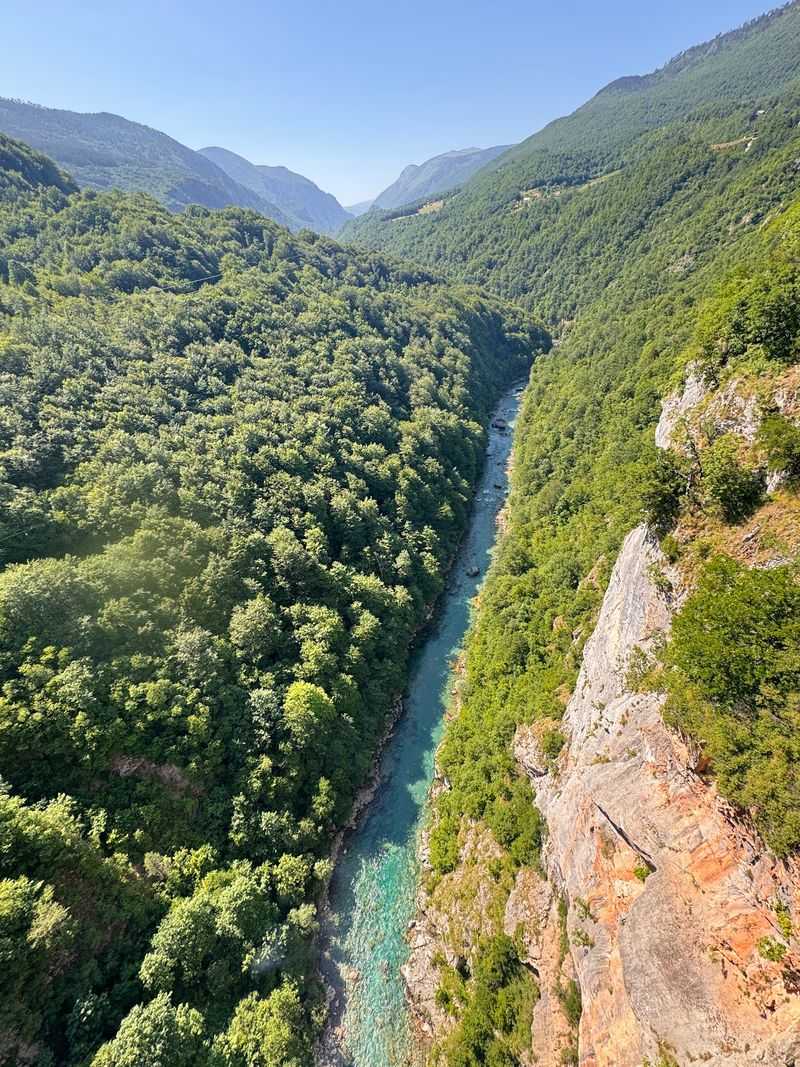
Standing at the rim of the Tara River Canyon and looking down is one of those moments that reminds you how small you actually are. The Tara River has spent millions of years cutting through northern Montenegro, and the result is a gorge that UNESCO identifies as the deepest in Europe, reaching a maximum depth of around 1,333 meters at its most extreme points.
The sheer scale of the canyon is difficult to fully grasp until you are right at the edge of it.
Rafting is the most popular way to experience the canyon from below, and the combination of clear emerald water, limestone cliffs, and stretches of forest makes it genuinely spectacular. The river water is famously clean, and on calmer sections between rapids, you can see straight to the rocky bottom.
The season typically runs from spring through early autumn, with spring offering the most thrilling water levels.
Above the river, the Djurdjevica Tara Bridge has become a destination in its own right. Built in the 1940s, it arches dramatically across the gorge and offers elevated views that are hard to match anywhere else in the country.
Zip-lining from the bridge is available for those who want an extra rush, while viewpoint stops along the rim suit travelers who prefer to stay firmly on solid ground.
Lake Skadar
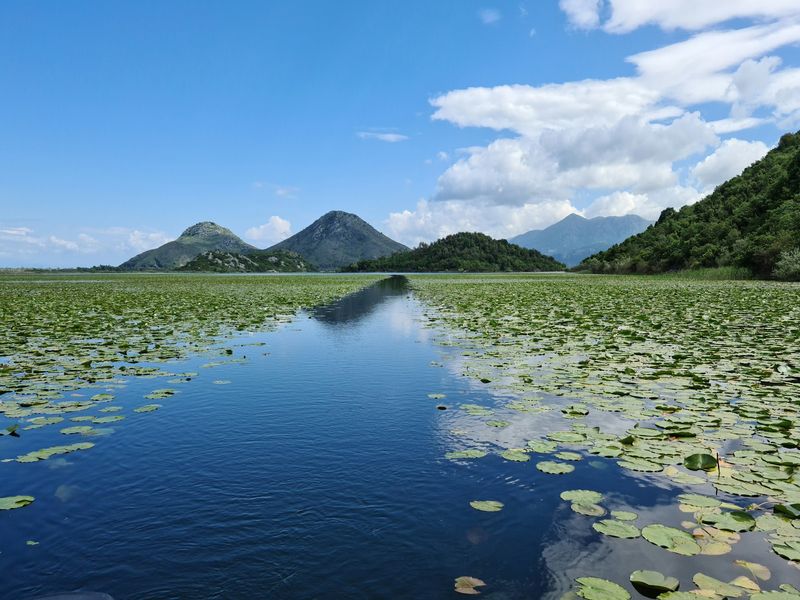
Lake Skadar is the kind of place that looks different every time the light changes, and that is part of what makes it so addictive. Shared between Montenegro and Albania, it is the largest lake in the Balkans and one of the most important wetland habitats in Europe.
Montenegro protects its share as a national park, and the landscape of calm water, floating water lilies, wooded hills, and small island monasteries feels genuinely unlike anywhere else in the country.
The town of Virpazar is the most popular starting point for boat trips across the lake, and local fishermen often offer rides through channels thick with vegetation. The surrounding hills also produce some of Montenegro’s best wine, so the lake region combines natural beauty with an excuse to visit a winery.
Pelicans, cormorants, herons, and dozens of other bird species make the wetlands a serious destination for wildlife watchers.
Heading toward Rijeka Crnojevica from the lake area passes some of the most scenic road views in Montenegro, with winding waterways and green floodplains spread out below. Medieval fortresses, old stone bridges, and small fishing villages dot the shoreline and add layers of history to what is already a visually rich landscape.
Lake Skadar consistently surprises visitors who expected Montenegro to be all about the coast.
Rijeka Crnojevica
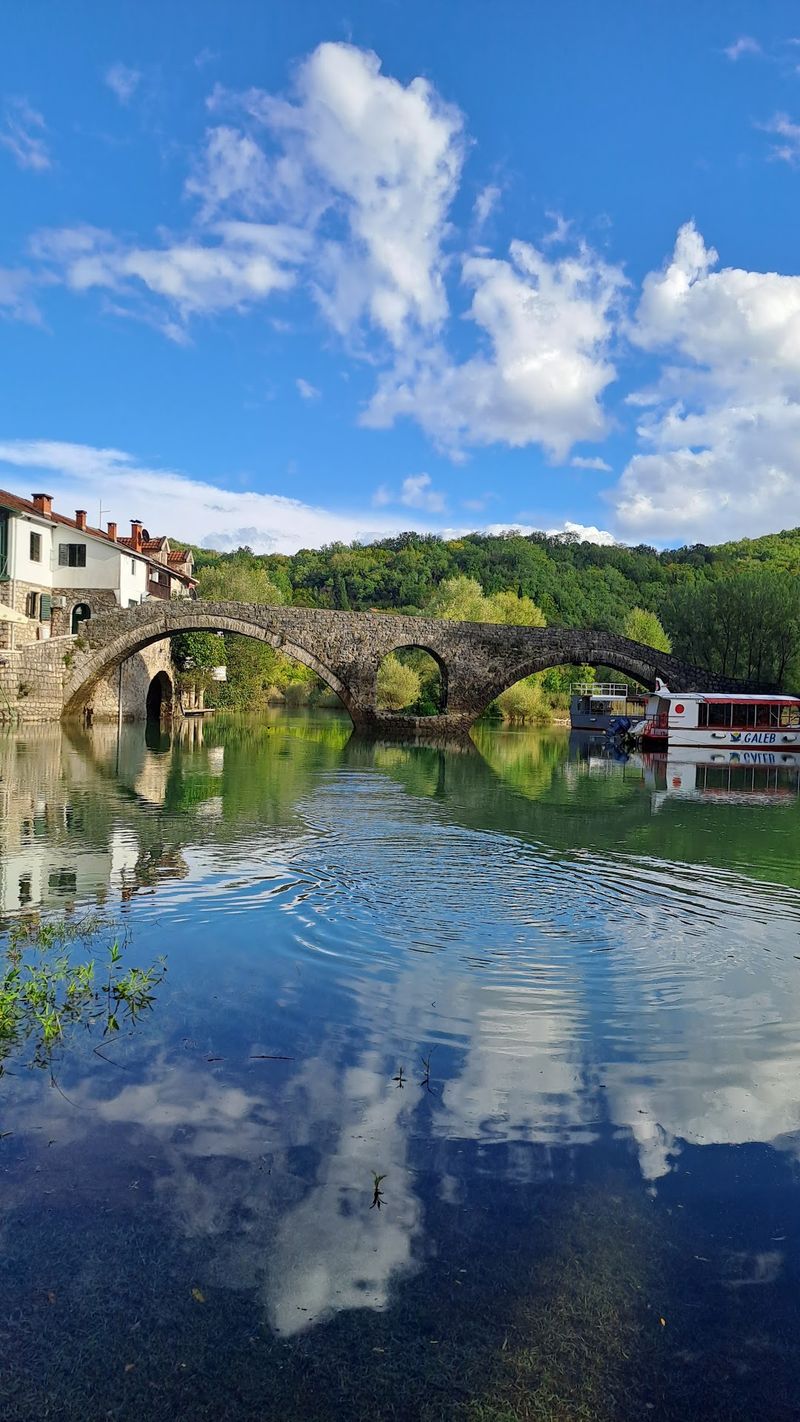
Rijeka Crnojevica is a blink-and-you-miss-it kind of village, but those who stop discover one of Montenegro’s most quietly charming inland scenes. Tucked beside a river that curls gracefully through the Lake Skadar landscape, this tiny historic settlement was once an important regional trading and transport hub.
Today it feels a world away from that busy past, with just a handful of stone buildings, a historic bridge, and a pace of life that seems borrowed from another century.
The old stone arch bridge is the centerpiece of the village and has appeared in Montenegro tourism photography so often that it has become something of an unofficial symbol for the lake region. Rustic stone mills, small waterfalls, and nearby caves add to the appeal for visitors who enjoy exploring on foot.
The surrounding area is lush and green for much of the year, which makes the river reflections particularly striking in spring and early summer.
The Pavlova Strana viewpoint above the village is the real showstopper. From there, one of Montenegro’s most dramatic river meanders unfolds below, with the winding waterway looping through green landscape toward the lake.
The drive from Rijeka Crnojevica toward Cetinje also passes several elevated viewpoints that frame the lake and surrounding hills in spectacular fashion.
Biogradska Gora National Park
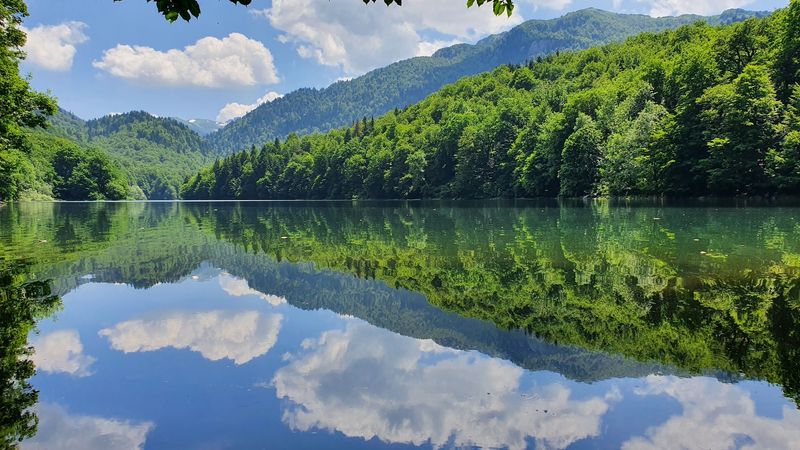
Walking into Biogradska Gora feels like stepping through a door that leads back five centuries. This national park in the Bjelasica Mountains protects one of the last major old-growth forest reserves in all of Europe, and the trees here are not just tall, they are ancient.
Some of the forest giants are estimated to be up to 500 years old, with trunks that dwarf anything you would find in an ordinary woodland and canopies that block out the sky in the most satisfying way.
The park covers around 5,650 hectares and sits roughly 20 kilometers from the town of Kolasin. Lake Biograd occupies the most visited section of the park, with a gentle trail looping around its forested shoreline and offering easy access to the old-growth atmosphere without requiring any serious hiking fitness.
The lake water is clear and cold, fed by mountain streams running down through the ancient forest.
Higher areas of the park open into mountain pastures and reveal additional glacial lakes for those willing to put in more effort. The contrast between the dense, dark forest at lower elevations and the open alpine scenery above makes Biogradska Gora feel like two parks in one.
Compared to Montenegro’s drier southern landscapes, the deep green of this park feels almost lush and otherworldly.
Lovcen National Park
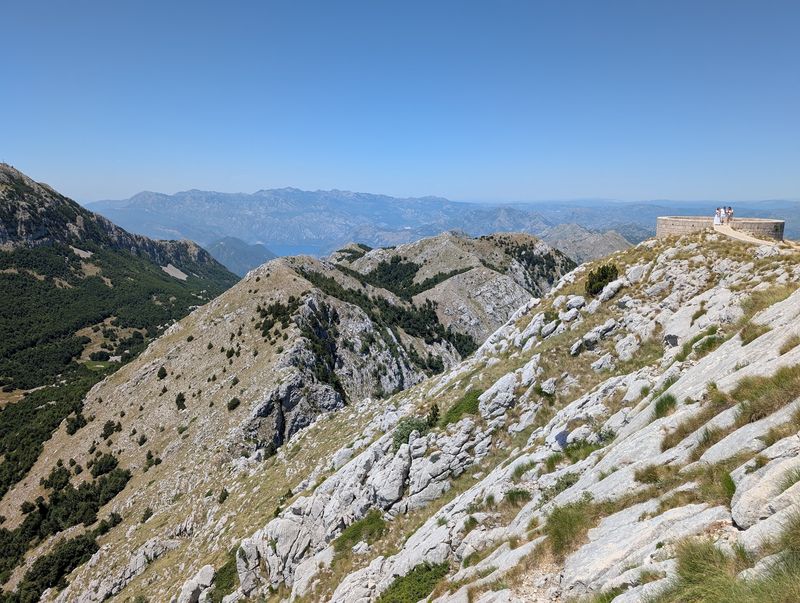
Lovcen is not just a mountain. For Montenegrins, it is practically a founding myth given physical form.
Rising directly above the Bay of Kotor, this compact but striking national park combines bare limestone ridges, patches of forest, and traditional villages with views that stretch from the Adriatic coast deep into the Montenegrin interior. The mountain has been central to Montenegrin identity for centuries, and that sense of national pride is almost palpable when you reach the top.
The park’s most celebrated landmark is the mausoleum of Petar II Petrovic-Njegos, the 19th-century ruler, poet, and bishop who remains one of the most revered figures in Montenegrin history and culture. Reaching the mausoleum involves climbing a staircase of nearly 500 steps carved into the mountain, and the views from the terrace at the top are among the finest in the entire country.
On clear days, the panorama takes in the bay, the coast, and ranges stretching far into the distance.
The village of Njegusis sits within the park and preserves a traditional way of life that has defined the region for generations. Local smoked ham and aged cheese produced here have a reputation that extends well beyond Montenegro’s borders.
Lovcen makes an easy and rewarding half-day trip from Kotor for anyone who wants mountain scenery alongside their coastal itinerary.
Cetinje
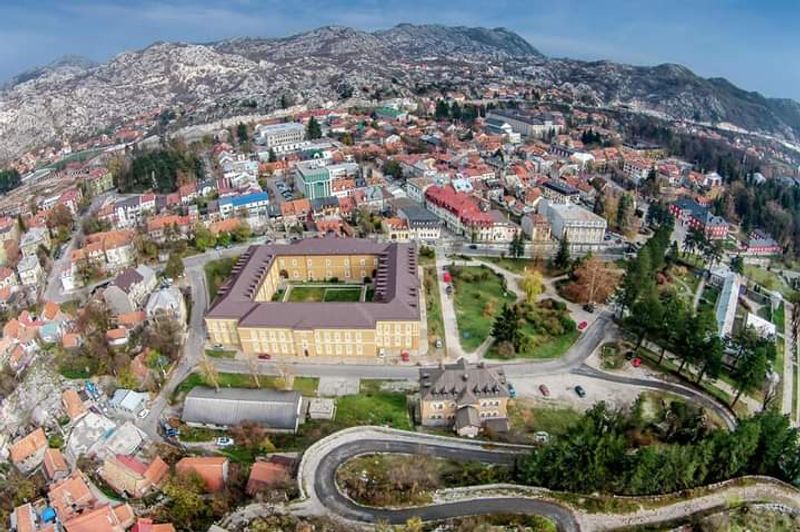
Cetinje is the kind of place historians love and beach tourists tend to skip, which means those who do visit often get it almost entirely to themselves. The former royal capital of Montenegro sits in a valley beneath Mount Lovcen and still carries the physical evidence of a time when this small mountain town was an independent European state with its own diplomatic corps.
Former embassies, royal residences, government buildings, and monasteries line streets that feel unusually grand for a town of this size.
UNESCO has placed the Historic Core of Cetinje on Montenegro’s tentative World Heritage list, recognizing its value as a preserved political and cultural center. The National Museum of Montenegro occupies several of the historic buildings and covers everything from natural history to fine art to the story of Montenegrin statehood.
Cetinje Monastery, one of the most important religious sites in the country, also sits within the historic core and houses significant religious relics.
The town has a quieter, more residential atmosphere than the coastal resorts, which gives it a refreshingly authentic feel. Locals go about their daily lives amid buildings that would be major attractions in many other European countries.
Visiting Cetinje before heading up into Lovcen National Park pairs two very different but complementary sides of Montenegrin heritage in a single efficient day trip.
Ostrog Monastery
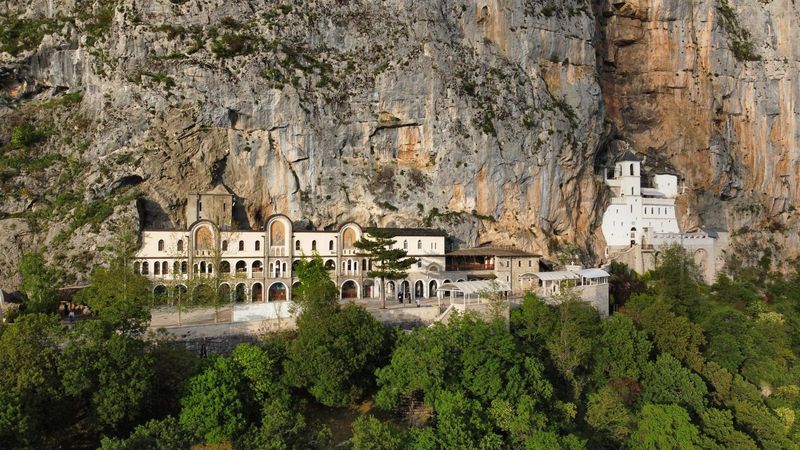
Some buildings impress you with their size. Ostrog Monastery impresses you by defying the very idea of where a building should be allowed to exist.
The upper monastery appears to grow directly out of a near-vertical limestone cliff high above the Zeta Valley, its white-painted facades so flush with the rock face that the structure looks less like something that was built and more like something that was revealed. Seeing it for the first time, even in photographs, tends to produce an involuntary double take.
Founded in the 17th century by Metropolitan Vasilije of Ostrog, the monastery quickly became one of the most important Orthodox pilgrimage sites in the Balkans. Pilgrims from Catholic, Muslim, and Orthodox backgrounds continue to visit, drawn by faith in the intercession of St. Basil of Ostrog.
The site is especially busy around feast days, when long lines of pilgrims wind up the mountain road through the night.
Unlike many historic religious sites that have been converted primarily into tourist attractions, Ostrog remains a fully active monastery with monks in residence. That living religious character gives it an atmosphere that is harder to find in preserved historic churches elsewhere.
The lower monastery and surrounding landscape are also worth exploring before making the final approach to the cliff-face complex above.
Prokletije National Park
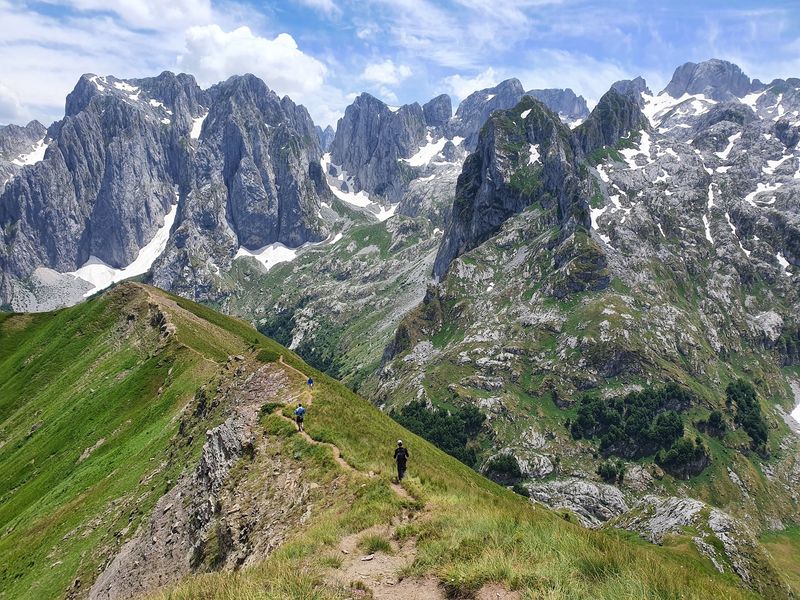
Prokletije is Montenegro’s wild card, the national park that most visitors have never heard of and serious hikers cannot stop talking about. Occupying the country’s rugged southeastern corner along the borders with Albania and Kosovo, this section of the Dinaric Alps is characterized by jagged limestone peaks, deep glacial valleys, mountain lakes, and traditional highland villages that look like they belong to a much earlier era.
The landscape here is as raw and unfiltered as it gets in the Balkans.
The Grebaje and Ropojana valleys are the most popular starting points for hiking, with ridgelines rising sharply on both sides and trails that quickly leave the crowds behind. Peak Zla Kolata, shared with Albania, is the highest point in Montenegro at 2,534 meters and a serious objective for experienced mountain walkers.
The scenery along the approaches is reward enough even for those who do not make the summit.
Compared with Durmitor, Prokletije feels noticeably more remote and less developed, which is precisely why it attracts a certain type of traveler. Infrastructure is limited, which means preparation matters more here than in the country’s more established parks.
Those who arrive ready for genuine wilderness hiking tend to leave with some of their best Montenegro memories, and a strong desire to come back.
Budva Old Town
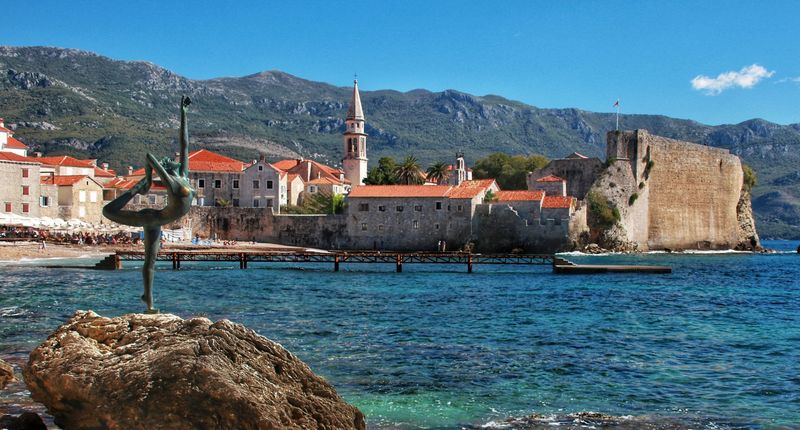
Budva has a split personality, and the gap between its two sides could not be more entertaining to observe. Step outside the ancient walls and you find one of the Adriatic’s busiest summer resort strips, packed with beach clubs, hotels, and nightlife.
Step inside those same walls and you enter a compact historic town with more than 2,500 years of layered history, where narrow stone lanes twist between churches, small squares, and buildings that have watched empires come and go.
Greek, Roman, medieval, Venetian, and later influences have all left their mark on the old town, and the mix gives it a character that feels genuinely complex rather than theme-park historic. The citadel at the far end of the peninsula provides broad views over the Adriatic and back toward the modern city sprawling along the coast.
Several small museums within the walls cover the archaeological finds and maritime history that explain how Budva became such an important Adriatic settlement.
Timing your visit makes an enormous difference here. In peak summer the old town lanes can become genuinely difficult to navigate comfortably, but arriving early in the morning or visiting outside July and August reveals a much more pleasant experience.
The surrounding beaches are beautiful, and the evening atmosphere inside the walls, with cafes spilling onto stone squares, has a charm that the resort hotels nearby simply cannot replicate.
Sveti Stefan
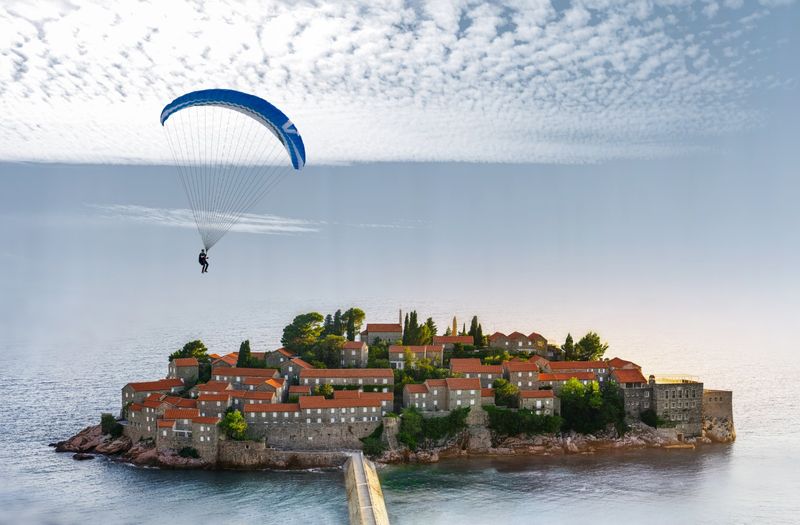
Sveti Stefan is Montenegro’s most photographed postcard, and the view from the hillside above the coast explains exactly why. The fortified island settlement sits just offshore, connected to the mainland by a slender sandy causeway, with stone houses stacked so tightly together that the whole island looks like a single architectural organism rising from the sea.
The beaches on either side of the causeway frame the scene so perfectly that it feels almost theatrical.
The settlement grew from a fortified fishing community and later became internationally famous after its transformation into an exclusive hotel complex during the Yugoslav era. It attracted celebrities and heads of state during that period, and that glamorous reputation has stuck around long after the political context that created it disappeared.
Access to the island interior has varied depending on hotel operations in recent years, so checking current conditions before visiting is genuinely worth doing rather than assuming the gates will be open.
Even when access is restricted, the public beaches around the causeway and the viewpoints on the hillside above provide the classic panorama that has made Sveti Stefan so recognizable. The surrounding coastline is among the most scenic on the Montenegrin Riviera, with further beaches and villages worth exploring nearby.
Sveti Stefan works best as part of a broader coastal drive rather than a standalone destination.
Old Bar (Stari Bar)
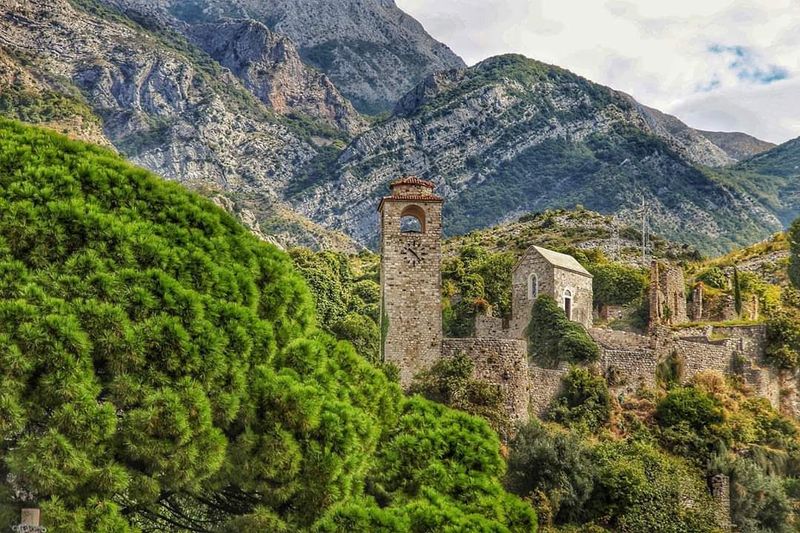
Stari Bar plays by completely different rules from every other historic town on the Montenegrin coast. Rather than sitting prettily beside the sea, the old fortified settlement climbs a hillside inland beneath Mount Rumija, surrounded by olive groves and a landscape that feels more southern Mediterranean than Adriatic resort.
The result is a historic site with genuine atmosphere and very few crowds, even during the peak summer months when the coast nearby is overrun.
Layers of medieval, Venetian, and Ottoman-era architecture fill the fortified area, including walls, churches, mosques, houses, gates, and an old aqueduct that still stands in impressive sections. Earthquakes and periods of conflict contributed to the abandonment and damage that left much of the settlement in ruins, but conservation work has preserved enough to make exploration deeply rewarding.
UNESCO has included the Old Town of Bar on Montenegro’s tentative World Heritage list in recognition of its historical significance.
The surrounding olive-growing villages add another dimension to a visit here. An ancient olive tree in the area near Stari Bar is traditionally claimed to be over two millennia old, which would make it one of the oldest living trees in Europe.
Whether or not the exact age holds up to scrutiny, the tree is genuinely enormous and extraordinary to stand beside. Stari Bar combines archaeology, mountain scenery, and everyday local life in a way that feels refreshingly unpolished.
Share this story