Planning your first international trip to Europe can feel both thrilling and a little overwhelming. With so many incredible cities to choose from, knowing where to start makes all the difference.
The good news is that some European cities are practically designed for first-timers, with easy transportation, famous landmarks, and plenty of helpful tourism resources. This list highlights 15 cities that make your first European adventure feel smooth, memorable, and genuinely fun.
Paris, France

Few cities on Earth announce themselves quite like Paris does. The Eiffel Tower is visible from multiple neighborhoods, giving first-time visitors an instant compass point the moment they step outside.
Even without a detailed plan, wandering between the Louvre, Notre-Dame, Arc de Triomphe, and Montmartre feels naturally rewarding.
The metro system is extensive, affordable, and color-coded, making it easy to hop between attractions without getting lost. High-speed trains also connect Paris to London, Brussels, and Amsterdam, so a Paris base opens up a surprising amount of Europe.
Tourism infrastructure here is genuinely impressive at every budget level.
Restaurants, cafes, guided tours, and hotels exist at virtually every price point, meaning trip planning stays flexible from start to finish. Paris can feel busy, but that energy is part of what makes it so exciting for a first visit.
Showing up without a perfect itinerary still delivers an unforgettable experience.
Rome, Italy
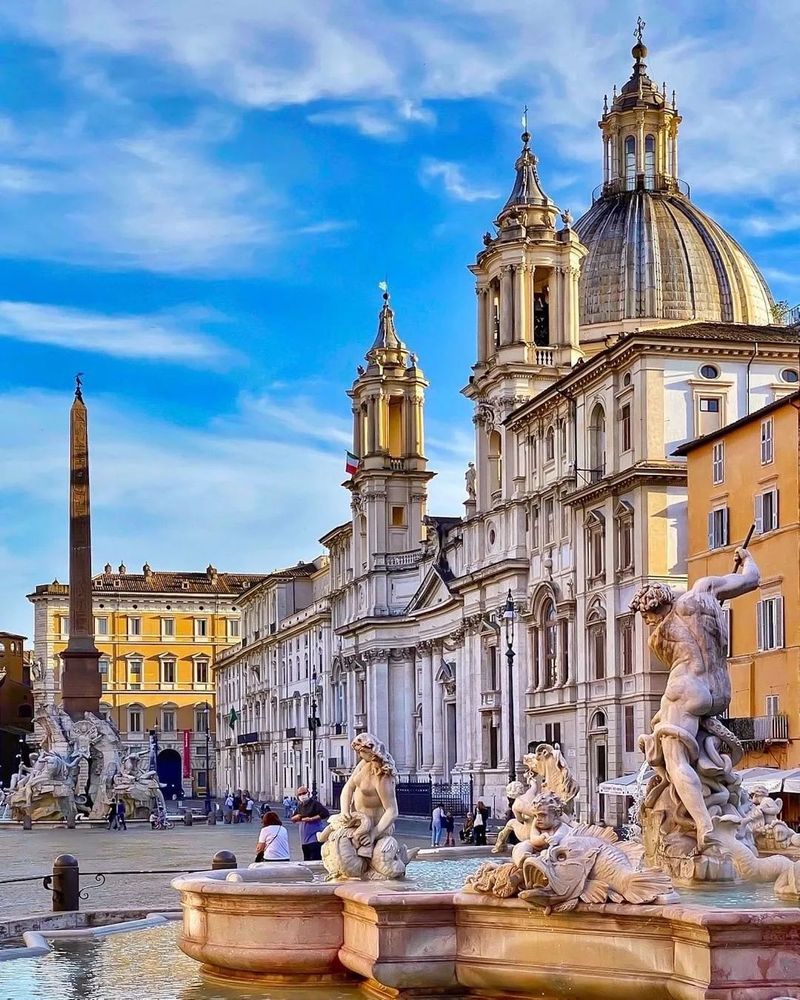
Rome is basically an open-air history museum, and that works brilliantly in favor of first-time travelers. The Colosseum, Roman Forum, and Palatine Hill tell the story of ancient Rome so vividly that background reading feels almost optional.
History surrounds every corner, making even a short walk feel genuinely educational.
The historic center is best explored on foot, with the Pantheon, Trevi Fountain, and Spanish Steps all reachable without complicated transit planning. Tossing a coin into the Trevi Fountain is a tourist cliche for good reason: it is genuinely delightful.
Metro lines and buses handle longer distances when walking is not practical.
One of Rome’s biggest advantages for newcomers is that even an imperfect itinerary delivers results. Famous piazzas, neighborhood trattorias, and centuries-old churches appear constantly, rewarding spontaneous detours.
Combine Vatican City on a separate day to avoid museum fatigue, and this ancient capital becomes one of the most satisfying first European stops imaginable.
Amsterdam, Netherlands
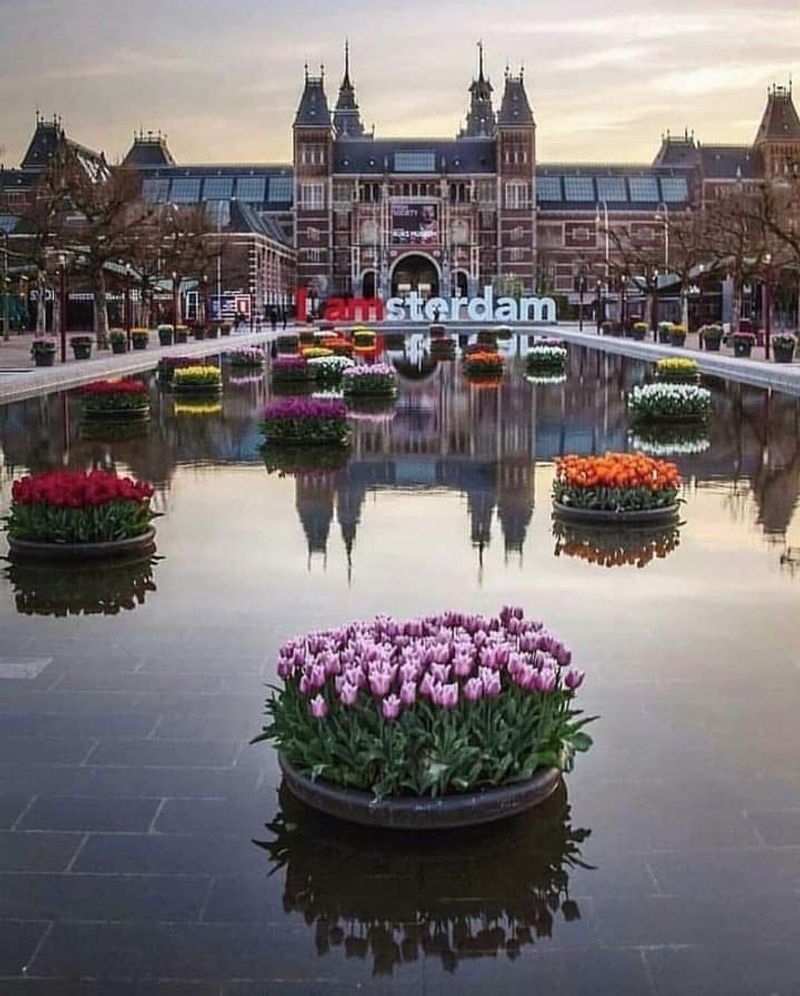
Amsterdam has a secret weapon that most travelers discover the moment they land: Schiphol Airport connects to Amsterdam Central Station by train in roughly 14 to 17 minutes. That kind of efficiency sets the tone for an entire visit.
The city rewards first-timers who simply follow the canals and see where they end up.
Trams, buses, ferries, and five metro routes cover the city thoroughly, and contactless bank cards now work on public transit through OVpay. The canal districts are compact and highly walkable once you reach the center.
Renting a bicycle is also genuinely practical here, not just a tourist novelty.
The Rijksmuseum, Van Gogh Museum, Anne Frank House, and Vondelpark all sit within a manageable area. Canal cruises give a completely different perspective on a city already beautiful from street level.
The I Amsterdam City Card bundles unlimited transport with attraction access, which simplifies budgeting considerably for anyone visiting for the first time.
Lisbon, Portugal
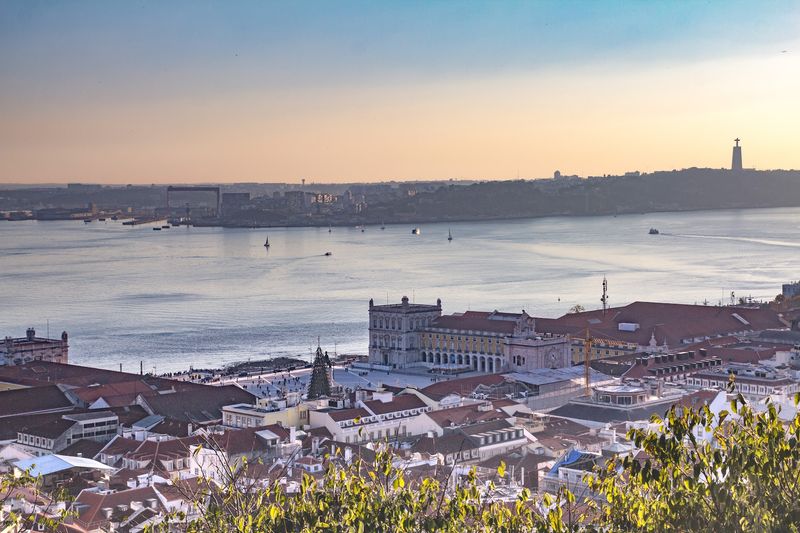
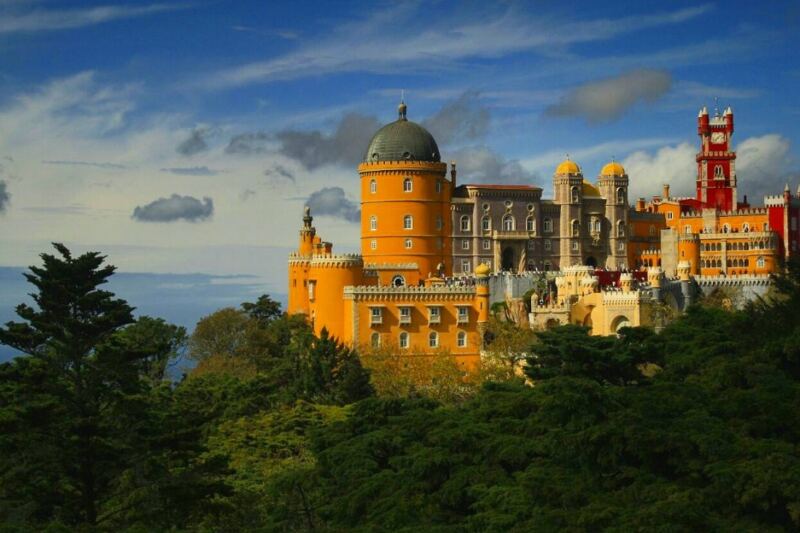
Lisbon is the kind of city that surprises people. Many first-timers arrive expecting something smaller and quieter, then spend several days completely charmed by its hills, tiled facades, and waterfront energy.
The city moves at a pace that feels relaxed without ever feeling boring.
Historic trams climb through Alfama, viewpoints called miradouros overlook the wide Tagus River, and major landmarks like Belem Tower and Jeronimos Monastery reward a half-day trip west of the center. The metro is the fastest way to travel around the city according to official tourism sources, with trams and buses covering the hillier areas in between.
Lisbon works particularly well as a base for longer stays because Sintra and Cascais are reachable by train without changing hotels. The city’s comparatively affordable prices compared to Paris or London also stretch a travel budget meaningfully.
For a first European trip, Lisbon delivers atmosphere, history, and practicality in a combination that is genuinely hard to beat.
Vienna, Austria
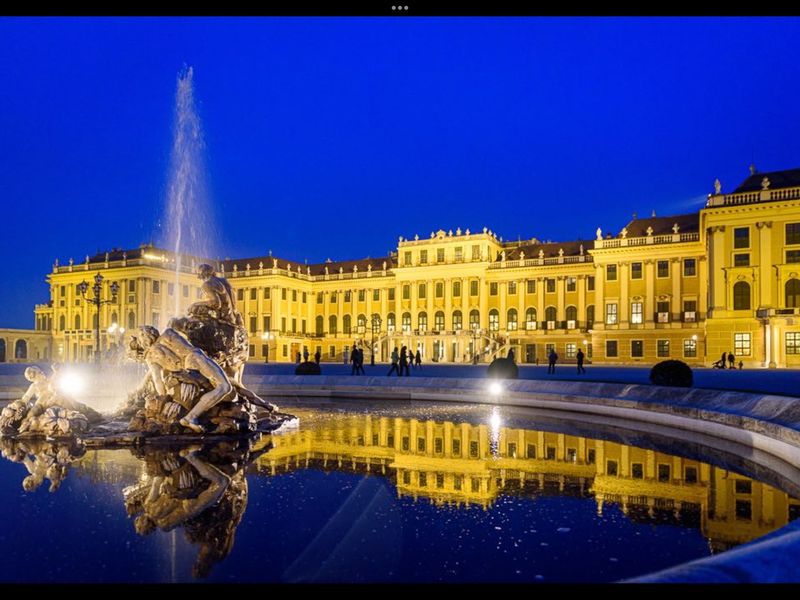
Walking into Vienna for the first time feels like stepping into a city that takes itself seriously in the best possible way. Imperial palaces, ornate concert halls, and ceremonial boulevards give the Austrian capital a grandeur that photographs cannot fully capture.
Schoenbrunn Palace alone could occupy half a day without difficulty.
The historic center is compact enough for long walking sessions between the Hofburg, St. Stephen’s Cathedral, Belvedere, and famous coffee houses. Trams and metro lines handle longer distances efficiently, making the entire city feel navigable even on day one.
Vienna’s public transport system consistently ranks among Europe’s most reliable.
An added bonus for first-time travelers is Vienna’s position as a rail hub. Direct trains connect to Budapest in about two and a half hours, Prague in about four hours, and Salzburg in less than three.
That makes Vienna an excellent starting point for a broader Central European trip. The combination of organized sightseeing, polished infrastructure, and easy onward connections makes this city one of Europe’s most manageable first-timer destinations.
Prague, Czechia
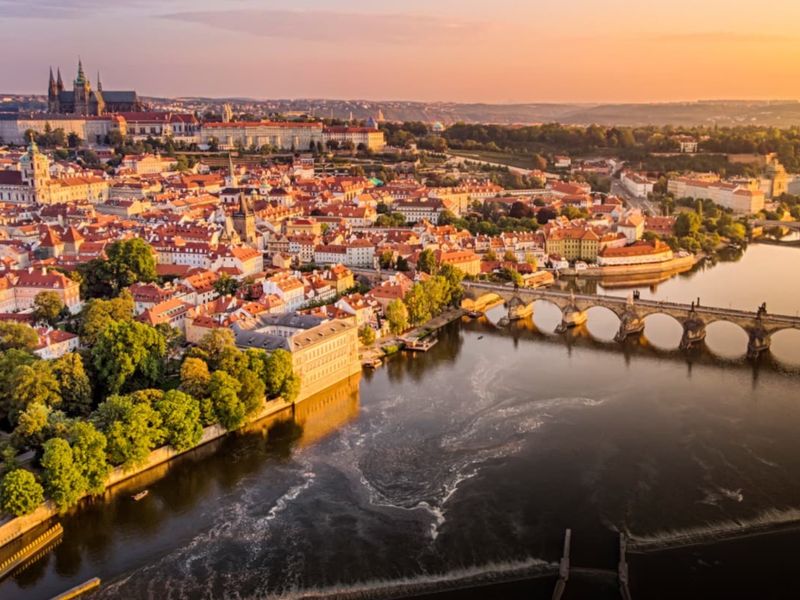
Prague has a way of stopping people mid-step. The city’s medieval skyline, Gothic towers, and cobblestone streets look almost too cinematic to be real, yet everything is genuinely walkable and straightforward once you orient yourself around the river.
Prague City Tourism officially describes the city as compact and easy to explore on foot, by tram, or by metro.
Prague Castle, Charles Bridge, Old Town Square, the famous astronomical clock, and the Jewish Quarter all sit within a manageable area of the historic center. The public transport network is rated among Europe’s most reliable, with trams running frequently and covering neighborhoods the metro does not reach.
Getting around feels stress-free almost immediately.
The Prague Visitor Pass bundles unlimited public transportation, including airport travel, with access and discounts at major attractions. That kind of all-in-one ticket simplifies logistics considerably for first-time visitors.
Prague also tends to be more affordable than Western European capitals, meaning travelers can eat well, visit multiple museums, and take day trips to nearby castles without stretching their budget uncomfortably.
Barcelona, Spain
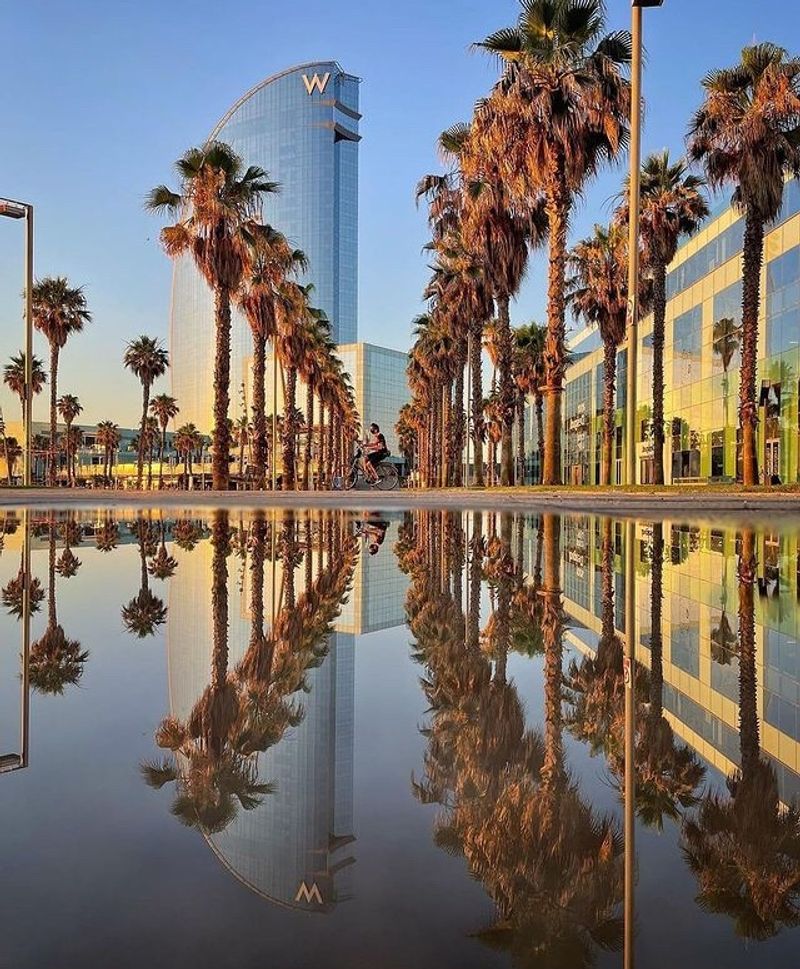
Barcelona might be the only city in Europe where you can spend the morning at a UNESCO World Heritage church, the afternoon at a beach, and the evening eating tapas in a medieval quarter. That variety is exactly why it works so well for first-time travelers who are not sure which type of experience they prefer.
Antoni Gaudi’s Sagrada Familia alone is worth the flight.
Park Guell, Casa Batllo, and La Pedrera add more architectural drama to an already visually rich city. The Gothic Quarter and La Rambla introduce an older urban fabric that contrasts nicely with Gaudi’s fantastical modernism.
Barcelona’s large metro system connects districts like Eixample, Gracia, Barceloneta, and Montjuic without requiring a rental car.
Tourism infrastructure here is robust and well-organized, with multilingual signage and plentiful guided tour options. First-time visitors can combine world-class art museums, a neighborhood market like La Boqueria, and a beachside afternoon all in the same trip.
Barcelona packs an extraordinary amount of variety into a city that remains genuinely manageable for newcomers.
Copenhagen, Denmark
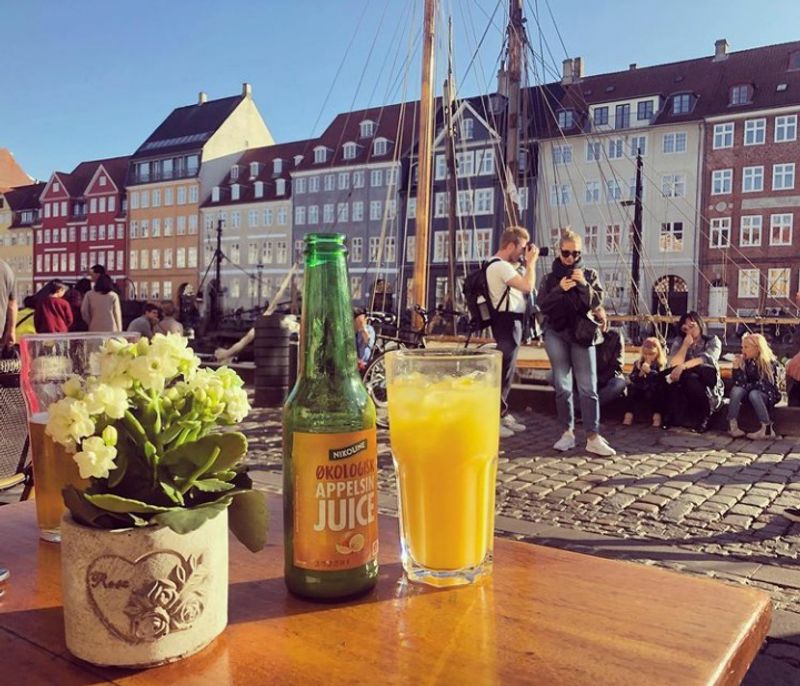
Copenhagen is the city for travelers who secretly worry about getting lost in an unfamiliar transit system. The metro runs 24 hours a day, seven days a week, and connects central neighborhoods directly with Copenhagen Airport.
That around-the-clock service removes a surprising amount of first-trip anxiety right from the moment of arrival.
Nyhavn’s colorful harbor, Amalienborg Palace, Rosenborg Castle, and Tivoli Gardens all sit within a relatively compact and walkable area. Visit Copenhagen even publishes a dedicated two-day first-timer itinerary noting that many landmarks are reachable on foot.
Bicycles are available for rent and genuinely practical on Copenhagen’s flat, bike-friendly streets.
The city has a reputation for being expensive, and that reputation is partly earned. However, many of Copenhagen’s most memorable experiences, including waterfront walks, palace views, and neighborhood exploration, cost nothing at all.
Combining free outdoor sightseeing with one or two paid museum visits keeps costs reasonable. For a first European trip, Copenhagen offers a level of organization and cleanliness that makes everything feel refreshingly easy.
Budapest, Hungary
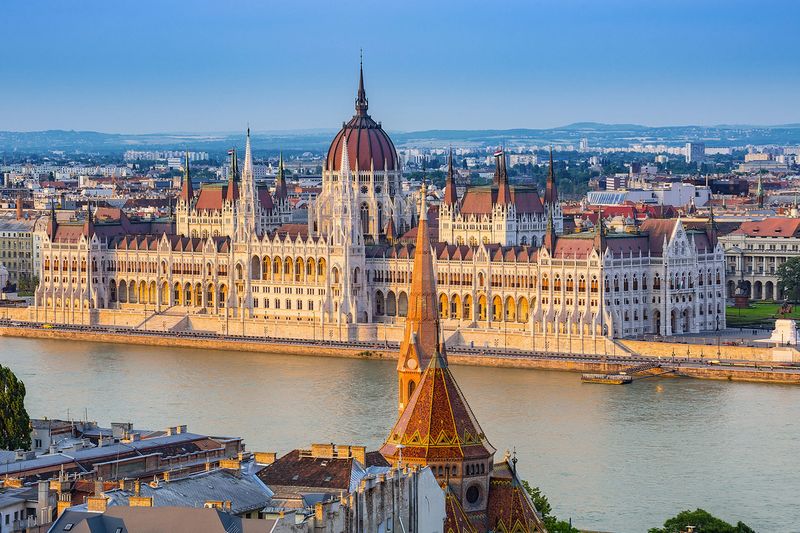
Budapest delivers one of the most dramatic first impressions of any European city, and it does so without requiring much effort from the traveler. The Danube River divides the city into two distinct halves, Buda and Pest, making the overall geography surprisingly easy to understand from the start.
Once that basic layout clicks, navigation becomes much less intimidating.
Castle Hill rises above the Buda side with the Buda Castle and Fisherman’s Bastion offering sweeping river views. On the Pest side, the Hungarian Parliament Building, St. Stephen’s Basilica, and the Great Market Hall provide a full day of exploration.
Trams running along the Danube embankment deliver some of the city’s best views completely free of charge.
Budapest’s famous thermal baths add an experience unlike anything available in most Western European capitals. Szechenyi and Gellert are the most visited, and both are easy to reach by public transit.
Prices across the city tend to be considerably lower than in Paris, Vienna, or Amsterdam, making Budapest one of Central Europe’s best-value first-time destinations for travelers watching their budget.
Dublin, Ireland
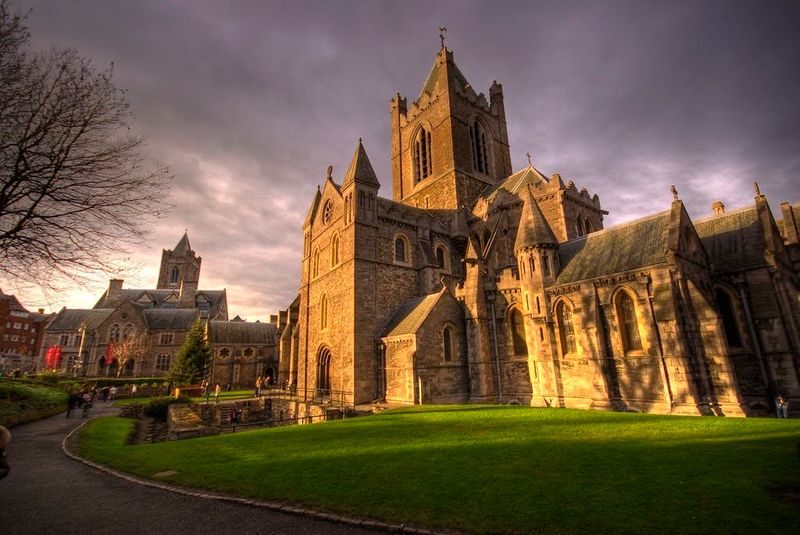
English is the everyday language in Dublin, and for many first-time international travelers, that single fact removes an enormous amount of stress. Asking for directions, reading menus, and navigating public transport all happen without a language barrier.
Visit Dublin officially describes the city as an ideal getaway because of its walkable streets, compact center, and wide variety of attractions.
Trinity College, Dublin Castle, St. Patrick’s Cathedral, and the National Museum of Ireland all sit within a manageable central area. Temple Bar provides lively pub culture and street entertainment in the evenings.
Georgian neighborhoods with their famously colorful front doors make even casual strolls feel photogenic and worthwhile.
Dublin also works well as a launching point for broader Irish exploration. Day trips to the Wicklow Mountains, Glendalough, and the coastal villages south of the city are easily organized through local tour operators.
First-time travelers who want a gentle, English-speaking introduction to European city life before tackling non-English-speaking destinations will find Dublin is practically perfect for that purpose. The warmth of locals makes every interaction feel genuinely welcoming.
Edinburgh, Scotland
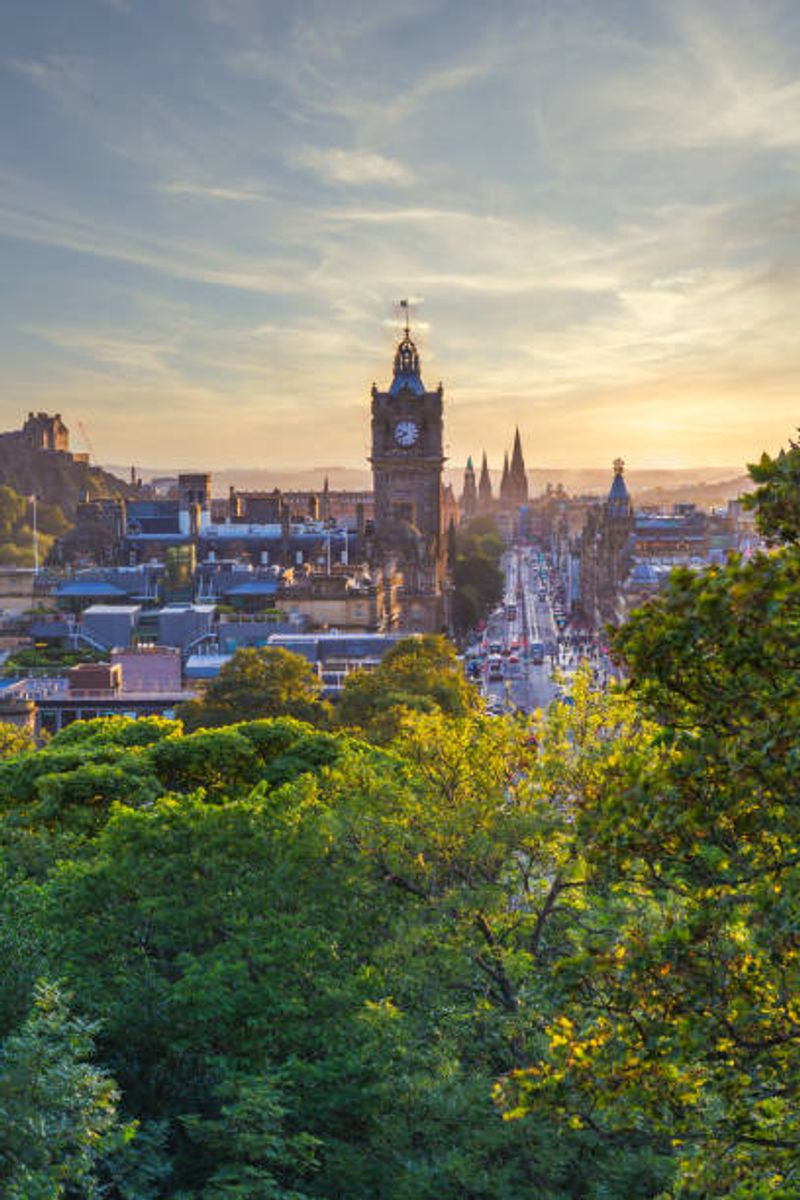
Edinburgh’s skyline looks like it was designed specifically to make a strong first impression. Edinburgh Castle sits on volcanic rock above the city, visible from almost everywhere in the center, while Gothic spires and Georgian terraces fill in the gaps below.
The official tourism authority notes that most central attractions are reachable on foot, which is genuinely true.
The Royal Mile connects the castle to the Palace of Holyroodhouse in a straight, easily walked line through the heart of the Old Town. The Georgian New Town lies just across Princes Street Gardens, making the two neighborhoods feel almost like a single extended walking tour.
Buses and trams handle longer trips when needed.
Arthur’s Seat, an ancient volcanic hill within Holyrood Park, adds an accessible outdoor option right inside the city limits. The climb takes about 45 minutes and rewards hikers with panoramic views across Edinburgh and the Firth of Forth.
English-language convenience, UNESCO World Heritage status, recognizable landmarks, and a compact layout combine to make Edinburgh one of the most comfortable and confidence-building first European cities available.
Munich, Germany
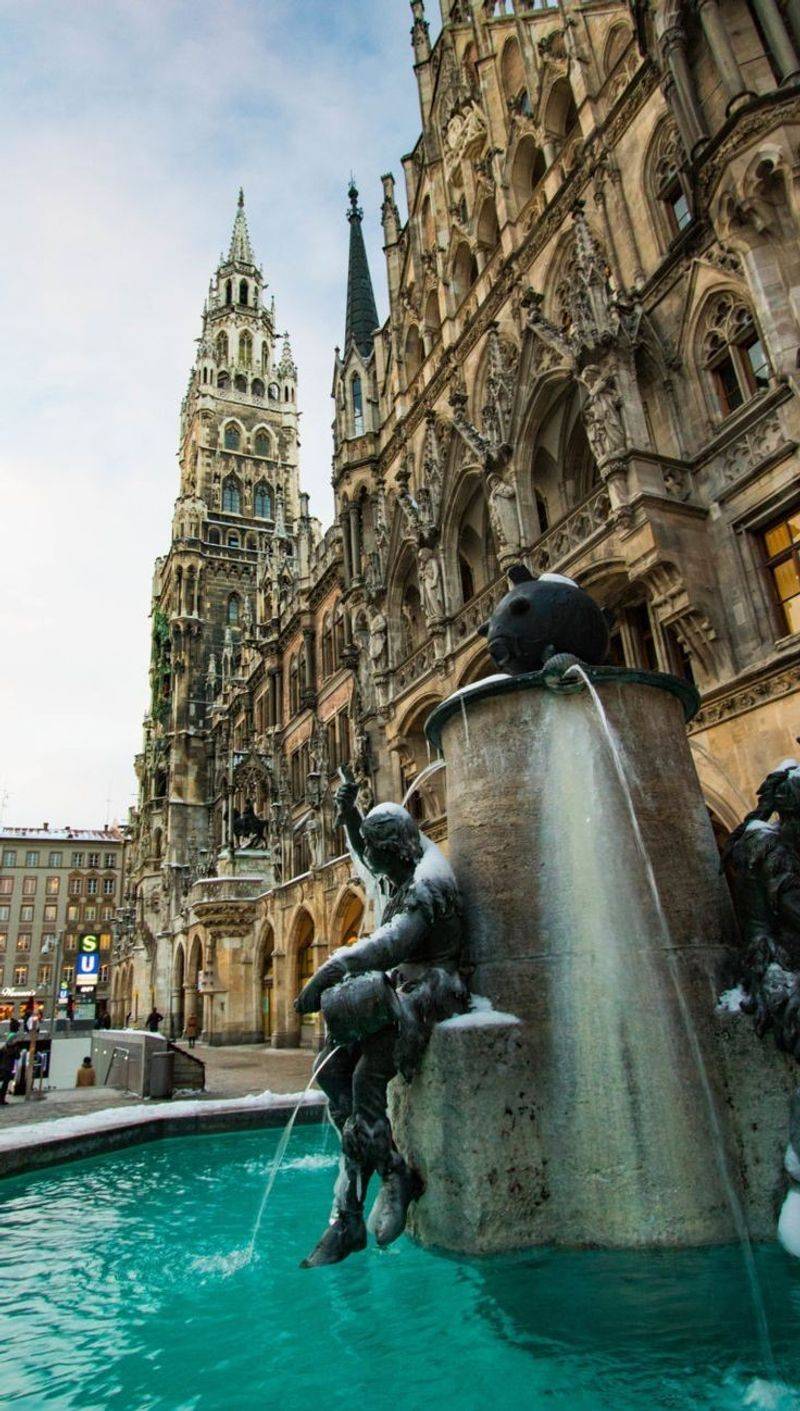
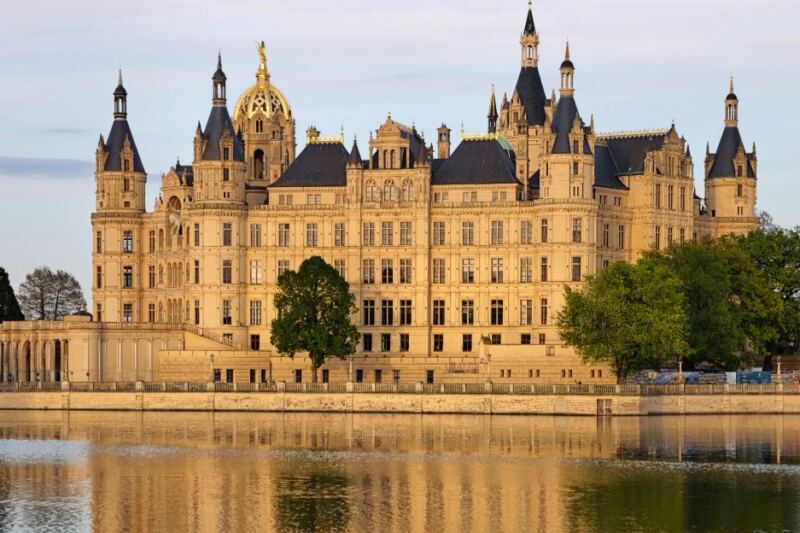
Munich manages to be simultaneously grand and approachable, which is not easy for a major European capital. Marienplatz forms a lively central hub surrounded by the New Town Hall, outdoor cafes, and pedestrian shopping streets.
From there, famous beer halls, the Residenz palace, the Frauenkirche, and the Viktualienmarkt are all within comfortable walking distance.
The U-Bahn, S-Bahn, trams, and buses form an integrated public transit network that makes getting around the city genuinely simple. Airport transfers via S-Bahn are straightforward, affordable, and run regularly throughout the day.
Munich’s main railway station is also one of Germany’s busiest, with fast connections to Austria, Switzerland, and other German cities.
Day trips from Munich are among the best in Europe. Neuschwanstein Castle, the Bavarian Alps, and the lakeside town of Garmisch-Partenkirchen are all reachable without a car.
First-time travelers who want a well-organized German city with excellent transport links, famous attractions, and easy access to spectacular countryside will find Munich consistently exceeds expectations. It is one of those rare cities that works beautifully for short visits and longer stays alike.
Athens, Greece
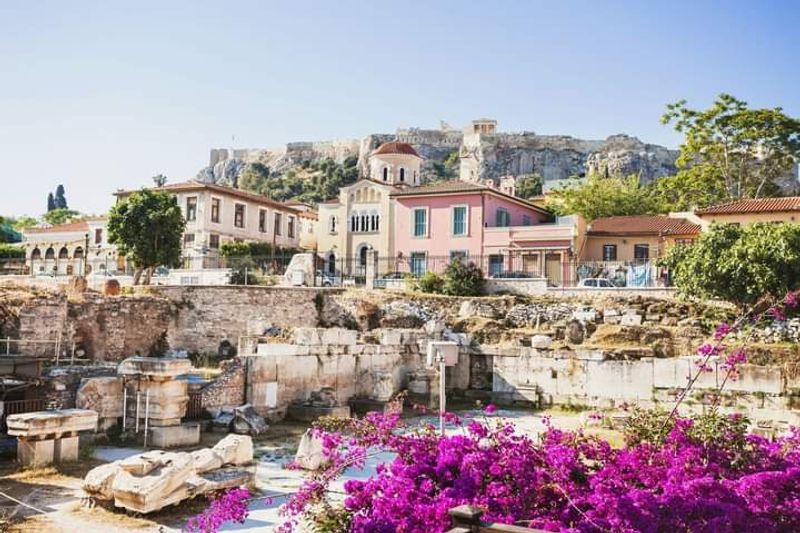
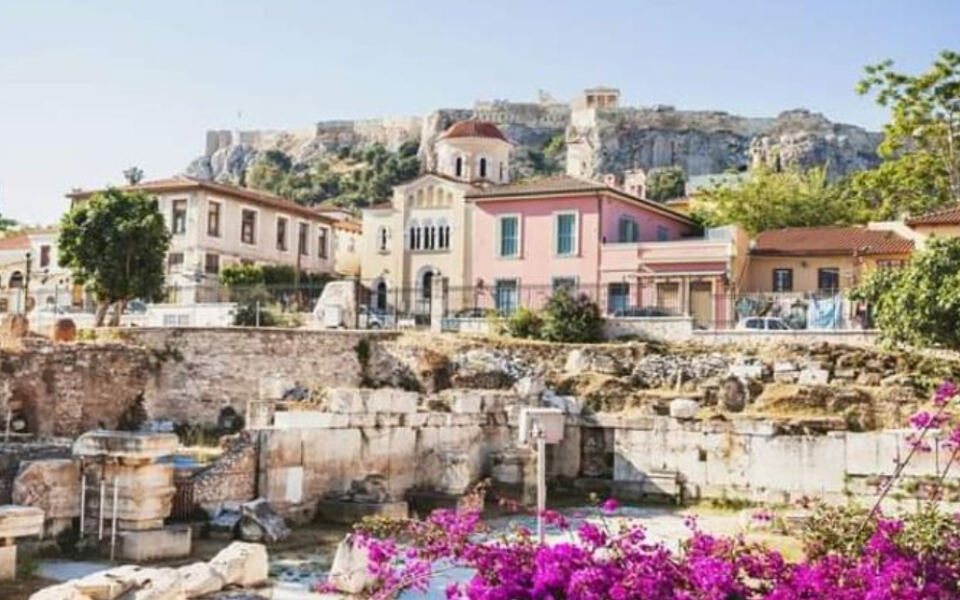
Standing beneath the Acropolis for the first time is one of those travel experiences that genuinely lives up to the hype. The Parthenon has been standing for roughly 2,500 years, and seeing it in person makes that timeline feel suddenly real in a way no photograph quite manages.
Athens delivers ancient history at a scale and quality found almost nowhere else on the planet.
The Acropolis Museum, Ancient Agora, Roman Agora, and the lively neighborhoods of Plaka and Monastiraki all cluster around the historic hill, making central Athens surprisingly manageable on foot. Metro lines handle longer distances and airport transfers efficiently.
Signage throughout the transit system is available in both Greek and English, reducing navigation anxiety for first-time visitors.
Athens also works beautifully as the starting point for a broader Greek adventure. Ferries from Piraeus connect to dozens of islands, while domestic flights reach mainland destinations quickly.
The combination of world-class ancient history, a lively modern city, affordable food and accommodation, and easy island connections makes Athens one of Europe’s most rewarding first international stops. Warm weather for much of the year is a bonus.
Krakow, Poland
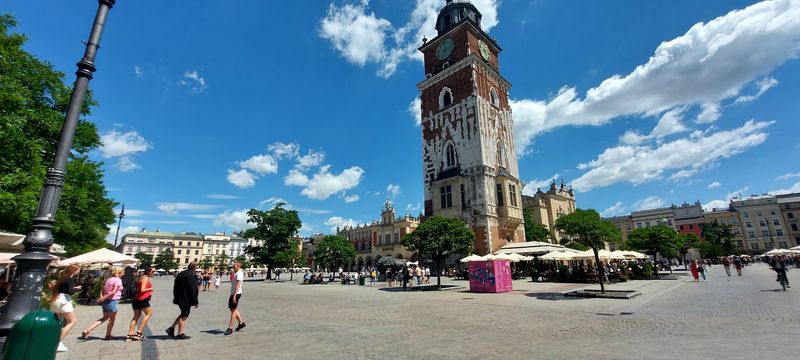
Krakow is one of those rare European cities that managed to survive World War II largely intact, which means its medieval architecture is the real thing and not a postwar reconstruction. The Main Market Square is one of the largest medieval squares in Europe, and sitting at a cafe there with a view of St. Mary’s Basilica feels genuinely historic.
Few cities offer that kind of authentic atmosphere so effortlessly.
Wawel Castle sits above the Vistula River just a short walk from the square, and the historic Jewish district of Kazimierz adds a third distinctive neighborhood within easy reach. Trams make longer journeys straightforward, while the compact layout means most central sights are reachable on foot.
First-time visitors spend less time managing logistics and more time actually exploring.
Organized day trips to Wieliczka Salt Mine and Auschwitz-Birkenau are widely available and important for understanding Central European history. Krakow also tends to be very affordable compared to Western European cities, stretching travel budgets noticeably further.
For a short introductory European trip that combines genuine history, walkable neighborhoods, and easy day excursions, Krakow is one of the most practical and rewarding choices on this list.
Florence, Italy
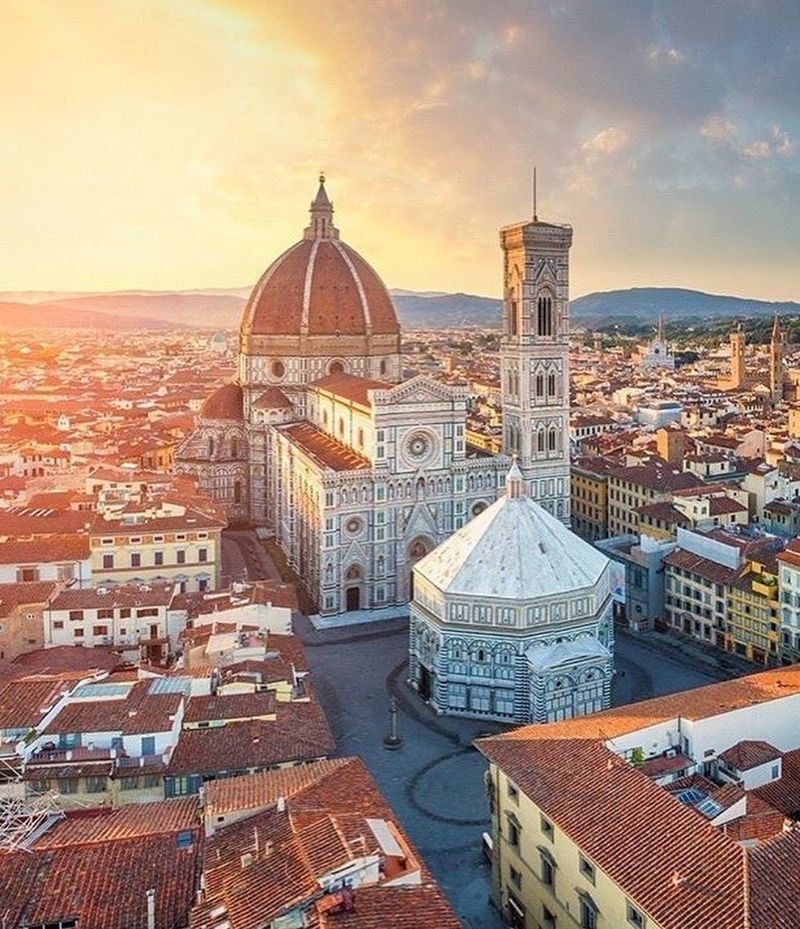
Florence makes a compelling argument for being the single greatest concentration of Renaissance art and architecture on Earth, and it does all of this within a historic center compact enough to walk across in about 20 minutes. That walkability is genuinely significant for first-time international travelers who have not yet mastered an unfamiliar transit system.
Arriving and immediately exploring on foot removes one of travel’s biggest early stressors.
The Duomo, Uffizi Gallery, Ponte Vecchio, Palazzo Vecchio, Accademia, and Santa Croce are all reachable without a metro ride. Works by Michelangelo, Botticelli, and Brunelleschi appear throughout the city in churches, museums, and public squares.
Florence essentially teaches Renaissance history through the experience of simply walking around.
Train connections from Florence are excellent, making it easy to add Rome in about an hour and a half, Venice in about two hours, or Pisa in under an hour. That central position within Italy’s rail network turns Florence into a natural hub for a broader Italian trip.
For first-time travelers who want world-class art, beautiful architecture, great food, and a city small enough to feel manageable, Florence is close to perfect.
Share this story