Northern Spain is the kind of place that makes you rethink everything you thought you knew about the country. Forget the dry heat and crowded beaches of the south – up here, misty green mountains tumble toward wild Atlantic shores, medieval cities glow with centuries of history, and the food scene is so good it almost feels unfair.
From the Basque Country to Galicia, this region packs in UNESCO World Heritage sites, dramatic coastlines, and some of Europe’s most exciting flavors all in one road trip. Whether you are a history lover, a nature fan, or simply someone who really appreciates a good meal, northern Spain has something that will stop you in your tracks.
San Sebastian, Basque Country
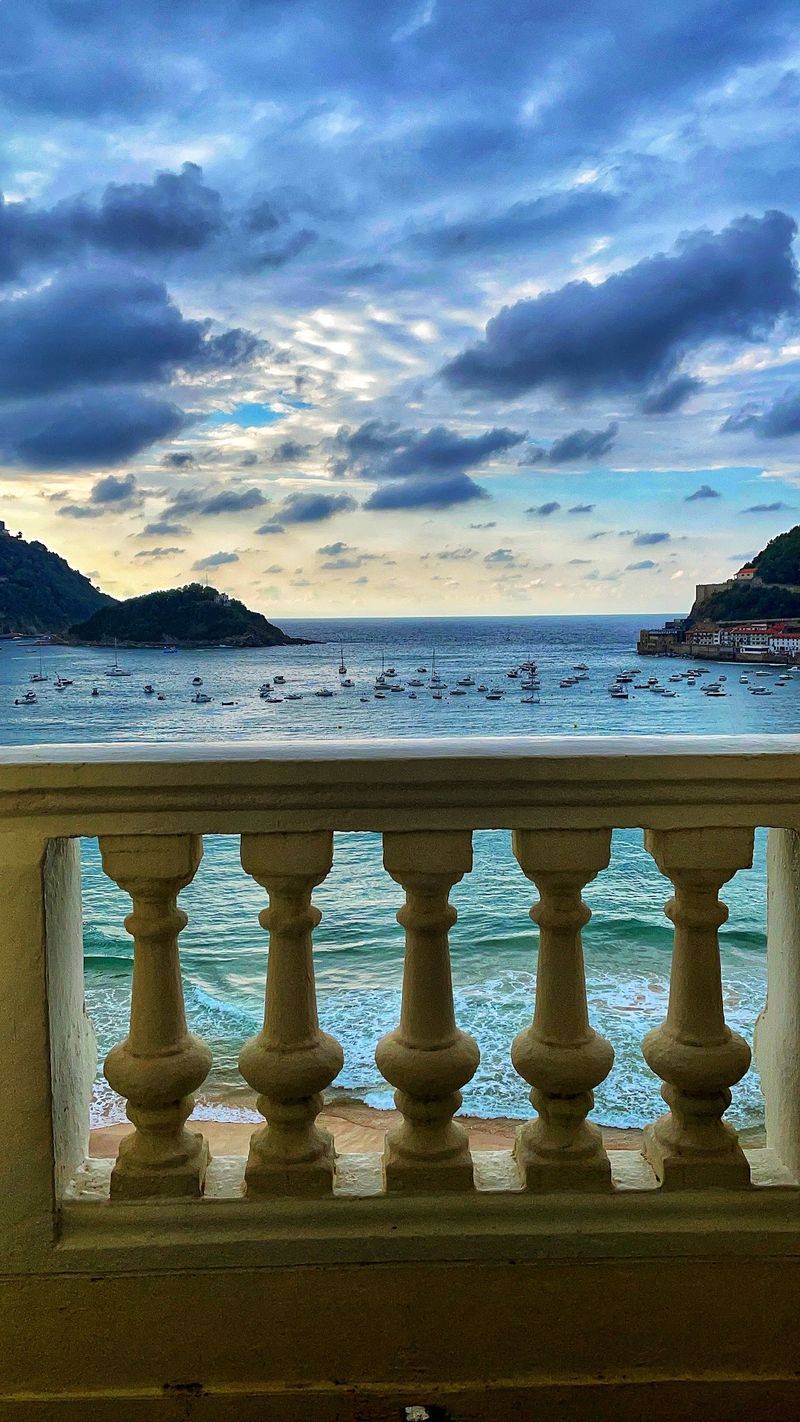
Honestly, La Concha Bay might be one of the most jaw-dropping urban beaches anywhere in Europe. San Sebastian wraps around it like a postcard that forgot to stop being real, with golden sand, elegant old buildings, and green hills framing every view.
Walking the waterfront promenade here feels less like sightseeing and more like living inside a travel magazine.
The Parte Vieja, or old town, is where the real magic happens after sunset. Tiny pintxos bars pack shoulder to shoulder along narrow streets, each one stacking little bites of flavor on the counter.
Locals hop from bar to bar, grabbing a pintxo and a small glass of wine before moving on – a ritual that visitors pick up surprisingly fast.
The sculptural Peine del Viento, Eduardo Chillida’s famous iron combs set into the rocks at the far end of the bay, adds a cultural punch to all that natural beauty. San Sebastian also hosts an internationally respected film festival each September.
For a city this size, the combination of scenery, food, and culture is genuinely hard to beat anywhere on the continent.
San Juan de Gaztelugatxe, Basque Country
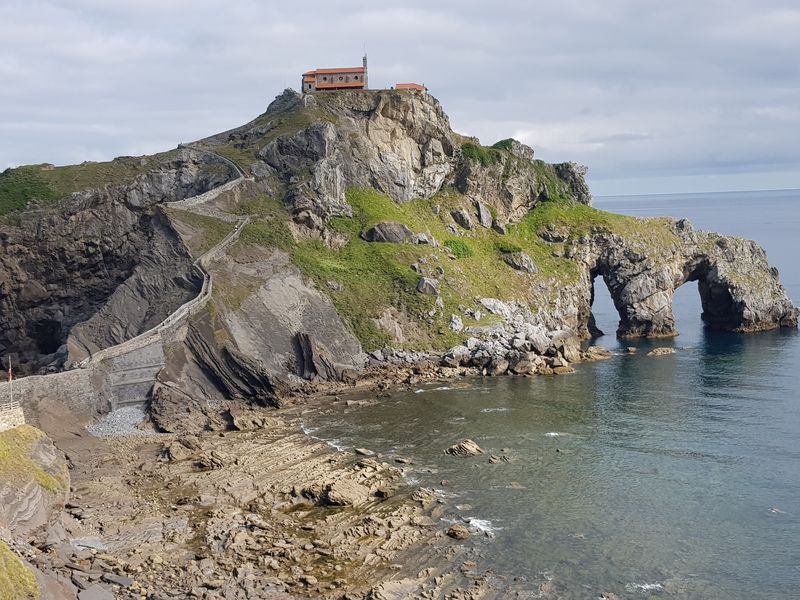
Few places in Spain make your heart race before you even arrive, but the moment you spot Gaztelugatxe from above, the view practically grabs you by the collar. A narrow stone pathway zigzags across a rocky islet jutting into the Cantabrian Sea, leading up to a tiny hermitage perched at the top like it has been daring the ocean for centuries.
The staircase has 241 steps, and yes, people count them.
Game of Thrones fans will recognize it instantly – it served as Dragonstone in the series, which sent visitor numbers soaring. But the location was breathtaking long before any camera crew showed up.
The surrounding cliffs, crashing waves, and endless sea views make it feel genuinely dramatic rather than just photogenic.
The nearby fishing town of Bermeo is worth combining with a visit, as is Mundaka, famous among surfers for one of Europe’s best left-hand waves. The Urdaibai Biosphere Reserve stretches across the surrounding area, protecting estuaries and wetlands rich with birdlife.
Ring the hermitage bell three times when you arrive – local tradition says it brings good luck, and after climbing all those steps, you have definitely earned it.
Bilbao, Basque Country
Not many cities can pull off a complete reinvention and come out looking this cool. Bilbao spent most of the 20th century as a gritty industrial port, then Frank Gehry’s titanium-clad Guggenheim Museum opened in 1997 and changed everything.
The building alone is worth the trip – it shimmers differently depending on the light and somehow manages to look both futuristic and perfectly at home beside the river.
What makes Bilbao genuinely special, though, is that the old city never disappeared. The Casco Viejo still has its narrow lanes, lively markets, and pintxos bars doing exactly what they have always done.
The Mercado de la Ribera, a gorgeous Art Deco market hall on the riverbank, is one of the best places in the city to eat well without spending much.
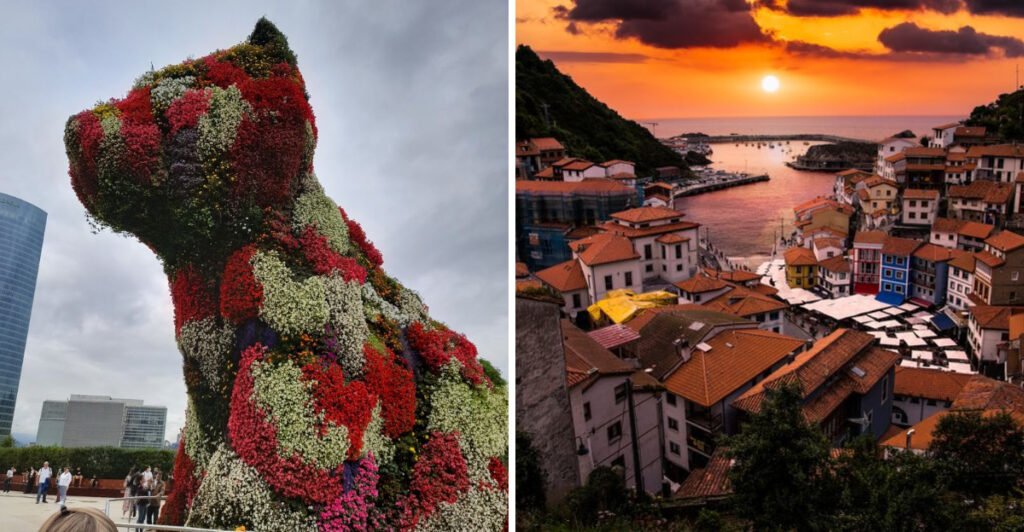
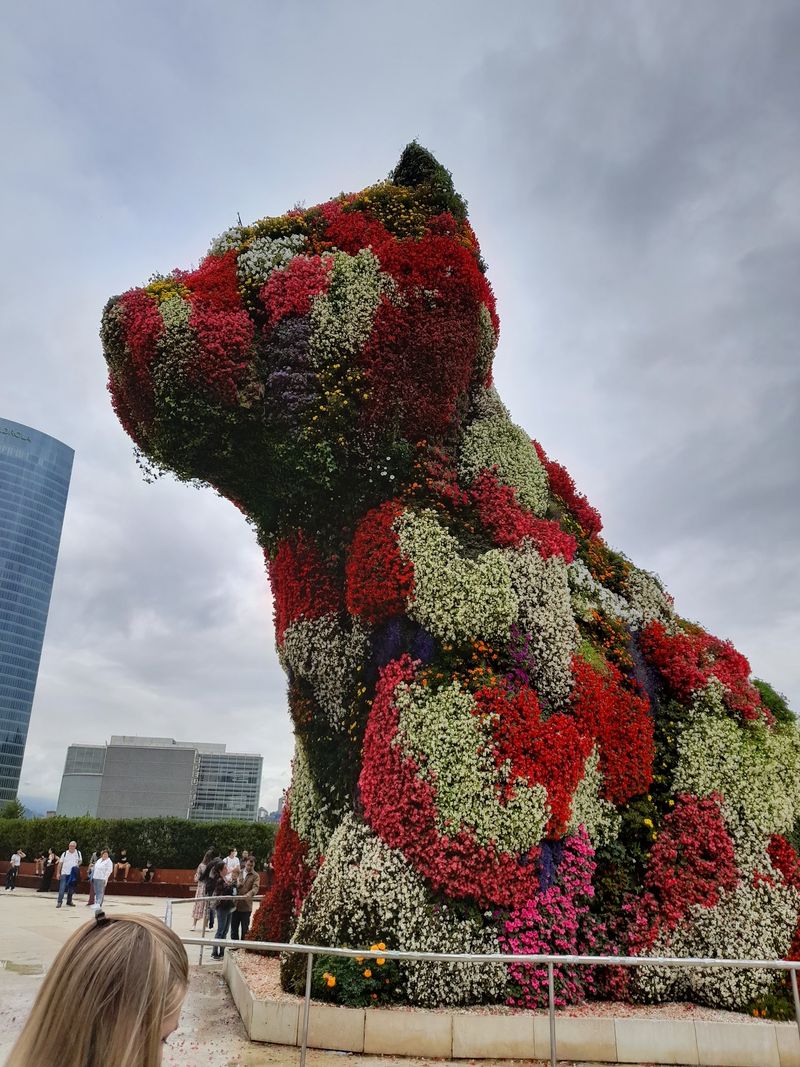
The riverside walkway connecting the Guggenheim to the old town passes public sculptures, cafes, and some seriously good architecture. Jeff Koons’ giant floral puppy outside the museum has become an unlikely city mascot.
Bilbao also runs an efficient metro system designed by Norman Foster, so even the underground stations feel like art. This is a city that takes creativity seriously at every level, and it shows.
Santander, Cantabria
Santander sits on one of northern Spain’s most beautiful natural bays, and the city knows it. The waterfront stretches for what feels like forever, lined with gardens, promenades, and the kind of elegant architecture that hints at a seriously glamorous past.
Spanish royalty used to summer here, and the Magdalena Palace on its own peninsula is a direct reminder of those fashionable Belle Epoque days.
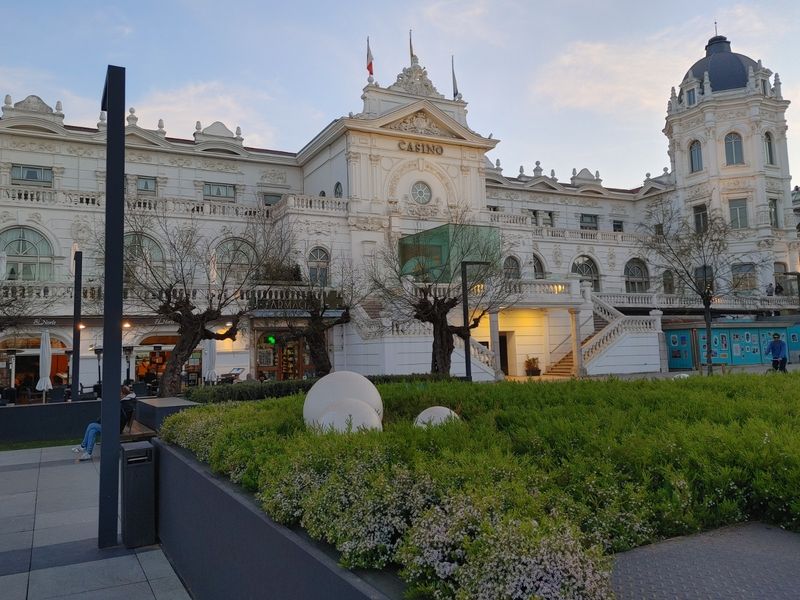
El Sardinero is the classic beach district, a wide arc of sand backed by grand old hotels and the casino. It gets busy in summer but never feels overwhelmingly crowded by European standards.
The city center is compact enough to explore on foot, and the covered market near the port is a good spot to pick up local cheeses, anchovies, and fresh produce.
The Centro Botin, a striking contemporary arts center designed by Renzo Piano, opened in 2017 right beside the bay and gave Santander its own architectural landmark to rival Bilbao’s Guggenheim. Green hills roll behind the city, and ferry connections to the UK make Santander a popular first stop for British visitors arriving by sea.
The combination of beach, bay, culture, and food makes it a very comfortable base for exploring Cantabria.
Santillana del Mar and Altamira, Cantabria
Jean-Paul Sartre once called Santillana del Mar the most beautiful village in Spain, and while that is a bold claim, walking its cobbled streets on a quiet morning makes it feel entirely reasonable. Stone houses with carved wooden balconies line lanes that have barely changed in centuries.
No traffic noise, no modern shop fronts cluttering the view – just medieval architecture doing what it was built to do.
The village is famously described as having three lies in its name: it is not holy (santa), not flat (llana), and not by the sea (del mar). That quirky bit of wordplay tends to delight visitors who hear it for the first time.
Despite the misleading name, the place is completely genuine, and the Collegiate Church at its heart is a proper Romanesque gem.
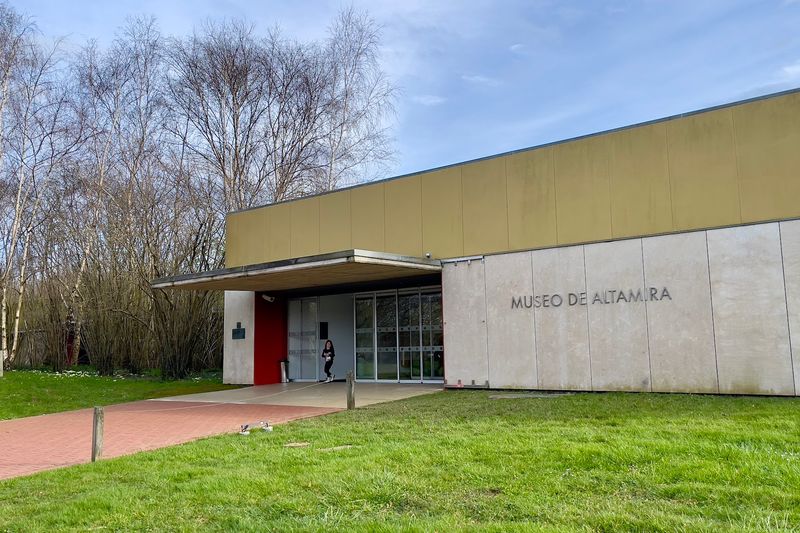
Just a couple of kilometers away, the Altamira cave shelters some of the most extraordinary prehistoric paintings in the world. The original cave is closed to protect the art, but the National Museum of Altamira next door has a full-scale replica that is genuinely impressive.
Bison, horses, and deer painted around 14,000 years ago look so vivid they seem almost alive. Together, Santillana and Altamira form one of the most rewarding day trips in all of Cantabria.
Comillas, Cantabria
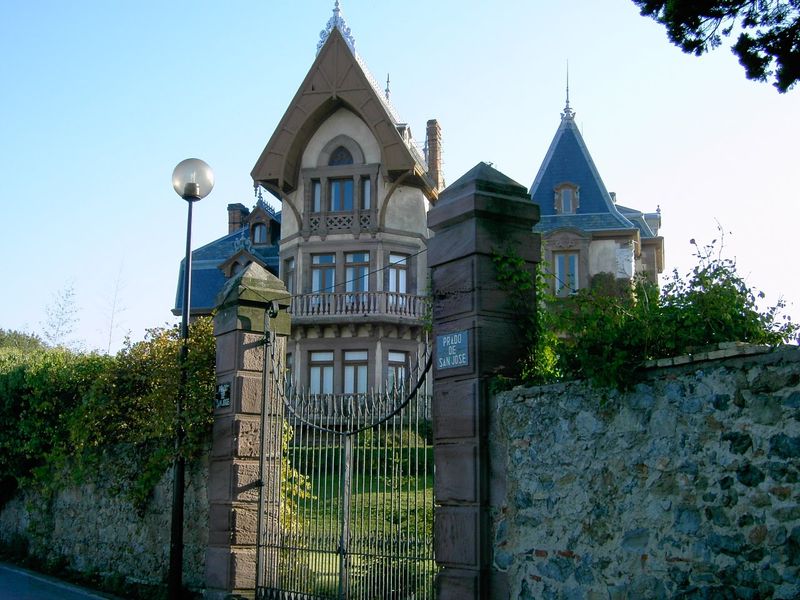
Comillas is the kind of small town that punches so far above its weight architecturally that first-time visitors tend to do a double take. Tucked along the Cantabrian coast with a population of just a few thousand, it somehow ended up with one of Antoni Gaudi’s most playful early buildings.
El Capricho, built between 1883 and 1885, is covered in ceramic sunflower tiles and combines Moorish, Oriental, and Gothic influences into something that feels completely unique.
The story behind it is interesting: Comillas became fashionable in the late 19th century after the local Marquis of Comillas became one of Spain’s wealthiest men and invited architects including Gaudi, Joan Martorell, and Lluis Domenech i Montaner to design buildings here. The result is a small town with an architectural heritage that feels completely out of proportion to its size.
Beyond the buildings, Comillas has a lovely beach and sits right beside Oyambre Natural Park, which protects a stretch of coastline with dunes, cliffs, marshes, and estuaries. The park is excellent for walking, birdwatching, and simply enjoying undeveloped Atlantic scenery.
San Vicente de la Barquera, a pretty estuary town with a medieval castle, is only a short drive away and makes a natural companion stop.
Picos de Europa National Park
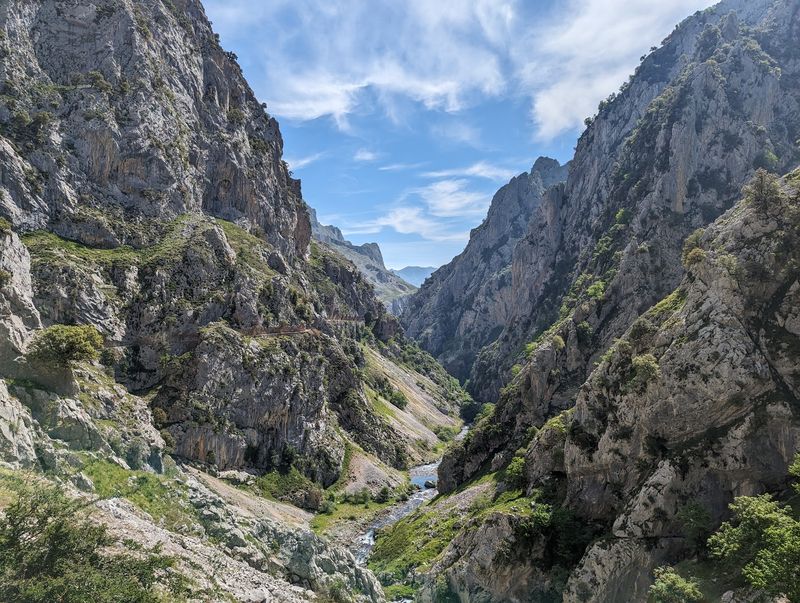
People who picture Spain as a flat, sun-baked country get a genuine shock the first time they see Picos de Europa. Limestone peaks shoot straight up from green valley floors with the kind of dramatic verticality you expect from the Alps, not the Iberian Peninsula.
The range stretches across three regions – Asturias, Cantabria, and Castile and Leon – and was actually Spain’s first national park, established back in 1918.
The Cares Gorge trail is one of the most famous walks in Spain, cutting through a narrow canyon between sheer rock walls for about 12 kilometers. It is manageable for reasonably fit walkers and rewards with scenery that feels almost unreal.
Mountain villages like Sotres and Bulnes sit at high elevations, accessible only by cable car or on foot, and still feel genuinely remote.
Wildlife enthusiasts will find brown bears, wolves, chamois, and golden eagles all present in the park, though spotting them requires patience and a bit of luck. The Picos also produce some outstanding local food, including Cabrales, a pungent blue cheese aged in mountain caves that is absolutely not for the faint-hearted.
Roads through the park are scenic but narrow, so taking your time and stopping at viewpoints is very much part of the experience.
Covadonga Lakes, Asturias
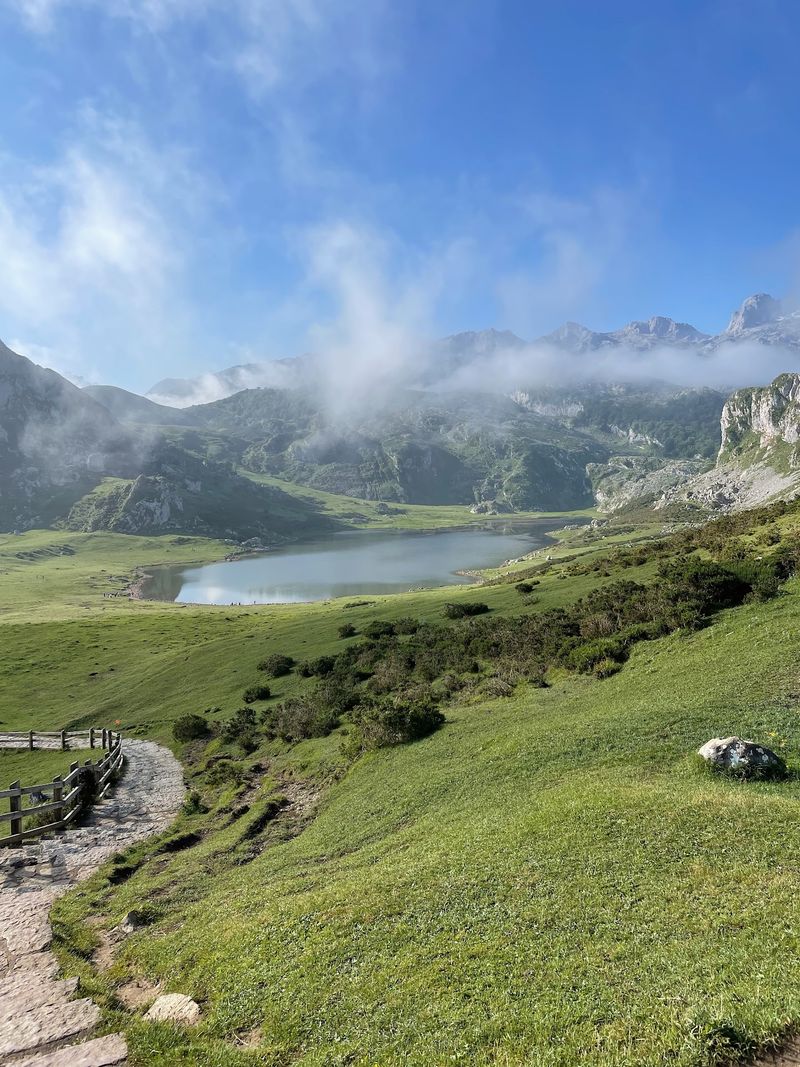
Sitting more than 1,000 meters above sea level inside Picos de Europa, the Covadonga Lakes have the kind of serene, otherworldly beauty that makes people go quiet when they first see them. Lake Enol and Lake Ercina are glacial lakes formed during the last ice age, set in a landscape of limestone ridges, wildflower meadows, and grazing cows that seem completely unbothered by the scenery around them.
Getting there is part of the adventure. The mountain road winds upward through increasingly dramatic scenery, and during peak summer months, private vehicles are often restricted.
Shuttle buses run from the Covadonga sanctuary at the base, which actually works out well since it keeps the lakes from getting too crowded and gives visitors a chance to see more of the surrounding area on the way up.
The Sanctuary of Covadonga itself is worth spending time at before heading up to the lakes. A pink neo-Romanesque basilica perches on a hillside above a natural cave containing a chapel and a statue of the Virgin of Covadonga, patron of Asturias.
The site marks the location of an 8th-century battle considered a founding moment of Christian Spain. History, religion, and jaw-dropping natural scenery all packed into one compact area – Covadonga delivers on every level.
Cudillero, Asturias
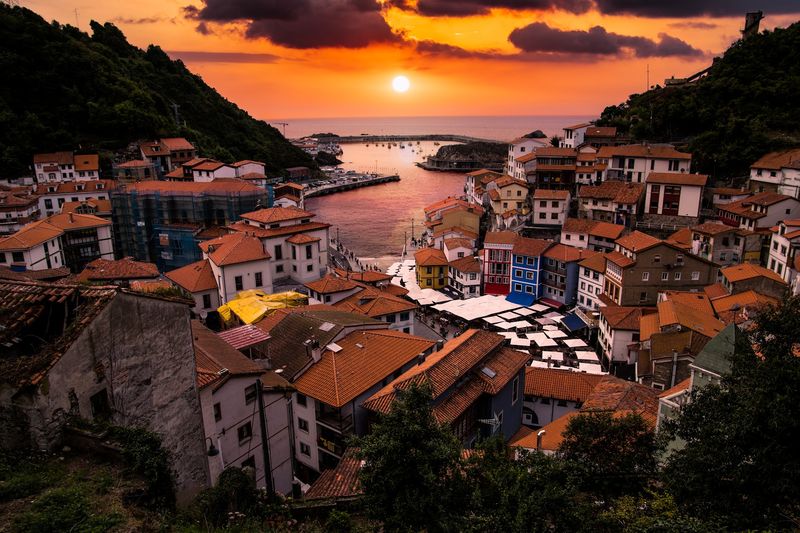
Cudillero looks like someone took a normal fishing village and tipped it sideways. Houses in bright yellows, blues, pinks, and whites cling to the steep hillside surrounding a tiny harbor, stacked so closely that the upper windows of one building practically look into the lower balconies of the next.
The effect is charming in photographs and even more so in person, especially when morning light hits the water and bounces color everywhere.
Walking up through the village is genuinely fun rather than just exercise. Narrow staircases and lanes connect different levels, opening up unexpected viewpoints along the way.
Spain’s tourism authority recommends a route hitting the lighthouse, La Garita, La Atalaya, and El Pico for a full appreciation of the village from above. Each stopping point adds a slightly different angle on the same remarkable scene.
The surrounding Asturian coast adds more reasons to linger. Playa del Silencio, a few kilometers away, is a horseshoe-shaped beach backed by dramatic layered rock strata and almost completely free of commercial development.
The name means Beach of Silence, and on a calm day, it earns it. Fresh seafood in Cudillero’s harbor-front restaurants, particularly the spider crab and percebes (barnacles), rounds out a visit that hits both the visual and culinary highlights of the Asturian coast.
Oviedo, Asturias
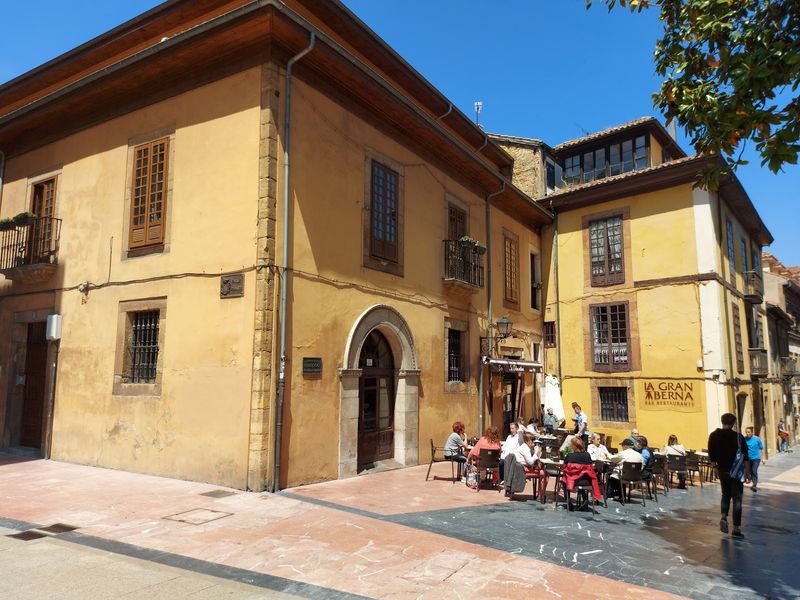
Woody Allen filmed a movie here and called it a fairy-tale city, which is not a bad endorsement. Oviedo is the kind of place that rewards slow walking – its pedestrian historic center unfolds through plazas, covered arcades, and streets lined with sidrerias (cider houses) where waiters pour cider from a great height to aerate it, a sight that never gets old no matter how many times you see it.
The city’s most remarkable treasures are its pre-Romanesque monuments, built between the 8th and 9th centuries during the Kingdom of Asturias. Santa Maria del Naranco and San Miguel de Lillo sit on a hillside just outside the center and are among the most important early medieval buildings in all of Europe.
Both are UNESCO-listed and genuinely impressive even for visitors who do not usually get excited about old churches.
Oviedo’s main cathedral houses the Camara Santa, a chapel containing some of the most important early Christian relics and treasures in Spain. The city also has excellent museums, a lively tapas culture, and a relaxed pace that makes it easy to spend two or three days without running out of things to enjoy.
Asturian cuisine, heavy on cider, fabada bean stew, and local cheeses, is reason enough to visit on its own.
As Catedrais Beach, Galicia
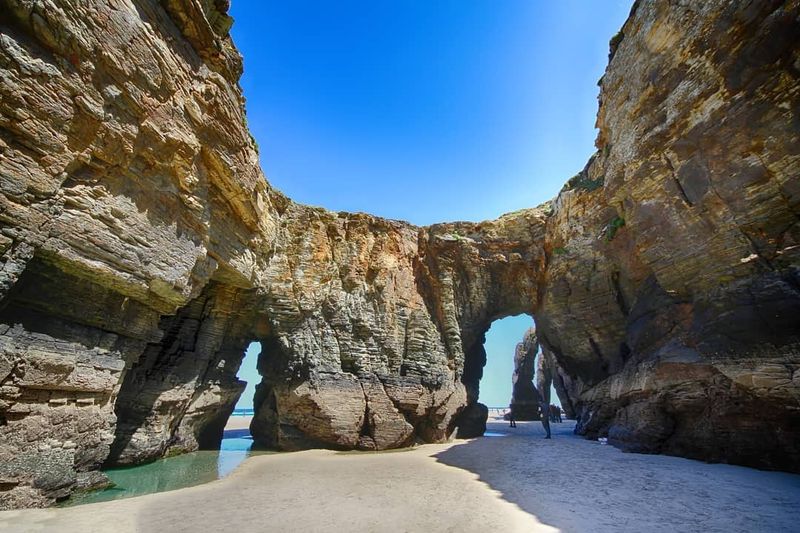
At high tide, As Catedrais looks like a perfectly nice beach. At low tide, it transforms into something that stops people in their tracks and sends them immediately reaching for their cameras.
Enormous rock arches stretch up to 30 meters high, carved by centuries of Atlantic wave action into shapes that genuinely resemble the flying buttresses and vaulted ceilings of a Gothic cathedral. The name was not chosen at random.
Exploring the arches, caves, and natural corridors requires good timing. The formations are only accessible for a few hours on either side of low tide, and during summer the beach gets crowded enough that Spain has introduced a permit system to manage visitor numbers.
Checking tide tables and booking access in advance during peak months is not optional – it is essential.
The wider coastline in this corner of Galicia, near the town of Ribadeo, rewards exploration beyond the famous beach. Quiet coves, clifftop paths, and small fishing villages dot the area, offering the kind of unhurried Galician coastal experience that does not require a permit or a crowd.
Morning visits to As Catedrais, when the light is golden and the tide is right, tend to be the most magical. Getting the timing right makes all the difference between a good visit and an unforgettable one.
Santiago de Compostela, Galicia
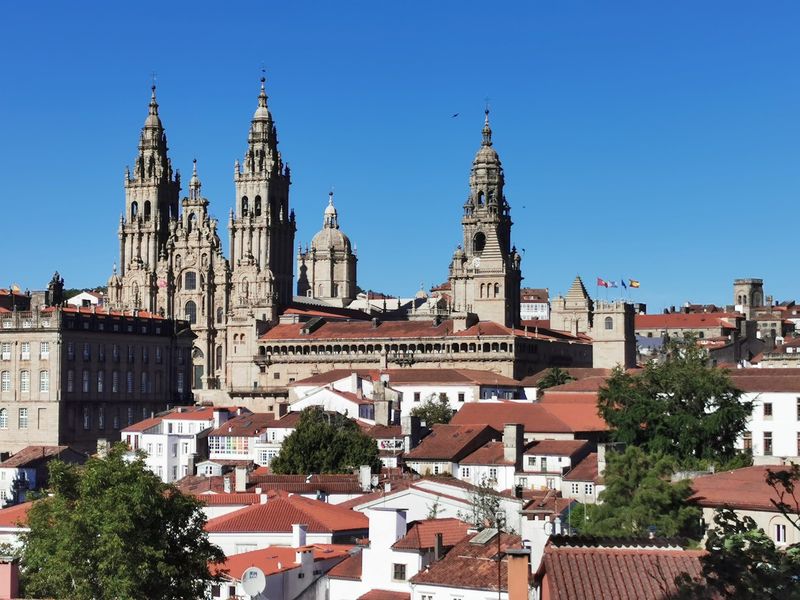
Every year, hundreds of thousands of people walk across Europe – through France, over the Pyrenees, across the Spanish meseta – just to stand in front of this cathedral. Watching pilgrims arrive at Plaza del Obradoiro after weeks of walking is genuinely moving, even for visitors who covered the last stretch by taxi.
The square itself is one of the most harmonious architectural spaces in Europe, ringed by historic buildings on all four sides.
The cathedral dates back to the 11th century and was built over what tradition holds is the tomb of Saint James the Apostle. The interior houses the famous Botafumeiro, a giant silver incense burner that swings dramatically across the transept during special Masses – an eight-person team operates it, and the sight is genuinely theatrical.
The Portico de la Gloria, the carved Romanesque doorway inside the cathedral, is considered one of the masterpieces of medieval European sculpture.
Santiago’s old town extends well beyond the cathedral square, with stone-arcaded streets, monasteries converted into luxury hotels and university buildings, and a lively food scene built around Galician specialties like octopus, empanada, and Albarino wine. The city hums with a mixture of religious pilgrimage, student energy, and tourism that somehow all coexist without any single element overwhelming the others.
Ribeira Sacra, Galicia
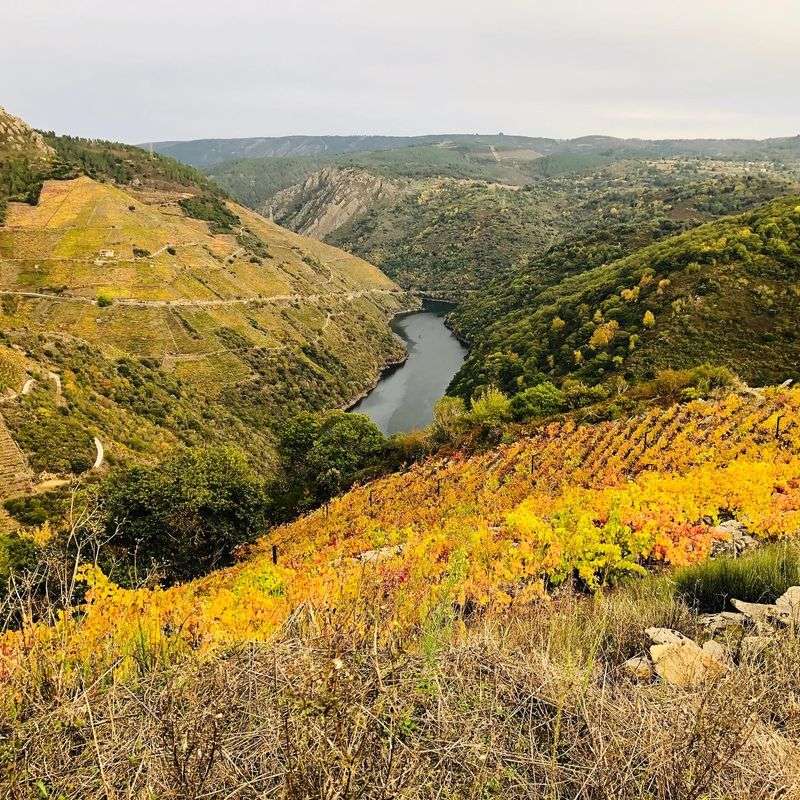
Growing grapes here is not farming – it is more like vertical mountaineering with agricultural ambitions. The vineyards of Ribeira Sacra cling to canyon walls above the Sil and Mino rivers at angles so steep that all harvesting must be done by hand, basket by basket, because no machinery can operate on such terrain.
The wines produced from these slopes, mostly the Mencia grape variety, are some of the most characterful in Spain.
The term heroic viticulture gets used a lot in wine circles, and Ribeira Sacra is one of the places that genuinely earns it. Boat trips through the Sil canyon offer the most dramatic perspective on just how the vineyards have been carved into the landscape over centuries.
From the water, the canyon walls rise hundreds of meters on both sides, striped with neat rows of vines that seem to defy gravity.
Beyond the wine, the area contains a remarkable concentration of Romanesque churches and medieval monasteries tucked into the canyon landscape, many of them tiny and easy to miss without a good map. The monastery of Santo Estevo, now converted into a luxury parador hotel, gives some sense of the scale of religious life that once flourished here.
Ribeira Sacra rewards visitors who slow down, explore the back roads, and let the landscape reveal itself gradually.
Cies Islands, Galicia
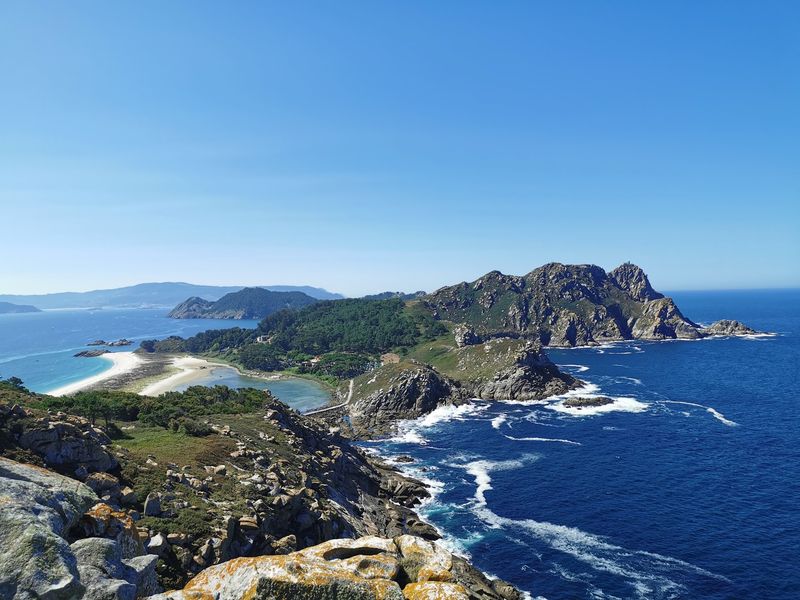
Rodas Beach on the Cies Islands has been called the best beach in the world by the Guardian newspaper, and while beach rankings are always subjective, one look at the turquoise water against white sand backed by pine-forested hills makes the claim feel at least understandable. The islands sit just off the coast near Vigo, close enough to see from the mainland but far enough to feel genuinely remote.
Access is controlled, which is a large part of why the islands have stayed so beautiful. Ferries run from Vigo, Baiona, and Cangas, and visitor numbers are capped, particularly during summer.
Booking ferry tickets well in advance for July and August visits is strongly recommended – showing up at the dock hoping for a last-minute spot rarely ends well.
The islands form part of the Maritime-Terrestrial National Park of the Atlantic Islands of Galicia, protecting not just beaches but also important seabird colonies including large numbers of yellow-legged gulls and cormorants. Hiking trails cross the islands, connecting beaches, viewpoints, and lighthouse lookouts with views stretching across the Rias Baixas and out to the open Atlantic.
Camping is allowed in the designated campsite, making it possible to experience the islands after the day-trippers head home and the light turns golden over the water.
Lugo, Galicia
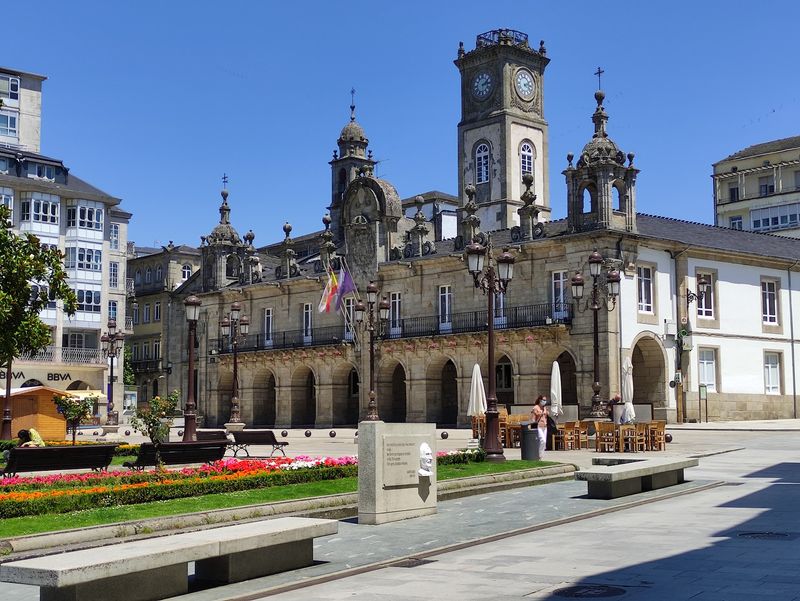
Lugo has a party trick that no other city in the world can match: a complete set of Roman walls that still fully encircle its historic center, unbroken after nearly 1,700 years. You can walk the entire 2.2-kilometer circuit along the top of the ramparts, passing 85 towers and 10 gates, with views over the old town on one side and the modern city spreading outward on the other.
The walls were built in the 3rd and 4th centuries AD and are a UNESCO World Heritage Site.
What surprises many visitors is how lively the city inside those ancient walls turns out to be. Lugo has a reputation among Galicians for having some of the best tapas culture in the region – many bars offer free tapas with every drink, a tradition that makes an evening out here remarkably good value.
The tapas are not just token nibbles either; portions tend to be generous and the quality is consistently high.
The old town holds a Roman thermal bath complex, a cathedral with elements spanning multiple centuries, and a charming main square lined with cafes. The Galician Museum covers the region’s history, art, and archaeology with a collection that puts Lugo’s long past in context.
For a city that does not always make the top of northern Spain itineraries, Lugo has a habit of becoming people’s unexpected favorite.
Share this story