Some places stop you in your tracks before you even unpack your bag. Tucked between mountains, lakeshores, and ancient hillsides, small towns often deliver the kind of beauty that big cities simply cannot manufacture.
From Austria’s Alpine reflections to Chile’s volcanic lake views, these destinations prove that size has nothing to do with impact. Get ready to add some seriously stunning stops to your travel list.
Hallstatt, Austria
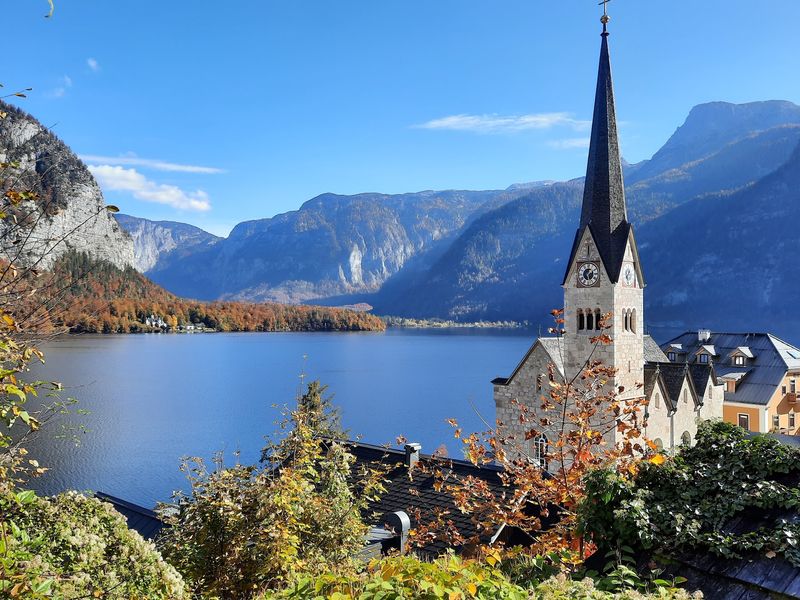
Picture a village so photogenic that a Chinese developer reportedly built a full-scale replica of it. Hallstatt sits on a narrow strip of land wedged between the dark Dachstein mountains and a mirror-calm Alpine lake, and the view has been turning heads for centuries.
Church spires, timber-framed houses, and forested cliffs all stack up like a painting someone forgot to hang in a museum.
What surprises most visitors is the history hiding beneath all that prettiness. The surrounding UNESCO-listed cultural landscape carries roughly 2,500 years of salt-mining heritage, earning the region its nickname, the Salzkammergut, meaning “salt chamber estate.” That long industrial past gave the town its unusual staying power long before travel photographers arrived.
Getting around is half the fun since the village is so compact that most streets are only wide enough for two people walking side by side. Ferries cross the lake regularly, and the salt mine above town offers underground tours through ancient tunnels.
Visit in early morning to catch the reflections before the tour boats stir up the water.
Shirakawa-go, Japan
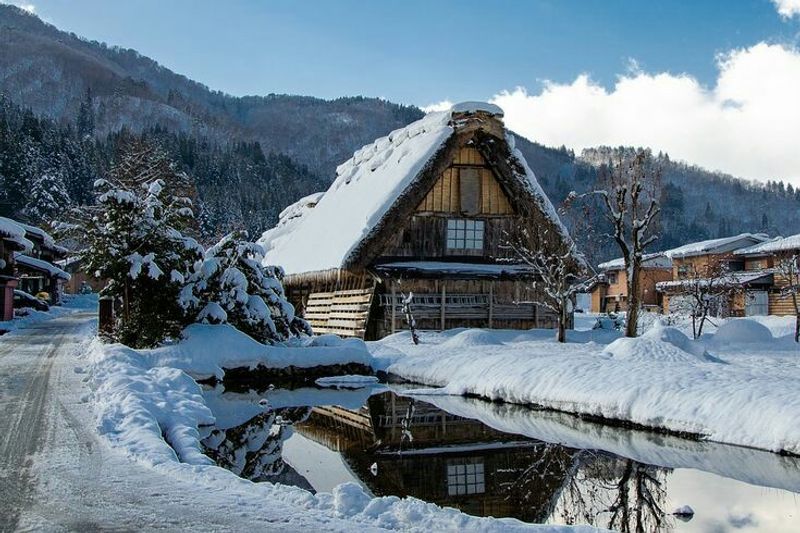
Snow piles so heavily on Shirakawa-go’s rooftops each winter that the farmhouses look like they are slowly sinking into a white quilt. The steep gassho-zukuri roofs, whose name translates to “hands in prayer,” were engineered specifically to shed that weight while creating extra living space above.
They are one of the most practical architectural solutions ever made to look completely magical.
The UNESCO-listed property includes Ogimachi village along with the smaller neighboring settlements of Ainokura and Suganuma. Centuries of geographic isolation helped communities here develop a building style and social structure uniquely adapted to the mountain environment.
Communal roof-thatching events, called yui, still take place today and reflect a spirit of neighborly cooperation that has survived for generations.
Spring brings a softer scene, with rice paddies filling in around the farmhouses and cherry blossoms appearing along the valley edges. Several farmhouses operate as guesthouses, giving travelers the rare chance to sleep inside a living piece of history.
Arriving by bus from Kanazawa or Takayama keeps the journey scenic and avoids the stress of mountain driving on narrow rural roads.
Reine, Norway
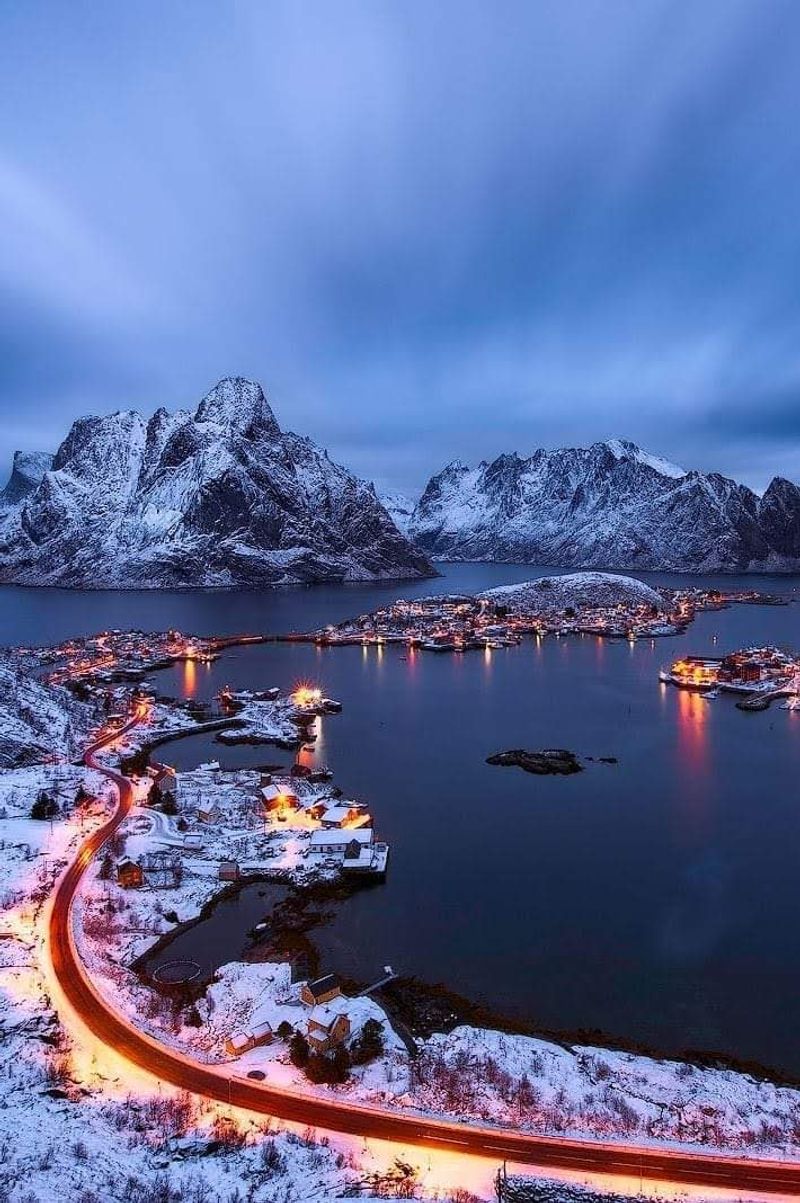
Reine regularly tops Norwegian polls as the country’s most beautiful village, and once you see the view from Reinebringen mountain, the debate feels pretty much settled. Red wooden fishing cabins called rorbuer sit on stilts above water so clear you can count the rocks on the bottom, while jagged peaks rise almost vertically from the sea around them.
The Lofoten archipelago plays by its own rules when it comes to scenery.
Summer here means the midnight sun hangs low and golden for weeks, casting a warm light that makes every photograph look professionally edited. Winter flips the script entirely, bringing the northern lights dancing above the dark fjord waters.
Both seasons draw completely different crowds, which means Reine manages to be equally stunning in opposite conditions.
The village sits on small islands connected by a series of bridges and winding coastal roads, making it easy to explore by car or bike. Boat trips into Reinefjord reveal hidden beaches and sea caves that most visitors never reach on foot.
Local restaurants serve fresh cod and Arctic char pulled straight from the surrounding waters, so eating well here requires almost zero effort.
Civita di Bagnoregio, Italy
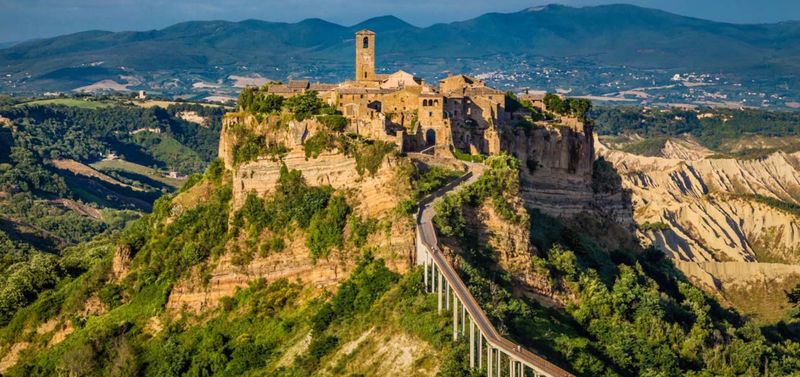
Locals call it “la citta che muore,” meaning “the dying city,” because the volcanic tufa cliffs it sits on are slowly eroding away. That dramatic vulnerability makes Civita di Bagnoregio one of the most emotionally charged places in all of Italy.
You walk across a long pedestrian bridge to reach it, and with every step the town grows more surreal, hovering above a landscape of ridges and gullies that looks sculpted rather than natural.
Only a handful of permanent residents still live inside the medieval walls, which gives the town an unusually quiet, almost suspended atmosphere. Stone arches, tiny flower-filled squares, and views across the surrounding ravines create a setting where architecture and geology feel completely inseparable.
Italy’s official tourism platform calls it a place where history, art, and nature coexist in a way found nowhere else.
The best light falls on the town in late afternoon when the warm sun catches the pale stone and turns the whole hillside amber. Arriving early on weekdays helps avoid the busloads of day-trippers who crowd the bridge by midday.
A small entrance fee is charged to cross the bridge, and the money goes toward ongoing preservation efforts.
Albarracín, Spain
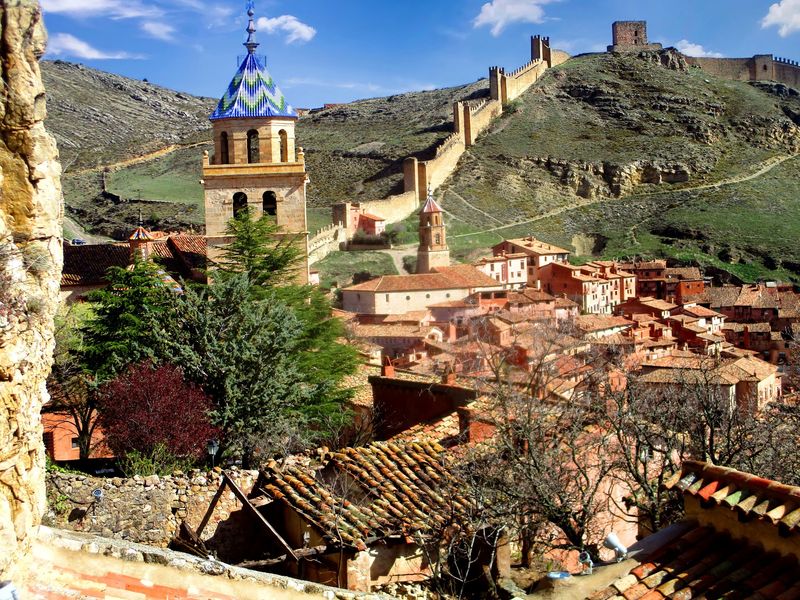
Albarracín glows pink and rust-red against its rocky hillside like a town that borrowed its color palette directly from the landscape beneath it. Wooden balconies jut out over streets so narrow that neighbors on opposite sides could practically shake hands through their windows.
The defensive walls stretching across the ridge above town date back to the 10th century, making this one of Spain’s oldest surviving fortification systems.
The town changed hands between Islamic and Christian rulers multiple times during the medieval period, and each left architectural fingerprints that are still visible today. The irregular Plaza Mayor and steep winding lanes preserve an atmosphere that feels genuinely frontier-era rather than reconstructed for tourism.
Aragón’s regional government has protected the historic center carefully, keeping modern intrusions largely out of sight.
Albarracín sits at around 1,200 meters elevation, which means summers stay cool and winters bring occasional snow that coats the pink rooftops in white. The surrounding Montes Universales offer excellent hiking, rock climbing, and fly fishing in the Guadalaviar River.
Staying overnight in one of the small hotels inside the walls transforms the experience entirely, since the town takes on a completely different mood once the day visitors leave.
Cesky Krumlov, Czechia
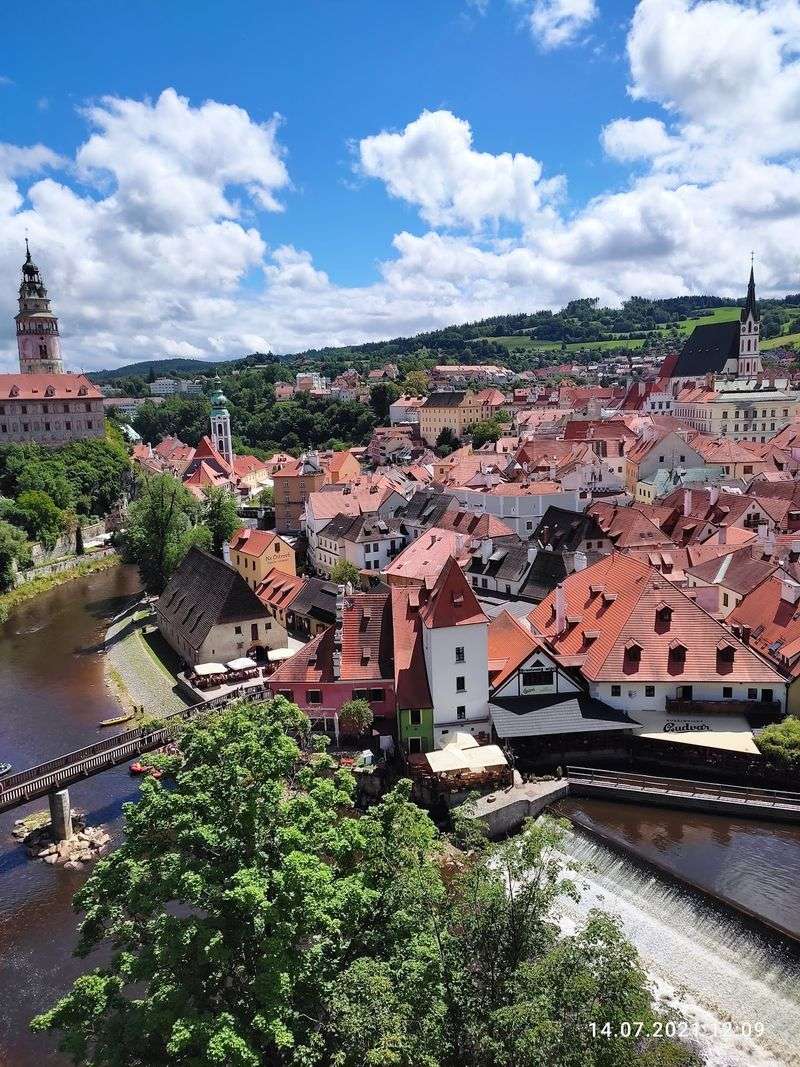
The Vltava River wraps itself almost completely around Cesky Krumlov’s old town, creating a natural moat that turned this Bohemian settlement into one of Central Europe’s best-preserved medieval centers. Painted facades in shades of ochre, terracotta, and pale yellow line the narrow lanes, and a massive castle complex towers above it all from a rocky promontory.
The whole scene looks so perfect it genuinely makes you wonder if someone planned it this way on purpose.
The castle itself is the second largest in the Czech Republic after Prague’s, and its interior holds a Baroque theater with original stage machinery still intact. Climbing the castle tower rewards visitors with a sweeping view over the red rooftops and the river curves below.
Guided tours of the theater run only a few times a year, making tickets genuinely worth hunting down in advance.
The town fills up quickly in summer, so arriving by early morning or staying overnight helps you experience the quieter, more atmospheric side of the place. Canoe and kayak rentals along the river are hugely popular, and paddling the loop around the old town gives a perspective that walking simply cannot match.
The Christmas market held in December transforms the cobblestone squares into a genuinely cozy winter scene.
Obidos, Portugal
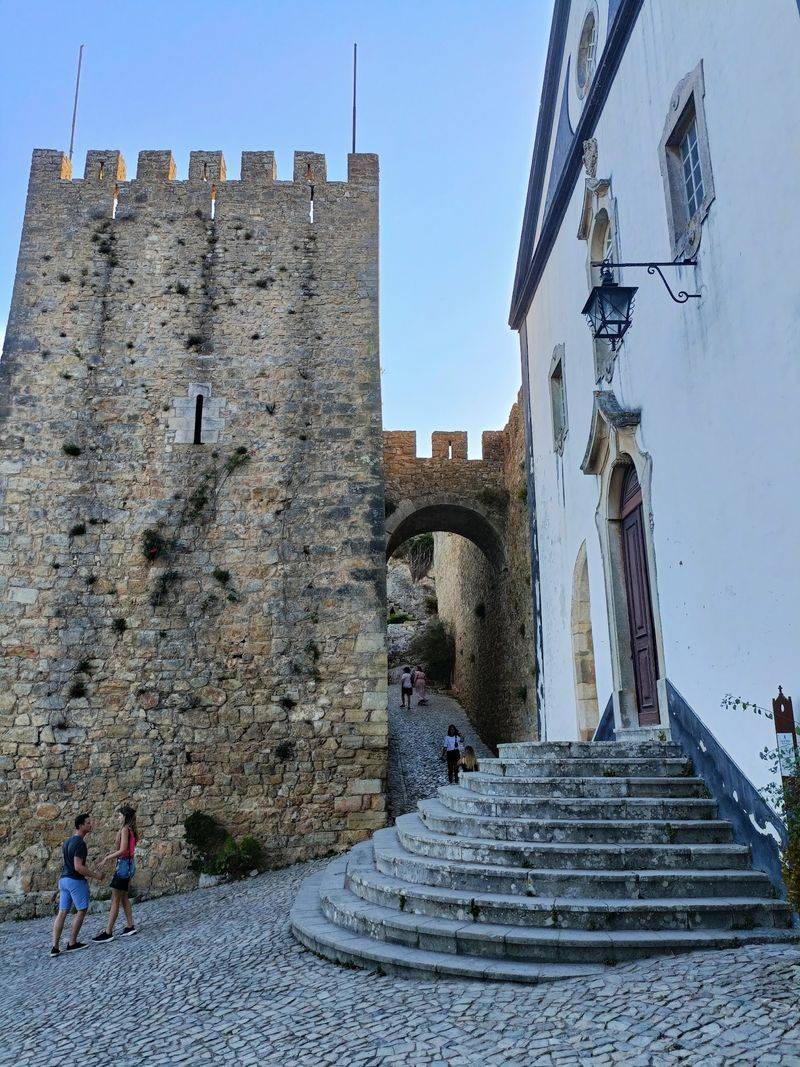
Walking through the main gate of Obidos feels like stepping through a portal into a very well-maintained version of the 12th century. White houses trimmed with blue and yellow paint line the cobblestone lanes, bougainvillea spills over old stone walls, and a castle anchors the skyline at the top of the hill.
Portugal’s tourism authority consistently lists this town among the country’s most perfectly preserved medieval settlements, and standing inside the walls, it is easy to see why.
The fortified ramparts are wide enough to walk along their entire perimeter, offering views over both the rooftops inside and the green farmland stretching out beyond the walls. Obidos has a tradition of giving the town as a wedding gift to Portuguese queens, a royal custom that dates back to 1282 when King Afonso II presented it to his bride.
That romantic history adds a pleasant layer of story to every street you wander down.
The town is famous for ginjinha, a sour cherry liqueur served in small edible chocolate cups at tiny shops along the main street. The Atlantic coast lies only about ten kilometers away, making Obidos a convenient base for combining medieval history with beach time.
Visiting during the Medieval Market festival in July brings the streets to life with costumes, jousting, and open-air food stalls.
Eguisheim, France
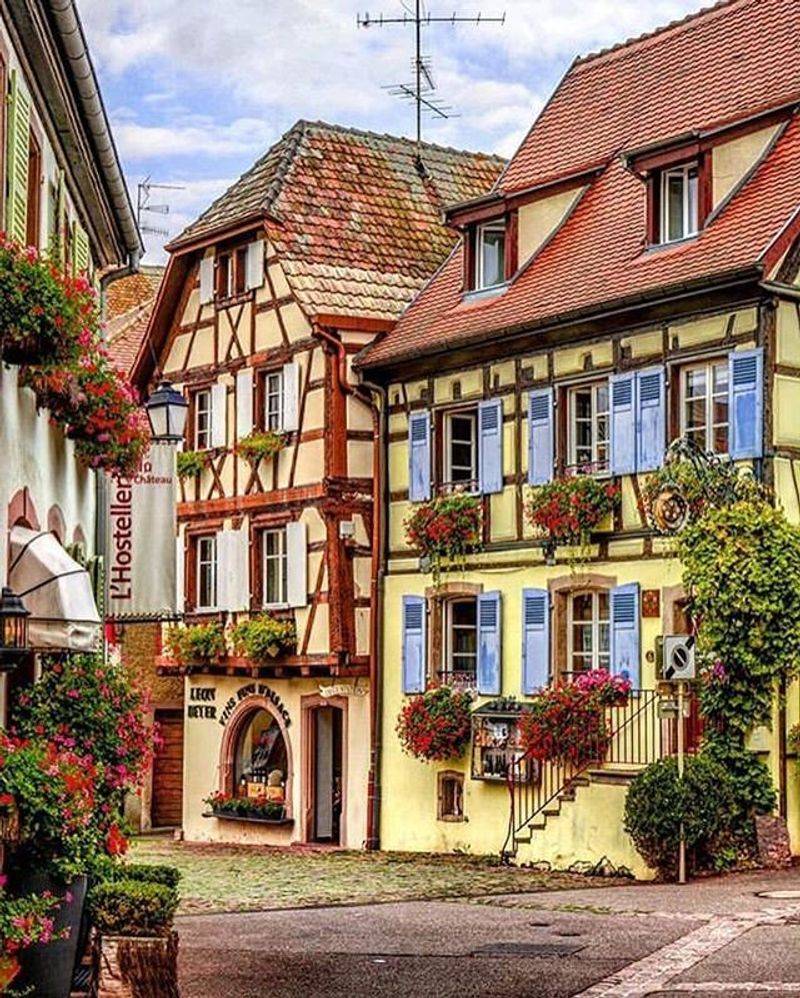
Eguisheim is essentially a village arranged in rings, with concentric streets spiraling outward from a fortified medieval core like a very charming architectural onion. Half-timbered houses painted in shades of pink, green, and gold lean over the narrow lanes, and flower boxes overflow from nearly every window ledge.
France’s official tourism platform includes it among the country’s recognized beautiful villages, a designation that comes with real preservation standards attached.
The Alsace wine region surrounds the town, and the vineyards climbing the hills just beyond the outer streets produce some of France’s most respected Riesling and Gewurztraminer. Local wine producers open their doors for tastings throughout the year, and the town’s wine festival in late August draws visitors from across Europe.
The combination of architecture and viticulture gives Eguisheim a cultural identity that feels genuinely rooted rather than performed for visitors.
Pope Leo IX, born here in 1002, remains the town’s most famous historical figure, and a statue of him stands in the central square. The village is compact enough to cover completely on foot in an afternoon, but the surrounding Route des Vins d’Alsace cycling route turns it into a much longer and very rewarding exploration.
Autumn is particularly beautiful when the vineyard leaves turn gold and rust around the town’s edges.
Chefchaouen, Morocco
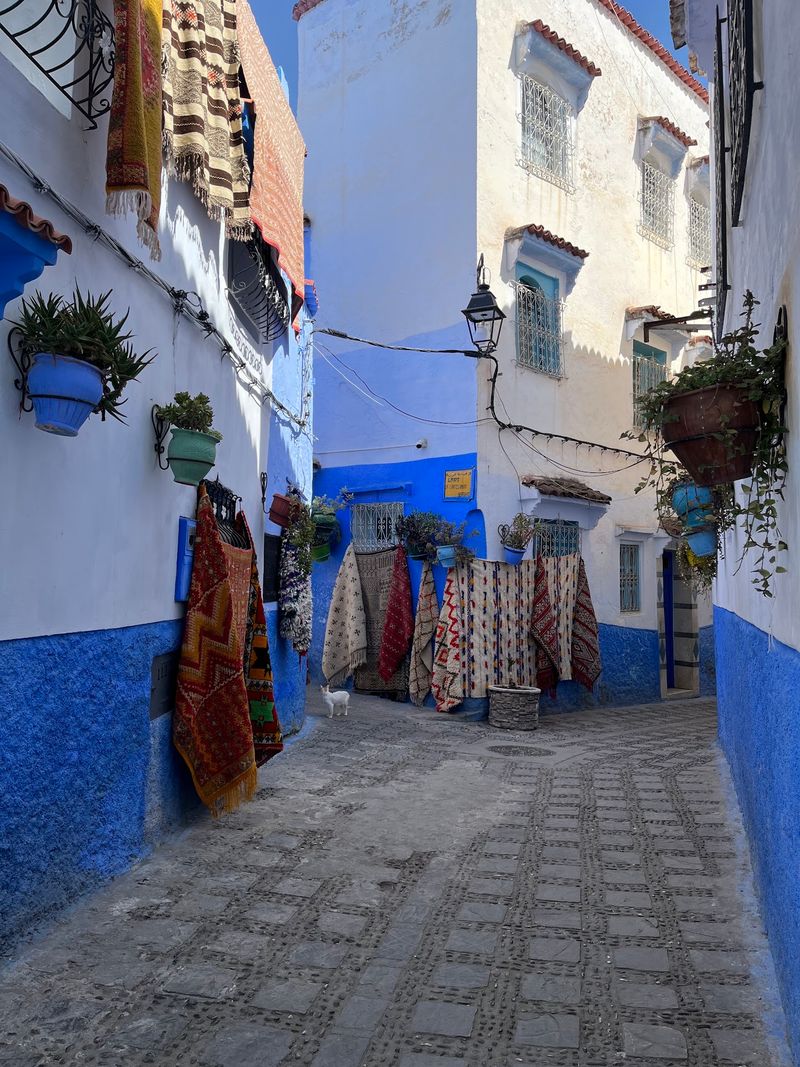
Every single surface in Chefchaouen’s medina seems to have been painted in a different shade of blue, from pale powder to deep cobalt, and nobody can fully agree on why. Some say the Jewish community introduced the tradition in the 1930s, others link it to repelling mosquitoes, and others simply say it looked beautiful and the habit stuck.
Whatever the origin, the effect is one of the most visually arresting streetscapes anywhere in the world.
Beyond the celebrated color, the medina contains craft workshops selling handwoven blankets, leather goods, and locally grown cannabis products that are technically illegal but openly traded. Tiny squares with gurgling fountains interrupt the winding lanes at unexpected intervals, and stairways lead up to terraces with views over the rooftops toward the surrounding Rif Mountains.
The architecture reflects a blend of Moroccan, Andalusian, and Berber influences that developed over centuries of layered settlement history.
The nearby Ras El Ma spring and Akchour waterfalls offer excellent half-day hikes for travelers wanting to see the landscape beyond the painted walls. Chefchaouen sits about three hours from both Fez and Tangier by bus, making it a manageable stop on a broader Moroccan itinerary.
Early mornings belong to locals doing their shopping, giving you the best chance to photograph the streets without crowds.
Colonia del Sacramento, Uruguay
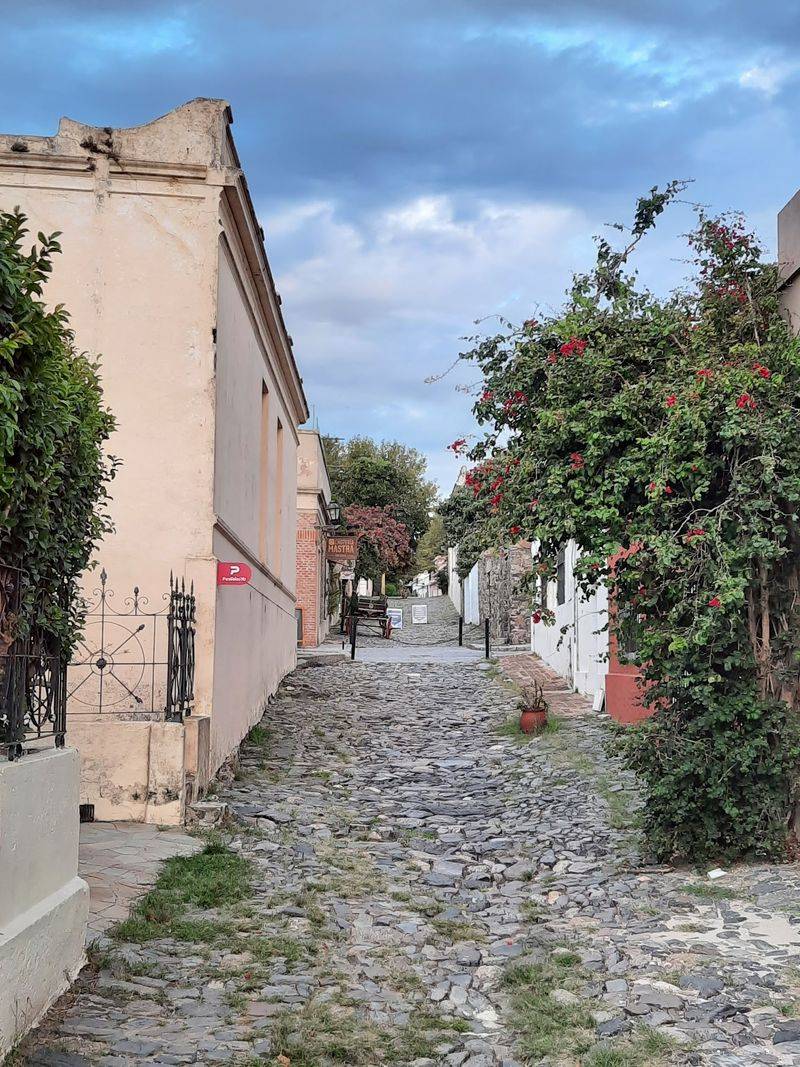
Colonia del Sacramento wears its age beautifully, with cobblestone streets so uneven and worn that they practically narrate 300 years of foot traffic all by themselves. Low colonial buildings painted in faded pastels line the lanes of the historic quarter, and old trees spread their roots through the gaps between the stones.
The Rio de la Plata glows orange and pink at sunset behind the waterfront, creating one of South America’s most effortlessly romantic evening scenes.
UNESCO recognized the historic district for retaining its original urban scale and physical structure despite repeated military conflicts and centuries of political change. Portuguese and Spanish influences remain visible side by side throughout the architecture, reflecting the town’s turbulent past as a repeatedly contested border settlement.
That layered history gives the streets a texture that newer, purpose-built tourist destinations simply cannot replicate.
The town sits directly across the estuary from Buenos Aires, making it easily reachable by a one-hour ferry ride. Many travelers visit as a day trip from Argentina, but staying overnight reveals a slower, quieter version of the place once the afternoon boats head back.
Small restaurants along the waterfront serve grilled river fish and Uruguayan beef in open-air settings that feel completely unhurried and genuinely local.
Lunenburg, Canada
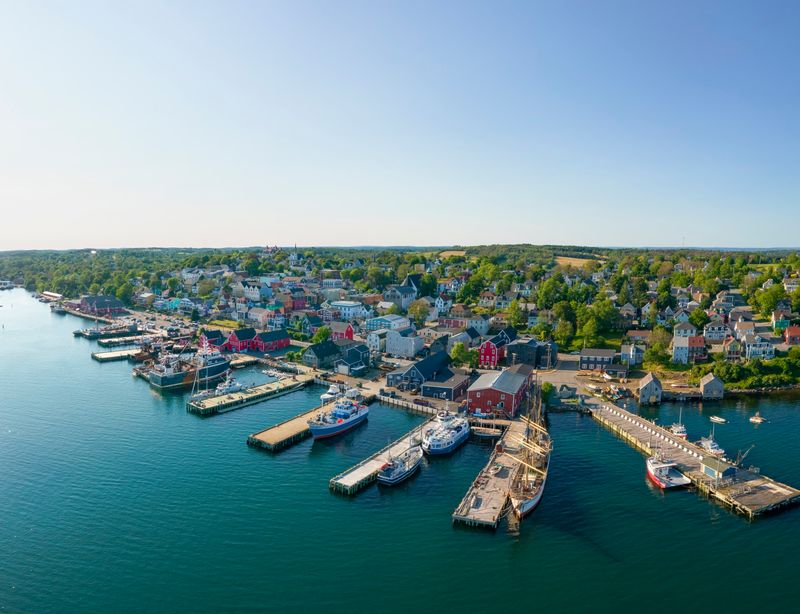
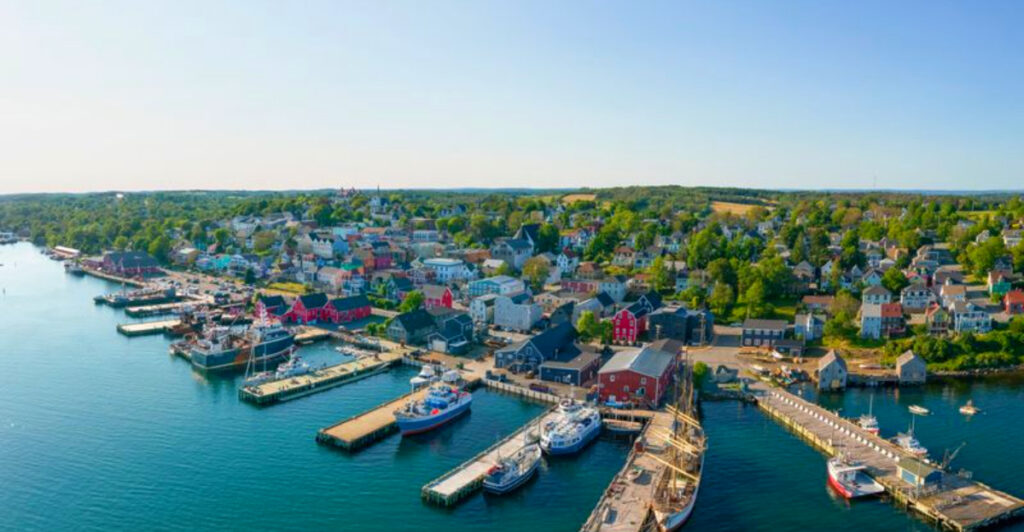
Lunenburg looks like someone handed a box of crayons to a very talented town planner and said, go ahead, use them all. Wooden buildings painted in deep red, bright yellow, electric blue, and forest green descend in neat rows toward a working harbor still busy with fishing boats and shipbuilding activity.
UNESCO recognized Old Town Lunenburg as one of the best-preserved examples of a planned British colonial settlement anywhere in North America.
The town was laid out in 1753 on a strict grid plan imposed by British colonial authorities, and that original street pattern remains largely intact today. What makes Lunenburg unusual among UNESCO heritage sites is that most of the historic buildings are still privately owned and actively lived in, keeping the town genuinely inhabited rather than museum-like.
The Fisheries Museum of the Atlantic on the waterfront tells the story of the Grand Banks fishing industry through boats, artifacts, and hands-on exhibits.
Nova Scotia’s South Shore is known for seafood, and Lunenburg’s restaurants serve some of the freshest lobster and scallops on the entire Atlantic coast. The town hosts a folk harbour festival in August that fills the waterfront with live music, local food, and boat tours.
Driving the Lighthouse Route along the coast connects Lunenburg to a string of equally scenic fishing villages worth exploring on the way.
Arrowtown, New Zealand
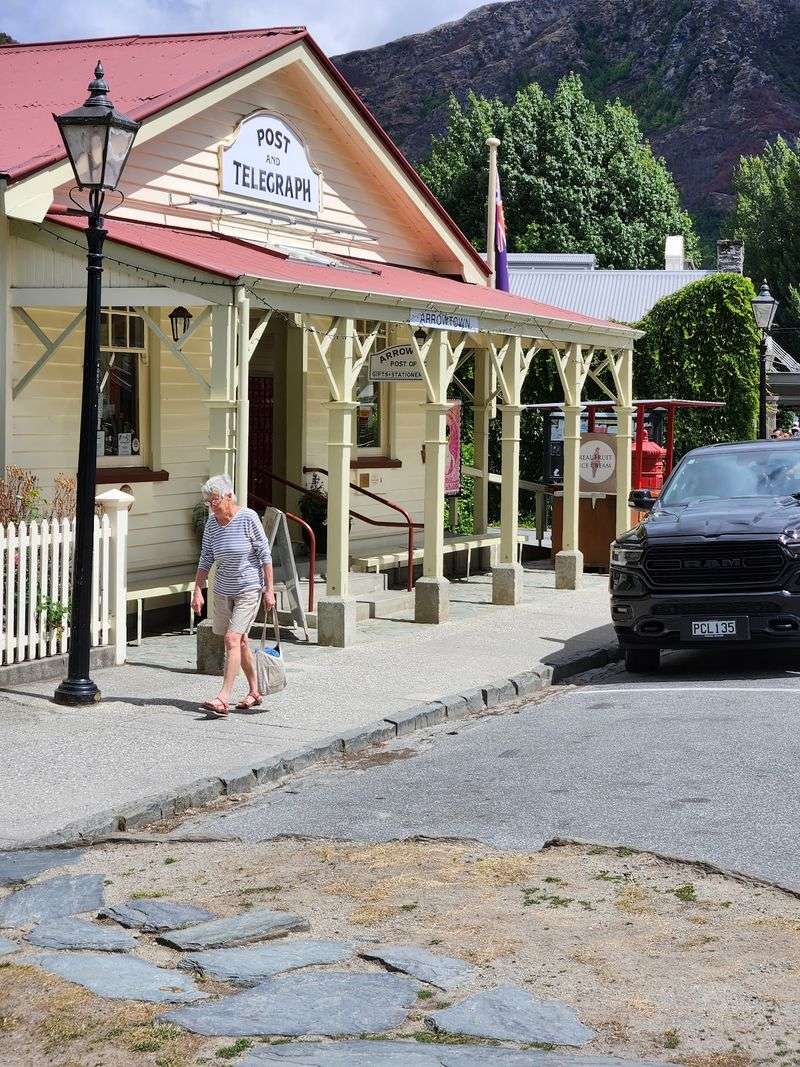
Arrowtown turns into one of New Zealand’s most photographed places every autumn when the trees lining its main street explode into shades of gold, amber, and deep red. The town grew up fast during the 1860s gold rush, and many of the original stone and timber buildings from that era still line the streets today, now housing cafes, bookshops, and boutiques rather than miners’ supply stores.
The contrast between that rugged history and the current genteel atmosphere is part of what makes the place so appealing.
The Arrow River running alongside the town still contains traces of gold, and visitors can rent pans to try their luck along the riverbanks. A small Chinese settlement on the edge of town preserves the stone huts where Chinese miners lived during the gold rush, offering a less-told chapter of New Zealand’s colonial history.
The Lakes District Museum on Buckingham Street provides excellent context for understanding how dramatically the landscape changed during the mining era.
Arrowtown sits only about 20 minutes from Queenstown by car, making it an easy half-day escape from that town’s busier energy. Nearby cycling trails, vineyard cellar doors, and ski fields at Coronet Peak and The Remarkables mean the surrounding area offers serious activity options across all seasons.
The town itself stays walkable, charming, and refreshingly low-key regardless of the season.
Seydisfjordur, Iceland
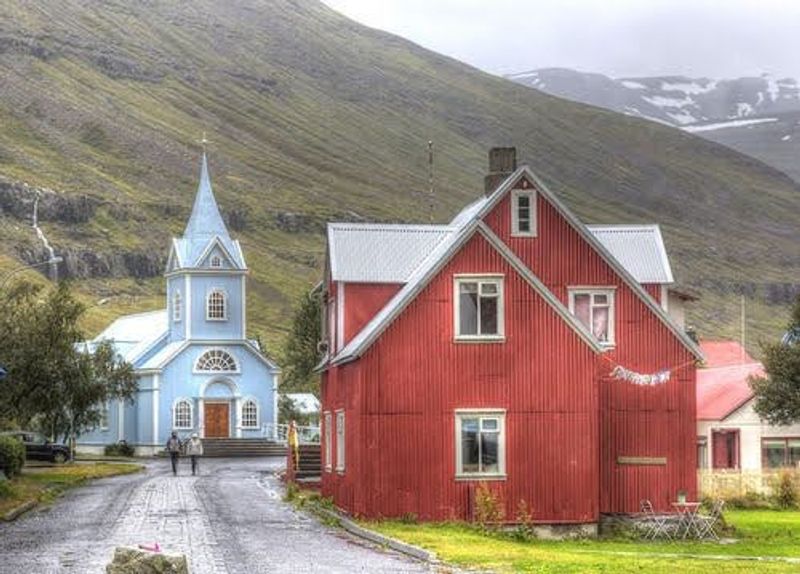
Getting to Seydisfjordur requires driving over a mountain pass that, in bad weather, feels like the beginning of an adventure film. The reward waiting on the other side is a small East Iceland town cradled at the end of a deep fjord, with waterfalls streaking down the steep walls above and a rainbow-painted street leading toward a powder-blue church that has become the town’s unofficial symbol.
The remoteness is not a drawback here; it is the entire point.
Seydisfjordur has built a quiet reputation as one of Iceland’s most creative communities, attracting artists, musicians, and designers who appreciate both the isolation and the dramatic natural setting. The LungA art school and an annual summer arts festival bring an unexpected energy to a town of fewer than 700 permanent residents.
That creative undercurrent gives the place a personality that feels genuinely different from Iceland’s more tourist-saturated southwestern destinations.
A weekly ferry from Denmark and the Faroe Islands docks here, making Seydisfjordur a starting point for travelers entering Iceland by sea. Hiking trails above the town lead to mountain lakes and viewpoints looking straight down the fjord toward the open ocean.
Visiting in summer means long daylight hours that let you explore the surrounding landscape well into what technically counts as evening.
Oia, Greece
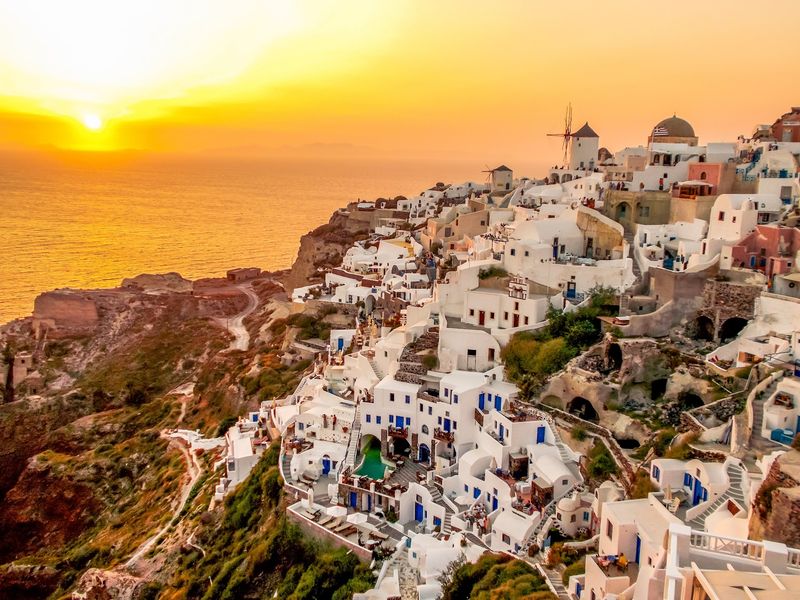
Oia earned its global fame honestly, sitting on the knife-edge of Santorini’s volcanic caldera with whitewashed walls, blue domes, and terraces dropping straight down to the Aegean hundreds of meters below. Crowds gather every evening to watch the sunset from the castle ruins at the western end of the village, and the applause that breaks out when the sun finally disappears below the horizon is completely genuine.
It is one of those rare travel moments that actually lives up to the hype.
Much of the village is built directly into the pumice cliffs, with cave houses carved into the rock face providing naturally cool interiors during the hot Aegean summers. Oia holds the distinction of being the first settlement in Greece to receive official designation as a protected cultural heritage site, a recognition that helped preserve its architectural character through decades of tourism growth.
The clifftop path connecting Oia to Fira covers about ten kilometers and offers some of the most dramatic coastal walking in all of Europe.
The village’s narrow main street fills with jewelry shops, art galleries, and restaurants serving fresh seafood and local Santorini wines. Booking accommodation well in advance is essential, especially for the caldera-view rooms that disappear months ahead.
Visiting the eastern side of the village near Ammoudi Bay reveals a quieter, less photographed version of Oia that most visitors miss entirely.
Frutillar, Chile
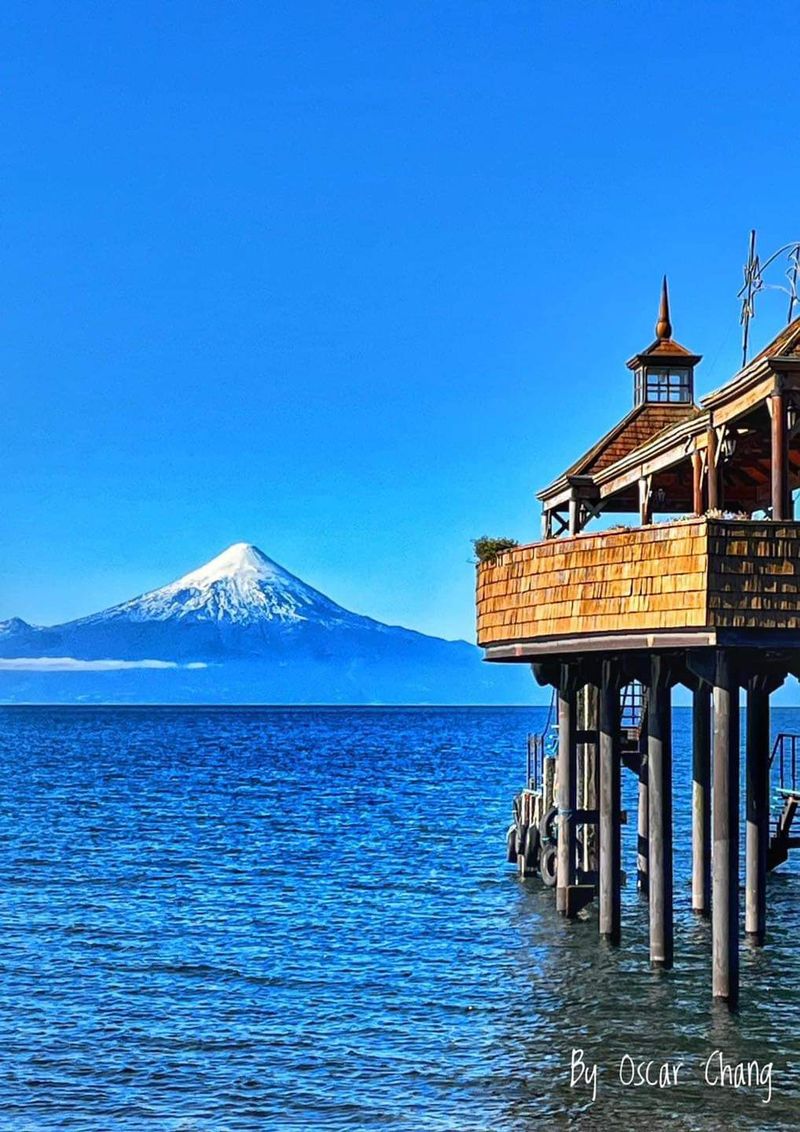
Frutillar sits beside Lake Llanquihue with two perfectly shaped snow-capped volcanoes reflected in the water, and on a clear morning the view is so symmetrical it looks digitally composited. The town’s wooden architecture carries a strong German influence, the legacy of 19th-century settlers who arrived from Bavaria and Baden-Wurttemberg and built their new homes to look reassuringly familiar.
Walking the waterfront promenade feels like a very pleasant collision between South America and Central Europe.
The Teatro del Lago, a stunning performing arts center built over the lake itself, hosts an internationally recognized classical music festival every January and February. The building’s design integrates the water and mountain views directly into the concert experience, making it one of the most architecturally thoughtful music venues anywhere in South America.
Chile’s tourism authority highlights Frutillar specifically for this combination of natural scenery, cultural programming, and heritage architecture.
The town divides into two distinct sections: Frutillar Alto, the working commercial area on the hill, and Frutillar Bajo, the scenic lakefront district where most visitors spend their time. Museums in the lower town document the German colonial settlement period with original tools, furniture, and photographs.
The surrounding Lakes District offers a broader circuit of scenic towns, national parks, and volcano hikes that make Frutillar an excellent anchor point for a longer southern Chile itinerary.
Share this story