Some cities just hit differently when you step outside and take a deep breath of genuinely fresh air. Around the world, a select group of capital cities stand out not just for their clean skies, but also for the breathtaking landscapes that frame them.
From volcanic islands in the North Atlantic to harbor cities in the Southern Hemisphere, these capitals prove that clean living and stunning scenery go hand in hand. Whether you are planning a trip or simply dreaming of greener horizons, this list will inspire you.
Reykjavik, Iceland
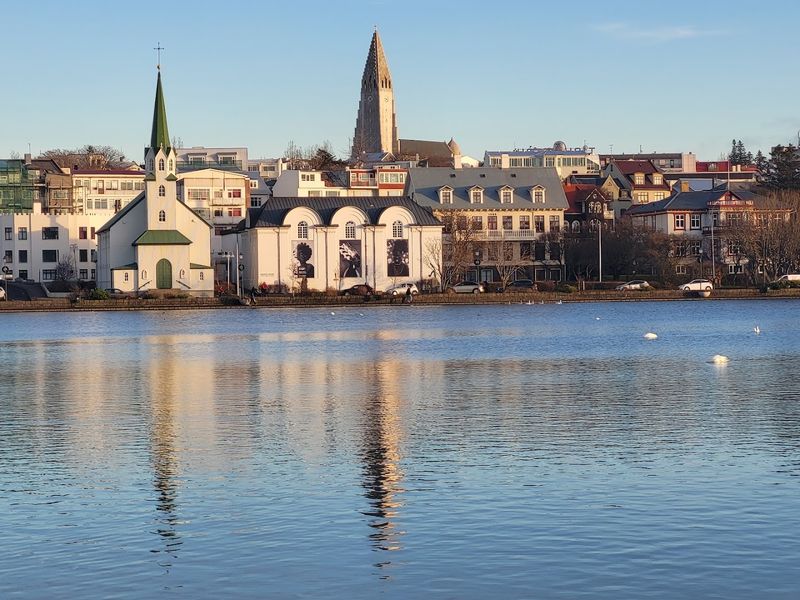
Reykjavik smells like absolutely nothing, and that is genuinely one of its greatest selling points. Nearly 100% of Iceland’s electricity comes from geothermal and hydroelectric sources, meaning coal plants and heavy industry are practically nonexistent here.
The result is air so clean it almost feels unreal after stepping off a plane from a busy city.
The city sits cradled between snow-dusted volcanic peaks and the shimmering North Atlantic, giving every neighborhood a postcard-worthy backdrop. On clear days, you can spot Mount Esja rising dramatically just across the bay.
Locals and visitors alike take full advantage by hiking, cycling along the waterfront, and soaking in outdoor geothermal pools year-round.
Reykjavik is also the world’s northernmost capital, which adds a certain legendary quality to even a casual stroll downtown. Winter brings the Northern Lights dancing overhead, while summer delivers the famous midnight sun.
Air quality monitoring consistently places Iceland among the top performers globally, and Reykjavik leads that charge with pride. If breathing clean air while surrounded by volcanic drama sounds appealing, this city belongs at the very top of your travel bucket list.
Helsinki, Finland
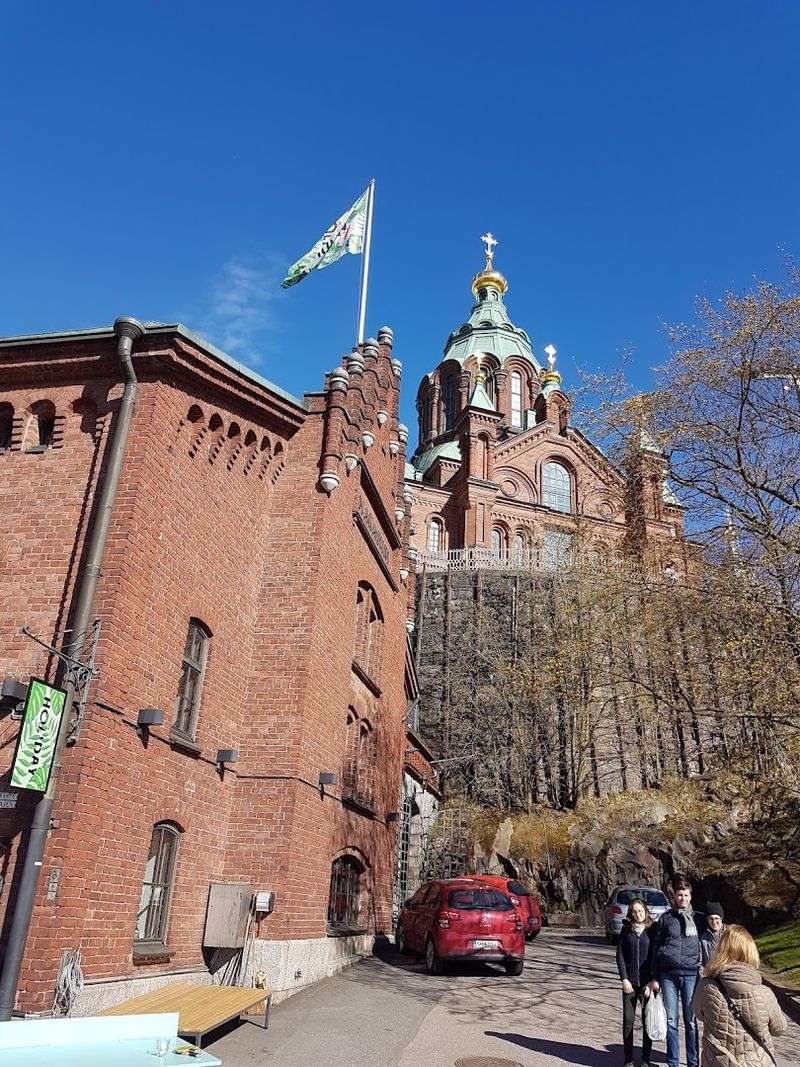
Finland’s capital has a quiet confidence about it, the kind that comes from genuinely having its act together. Helsinki consistently earns top marks in European air quality reports, thanks to aggressive clean energy policies, extensive cycling infrastructure, and a public transportation system that actually works brilliantly.
The city treats environmental performance not as a goal but as a baseline standard.
Surrounding forests, Baltic Sea coastlines, and dozens of forested islands within the city’s own archipelago give Helsinki a wild, natural edge that most capitals can only dream about. Kaivopuisto Park slopes right down to the waterfront, and residents regularly ski through urban forests in winter without ever leaving city limits.
That relationship between city life and raw nature is something Helsinki wears effortlessly.
The famous Finnish concept of “every man’s right” allows anyone to roam forests and coastlines freely, meaning clean air and green space are genuinely accessible to everyone. Helsinki also hosts the world-famous Design District, blending environmental awareness with creative culture in a way that feels completely authentic.
Visiting in summer rewards you with endless daylight, outdoor saunas by the sea, and air quality that makes your lungs quietly grateful for the experience.
Stockholm, Sweden
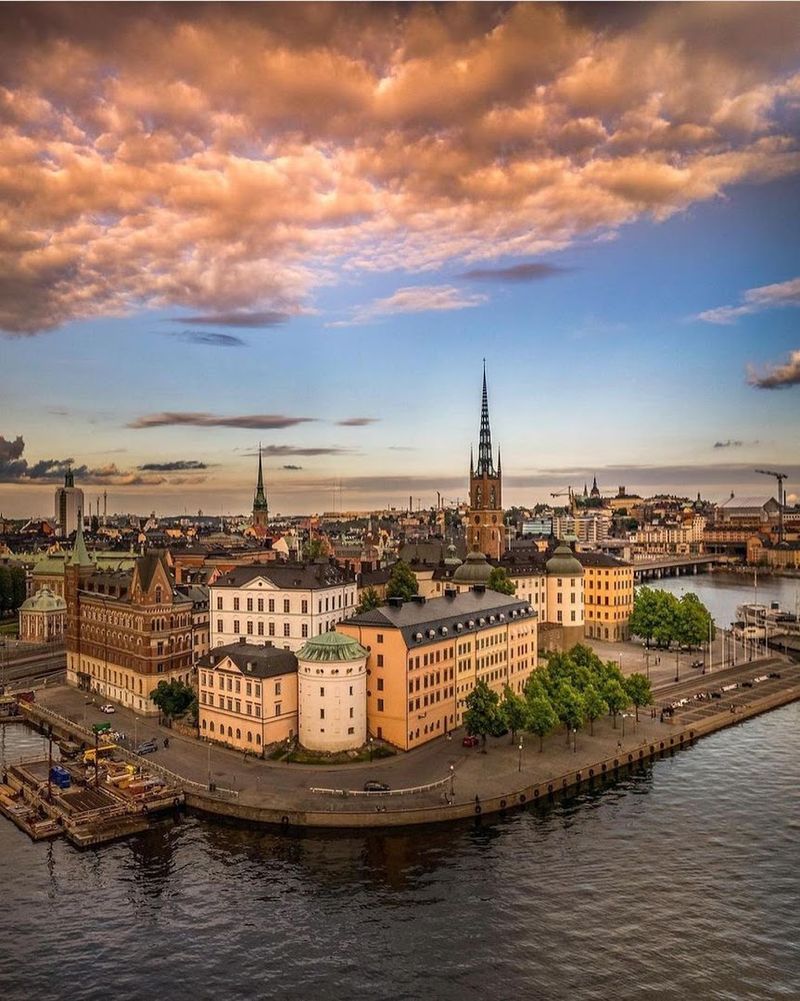
Stockholm is essentially a city that refused to choose between urban excitement and raw nature, so it simply kept both. Built across 14 islands where Lake Malaren meets the Baltic Sea, the city is threaded through with waterways, parks, and green corridors that would make any urban planner jealous.
The Stockholm Archipelago stretches outward with over 30,000 islands, turning the city’s horizon into something genuinely spectacular.
Sweden’s environmental ambitions are legendary, and Stockholm is the country’s proud showpiece. The city has cut carbon emissions dramatically over recent decades through district heating systems, electric public transport, and strict vehicle emissions standards.
Congestion pricing was introduced back in 2006, and it worked, reducing traffic and improving air quality in measurable, documented ways.
Djurgarden island sits right in the city center and is almost entirely parkland, home to museums, forests, and grazing deer. Stockholmers cycle to work along dedicated lanes, kayak through city waterways after hours, and ski in surrounding forests on winter weekends.
The city became the first European Green Capital in 2010, a title it earned rather than simply claimed. Breathing Stockholm’s air on a crisp autumn morning beside the water genuinely feels like a reward for choosing the right destination.
Canberra, Australia
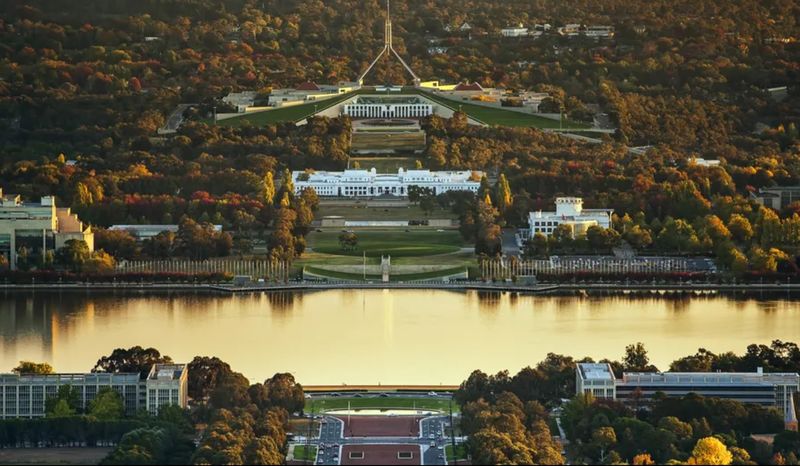
Canberra was literally designed from scratch, and whoever drew up the blueprint had excellent taste in both urban planning and fresh air. Built as a purpose-made capital in the early 20th century, the city was planned around open parklands, wide tree-lined boulevards, and a central artificial lake that gives the city its unmistakable visual identity.
No accident that it consistently ranks among the world’s cleanest major cities.
Lake Burley Griffin sits at the heart of everything, surrounded by walking trails, cycling paths, and cultural institutions. The Australian National Botanic Gardens showcase native flora from across the continent, and the nearby Tidbinbilla Nature Reserve brings kangaroos, wombats, and platypuses within easy reach of the city center.
Canberra’s relatively small population and limited heavy industry keep pollution levels impressively low year-round.
The surrounding Australian Capital Territory is roughly 60% protected nature reserve, which is an extraordinary statistic for a national capital. Autumn in Canberra is particularly spectacular, when the planned avenues of European deciduous trees turn fiery shades of red and gold during the famous Floriade festival season.
Locals joke that the city is “20 minutes from everywhere and nowhere,” but the clean air and stunning bush scenery make that trade-off feel entirely worthwhile.
Wellington, New Zealand
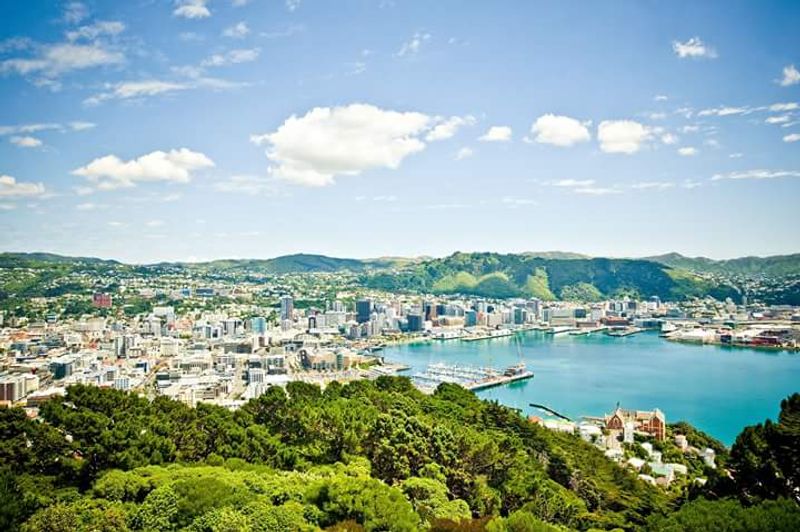
Wellington has a local saying: “You can always tell a Wellingtonian, but you can’t tell them much.” Locals are fiercely proud of their wind-battered, coffee-obsessed, spectacularly scenic little capital, and honestly, the pride is completely justified. Positioned at the southern tip of New Zealand’s North Island, the city is flanked by forested hills on three sides and a stunning natural harbor on the fourth.
Those famous Wellington winds are more than just a personality quirk. They consistently flush pollutants from the city’s air, helping Wellington maintain excellent air quality readings even as the city grows.
The wind also powers a significant portion of New Zealand’s electricity through wind farms visible on the surrounding ridgelines, which adds a satisfying environmental logic to the whole arrangement.
The waterfront Te Papa museum, cable car to the Botanic Garden, and hiking trails through the Zealandia wildlife sanctuary are all within easy walking distance of the city center. Zealandia itself is a remarkable 225-hectare urban ecosanctuary where endangered native birds roam freely behind a predator-proof fence.
Wellington’s café culture, vibrant arts scene, and compact walkable layout make it one of the most enjoyable small capitals anywhere in the world to simply wander through and breathe deeply.
Oslo, Norway
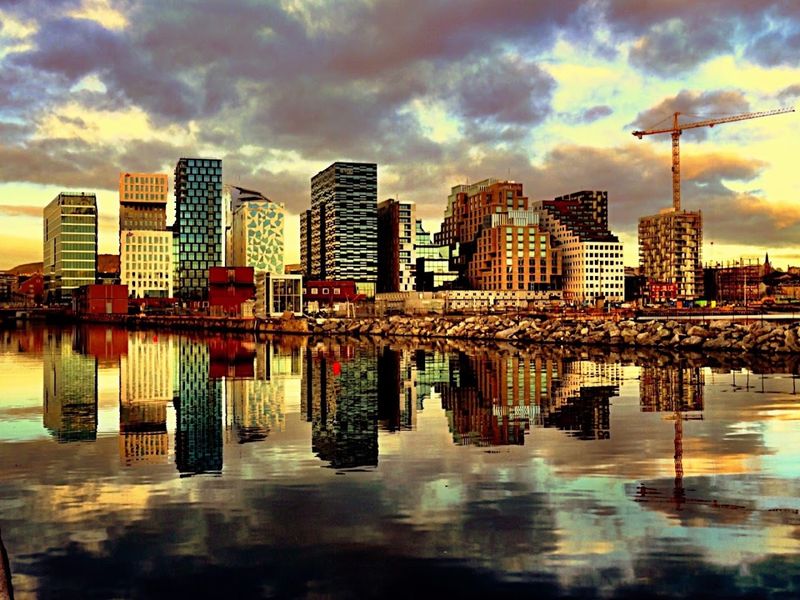
Norway pumps enormous quantities of oil out of the North Sea, yet somehow Oslo has managed to become one of the greenest, cleanest, and most environmentally ambitious capitals on earth. The apparent contradiction dissolves quickly when you realize how aggressively Norway reinvests its oil wealth into clean technology, electric vehicles, and public transportation.
Oslo now has more electric vehicles per capita than almost any city on the planet.
The city sits at the head of Oslofjord, with forested hills called the Marka rising steeply on three sides. In winter, those forests transform into an enormous cross-country skiing network accessible directly by metro from the city center.
In summer, the same trails become hiking and mountain biking routes that locals use with casual, everyday enthusiasm rather than special-occasion energy.
Oslo’s harbor has been transformed from an industrial zone into a stunning public waterfront with swimming platforms, kayak rentals, and the iconic Oslo Opera House, whose sloping roof you can walk directly onto. The city’s Frogner Park features over 200 bronze and granite sculptures set across manicured lawns and open green space.
Air quality monitoring consistently places Oslo among Scandinavia’s cleanest capitals, a title the city backs up with genuine policy substance rather than just ambitious rhetoric.
Bern, Switzerland
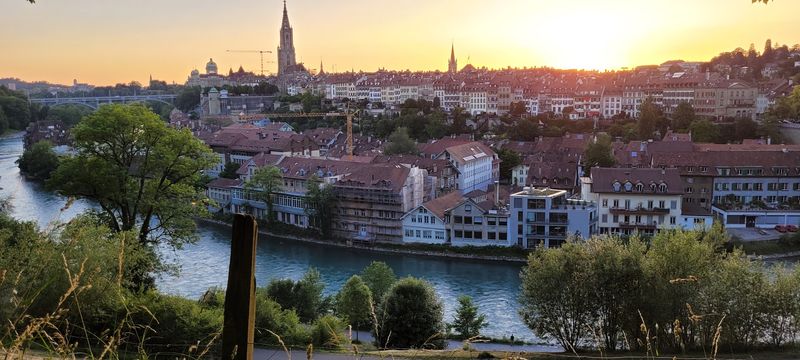
The Aare River wraps around Bern’s medieval old town like a protective turquoise arm, and on a clear summer day the Bernese Alps rise magnificently on the southern horizon. Switzerland’s often-overlooked capital is quieter and more relaxed than Zurich or Geneva, but it rewards the curious visitor with extraordinary architecture, exceptional cleanliness, and mountain air that genuinely deserves the adjective “crisp.”
Switzerland’s environmental regulations are among the strictest anywhere in Europe, and Bern benefits directly. Public transportation runs on clean electricity, cycling is woven into daily life, and the city’s compact medieval center is largely pedestrianized.
The famous arcaded walkways called Lauben keep shoppers dry without needing a car, which is exactly the kind of thoughtful urban design that reduces traffic and emissions simultaneously.
Locals swim in the fast-flowing Aare during summer, a tradition that sounds alarming until you realize the water is clean enough and the current manageable enough for it to be a genuine recreational ritual rather than a dare. The Rose Garden overlooks the old town with Alps in the background, creating one of Switzerland’s most photographed views.
Bern also happens to be home to the Einstein Museum, where you can learn about relativity while breathing some of Europe’s freshest mountain-influenced air.
Ljubljana, Slovenia
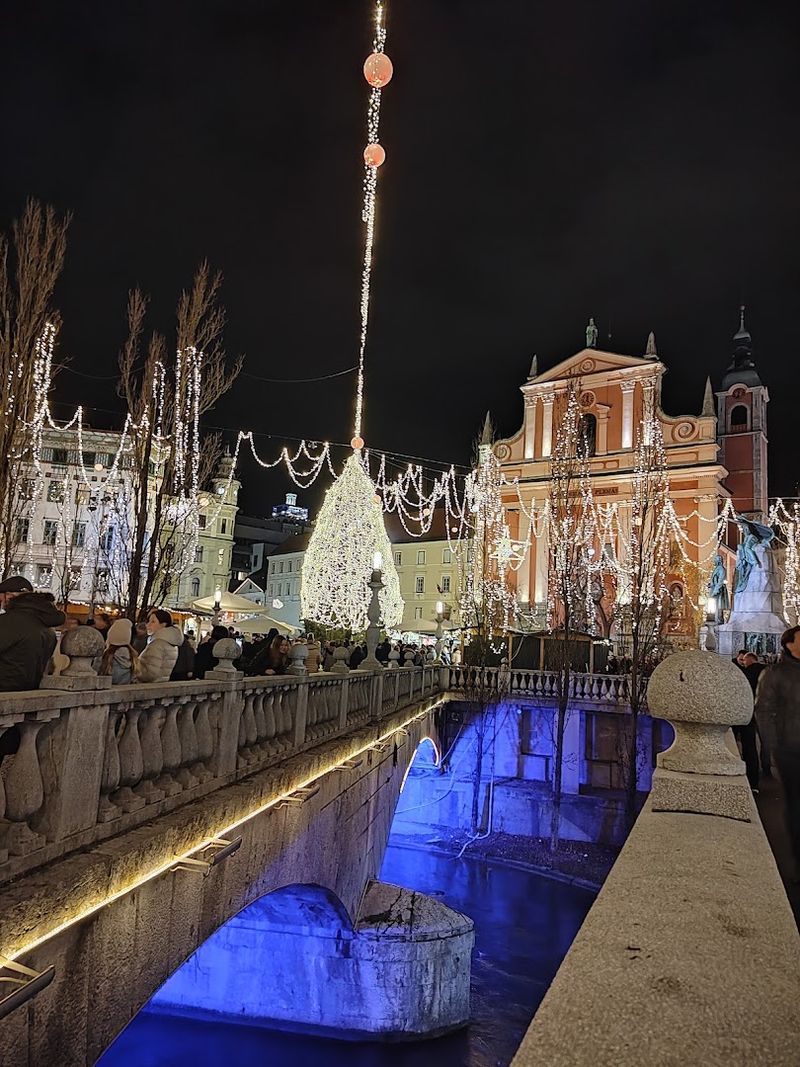
Ljubljana rhymes with “love you, Jana,” and once you visit, the affection makes complete sense. Slovenia’s compact, walkable capital has banned cars from its historic center, turning the riverside into a lively pedestrian zone lined with outdoor cafes, colorful facades, and the kind of relaxed energy that only happens when traffic noise disappears entirely.
The air quality improvement from that single policy decision alone has been measurable and significant.
Ljubljana Castle crowns a forested hill right in the city center, accessible by funicular or a pleasant uphill walk through the woods. From the battlements, the Julian Alps stretch across the northern horizon on clear days, providing a dramatic reminder that Slovenia punches well above its weight in the scenery department.
The Triglav National Park, with its famous emerald Soča River, is just over an hour’s drive away.
The city has won multiple European Green Capital awards and takes urban sustainability seriously at every level, from building regulations to waste management to public transport investment. The Central Market designed by local architectural legend Joze Plecnik runs along the riverbank and fills with fresh local produce several mornings each week.
Ljubljana regularly appears on lists of Europe’s most livable and most underrated capitals, two titles that often travel together in this particular corner of Central Europe.
Vienna, Austria
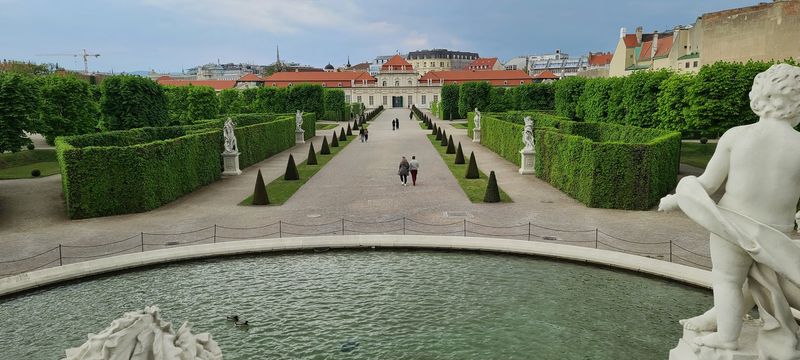
Vienna has been declared the world’s most livable city so many times that the title is practically part of the city’s official address. Austria’s grand imperial capital combines centuries of cultural achievement with a surprisingly green urban environment, featuring vineyards growing within city limits, ancient forests on the western edge, and the broad Danube River flowing through the northeastern districts.
Not many capitals can claim all three simultaneously.
The Wienerwald, or Vienna Woods, covers a massive forested area directly adjacent to the city and has been protected since the 19th century. Residents regularly escape there on weekends for hiking and cycling without ever needing to leave city boundaries technically.
The Prater park’s ancient chestnut alleys provide in-city green space on a scale that most European capitals cannot match.
Vienna’s public transportation system is genuinely world-class, with trams, metro lines, and buses running on clean electricity and covering the city so comprehensively that car ownership feels optional rather than necessary for daily life. The city also operates one of Europe’s best urban cycling networks.
Air quality benefits directly from all of this investment in clean mobility. Vienna’s famous coffee house culture gives you the perfect excuse to sit, sip a Melange, and simply breathe in the atmosphere of one of Europe’s most elegant and environmentally responsible capitals.
Dublin, Ireland
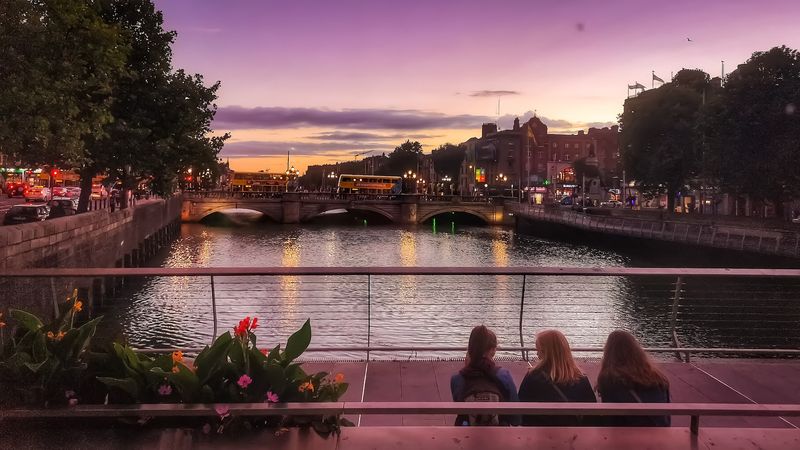
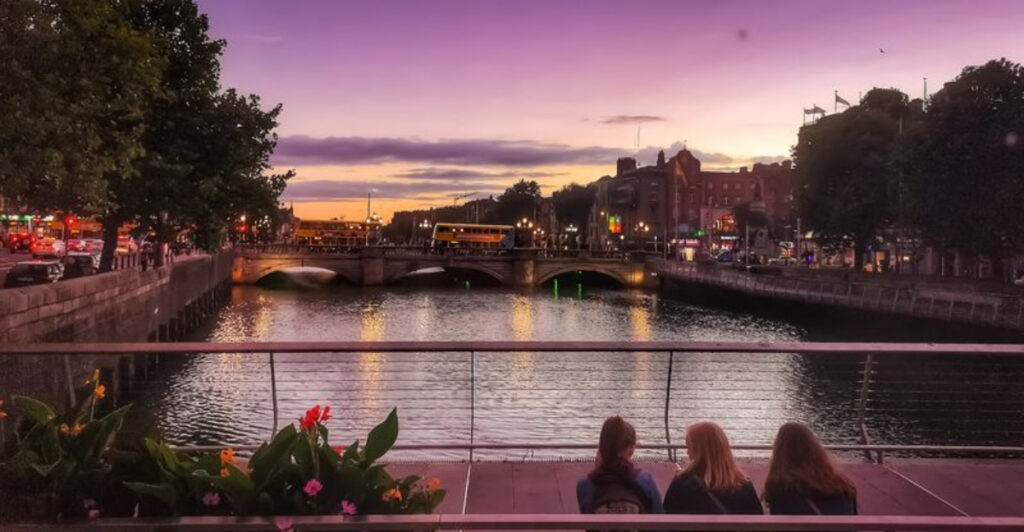
Atlantic winds roll in off the Irish Sea with cheerful persistence, and while Dubliners may grumble about the weather, those same breezes do an excellent job of keeping the city’s air consistently fresh. Ireland’s capital sits on the eastern coast, open to oceanic air masses that sweep away pollutants before they can accumulate.
The result is air quality that regularly outperforms expectations for a city of Dublin’s size and economic activity.
Phoenix Park is one of the largest enclosed urban parks in Europe, covering over 700 hectares right inside the city. Wild deer roam freely through its woodlands, the Irish President’s residence sits quietly in one corner, and families picnic on its broad green expanses on any afternoon with a hint of sunshine.
The Wicklow Mountains rise dramatically just south of the city, accessible by bus and offering serious hiking within 45 minutes of O’Connell Street.
Dublin’s coastline delivers clifftop walks at Howth Head, sandy beaches at Sandymount Strand, and the iconic Forty Foot swimming spot at Sandycove, where brave locals swim year-round regardless of water temperature. The city’s historic Georgian squares, cobblestoned Temple Bar neighborhood, and legendary pub culture add layers of warmth and character to what is already a naturally beautiful setting.
Dublin rewards slow exploration with fresh air and genuine Irish charm at every turn.
Copenhagen, Denmark
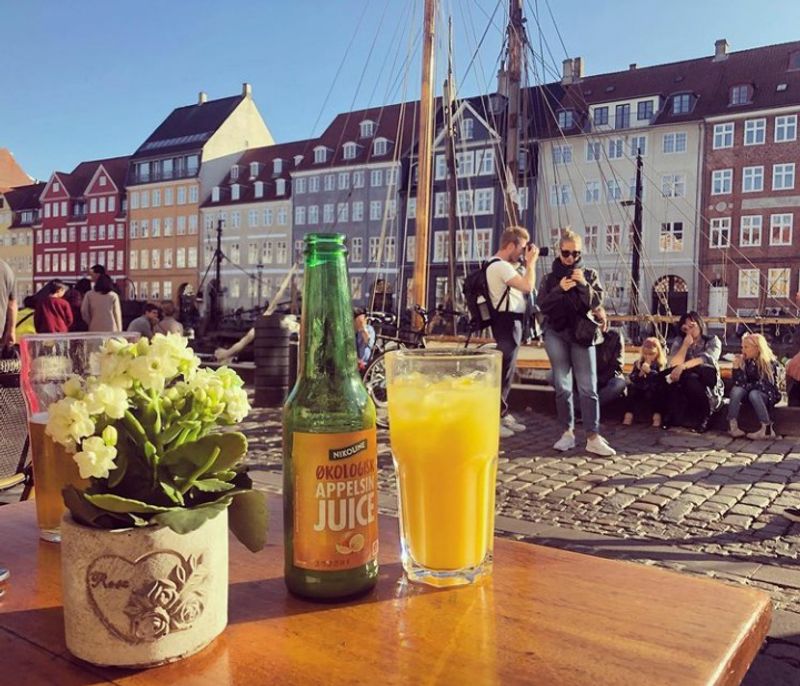
Copenhagen’s harbor is so clean that locals swim in it, right in the middle of the city, at designated harbor baths that fill up on warm summer days. That single fact says everything you need to know about how seriously Denmark’s capital takes environmental quality.
The city has been working toward carbon neutrality for decades and has already cut its emissions dramatically through wind energy, cycling infrastructure, and district heating systems.
The famous Nyhavn canal, lined with candy-colored 17th-century townhouses, is one of Europe’s most photographed waterfronts. Beyond the postcard scenery, Copenhagen’s cycling culture is the real environmental backbone of the city.
Over 60% of residents cycle to work or school daily, which keeps vehicle emissions impressively low and gives the city’s streets a lively, human-scaled energy that feels completely different from car-dominated capitals.
The Frederiksberg Gardens, Faelledparken, and the ancient Deer Park north of the city provide green breathing room across all neighborhoods and income levels. Copenhagen also sits close to the Swedish coast, with a direct bridge-tunnel connecting the two countries and opening up even more natural scenery within easy reach.
The city’s food scene, which celebrates local and seasonal ingredients with genuine creativity, pairs naturally with its commitment to clean air and clean water as expressions of the same core values.
Ottawa, Canada
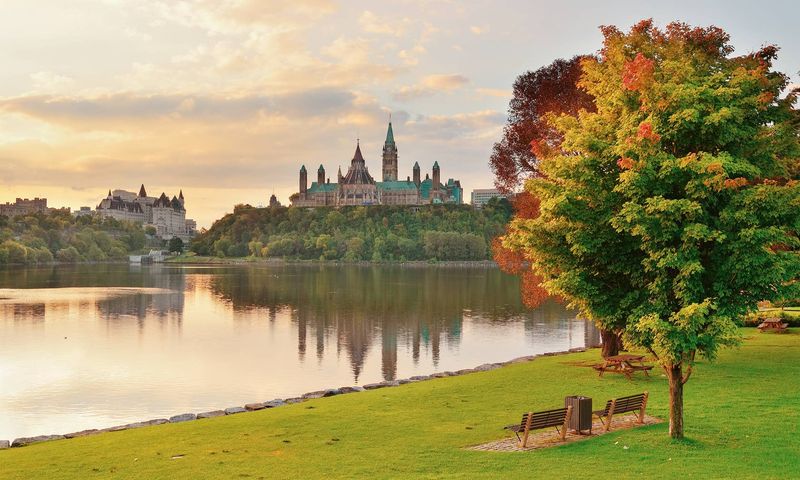
Every autumn, Ottawa puts on one of the most spectacular natural color shows of any capital city on earth. The Gatineau Hills across the Ottawa River erupt in blazing reds, oranges, and golds, and from Parliament Hill the view is genuinely breathtaking.
Canada’s capital is surrounded by rivers, forests, and protected parkland on a scale that keeps its air quality consistently impressive for a city of its size.
The Ottawa River and Rideau River frame the city on multiple sides, and the Rideau Canal runs straight through the downtown core. In winter, that canal freezes and becomes the world’s largest naturally maintained skating rink, stretching nearly eight kilometers and used by commuters who skate to work with briefcases and coffee cups.
The whole scene feels slightly surreal and completely wonderful.
Gatineau Park, just across the provincial border in Quebec, covers over 360 square kilometers of protected wilderness accessible within 20 minutes of downtown Ottawa. Hiking, skiing, swimming, and wildlife watching are all available within easy reach of the parliamentary precinct.
The city’s relatively small population, limited heavy manufacturing, and abundant surrounding green space combine to produce air quality that regularly ranks among the best of any major Canadian city. Ottawa quietly delivers a capital city experience that balances political gravitas with genuine natural beauty.
Edinburgh, Scotland, United Kingdom
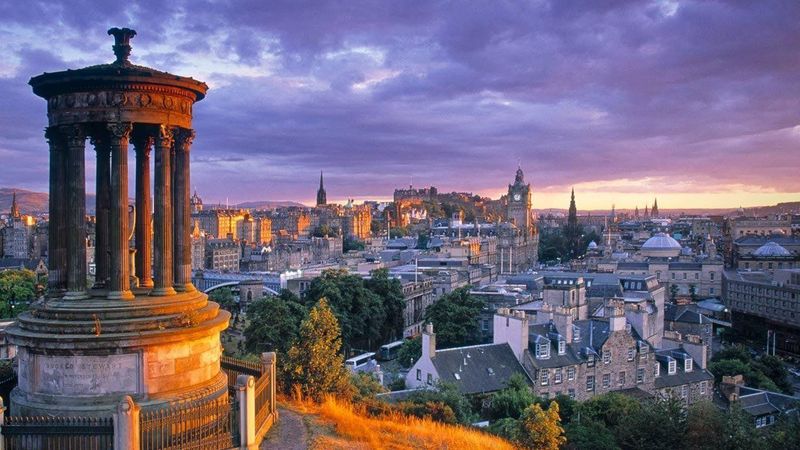
Edinburgh sits on top of ancient volcanoes, which sounds alarming but is actually responsible for the city’s most dramatic and beloved geographical features. Arthur’s Seat, a 350-million-year-old extinct volcano, rises to 251 meters right inside the city limits and is surrounded by Holyrood Park, a wild stretch of grassland, crags, and lochs that feels genuinely remote despite being a ten-minute walk from the Royal Mile.
The scenery is extraordinary by any measure.
Scotland’s capital benefits from Atlantic weather systems that bring frequent rain but also consistently flush the atmosphere clean. Air quality in Edinburgh compares favorably with most large British and European cities, a fact that the city’s expanding cycling network and investment in electric buses is helping to improve further.
The historic medieval Old Town and Georgian New Town sit side by side, a UNESCO World Heritage Site that proves environmental awareness and architectural heritage can coexist beautifully.
The Firth of Forth estuary opens up just north of the city, offering coastal walks, seabird colonies, and views of the iconic Forth Bridge on clear days. The Scottish Highlands begin within an hour’s drive northward, extending the available natural scenery almost infinitely.
Edinburgh’s world-famous August festival season fills the city with energy, but the dramatic volcanic landscape ensures the backdrop is always the most impressive performer on any given stage.
Lisbon, Portugal
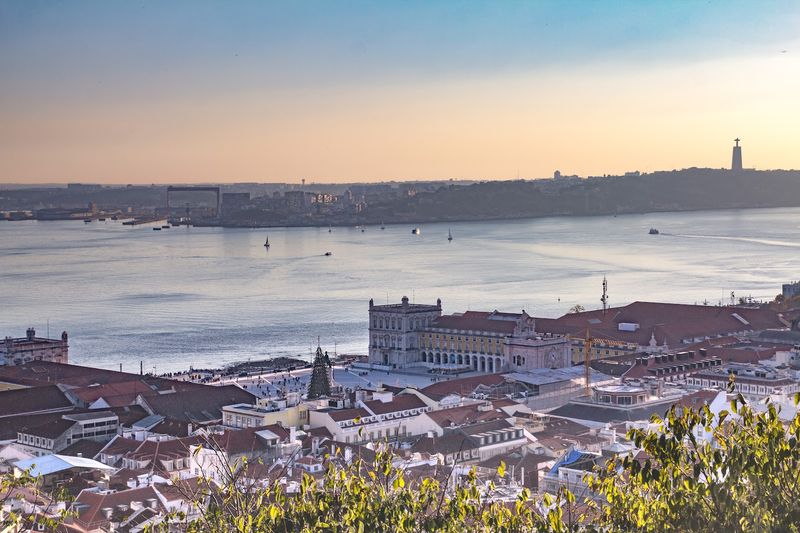
Lisbon is the kind of city that makes you want to climb every hill just to see what the view looks like from the top, and the answer is consistently magnificent. Portugal’s sun-drenched capital spreads across seven hills above the broad Tagus River estuary, with the Atlantic Ocean beginning just beyond the famous 25 de Abril suspension bridge.
Atlantic breezes roll in from the ocean regularly, helping maintain air quality that consistently outperforms many of its Southern European neighbors.
The nearby Sintra mountains, just 40 minutes by train, are covered in dense Atlantic forest and dotted with fairy-tale palaces that emerge from the mist like scenes from a fantasy novel. Cascais and Estoril offer sandy Atlantic beaches within an hour of the city center.
The Arrabida Natural Park south of Lisbon delivers turquoise coves, white limestone cliffs, and Mediterranean scrubland all in one spectacular coastal package.
Lisbon’s famous yellow trams clatter through neighborhoods of azulejo-tiled facades, and the city’s historic Alfama district tumbles down toward the river in a maze of narrow alleyways filled with the sound of fado music. The city has invested significantly in cycling infrastructure and electric public transport in recent years, reflecting a genuine commitment to keeping its air as fresh as the Atlantic breeze that sweeps across its sun-warmed rooftops each afternoon.
Tokyo, Japan
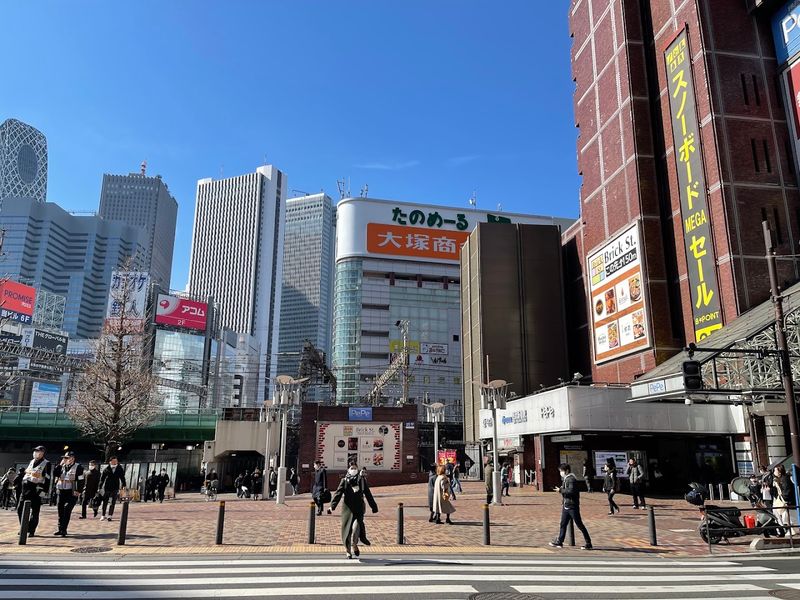
Mount Fuji appears above the Tokyo skyline on clear winter days like a polite reminder that nature still outranks even the world’s most impressive city. Japan’s capital is home to nearly 14 million people within city limits, making its air quality improvements over recent decades one of the most remarkable environmental turnarounds in urban history.
Tokyo in the 1960s was infamous for smog so thick that traffic police wore oxygen masks. Today, the city regularly posts air quality readings that would be respectable for a city a fraction of its size.
Strict vehicle emissions standards introduced progressively since the 1990s, combined with one of the world’s most efficient public transportation networks, drove that transformation. Tokyo’s metro, train, and bus systems carry millions of passengers daily with extraordinary punctuality and minimal environmental footprint.
Car ownership in central Tokyo is genuinely inconvenient by design, and most residents find they simply do not need one.
The city’s abundant green spaces, including Shinjuku Gyoen, the Imperial Palace gardens, and dozens of neighborhood parks, provide urban lungs across every district. Day trips to the Nikko mountains, Kamakura’s forested temples, or the Fuji Five Lakes region extend the available natural scenery dramatically.
Tokyo proves that a megacity can take environmental responsibility seriously and actually succeed, making it one of the most inspiring entries on this entire list.
Share this story