Imagine stepping off a ferry or train and realizing there are no honking horns, no exhaust fumes, and no parking drama. Some of the world’s most beautiful destinations have one thing in common: they keep ordinary cars off their streets.
From Greek islands to Swiss mountain villages to tiny Channel Island hideaways, these places prove that slowing down is sometimes the best way to truly arrive. Pack light, leave your car keys at home, and get ready to explore 15 destinations where your feet, a bicycle, or a boat do all the work.
Hydra, Greece
Pack mules carrying luggage up steep stone lanes is not a scene from a period film. On Hydra, it is Tuesday.
This Greek island sits in the Saronic Gulf and has kept cars off its cobblestones so successfully that the pack animal is still the island’s primary delivery system.
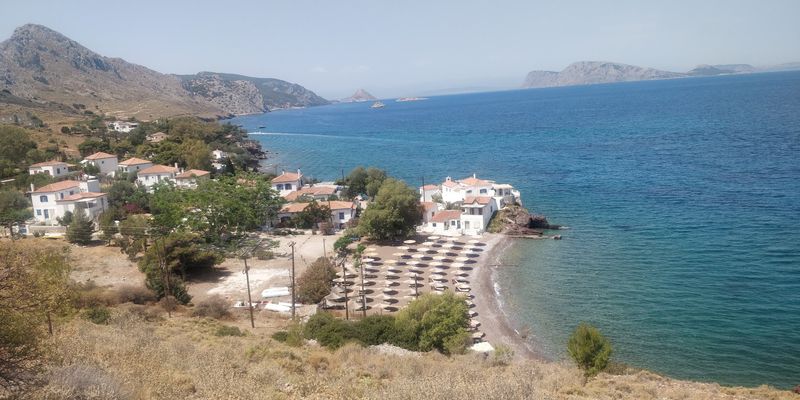
Hydra Town’s waterfront is lined with cafes, old captains’ mansions, and small galleries. Stone paths climb upward toward monasteries and viewpoints that reward the effort with sweeping sea views.
Because there are no engines revving in the background, the sound of waves and conversation fills the air instead.
Boats connect the more remote beaches and coves scattered around the island’s coastline, so even the sea becomes your transportation network. Visiting during spring or autumn means fewer crowds and cooler temperatures for walking.
The island attracts artists, writers, and travelers who want a Mediterranean experience without the resort-town noise. Hydra is not trying to be trendy by banning cars.
It simply never let them in to begin with, and the result is one of the Aegean’s most genuinely atmospheric escapes.
Sark, Channel Islands
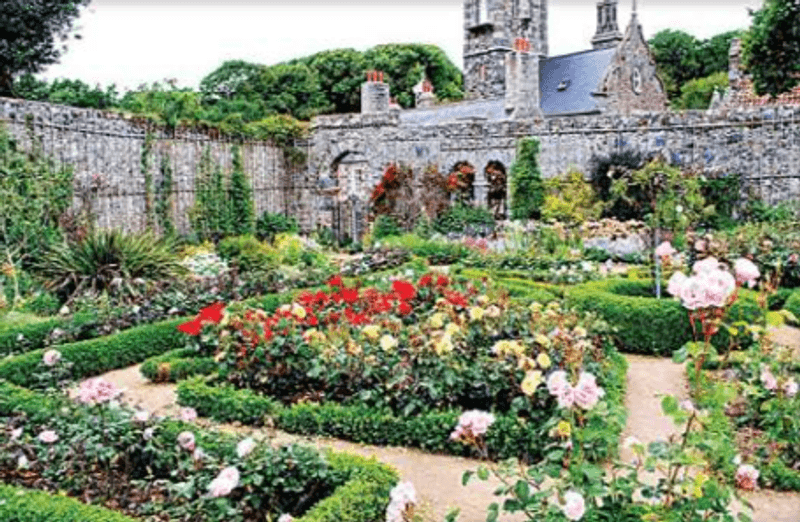
Sark is the kind of place that makes you wonder why the rest of the world bothered with roads at all. This tiny Channel Island, governed by one of Europe’s last feudal systems, has no paved roads and no cars.
Getting there requires a boat from Guernsey, which already sets the tone for the adventure ahead.
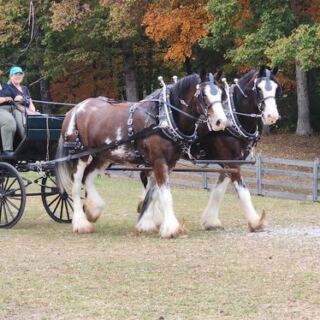
Once you arrive, the options are wonderfully simple: walk, cycle, or climb aboard a horse-drawn carriage. Clifftop paths wind past dramatic sea views, hidden bays, and stone cottages draped in quiet charm.
The island covers just about 5 square kilometers, so nothing feels impossibly far away on foot.
Sark is also recognized as one of the world’s first designated Dark Sky Communities, which means stargazing here is genuinely spectacular. There are no streetlights competing with the Milky Way.
A handful of small hotels, guesthouses, and restaurants give visitors a comfortable base without any of the usual tourist-town bustle. If your idea of a perfect escape involves slowing down to a horse’s pace and watching the stars from a clifftop, Sark has been waiting for you.
Zermatt, Switzerland
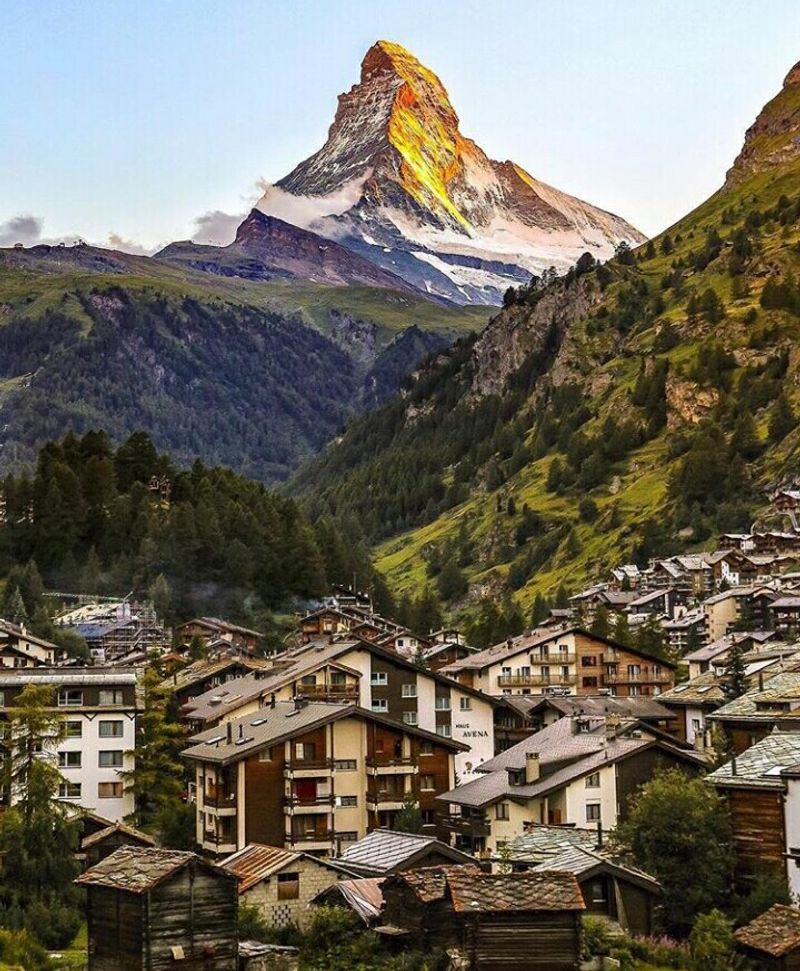
Few places on Earth have a mountain as famous as the Matterhorn standing watch over them, and Zermatt makes the most of that advantage by keeping the foreground beautifully quiet. Conventional cars stop at Tasch, a short train ride away, so visitors roll into the village by rail and step onto streets that belong to walkers and cyclists.
Old wooden chalets, bakeries, and mountain gear shops line the main street, while cable cars whisk skiers and hikers upward in every season. Authorized electric vehicles handle deliveries and transport within the village, so the streets are not completely silent, but the noise level is a dramatic step down from a typical Alpine resort town.
Zermatt works brilliantly in both winter and summer. Ski season brings snowy lanes and glowing restaurant windows, while summer hiking season reveals wildflower meadows and high-altitude trails with Matterhorn views at every turn.
Early mornings are especially peaceful before the day-trippers arrive on the first trains. Staying overnight means you get the village largely to yourself as evening settles over the rooftops and the mountain turns pink in the last light.
Wengen, Switzerland
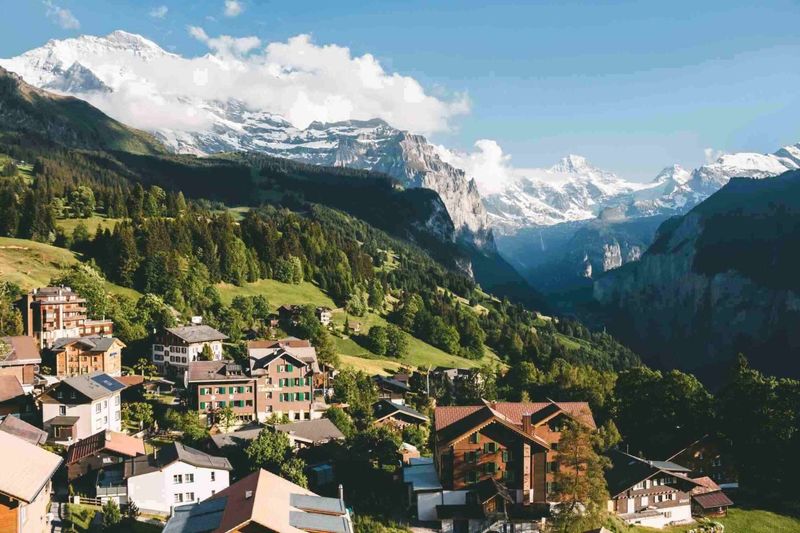
Wengen sits on a sunny shelf above one of Switzerland’s most dramatic valleys, and the only way to arrive is by hopping the cog railway from Lauterbrunnen below. Private cars simply have no road to follow up here, which gives the village a naturally unhurried atmosphere that feels almost accidental in its perfection.
Traditional wooden chalets, flower boxes, and mountain trails spread out from the small village center. The Jungfrau region’s famous railway network connects Wengen to Grindelwald, Kleine Scheidegg, and the Jungfraujoch station high in the Alps.
Walking paths leave directly from the village for viewpoints above the valley and through meadows that bloom brilliantly in late spring and early summer.
In winter, Wengen is part of the Jungfrau ski area and hosts one of alpine racing’s most celebrated downhill events on the Lauberhorn course. Even during the busiest race weekends, the village keeps its calm character because the crowd travels by train rather than convoy.
The soundscape here genuinely surprises first-time visitors. Cowbells, birdsong, and the occasional railway bell replace engine noise entirely.
That soundtrack alone is worth the train ticket.
Murren, Switzerland
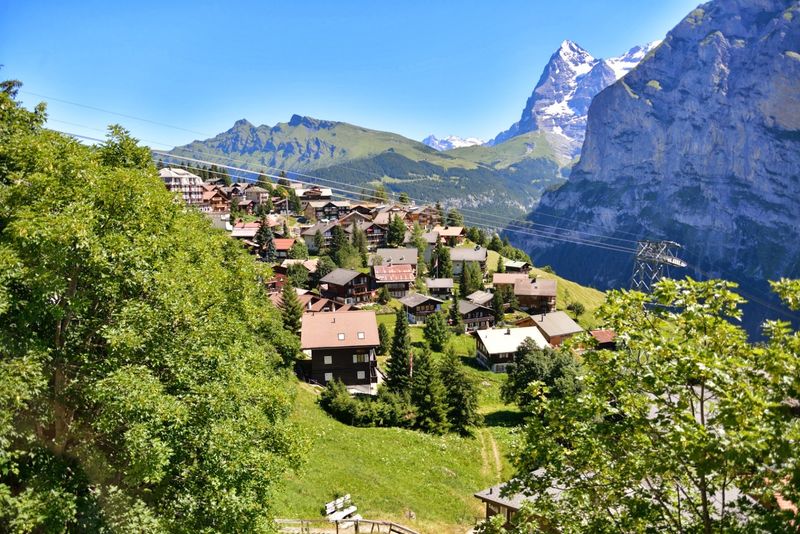
Perched higher than Wengen on the opposite side of the Lauterbrunnen Valley, Murren takes the car-free concept and adds altitude for dramatic effect. The village clings to a clifftop ledge at around 1,650 meters, reachable only by cable car or mountain railway, and the views from its edge are the kind that make visitors stand very still for a long time.
The Eiger, Monch, and Jungfrau fill the horizon so completely that it takes a moment to remember you are standing in a village and not at a mountain overlook. Restaurants, small hotels, and a sports center serve visitors, while walking trails radiate outward through Alpine scenery in every direction.
In winter, Murren connects to the Schilthorn ski area, home to the revolving Piz Gloria restaurant made famous by a certain spy film.
Summer hiking here is genuinely world-class, with routes ranging from easy valley-edge strolls to demanding ridge walks with nonstop panoramic views. Because Murren is harder to reach than some of its neighbors, the crowds stay more manageable.
Evenings in the village feel particularly special when the last cable car has gone and the mountains hold the last colors of sunset.
Silba, Croatia
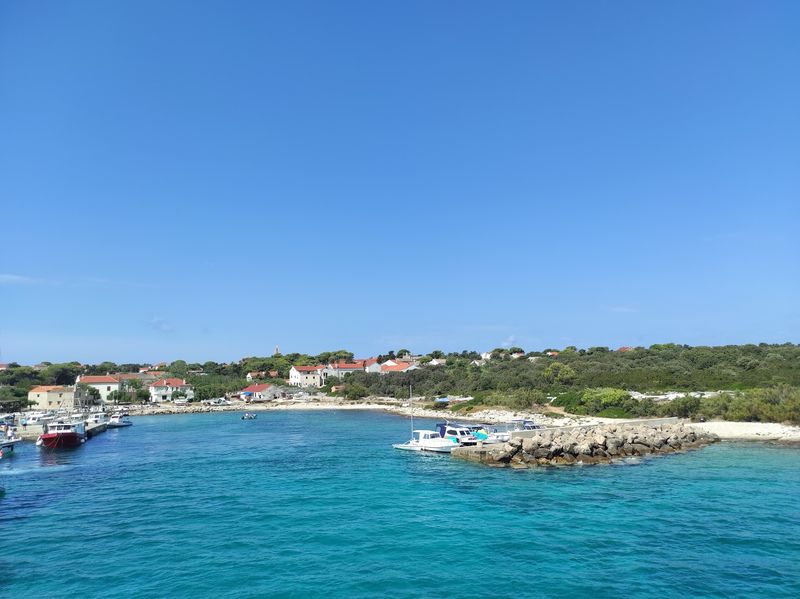
Croatia has dozens of beautiful Adriatic islands, but Silba earns a quiet kind of fame by being one of the few where you can walk from one side to the other in about 20 minutes. Cars are absent, bicycles are traditionally restricted during peak summer hours, and the island’s natural pace is simply walking.
Stone houses, pine shade, and small beaches define the landscape. The island has two coasts facing different directions, which means you can choose your beach based on wind direction and water color that day.
Local fishermen still bring in their catch, and the handful of restaurants and guesthouses keep things refreshingly simple.
Silba does not have a port that accommodates large cruise ships, so the visitors who make it here tend to be people actively seeking quiet rather than accidentally stumbling upon it. That self-selection process keeps the atmosphere remarkably calm even in July and August, when Croatia’s bigger islands are packed.
The island has no bank and limited ATM access, so arriving with cash and a willingness to disconnect from modern convenience is part of the experience. Consider that a feature, not a bug.
Lopud, Croatia
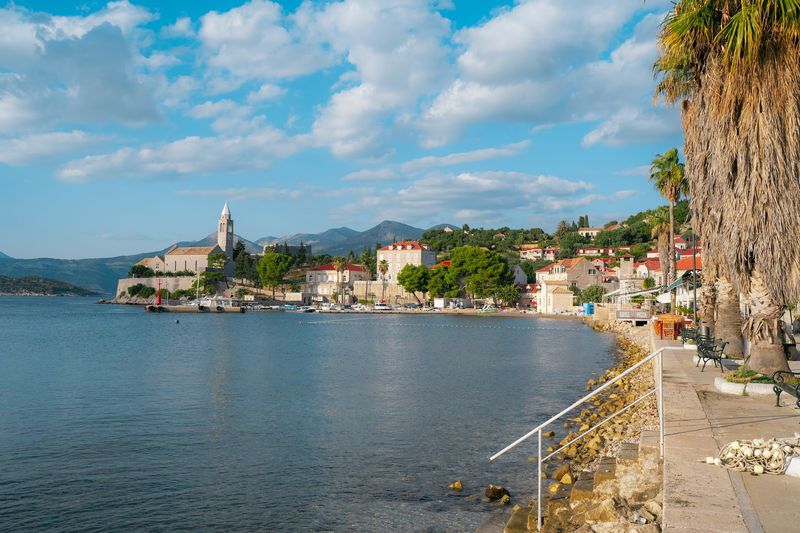
Just a short ferry ride from Dubrovnik, Lopud offers a remarkable contrast to one of Europe’s most visited walled cities. The island is officially car-free, and after the crowds of the Old Town, stepping onto Lopud’s waterfront promenade feels like someone has pressed a pause button on the world.
The island’s main attraction beyond its peaceful character is Sunj Bay, one of the few genuinely sandy beaches in the Dalmatian islands. A walking path through Mediterranean vegetation leads from the village to the bay, passing old monastery ruins and sea views along the way.
The walk takes roughly 20 to 30 minutes and is pleasant in both directions.
Day-trippers from Dubrovnik arrive on morning ferries and tend to head straight for the beach, so the village itself stays relatively calm throughout the day. Staying overnight reveals a completely different rhythm, with quiet evenings at waterfront restaurants and mornings when the island belongs almost entirely to its small permanent population.
Lopud is a smart addition to any Dubrovnik itinerary for travelers who want the Adriatic experience without the city’s price tags and foot traffic competing for every inch of cobblestone.
Mackinac Island, Michigan
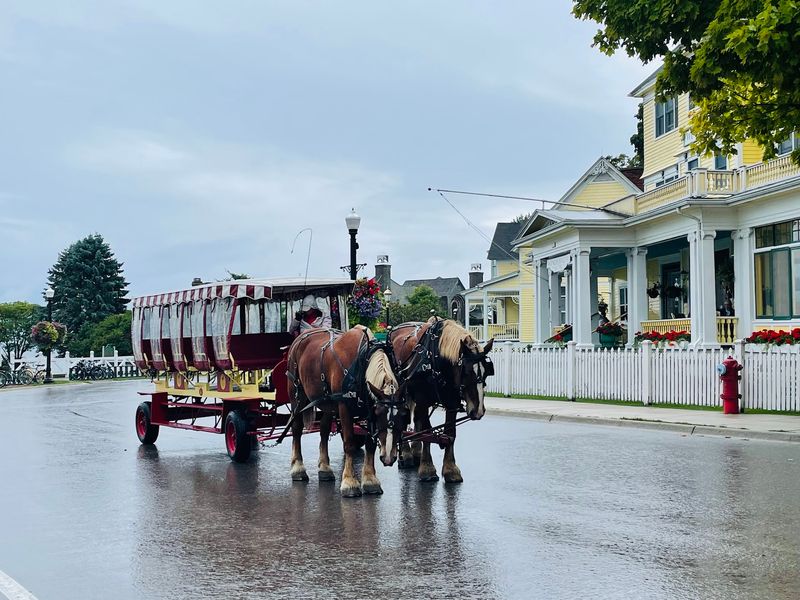
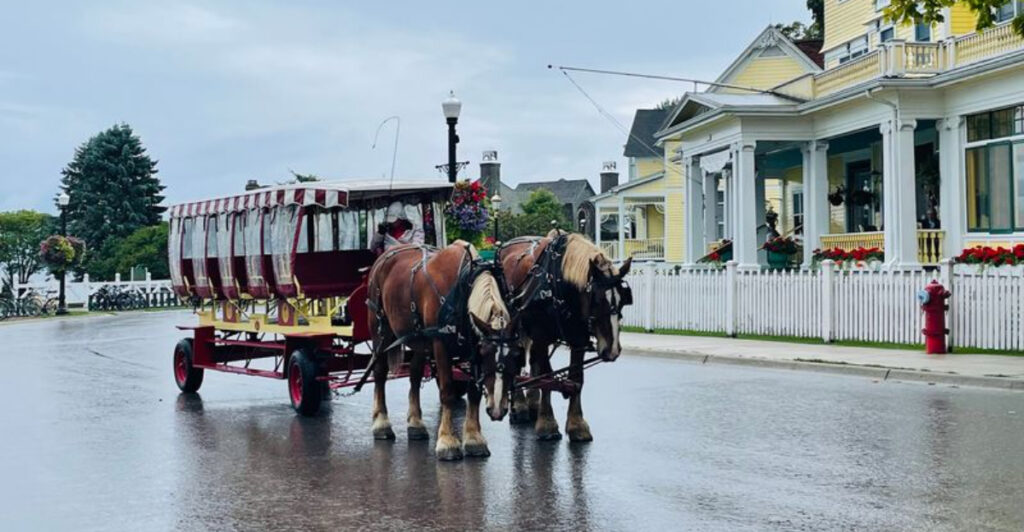
Mackinac Island banned cars in 1898, which means it has been doing the car-free thing longer than most people have been alive. Horse-drawn carriages, bicycles, and foot traffic have handled the island’s transportation needs for well over a century, giving the whole place a pleasantly Victorian atmosphere that is not manufactured for tourists but simply preserved by habit.
The island sits in Lake Huron between Michigan’s Upper and Lower Peninsulas and is accessible by ferry from two mainland ports. Its famous fudge shops, the grand Victorian-era Grand Hotel, and a scenic road circling the entire shoreline make it one of the Midwest’s most distinctive summer destinations.
Beyond the busy downtown area near the ferry docks, the island opens up into woodland trails, limestone bluffs, and quiet residential streets lined with historic cottages. Fort Mackinac, a preserved military outpost from the late 1700s, provides a history lesson with excellent lake views included at no extra charge.
Summer weekends can feel crowded near the docks, but a bicycle ride to the island’s less-visited eastern or western shores reveals a much calmer version of Mackinac. The fudge, for what it is worth, is legitimately excellent.
Bald Head Island, North Carolina
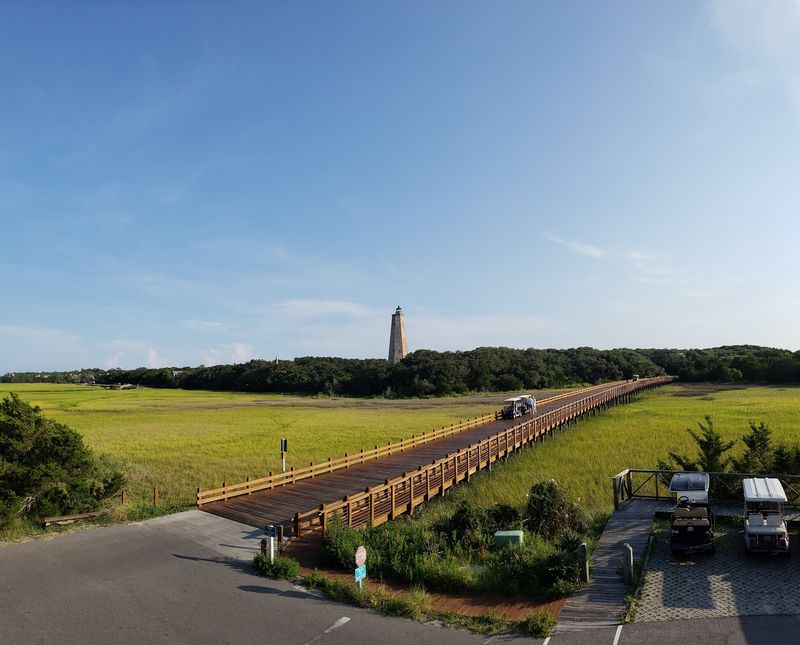
Reaching Bald Head Island requires a passenger ferry from Southport, North Carolina, and that short boat ride signals the beginning of a genuinely different pace. Private cars stay on the mainland.
Once you arrive, electric carts, bicycles, and walking paths take over as the natural way to move around the island.
The island combines Atlantic beaches, salt marsh, maritime forest, and the historic Old Baldy lighthouse, which is the oldest standing lighthouse in North Carolina. That variety of landscape in a small space means a single afternoon walk can take you from ocean shoreline to shaded forest path to tidal marsh overlook without retracing your steps.
Bald Head Island has a small permanent community alongside its vacation rental properties, giving it a lived-in character that distinguishes it from purely commercial resort islands. Wildlife is abundant, including nesting loggerhead sea turtles that use the beaches during summer months.
The island operates a turtle protection program that restricts lighting and activity near nesting areas at night, which is a good reminder that the car-free policy is part of a broader commitment to keeping the place genuinely natural. Renting an electric cart for the week is both practical and surprisingly enjoyable.
Fire Island, New York
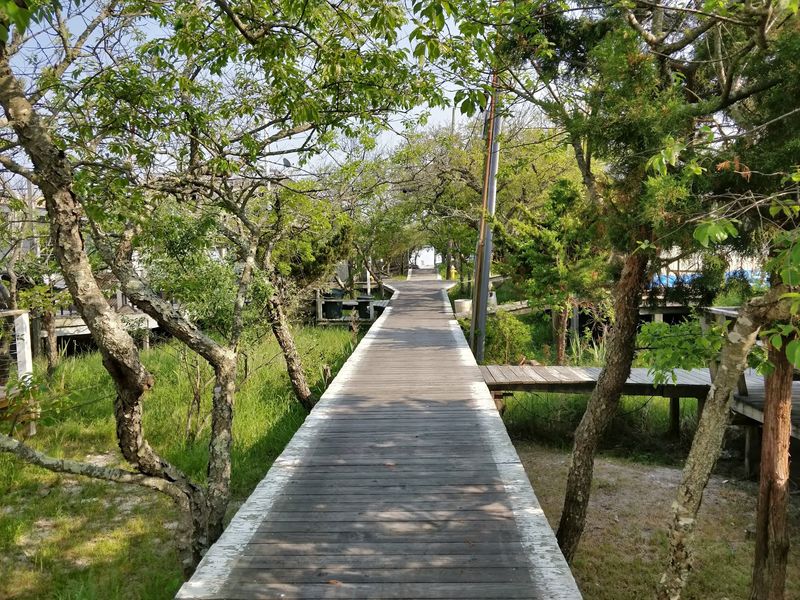
Fire Island is technically not one place but a collection of communities strung along a narrow barrier island off Long Island’s south shore. What makes it remarkable for New York residents is that a genuinely car-free escape sits within reach of one of the world’s most vehicle-saturated metropolitan areas.
Most of the island’s residential communities operate on a network of wooden boardwalks instead of paved streets. Wagons replace car trunks for moving groceries and luggage, bicycles handle longer distances, and water taxis connect communities along the bay side.
The Atlantic Ocean is never more than a short walk away through the dunes.
The communities have distinct personalities, from the lively atmosphere of Ocean Beach to the quieter, family-oriented character of Saltaire. Fire Island National Seashore protects much of the island’s natural landscape, including the Sunken Forest, a rare maritime holly forest that feels like stepping into a completely different ecosystem.
Because the ferries stop running late at night, the island has a natural curfew that keeps the atmosphere from getting too chaotic. For stressed-out city dwellers, the boardwalk-and-bicycle lifestyle of Fire Island can feel like a revelation that was hiding just an hour away the whole time.
Rottnest Island, Australia
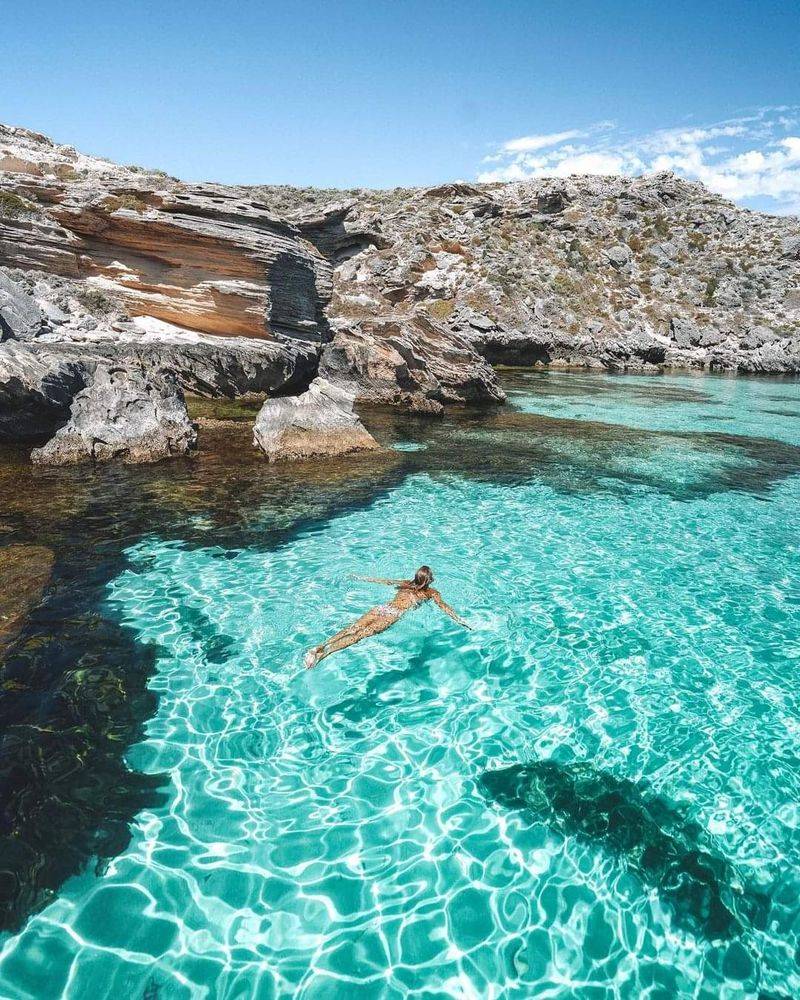
Rottnest Island has a secret weapon that no other car-free destination in the world can claim: the quokka. These small, round-faced marsupials live across the island and have a facial expression that genuinely looks like a smile, making them the most photographed wildlife in Western Australia and possibly the most cheerful animals on the planet.
The island sits about 19 kilometers off the coast of Fremantle and is accessible by ferry from Perth, Fremantle, or Hillary’s Boat Harbour. Visitors leave their cars behind on the mainland, and bicycles become the primary way to explore the island’s network of paths, sheltered bays, and coastal lookouts.
The cycling circuit around the island covers about 26 kilometers and passes some of the most beautiful turquoise water in Australia.
Beyond the quokkas and the cycling, Rottnest offers excellent snorkeling in its marine park waters, historic buildings from its complicated colonial past, and beaches that consistently rank among Australia’s best. Accommodation ranges from basic campgrounds to renovated heritage cottages.
Ferries run frequently from the mainland, making a day trip possible, but staying overnight rewards visitors with a quieter island after the day-trippers head home on the last boat.
Gili Islands, Indonesia
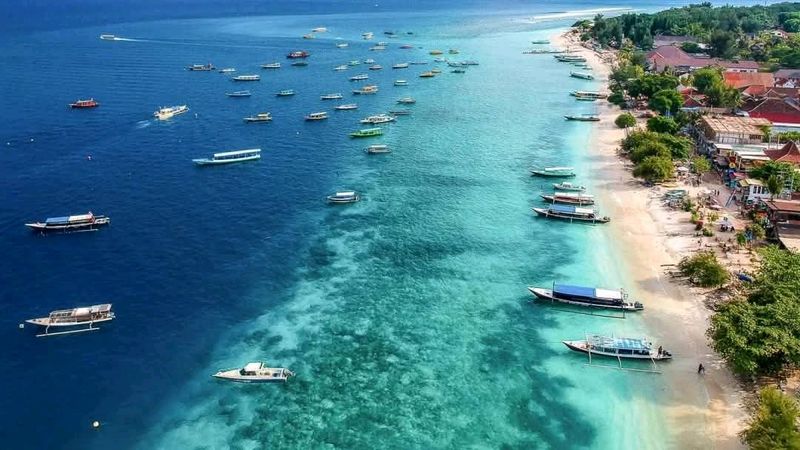
The three Gili Islands off the northwest coast of Lombok have a combined surface area that you could walk across in an afternoon, yet each one manages to feel like a completely different destination. Motorized vehicles are prohibited on all three, so the traditional horse-drawn cidomo cart shares sandy paths with bicycles and barefoot walkers.
Gili Trawangan is the largest and liveliest, with beach bars, dive shops, and a social scene that stretches into the evenings. Gili Air strikes a middle ground, popular with both divers and travelers wanting a relaxed base with good food options.
Gili Meno is the smallest and quietest, best suited to honeymooners or anyone whose primary goal is a hammock and a book.
The snorkeling and diving across all three islands is genuinely world-class, with sea turtles frequently spotted on shallow reefs just off the beaches. Getting between the islands is easy via short boat rides called island-hopping shuttles.
The absence of engine noise on land makes the sound of the ocean noticeably present throughout the day, which turns out to be exactly the kind of background noise that makes an afternoon nap feel like a genuine luxury rather than a guilty pleasure.
Giethoorn, Netherlands
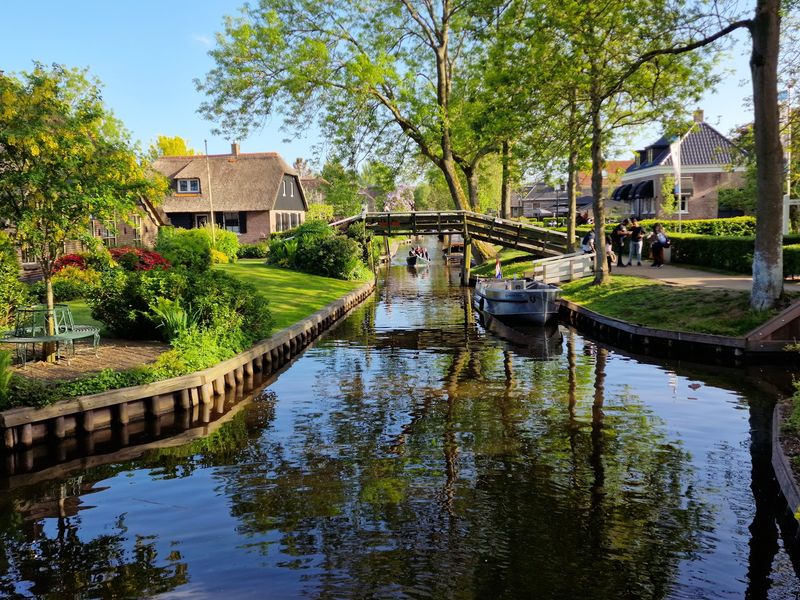
Giethoorn was founded in the 13th century by settlers who found so many goat horns buried in the peat that they named the place after them. The canals came later, dug to transport the peat, and they ended up replacing roads so thoroughly that the village center never really needed conventional streets.
That historical accident produced one of the Netherlands’ most photographed villages.
Flat-bottomed boats called punters drift along narrow waterways past thatched farmhouses, arched wooden bridges, and vegetable gardens that back right up to the water’s edge. Cars park outside the village area, and visitors explore on foot, by bicycle, or by renting a small electric boat for a few hours.
The boat rental option is particularly popular and gives a perspective of the village that walking paths simply cannot match.
Midday in high season can feel genuinely crowded with tourist boats bumping along the main canal, so timing matters here more than at some other destinations on this list. Arriving before 9 in the morning or staying overnight to explore in the evening transforms the experience entirely.
The village is quieter in autumn and winter too, when the tourist boats thin out and the thatched roofs take on a moody, misty character that is arguably more beautiful than the summer version.
Buyukada, Turkey
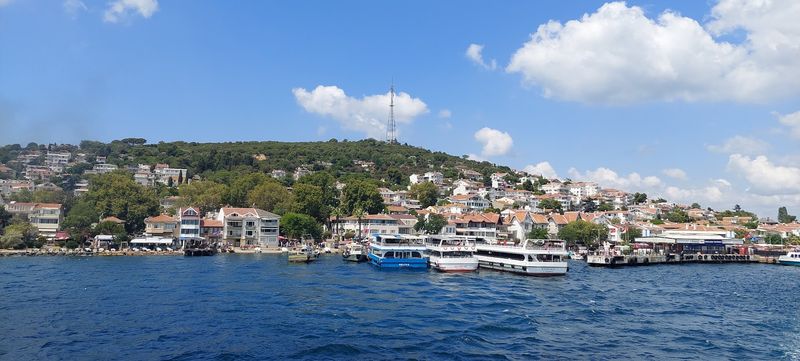
On a clear day from Istanbul’s ferry terminals, Buyukada appears as a pine-covered hill rising from the Marmara Sea, looking almost too picturesque to be real. It is the largest of the Princes’ Islands and sits close enough to the city that the ferry ride takes under an hour, yet the island’s prohibition on gasoline and diesel vehicles makes it feel like a different century entirely.
Horse-drawn phaeton carriages have traditionally been the signature transport here, carrying visitors past grand wooden Ottoman mansions, Greek Orthodox churches, and gardens that spill over low stone walls. Recent changes have introduced limited electric vehicle transport to the island, but the overall character remains defined by the absence of conventional motor traffic.
Bicycles are available for rent near the ferry dock.
The island has a complex and layered history, having served as a place of exile for Byzantine royalty and later as a summer retreat for Istanbul’s wealthier communities. Many of the old wooden mansions are in various states of preservation, some beautifully maintained and others slowly returning to the hillside.
Arriving on a weekday morning gives you a much calmer experience than weekend afternoons, when Istanbul residents fill the ferries for a quick escape from the city they share with around 16 million other people.
Herm, Channel Islands
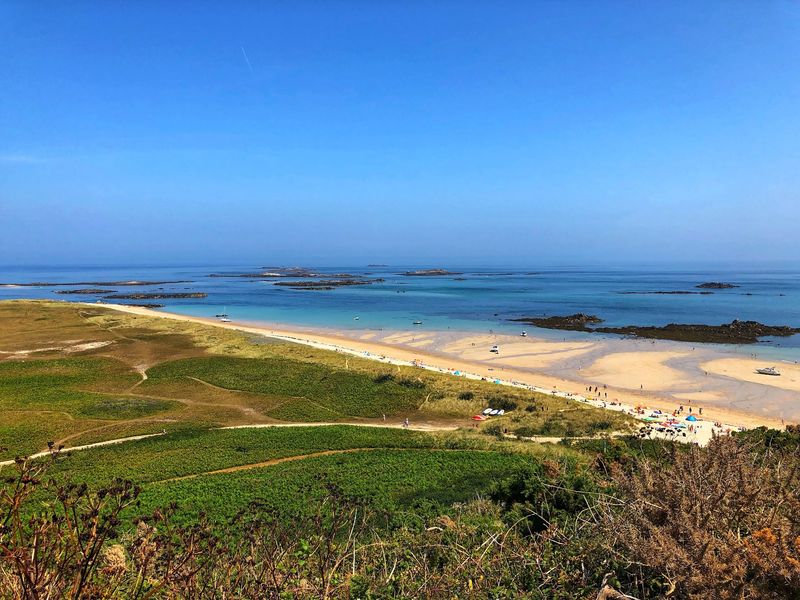
Herm is so small that its official tourism description cuts straight to the point: no cars, no crowds, no stress. The entire island is roughly one and a half miles long, which means you can walk its length in under an hour without rushing.
A 20-minute boat ride from Guernsey is all that separates it from the rest of the world.
Shell Beach on the island’s eastern side is named for an obvious reason. The shoreline is covered in millions of tiny shells rather than conventional sand, giving it a texture and appearance unlike any other beach in the Channel Islands.
Belvoir Bay on the southern coast is calmer and more sheltered, popular for swimming when the Channel weather cooperates.
The island has one small hotel, a handful of self-catering cottages, a pub, and a campsite, which means accommodation books up well in advance during summer. There is no mobile phone coverage from some networks, which some visitors consider a minor inconvenience and others consider the best feature on the entire island.
After arriving, the only decision you genuinely need to make is which path to follow first. Everything on Herm is reachable on foot, and nothing on the island is going to rush you anywhere.
Share this story