Not every beautiful lake town has to drain your wallet. From the Balkans to the Himalayas, there are waterfront destinations where you can stroll a promenade, eat fresh local food, and watch the sunset without paying resort prices.
Some of these places are well-known, others are quietly waiting to be discovered. Pack light, plan smart, and prepare to be pleasantly surprised by how much a lake can offer on a reasonable budget.
Pogradec, Albania
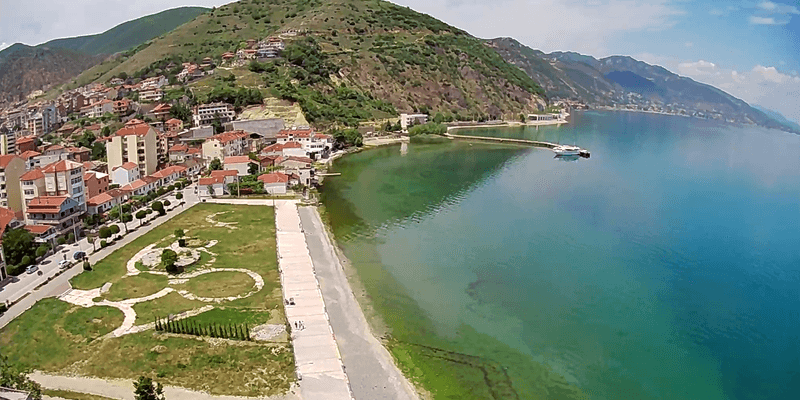
Tucked along the Albanian shore of Lake Ohrid, Pogradec is one of those towns that makes you wonder why more people have not discovered it yet. The lake it sits on is one of Europe’s oldest and deepest, dating back roughly three million years, which makes every swim feel oddly historic.
The waterfront promenade is perfect for evening strolls, lined with cafes serving freshly caught trout at prices that feel almost too good to be real. Nearby springs at Drilon and the traditional villages of Tushemisht and Lin add a layer of authentic character that expensive resorts simply cannot replicate.
Accommodation here remains genuinely affordable by European standards. Local guesthouses and small hotels offer clean, comfortable rooms without the luxury markups found at more famous lake destinations.
Shoulder-season visits in May, June, or September offer the best combination of warm weather, thinner crowds, and lower prices. Pogradec rewards curious travelers who prefer exploring a place as it actually is rather than as tourism brochures wish it to appear.
Ohrid, North Macedonia
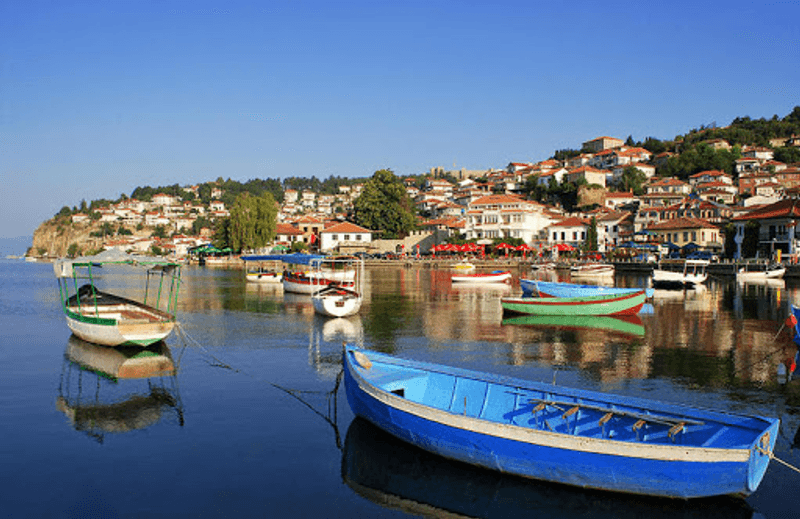
Few towns in the Balkans pack as much history into one shoreline as Ohrid does. Byzantine churches, Ottoman architecture, a clifftop fortress, and beaches all exist within comfortable walking distance of each other, which is a combination that usually commands a steep entrance fee elsewhere.
Ohrid is North Macedonia’s most visited destination, so July and August do bring price increases for accommodation and restaurants. Still, even at its busiest, a boat trip on the lake, a meal of grilled fish, or a coffee beside the water costs a fraction of what you would pay at a comparable Alpine resort town.
The real trick is timing. Arriving in late May or early October means you get the same cobblestone streets, the same sparkling lake, and the same dramatic views of the old town reflected in the water, but with far fewer crowds and noticeably friendlier prices.
Public transportation connects Ohrid with Skopje and nearby towns, making it easy to explore the region without renting a car. Budget travelers and history lovers tend to leave Ohrid with full cameras and surprisingly intact bank accounts.
Kastoria, Greece
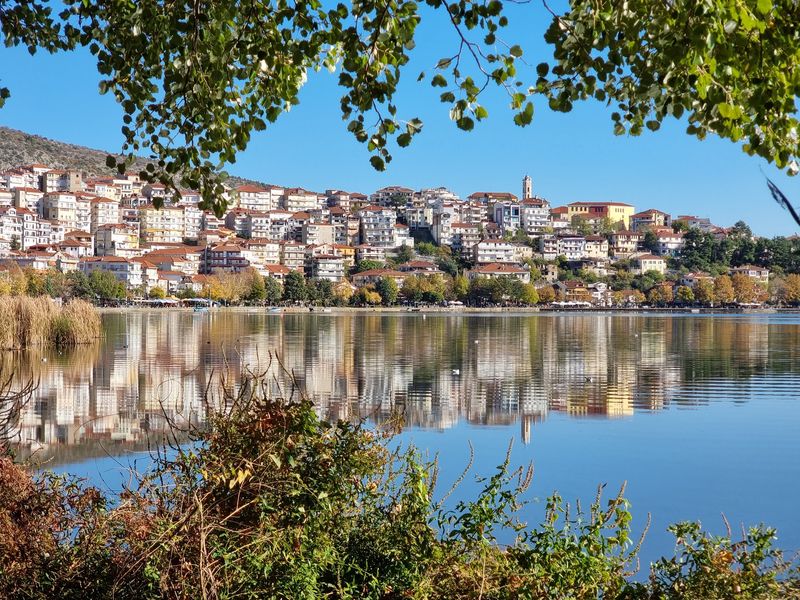
Kastoria sits on a narrow peninsula that juts into Lake Orestiada like a finger pointing toward the mountains, and the view from the water looking back at the town is genuinely jaw-dropping. Red roofs, Byzantine domes, and old fur-trade mansions crowd together above a shoreline that reflects the surrounding peaks on calm mornings.
A lakeside walking path circles most of the peninsula, passing through plane tree groves, past birdwatching spots, and alongside neighborhood cafes where locals spend unhurried afternoons. The Dragon Cave adds an unexpected adventure for visitors willing to wander slightly off the main promenade route.
Northern Greece generally costs less than the popular Aegean islands, and Kastoria attracts relatively few international tourists, which helps keep restaurant menus and guesthouse rates grounded in local reality rather than tourist-season inflation. A plate of grilled lake fish here costs considerably less than a similar meal in Santorini or Mykonos.
Visiting outside July and August also opens up the best accommodation options at their most reasonable prices. For travelers who want genuine Greek scenery without the island crowds and costs, Kastoria is one of the country’s most underrated destinations.
Balatonfüred, Hungary
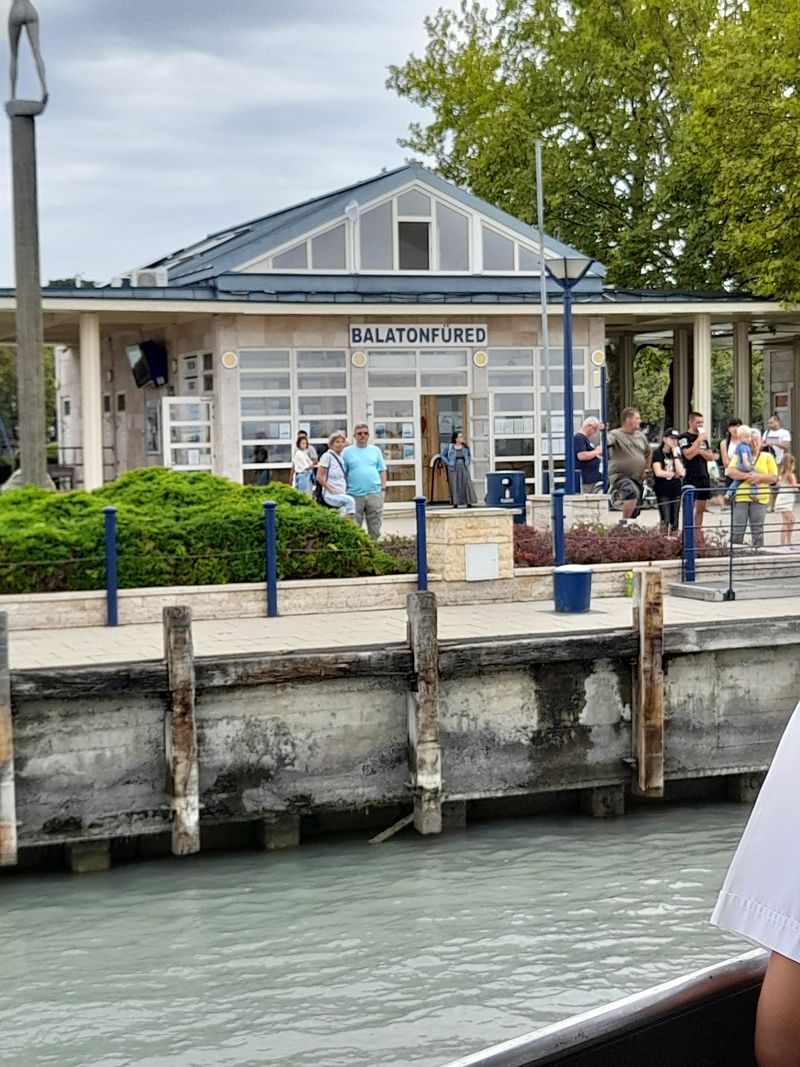
Balatonfüred has been a resort town since the 1800s, when Hungarian aristocrats came here to drink mineral spring water and sail on Central Europe’s largest lake. That elegant history is still visible in the shaded promenade, the old villas, and the general sense that this town takes leisure seriously.
It is not the cheapest stop on Lake Balaton during peak summer weeks, but compared with famous waterfront destinations in Austria, Switzerland, or northern Italy, it still offers noticeably better value. Public beaches are free, trains connect it with Budapest in under two hours, and local wine from the Balatonfüred-Csopak region is excellent and inexpensive at the source.
Campsites and private apartment rentals give budget-conscious visitors real flexibility, especially if they arrive before late June or after late August. The lake itself is shallow and warm, making it genuinely enjoyable for swimming rather than just scenic photography.
Wine festivals, sailing regattas, and evening concerts on the promenade fill the calendar with free or low-cost entertainment throughout the summer season. Balatonfüred manages to feel genuinely refined without demanding a luxury-resort budget from every visitor who walks through it.
Keszthely, Hungary
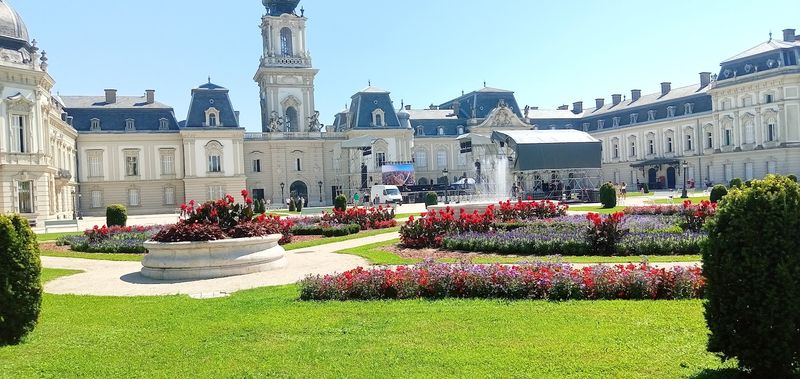
At the western tip of Lake Balaton, Keszthely has a slightly different personality from the lake’s busier eastern resorts. The presence of Festetics Palace, one of Hungary’s grandest baroque buildings, gives the town a cultural anchor that goes well beyond beach towels and ice cream stands.
The palace gardens, local museums, and weekly markets fill a visit with genuine substance, while the lakefront itself offers swimming, paddleboarding, and long evening walks without charging admission. Nearby Hévíz, just a short bus ride away, adds one of the world’s largest natural thermal lakes to the itinerary at a very manageable entry cost.
Guesthouses and apartments here tend to be priced more modestly than in Balatonfüred or Siófok, particularly outside the peak summer rush. Families traveling with children find Keszthely especially practical because free beaches, affordable local restaurants, and easy public transport reduce the daily spending pressure considerably.
The town also has a working university, which keeps the cafe culture lively and local year-round rather than purely seasonal. For travelers who want lake scenery plus real history plus honest prices, Keszthely quietly delivers on all three without making a fuss about it.
Mikołajki, Poland
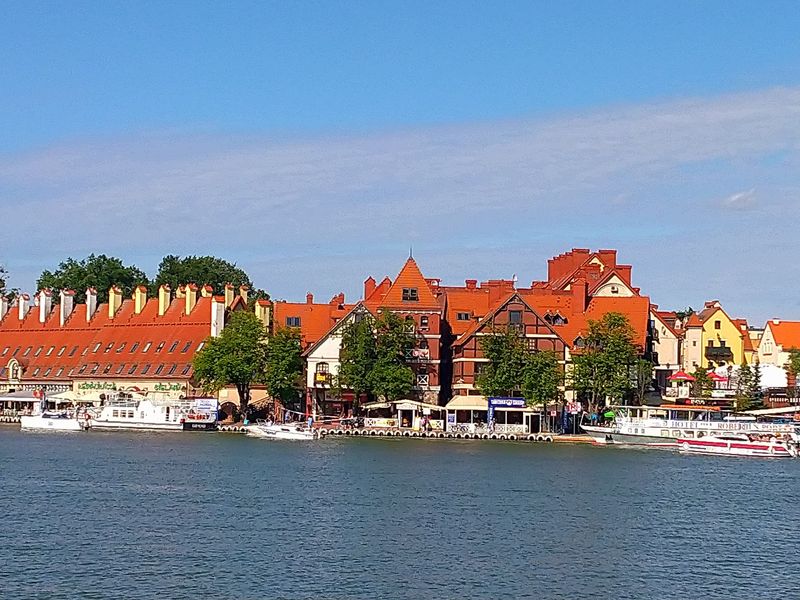
Locals call it the Pearl of Masuria, and once you see the marina filled with sailboats and the surrounding forests mirrored in the interconnected lakes, the nickname stops feeling like an exaggeration. Mikołajki sits at the heart of Poland’s Great Masurian Lakes, a region of roughly 2,000 lakes linked by rivers and canals.
Summer brings Polish families, cyclists, kayakers, and sailing enthusiasts, but even at its liveliest the town remains far more affordable than comparable waterfront destinations in Germany, Austria, or Scandinavia. Lake cruises, bicycle rentals, and kayak hire are all priced for ordinary travelers rather than luxury tourists.
Self-catering apartments and campsite pitches near the water make week-long stays genuinely budget-friendly, especially for families or groups. The surrounding forests offer free hiking and wildlife spotting, including white-tailed eagles that nest in the region.
Regional Polish food, including hearty soups and smoked fish from local vendors, costs very little and tastes considerably better than anything served at overpriced lakeside restaurants elsewhere in Europe. Mikołajki proves that world-class lake scenery does not require a world-class price tag, as long as you know where to look on the map.
Trebon, Czechia
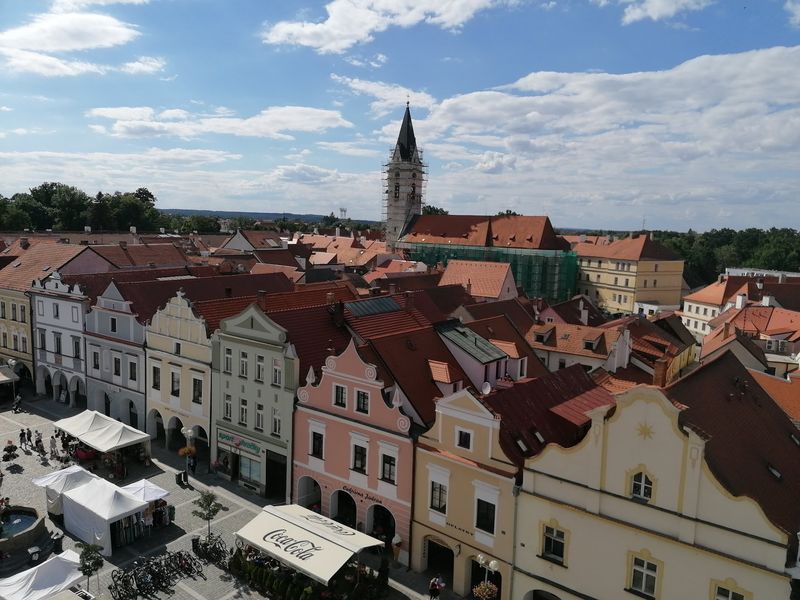
Trebon plays by slightly different rules than every other town on this list. Instead of one dramatic natural lake, it sits surrounded by a medieval network of fishponds, some of which have been continuously managed for carp farming since the 1400s.
That quiet, reedy, distinctly Central European waterscape gives the town a mood all its own.
The Renaissance town square, arcaded walkways, and spa traditions add layers of charm that go well beyond the water. Cycling routes wind through the wetlands, connecting fishponds, nature reserves, and neighboring villages in a way that makes a bicycle the most logical form of transport here.
Accommodation in Trebon costs considerably less than in Prague, which is only about two hours away by bus or train. Local guesthouses, small hotels, and the occasional spa pension offer comfortable stays at prices that do not require advance financial planning.
Regional South Bohemian food, including freshly prepared carp dishes served in simple restaurants, provides a genuinely local eating experience at honest prices. Trebon is the kind of place where slowing down is not just possible, it is practically built into the town’s character.
Visitors who expected a quick stop often find themselves extending their stay by a day or two.
Bled, Slovenia
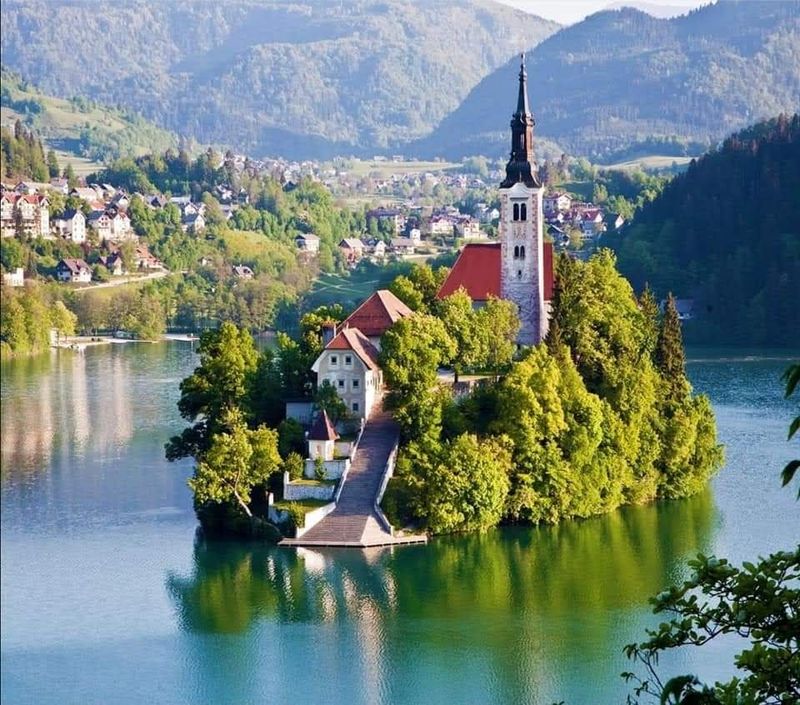
Yes, Lake Bled is on every travel influencer’s feed, and yes, those photos are entirely accurate. The island church, the clifftop castle, the Julian Alps framing everything in the background, it really does look like that in person.
The challenge is enjoying it without paying peak-summer prices for a front-row room.
The smart approach involves staying in the villages surrounding the lake rather than directly on the waterfront. Lesce, Bohinjska Bela, and other nearby communities offer simple guesthouses at rates well below the lakeside hotels.
The free walking circuit around the entire lake takes about an hour and a half and reveals views that no hotel room can fully replicate.
Buses connect Bled with Ljubljana and the broader Julian Alps region at very reasonable fares. Renting a wooden pletna boat to the island is the one splurge worth considering, as it is genuinely unique to this lake.
Compared with Switzerland’s famous lake towns, food, transport, and modest accommodation here still represent solid value, especially in May, June, or September when the light is beautiful and the crowds thin considerably. Bled rewards visitors who plan around the peak rush rather than into it.
Struga, North Macedonia
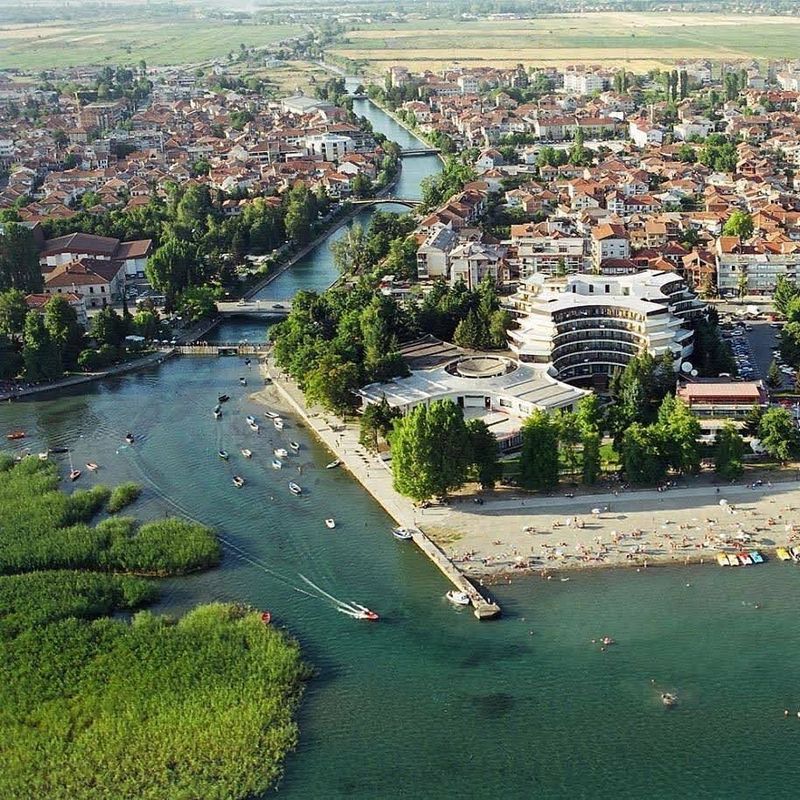
Right where the Black Drin River quietly exits Lake Ohrid, Struga has been watching boats pass for centuries without ever quite deciding to become famous. That low-key attitude is exactly what makes it so appealing for travelers who enjoyed Ohrid but found it slightly too busy for their taste.
The town has its own beaches, riverside cafes, and stone bridges, along with a poetry festival tradition that has attracted writers from across the world since the 1960s. The atmosphere is unhurried in a way that genuinely encourages visitors to linger over a long lunch rather than rush between sightseeing checkboxes.
Apartments and guesthouses in Struga are often priced more competitively than equivalent options in Ohrid, which sits just a short distance along the lakeshore. Local restaurants serve grilled fish, fresh salads, and regional dishes at prices that domestic vacationers and budget travelers both find comfortable.
The surrounding villages, the northern lake shore, and the Albanian border crossing at Cafasan all sit within easy reach, making Struga a practical base for broader lake exploration. For travelers who want Lake Ohrid without the full tourist infrastructure, Struga is the quieter, more affordable answer waiting just down the road.
Pokhara, Nepal
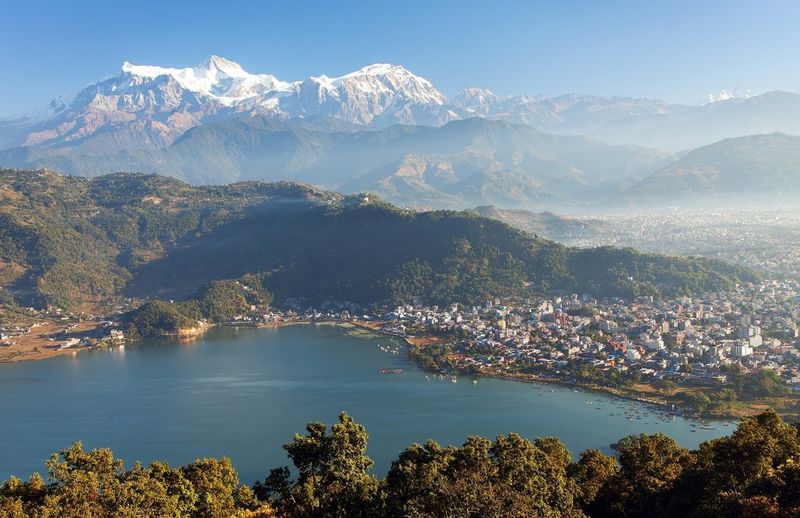
Waking up in Pokhara to the Annapurna range glowing pink above Phewa Lake is the kind of experience that tends to rearrange a person’s priorities for the rest of the trip. The combination of Himalayan peaks, a calm lake, and a relaxed lakeside town creates a setting that feels almost unreasonably generous.
Despite its popularity with trekkers and international visitors, Pokhara remains genuinely affordable across a wide range of budgets. Budget guesthouses on Lakeside Road charge very reasonable nightly rates, local dal bhat restaurants provide filling meals for almost nothing, and renting a rowboat to paddle out toward the Tal Barahi Temple island costs very little by any international standard.
The World Peace Pagoda on the forested ridge above the lake can be reached by a free hike, rewarding the effort with panoramic views over the entire valley. Sunrise mountain flights and paragliding represent the main splurge options for those who want to treat themselves.
Free lakeside walks, evening markets, and the general buzz of the Lakeside neighborhood provide plenty of entertainment without additional spending. Pokhara demonstrates that some of the world’s most dramatic scenery remains genuinely accessible to travelers who are not carrying unlimited budgets.
Panajachel, Guatemala
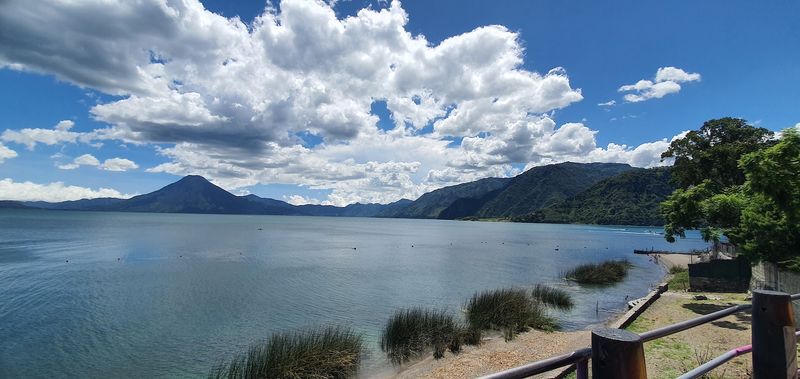
Three volcanoes rise around an impossibly blue lake, and at the edge of it all sits Panajachel, the town that serves as the main gateway to one of Central America’s most spectacular landscapes. Lake Atitlan has a way of making people cancel their onward travel plans and stay considerably longer than intended.
Panajachel has the widest selection of hotels, restaurants, and tour operators on the lake, covering everything from budget backpacker hostels to mid-range boutique properties. Public lanchas, the small motorboats that connect lakeside villages, run frequently and cheaply, making it easy to spend a day visiting San Juan La Laguna, Santiago Atitlan, or San Pedro without paying for a private tour.
Local markets sell fresh produce, handwoven textiles, and street food at prices set for the local community rather than for tourists. Maya cultural traditions remain visible and active in the surrounding villages, adding genuine depth to a visit that goes well beyond scenic photography.
Accommodation costs vary considerably depending on how far you walk from the main tourist strip, with quieter guesthouses offering significantly better value. Panajachel rewards travelers who take the time to explore beyond the central Calle Santander and engage with the broader lake community.
Puno, Peru
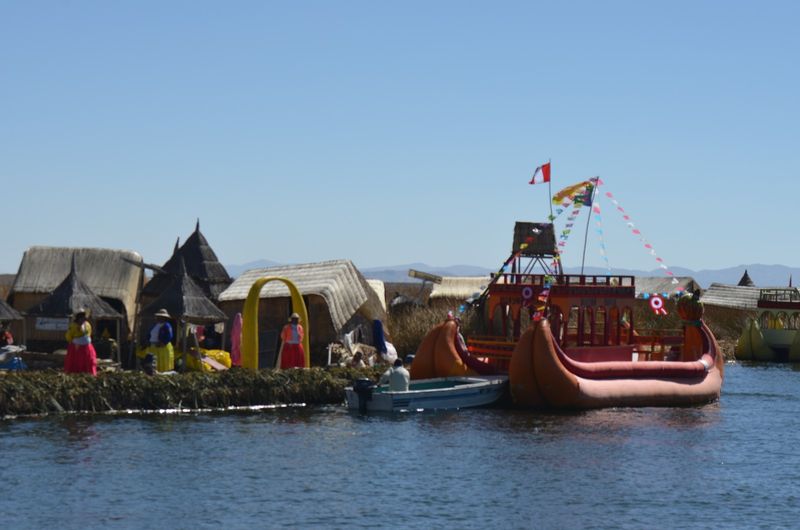
At roughly 3,810 meters above sea level, Puno earns the right to take your breath away in the most literal possible sense. Altitude aside, the city offers access to Lake Titicaca and its extraordinary communities, including the Uros people, who have lived on floating islands made entirely of dried totora reeds for generations.
Puno functions as a real regional city with markets, bus terminals, universities, and everyday commerce happening alongside tourism. That working-city reality keeps restaurant prices, guesthouse rates, and local transport fares grounded at levels ordinary Peruvian travelers can afford rather than inflated purely for international visitors.
Boat trips to the Uros floating islands and to Taquile Island can be arranged through local operators at competitive prices, especially if booked directly at the port rather than through hotel intermediaries. The harbor area fills with activity each morning as fishing boats head out across the vast, glittering lake surface.
Puno is also a logical stop on the overland route between Cusco and Bolivia, making it easy to combine with broader Andean travel. The sheer strangeness and beauty of the high-altitude lake landscape makes every hour here feel like money genuinely well spent.
Copacabana, Bolivia
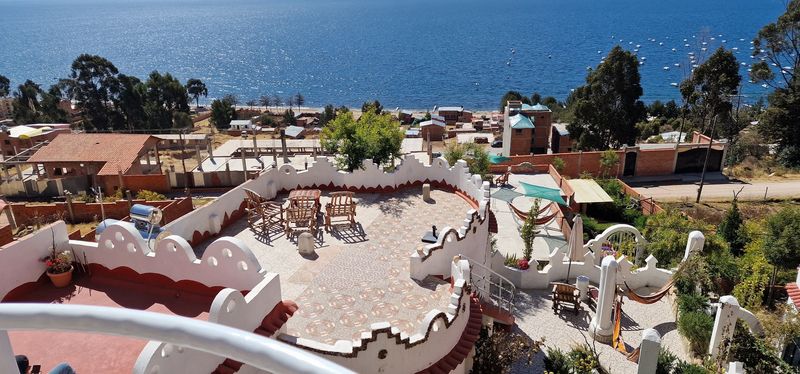
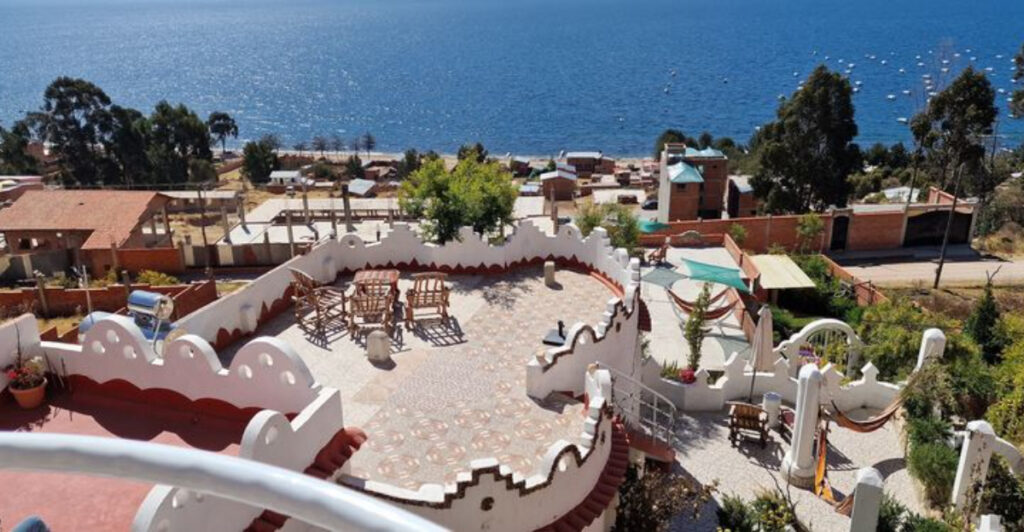
Copacabana, Bolivia, shares its name with a famous Brazilian beach but operates at a completely different altitude and pace. Perched on the southern shore of Lake Titicaca at over 3,800 meters, this small pilgrimage town combines a stunning white basilica, a pebble beach, and boats heading toward Isla del Sol in a combination that feels genuinely otherworldly.
Accommodation here skews toward simple guesthouses and budget hostels rather than luxury hotels, which keeps the cost of a stay very manageable for independent travelers. That simplicity is not a shortcoming; it suits the town’s unhurried, pilgrimage-town character perfectly well.
Sunsets over the lake turn the water extraordinary shades of gold and orange, and watching them from the Horca del Inca viewpoint on the hill above town costs nothing but the walk uphill. Day trips to Isla del Sol by public boat are affordable and reward visitors with Inca ruins, terraced hillsides, and panoramic lake views.
Local market stalls and small family restaurants serve filling Bolivian meals at prices that make eating well here remarkably inexpensive. Copacabana is the kind of place where the experiences that matter most, the views, the quiet, the history, happen to be the cheapest ones available.
Ajijic, Mexico
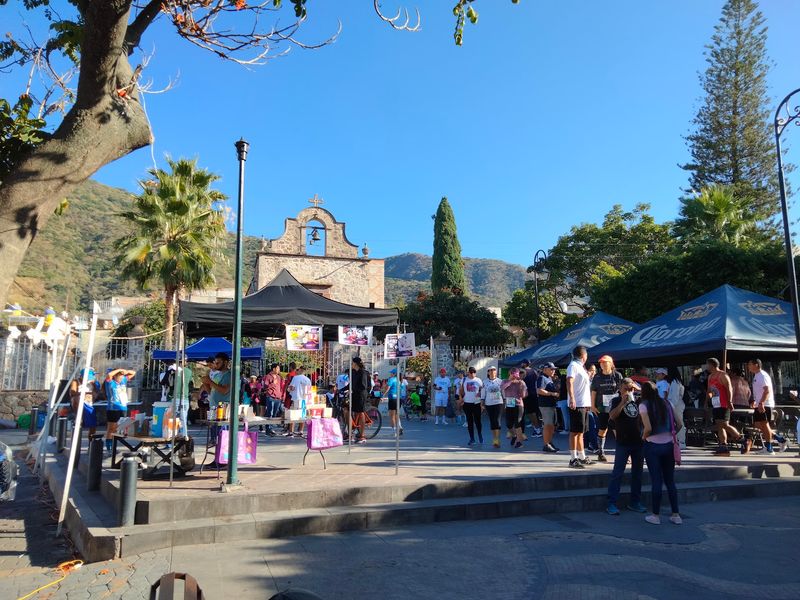
Ajijic has a particular talent for making people feel instantly at home, which explains why so many visitors from the United States and Canada have decided to stay permanently. Cobblestone streets, bougainvillea spilling over garden walls, lakeside sunsets, and a mild year-round climate create a lifestyle that is very easy to get comfortable with.
Growing popularity has pushed housing costs upward over the past decade, so Ajijic is no longer the bargain destination it once was for long-term residents. For short-term visitors, however, the picture is more encouraging.
Locally owned restaurants serving Mexican home cooking, fresh produce markets, and public transportation along the lake shore all remain reasonably priced compared with North American waterfront towns.
The broader Lake Chapala shore includes smaller communities like Chapala and San Juan Cosala that offer similar scenery at slightly lower price points. Thermal pools, walking trails into the mountains above the lake, and the regular weekend art market in Ajijic provide inexpensive entertainment options throughout the year.
The climate alone, warm and dry with cool evenings, reduces the cost of a comfortable stay by eliminating the need for heating or heavy air conditioning. Ajijic rewards visitors who engage with local life rather than staying exclusively within the expat-oriented service zone.
Mwanza, Tanzania
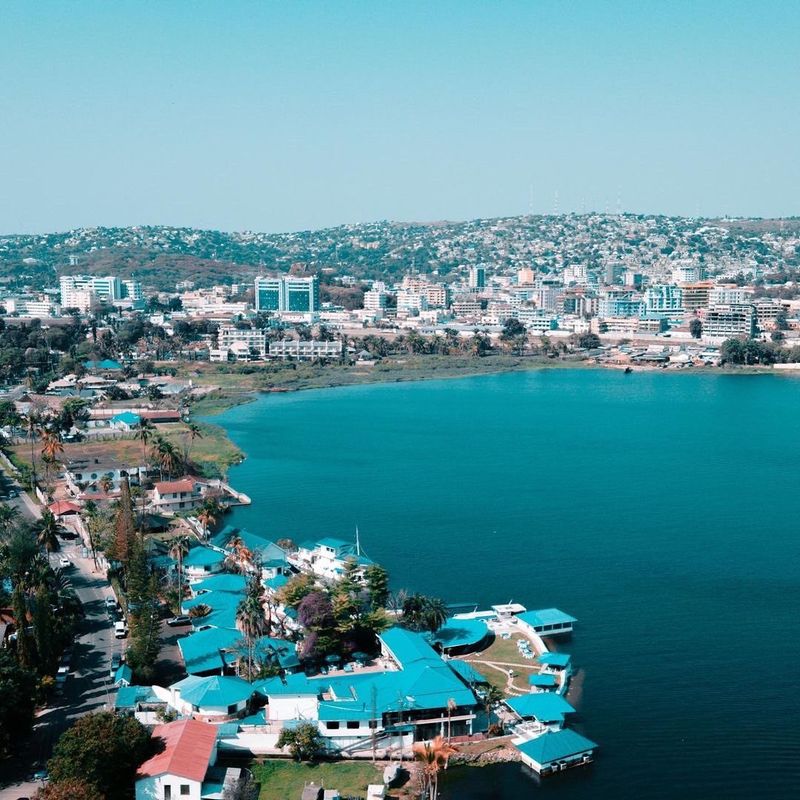
Mwanza does not look like any other lakeside town on this list. Enormous granite boulders, some the size of buildings, balance on rocky hillsides above the shore of Lake Victoria, giving the city a landscape that looks more like a geology textbook illustration than a tourist destination.
That geological drama is entirely free to admire.
As Tanzania’s second-largest city, Mwanza functions as a major regional hub with universities, markets, ferry terminals, and everyday commerce that has nothing to do with tourism. That working-city identity keeps local restaurant prices, guesthouse rates, and transport costs grounded at levels ordinary East African travelers recognize rather than inflated for international visitors.
Boat trips to Saa Nane Island, a small wildlife sanctuary just offshore, and to other islands on the lake offer genuinely unusual wildlife experiences at modest prices. The Bismarck Rock formation near the harbor provides one of the most photographed and completely free viewpoints in the region.
Mwanza also serves as a gateway to the Serengeti via Grumeti, adding safari possibilities to a lake visit for travelers planning a broader Tanzania itinerary. The combination of raw geology, working harbor energy, and African lake scenery makes Mwanza one of the most distinctive and underappreciated waterfront cities anywhere on the continent.
Share this story