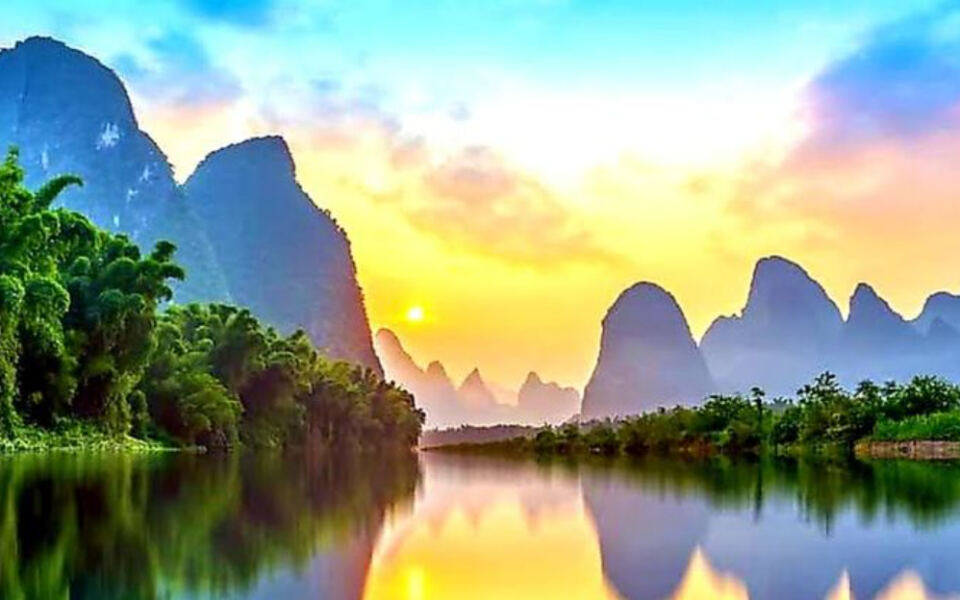
China is the kind of country that keeps pulling you back, no matter how many times you visit. From ancient walled cities and imperial palaces to subtropical coastlines and highland villages, the variety is almost impossible to cover in a single trip.
Each city tells a completely different story, shaped by its own geography, history, and local culture. Whether you are planning your first visit or already thinking about a return, these 15 cities give you more than enough reasons to book that ticket.
Beijing
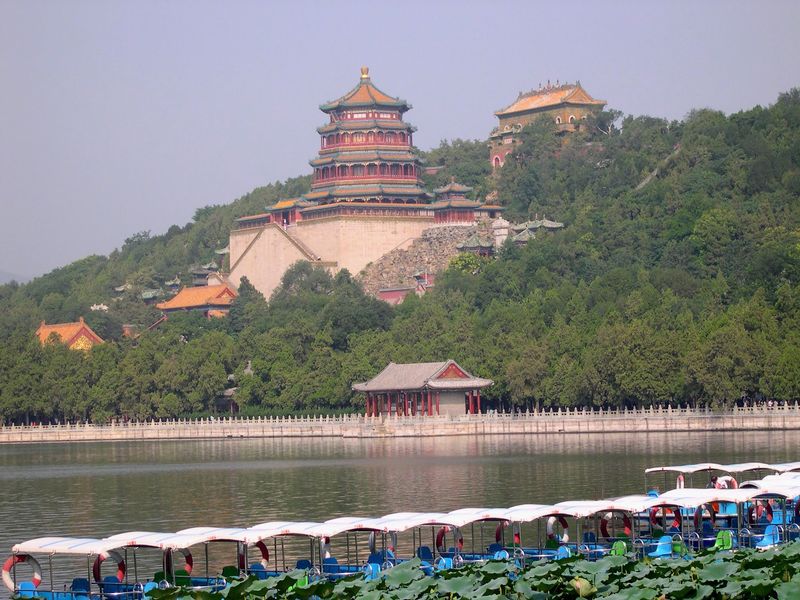
Walking into the Forbidden City for the first time feels like stepping into a history book that never ends. Built between 1406 and 1420, this imperial palace complex served 24 emperors across the Ming and Qing dynasties and remains one of the largest preserved palace complexes on Earth.
The sheer scale of it, with nearly 1,000 buildings across 72 hectares, means even a full day barely covers the main halls.
Beyond the palace walls, Beijing layers centuries of history into every neighborhood. The Temple of Heaven covers about 273 hectares where emperors once performed rituals tied to harvests and the heavens.
Beijing’s Central Axis, added to UNESCO’s World Heritage List in 2024, stretches from the Yongding Gate in the south all the way to the Bell and Drum Towers in the north.
Hutong alleyways, contemporary art districts, and Great Wall excursions fill whatever time remains. Tiananmen Square, the National Museum, and the Summer Palace each deserve their own half-day.
Beijing does not run out of things to show you; it simply runs out of time. A second or third visit is not indulgent.
It is practically required.
Shanghai
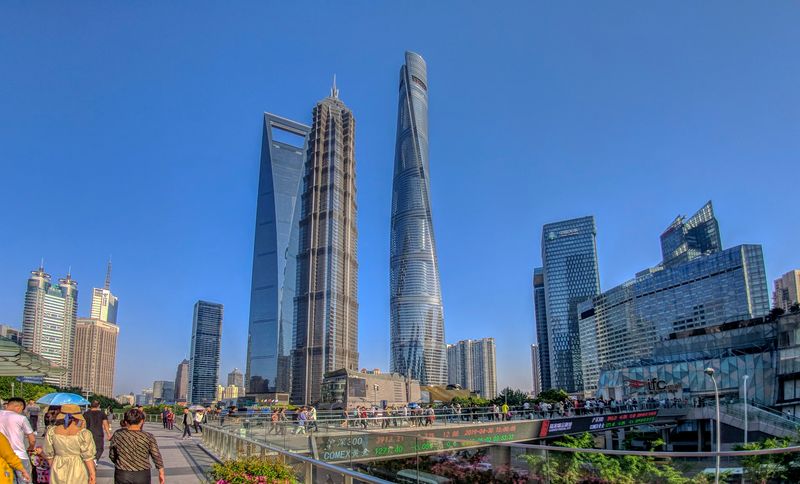
Shanghai is a city that refuses to stand still, and somehow that restless energy makes it even more magnetic. The Bund lines the western bank of the Huangpu River with monumental early-20th-century buildings, facing the glass towers of Pudong across the water in one of the world’s most dramatic urban contrasts.
That single view alone has launched a thousand return trips.
Old neighborhoods reward slower exploration. Former concession areas preserve shaded streets, vine-covered villas, and Art Deco apartment blocks that feel lifted from another era.
Yu Garden introduces classical Chinese landscape design right in the heart of the old city, while the surrounding bazaar area pulls visitors into a lively mix of food stalls, craft shops, and teahouses.
Shanghai’s museum scene is large enough to fill repeat visits on its own. The Shanghai Museum opened a second location in Pudong in 2024, staging major international exhibitions alongside its famous permanent collection.
Summer 2026 saw the city’s tourism festival include over 170 cultural and lifestyle activities across the metro area. Whether you visit for food, architecture, art, or simply the energy of the streets, Shanghai always has one more thing to show you.
Chengdu
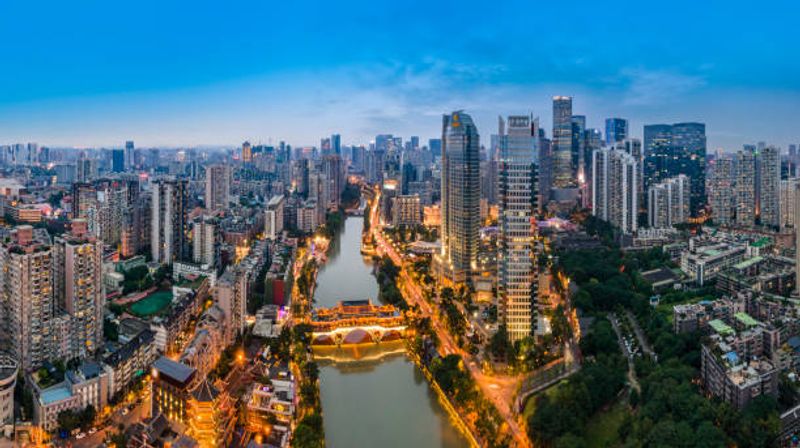
Chengdu has a way of sneaking up on you. You arrive for the pandas, and three days later you are still at a teahouse, eating mapo tofu and wondering why you ever planned to leave.
The Chengdu Research Base of Giant Panda Breeding welcomes up to 85,000 visitors per day during busy seasons, making early morning visits the smartest move for quieter encounters with the resident bears.
Sichuan cuisine is as much a reason to visit as any landmark. From numbing hotpot broths to street snacks in Jinli Ancient Street, the food here has a personality all its own.
The bold, oily, fragrant cooking style is tied deeply to local identity, and eating your way through the city counts as genuine cultural exploration.
Traditional teahouses remain a living part of Chengdu’s social fabric, not just a tourist attraction. Sichuan opera performances introduce face-changing, fire-breathing, and shadow puppetry to evening visitors.
Day trips open up even more: the ancient Dujiangyan irrigation system and Mount Qingcheng together form a UNESCO-listed cultural landscape just an hour from the city. Chengdu keeps giving long after the panda selfies are taken.
Xi’an
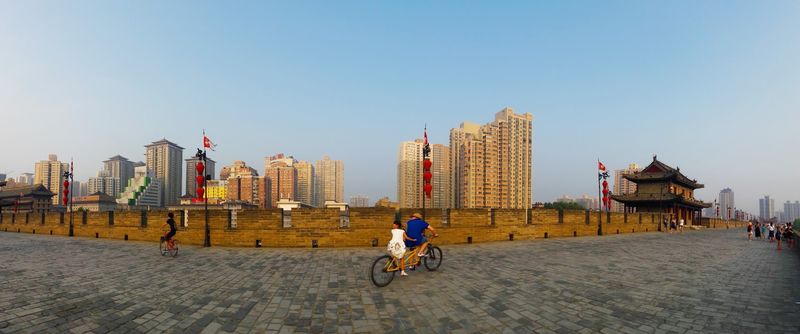
Somewhere beneath the fields northeast of Xi’an, an emperor planned his afterlife with extraordinary ambition. The mausoleum of Qin Shi Huang, China’s first emperor, is surrounded by nearly 200 pits, and the ones already excavated have revealed thousands of life-sized terracotta soldiers, horses, and chariots buried over 2,000 years ago.
Archaeologists estimate the full complex may still hold many surprises.
Back in the city, the Ming-era city wall forms a complete circuit of about 13.7 kilometers. Cycling along the top at sunset is one of those experiences that sounds simple and turns out to be genuinely memorable.
The wall connects watchtowers, gates, and ramparts that have defined Xi’an’s urban shape for centuries.
Xi’an was a major eastern hub of Silk Road trade routes, and that legacy shows up everywhere. The Muslim Quarter buzzes with street food, mosques, and vendor stalls selling everything from pomegranate juice to hand-pulled noodles.
The Great Mosque, tucked into a courtyard off a busy lane, blends Chinese architectural style with Islamic religious tradition in a way that is unique to this city. Xi’an is ancient, layered, and endlessly interesting to explore.
Hangzhou
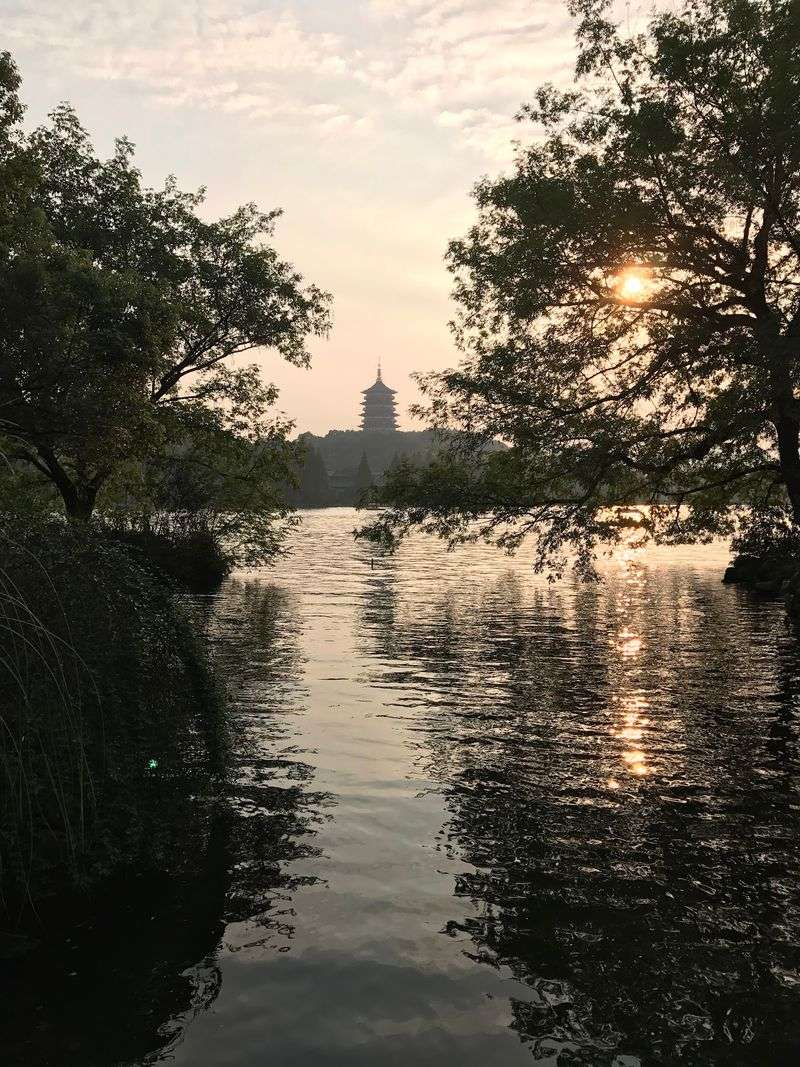
Poets have been writing about West Lake for over a thousand years, and honestly, it is hard to blame them. The UNESCO-listed landscape combines water, wooded hills, stone causeways, islands, pagodas, and carefully composed views that have shaped Chinese landscape ideals since at least the ninth century.
Its influence spread beyond Hangzhou, directly inspiring garden design across East Asia.
Walking or cycling around the lake takes a few relaxed hours, passing willow-lined banks, lotus ponds, and small temple complexes along the way. Boat rides offer a different perspective from the water, especially in the early morning when mist still sits on the surface.
Lingyin Temple, one of the largest Buddhist temples in China, sits in the forested hills just west of the lake and adds a spiritual dimension to the scenery.
Tea lovers have extra reasons to visit. The hills surrounding Hangzhou produce Longjing, also known as Dragon Well tea, one of China’s most celebrated green teas.
Visiting a tea farm, watching the picking process, and tasting fresh-roasted leaves is a genuinely rewarding half-day activity. Hangzhou also operates as a major modern technology hub, so the contrast between classical lake scenery and contemporary city life gives repeat visitors a fascinatingly split personality to explore.
Suzhou
Suzhou proves that a city does not need skyscrapers to be extraordinary. Its classical gardens, nine of which UNESCO recognizes as masterpieces of Chinese landscape design, were built between the 11th and 19th centuries and manage to pack entire philosophical worldviews into carefully arranged stones, water, plants, and architecture.
More than 50 classical gardens still survive across the city.
Each garden has its own character. The Humble Administrator’s Garden, the largest in Suzhou, emphasizes open water and airy pavilions connected by covered walkways.
Lion Grove is famous for its maze-like rock formations inspired by Buddhist mountain imagery. The Master-of-Nets Garden demonstrates something remarkable: a complete and deeply satisfying classical landscape fitted into a relatively compact urban plot.
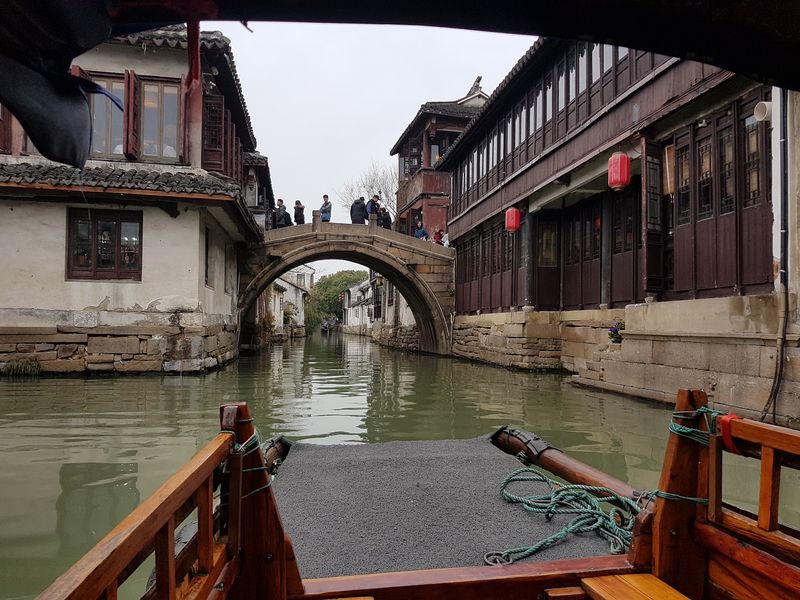
Beyond the gardens, Suzhou retains a network of canals, narrow lanes, stone bridges, and historic districts that explain why the city has been compared to Venice for centuries. Silk production has been central to Suzhou’s economy and culture since ancient times, and the Suzhou Silk Museum traces that history in detail.
A visit that skips the canals and lane neighborhoods misses a genuinely different side of the city. Suzhou rewards the traveler who slows down and looks past the obvious highlights.
Chongqing
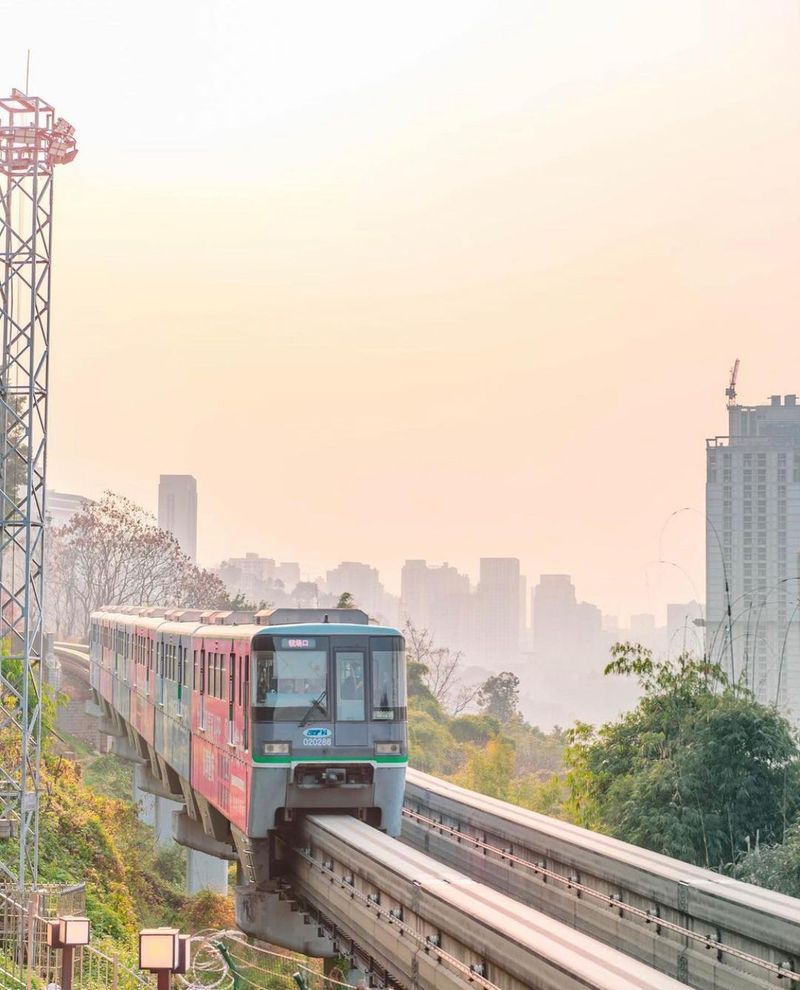
Chongqing breaks every expectation of what a Chinese city looks like. Built across steep ridges where the Yangtze and Jialing rivers converge, the city produces a layered urban landscape of roads, rail lines, bridges, and towers stacked at wildly different elevations.
Trains pass through the middle of residential buildings. Escalators climb entire hillside neighborhoods.
It is genuinely unlike anywhere else.
Hongya Cave, a cluster of traditional stilted buildings cantilevered over the riverbank, glows with lantern light at night and draws enormous crowds for good reason. The Yangtze River Cableway crosses the gorge between districts, offering a brief but spectacular aerial view of the river below.
Old Ciqikou preserves a riverside market town atmosphere within the sprawling modern city.
Chongqing’s hotpot is famously intense, built on a broth of Sichuan peppercorns, dried chilies, and beef tallow that numbs the lips and keeps you coming back for more. Day trips from the city open access to the UNESCO-listed Dazu Rock Carvings, where more than 50,000 statues carved into cliffsides represent Buddhist, Taoist, and Confucian traditions.
Chongqing is the kind of city that takes two visits just to understand what you are looking at.
Guilin
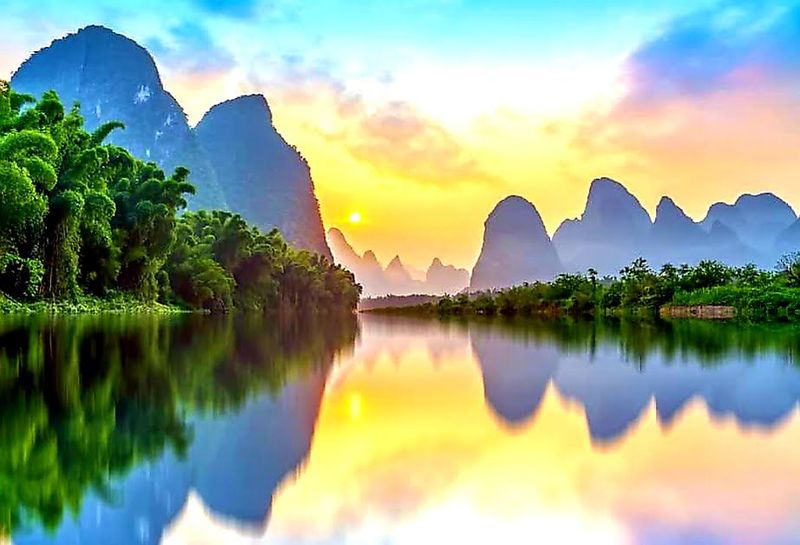
The landscape around Guilin looks like it was painted by someone who had never seen a mountain before and decided to invent something entirely new. Steep, rounded limestone karst peaks rise abruptly from flat river plains, creating a scenery so distinctive that it appears on the Chinese 20-yuan banknote.
Nature here did not follow the usual rules.
The Li River cruise between Guilin and Yangshuo covers roughly 83 kilometers of constantly shifting combinations of water, peaks, caves, and farming villages. Cormorant fishermen still work sections of the river using traditional birds trained to retrieve fish.
The cruise itself is the main event for most first-time visitors, but it is only the beginning of what the region offers.
Travelers who return find Yangshuo particularly rewarding for slower exploration. Cycling through the surrounding valleys passes rice paddies, local villages, and quieter riverside spots far from the tour-boat crowds.
Longji’s terraced rice fields, about two hours from Guilin, layer agricultural landscapes up steep hillsides in patterns that shift dramatically with the seasons. Guilin adds its own urban lakes, limestone formations, and cave systems, giving the city enough texture to justify treating it as more than just a starting point for a river cruise.
Nanjing
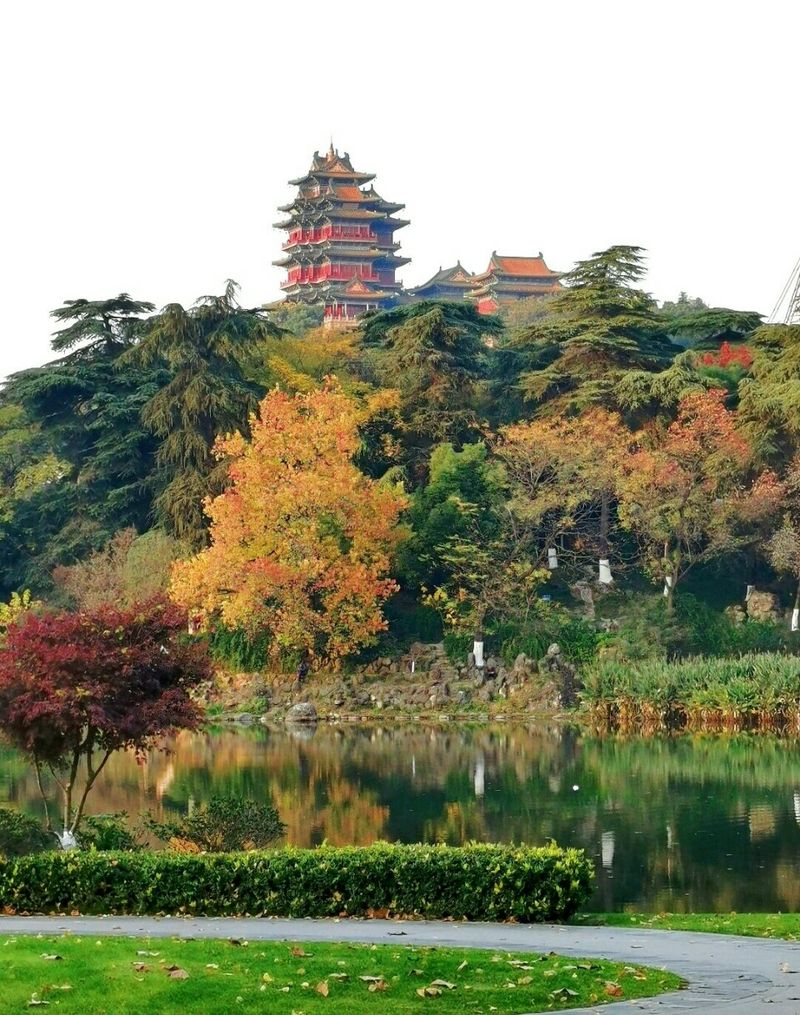
History in Nanjing does not sit quietly behind museum glass. The Ming city wall, one of the longest ancient city walls ever built, still wraps around portions of the urban area in a circuit that once stretched over 35 kilometers.
Sections of it are open for walking, offering elevated views over the city and a direct physical connection to the 14th century.
Nanjing served as China’s capital multiple times, each era leaving its own layer. Ming Xiaoling, the mausoleum of the Hongwu Emperor who founded the dynasty, sits inside a forested park on Purple Mountain.
The Sacred Way leading to the tomb is lined with stone animal and human figures that have stood in place for over 600 years. Sun Yat-sen’s Mausoleum nearby reflects a very different chapter of Chinese political history.
The Presidential Palace complex adds yet another historical period, preserving architecture and exhibits from both the late Qing era and the Republic of China government. Around Xuanwu Lake and the Confucius Temple district, the city softens into parks, teahouses, and riverside promenades.
Nanjing’s tree-lined avenues, particularly in spring when the sycamores fill out, give the city a calm, academic atmosphere that contrasts nicely with its heavy historical weight.
Qingdao
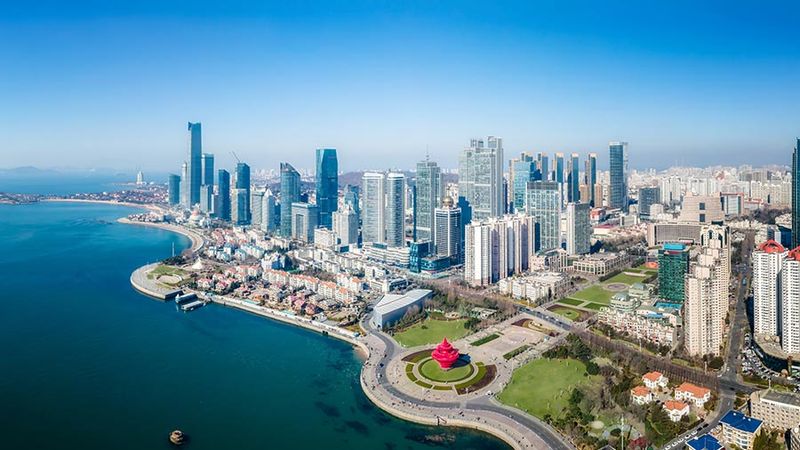
Qingdao is a city with a genuinely split personality, and that is exactly what makes it so interesting. Red-tiled roofs, Lutheran churches, stone civic buildings, and European-style villas occupy the older hillside neighborhoods, all remnants of the German colonial period that began in 1898.
Walking those streets feels like a puzzle where Chinese and European architectural details compete for attention on every block.
Beer is woven into the city’s modern identity. The Tsingtao Brewery was founded here in 1903 by German settlers, and it remains one of China’s most internationally recognized beer brands.
The annual Qingdao International Beer Festival draws visitors from across the country, combining local pride with an atmosphere that is hard to replicate anywhere else in China.
Beaches stretch along the Yellow Sea coast, ranging from the busy central strands near the historic district to quieter spots farther east. Mount Laoshan rises dramatically from the coastline east of the city, its rocky peaks and Taoist temples offering a sharp contrast to the urban beach scene.
The combination of architecture, coastline, mountain scenery, and food gives Qingdao enough variety for one visit focused on history and another organized almost entirely around outdoor activities and seafood.
Xiamen
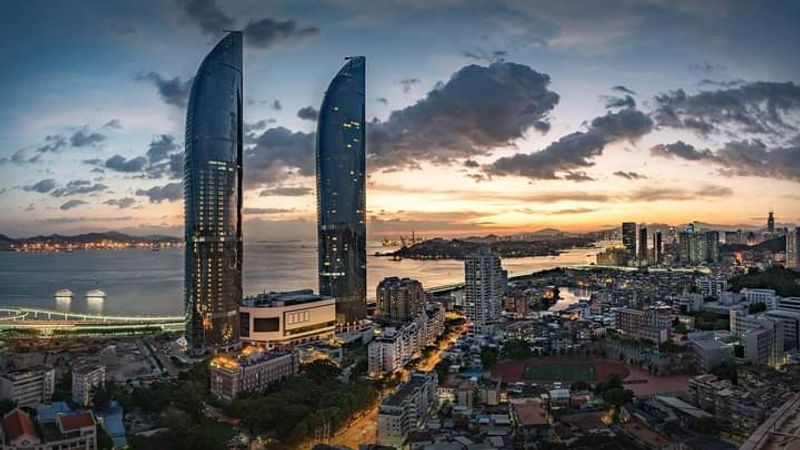
Gulangyu Island sits just a short ferry ride from central Xiamen, and stepping onto it feels like entering a completely different world. UNESCO recognized the island’s historic international settlement in 2017, identifying 931 historic buildings that blend Southern Fujian architectural tradition with Western Classical Revival, colonial, Modernist, and Art Deco influences.
Because no motor vehicles are allowed on the island, exploring it means wandering on foot through quiet lanes.
The architectural variety is remarkable even within a single street. A Fujian-style courtyard house might stand beside a colonial-era villa, which stands beside a building with Art Deco detailing on its facade.
That visual variety keeps the island genuinely interesting across multiple visits rather than feeling like a single static snapshot.
Mainland Xiamen adds its own reasons to linger. Nanputuo Temple sits at the foot of Wulao Mountain and draws both pilgrims and visitors interested in its ornate halls and scenic hillside setting.
The city’s waterfront promenade offers views across the strait toward Gulangyu. Fujian cuisine in Xiamen leans toward lighter seafood preparations, oyster omelets, and savory rice dishes that differ noticeably from the bolder flavors found in inland provinces.
Xiamen is the kind of relaxed, photogenic city that rewards visitors who leave a few unplanned hours in their schedule.
Kunming
Kunming earns its nickname as the “Spring City” honestly. Sitting at roughly 1,900 meters above sea level in Yunnan Province, it enjoys mild temperatures year-round while the rest of China swings between extremes.
That climate makes it a genuinely pleasant base for exploring one of China’s most geographically and culturally diverse regions.
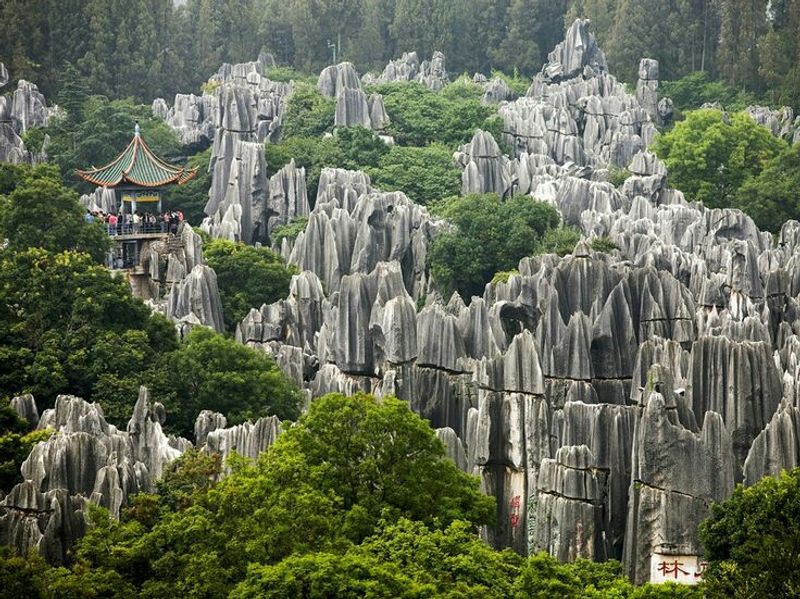
The Stone Forest southeast of Kunming is the city’s most famous excursion destination. Towering limestone formations rise from the ground in dense clusters, creating a landscape that the local Sani people have woven into their mythology for generations.
The Stone Forest forms part of the UNESCO-listed South China Karst, one of the world’s most impressive karst landscapes spanning multiple provinces.
Dianchi Lake occupies a wide basin beside the city, and its shores support wetland parks, bird-watching areas, and cycling paths. Kunming’s flower markets, particularly the Dounan Flower Market, supply much of China’s cut flower trade and are worth visiting simply for the sensory experience.
The city’s food scene reflects Yunnan’s extraordinary ethnic diversity, with over 25 recognized groups contributing distinct ingredients and cooking methods. Using Kunming as a base opens access to Dali, Lijiang, Shangri-La, and southern Yunnan, meaning no two return trips need to follow the same route.
Harbin
Harbin in January is one of those travel experiences that sounds extreme until you are actually standing in front of a five-story ice castle glowing in blue light at minus 20 degrees Celsius, and then it makes complete sense. The Harbin International Ice and Snow Festival produces enormous illuminated sculptures carved from blocks of ice taken directly from the frozen Songhua River.
The scale of the constructions has to be seen to be believed.
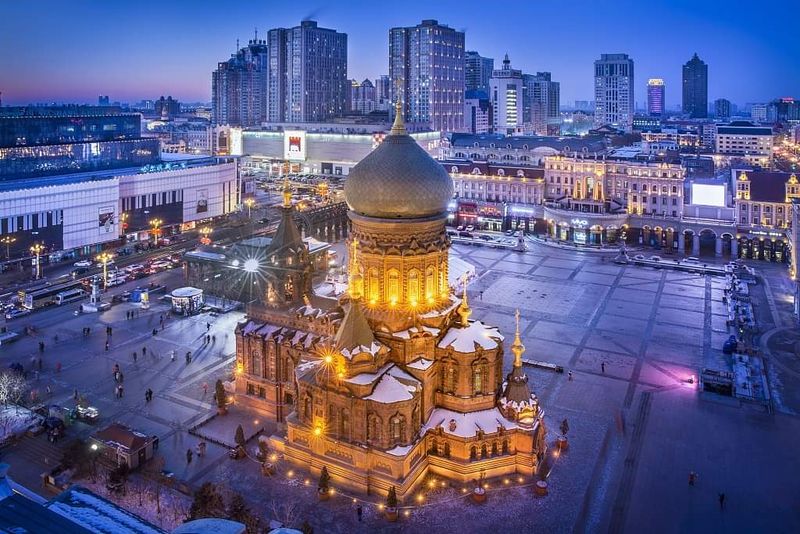
Central Street, known locally as Zhongyang Dajie, preserves a remarkable collection of early-20th-century European-style architecture built during Harbin’s development as an international railway hub. Saint Sophia Cathedral, a Russian Orthodox church completed in 1932, remains the city’s most recognizable historic landmark and now functions as an architectural museum.
Summer Harbin offers a genuinely different experience, with riverside parks, broad tree-lined streets, outdoor performances, and temperatures that feel almost tropical compared to winter. The food culture reflects northeastern Chinese traditions alongside historical Russian influences, showing up in hearty stews, smoked meats, and local bread styles found in bakeries across the older districts.
Treating Harbin as purely a winter destination means missing half of what the city actually offers. Both seasons have their own distinct rewards worth experiencing separately.
Lijiang
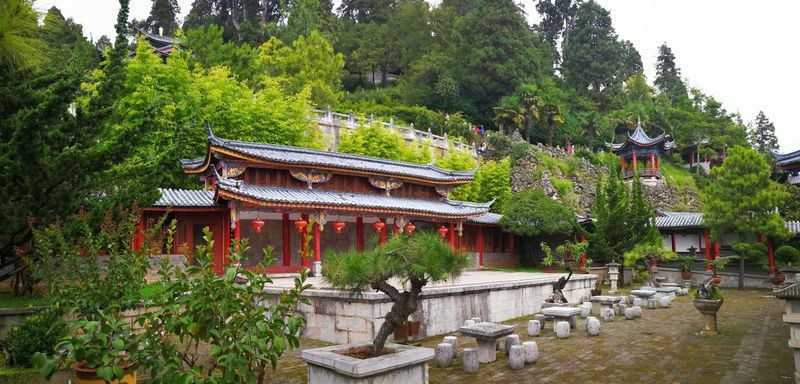
At about 2,400 meters above sea level, Lijiang occupies a mountain basin that feels set apart from the rest of the world in the best possible way. The Old Town, a UNESCO World Heritage Site since 1997, actually covers three separate historic areas: Dayan, Baisha, and Shuhe.
Each has its own atmosphere, with Dayan being the busiest and most visited, while Baisha and Shuhe offer quieter, more residential versions of the same timber-framed architecture.
Water runs through Lijiang in a way that defines the town’s character. A network of canals fed by mountain springs flows beneath stone bridges and past old courtyard houses, keeping the streets cool and the sound of running water constant.
The settlement reflects the cultural traditions of the Naxi people, whose Dongba pictographic script is one of the few living pictographic writing systems in the world.
Black Dragon Pool Park frames one of the most photographed views in Yunnan, with Jade Dragon Snow Mountain rising behind a classical pavilion reflected in still water. The surrounding villages, reachable by a short drive or bicycle ride, offer a completely different pace from the busiest lanes of the old town.
Lijiang is more rewarding the farther you wander from its most famous squares.
Guangzhou
Guangzhou might be the best eating city in China, and that is saying something in a country where food competition is fierce. Cantonese cuisine here is not a restaurant performance put on for tourists; it is simply how people eat.
Morning dim sum at a neighborhood teahouse, roast goose from a street-front shop, fresh seafood chosen from tanks, and slow-cooked soups served as a matter of daily routine all add up to a food culture that keeps visitors coming back purely for meals.
The city’s historical depth runs far below its modern surface. Guangzhou has operated as a major trading port for over 2,000 years, maintaining maritime connections that shaped commerce, migration, and cultural exchange across Southeast Asia and beyond.
The Chen Clan Ancestral Hall showcases the extraordinary craftsmanship of traditional Cantonese decorative arts, with ceramic ridge sculptures, carved stone panels, and painted friezes covering nearly every surface.
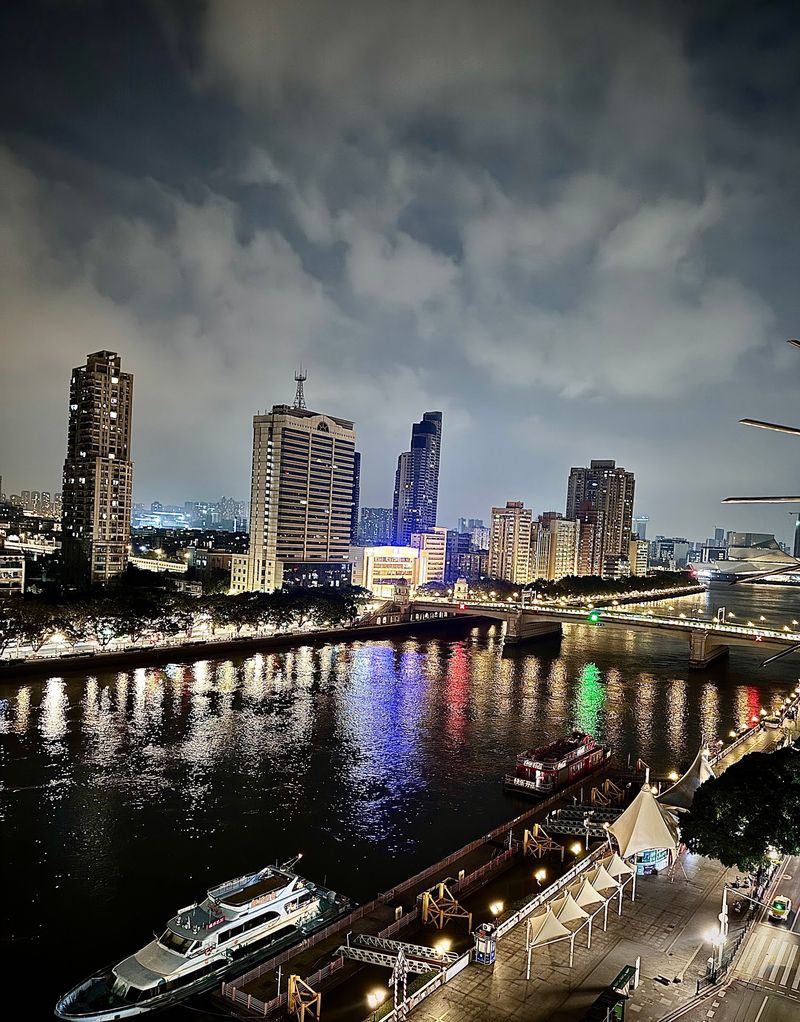
Shamian Island preserves a compact colonial-era district of European-style buildings shaded by old banyan trees, offering a quiet contrast to the surrounding city. The Pearl River waterfront and the Canton Tower district present a completely modern Guangzhou of glass towers, riverside promenades, and weekend markets.
Guangzhou’s historical layers and contemporary energy are different enough that separate visits can focus on completely different sides of the same city.
Share this story