The classic American travel bucket list used to look the same for almost everyone: Paris, Rome, Tokyo, and maybe a beach somewhere in the Caribbean. But something has shifted.
Travelers who have already done the obvious trips are now searching for places with more personality, better value, and fewer crowds. These 15 cities are the ones quietly climbing to the top of that new list.
Alghero, Italy
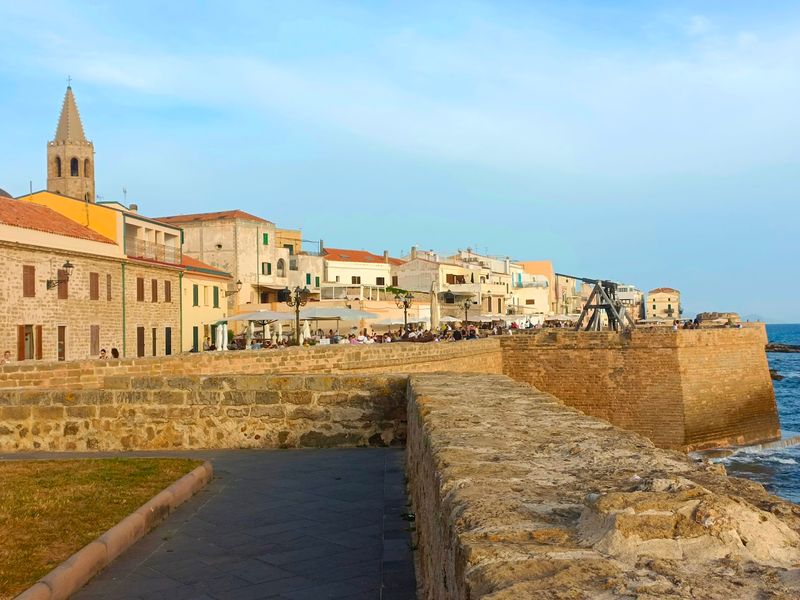
Few cities in Europe can claim a Mediterranean coastline AND a Spanish soul, but Alghero pulls it off with effortless charm. Sitting on Sardinia’s northwestern tip, this compact city grew up under Catalan rule for so long that locals still speak a dialect of the old language.
Narrow cobblestone streets wind between sun-warmed stone buildings, and the smell of fresh seafood drifts from restaurants tucked behind ancient defensive walls.
Expedia’s 2026 data showed flight searches for Alghero jumping an extraordinary 560% year over year, the highest increase among all international trending destinations. That number is not just a statistic; it signals that word has officially gotten out.
Beaches like Le Bombarde and Lazzaretto sit just a short drive from the city center, offering clear water that rivals anything in Greece.
Nearby Capo Caccia and the famous Neptune’s Grotto add another layer of drama to the region. Alghero delivers the Italy that travelers dream about without the exhausting crowds of Rome or Florence.
Catch it now, before the rest of the world catches up.
Fukuoka, Japan
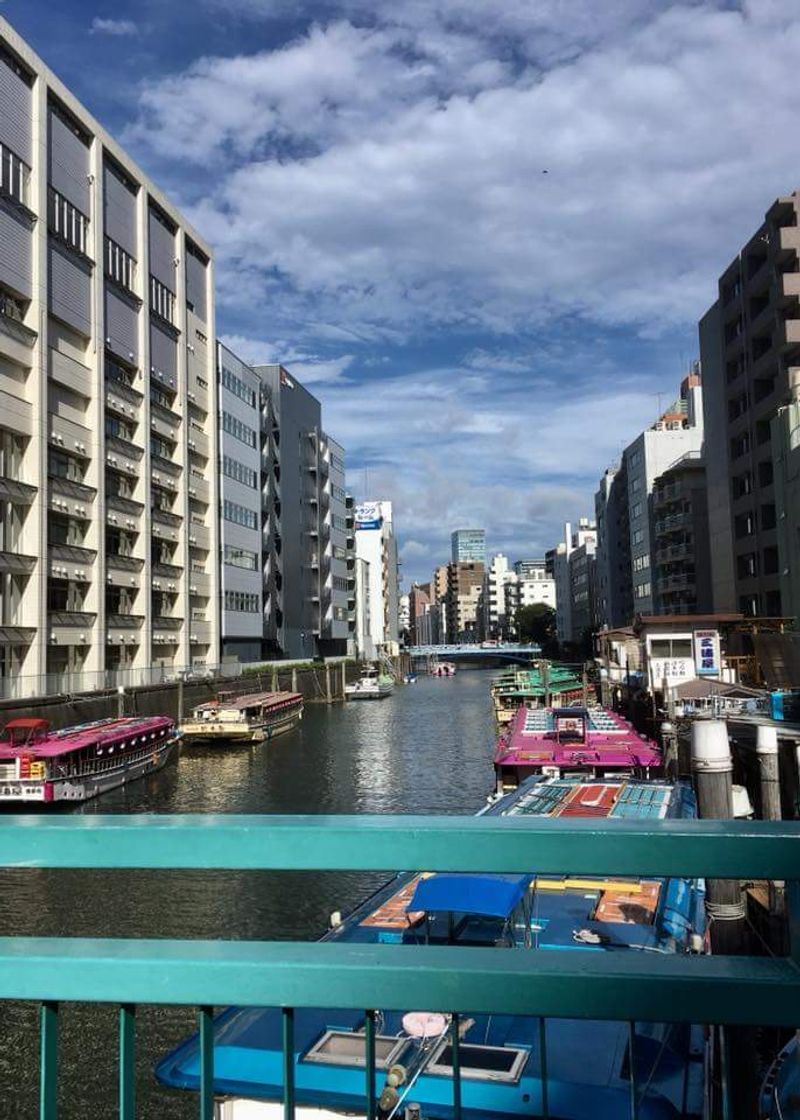
Tonkotsu ramen was born here, and Fukuoka has never let anyone forget it. Japan’s fastest-growing city sits on the northern tip of Kyushu island, facing Korea across the sea, and carries a relaxed coastal energy that feels completely different from the relentless pace of Tokyo.
After dark, the city’s famous yatai stalls appear along the waterfront, tiny open-air counters where strangers share benches and bowls of steaming noodles under glowing lanterns.
Expedia included Fukuoka among its 2026 Take-Off Destinations, with lodging rates running roughly 35% lower even as international interest climbed sharply. That combination of value and quality is increasingly rare in Japan’s most visited cities.
Fukuoka also punches well above its weight in seafood, with fresh catches from Hakata Bay appearing on menus across the city.
For travelers returning to Japan after a first trip built around Tokyo and Kyoto, Fukuoka answers the obvious question of what comes next. Mountains and ocean sit within easy reach, festivals fill the calendar throughout the year, and the city somehow manages to feel genuinely local even as international visitors start arriving in greater numbers.
Nha Trang, Vietnam
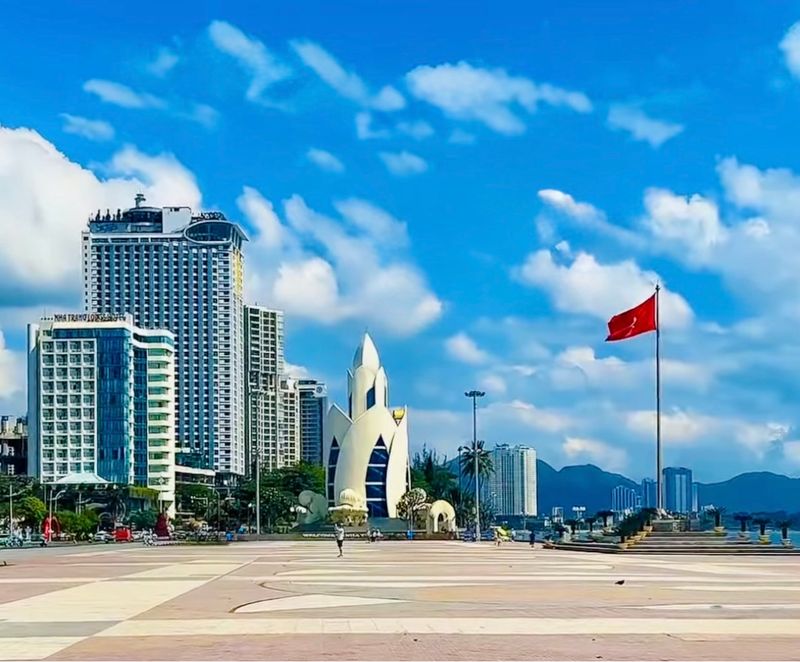
Vietnam has steadily moved up the American travel radar over the past decade, but Nha Trang has stayed just below the surface of mainstream attention. That is changing fast.
Expedia recorded a 185% year-over-year spike in flight searches for the city, placing it firmly among 2026’s hottest international destinations. The reason is simple: turquoise water, long sandy beaches, and resort-quality stays at prices that make other tropical destinations look overpriced.
The city curves around a bay backed by green hills, with a line of modern hotels running right along the waterfront. Travelers who want Southeast Asia’s food, culture, and warmth without giving up a proper beach vacation have found their answer here.
Island-hopping tours, fresh seafood markets, and ancient Cham tower ruins add texture beyond the shoreline.
Spa culture is also strong in Nha Trang, with mud baths and thermal pools drawing visitors looking to slow down after active sightseeing. The wider trend Expedia identifies points to exactly this kind of destination: coastal scenery, strong food, and genuine value rolled into one city.
Nha Trang checks every box on that list with room to spare.
Kobe, Japan
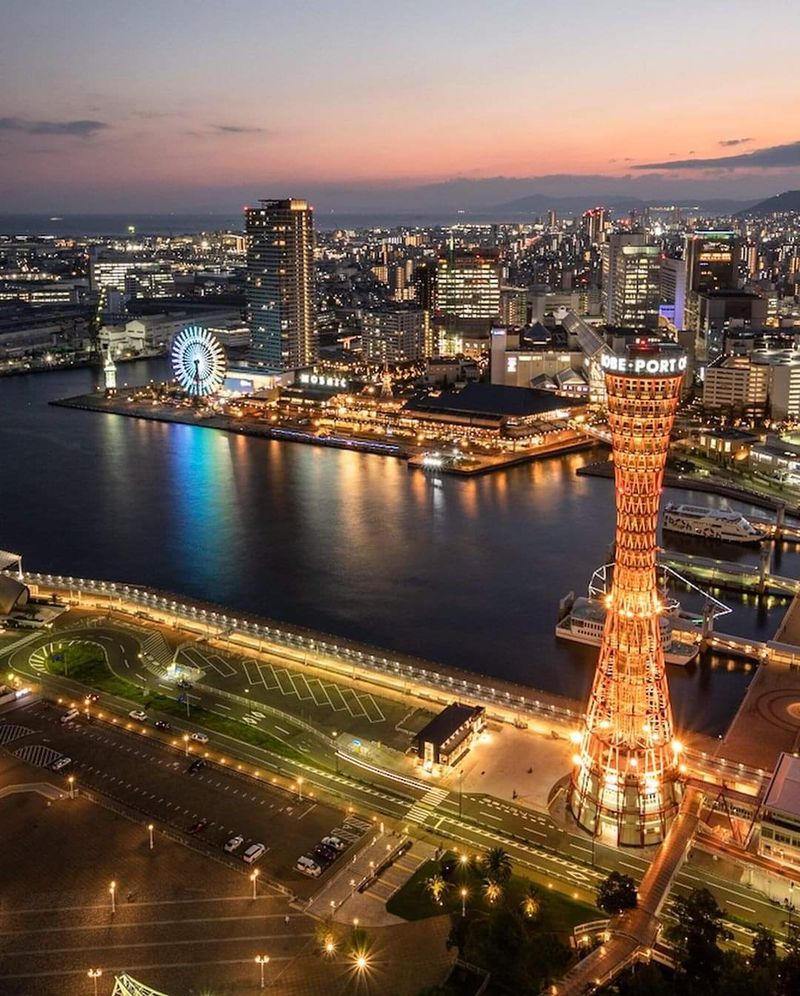
Kobe has spent years being treated as a quick detour between Osaka and Kyoto, and frankly, it deserves better. Expedia’s 2026 data found interest in Hyogo Prefecture up 105%, with the city’s culinary identity and proximity to Himeji Castle named as key draws for American travelers pushing beyond Japan’s standard circuit.
The beef alone could justify the trip, but Kobe offers considerably more than its most famous export.
Mountains press right up against a sophisticated harbor city, creating a dramatic backdrop that few Japanese cities can match. The Kitano neighborhood preserves old foreign residences from the late 1800s, when Kobe was one of Japan’s main international trading ports.
Chinatown fills with the smell of steamed buns and roasted meats on any given afternoon.
The city also works brilliantly as a logistical hub. Osaka, Kyoto, and Himeji are all reachable by train in under an hour, making Kobe an easy addition to any Kansai itinerary.
As Japan’s record-breaking U.S. visitor numbers push travelers further into regional destinations, Kobe is positioned perfectly to receive them. It has the history, the food, and the scenery to hold its own against any city in the country.
San Miguel de Allende, Mexico
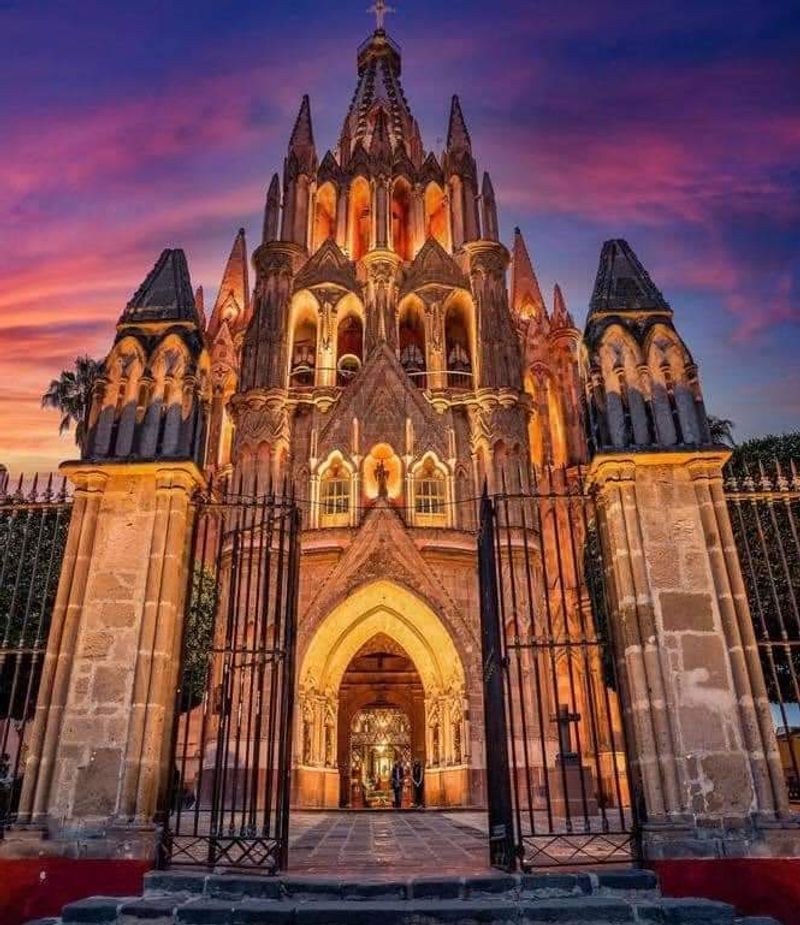
Walking into San Miguel de Allende for the first time feels a little like stepping into a painting that someone forgot to finish. Colors are almost aggressively vivid: hot pink bougainvillea spills over terracotta walls, cobblestones glow amber in the afternoon light, and the famous pink church tower rises above everything like a slightly eccentric crown.
Expedia named San Miguel one of its 2026 Destinations of the Year, backed by a 30% rise in searches.
UNESCO recognizes the historic town for its outstanding cultural significance, but the city’s appeal goes well beyond architecture. Boutique hotels hide behind heavy wooden doors, rooftop restaurants serve sophisticated Mexican cuisine with views of the valley, and art galleries fill old colonial buildings throughout the center.
Cooking classes, wine excursions, and design shops have built a secondary layer of experiences around the landmarks.
For Americans whose mental image of Mexico involves a beach resort and an all-inclusive wristband, San Miguel feels like a revelation. It sits at high elevation in the Bajio region, meaning the climate stays mild year-round.
The city is increasingly drawing travelers who want culture, food, and beauty without sacrificing comfort, and it delivers all three with genuine style.
Nagasaki, Japan
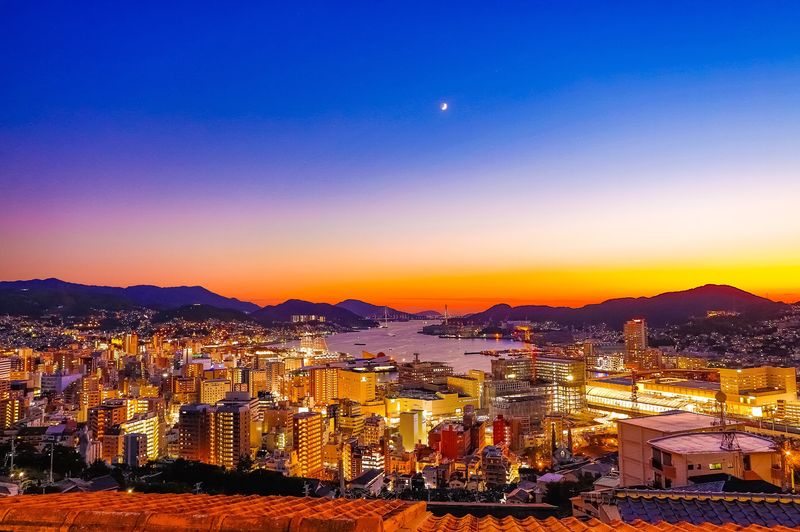
Nagasaki carries more history per square mile than almost any city its size on earth. The New York Times placed it on its 52 Places to Go in 2026 list, and Japan’s tourism organization directly connected that recognition to growing American interest in Japan’s lesser-visited cities.
The Peace Park and Atomic Bomb Museum are essential stops, and they are handled with a gravity and care that leaves most visitors genuinely moved.
But reducing Nagasaki to one chapter of its history misses most of the story. For centuries, this harbor city served as Japan’s main gateway to the outside world.
The Dutch trading post on Dejima island, the old Chinese quarter, and the European Christian heritage woven through the city’s architecture tell a story of cultural collision unlike anything found elsewhere in Japan. Glover Garden preserves the homes of foreign merchants who shaped the city’s unusual character.
Geography adds one more reason to visit. Nagasaki climbs steep green hills around a natural harbor, and the nighttime views from the hilltop lookouts rank among Japan’s most spectacular.
Travelers who arrive here after Tokyo and Kyoto often describe it as the trip that made Japan feel genuinely complex and surprising. That reaction is hard to manufacture.
Buenos Aires, Argentina
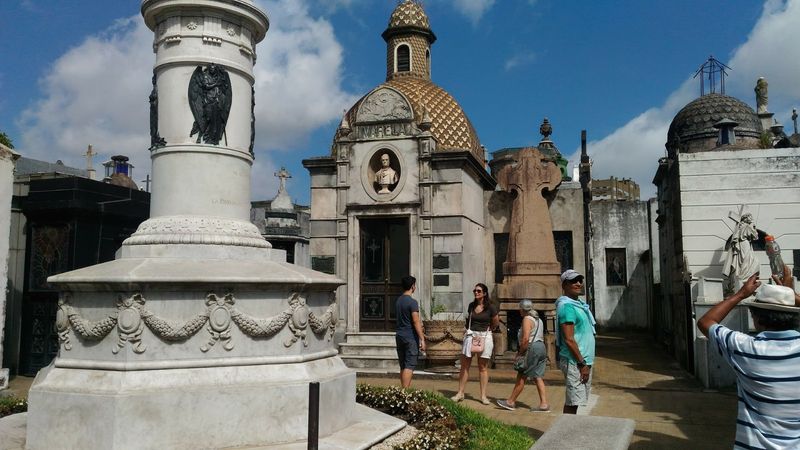
Buenos Aires is the city that makes first-time visitors immediately start planning a return trip. Expedia listed it among its 2026 Take-Off Destinations, with average hotel rates running about 35% lower than the comparison period, one of the steepest drops among all featured international cities.
That kind of value in a city of this scale and sophistication is genuinely unusual.
The neighborhoods alone could fill a week. San Telmo brings Sunday antique markets and crumbling colonial buildings with tremendous character.
Palermo serves up block after block of restaurants, wine bars, and boutique shops. Recoleta feels almost European, with grand boulevards and an ornate cemetery that somehow became one of the city’s most visited attractions.
La Boca splashes color across everything in sight.
Steak is serious business here, and the city’s parrillas have earned their global reputation honestly. Tango shows range from tourist-friendly dinner theater to underground milongas where serious dancers practice late into the night.
Theater, contemporary art, and a publishing industry that punches well above Argentina’s weight round out the cultural picture. For Americans looking south rather than east for their next big-city adventure, Buenos Aires makes a case that is very hard to argue with.
Nara, Japan
Roughly 1,000 deer roam freely through Nara’s parks, and they have absolutely no interest in your personal space. They will investigate your bag, nudge your elbow, and stare you down until you produce the special deer crackers sold throughout the city.
That alone makes Nara one of Japan’s most entertaining cities to visit, but the actual historical depth here is remarkable. Expedia’s 2026 Take-Off data showed hotel rates in Nara running about 30% lower while interest in the featured destinations climbed significantly.
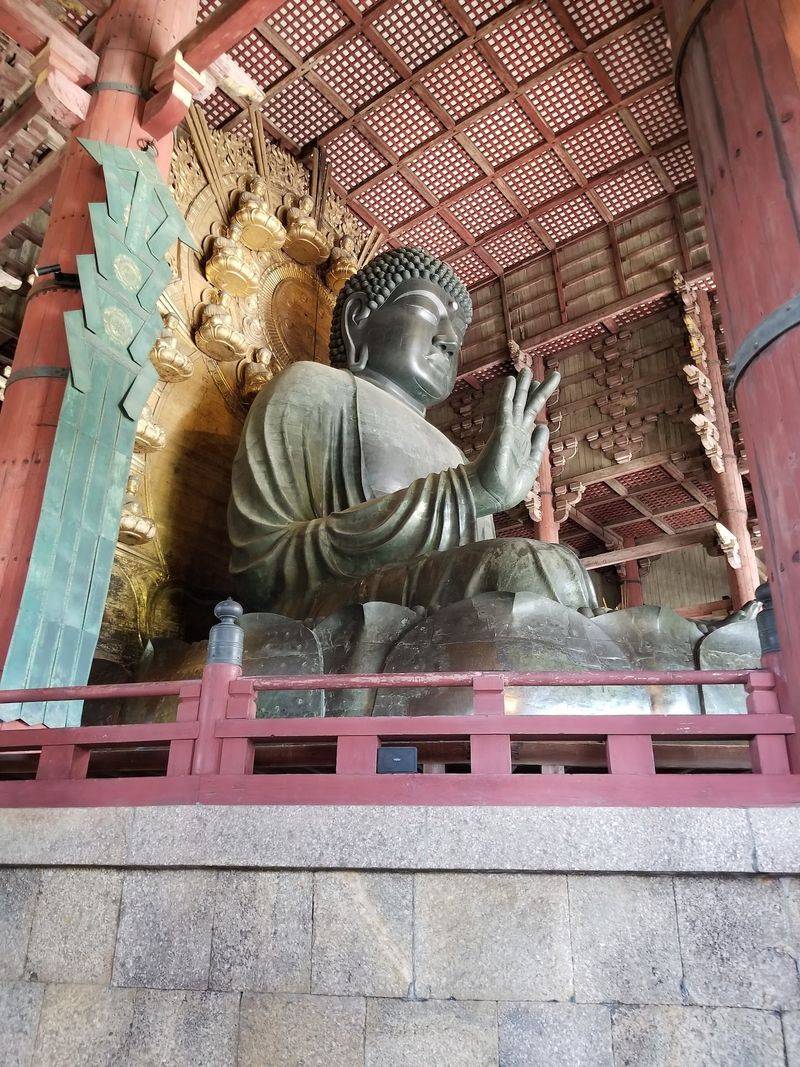
Todai-ji temple houses one of the largest bronze Buddha statues in the world inside a wooden hall that is itself among the largest wooden structures on the planet. The Naramachi district preserves old merchant townhouses.
Horyuji, a short trip from the center, contains some of the oldest surviving wooden structures anywhere in the world. Pilgrimage routes connect temples and shrines across the surrounding hills.
Most visitors arrive from Kyoto for a half-day and leave feeling like they rushed. Staying overnight changes everything.
Temple grounds empty out, the deer settle down, and the ancient city reveals a quieter, more meditative quality that the day-trip crowds rarely experience. Nara is no longer just a side trip.
It is becoming a destination in its own right.
Ankara, Turkiye
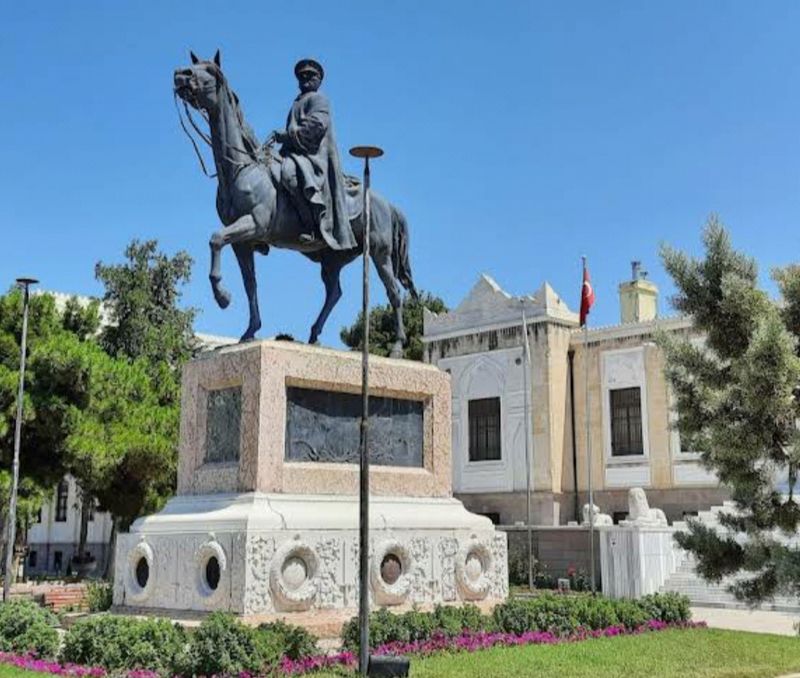
Most travelers flying into Ankara are connecting to somewhere else, which means they are missing one of the more underrated capitals in the world. Expedia’s 2026 Air Hacks data recorded a 295% jump in flight searches for the city, making it one of the fastest-rising international destinations in the entire report.
That number is hard to ignore, especially for a city that rarely appears in American travel conversations at all.
Istanbul gets the drama, the skyline, and the tourist infrastructure. Ankara gets the substance.
Anitkabir, the monumental mausoleum of Mustafa Kemal Ataturk, is one of the most architecturally powerful memorial sites in the world and carries deep meaning for Turkish people. The Museum of Anatolian Civilizations holds artifacts from Hittite, Phrygian, and other ancient cultures that shaped this region thousands of years before modern borders existed.
The city itself is more modern and less theatrical than Istanbul, which is precisely what makes it interesting to a certain kind of traveler. Ankara rewards curiosity over spectacle.
Travelers who leave Turkey after one trip feeling like they only scratched the surface often return and head straight for the capital. It holds answers that Istanbul simply does not have.
Hobart, Australia
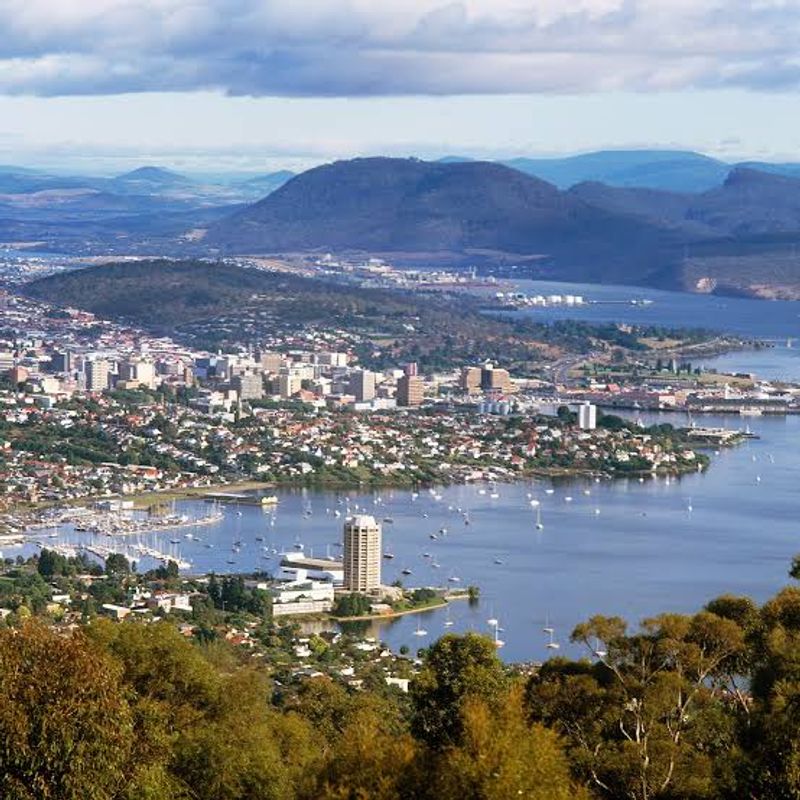
Tasmania used to be the punchline of Australian geography jokes. Hobart, its small capital city, is now regularly described as one of the most interesting food and arts destinations in the Southern Hemisphere.
Expedia named it a 2026 Destination of the Year, backed by a 25% rise in searches. The city’s transformation has been quiet but thorough.
The historic Salamanca district runs along the waterfront in a line of old sandstone warehouses converted into restaurants, galleries, and weekend markets. Above the city, kunanyi/Mount Wellington provides a hiking destination with views that stretch across the Derwent River estuary.
Tasmania’s food scene has become a genuine attraction, with local oysters, whisky, pinot noir, cheeses, and farm products appearing on menus throughout the city.
MONA, the Museum of Old and New Art, sits a short ferry ride from the waterfront and operates like no other museum in the world. Its founder built it as a personal collection without apology, and the result is genuinely provocative and endlessly discussed.
Beyond the city limits, Tasmania’s wilderness, wildlife, and dramatic coastlines wait. Hobart is the logical base for all of it, compact enough to understand in a day, deep enough to reward a week.
Manchester, United Kingdom
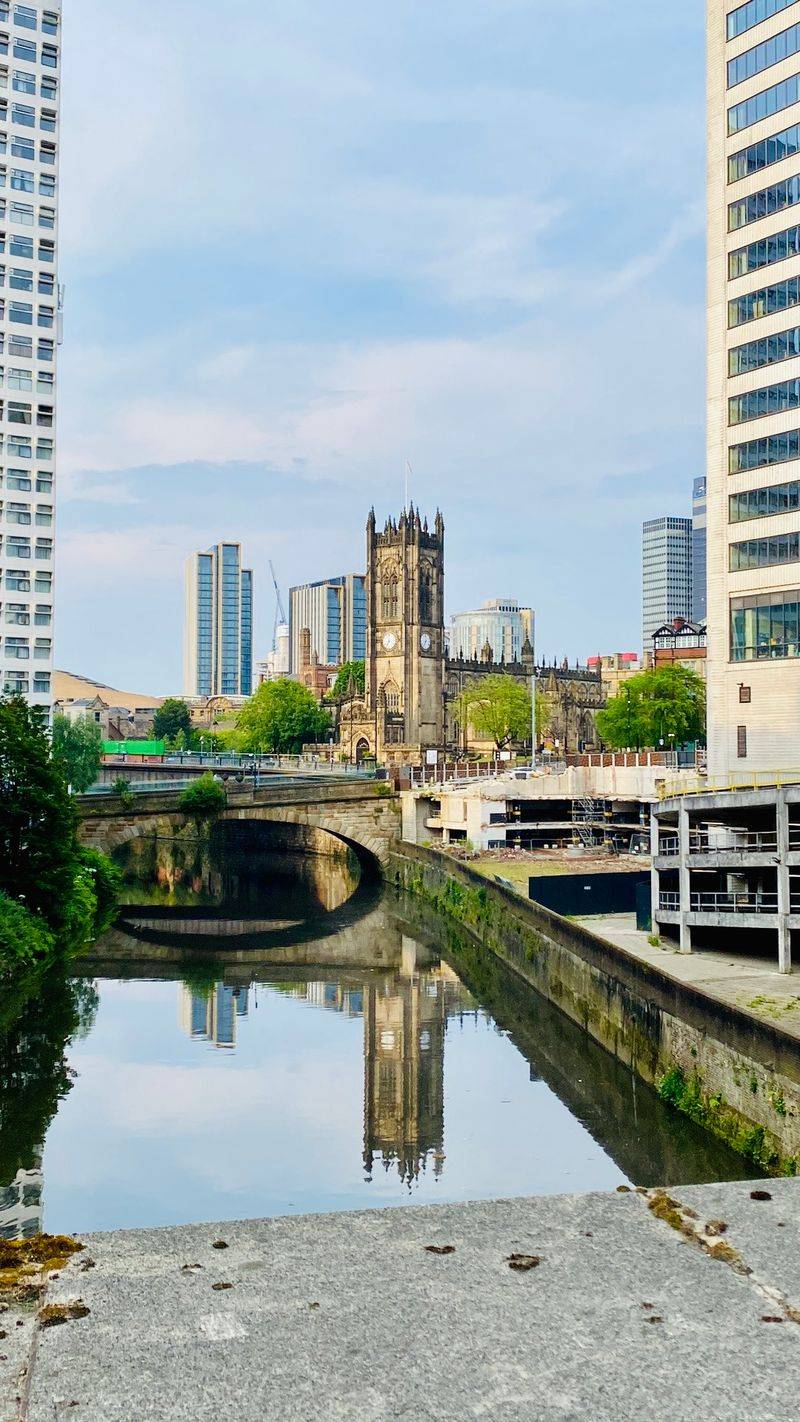
Manchester has two football clubs, one of the most influential music histories in rock and pop, and a personality so distinct that locals have been known to correct visitors who confuse it with London. Expedia included Manchester among its 2026 Take-Off destinations, showing hotel rates running roughly 15% lower during the featured summer travel period.
For a city of this cultural weight, that is a genuinely good deal.
The Northern Quarter delivers independent coffee shops, record stores, vintage clothing, street art, and the kind of creative density that takes decades to build organically. The city’s industrial past shaped its architecture, its humor, and its attitude toward outsiders, which is warmer than the reputation suggests.
Manchester also works as a practical base for a broader northern England trip.
Liverpool sits less than an hour away by train. The Peak District starts just outside the city limits.
Yorkshire, the Lake District, and parts of the Scottish border are all reachable on day trips or short overnight stays. Expedia separately identified Yorkshire as a major 2026 set-jetting destination, with summer searches up 35% year over year.
Manchester can serve as the urban anchor for that entire northern England experience, combining city energy with countryside access in a way London simply cannot replicate.
Toluca, Mexico
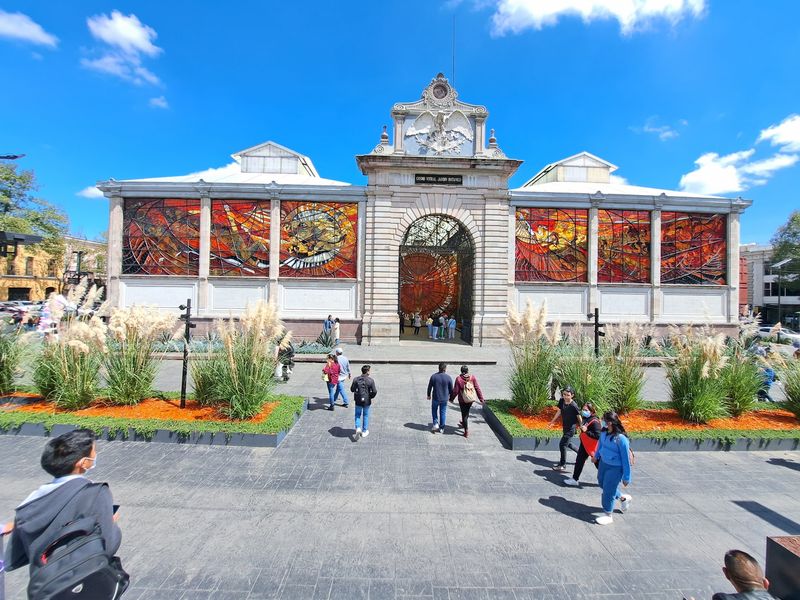
Toluca rarely shows up in glossy Mexico travel features, which is part of what makes its search numbers so interesting. Expedia reported a 225% increase in flight searches for the city, citing regional cuisine, arts, and access to dramatic volcanic scenery as the main drivers.
That is a significant jump for a destination that most American travelers have probably flown over without a second thought.
The city sits at high elevation west of Mexico City, close to Nevado de Toluca, a massive dormant volcano whose crater holds two striking alpine lakes. The visual payoff at the crater rim is the kind of landscape that stops people mid-sentence.
Back in the city, the covered market is one of the largest and most authentic in central Mexico, selling local cheeses, chorizo, sweets, and produce that rarely make it into the tourist circuit.
The broader significance here goes beyond Toluca itself. American travelers who have visited Mexico multiple times are starting to look past the coastal resorts and the same handful of headline cities.
Regional Mexico, with its distinct foods, crafts, and landscapes shaped by local history rather than international tourism, is becoming the next chapter in how Americans experience the country. Toluca is simply one of the first chapters in that story to get noticed.
Shenzhen, China
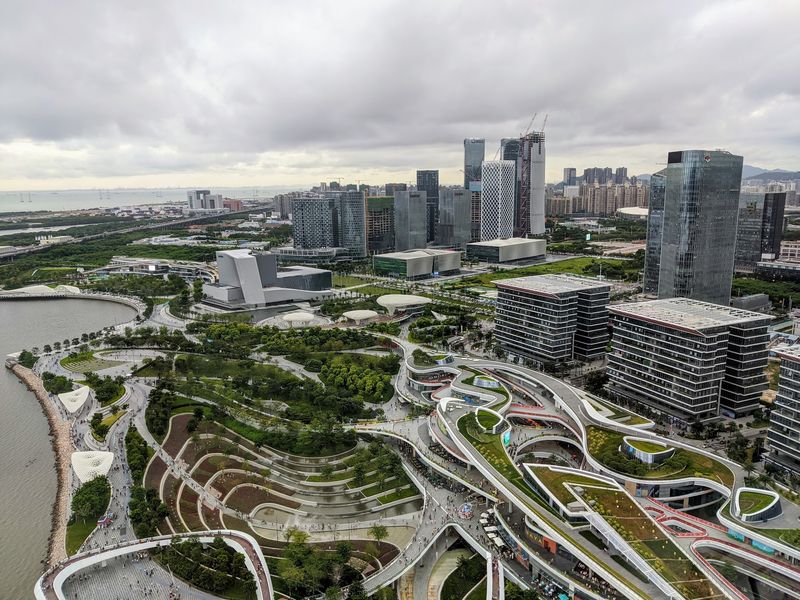
Shenzhen did not exist as a major city forty years ago. Today it is home to some of the world’s most recognizable technology companies, a skyline that looks like a science fiction set, and a food scene pulling from every corner of China’s enormous culinary tradition.
Expedia included it among 2026’s Take-Off destinations, with average daily hotel rates running about 25% lower in its summer comparison period. That kind of value in a city this dynamic is worth paying attention to.
For travelers who have already visited Beijing or Shanghai, Shenzhen provides a completely different image of what Chinese cities can be. It is younger, faster, and considerably more experimental in its architecture, design, and urban planning.
The Futian district alone contains enough contemporary buildings to fill a photography card several times over. Dafen Oil Painting Village, where thousands of artists produce and sell work from an entire neighborhood of studios, adds a quirky creative dimension that surprises most visitors.
The location beside Hong Kong makes the logistics almost too convenient. A short train journey connects two major urban systems with entirely different histories and personalities, giving travelers a natural two-city structure that works beautifully.
Shenzhen is not the China of ancient temples. It is the China of what comes next.
Wellington, New Zealand
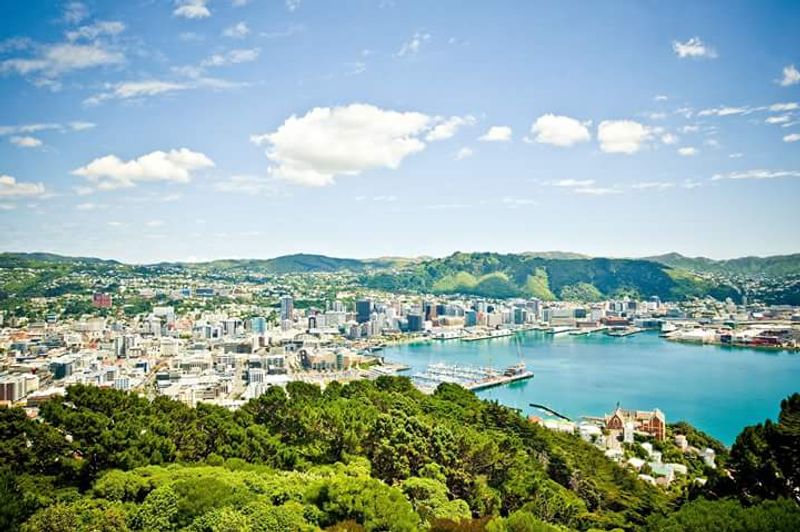
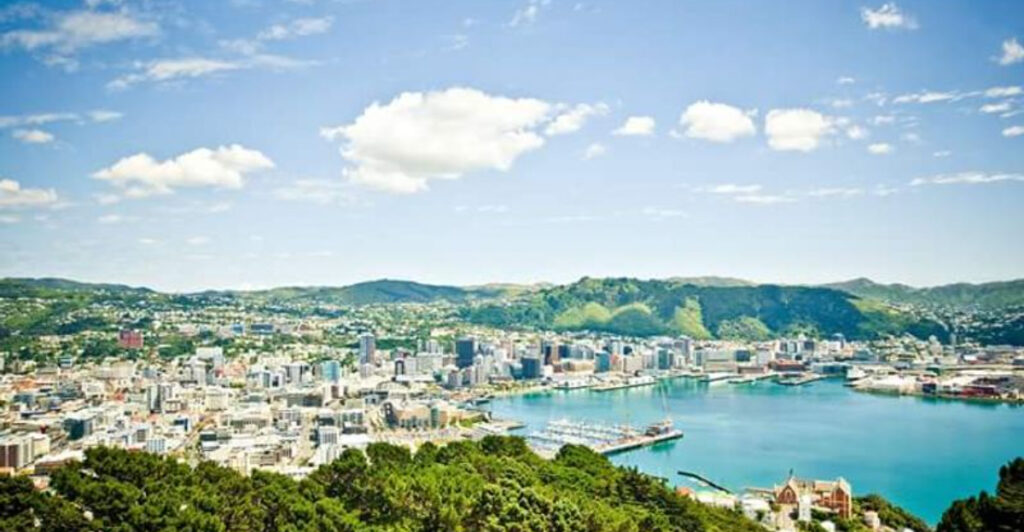
Wellington is the kind of city that people discover by accident and then spend the rest of the trip telling everyone about. New Zealand’s compact capital sits at the southern tip of the North Island, built on steep hills around a harbor that catches wind from every direction.
Expedia’s 2026 set-jetting forecast highlighted Wellington as a destination expected to benefit from continued screen-inspired travel, connected to the city’s long relationship with major international film production.
That connection has real substance. The Wellington region has become one of the world’s important centers for film and visual effects, and travelers can explore that creative culture alongside the city’s considerable non-cinematic charms.
Te Papa, New Zealand’s national museum, offers a genuinely excellent introduction to Maori culture, natural history, and the country’s complicated colonial past. The café and restaurant scene punches well above the city’s population size.
Craft beer, independent bookshops, weekend markets, and arts venues fill the waterfront and inner neighborhoods with the kind of energy usually found in much larger cities. The famous cable car climbs from the city center to the Botanic Garden above.
Vineyards, wildlife reserves, and coastal scenery sit within short driving distance. A New Zealand trip once built entirely around Queenstown and the South Island is increasingly finding room for the capital at both ends.
Guadalajara, Mexico
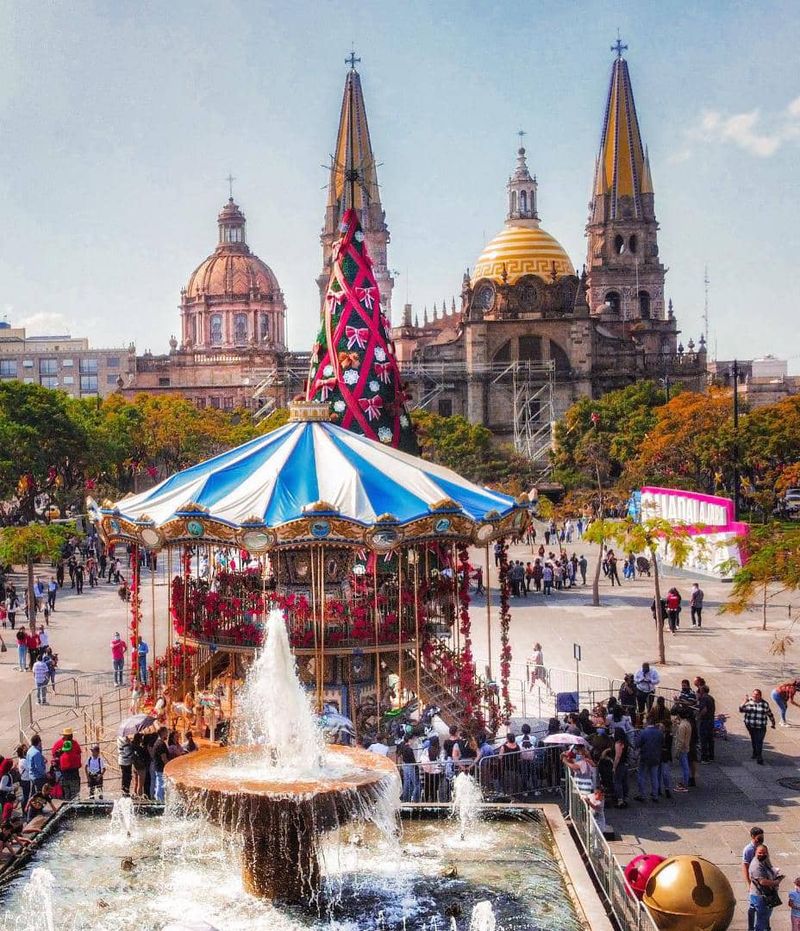
Guadalajara gave the world tequila, mariachi, and a colonial city center so grand it makes first-time visitors stop and wonder why nobody told them about this place sooner. Expedia recorded a 95% increase in lodging searches around the major 2026 soccer tournament, giving the city a burst of international visibility that its cultural richness has long deserved.
The tournament may be the catalyst, but the reasons to visit run much deeper than sport.
Jalisco state is tequila country in the most literal sense. The town of Tequila, with its blue agave fields and old distilleries, sits within easy reach of the city.
Tlaquepaque adds galleries, ceramics workshops, and a tree-shaded pedestrian atmosphere that feels distinct from the urban center. Back in Guadalajara itself, the Mercado San Juan de Dios is one of Latin America’s largest covered markets, a sensory overload of food, crafts, and noise that rewards patient exploration.
The food scene has grown more sophisticated in recent years, with chefs treating Jaliscan ingredients and traditions as serious culinary material rather than tourist-friendly backdrop. Grand colonial plazas, vibrant murals by Jose Clemente Orozco, and a nightlife scene with genuine personality round out a city that rewards travelers willing to look beyond Mexico’s most obvious destinations.
Sports may introduce a new audience. The food and culture are what will bring them back.
Share this story